Our Issues
Public Lands
Why It Matters

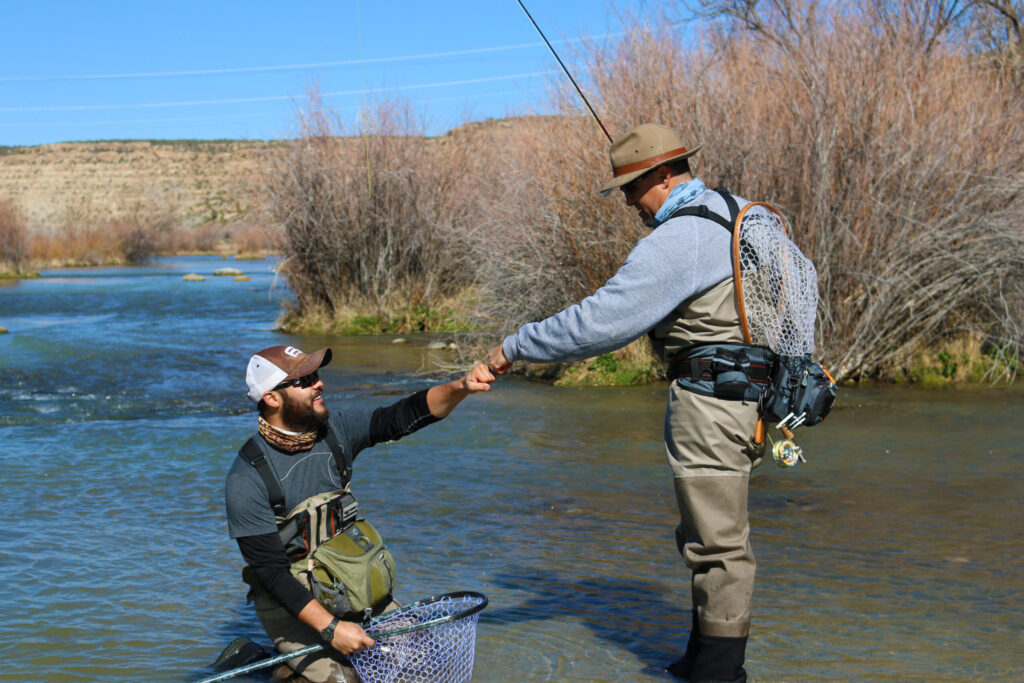
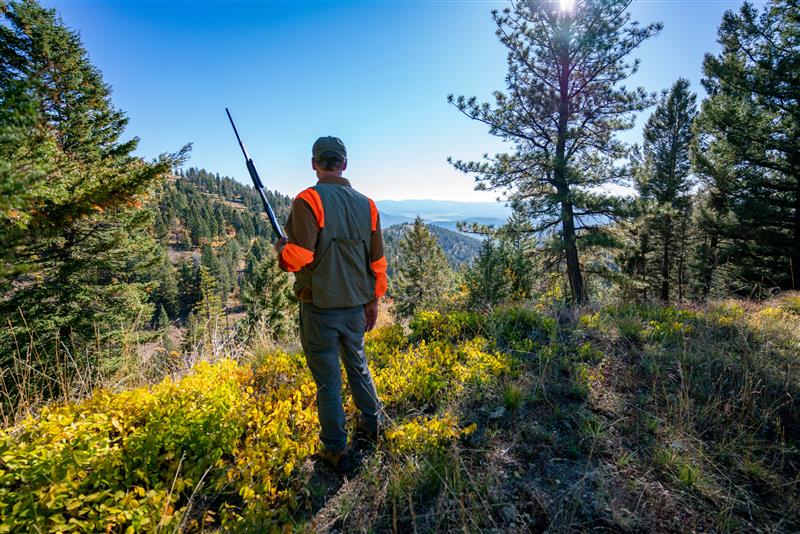
Hunting & Fishing Access

America’s 640 million acres of national public lands provide irreplaceable hunting and fishing opportunities to millions of Americans.

Learn More About Access
What TRCP is Doing

We’re working to safeguard America’s public lands so hunters and anglers always have quality places to pursue their passions.

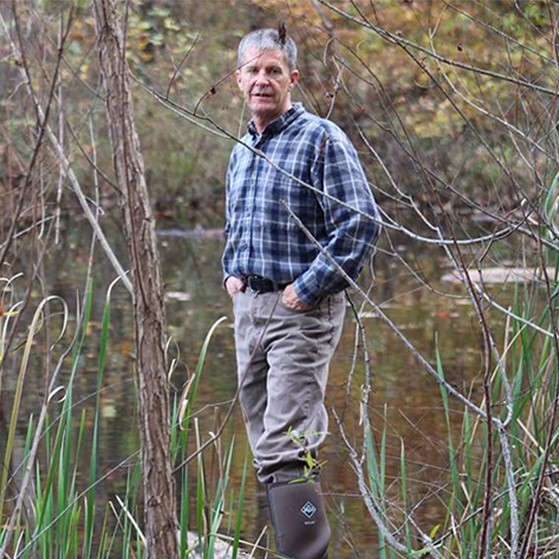
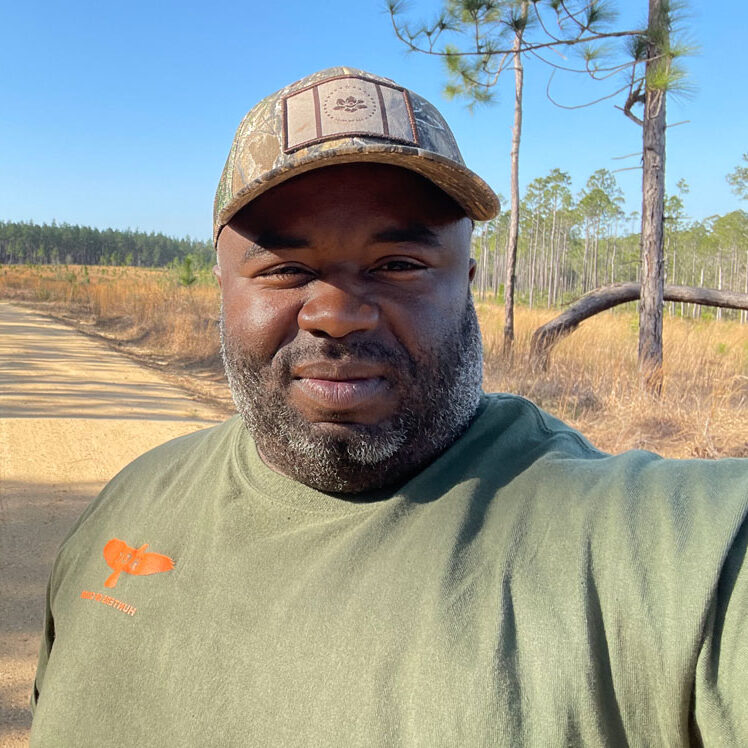
 Brian Flynn, Two Wolf Foundation
How Sportsmen Are Doing It Right

Brian Flynn, Two Wolf Foundation's Story

Following a distinguished career in the U.S. Army, lifelong outdoorsman Brian Flynn returned home from a deployment in Afghanistan and…

Hunting
Why It Matters

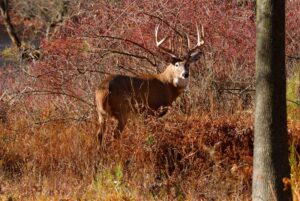
Key Issues for America’s Hunters

Your source for the latest policy updates, conservation challenges, and opportunities shaping America’s hunting traditions.

What TRCP is Doing

We’re fighting for meaningful policy changes that benefit wildlife, our waters, and the American landscapes that make our outdoor traditions possible.

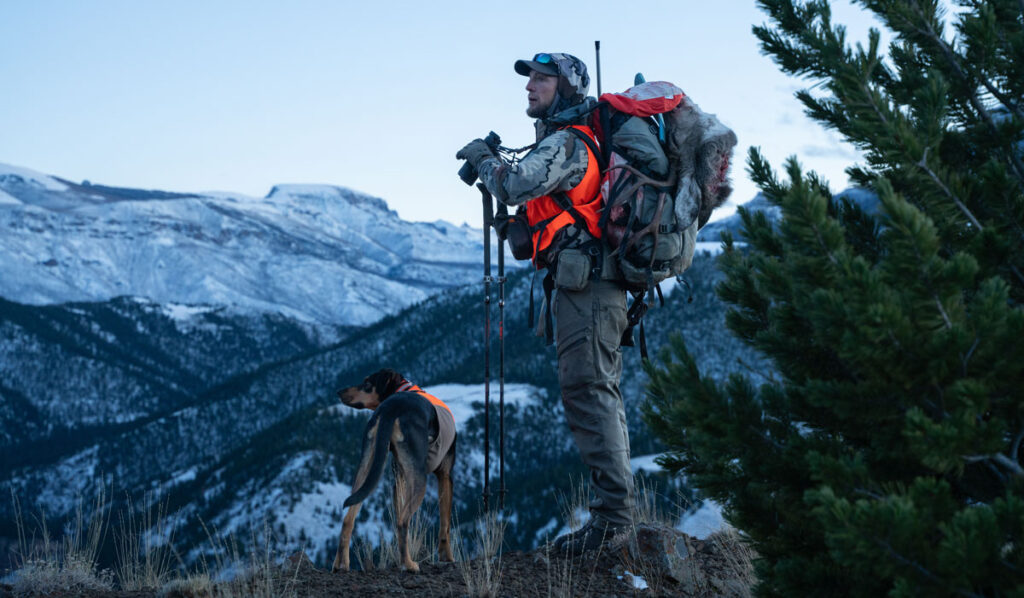
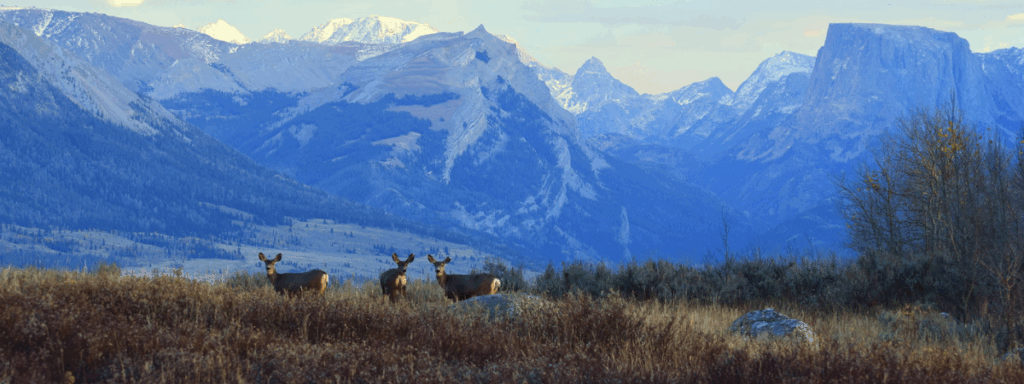
 Ryan Sparks
How Sportsmen Are Doing It Right

Ryan Sparks's Story

TRCP’s “In the Arena” series highlights the individual voices of hunters and anglers who, as Theodore Roosevelt so famously said,…
Fishing
Why It Matters

Key Issues for America’s Anglers

Your source for the latest policy updates, conservation challenges, and opportunities shaping America’s fishing traditions.

What TRCP is Doing

We’re fighting for meaningful policy changes that benefit wildlife, our waters, and the American landscapes that make our outdoor traditions possible.

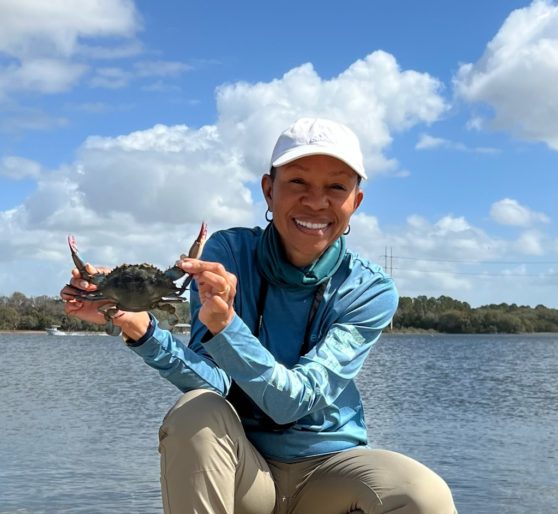
 David Mangum
How Sportsmen Are Doing It Right

David Mangum's Story

Capt. David Mangum is a YETI ambassador and outdoor photographer who utilizes his talents to produce media that inspire a…

Private Land
Why It Matters

Stewardship on America’s private lands

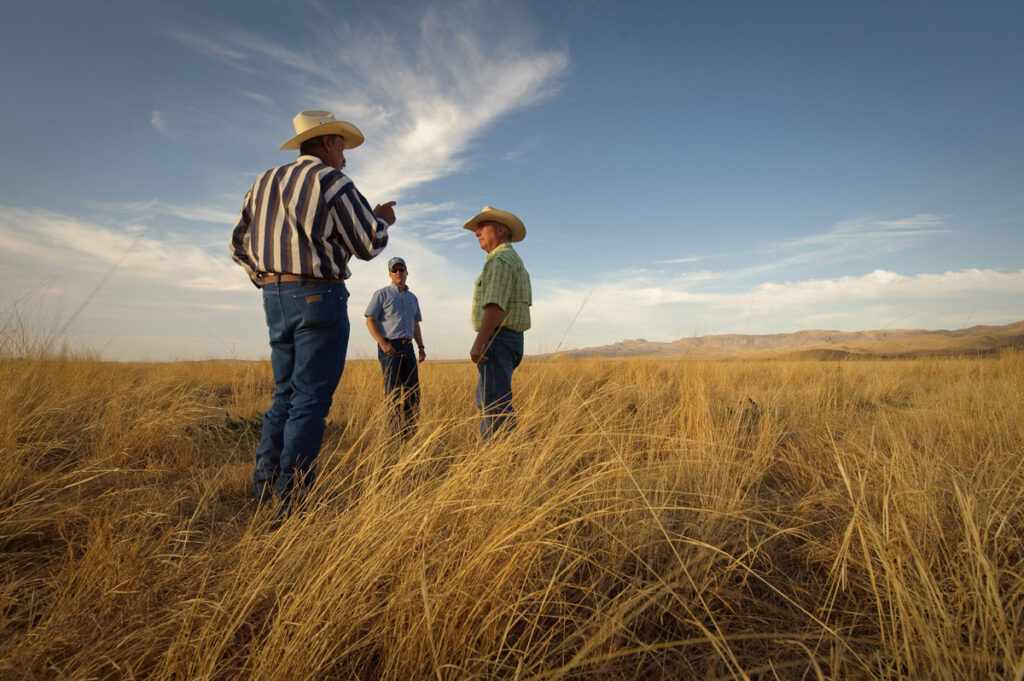
With 70 percent of U.S. lands in private hands and many of our best hunt and fish opportunities occurring there, investing in voluntary conservation on working lands safeguards access, strengthens habitat and water quality, and ensures resilient landscapes.

Learn More
What TRCP is Doing

We champion policies and programs that restore wildlife habitat, improve soil and water health, and keep working lands productive.

 Ward Burton
How Sportsmen are Doing It Right

Ward Burton's Story

Ward Burton’s NASCAR driving career stretched across most of two decades. As an avid sportsman and conservationist, he founded the…

Special Places
Why It Matters

Special Places Worth Protecting

America’s most iconic landscapes provide unmatched habitat and unforgettable days afield. These places sustain wildlife, anchor local economies, and define the hunting and fishing traditions we pass down.

What TRCP is Doing

We’re working to conserve special places that provide world-class habitat and unforgettable opportunities for hunters and anglers.

 Franklin Adams
How Sportsmen Are Doing It Right

Franklin Adams's Story

As a true Gladesman, conservationist, and historian, Capt. Franklin Adams has spent more than six decades championing Everglades restoration efforts…

Habitat & Clean Water
Why It Matters

Healthy Habitat Powers Every Pursuit

All hunting and fishing opportunities depend on quality habitat, from clean water and healthy wetlands to winter and summer habitats and the migration corridors that connect them.

All About Habitat & Clean Water
What TRCP is Doing

We are working to safeguard the habitats that power every hunting and fishing opportunity.

 Alex Harvey
How Sportsmen Are Doing It Right

Alex Harvey's Story

Alex Harvey, founder of Legacy Land Management, is a registered professional forester in Mississippi and Alabama with a Master's degree…

Science
Why It Matters

Science That Guides TRCP

From conserving migration corridors and wetlands to ensuring clean water and resilient landscapes, science provides evidence that turns conservation goals into effective action.

Science for Conservation
What TRCP is Doing

For hunters and anglers, science safeguards the experiences we treasure including resilient big game populations, abundant fish, and wild places that endure changing social landscapes.

Jamelle Ellis
Your Science Expert

Jamelle Ellis's Story

Jamelle Ellis joined the Theodore Roosevelt Conservation Partnership in 2022. Jamelle spent the last three years as an environmental sustainability…

Where We Work
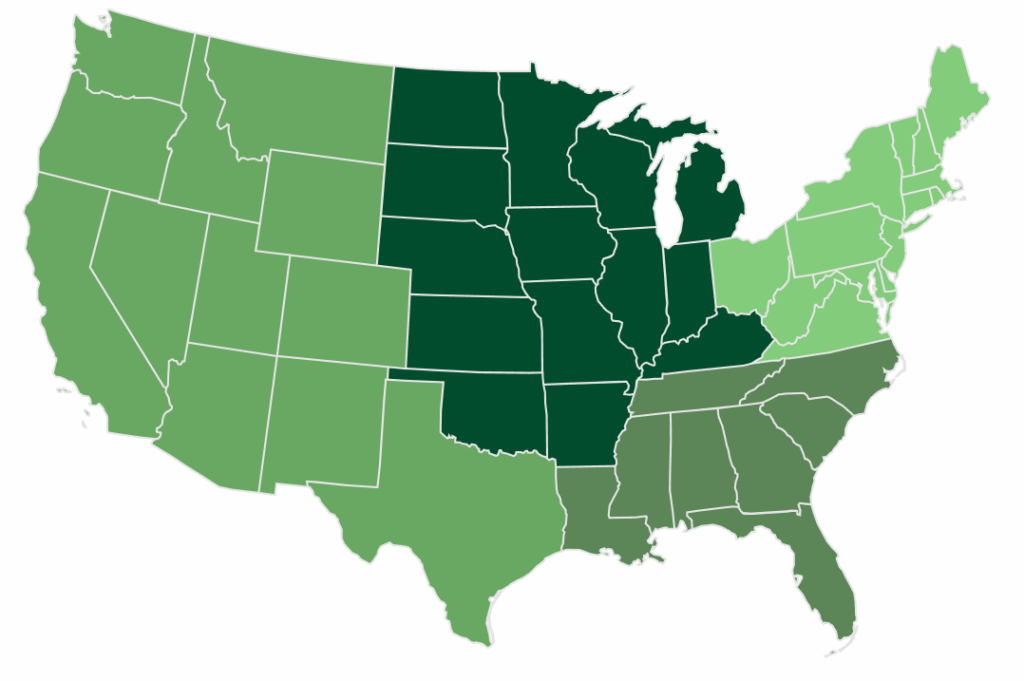
Across the Nation

Conservation Across America

TRCP works across the country to ensure hunters and anglers can enjoy healthy fish and wildlife and quality days afield, no matter where they live.

See All Issues
TRCP in Your Region

TRCP works across the country to ensure hunters and anglers can enjoy healthy fish and wildlife and quality days afield, no matter where they live.

Who We Are
Our Mission

To guarantee all Americans quality places to hunt & fish

We unite and amplify our partners’ voices to advance America’s legacy of conservation, habitat, and access.

Our Mission & Values
Our People & Partners
  • Meet the TRCP Team

    Our staff and board members unite and amplify our partners’ voices to advance America’s legacy of conservation, habitat, and access.

    Meet the Team
  • Our Partners

    ‘Partnership’ is in our name. We work with 64 diverse partner groups that represent today’s leading hunting, fishing, and conservation organizations in order to strengthen the sportsman’s voice in Washington, D.C.

    Our Partners
  • Corporate Council

    TRCP’s Corporate Council is made up of diverse corporations that share a common passion for conservation.

    Corporate Council
Our Organization

Looking for more information?

Explore our latest news, policy updates, and conservation resources to get the information you need.

Giving
How You Can Help

To guarantee all Americans quality places to hunt & fish

Your tax-deductible donation will support TRCP's mission, now and into the future.

DONATE
Special Ways to support trcp
  • Capital Conservation Awards Dinner

    The CCAD is one of Washington's best-attended conservation celebrations, featuring dinner, cocktails, and a silent auction.

    Learn More
  • Step Into the Arena

    Help us ensure that our treasured wild habitats and game remain intact for the next generation to enjoy – lend your support to the TRCP’s efforts today!

    Donate
  • Roosevelt Roast

    TRCP has partnered with Afuera Coffee Co. to further our commitment to conservation.

    Learn More
More donation options

Find the best way for you to lend your support. Join one of TRCP’s donor circles for special invitations, premium offerings from outdoor retailers, and more exclusive benefits. Take control of your legacy with planned giving or contribute to special conservation funds.

Other Ways To Give
News
In the Spotlight

House Agriculture Committee Chairman GT Thompson Introduces Farm Bill Proposal 

Hunters and anglers depend on strong Conservation and Forestry Titles, and TRCP will closely evaluate the bill's impacts as it moves forward.

Read More

Stay Informed

Receive our newsletter, the Roosevelt Report, right in your inbox. Never miss the latest news in conservation issues.

by:

posted in:

December 12, 2016

birds1

by:

posted in:

December 8, 2016

In 24 Hours, the Pending Legislation We Care About is Going to Get Scrapped—Again

When lawmakers leave town, this session of Congress is over, and all pending legislation goes back to square one in January

The last few grains of sand of the 114th Congress will soon fall through the hour glass, and the most important priorities of sportsmen appear poised to fall, as well. Here’s what we know about the status of legislation important to TRCP, as of publication.

Pretty Much Toast
This marked the third consecutive Congress where a slew of critical sportsmen’s priorities dealing with both conservation and access were assembled into a comprehensive legislative package. (Reminder: We urged lawmakers to make passage of this legislation a priority this week.) With just hours left in session, it looks like this will also be the third consecutive Congress that has failed to move this important legislation to the president’s desk.

Image courtesy of Dustin Gaffke/Flickr.

Some Good, Some Bad
For months, TRCP and other sportsmen’s organizations have been enthusiastically supportive of passing the Water Resources Development Act (WRDA) to authorize billions of dollars’ worth of water infrastructure projects across the country—including the Central Everglades Planning Project, a major TRCP priority. However, as negotiations stretched down to the wire, some problematic California drought provisions, which would weaken protection for salmon and target the eradication of economically important sport fish, were hastily added. While we’ll still likely support the bill, these provisions were not originally included in either the House or Senate version of the WRDA bill, and airdropping them in now is no good for fish or anglers.

One Quiet Victory
Sage grouse comprise one of the few bright spots of the last few weeks of the session. TRCP has long viewed the efforts to conserve sage grouse core habitat as a major conservation victory, and likewise has opposed all efforts to undermine the implementation of those plans. The most realistic threat to ongoing sage grouse conservation once again occurred in the debate over the National Defense Authorization Act, but thanks to the concerted efforts of sportsmen and other conservationists and our champions on the Hill, for the second year in a row, short-sighted grouse language was left out of the final bill.

We’ll keep tracking these bills (and a short-term funding solution that’s imminent) until lawmakers leave town for the holidays—some of them for good—so follow us on Facebook and Twitter for the latest developments. Of course, we’ve been here before, and we’re committed to seeing these critical conservation priorities through in the next Congress.

by:

posted in:

How Genetic Information from Sage Grouse Feathers Could Help Us Save Them

DNA pulled from more than 3,000 feathers is helping to set the course for the future of sage-grouse conservation

Successful hunters gather data. They climb trees, glass ridgelines, or use trail cameras to consider how critters are moving—the more you can comprehend a landscape, the greater your ability to get a shot.

The same kind of big-picture understanding is essential to conservation that benefits fish and wildlife. In the effort to conserve greater sage grouse habitat and avoid listing the bird, researchers and land managers have been using all the innovative tools at their disposal to fully understand the habitat conditions contributing to the sage grouse’s plight. The trouble is, with a range encompassing such a huge area of western North America—the birds are currently found in 11 states and some parts of Canada—that’s a heck of a lot of ground to monitor.

So, wildlife biologists got creative. They’re unlocking more comprehensive knowledge about habitat connectivity by pulling DNA from sage grouse feathers.

Image courtesy of the U.S. Fish and Wildlife Service.

The DNA contained in feathers can paint a broader, more in-depth picture of how the birds interact with the landscape than was possible before this technology was widely understood. Genes, discrete bits of DNA, get passed from parents to chicks and vary from bird to bird like a signature. If you know how to decipher the code, it can reveal how related the birds are—and where the landscape might cut them off from one another.

Todd Cross and Mike Schwartz, wildlife biologists with the U.S. Forest Service, recently published a study that begins to unlock the ties between sage-grouse genetics, the sagebrush sea, and how to best conserve the species that depend on it. By recruiting friends and colleagues to help, scientists collected 3,481 sage grouse feathers from 351 leks across the West. Sportsmen were in on the action too—according to Cross, hunter-harvested wings provide the highest quality DNA samples.

Cross decoding DNA back in the lab. Image courtesy of Todd Cross.

Focusing on feathers from Montana and the Dakotas first, Cross and Schwartz looked at gene flow, which is similar to a game of hot potato: Genetic structure gets passed along until someone drops the potato. In a landscape with habitat connectivity, critters share genetic information across distances far greater than a single bird could travel. However, when some groups of sage grouse are isolated from others by fragmentation, birds in one region have different genetic markers than others down the line.

Cross wanted to identify where the landscape results in barriers for gene flow—the places where potatoes get dropped, so to speak—and he and Schwartz found a significant difference in the genetic structure of sage grouse across various parts of the landscape. They took what they learned from the genetic material and created a map indicating the location of subpopulations, clusters of sage grouse with discrete genetic structures, which is depicted below.

Three main subpopulations of sage grouse are colored in reds, blues, and yellows. Pairs of darker and lighter colors signify subpopulations with similar genetics to one another. Image courtesy of Todd Cross.

This discovery—both in terms of the research method they employed and the map they produced—is significant when it comes to conserving and managing sage grouse on the ground. In the words of Schwartz: “The beauty of this work is that it allows for informed decisions.”

The architects of the federal, state, and local conservation plans to reverse an overall decline in sage grouse populations have determined where management actions should be taken based on established priority areas for conservation (PAC)—habitat parcels that are essential for the species’ success.

Often, discussion surrounding PACs is focused on habitat quality in the specific area in question, which can miss critical ingredients for conservation success. Healthy conditions within one patch of habitat is important, of course, but it must also be connected to other swaths of sagebrush habitat for these birds to thrive. Sage grouse need the ability to move from place to place, and stakeholders must work in cooperation between discrete management areas accordingly—after all, grouse don’t recognize the boundaries between state, federal, and private lands.

“We can use the DNA study and other scientific data to better define landscape boundaries for conservation and mitigation actions, as opposed to drawing arbitrary or politically-based boundaries,” says Ed Arnett, TRCP’s senior scientist. Cross and Schwartz’s work helps map out how sage grouse are actually using the landscape.

Image courtesy of Ed Arnett.

Furthermore, the genetic isolation implied by their results in Montana and the Dakotas can be problematic in and of itself. Schwartz explains that inbreeding—a consequence of isolation—can lead to diminished fitness in the population. In other words, without new genes coming into a population from outside geographic areas, sage grouse might see a reduced ability to survive or breed.

“We know this from domestic stocks,” he says, referring to agriculture. “You see these consequences in things like reduced milk production. To keep the animals healthy, you have to see new blood coming into populations.”

So what does this mean for management? All the stakeholders—including agencies that manage distinct regions—must work together to establish more habitat connectivity to benefit sagebrush species. The good news is that sage grouse have a history of bringing people together.

“We have seen unprecedented coordination and planning efforts across 11 Western states that led to the U.S. Fish and Wildlife Service’s decision not to list the bird for Endangered Species Act protection in September 2015,” says Arnett. “This type of broad collaboration among the state and federal agencies and diverse stakeholders is a game changer for the future of conservation in America.”

Cross and Schwartz also shared a little about the future of their study: They’ve expanded their work to encompass almost all of the bird’s range, and they’re uncovering some exciting new information about this icon of the West. For example, they found that a sage grouse traveled more than 120 miles in a single season!

Relying on science to determine what’s best for fish and wildlife has always been a key tenet of the North American Model of Conservation. But the innovation it takes to reach informed decisions about land management and habitat restoration is pretty cool on its own.

Learn more about the sage grouse genetics study here. And if you think DNA pulled from a feather is fascinating, check out this mule deer migration study, where big game animals are literally sending their GPS coordinates to researchers’ smartphones.

by:

posted in:

December 6, 2016

Glassing the Hill: December 5 – 9

The TRCP’s scouting report on sportsmen’s issues in Congress

The Senate and House are in session this week, and lawmakers are eager to leave D.C. as soon as this Friday, December 9. As the clock ticks, Congressional leadership remains optimistic about passing essential legislation that affects sage grouse conservation, the Everglades, and critical funding. The 115th Congress will convene on Tuesday, January 3.

Sage grouse conservation is safe—for now. On Friday, the House passed the National Defense Authorization Act (NDAA) conference report, which the Senate is expected to pass this week. A provision that would have allowed governors to veto sage-grouse conservation plans for federal public lands—effectively freezing the conservation status of the bird for a decade—was omitted from the report after significant push back from conservation and sportsmen’s groups. In fact, more than 3,000 sportsman-advocates responded to a TRCP action alert and sent letters urging lawmakers to allow sage grouse conservation success to continue. The exclusion of this language from the NDAA is a short-term victory though, and we’re prepared for this issue to resurface in the next Congress.

Government funding is on the docket, no strings attached. A new short-term continuing resolution (CR), which must pass before federal funds run out on Friday, will fund the government at 2016 levels through early spring, although the specific end date is not yet public. While these measures sometimes carry riders with implications outside of funding, the new CR is expected to be fairly clean.

Water legislation could bring good tidings for the Everglades. Leading members in the Senate Environment and Public Works and House Transportation and Infrastructure committees have indicated that they have come to an agreement on the Water Resource Development Act (WRDA), and they’re expected to pass it this week. The issue that kept the bill in limbo was a provision that provides emergency funds to combat the lead-contaminated water in Flint, Michigan. Since both the Senate and House versions of WRDA include authorization of funds for the Central Everglades Planning Project and promote the use of nature-based infrastructure, such as wetlands and marshes, the final negotiated bill should include these provisions, too.

by:

posted in:

December 1, 2016

BLM Gets Locals More Involved in Public Land Management

By updating a decades-old rule, the agency is injecting more opportunities for the public to weigh in on land-use planning—and for sportsmen to make the case for habitat and recreation

The Bureau of Land Management, which is responsible for overseeing 245 million acres of the nation’s public lands, has issued its final ‘Planning 2.0’ rule that will update how the agency plans for land management in the West.

The most significant change is the establishment of three additional public input periods early in the planning process to increase transparency and allow for more robust public involvement. Sportsmen and women are hopeful that these changes will increase public satisfaction in the land-use planning process and eventual management of public lands.

Image courtesy of Eric Petlock.

“Public lands are an asset to every American, and even though land-use planning has always been a public process, Planning 2.0 will allow people to weigh in early and often about the land-management decisions that impact the places they hunt and fish,” says Whit Fosburgh, president and CEO of the Theodore Roosevelt Conservation Partnership. “It doesn’t matter if you live in central Montana or southern New Mexico, you will now benefit from having a better seat at the table when the BLM is considering how to manage your public lands, and that means more opportunities to sustain quality hunting and fishing.”

Because of this, support for Planning 2.0 has come from sportsmen, but also from community leaders in Colorado, Montana, and California counties where Planning 2.0 principles were road-tested.

“As an elected official representing a rural Western county, I believe the BLM’s revised planning efforts are helping us get ahead of the game, by increasing opportunities for public input and allowing all parties to roll up their sleeves and get involved before land management decisions are set in stone,” says Mike Brazell, a county commissioner in Park County, Colo. “This thorough pre-planning will help to better manage landscapes for all the ways they are used—whether it be for hunting, fishing, trailrunning, timber production, or energy development—and support our community’s ability to maintain a high quality of life and healthy local economy.”

Migratory wildlife will also benefit from better management and conservation in the new planning rule. Where there once was no specific mention of wildlife migration corridors in BLM planning documentation, now field offices must consider identifying and locating migration corridors early in the process of planning for land use. That’s good news for big game animals and hunters.

“Migration corridors are a vital habitat component for big game like mule deer, elk, and pronghorn antelope in the West,” says Miles Moretti, president and CEO of the Mule Deer Foundation. “We’ve long seen the need for more formal recognition of these areas, where animals move, feed, and rest between seasonal ranges, and we’re confident that identifying these corridors early in the planning process will reduce conflicts, while yielding better experiences afield for sportsmen and women.”

More than 8,400 hunters and anglers have signed a petition and sent letters of support for better BLM land-management tools that prioritize public access, conserve and enhance habitat, and balance development with the needs of fish and wildlife. More than 500 hunting and fishing businesses, sportsmen’s groups, and wildlife professionals have also backed the idea that BLM lands are “Sportsmen’s Country” and should be managed in ways that support sportsmen’s values, including habitat conservation and access.

Learn more about Planning 2.0 and the benefits to hunting, fishing, and wildlife.

HOW YOU CAN HELP

TRCP has partnered with Afuera Coffee Co. to further our commitment to conservation. $4 from each bag is donated to the TRCP, to help continue our efforts of safeguarding critical habitats, productive hunting grounds, and favorite fishing holes for future generations.

Learn More

You have Successfully Subscribed!

You have Successfully Subscribed!

You have Successfully Subscribed!

You have Successfully Subscribed!