Our Issues
Public Lands
Why It Matters

Hunting & Fishing Access

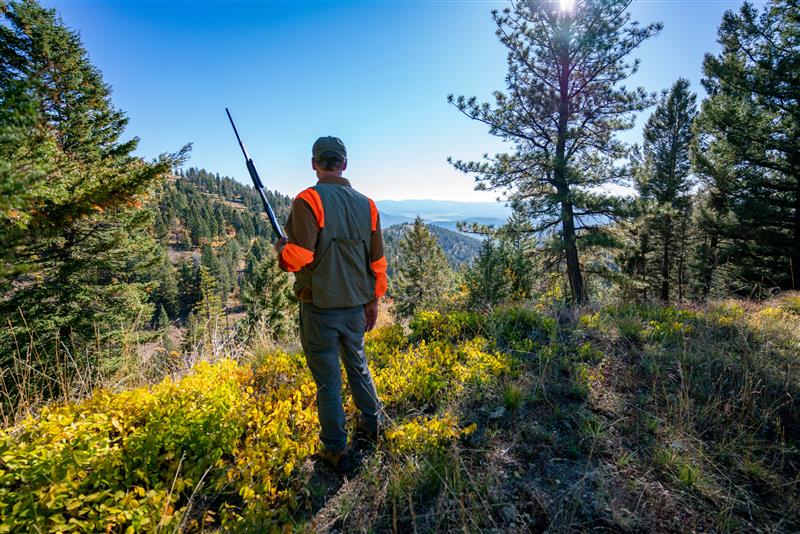
America’s 640 million acres of national public lands provide irreplaceable hunting and fishing opportunities to millions of Americans.

Learn More About Access
What TRCP is Doing

We’re working to safeguard America’s public lands so hunters and anglers always have quality places to pursue their passions.
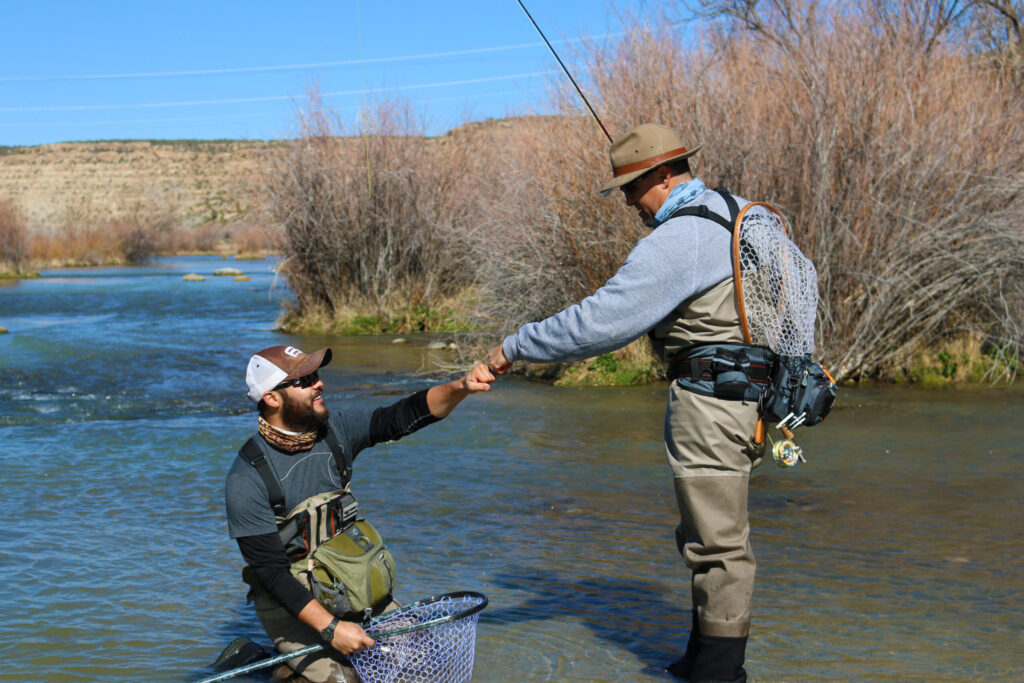
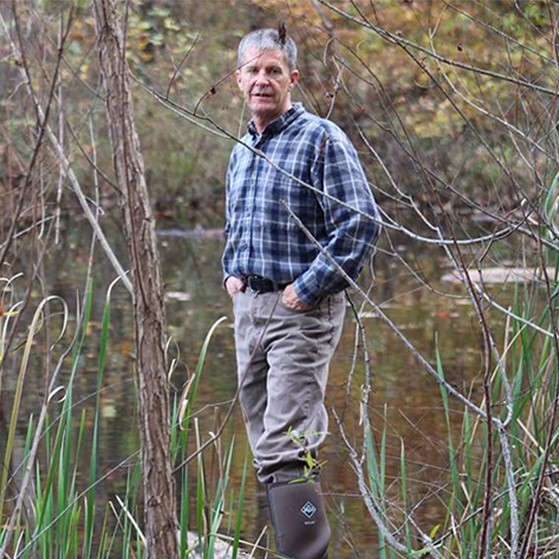
 Brian Flynn, Two Wolf Foundation
How Sportsmen Are Doing It Right

Brian Flynn, Two Wolf Foundation's Story

Following a distinguished career in the U.S. Army, lifelong outdoorsman Brian Flynn returned home from a deployment in Afghanistan and…

Hunting
Why It Matters

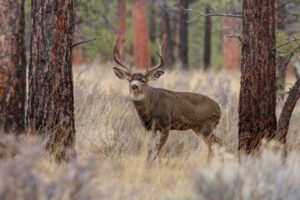
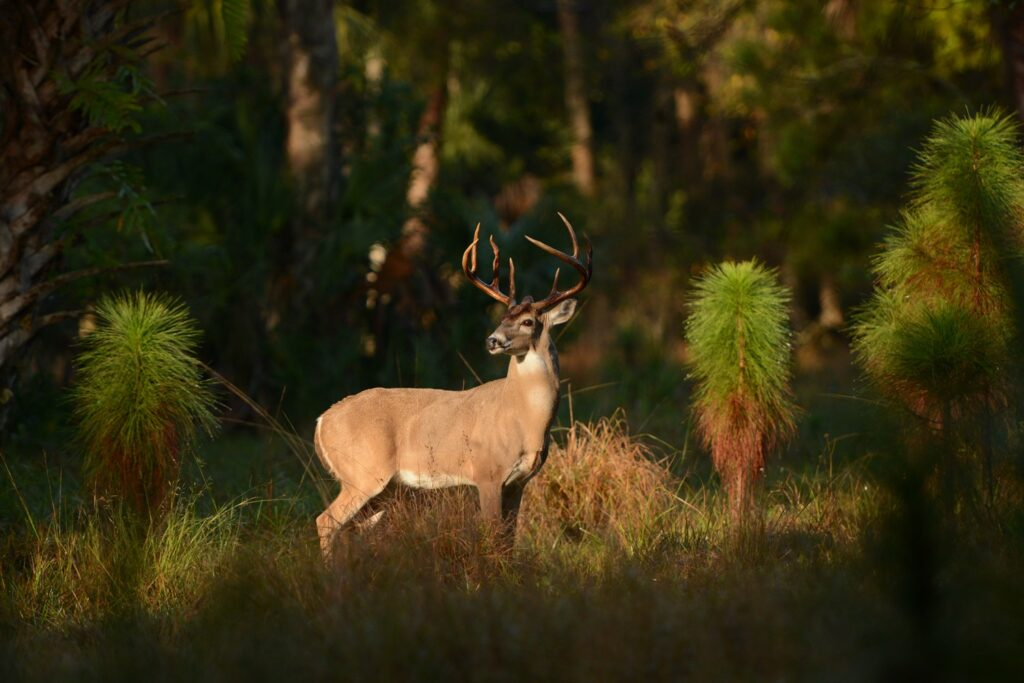
Key Issues for America’s Hunters

Your source for the latest policy updates, conservation challenges, and opportunities shaping America’s hunting traditions.

What TRCP is Doing

We’re fighting for meaningful policy changes that benefit wildlife, our waters, and the American landscapes that make our outdoor traditions possible.

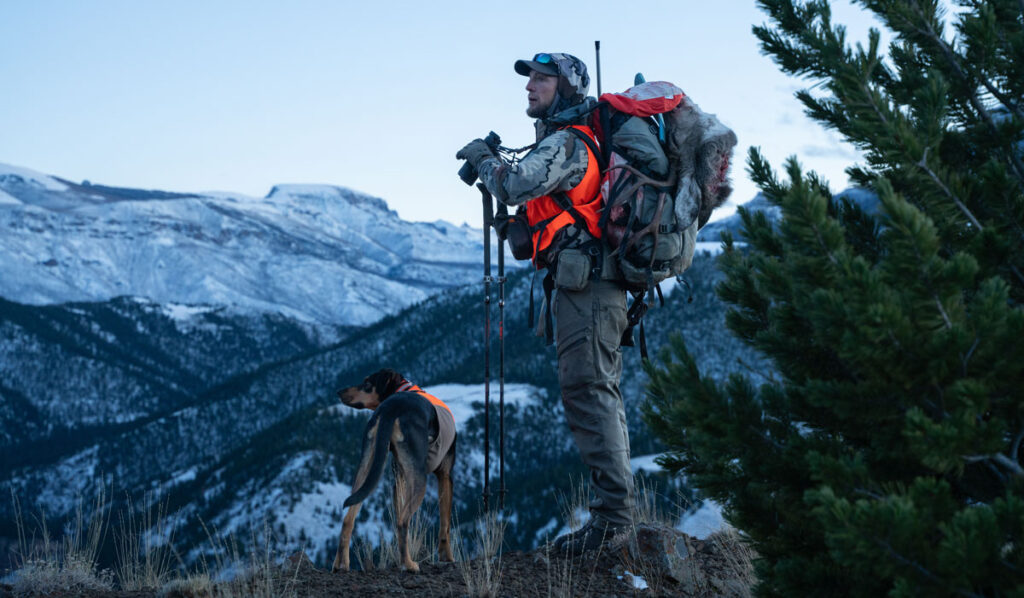
 Ryan Sparks
How Sportsmen Are Doing It Right

Ryan Sparks's Story

TRCP’s “In the Arena” series highlights the individual voices of hunters and anglers who, as Theodore Roosevelt so famously said,…

Fishing
Why It Matters

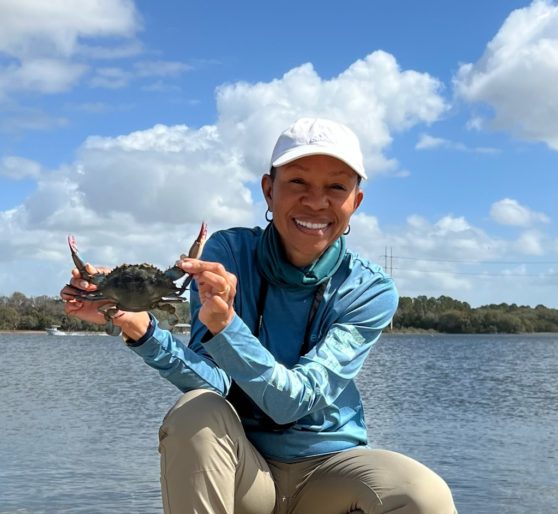
Key Issues for America’s Anglers

Your source for the latest policy updates, conservation challenges, and opportunities shaping America’s fishing traditions.

What TRCP is Doing

We’re fighting for meaningful policy changes that benefit wildlife, our waters, and the American landscapes that make our outdoor traditions possible.

 David Mangum
How Sportsmen Are Doing It Right

David Mangum's Story

Capt. David Mangum is a YETI ambassador and outdoor photographer who utilizes his talents to produce media that inspire a…

Private Land
Why It Matters

Stewardship on America’s private lands

With 70 percent of U.S. lands in private hands and many of our best hunt and fish opportunities occurring there, investing in voluntary conservation on working lands safeguards access, strengthens habitat and water quality, and ensures resilient landscapes.

Learn More
What TRCP is Doing

We champion policies and programs that restore wildlife habitat, improve soil and water health, and keep working lands productive.

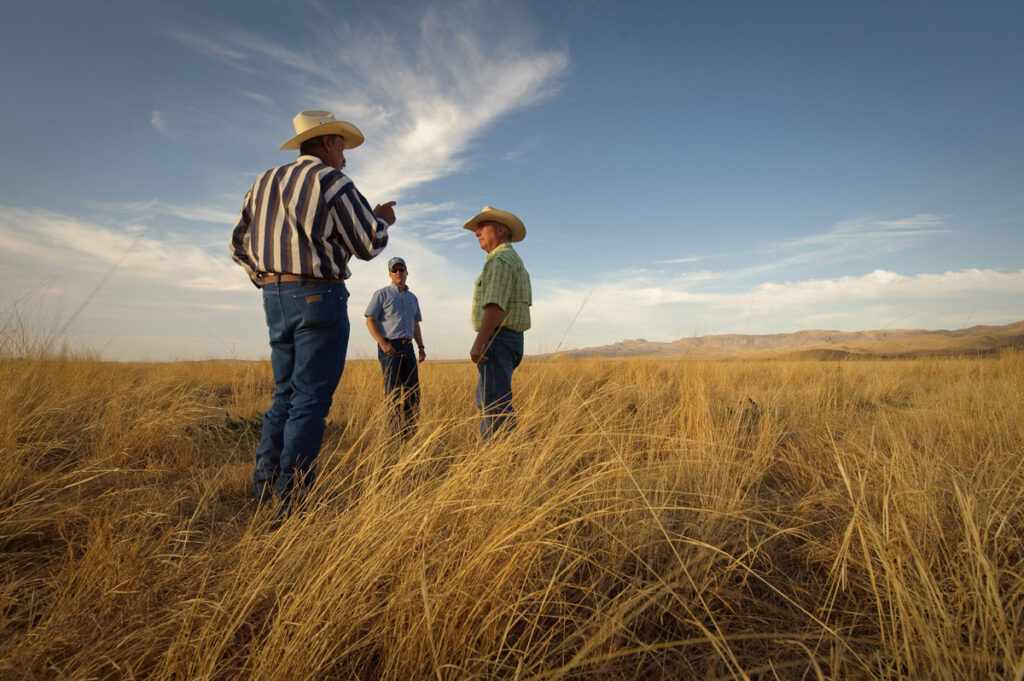
 Ward Burton
How Sportsmen are Doing It Right

Ward Burton's Story

Ward Burton’s NASCAR driving career stretched across most of two decades. As an avid sportsman and conservationist, he founded the…

Special Places
Why It Matters

Special Places Worth Protecting

America’s most iconic landscapes provide unmatched habitat and unforgettable days afield. These places sustain wildlife, anchor local economies, and define the hunting and fishing traditions we pass down.

What TRCP is Doing

We’re working to conserve special places that provide world-class habitat and unforgettable opportunities for hunters and anglers.

 Franklin Adams
How Sportsmen Are Doing It Right

Franklin Adams's Story

As a true Gladesman, conservationist, and historian, Capt. Franklin Adams has spent more than six decades championing Everglades restoration efforts…

Habitat & Clean Water
Why It Matters

Healthy Habitat Powers Every Pursuit

All hunting and fishing opportunities depend on quality habitat, from clean water and healthy wetlands to winter and summer habitats and the migration corridors that connect them.

All About Habitat & Clean Water
What TRCP is Doing

We are working to safeguard the habitats that power every hunting and fishing opportunity.

 Alex Harvey
How Sportsmen Are Doing It Right

Alex Harvey's Story

Alex Harvey, founder of Legacy Land Management, is a registered professional forester in Mississippi and Alabama with a Master's degree…

Science
Why It Matters

Science That Guides TRCP

From conserving migration corridors and wetlands to ensuring clean water and resilient landscapes, science provides evidence that turns conservation goals into effective action.

Science for Conservation
What TRCP is Doing

For hunters and anglers, science safeguards the experiences we treasure including resilient big game populations, abundant fish, and wild places that endure changing social landscapes.

Jamelle Ellis
Your Science Expert

Jamelle Ellis's Story

Jamelle Ellis joined the Theodore Roosevelt Conservation Partnership in 2022. Jamelle spent the last three years as an environmental sustainability…

Where We Work
Across the Nation

Conservation Across America

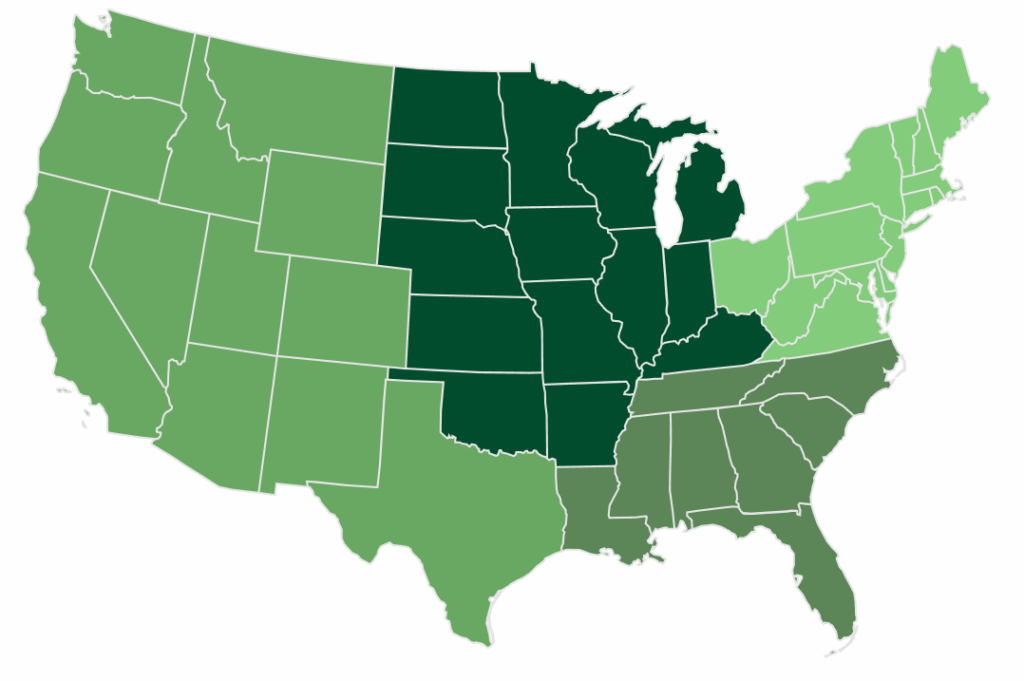
TRCP works across the country to ensure hunters and anglers can enjoy healthy fish and wildlife and quality days afield, no matter where they live.

See All Issues
TRCP in Your Region

TRCP works across the country to ensure hunters and anglers can enjoy healthy fish and wildlife and quality days afield, no matter where they live.

Who We Are
Our Mission

To guarantee all Americans quality places to hunt & fish

We unite and amplify our partners’ voices to advance America’s legacy of conservation, habitat, and access.

Our Mission & Values
Our People & Partners
  • Meet the TRCP Team

    Our staff and board members unite and amplify our partners’ voices to advance America’s legacy of conservation, habitat, and access.

    Meet the Team
  • Our Partners

    ‘Partnership’ is in our name. We work with 64 diverse partner groups that represent today’s leading hunting, fishing, and conservation organizations in order to strengthen the sportsman’s voice in Washington, D.C.

    Our Partners
  • Corporate Council

    TRCP’s Corporate Council is made up of diverse corporations that share a common passion for conservation.

    Corporate Council
Our Organization

Looking for more information?

Explore our latest news, policy updates, and conservation resources to get the information you need.

Giving
How You Can Help

To guarantee all Americans quality places to hunt & fish

Your tax-deductible donation will support TRCP's mission, now and into the future.

DONATE
Special Ways to support trcp
  • Capital Conservation Awards Dinner

    The CCAD is one of Washington's best-attended conservation celebrations, featuring dinner, cocktails, and a silent auction.

    Learn More
  • Step Into the Arena

    Help us ensure that our treasured wild habitats and game remain intact for the next generation to enjoy – lend your support to the TRCP’s efforts today!

    Donate
  • Roosevelt Roast

    TRCP has partnered with Afuera Coffee Co. to further our commitment to conservation.

    Learn More
More donation options

Find the best way for you to lend your support. Join one of TRCP’s donor circles for special invitations, premium offerings from outdoor retailers, and more exclusive benefits. Take control of your legacy with planned giving or contribute to special conservation funds.

Other Ways To Give
News
In the Spotlight

Oregon Legislature Passes Landmark “1.25 Percent for Wildlife” Act

After three legislative sessions and more than a decade of advocacy, a bipartisan coalition secures Oregon’s most significant conservation funding victory in a generation.

Read More

Stay Informed

Receive our newsletter, the Roosevelt Report, right in your inbox. Never miss the latest news in conservation issues.

by:

posted in:

July 28, 2016

smith river 1a

Do you have any thoughts on this post?

XHTML: You can use these tags: <a href="" title=""> <abbr title=""> <acronym title=""> <b> <blockquote cite=""> <cite> <code> <del datetime=""> <em> <i> <q cite=""> <s> <strike> <strong>

Comments must be under 1000 characters.

by:

posted in:

July 27, 2016

A Two-Week Adventure in the Backcountry Reveals a Lesson About Fire and Family

Our Montana field representative sits down for a Q&A with his daughter after her unique experience in wildfire country. Here’s what she learned about forestry and conservation

I remember a whitetail deer hunt where I was lying in the prone position, ready to shoot, with my young daughter Ali lying on my back. She was so excited when the deer went down! Ali is 22 years old now, and she still loves the outdoors. She graduated from Villanova University this past May and couldn’t wait to get back to Montana, where she was hired to work on a forestry crew with the University of Montana.

Image courtesy of Ali Laird.

One of her assignments recently took her on a two-week pack trip into the Bob Marshall Wilderness Complex to collect data on fire ecology. This area in northwest Montana—named for the legendary forester and conservationist Bob Marshall—was designated by Congress as part of the Wilderness Act of 1964. It spans over one million acres along the continental divide and is the fifth-largest wilderness area in the lower 48 states, attracting fishermen, hunters, and recreationists from around the world. As in other parts of the country, fires are unfortunately becoming more common in the Bob, and Ali’s crew was sent to help study how this ecosystem rebounds differently based on whether burn areas were managed or unmanaged forests before the fire.

Image courtesy of Ali Laird.

I thought this was an amazing opportunity for Ali—and I was pretty jealous that I couldn’t go along. So, when she returned from the trip, I asked her to share her experience.

Scott: Ali, I can’t wait to hear all about the trip. What was the makeup of the crew and where exactly did you go?

Ali: There were ten of us on the crew. We hiked in 40 miles and set up camp at the confluence of Gordon Creek and the South Fork of the Flathead River. We had our food packed in by a team of mules and spent two weeks hiking to our burn sites, moving camp downriver every few days. At the end of the trip, we tied our gear to the front of our pack rafts and floated down the river to the south end of Hungry Horse Reservoir.

Scott: What is the purpose of the research project that you were working on? How will this research on fire affect our public lands, and why do you think sportsmen should care about it?

Ali: Fire is playing an increasingly dominant role on our public lands, particularly as fire seasons are getting longer and hotter. We were there to learn more about the effects of fires in unmanaged lands versus fires in areas previously logged, thinned, or previously introduced to fire through a prescribed burn. With healthy forests come healthy wildlife populations for all of us to enjoy, including sportsmen.

Scott: What was your typical day like?

Ali: The daily hikes to the burn sites were long, three to six miles. We climbed our way through lodge pole stands and up steep ridges. We saw wildlife every day and heard wolves at night. One day a small herd of elk walked right by us in the early morning frost. Yes, frost, in June! We were there to conduct research, but we also got to enjoy the land and gain appreciation for this wonderful place that belongs to all of us. It was clear that the other people we ran into were enjoying the Bob as well. We saw groups floating down the river, spoke with fly fishing guides taking their guests on spectacular trips, and we met a couple scouting for their fall elk hunt.

We spent our free time reading by the river, watching waterfowl bathe and deer tug at bites of grass in stands of old-growth Ponderosa. In the cool evenings at the end of the day we were able to forget the clattering notions of work and worry that shadow us in our everyday lives, and finally enjoy a piece of land full of both loveliness and majesty—an object of awe and love, requiring attention but not toil. It was a treat being surrounded by millions of acres of wild land, knowing that this place is open to all of us. It’s a treasure to spend a quiet hour fly fishing and pull a cutthroat out of the river for dinner, while watching an osprey slope down the side of the valley towards the water, looking for that same meal. I can’t wait to get back up there.

Image courtesy of Ali Laird.

I get goosebumps hearing my daughter describe her attraction and admiration for the natural beauty of our public lands that she, like the rest of us, is so fortunate to have. Seeing this trip through her eyes makes me feel validated for my own effort in TRCP’s mission to protect and improve these resources for future generations. Our forefathers established a system of wildlife management and natural resources held in the public domain, a system that is the envy of the world. These public lands are for all of us to enjoy, use wisely, and pass on to the next generation of outdoorsmen and women.

I’m certainly glad I have a daughter who appreciates that.

by:

posted in:

July 26, 2016

IDAHO’S TETON COUNTY OPPOSES TRANSFER OF AMERICA’S PUBLIC LANDS TO THE STATE

News for Immediate Release

Jul. 26, 2016

Contact: Kristyn Brady, 617-501-6352, kbrady@trcp.org

County commissioners pass resolution supporting sportsmen’s access and outdoor recreation spending

DRIGGS, Idaho – After hearing support for continued federal management of public lands from a dozen residents yesterday, the Teton County Board of Commissioners voted to formally oppose efforts to transfer America’s public lands to the state of Idaho or local governments. A growing number of counties in Colorado, Wyoming, and Arizona have recently done the same.

Teton County Commission Chairman Bill Leake said yesterday’s resolution highlights the value of public lands to county residents. “The Board of County Commissioners strongly supports federal ownership and management of public lands in Teton County and the incredible value of federal lands bring to our county’s economy, recreation, heritage, and quality of life,” Leake said, quoting from the resolution.

County Commissioner Cindy Riegel added that public lands are “a huge part of our lives, our economic health.” And that theme was reinforced by Teton County residents who spoke about the state’s inability to pay the bills for the federal public lands we all love.

“We are all supported in some way by our public lands,” said fly fishing industry leader Robert Parkins, who has lived in the valley for more than a decade and is a board member with theAmerican Fly Fishing Trade Association.

“Public lands are a key driver to our local economy,” said Jeff Klausmann, who owns Intermountain Aquatics, an environmental consulting business based in Driggs. “Hunting, fishing, bird watching, hiking, and biking attracts locals and tourists alike. The benefits to service-oriented businesses are obvious, but these lands also help anchor natural-resource-based businesses like ours through subcontracts for land management services and supplies.”

“Public lands are our economic future,” said conservationist Shawn Hill, executive of Valley Advocates for Responsible Development. “Teton County is part of a growing network of counties in the West that are pushing to protect public lands. We applaud that.”

The county’s resolution recognizes the importance of public lands for:
• Providing fish and wildlife with habitat, while offering opportunities for outdoor recreation—including hunting, fishing, hiking, wildlife-watching, horseback riding, and bicycling—that is essential to residents’ quality of life.
• Attracting outdoor recreation tourism that drives local spending and employs hundreds of county residents.
• Preserving historically significant and irreplaceable cultural sites and landscapes.

Public lands managed by the U.S. Forest Service, Bureau of Land Management, and National Park Service comprise 62 percent of Idaho and 33 percent of Teton County. These areas are cherished for their top-notch fisheries, beautiful open landscapes, and exceptional wildlife habitat, says Joel Webster, Western lands director at the Theodore Roosevelt Conservation Partnership. “We applaud Teton County for taking this stand,” says Webster. “We also look forward to working with county leadership across the West to continue building a strong base of support for America’s public lands and our access to hunting and fishing.”

To learn more about county opposition to the sale or seizure of America’s public lands, or to take action, visit sportsmensaccess.org.

Inspired by the legacy of Theodore Roosevelt, the TRCP is a coalition of organizations and grassroots partners working together to preserve the traditions of hunting and fishing.

by:

posted in:

Teton County Opposes Transfer of America’s Public Lands to the State

County commissioners pass resolution supporting sportsmen’s access and outdoor recreation spending

After hearing support for continued federal management of public lands from a dozen residents yesterday, the Teton County Board of Commissioners voted to formally oppose efforts to transfer America’s public lands to the state of Idaho or local governments. A growing number of counties in Colorado, Wyoming, and Arizona have recently done the same.

Teton County Commission Chairman Bill Leake said yesterday’s resolution highlights the value of public lands to county residents. “The Board of County Commissioners strongly supports federal ownership and management of public lands in Teton County and the incredible value federal lands bring to our county’s economy, recreation, heritage, and quality of life,” Leake said, reading from the resolution.

Image courtesy of Jen Vuorikari/Flickr.

County Commissioner Cindy Riegel added that public lands are “a huge part of our lives, our economic health.” And that theme was reinforced by Teton County residents who spoke about the state’s inability to pay the bills for the federal public lands we all love.

“We are all supported in some way by our public lands,” said fly fishing industry leader Robert Parkins, who has lived in the valley for more than a decade and is a board member with the American Fly Fishing Trade Association.

“Public lands are a key driver to our local economy,” said Jeff Klausmann, who owns Intermountain Aquatics, an environmental consulting business based in Driggs. “Hunting, fishing, bird watching, hiking, and biking attracts locals and tourists alike. The benefits to service-oriented businesses are obvious, but these lands also help anchor natural-resource-based businesses like ours through subcontracts for land management services and supplies.”

“Public lands are our economic future,” said conservationist Shawn Hill, executive of Valley Advocates for Responsible Development. “Teton County is part of a growing network of counties in the West that are pushing to protect public lands. We applaud that.”

The county’s resolution recognizes the importance of public lands for:

  • Providing fish and wildlife with habitat, while offering opportunities for outdoor recreation—including hunting, fishing, hiking, wildlife-watching, horseback riding, and bicycling—that is essential to residents’ quality of life.
  • Attracting outdoor recreation tourism that drives local spending and employs hundreds of county residents.
  • Preserving historically significant and irreplaceable cultural sites and landscapes.

Public lands managed by the U.S. Forest Service, Bureau of Land Management, and National Park Service comprise 62 percent of Idaho and 33 percent of Teton County. These areas are cherished for their top-notch fisheries, beautiful open landscapes, and exceptional wildlife habitat, says Joel Webster, Western lands director at the Theodore Roosevelt Conservation Partnership. “We applaud Teton County for taking this stand,” says Webster. “We also look forward to working with county leadership across the West to continue building a strong base of support for America’s public lands and our access to hunting and fishing.”

To learn more about county opposition to the sale or seizure of America’s public lands, or to take action, visit sportsmensaccess.org.

by:

posted in:

July 20, 2016

Farmers Might Be Breaking a Conservation Compact, But We Wouldn’t Actually Know

Turns out that botched implementation of the USDA’s conservation compliance program goes deeper than we thought, says internal watchdog report

Earlier this spring, the USDA’s Office of the Inspector General—an internal watchdog for the agency that oversees the conservation programs funded through the Farm Bill—quietly issued an interim report that indicated USDA isn’t doing enough to guarantee that, in exchange for federal support payments, farmers are meeting a minimal threshold for avoiding environmental harm. The report isn’t exactly a page-turner (we broke it down for you here in May), but there could be serious consequences for wildlife habitat and water quality as a result of the USDA dropping the ball.

Now, the OIG has come out with a sequel to their initial report and, like so many summer blockbusters, it’s even worse than the original.

On a very basic level, here’s what you need to know: Compliance creates a conservation compact between taxpayers and agricultural producers. Farmers who use government programs to help manage risk and grow their operations must also affirm that they have not planted crops in wetlands or on highly erodible land.

The OIG’s interim report in March outlined a serious problem with compliance enforcement between 2012 and 2015. The data the agency was supposed to be using to conduct random compliance checks on farmers was incomplete, and many thousands of farmers who had received payments weren’t considered for review during those four years. In fact, in 2015, not a single farmer from ten major agricultural states was on the list to be checked for compliance. So, the areas in greatest need of monitoring for wetland drainage and soil erosion managed to receive the least attention.

This is an inexcusable lapse in enforcement by a federal agency, and thankfully the USDA has begun to take steps to correct the problem. Sources there have told us that they have followed the recommendations of the OIG, and revised procedures are now in place which guarantee that more than two million records, across all states, will be subject to on-site agency reviews. This is great news, but the story doesn’t end here.

Part two of the OIG’s report now reveals that the USDA’s mismanagement of compliance goes beyond a botched data pull. Here’s what else has been going wrong:

The USDA does not have consistent national standards for compliance checks. Farmers in different states—sometimes in different counties in the same state—have been subject to varying levels of scrutiny, and it’s not even clear which field conditions are considered compliance issues. Further, the national quality control processes set up to check the accuracy of the compliance reviews are also applied with varying degrees of consistency across states.

The compliance checks that did get done were incomplete or improper. OIG found that agency staff sometimes stopped their field reviews after identifying a single violation, potentially missing other violations elsewhere on the property. The agency even failed to properly conduct site visits for its own employees who receive farm payments. The watchdog report notes that the agency needs to clarify the rules specific to USDA employees to ensure fair and consistent treatment of all producers.

Field staff don’t know how to proceed when maps and field conditions are inconsistent. Staff who conduct compliance checks rely heavily on wetland inventory maps, which are over 25 years old, despite knowing that these maps often don’t reflect the current size or location of wetlands. You know, as of 2016. As a result, staff frequently check only the previously-identified wetlands for compliance, ignoring national guidance to survey entire tracts for violations. Moreover, national and state officials have incompatible ideas about whether and when staff should offer updates to the maps to reflect actual conditions in the field.


Oh, and more data is missing than they thought. In addition to the data issues noted in the interim report, OIG found that the agency missed 325,000 additional records when it compiled its data for 2015 compliance reviews, because of an error tracking county codes. The agency also incorrectly exempted tens of thousands of acres from review, in cases where individual producers farm in multiple areas.

The agency has agreed with OIG’s recommendations, and has committed to corrective action by the end of 2016. But the fact remains that conservation compliance, as currently executed, may not be able to guarantee equal treatment of the farmers who are required to follow the wetland and highly erodible land provisions. It doesn’t seem to guarantee a successful compliance program to the American taxpayer, either.

USDA pays producers about $14 billion per year through farm programs that are subject to compliance, but those payments may go to agricultural producers who have—knowingly or not—violated their end of the bargain. This is a bad deal for farmers, taxpayers, and sportsmen-conservationists who have invested in working lands conservation and deserve plentiful habitat and clean water in return.

HOW YOU CAN HELP

TRCP has partnered with Afuera Coffee Co. to further our commitment to conservation. $4 from each bag is donated to the TRCP, to help continue our efforts of safeguarding critical habitats, productive hunting grounds, and favorite fishing holes for future generations.

Learn More

You have Successfully Subscribed!

You have Successfully Subscribed!

You have Successfully Subscribed!

You have Successfully Subscribed!