Our Issues
Public Lands
Why It Matters

Hunting & Fishing Access

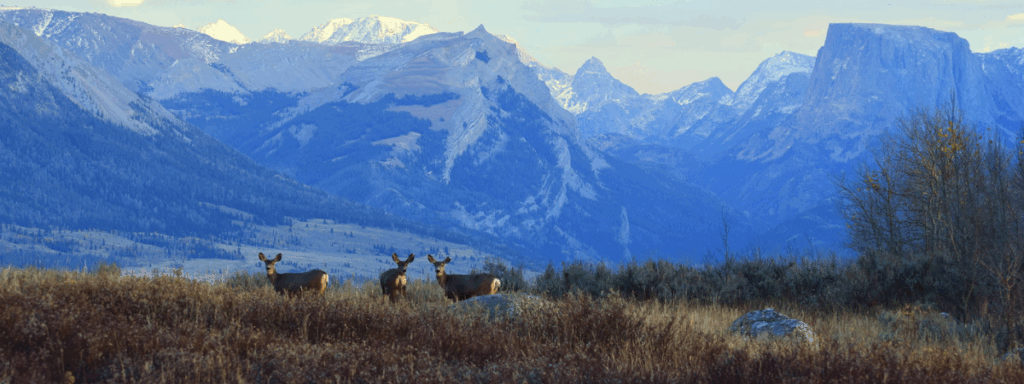
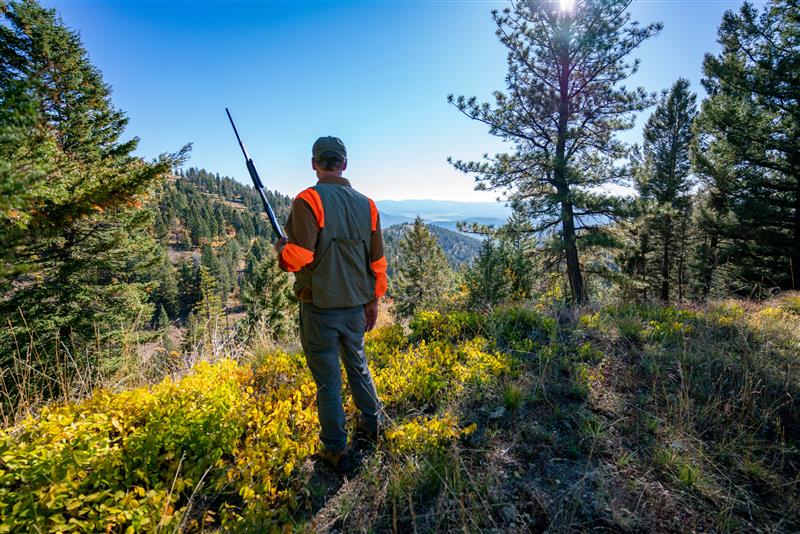
America’s 640 million acres of national public lands provide irreplaceable hunting and fishing opportunities to millions of Americans.

Learn More About Access
What TRCP is Doing

We’re working to safeguard America’s public lands so hunters and anglers always have quality places to pursue their passions.
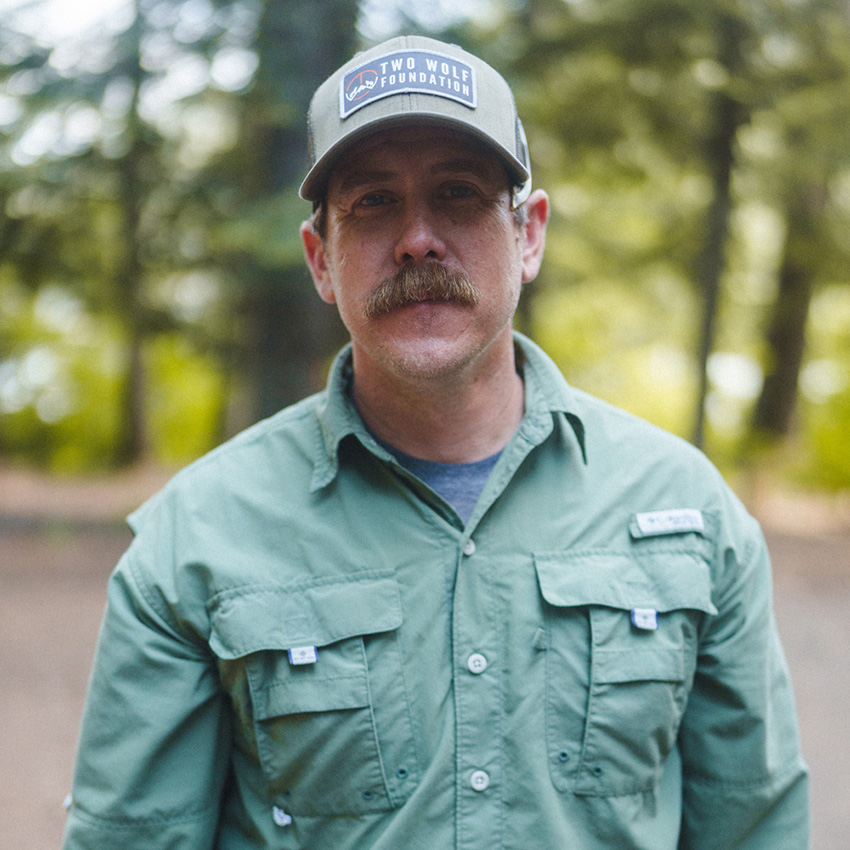
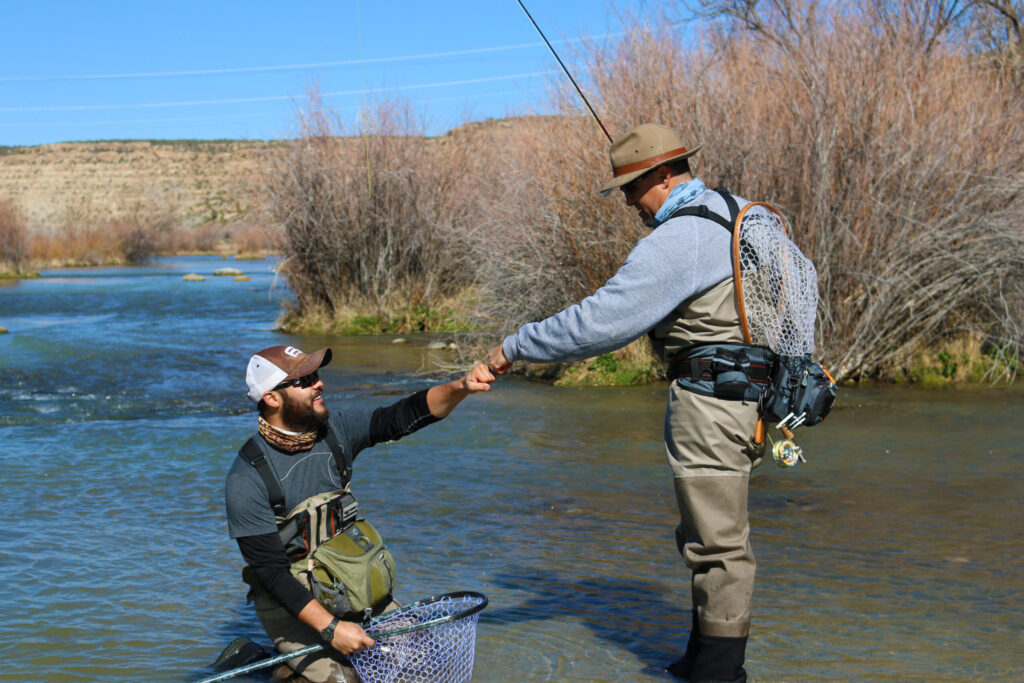
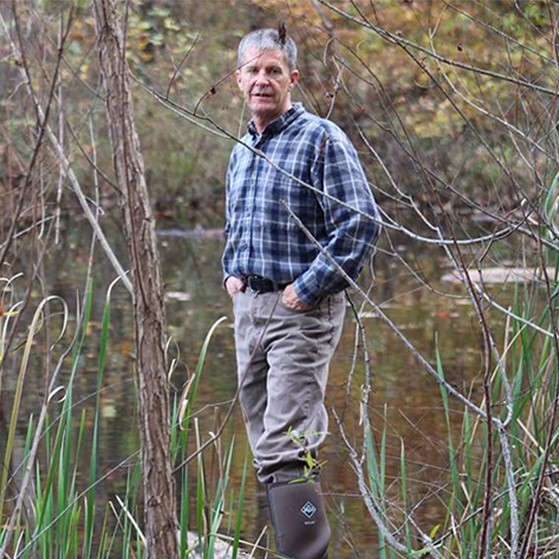
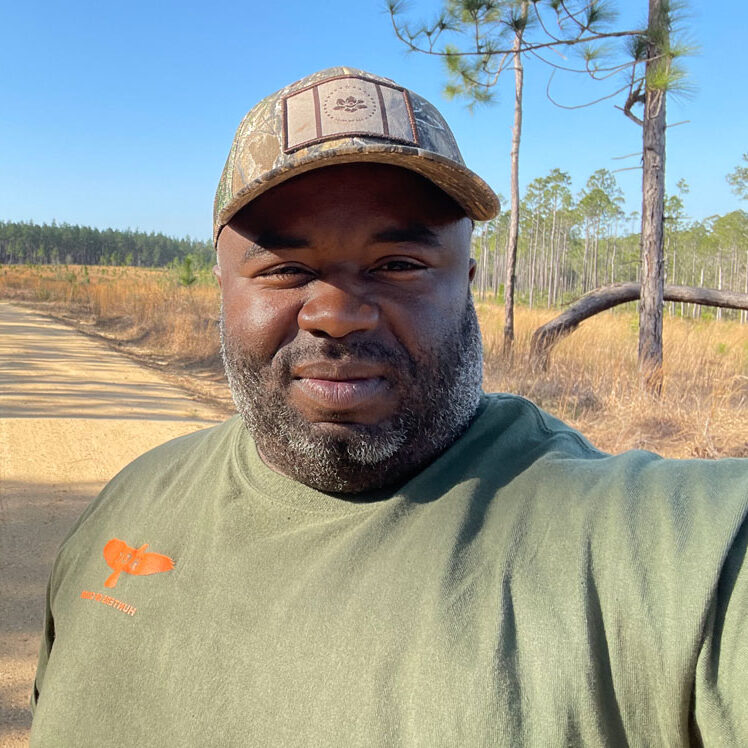
 Brian Flynn, Two Wolf Foundation
How Sportsmen Are Doing It Right

Brian Flynn, Two Wolf Foundation's Story

Following a distinguished career in the U.S. Army, lifelong outdoorsman Brian Flynn returned home from a deployment in Afghanistan and…

Hunting
Why It Matters

Key Issues for America’s Hunters

Your source for the latest policy updates, conservation challenges, and opportunities shaping America’s hunting traditions.

What TRCP is Doing

We’re fighting for meaningful policy changes that benefit wildlife, our waters, and the American landscapes that make our outdoor traditions possible.

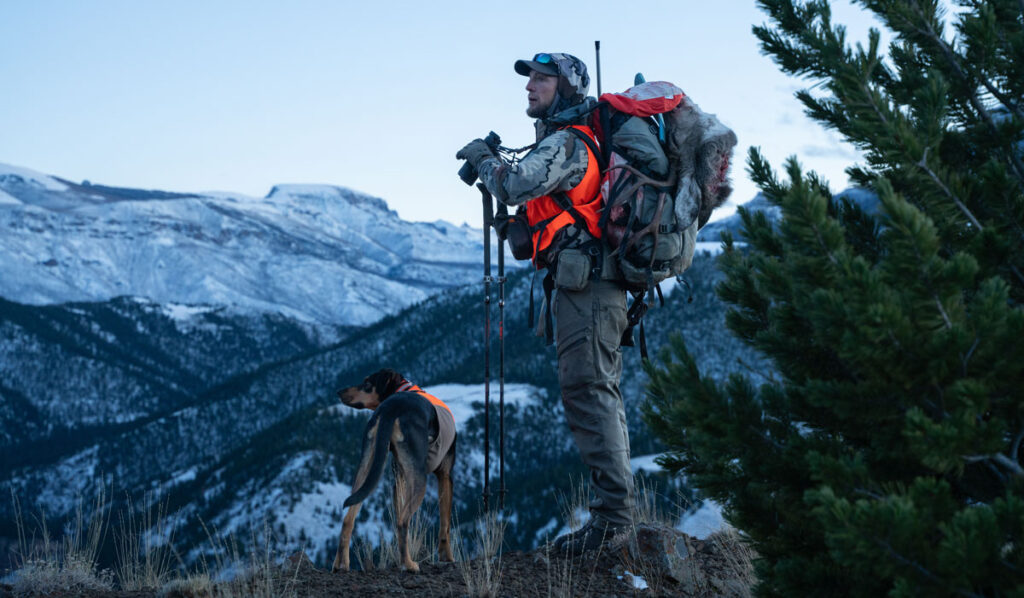
 Ryan Sparks
How Sportsmen Are Doing It Right

Ryan Sparks's Story

TRCP’s “In the Arena” series highlights the individual voices of hunters and anglers who, as Theodore Roosevelt so famously said,…

Fishing
Why It Matters

Key Issues for America’s Anglers

Your source for the latest policy updates, conservation challenges, and opportunities shaping America’s fishing traditions.

What TRCP is Doing

We’re fighting for meaningful policy changes that benefit wildlife, our waters, and the American landscapes that make our outdoor traditions possible.

 David Mangum
How Sportsmen Are Doing It Right

David Mangum's Story

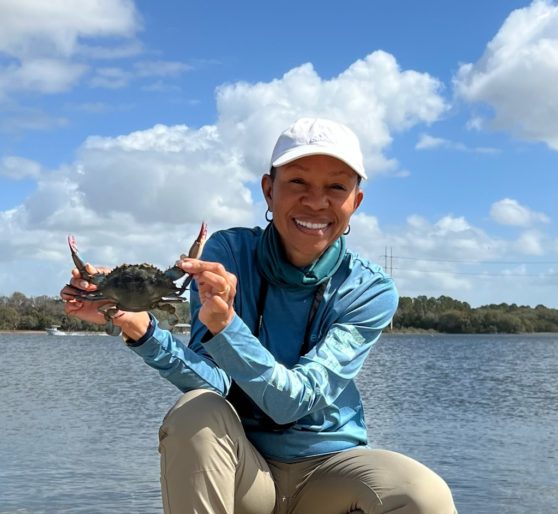
Capt. David Mangum is a YETI ambassador and outdoor photographer who utilizes his talents to produce media that inspire a…

Private Land
Why It Matters

Stewardship on America’s private lands

With 70 percent of U.S. lands in private hands and many of our best hunt and fish opportunities occurring there, investing in voluntary conservation on working lands safeguards access, strengthens habitat and water quality, and ensures resilient landscapes.

Learn More
What TRCP is Doing

We champion policies and programs that restore wildlife habitat, improve soil and water health, and keep working lands productive.

 Ward Burton
How Sportsmen are Doing It Right

Ward Burton's Story

Ward Burton’s NASCAR driving career stretched across most of two decades. As an avid sportsman and conservationist, he founded the…

Special Places
Why It Matters

Special Places Worth Protecting

America’s most iconic landscapes provide unmatched habitat and unforgettable days afield. These places sustain wildlife, anchor local economies, and define the hunting and fishing traditions we pass down.

What TRCP is Doing

We’re working to conserve special places that provide world-class habitat and unforgettable opportunities for hunters and anglers.

 Franklin Adams
How Sportsmen Are Doing It Right

Franklin Adams's Story

As a true Gladesman, conservationist, and historian, Capt. Franklin Adams has spent more than six decades championing Everglades restoration efforts…

Habitat & Clean Water
Why It Matters

Healthy Habitat Powers Every Pursuit

All hunting and fishing opportunities depend on quality habitat, from clean water and healthy wetlands to winter and summer habitats and the migration corridors that connect them.

All About Habitat & Clean Water
What TRCP is Doing

We are working to safeguard the habitats that power every hunting and fishing opportunity.

 Alex Harvey
How Sportsmen Are Doing It Right

Alex Harvey's Story

Alex Harvey, founder of Legacy Land Management, is a registered professional forester in Mississippi and Alabama with a Master's degree…

Science
Why It Matters

Science That Guides TRCP

From conserving migration corridors and wetlands to ensuring clean water and resilient landscapes, science provides evidence that turns conservation goals into effective action.

Science for Conservation
What TRCP is Doing

For hunters and anglers, science safeguards the experiences we treasure including resilient big game populations, abundant fish, and wild places that endure changing social landscapes.

Jamelle Ellis
Your Science Expert

Jamelle Ellis's Story

Jamelle Ellis joined the Theodore Roosevelt Conservation Partnership in 2022. Jamelle spent the last three years as an environmental sustainability…

Where We Work
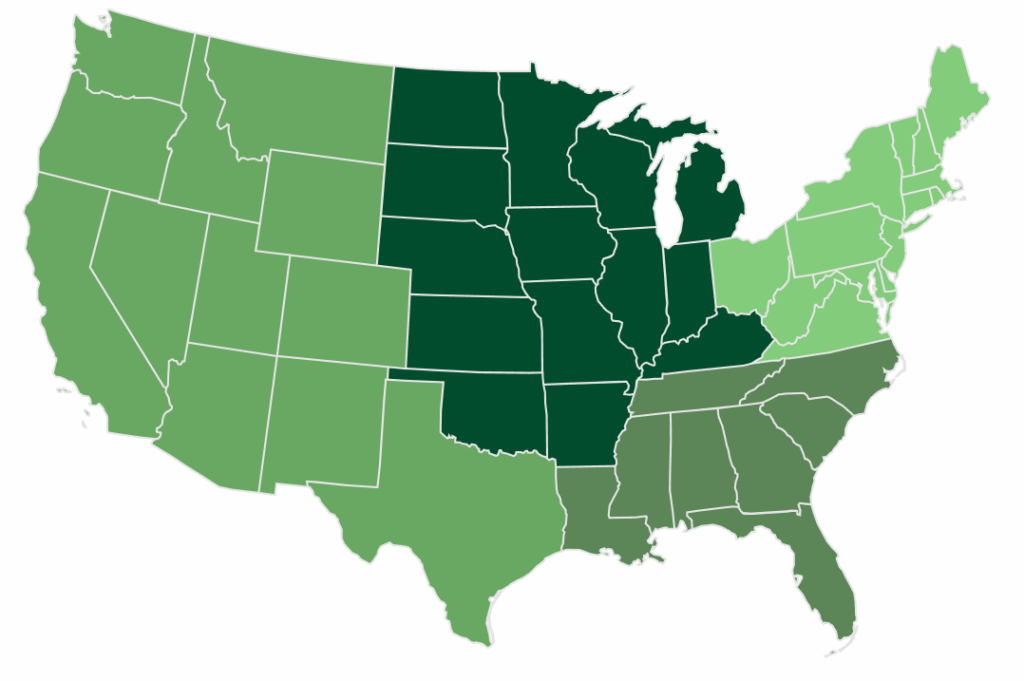
Across the Nation

Conservation Across America

TRCP works across the country to ensure hunters and anglers can enjoy healthy fish and wildlife and quality days afield, no matter where they live.

See All Issues
TRCP in Your Region

TRCP works across the country to ensure hunters and anglers can enjoy healthy fish and wildlife and quality days afield, no matter where they live.

Who We Are
Our Mission

To guarantee all Americans quality places to hunt & fish

We unite and amplify our partners’ voices to advance America’s legacy of conservation, habitat, and access.

Our Mission & Values
Our People & Partners
  • Meet the TRCP Team

    Our staff and board members unite and amplify our partners’ voices to advance America’s legacy of conservation, habitat, and access.

    Meet the Team
  • Our Partners

    ‘Partnership’ is in our name. We work with 64 diverse partner groups that represent today’s leading hunting, fishing, and conservation organizations in order to strengthen the sportsman’s voice in Washington, D.C.

    Our Partners
  • Corporate Council

    TRCP’s Corporate Council is made up of diverse corporations that share a common passion for conservation.

    Corporate Council
Our Organization

Looking for more information?

Explore our latest news, policy updates, and conservation resources to get the information you need.

Giving
How You Can Help

To guarantee all Americans quality places to hunt & fish

Your tax-deductible donation will support TRCP's mission, now and into the future.

DONATE
Special Ways to support trcp
  • Capital Conservation Awards Dinner

    The CCAD is one of Washington's best-attended conservation celebrations, featuring dinner, cocktails, and a silent auction.

    Learn More
  • Step Into the Arena

    Help us ensure that our treasured wild habitats and game remain intact for the next generation to enjoy – lend your support to the TRCP’s efforts today!

    Donate
  • Roosevelt Roast

    TRCP has partnered with Afuera Coffee Co. to further our commitment to conservation.

    Learn More
More donation options

Find the best way for you to lend your support. Join one of TRCP’s donor circles for special invitations, premium offerings from outdoor retailers, and more exclusive benefits. Take control of your legacy with planned giving or contribute to special conservation funds.

Other Ways To Give
News
In the Spotlight

In the Arena: Josh Warren

For many hunters and anglers, the connection to conservation begins close to home — in the woods behind the house, along a familiar stretch of river, or through time spent learning from mentors and family. That sense of place is something Joshua Warren carries with him, both personally and professionally. As Director of Marketing at WorkSharp, Josh represents a company rooted in Ashland, Oregon, a community defined by its access to public lands and wild country.

Read More

Stay Informed

Receive our newsletter, the Roosevelt Report, right in your inbox. Never miss the latest news in conservation issues.

by:

posted in:

January 26, 2016

sign_cyrus_web

Do you have any thoughts on this post?

XHTML: You can use these tags: <a href="" title=""> <abbr title=""> <acronym title=""> <b> <blockquote cite=""> <cite> <code> <del datetime=""> <em> <i> <q cite=""> <s> <strike> <strong>

Comments must be under 1000 characters.

by:

posted in:

January 21, 2016

Private Lands Conservation Combats a Different Kind of Empty Nest Syndrome

How CRP delivers “duck factory” products nationwide

The national Conservation Reserve Program is 30! The CRP was signed into law by President Reagan as part of the Farm Bill on December 23, 1985, to help agricultural producers to voluntarily conserve soil, water, and wildlife. The TRCP and our partners are celebrating the 30th anniversary of CRP throughout 2016, by highlighting the successes of this popular bipartisan program—regarded by many as the greatest private lands conservation initiative in U.S. history. Here on our blog, we’re devoting a series of posts to the critters that have seen tremendous habitat benefits: upland birds, wild turkeys, waterfowl, and freshwater fish. CRP works for wildlife, and it works for sportsmen.

Image courtesy of Pheasants Forever.

Land enrolled in the Conservation Reserve Program can currently be found in 47 states and Puerto Rico, but nowhere is the program as important to waterfowl as in the Prairie Pothole Region.

The PPR—covering parts of Iowa, Minnesota, the Dakotas, and Montana before extending north into Canada—is a globally unique ecosystem of wetlands and grasslands, formed when the glaciers retreated 10,000 years ago. Millions of depressions that became “pothole” wetlands, intermixed with lush grasslands, make up some of the world’s best migratory bird nesting habitat.

Waterfowl do nest elsewhere, of course, but there’s a reason the PPR is called North America’s “Duck Factory.” It’s estimated that as much as 70 percent of American waterfowl—millions of canvasbacks, mallards, pintails, gadwall, teal, and other subspecies—originate in the PPR, and migrate to every state, province, and territory in the U.S., Canada, and Mexico, plus several South American countries. It’s possible that you have a PPR duck or two in your freezer right now!

Threats Are Abundant, Too

For better or worse, however, the unique ecology of the PPR is highly valued by more than just waterfowl. Ranchers have long found the prairie well-suited to raising cattle, and farmers know the soil to be ideal for sowing crops. Today, more than 90 percent of the region is privately-owned, and when crop prices are high, critical habitat is at great risk of being turned into corn or soybean fields.

As of 2009, approximately 61 percent of the 17 million acres of historical wetlands had already been lost, and about 1,500 acres of temporary and seasonal wetlands, disproportionately favored by breeding ducks, continue to be plowed up each year. Grassland—once 80 percent of total PPR land cover—now only comprises about 22 percent of the region, even when you add up native prairie, CRP grassland, and other planted pasture. Nearly all—95 percent—of these total losses have been attributed to agricultural conversion.

When the Conservation Reserve Program peaked at 36.8 million acres nationwide in 2007, just under a quarter of those acres (8.2 million) were located in the PPR and played an outsized role in protecting wetland and prairie habitat. However, as we’ve written about here and here, CRP has decreased over the last several years to just 23.4 million acres (as of November 2015), and the program in the Pothole region has taken a direct hit—only about 6.5 million acres of CRP are currently enrolled across the five PPR states, and not all of that is in “pothole country.” Degradation and fragmentation of the habitat that remains in the region, including existing CRP lands, are major threats to hundreds of wildlife species that live and breed on the prairie.

Ducks Love CRP—and So Do We

There is a lot for sportsmen to worry about when it comes to loss of waterfowl habitat. Thankfully, people are paying attention and providing data we can use to advocate for more CRP in the Prairie Potholes.

Image courtesy of Ryan Hagarty/USFWS.

Last year, for instance, the Prairie Pothole Joint Venture published a study detailing how to best target CRP enrollment to maximize benefits for migratory birds. The organization’s work builds upon years of research which, in a nutshell, once showed that more than two million waterfowl are produced each year in this region on CRP land alone. That’s equivalent to one-third of the entire U.S. harvest of waterfowl species studied in a single year. Unfortunately, the recent report lowers that estimate to about 1.5 million birds (still a lot of ducks to be thankful for). C

The study also found that all types of ducks preferred CRP over all other cover types, and that nest success was higher in CRP lands than elsewhere.

So what is it about CRP that ducks are so fond of? The answer is fairly simple: The number of waterfowl settling and breeding in the PPR is driven by the number of available permanent, temporary, and seasonal wetlands surrounded by upland grasses. And CRP provides incentives to landowners to protect the very wetlands and grasslands favored by waterfowl. There’s even a special “duck nesting habitat” practice within CRP, only available in the PPR states, which can help landowners to restore wetlands that had once been used for agriculture.

CRP is also often used to help separate wetlands from crop land, allowing perennial grasses and wildflowers to improve water storage in the soil, contribute to cleaner water with lower concentrations of pesticides, and promote increased plant and insect diversity and abundance (read: duck food!). In some documented cases, CRP is providing habitat that is better than public lands habitat managed specifically for waterfowl.

As the Prairie Pothole Joint Venture notes in their report, the CRP isn’t the only tool for private land managers who want to improve their conservation practices, but it is an especially important one in the PPR toolbox. It’s great for ducks and waterfowl hunters nationwide get to reap the rewards. That’s why the TRCP will continue to advocate for a CRP that works for wildlife.

Learn how CRP is benefiting other species in the rest of our blog series.

The study also found that all types of ducks preferred CRP over all other cover types, and that nest success was higher in CRP lands than elsewhere. 

by:

posted in:

Dispatch from the Desert: Talking Conservation at SHOT Show

New products aren’t the only focus at the landmark firearms industry trade show in Las Vegas

Our staff was on the ground in Las Vegas, Nevada, this week for the Shooting, Hunting and Outdoor Trade (SHOT) Show—the largest firearms industry conference of its kind—and I am pleased to report that the spirit of conservation is alive and well at SHOT.

Image courtesy of Jenni Henry.

If you were to stand in the main thoroughfare of the Sands Expo Center—where 62,000 industry professionals, including buyers, marketers, and media, are streaming through the doors to a showroom bursting at the seams with 1,600 exhibitors launching innovative new products—you might only see commerce. And it’s true that, at SHOT, the economic impact of the shooting sports hits you, well, right between the eyes.

But over the last three days, our conversations on the floor, in events, and with colleagues new and old have been about a much bigger picture: collaboration, a sense of responsibility, and an openness to change that will undoubtedly come. Brands want to showcase their commitments to tradition and ethics, including conservation. They want to serve the underserved. They want to examine what’s working (and not working) in the marketplace and in our sports.

Rocky Mountain Elk Foundation wants our community to show the country that #HuntingIsConservation. Outdoor Life magazine wants hunters and recreational shooters to think about the North American Model of Wildlife Conservation, fed by excise tax dollars—it’s a success story, but should it remain unchanged?

At the TRCP’s annual Conservation Roundtable on Wednesday, competitive shooting luminary Julie Golob stood in front of conservation group leaders, state and federal wildlife agency directors, and members of the outdoor media and called for better collaboration on policy issues outside the scope of the second amendment. As a well-recognized shooter, she’s a champion of the right to bear arms, of course, but as a hunter and a mom, she doesn’t want to feel sequestered from efforts to improve conservation. And now is the time to unite on our issues.

That’s why we asked roundtable attendees to forecast which conservation priorities our community should rally behind in a presidential election year and what one issue they’d ask a candidate to address—an appropriate topic to mull over with Donald Trump waiting in the wings to present at the Outdoor Sportsman Awards ceremony Thursday night.

Image courtesy of Jenni Henry.

The National Wildlife Federation’s Lew Carpenter said, definitively, public lands staying in public hands. Nick Wiley, executive director of the Florida Fish & Wildlife Conservation Commission, suggested more creative partnership between state and federal agencies on wildlife management. Miles Moretti, president and CEO of the Mule Deer Foundation, touted using sage grouse conservation as a new model for collaborative solutions in the face of declining species. Some suggested taking a good, hard look at the Endangered Species Act itself.

Howard Vincent, president and CEO of Pheasants Forever and Quail Forever, pointed out that the idea of clean, abundant water touches all of our issues on public and private lands. It powers the fishing industry, certainly, but it also connects the interests of sportsmen, agriculture, cities, and wildlife under one very basic notion: We all need it. We all need places to pursue our sports, as well. The TRCP’s Joel Webster reiterated that access to hunting and fishing on public lands is the great equalizer—it doesn’t matter whether you get there on a private jet or on a Schwinn, those lands are yours to explore and they should be protected.

Armed with these rallying points and the enthusiasm felt from all sides at SHOT Show, I think we’re all hoping to get caught in an elevator with Mr. Trump.

by:

posted in:

A Different Way to Think About Future National Monuments

In areas important for hunting and fishing, engage sportsmen early and commit to maintaining access

Created in 1906 by our group’s namesake, President Theodore Roosevelt, the Antiquities Act is frequently a topic of passionate discussion among public land hunters and anglers. Our organization receives many requests from local, state, and national organizations to weigh in on specific National Monuments proposed under the Act, but it isn’t an easy issue. Still, these land designations impact the hunting and fishing community directly, so we’re rolling up our sleeves and finding common ground to see that the Antiquities Act is used thoughtfully, in the right places, as a tool for conservation.

That’s why the Theodore Roosevelt Conservation Partnership decided to collaborate with 27 hunting and fishing organizations and businesses to develop a new report, “National Monuments: A Sportsmen’s Perspective,” that outlines a clear approach for gaining widespread hunter and angler support for new National Monuments.

organ-mountains-desert-peaks-national-monument
Image courtesy of Bob Wick/BLM.

The report also provides case studies of existing national monuments that offer great hunting and fishing and where sportsmen played an important role in monument establishment. Through review of these success stories—and examples where endorsement from the sportsmen’s community was lacking—it became clear that the most widely-supported national monuments were created through a locally driven, transparent process incorporating science-based management of important fish and wildlife habitat. And, perhaps most importantly, successful monuments continue to offer opportunities for the public to hunt and fish.

Knowing this, here’s what our report suggests is the best use of the Antiquities Act:

  • A monument proposal must be developed through a public process—one that includes hunters, anglers, and state and local governments.
  • A monument proclamation must clearly stipulate that management authority over fish and wildlife populations will be retained by state fish and wildlife agencies.
  • Bureau of Land Management and U.S. Forest Service lands must remain under the authority of a land management agency focused on multiple uses of the land.
  • Reasonable public access to hunting and fishing must be retained.
  • The input and guidance of hunters and anglers must be included in management plans for national monuments.
  • Important fish and wildlife habitat must be protected.
  • Sporting opportunities must be upheld and the historical and cultural significance of hunting and fishing explicitly acknowledged in the monument proclamation.

Overall: The proposal must enjoy support from local sportsmen and women.

We believe this approach creates a clear measuring stick to inform the decisions of elected officials and other stakeholders about what needs to be accomplished before future National Monuments are considered in areas important to sportsmen. I hope you’ll read it. It’s in our best interest for sportsmen to engage on National Monument proposals in a constructive manner.

But I recognize that you may still have questions, so please contact me directly if you want to discuss.

by:

posted in:

January 20, 2016

Senate moves forward with Bipartisan Sportsmen’s Act

Bipartisan Sportsmen’s Act now poised for time on the Senate floor

Today the Senate Environment and Public Works Committee voted to advance its portion of the Bipartisan Sportsmen’s Act (S.659) that would renew important investments in conservation for fish, waterfowl, migratory birds, and other wildlife.

Image courtesy of Texas Parks and Wildlife Department.

Combined with a bill that would enhance public access to hunting, fishing, and recreational shooting, which passed the Energy and Natural Resources Committee in November 2015, today’s actions cement a path forward for a vote of the full Senate on the comprehensive Bipartisan Sportsmen’s Act.

“Today’s vote was an important step toward improving habitat and access, which translates to more opportunities for sportsmen across the country to live out our unique outdoor heritage,” says Whit Fosburgh, president and CEO of the Theodore Roosevelt Conservation Partnership. “We’re very pleased to see that conservation has support in the Senate at a critical time for our nation’s land and water, and fish and wildlife resources.”

The committee approved reauthorization of two conservation grant programs with matched-dollar incentives: the North American Wetlands Conservation Act (NAWCA) and the Neotropical Migratory Bird Conservation Act. Each federal dollar invested in these grant programs is matched, on average, three times over by non-federal dollars that have major on-the-ground impacts for the conservation of wetlands, waterfowl, and other wildlife.

Senators also approved proposed amendments to the original bill that would reauthorize the National Fish and Wildlife Foundation, a congressionally-chartered grant-making organization that works with public and private stakeholders, and the National Fish Habitat Conservation Act, created to foster partnerships to improve fish habitat and enhance recreational fishing opportunities.

HOW YOU CAN HELP

TRCP has partnered with Afuera Coffee Co. to further our commitment to conservation. $4 from each bag is donated to the TRCP, to help continue our efforts of safeguarding critical habitats, productive hunting grounds, and favorite fishing holes for future generations.

Learn More

You have Successfully Subscribed!

You have Successfully Subscribed!

You have Successfully Subscribed!

You have Successfully Subscribed!