Our Issues
Public Lands
Why It Matters

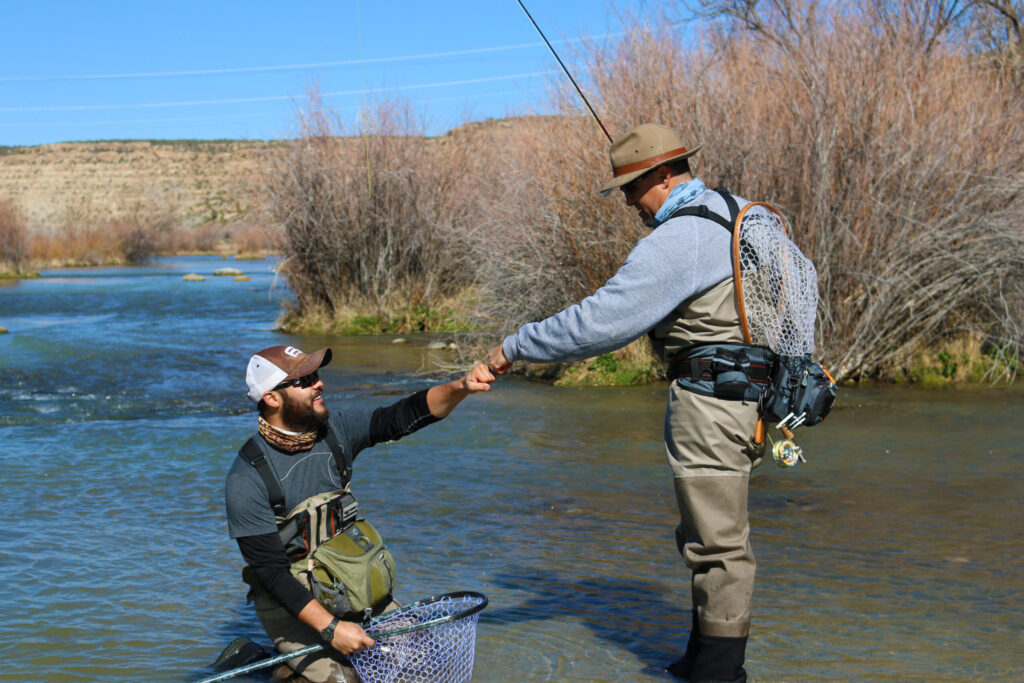
Hunting & Fishing Access

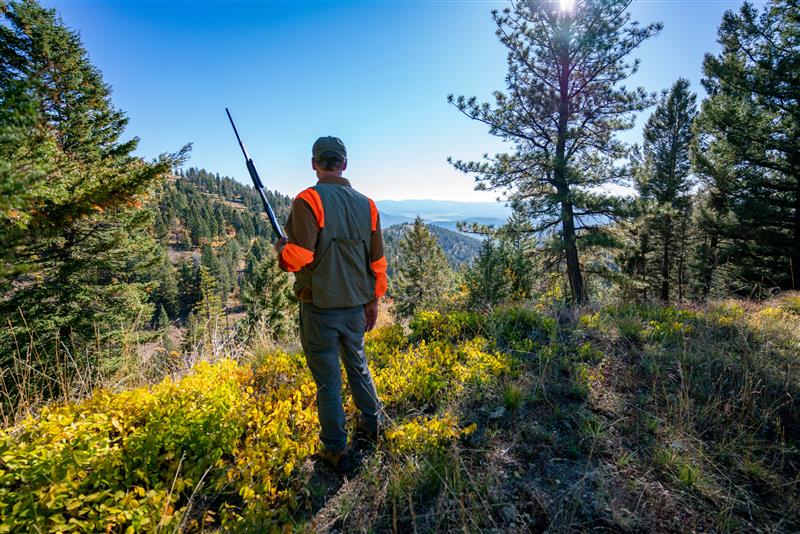
America’s 640 million acres of national public lands provide irreplaceable hunting and fishing opportunities to millions of Americans.

Learn More About Access
What TRCP is Doing

We’re working to safeguard America’s public lands so hunters and anglers always have quality places to pursue their passions.
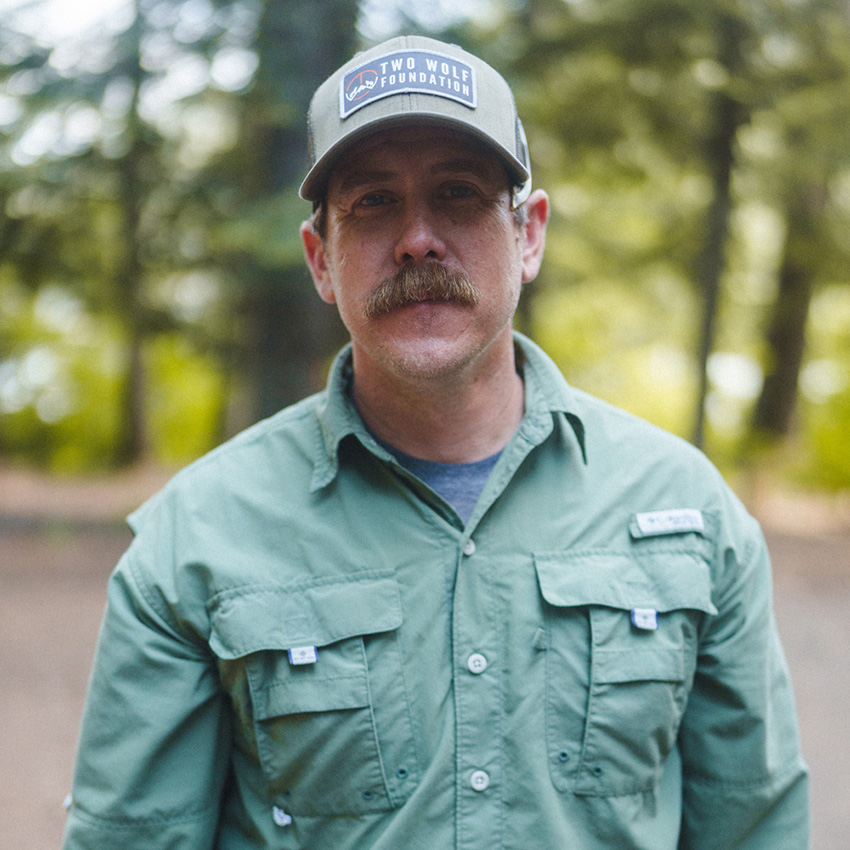
 Brian Flynn, Two Wolf Foundation
How Sportsmen Are Doing It Right

Brian Flynn, Two Wolf Foundation's Story

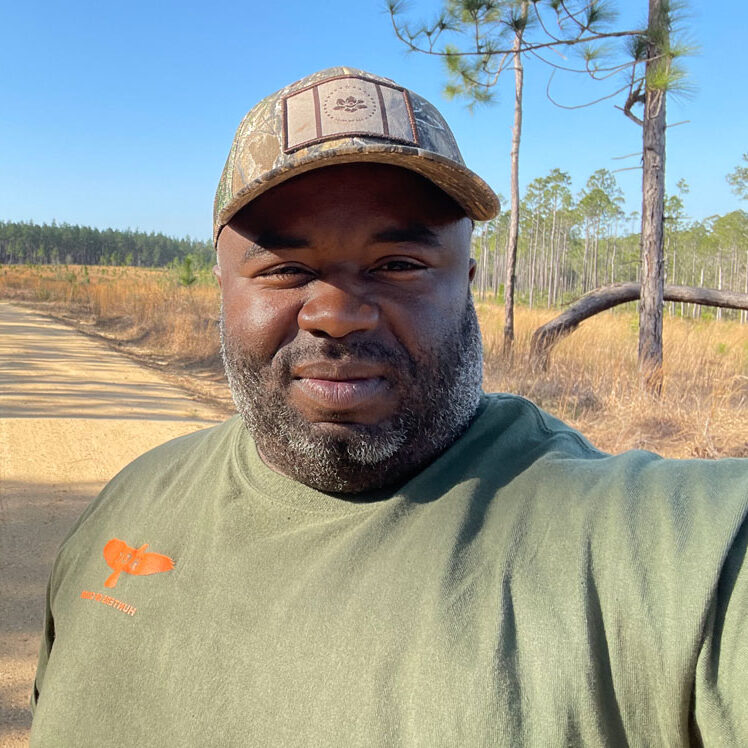
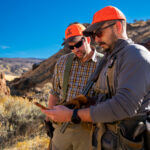
Following a distinguished career in the U.S. Army, lifelong outdoorsman Brian Flynn returned home from a deployment in Afghanistan and…

Hunting
Why It Matters

Key Issues for America’s Hunters

Your source for the latest policy updates, conservation challenges, and opportunities shaping America’s hunting traditions.

What TRCP is Doing

We’re fighting for meaningful policy changes that benefit wildlife, our waters, and the American landscapes that make our outdoor traditions possible.

 Ryan Sparks
How Sportsmen Are Doing It Right

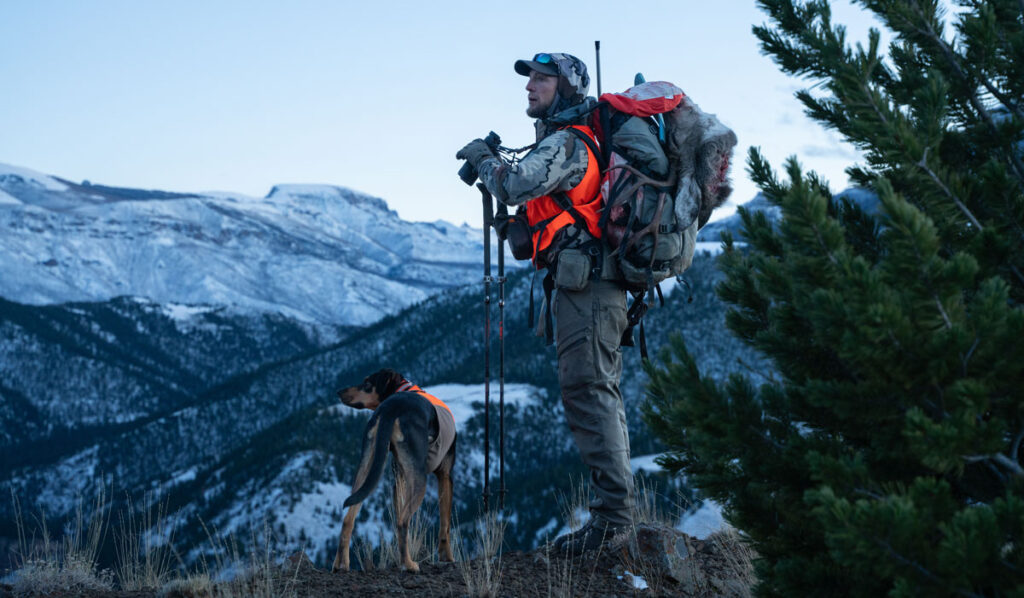
Ryan Sparks's Story

TRCP’s “In the Arena” series highlights the individual voices of hunters and anglers who, as Theodore Roosevelt so famously said,…

Fishing
Why It Matters

Key Issues for America’s Anglers

Your source for the latest policy updates, conservation challenges, and opportunities shaping America’s fishing traditions.

What TRCP is Doing

We’re fighting for meaningful policy changes that benefit wildlife, our waters, and the American landscapes that make our outdoor traditions possible.

 David Mangum
How Sportsmen Are Doing It Right

David Mangum's Story

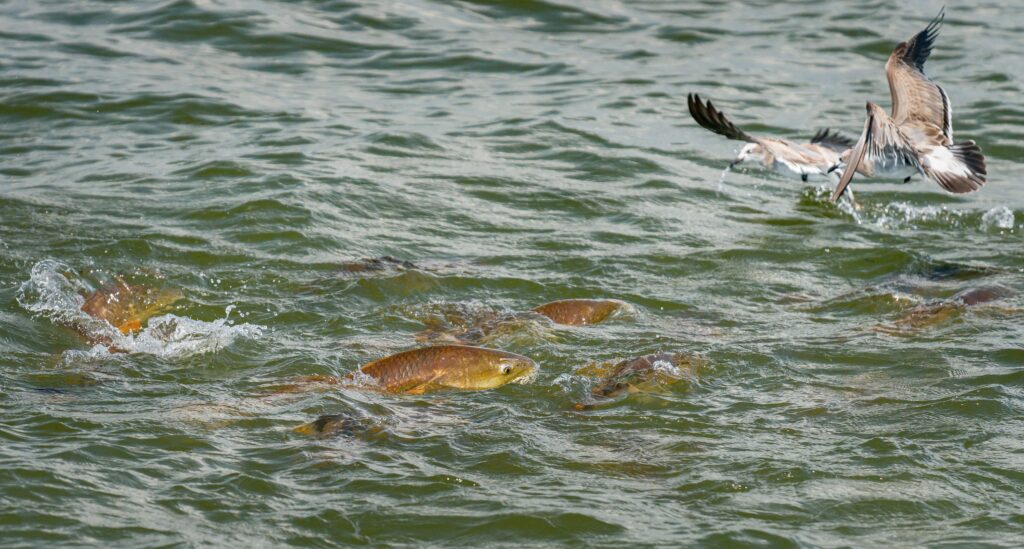
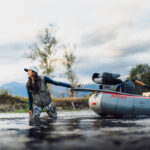
Capt. David Mangum is a YETI ambassador and outdoor photographer who utilizes his talents to produce media that inspire a…

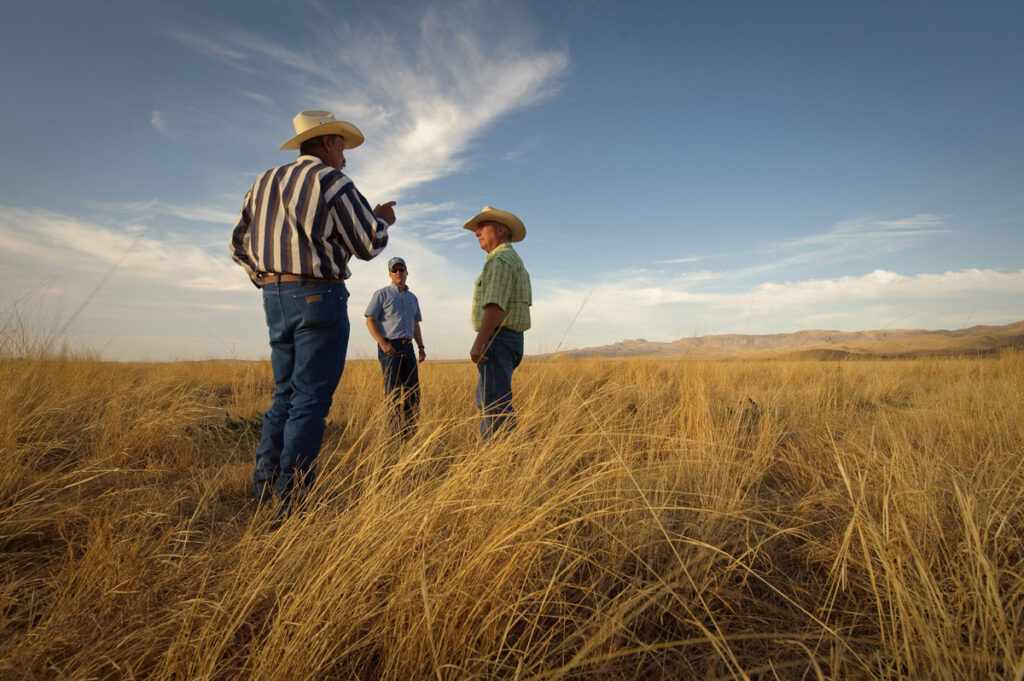
Private Land
Why It Matters

Stewardship on America’s private lands

With 70 percent of U.S. lands in private hands and many of our best hunt and fish opportunities occurring there, investing in voluntary conservation on working lands safeguards access, strengthens habitat and water quality, and ensures resilient landscapes.

Learn More
What TRCP is Doing

We champion policies and programs that restore wildlife habitat, improve soil and water health, and keep working lands productive.

 Ward Burton
How Sportsmen are Doing It Right

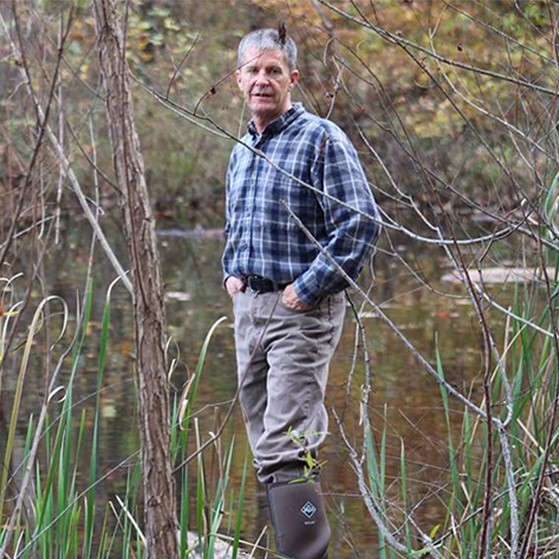
Ward Burton's Story

Ward Burton’s NASCAR driving career stretched across most of two decades. As an avid sportsman and conservationist, he founded the…

Special Places
Why It Matters

Special Places Worth Protecting

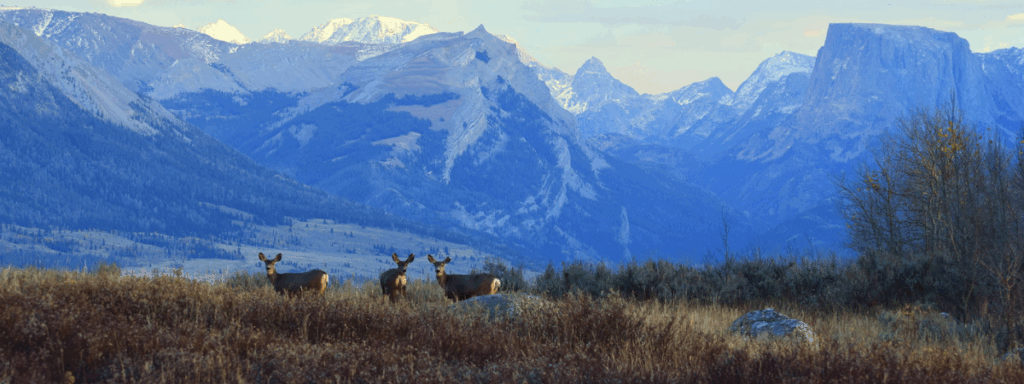
America’s most iconic landscapes provide unmatched habitat and unforgettable days afield. These places sustain wildlife, anchor local economies, and define the hunting and fishing traditions we pass down.

What TRCP is Doing

We’re working to conserve special places that provide world-class habitat and unforgettable opportunities for hunters and anglers.

 Franklin Adams
How Sportsmen Are Doing It Right

Franklin Adams's Story

As a true Gladesman, conservationist, and historian, Capt. Franklin Adams has spent more than six decades championing Everglades restoration efforts…

Habitat & Clean Water
Why It Matters

Healthy Habitat Powers Every Pursuit

All hunting and fishing opportunities depend on quality habitat, from clean water and healthy wetlands to winter and summer habitats and the migration corridors that connect them.

All About Habitat & Clean Water
What TRCP is Doing

We are working to safeguard the habitats that power every hunting and fishing opportunity.

 Alex Harvey
How Sportsmen Are Doing It Right

Alex Harvey's Story

Alex Harvey, founder of Legacy Land Management, is a registered professional forester in Mississippi and Alabama with a Master's degree…

Science
Why It Matters

Science That Guides TRCP

From conserving migration corridors and wetlands to ensuring clean water and resilient landscapes, science provides evidence that turns conservation goals into effective action.

Science for Conservation
What TRCP is Doing

For hunters and anglers, science safeguards the experiences we treasure including resilient big game populations, abundant fish, and wild places that endure changing social landscapes.

Jamelle Ellis
Your Science Expert

Jamelle Ellis's Story

Jamelle Ellis joined the Theodore Roosevelt Conservation Partnership in 2022. Jamelle spent the last three years as an environmental sustainability…

Where We Work
Across the Nation

Conservation Across America

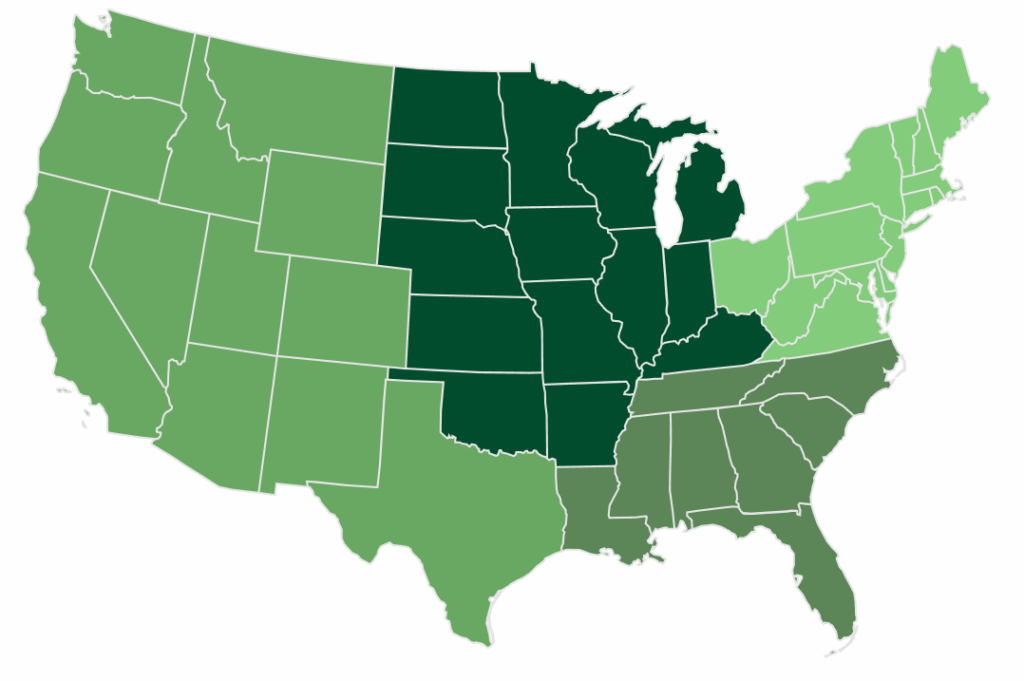
TRCP works across the country to ensure hunters and anglers can enjoy healthy fish and wildlife and quality days afield, no matter where they live.

See All Issues
TRCP in Your Region

TRCP works across the country to ensure hunters and anglers can enjoy healthy fish and wildlife and quality days afield, no matter where they live.

Who We Are
Our Mission

To guarantee all Americans quality places to hunt & fish

We unite and amplify our partners’ voices to advance America’s legacy of conservation, habitat, and access.

Our Mission & Values
Our People & Partners
  • Meet the TRCP Team

    Our staff and board members unite and amplify our partners’ voices to advance America’s legacy of conservation, habitat, and access.

    Meet the Team
  • Our Partners

    ‘Partnership’ is in our name. We work with 64 diverse partner groups that represent today’s leading hunting, fishing, and conservation organizations in order to strengthen the sportsman’s voice in Washington, D.C.

    Our Partners
  • Corporate Council

    TRCP’s Corporate Council is made up of diverse corporations that share a common passion for conservation.

    Corporate Council
Our Organization

Looking for more information?

Explore our latest news, policy updates, and conservation resources to get the information you need.

Giving
How You Can Help

To guarantee all Americans quality places to hunt & fish

Your tax-deductible donation will support TRCP's mission, now and into the future.

DONATE
Special Ways to support trcp
  • Capital Conservation Awards Dinner

    The CCAD is one of Washington's best-attended conservation celebrations, featuring dinner, cocktails, and a silent auction.

    Learn More
  • Step Into the Arena

    Help us ensure that our treasured wild habitats and game remain intact for the next generation to enjoy – lend your support to the TRCP’s efforts today!

    Donate
  • Roosevelt Roast

    TRCP has partnered with Afuera Coffee Co. to further our commitment to conservation.

    Learn More
More donation options

Find the best way for you to lend your support. Join one of TRCP’s donor circles for special invitations, premium offerings from outdoor retailers, and more exclusive benefits. Take control of your legacy with planned giving or contribute to special conservation funds.

Other Ways To Give
News
In the Spotlight

Oregon Legislature Passes Landmark “1.25 Percent for Wildlife” Act

After three legislative sessions and more than a decade of advocacy, a bipartisan coalition secures Oregon’s most significant conservation funding victory in a generation.

Read More

Stay Informed

Receive our newsletter, the Roosevelt Report, right in your inbox. Never miss the latest news in conservation issues.

by:

posted in:

May 13, 2015

Three USDA projects that could open more private land to sportsmen

There has certainly been some ongoing frustration with the U.S. Department of Agriculture from the ag community and sportsmen, but “The People’s Department” continues to put out good news for private lands conservation. By investing in partnerships with landowners, producers, ranchers, and foresters, the USDA is directly supporting sportsmen’s access and opportunity. Here’s how:

With One Million Acres and Counting

USDA just enrolled land in La Moure County, North Dakota, in the State Acres for Wildlife Enhancement initiative, bringing the nationwide SAFE acreage total across the one-million-acre mark. Val Dolcini, the USDA official who oversees the program, sums it up best: “SAFE began in 2007 as an offshoot [of the Conservation Reserve Program] to focus on establishing key plant species that help not just soil and water, but also are beneficial to selected rural wildlife habitat. And, as it enhances the flora and fauna of the countryside, it can also create recreational opportunities for the sportsman, which is an investment in the rural economy as well.” SAFE is helping private landowners across 36 states and Puerto Rico to provide habitat for the fish and game species we love.

With $235 Million Available for Conservation Partnerships

Earlier this year, USDA announced the first round of RCPP awards—we highlighted a few of the projects here and here. Now, the agency is ready to receive the next round of applications, in which private partners will propose to match over $200 million in USDA funds dollar-for-dollar—meaning there will be more than $400 million worth of new projects to improve soil health, water quality, water-use efficiency, and wildlife habitat on private lands. For this round, USDA is specifically targeting projects that respond to the western drought, develop environmental markets (i.e. water trading or wetland mitigation banks), and combat climate change. These types of projects might not seem relevant to sportsmen at first, but when you read reports about the domino effect the drought is having on California’s wildlife, or the shocking rate of habitat loss over the last decade, it becomes more clear that these seemingly unrelated initiatives can have a cascade effect on our sporting heritage.

By Cleaning Up Waterways in Mississippi River Basin States

USDA will invest $10 million this year across 11 states to improve water quality and habitat and restore wetlands that feed into the Mississippi River. Importantly, the resulting projects will enhance productivity for farmers and foresters throughout the watershed, which is absolutely essential if we hope to encourage more landowners and managers to put conservation on their acreage. But sportsmen of all stripes can also cheer the move: The Mississippi River Basin Healthy Watersheds Initiative will directly safeguard fish habitat in dozens of inland watersheds, conserve waterfowl habitat up and down the Mississippi Flyway, and reduce the amount of farm runoff flowing into the Gulf of Mexico, which is necessary to restore healthy saltwater recreational fisheries.


The USDA is said to be “helping people help the land,” and we can see why. Especially in the eastern U.S., where the majority of wildlife habitat is on private lands, these voluntary public-private partnerships are an essential piece of the puzzle for quality sportsmen’s access.

Do you have any thoughts on this post?

XHTML: You can use these tags: <a href="" title=""> <abbr title=""> <acronym title=""> <b> <blockquote cite=""> <cite> <code> <del datetime=""> <em> <i> <q cite=""> <s> <strike> <strong>

Comments must be under 1000 characters.

by:

posted in:

Three USDA projects that could open more private land to sportsmen

There has certainly been some ongoing frustration with the U.S. Department of Agriculture from the ag community and sportsmen, but “The People’s Department” continues to put out good news for private lands conservation. By investing in partnerships with landowners, producers, ranchers, and foresters, the USDA is directly supporting sportsmen’s access and opportunity. Here’s how:

With One Million Acres and Counting

USDA just enrolled land in La Moure County, North Dakota, in the State Acres for Wildlife Enhancement initiative, bringing the nationwide SAFE acreage total across the one-million-acre mark. Val Dolcini, the USDA official who oversees the program, sums it up best: “SAFE began in 2007 as an offshoot [of the Conservation Reserve Program] to focus on establishing key plant species that help not just soil and water, but also are beneficial to selected rural wildlife habitat. And, as it enhances the flora and fauna of the countryside, it can also create recreational opportunities for the sportsman, which is an investment in the rural economy as well.” SAFE is helping private landowners across 36 states and Puerto Rico to provide habitat for the fish and game species we love.

With $235 Million Available for Conservation Partnerships

Earlier this year, USDA announced the first round of RCPP awards—we highlighted a few of the projects here and here. Now, the agency is ready to receive the next round of applications, in which private partners will propose to match over $200 million in USDA funds dollar-for-dollar—meaning there will be more than $400 million worth of new projects to improve soil health, water quality, water-use efficiency, and wildlife habitat on private lands. For this round, USDA is specifically targeting projects that respond to the western drought, develop environmental markets (i.e. water trading or wetland mitigation banks), and combat climate change. These types of projects might not seem relevant to sportsmen at first, but when you read reports about the domino effect the drought is having on California’s wildlife, or the shocking rate of habitat loss over the last decade, it becomes more clear that these seemingly unrelated initiatives can have a cascade effect on our sporting heritage.

By Cleaning Up Waterways in Mississippi River Basin States

USDA will invest $10 million this year across 11 states to improve water quality and habitat and restore wetlands that feed into the Mississippi River. Importantly, the resulting projects will enhance productivity for farmers and foresters throughout the watershed, which is absolutely essential if we hope to encourage more landowners and managers to put conservation on their acreage. But sportsmen of all stripes can also cheer the move: The Mississippi River Basin Healthy Watersheds Initiative will directly safeguard fish habitat in dozens of inland watersheds, conserve waterfowl habitat up and down the Mississippi Flyway, and reduce the amount of farm runoff flowing into the Gulf of Mexico, which is necessary to restore healthy saltwater recreational fisheries.


The USDA is said to be “helping people help the land,” and we can see why. Especially in the eastern U.S., where the majority of wildlife habitat is on private lands, these voluntary public-private partnerships are an essential piece of the puzzle for quality sportsmen’s access.

by:

posted in:

May 11, 2015

Glassing the Hill: May 11 – 15

Photo courtesy of Library of Congress.

The TRCP’s scouting report on sportsmen’s issues in Congress

The Senate is in session from Monday through Friday. The House is in session from Tuesday through Friday.

These Senators are all charged up.

 After a flurry of proposals were submitted for inclusion in the bipartisan energy bill last week, the Energy and Natural Resources Committee has a busy few days ahead as they hold a hearing to consider 22 pieces of legislation that address issues from solar energy to natural gas pipelines. The Committee is anxious to move the bill this summer, marking the first time federal energy policies have been altered significantly since 2007. The Senate legislative package will focus on smart-grid technology, transmission lines, and gas pipelines. The controversial Keystone XL will most likely be discussed by Sen. John Hoeven (R-ND) and other supporters, but will not be included in the bill. Details on the Senate hearing can be found here.

The House Energy and Commerce Committee has also begun drafting its companion bill but, unlike the Senate’s, their package will feature a much more partisan slate of bills that support the GOP agenda. A draft of the House bill can be found here. Information on the hearing can be found here.

The Case of Lawsuits vs Wildfire Relief

On Thursday, a House Natural Resources Panel will address the issue of litigation and its impacts on the federal government’s forestry work, particularly in treating fire-prone areas. With wildfire suppression costs increasing at an average annual rate of 22 percent, the Forest Service no longer has the resources necessary to fund suppression costs and prevention measures. Many key players agree that boosting forest treatment and prevention programs is a necessary step to decreasing the dangers and costs of catastrophic wildfires.

However, for two decades, many organizations have employed lawsuits, often to great effect, as a tactic for blocking logging and forestry treatments throughout national forests. And, though the USFS was once quite adept at winning these lawsuits, the agency has been severely hampered by them in the past ten years. In this hearing, opponents of this tactic will most likely argue that costly litigation is preventing the federal government from employing programs to support forest health and mitigating the long-term risk of wildfires.

Dems on Sage-Grouse Delays

After a failed vote in last month’s House Armed Services Committee markup, this week House Democrats plan to file amendments to legislation that would delay an endangered species listing for the greater sage-grouse. Many conservationists feel strongly that a listing decision, which would have wholescale impacts upon energy development in the West and its regional economy, could be avoided if additional state and federal resources were invested in proactive conservation measures promoting sustainable population growth. So far, the immediacy of a September listing deadline has driven unprecedented collaboration to bring these birds back from the brink.

The House Rules Committee will meet this week to decide if the amendment filed by Rep. Niki Tsongas (D-Mass) to block a delay of the decision will be allowed a floor vote.

Clean Water Rule Could Be Dammed

Sometime this week, members of the House are expected to attack the controversial Waters of the U.S. rule, which would clarify protections for headwaters and wetlands under the Clean Water Act. The House spending bill, which was introduced last week and will almost assuredly pass through the chamber, featured a policy rider which would block the clean water rule in fiscal year 2016.

The rule also faces an uphill battle in the Senate where John Barrasso (R-WY) and Joe Donnelly (D-IN) have filed legislation to prevent its passage.

Also This Week:

Wednesday, May 12

House mark-up of fiscal 2016 Transportation, Housing and Urban Development and Related Agencies appropriations bill

Appropriations Committee


Senate Hearing on BLM fiscal 2016 budget

Appropriations Subcommittee on Interior, Environment, and Related Agencies

by:

posted in:

May 8, 2015

Grand Junction BLM Plan Creates New Backcountry Zone, Falls Short in Other Ways

The Bureau of Land Management’s Grand Junction Field Office recently issued its final Resource Management Plan (RMP) that will direct management activities on 1.2 million acres of public lands in northwest Colorado over the next 20 years. The resource area provides for a wide range of recreational use, including a wealth of hunting and angling opportunities. Sportsmen in the Grand Valley and throughout the state were involved in commenting on the draft plan and, while they’ll find some improvement in the final RMP, there was hope for stronger conservation measures for wildlife and sportsmen’s access.

One of the improvements to the Grand Junction plan is the creation of the Bangs Primitive Backcountry Zone, which will maintain opportunities and access for big-game hunters. The area contains critical habitat for desert bighorn sheep, including lamb-rearing areas and winter range. “It’s great to see safeguards in place that give this herd the space they need to raise young and wait out the winter in lower elevation areas,” says Terry Meyers, president of the Rocky Mountain Bighorn Society. “Four lucky hunters will draw a ram tag this year and have the opportunity to take a desert bighorn in this beautiful landscape. The Bangs Backcountry Zone will help keep this opportunity open to the next generation of sportsmen.”

Image courtesy of Nick Payne.

A coalition of more than 300 sportsmen’s groups and businesses is working to conserve key intact and undeveloped backcountry BLM lands across the West through individual land-use plans that benefit habitat, sportsmen, and local communities. “Hunters and anglers are seeing some positive results for managing backcountry areas through local BLM land-use plans, and the Bangs Canyon area in Grand Junction is a good example,” says Montrose resident Doug Clowers, a member of Colorado Backcountry Hunters and Anglers. “These achievements are positive and a good, but a small step toward a more consistent approach from the BLM on how backcountry lands are managed from one plan to the next.”

The Grand Junction office will also manage 10 areas specifically for wildlife habitat through the use of Wildlife Emphasis Areas (WEA), but reactions from sportsmen have been mixed on this provision of the final plan. “The WEA concept is a great attempt to conserve important habitat for wildlife species, like mule deer and elk, but some areas lack adequate safeguards,” says Nick Payne, Colorado field representative for the Theodore Roosevelt Conservation Partnership. “Without strong conservation measures for all of these areas, there is a risk that some WEAs could be fragmented by development, diminishing their value for wildlife.”

The BLM will be instituting a landscape-level master leasing plan for over 700,000 acres that will be managed for oil and gas development. Part of this master leasing plan encompasses the High Lonesome Ranch, where sportsmen are working on a project to demonstrate how oil and gas can be responsibly developed with the conservation of important fish and wildlife habitat in mind. “The Grand Junction field office made a positive step forward by including the master leasing plan in the proposed RMP,” says Ed Arnett, the TRCP’s senior scientist. “The success of the master leasing plan ultimately lies in its implementation, and we look forward to working with the BLM to ensure that energy development is balanced with the needs of fish and wildlife habitat as the planning process moves closer to the actual disturbance on the ground.”

Read the final EIS here.
Protests may be filed through May 11, 2015.

by:

posted in:

May 6, 2015

CRP: Beloved by sportsmen. Critical for wildlife. Ignored by USDA?

You probably know about the Conservation Reserve Program, or CRP, because you’ve hunted on CRP lands. And if you live anywhere near farm country, it’s no wonder—CRP essentially incentivizes farmers to cultivate wildlife on lands that would be less productive for crops. Ducks, deer, pheasants, sage grouse, and many other game species have found habitat and forage in farm country thanks to CRP. Since its creation 30 years ago, CRP has been one of the nation’s most important programs for hunters and wildlife—and for farmers.

CRP lands can have many other benefits, too. If you follow the news, you’ll recognize that there’s a need to protect water quality from agricultural runoff; provide habitat for pollinators like bees and butterflies; prevent soil erosion and enhance soil health; mitigate the impact of floods and drought; and reduce greenhouse gas emissions. CRP lands do all of that and more. For the breadth and depth of its achievements, CRP is highly cost-effective, making up just a fraction of the U.S. Department of Agriculture’s budget.

And yet, 15 months after passage of the 2014 Farm Bill, the USDA has not taken the steps needed to maximize this critical and versatile program.

Some background: About once every five years, through the Farm Bill, Congress can adjust the number of acres that America’s farmers may enroll in CRP. In the 2014 Farm Bill, Congress established acreage caps that are progressively lower each year through 2018, scaling way down from 32 million to 24 million acres. This was in reaction to an ever-tighter federal budget (the USDA had less financial support available for farmers) and record-high prices for commodity crops like corn and soybeans (farmers were eager to plant more to earn more, rather than leave land unplanted for conservation purposes).

The 2014 Farm Bill makes it possible for farmers to enroll up to 26 million acres in CRP this year, but there are only 24 million acres currently enrolled, and enrollment could sink as low as 22 million acres by September—far below the allowed cap, and a full 10 million acres below 2013’s maximum. The USDA has neither taken meaningful action to close the gap, nor finished updating the CRP regulations, despite a solid effort to implement the rest of the Farm Bill’s 450 provisions over the last 15 months.

As we look ahead to the next Farm Bill, this seeming ambivalence at the USDA sets a low precedent for a landmark conservation program. It’s hard to believe that just a few years ago we proposed a 45-million-acre cap for CRP—nearly double the current enrollment!

Habitat loss is the biggest threat to wildlife population health. It is fundamentally important to sportsmen, and to the game species we love, that we keep CRP enrollment on target. And it is incumbent upon the USDA to provide farmers and ranchers with a full suite of tools to put conservation on their lands. A dozen U.S. Senators agree: The agency ought to announce a nationwide CRP general signup, which it last did in 2013, and aggressively encourage farmers to enroll in continuous programs like State Acres for Wildlife Enhancement. We all need the USDA to step up.

HOW YOU CAN HELP

TRCP has partnered with Afuera Coffee Co. to further our commitment to conservation. $4 from each bag is donated to the TRCP, to help continue our efforts of safeguarding critical habitats, productive hunting grounds, and favorite fishing holes for future generations.

Learn More
Subscribe


You have Successfully Subscribed!

You have Successfully Subscribed!

You have Successfully Subscribed!

You have Successfully Subscribed!

You have Successfully Subscribed!