Our Issues
Public Lands
Why It Matters

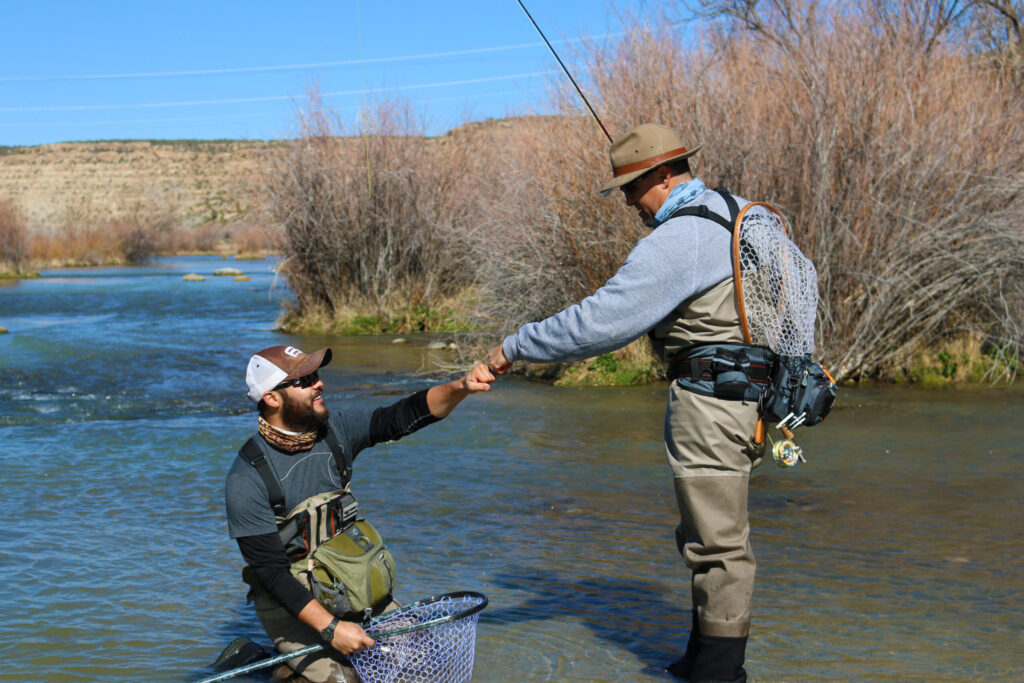
Hunting & Fishing Access

America’s 640 million acres of national public lands provide irreplaceable hunting and fishing opportunities to millions of Americans.

Learn More About Access
What TRCP is Doing

We’re working to safeguard America’s public lands so hunters and anglers always have quality places to pursue their passions.
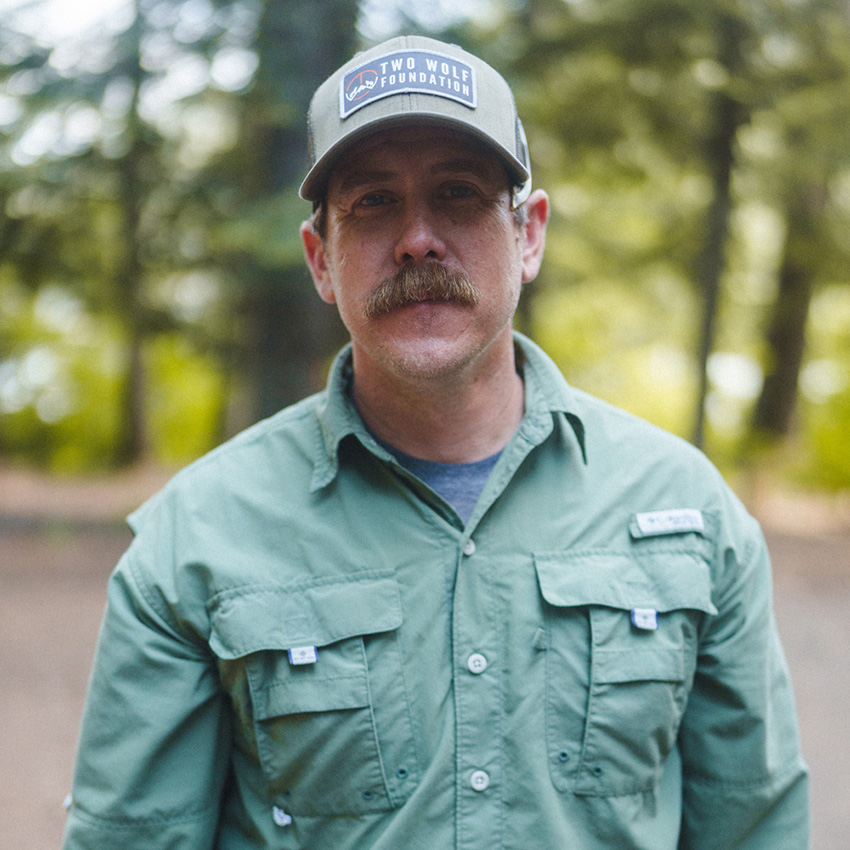
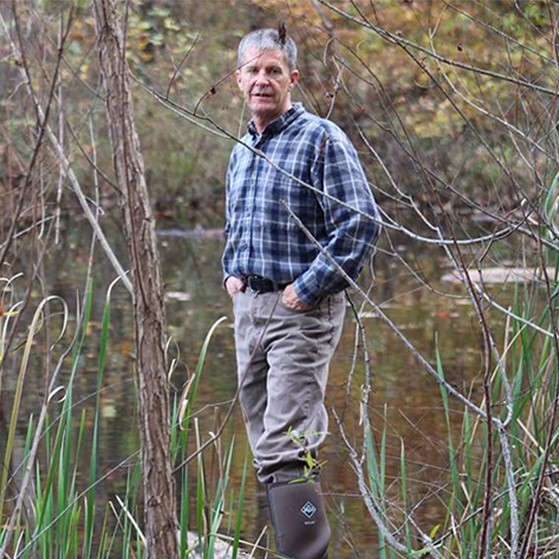
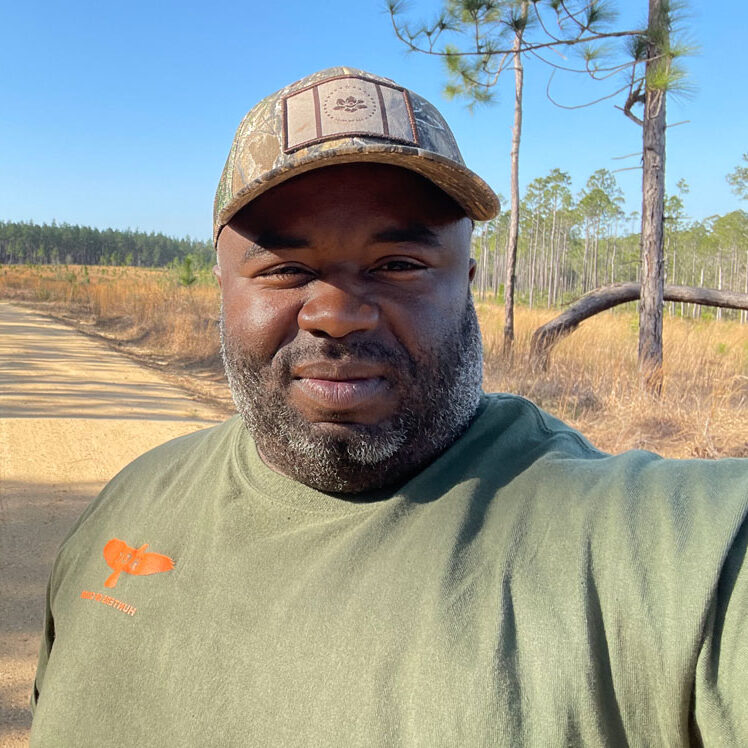
 Brian Flynn, Two Wolf Foundation
How Sportsmen Are Doing It Right

Brian Flynn, Two Wolf Foundation's Story

Following a distinguished career in the U.S. Army, lifelong outdoorsman Brian Flynn returned home from a deployment in Afghanistan and…


Hunting
Why It Matters

Key Issues for America’s Hunters

Your source for the latest policy updates, conservation challenges, and opportunities shaping America’s hunting traditions.

What TRCP is Doing

We’re fighting for meaningful policy changes that benefit wildlife, our waters, and the American landscapes that make our outdoor traditions possible.

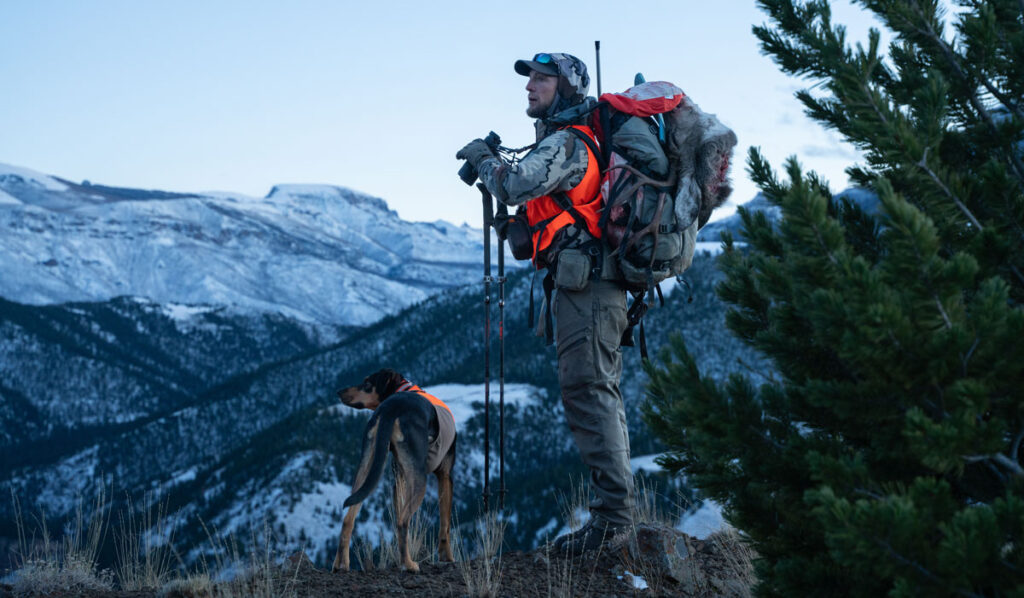
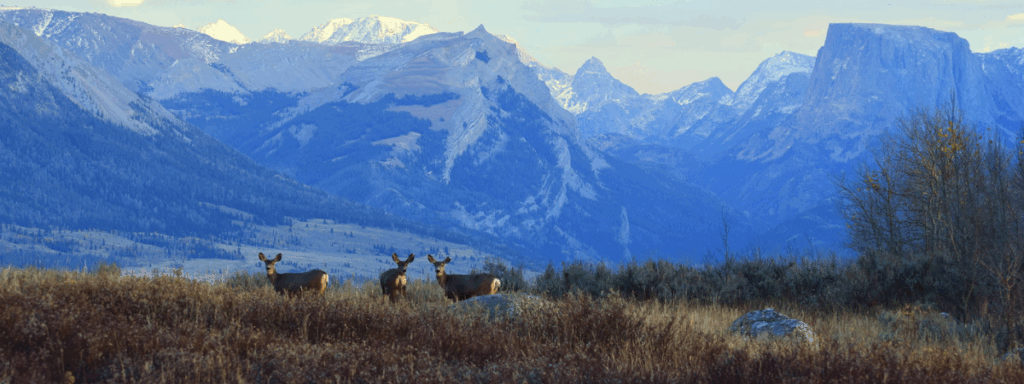
 Ryan Sparks
How Sportsmen Are Doing It Right

Ryan Sparks's Story

TRCP’s “In the Arena” series highlights the individual voices of hunters and anglers who, as Theodore Roosevelt so famously said,…

Fishing
Why It Matters

Key Issues for America’s Anglers

Your source for the latest policy updates, conservation challenges, and opportunities shaping America’s fishing traditions.

What TRCP is Doing

We’re fighting for meaningful policy changes that benefit wildlife, our waters, and the American landscapes that make our outdoor traditions possible.

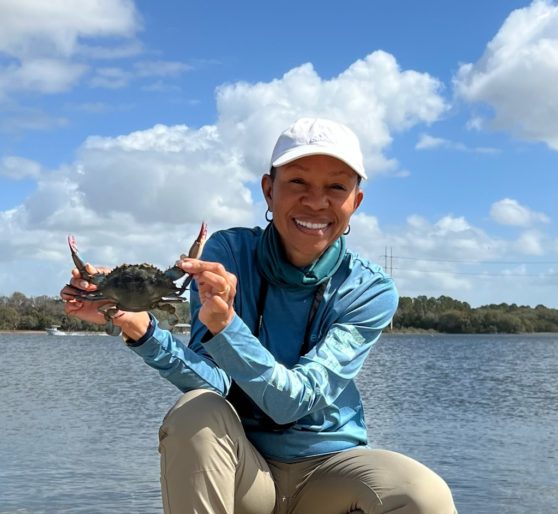
 David Mangum
How Sportsmen Are Doing It Right

David Mangum's Story

Capt. David Mangum is a YETI ambassador and outdoor photographer who utilizes his talents to produce media that inspire a…

Private Land
Why It Matters

Stewardship on America’s private lands

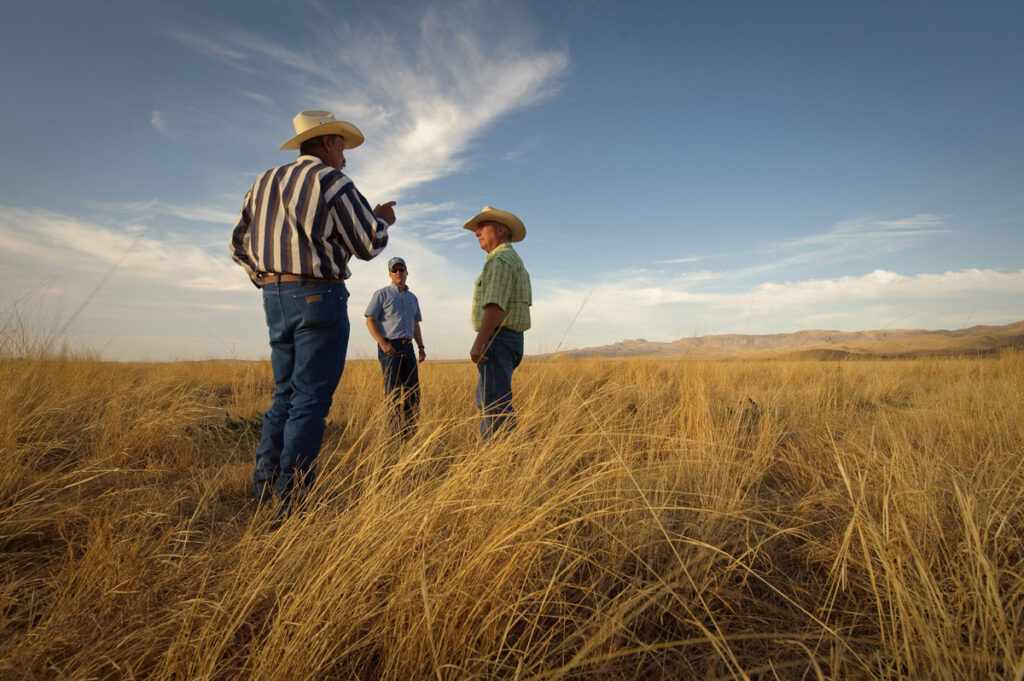
With 70 percent of U.S. lands in private hands and many of our best hunt and fish opportunities occurring there, investing in voluntary conservation on working lands safeguards access, strengthens habitat and water quality, and ensures resilient landscapes.

Learn More
What TRCP is Doing

We champion policies and programs that restore wildlife habitat, improve soil and water health, and keep working lands productive.

 Ward Burton
How Sportsmen are Doing It Right

Ward Burton's Story

Ward Burton’s NASCAR driving career stretched across most of two decades. As an avid sportsman and conservationist, he founded the…

Special Places
Why It Matters

Special Places Worth Protecting

America’s most iconic landscapes provide unmatched habitat and unforgettable days afield. These places sustain wildlife, anchor local economies, and define the hunting and fishing traditions we pass down.

What TRCP is Doing

We’re working to conserve special places that provide world-class habitat and unforgettable opportunities for hunters and anglers.

 Franklin Adams
How Sportsmen Are Doing It Right

Franklin Adams's Story

As a true Gladesman, conservationist, and historian, Capt. Franklin Adams has spent more than six decades championing Everglades restoration efforts…

Habitat & Clean Water
Why It Matters

Healthy Habitat Powers Every Pursuit

All hunting and fishing opportunities depend on quality habitat, from clean water and healthy wetlands to winter and summer habitats and the migration corridors that connect them.

All About Habitat & Clean Water
What TRCP is Doing

We are working to safeguard the habitats that power every hunting and fishing opportunity.

 Alex Harvey
How Sportsmen Are Doing It Right

Alex Harvey's Story

Alex Harvey, founder of Legacy Land Management, is a registered professional forester in Mississippi and Alabama with a Master's degree…

Science
Why It Matters

Science That Guides TRCP

From conserving migration corridors and wetlands to ensuring clean water and resilient landscapes, science provides evidence that turns conservation goals into effective action.

Science for Conservation
What TRCP is Doing

For hunters and anglers, science safeguards the experiences we treasure including resilient big game populations, abundant fish, and wild places that endure changing social landscapes.

Jamelle Ellis
Your Science Expert

Jamelle Ellis's Story

Jamelle Ellis joined the Theodore Roosevelt Conservation Partnership in 2022. Jamelle spent the last three years as an environmental sustainability…

Where We Work
Across the Nation

Conservation Across America

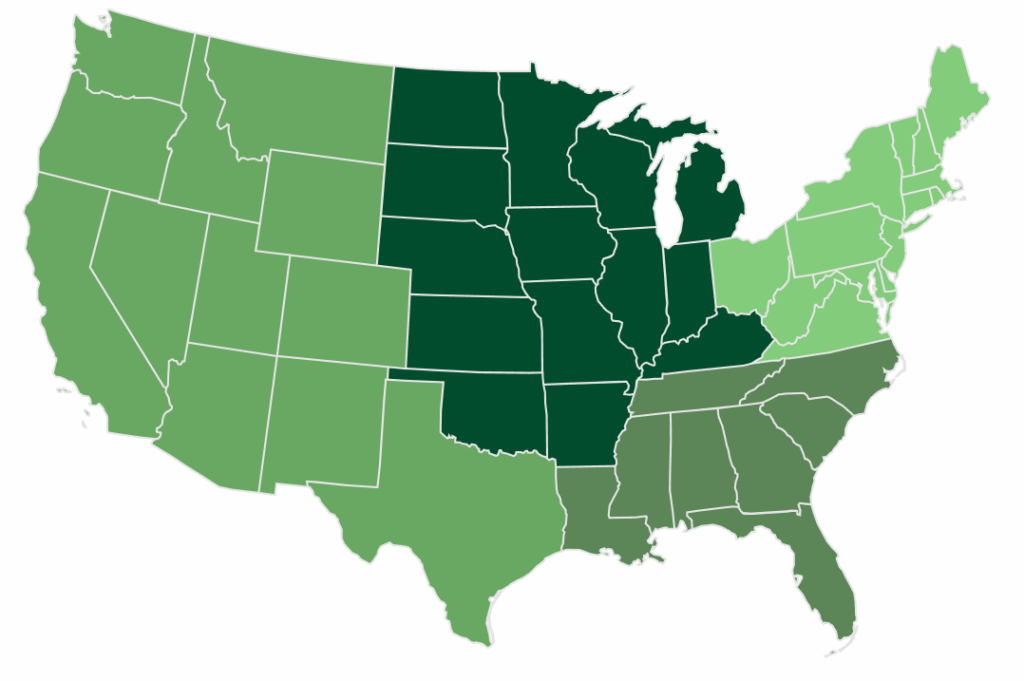
TRCP works across the country to ensure hunters and anglers can enjoy healthy fish and wildlife and quality days afield, no matter where they live.

See All Issues
TRCP in Your Region

TRCP works across the country to ensure hunters and anglers can enjoy healthy fish and wildlife and quality days afield, no matter where they live.

Who We Are
Our Mission

To guarantee all Americans quality places to hunt & fish

We unite and amplify our partners’ voices to advance America’s legacy of conservation, habitat, and access.

Our Mission & Values
Our People & Partners
  • Meet the TRCP Team

    Our staff and board members unite and amplify our partners’ voices to advance America’s legacy of conservation, habitat, and access.

    Meet the Team
  • Our Partners

    ‘Partnership’ is in our name. We work with 64 diverse partner groups that represent today’s leading hunting, fishing, and conservation organizations in order to strengthen the sportsman’s voice in Washington, D.C.

    Our Partners
  • Corporate Council

    TRCP’s Corporate Council is made up of diverse corporations that share a common passion for conservation.

    Corporate Council
Our Organization

Looking for more information?

Explore our latest news, policy updates, and conservation resources to get the information you need.

Giving
How You Can Help

To guarantee all Americans quality places to hunt & fish

Your tax-deductible donation will support TRCP's mission, now and into the future.

DONATE
Special Ways to support trcp
  • Capital Conservation Awards Dinner

    The CCAD is one of Washington's best-attended conservation celebrations, featuring dinner, cocktails, and a silent auction.

    Learn More
  • Step Into the Arena

    Help us ensure that our treasured wild habitats and game remain intact for the next generation to enjoy – lend your support to the TRCP’s efforts today!

    Donate
  • Roosevelt Roast

    TRCP has partnered with Afuera Coffee Co. to further our commitment to conservation.

    Learn More
More donation options

Find the best way for you to lend your support. Join one of TRCP’s donor circles for special invitations, premium offerings from outdoor retailers, and more exclusive benefits. Take control of your legacy with planned giving or contribute to special conservation funds.

Other Ways To Give
News
In the Spotlight

All Eyes On The Atchafalaya Basin

The Lower Mississippi River Comprehensive Management Study moves forward despite slashed budget

Read More

Stay Informed

Receive our newsletter, the Roosevelt Report, right in your inbox. Never miss the latest news in conservation issues.

by:

posted in:

April 13, 2015

A New Affront to Clean Water Protections Brewing in the House

Tomorrow, the Committee on Transportation and Infrastructure will vote on recently-introduced legislation from Rep. Bill Shuster (R-PA) that will harm our ability to protect coldwater fisheries, indispensable waterfowl habitat, and drinking water for one in three Americans. If this legislation becomes law, it will derail a deliberative rulemaking effort that’s been nearly 15 years in the making.

Hunters and anglers everywhere are counting on this rule to clarify Clean Water Act protections for wetlands and headwater streams. Over 200 hunting, fishing, and sporting groups from across the country have said that the Environmental Protection Agency and U.S. Army Corps of Engineers need to take action to better protect America’s wetlands and headwater streams.

Efforts to derail the rulemaking at this point will do a major disservice to the hunters, anglers, farmers, and business owners who have submitted more than one million comments in order to improve a version of the rule proposed in March 2014. The EPA and Army Corps have said that these comments have made a definite impact on their clearer and more predictable final rule, and Congress should reserve their judgment until we can evaluate this impact.

Delays caused by Rep. Shuster’s bill are unnecessary. Confusion around jurisdiction of the Clean Water Act can be traced back 15 years but, since then, legal issues have been hashed out, the science has been analyzed, peer-reviewed, and compiled, and the public and key stakeholders have weighed in. Simply put, the agencies have all the information they need to make an informed decision. Let’s not kick the can down the road any further.

This is the best chance we have to clarify the Clean Water Act, and sportsmen should urge their legislators to vote against this bill.

Do you have any thoughts on this post?

XHTML: You can use these tags: <a href="" title=""> <abbr title=""> <acronym title=""> <b> <blockquote cite=""> <cite> <code> <del datetime=""> <em> <i> <q cite=""> <s> <strike> <strong>

Comments must be under 1000 characters.

by:

posted in:

Glassing the Hill: April 13 – 17

The TRCP’s scouting report on sportsmen’s issues in Congress

Photo courtesy of Library of Congress.

After a two week break, both chambers are in session this week—the House from Monday through Thursday, and the Senate from Monday through Friday.

It’s cherry blossom season in the rest of D.C., but inside Congress it’s appropriations season. After passing its budget resolution last month, Congress is back in session with the intent to pass its twelve annual spending bills for fiscal year 2016. A memo from Majority Leader Kevin McCarthy stated that the first appropriations bill for the upcoming fiscal year will make it to the floor during the last week of April, leaving plenty of work to be done. During the recess, House and Senate negotiators drafted a compromise budget between the two chambers, and lawmakers are expected to reconcile this in the coming weeks.

Appropriators must come to a final agreement to provide guidelines for spending limits by May 15, and neither the House nor Senate can move forward to floor consideration of appropriations bills for fiscal year 2016 until the final budget is adopted. The first two measures headed to the floor are the easiest of the twelve to pass—but the process allows for members to offer an unlimited number of amendments during this time.

Fish and Wildlife Under Review

The Senate regulatory oversight subpanel of the Environment and Public Works Committee panel will meet Tuesday to examine the management of several environmental agencies. The U.S. Fish and Wildlife Service, as part of the Department of the Interior, will be among those under the microscope, and the focus will likely be on management of federal programs that provide grants to restore and manage sport fishing and wildlife. The hearing will provide Republicans, who have been highly critical of the Obama administration’s management and leadership, an opportunity to scrutinize agency practices.

A New Move to Derail Clean Water Protections

Hearings in both chambers this week could derail the process for clarifying protections for headwater streams and wetlands under the Clean Water Act. Sportsmen, including opponents of Pebble Mine, are urging Congress to let the rulemaking process play out, rather than slam the efforts of hunters, anglers, farmers, and business owners who have submitted more than one million comments on the original proposed rule since last March.

Also this week:

Tuesday, April 14

Wednesday, April 15


by:

posted in:

April 11, 2015

I Traveled from Colorado to Washington, D.C. to Stand Up for My Public Lands

Congress has been deciding on appropriations for the national budget, including line items that are way over my head. I don’t understand everything about this process, but I do know that it can shape the discussion of how our public lands are managed for years to come. This was my reason for traveling 1,900 miles to be in Washington, D.C., to stand up for sportsmen’s access to public-lands hunting and fishing. With help from the Theodore Roosevelt Conservation Partnership, Backcountry Hunters and Anglers, the National Wildlife Federation, and Trout Unlimited, I met with my representatives from Colorado, Sen. Gardner and Sen. Bennett, witnessed the process, and now I better understand how to fight for our outdoor rights.

Photo courtesy of Dan Harrison.

While we were in with Senator Heinrich, I also helped to deliver a petition against the sale or transfer of public lands. I have been guiding and outfitting for well over 20 years, almost entirely on public ground and in wilderness settings. During this time, I have hosted people from every corner of the U.S., and some from across the big water, whoseopinions and political leanings are all over the spectrum. (As much as I try to stay away from discussing religion and politics around the campfire, you can’t spend a week on the mountain without learning a little about people’s views and ideas.) Many see something going wrong and, as much as they may care, assume that there is nothing they can do—they’ll most likely be overridden. This assumption has gotten sportsmen in so much deep water that we are about to lose our uniquely American outdoor heritage that we love so much. The hunting industry alone is over 28 million strong, bringing billions of dollars to the economy. If you combined the hunting and fishing community with the outdoor enthusiasts who hike,raft, and cycle on public lands, it seems to me that you’d have one of the largest organizations in the U.S.

Photo courtesy of Dan Harrison.

The organizations that want to sell off our heritage are masters at getting their word out to our elected officials, and they have an advantage overus, because their only focus is to lobby in D.C. The organizations I belong to, many in life membership, do great work in most respects, but their fundraising dollars are spread very thin, because they’re focused on conservation, education, and habitat. We have to lend our support with individual voices.

Outdoorsmen are the original conservationists. We are the ones generating funds for our wildlife and youth education. We have to protect our outdoor heritage and lifestyle, too. So, when was the last time you picked up the phone or picked up a pen and actually voiced your opinion to a decision-maker in your hometown, home state, or in Washington? Your voice and opinion will count as long as we stand together and show how big our piece of the pie really is. Start flooding their offices with opinions. I don’t mean just write one letter, or make one phone call; be persistent. Harness the passion you have for the hunt to stand up for the places you go afield. Because once we lose them, we won’t get them back.

Dan Harrison is a resident of Colorado’s Western Slope, longtime public lands supporter, co-host of Remington Country TV and Owner/Partner of Colorado Mountain Adventures.

by:

posted in:

April 9, 2015

Partnerships Power Conservation in Pheasant Country

The crowd was awash with blaze orange—on hats, t-shirts, and even one necktie—at the grand opening of Pheasants Forever’s new regional headquarters in Brookings, S.D., earlier this year. Perhaps the neon hue was a bright indicator of just how eager folks are to stand united for conservation.

Pheasants Forever’s Dave Nomsen addresses the crowd of conservation advocates at the grand opening of “the habitat organization’s” new regional headquarters in Brookings, S.D. Photo courtesy of John Pollmann.

This cross-section of the community, made up of hunters, state and federal wildlife officials, conservation leaders, and more, is exactly who needs to be at the table to help Pheasants Forever preserve and enhance habitat in South Dakota. “We live in a different world today, and there are new challenges to conservation on private lands that we can’t solve the way we have before,” Pheasants Forever president and CEO Howard Vincent said at the event. “We have to think differently. We have to bring in new resources and partners. And we’re going to have to bring together the entire state of South Dakota—agriculture, transportation, tourism, and hunting interests as well as private landowners and state and federal agencies—for one reason: to deliver more conservation.”

Habitat loss brought Pheasants Forever to South Dakota, where nearly 2 million acres of grassland habitat have been lost since 2006, and collaborating with partners across the state is how the organization plans to reverse that trend. “We know we can’t do it alone,” says the group’s vice-president of governmental affairs, Dave Nomsen. “Partnerships are how conservation happens today. A group of stakeholders comes together to pool resources and knowledge in order to meet a common goal of keeping habitat on the ground.”

The Conservation Reserve Enhancement Program (CREP) is a partner-based program which creates vital grassland habitat while also providing public access for hunting and fishing. Photo courtesy of John Pollmann.

The time is right, Nomsen says, to bring new support to the issue by championing the role that habitat plays in maintaining a healthy landscape and benefits to the general public.

“The value of this work extends beyond heavy game bags,” Nomsen says. “And as an increasing amount of pressure is put on the land to produce food, fuel, and fiber, it is vitally important to that we communicate how the conservation programs that we work to implement—those that provide stream buffers, protect wetlands, and maintain large blocks of grasslands to benefit pheasants, quail, ducks, and other wildlife species—also help protect water resources, maintain healthy soils, and improve air quality for everyone. The key is to find a balance.”

Tom Kirschenmann, chief of terrestrial resources for South Dakota Game, Fish, and Parks, believes that South Dakota’s private landowners are conservation’s most valuable partner in reaching that balance. “We couldn’t achieve any success in conservation without the commitment and cooperation of families who live on the ground, care for the ground,” Kirschenmann says. “And part of our job is connecting these landowners with the programs that will help them provide quality habitat for pheasants and other wildlife, while still benefitting their operation’s bottom line.”

Partnerships for conservation in South Dakota will play a vital role in combating the loss of grassland habitat, including those acres of ground previously enrolled in the Conservation Reserve Program. Photo courtesy of John Pollmann.

There is perhaps no better example of this than the success of the Conservation Reserve Enhancement Program (CREP) in the James River Valley of South Dakota, where 82,000-acres of marginal cropland have been enrolled and restored to grassland habitat. Kirschenmann says that nearly all CREP contracts, which vary in length from 10 to 15 years, were signed with the help of a Farm Bill biologist, a position made possible by Pheasants Forever in partnership with the Natural Resources Conservation Service and South Dakota Game, Fish, and Parks. Landowners who enroll ground in CREP receive a 40 percent higher rental rate than traditional Conservation Reserve Program contracts, and every acre enrolled in CREP is open year-round to hunting and fishing.

“The program is a win-win situation all the way around,” Kirschenmann says, “and it is all made possible by partnerships involving local landowners, state and federal agency funding, and the work of a private conservation organization.” Continuing to leverage the power of these partnerships will be crucial to finding solutions to the challenges facing conservation on private grounds in South Dakota, adds Pheasants Forever’s Nomsen. “And the key element we need to focus on together—Pheasants Forever, the state of South Dakota, landowners, and everyone else involved—is keeping quality habitat on the ground. Preserving the pheasant hunting culture of South Dakota depends on habitat.”

Author John Pollmann is a life-long bird hunter and freelance outdoor writer from South Dakota. A 2012 recipient of the John Madson Fellowship from the Outdoor Writers Association of America, Mr. Pollmann is a regular contributor to the Sioux Falls (SD) Argus Leader; provides a bi-monthly report on South Dakota for the Minnesota Outdoor News; and is the waterfowl columnist for the Aberdeen (SD) American News Outdoor Forum. Other writing credits include the pages of magazines for Ducks Unlimited, Delta Waterfowl, and American Waterfowler.

 In addition to outdoor writing, Mr. Pollmann holds an advanced degree in music and currently teaches at Pipestone Area School in Pipestone, MN. He is an active member of Ducks Unlimited, Delta Waterfowl, Pheasants Forever, the Theodore Roosevelt Conservation Partnership and was named to the country’s first conservation pro-staff with Vanishing Paradise.

 Mr. Pollmann lives in Dell Rapids, SD with his wife Amber, their son Miles, and a yellow Labrador named Murphy.

by:

posted in:

We’re One Step Closer to Restoring Protection for Trout, Salmon, and Waterfowl

Last Friday, the Environmental Protection Agency (EPA) and the U.S. Army Corps of Engineers took a critical next step toward finalizing a clean water rule that clearly defines protections for headwater streams and wetlands important to trout, salmon, and waterfowl, while keeping farming practices exempt. Taking into account the genuine concerns of hunters, anglers, farmers, manufacturers, and business owners, who submitted more than one million public comments between April 2014 and November 2014, the agencies sent the most recent draft of the rule to the Office of Management and Budget for review. “The Theodore Roosevelt Conservation Partnership would like to commend the EPA and Army Corps for their continued commitment to this rulemaking process and to clarifying legislation that will benefit fish, wildlife, habitat, and anyone who values clean water,” says TRCP President and CEO Whit Fosburgh.

Without any corrective action, 60 percent of stream miles and nesting habitat for the majority of the waterfowl in America are at risk of being polluted, compromised, or destroyed. “The seasonally-flowing streams clearly protected by the proposed rule are often where trout and salmon go to spawn and where juvenile fish are reared,” says Steve Moyer, Trout Unlimited’s Vice President for Government Affairs. “All anglers benefit from the water quality and fish habitat provided by these streams, and we applaud the agencies for moving forward to restore protections to these incredibly important waters.”

As much as this review process is a behind-the-scenes step, it marks a milestone in the evolution of the clean water rule, especially for the growing coalition of organizations fighting to restore protection of our headwaters and wetlands. “Although the full draft hasn’t been released, from what we’ve seen, the comment period has had an impact and the final rule will be better than the proposal from last year,” says TRCP Center for Water Resources Director Jimmy Hague.

According to an April 6 blog post penned by U.S. EPA Administrator Gina McCarthy and Assistant Secretary of the Army (Civil Works) Jo-Ellen Darcy, the new draft of the rule will clarify how protected waters, like streams and wetlands, are significant, and how the agencies make this determination. It will also better define tributaries and protect farming practices. Special consideration has been given to “other waters”—including prairie potholes, the regional waters where 50 to 80 percent of North America’s duck production takes place—that qualify for protection under the Clean Water Act. “We’ve thought through ways to be more specific about the waters that are important to protect, instead of what we do now, which too often is for the Army Corps to go through a long, complicated, case by case process to decide whether waters are protected,” McCarthy and Darcy wrote. The TRCP was one of 185 sportsmen’s groups to address agency leaders in a letter of support for the rulemaking process on the heels of the Clean Water Act’s 42nd Anniversary in October 2014.

“Sportsmen have been actively engaged on this issue and will continue to combat efforts to derail the clean water rule,” says Fosburgh. “Anyone concerned with the rampant loss of wetlands, the health of spawning areas for trout and salmon, or the future of our hunting and fishing traditions should be pleased with the effort to restore protections for these resources.”

Under normal procedures, the Office of Management and Budget has at least 90 days to review the draft. It can recommend changes or leave the rule as proposed, at which point the rule can be finalized and put into effect. Read more about the original rule proposal, public feedback for the rule, and the letter of support from sportsmen’s groups across the country.

HOW YOU CAN HELP

TRCP has partnered with Afuera Coffee Co. to further our commitment to conservation. $4 from each bag is donated to the TRCP, to help continue our efforts of safeguarding critical habitats, productive hunting grounds, and favorite fishing holes for future generations.

Learn More
Subscribe


You have Successfully Subscribed!

You have Successfully Subscribed!

You have Successfully Subscribed!

You have Successfully Subscribed!

You have Successfully Subscribed!