Our Issues
Public Lands
Why It Matters

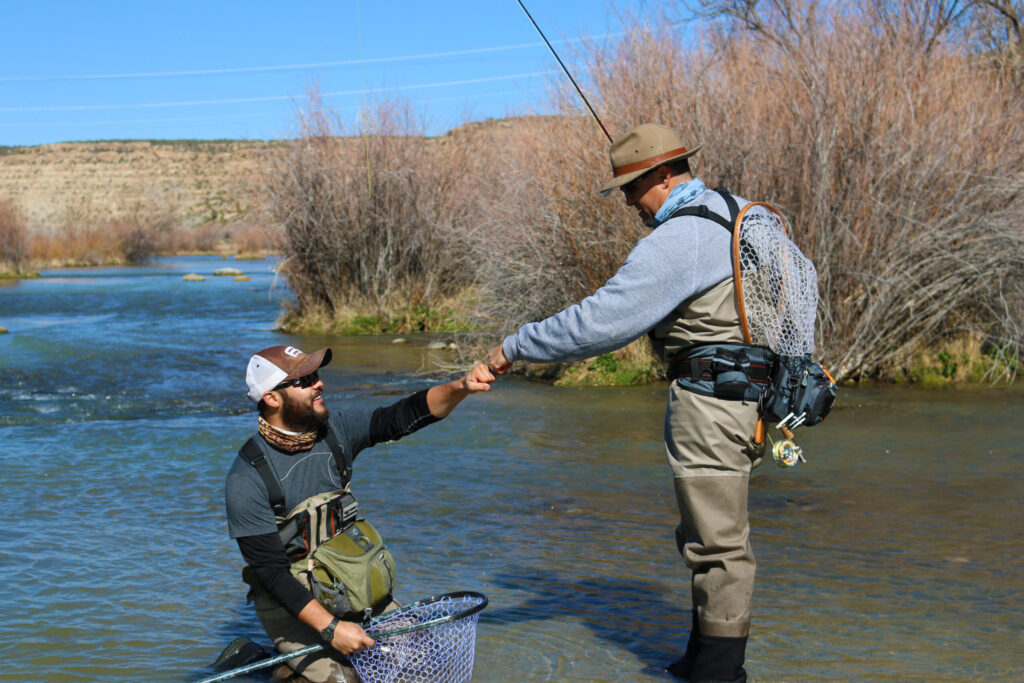
Hunting & Fishing Access

America’s 640 million acres of national public lands provide irreplaceable hunting and fishing opportunities to millions of Americans.

Learn More About Access
What TRCP is Doing

We’re working to safeguard America’s public lands so hunters and anglers always have quality places to pursue their passions.

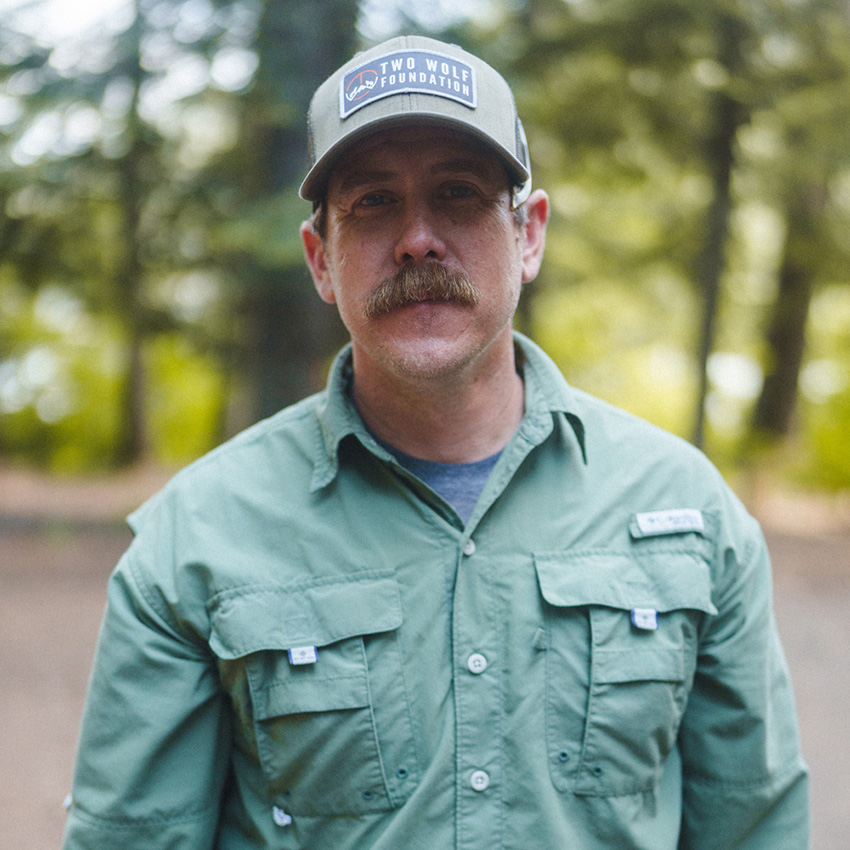
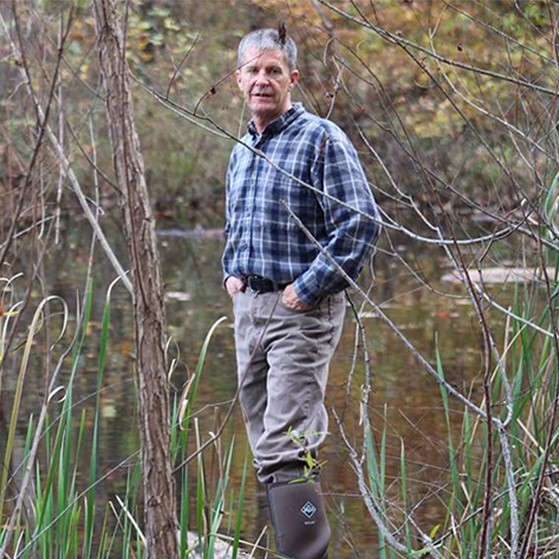
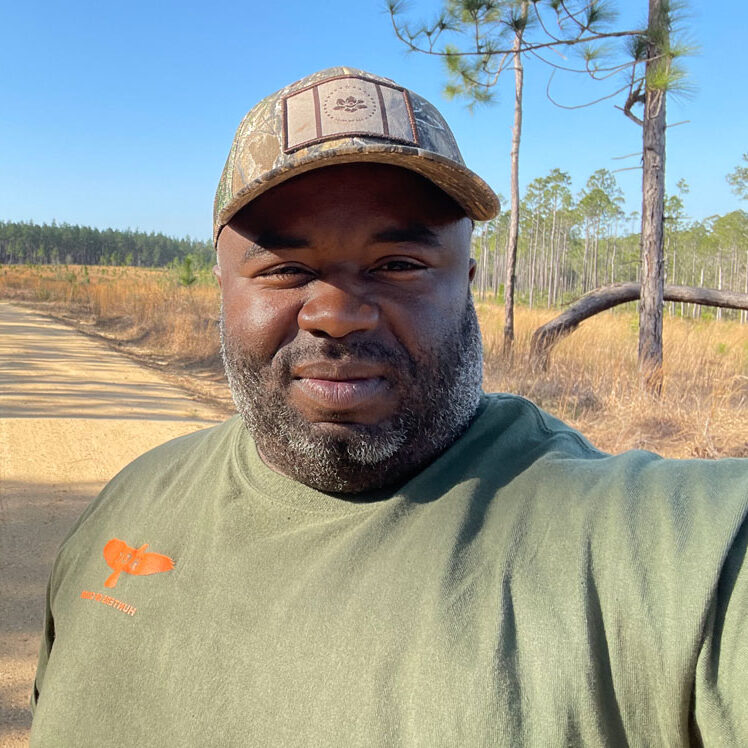
 Brian Flynn, Two Wolf Foundation
How Sportsmen Are Doing It Right

Brian Flynn, Two Wolf Foundation's Story

Following a distinguished career in the U.S. Army, lifelong outdoorsman Brian Flynn returned home from a deployment in Afghanistan and…


Hunting
Why It Matters

Key Issues for America’s Hunters

Your source for the latest policy updates, conservation challenges, and opportunities shaping America’s hunting traditions.

What TRCP is Doing

We’re fighting for meaningful policy changes that benefit wildlife, our waters, and the American landscapes that make our outdoor traditions possible.

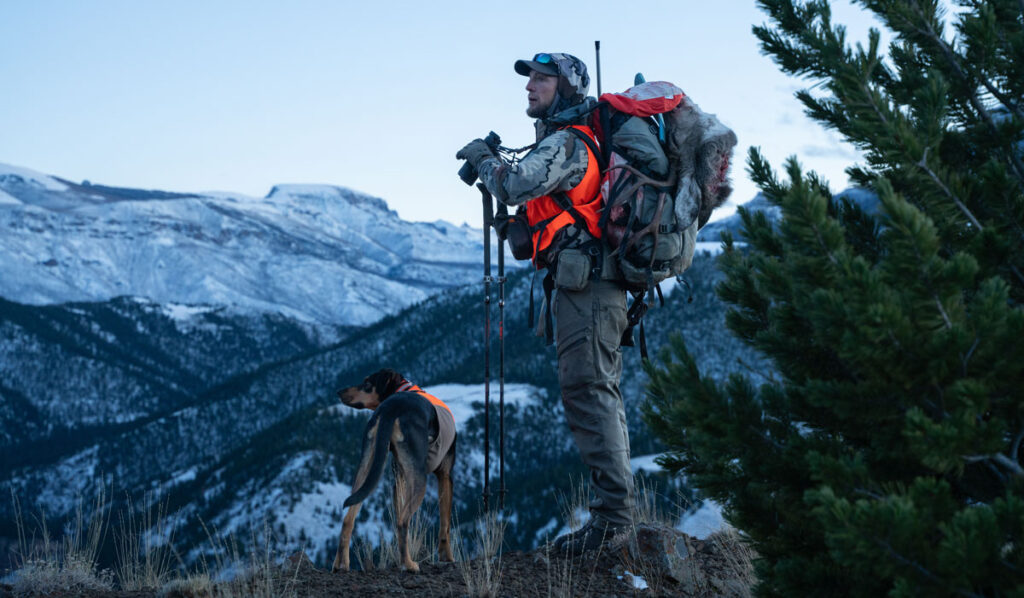
 Ryan Sparks
How Sportsmen Are Doing It Right

Ryan Sparks's Story

TRCP’s “In the Arena” series highlights the individual voices of hunters and anglers who, as Theodore Roosevelt so famously said,…

Fishing
Why It Matters

Key Issues for America’s Anglers

Your source for the latest policy updates, conservation challenges, and opportunities shaping America’s fishing traditions.

What TRCP is Doing

We’re fighting for meaningful policy changes that benefit wildlife, our waters, and the American landscapes that make our outdoor traditions possible.

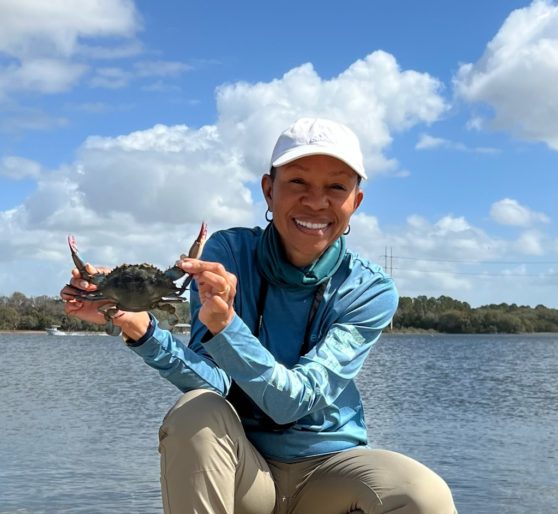
 David Mangum
How Sportsmen Are Doing It Right

David Mangum's Story

Capt. David Mangum is a YETI ambassador and outdoor photographer who utilizes his talents to produce media that inspire a…

Private Land
Why It Matters

Stewardship on America’s private lands

With 70 percent of U.S. lands in private hands and many of our best hunt and fish opportunities occurring there, investing in voluntary conservation on working lands safeguards access, strengthens habitat and water quality, and ensures resilient landscapes.

Learn More
What TRCP is Doing

We champion policies and programs that restore wildlife habitat, improve soil and water health, and keep working lands productive.

 Ward Burton
How Sportsmen are Doing It Right

Ward Burton's Story

Ward Burton’s NASCAR driving career stretched across most of two decades. As an avid sportsman and conservationist, he founded the…

Special Places
Why It Matters

Special Places Worth Protecting

America’s most iconic landscapes provide unmatched habitat and unforgettable days afield. These places sustain wildlife, anchor local economies, and define the hunting and fishing traditions we pass down.

What TRCP is Doing

We’re working to conserve special places that provide world-class habitat and unforgettable opportunities for hunters and anglers.

 Franklin Adams
How Sportsmen Are Doing It Right

Franklin Adams's Story

As a true Gladesman, conservationist, and historian, Capt. Franklin Adams has spent more than six decades championing Everglades restoration efforts…

Habitat & Clean Water
Why It Matters

Healthy Habitat Powers Every Pursuit

All hunting and fishing opportunities depend on quality habitat, from clean water and healthy wetlands to winter and summer habitats and the migration corridors that connect them.

All About Habitat & Clean Water
What TRCP is Doing

We are working to safeguard the habitats that power every hunting and fishing opportunity.

 Alex Harvey
How Sportsmen Are Doing It Right

Alex Harvey's Story

Alex Harvey, founder of Legacy Land Management, is a registered professional forester in Mississippi and Alabama with a Master's degree…

Science
Why It Matters

Science That Guides TRCP

From conserving migration corridors and wetlands to ensuring clean water and resilient landscapes, science provides evidence that turns conservation goals into effective action.

Science for Conservation
What TRCP is Doing

For hunters and anglers, science safeguards the experiences we treasure including resilient big game populations, abundant fish, and wild places that endure changing social landscapes.

Jamelle Ellis
Your Science Expert

Jamelle Ellis's Story

Jamelle Ellis joined the Theodore Roosevelt Conservation Partnership in 2022. Jamelle spent the last three years as an environmental sustainability…

Where We Work
Across the Nation

Conservation Across America

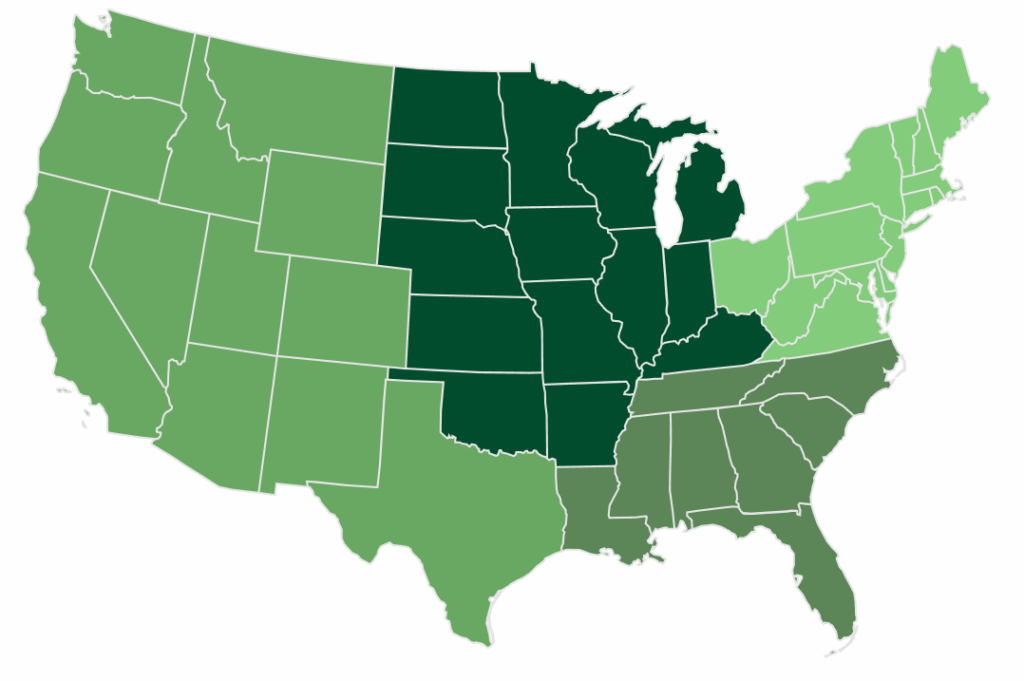
TRCP works across the country to ensure hunters and anglers can enjoy healthy fish and wildlife and quality days afield, no matter where they live.

See All Issues
TRCP in Your Region

TRCP works across the country to ensure hunters and anglers can enjoy healthy fish and wildlife and quality days afield, no matter where they live.

Who We Are
Our Mission

To guarantee all Americans quality places to hunt & fish

We unite and amplify our partners’ voices to advance America’s legacy of conservation, habitat, and access.

Our Mission & Values
Our People & Partners
  • Meet the TRCP Team

    Our staff and board members unite and amplify our partners’ voices to advance America’s legacy of conservation, habitat, and access.

    Meet the Team
  • Our Partners

    ‘Partnership’ is in our name. We work with 64 diverse partner groups that represent today’s leading hunting, fishing, and conservation organizations in order to strengthen the sportsman’s voice in Washington, D.C.

    Our Partners
  • Corporate Council

    TRCP’s Corporate Council is made up of diverse corporations that share a common passion for conservation.

    Corporate Council
Our Organization

Looking for more information?

Explore our latest news, policy updates, and conservation resources to get the information you need.

Giving
How You Can Help

To guarantee all Americans quality places to hunt & fish

Your tax-deductible donation will support TRCP's mission, now and into the future.

DONATE
Special Ways to support trcp
  • Capital Conservation Awards Dinner

    The CCAD is one of Washington's best-attended conservation celebrations, featuring dinner, cocktails, and a silent auction.

    Learn More
  • Step Into the Arena

    Help us ensure that our treasured wild habitats and game remain intact for the next generation to enjoy – lend your support to the TRCP’s efforts today!

    Donate
  • Roosevelt Roast

    TRCP has partnered with Afuera Coffee Co. to further our commitment to conservation.

    Learn More
More donation options

Find the best way for you to lend your support. Join one of TRCP’s donor circles for special invitations, premium offerings from outdoor retailers, and more exclusive benefits. Take control of your legacy with planned giving or contribute to special conservation funds.

Other Ways To Give
News
In the Spotlight

Oregon Legislature Passes Landmark “1.25 Percent for Wildlife” Act

After three legislative sessions and more than a decade of advocacy, a bipartisan coalition secures Oregon’s most significant conservation funding victory in a generation.

Read More

Stay Informed

Receive our newsletter, the Roosevelt Report, right in your inbox. Never miss the latest news in conservation issues.

by:

posted in:

October 29, 2013

Bob-Baker-close-yes-350by250-CDuxbury

Do you have any thoughts on this post?

XHTML: You can use these tags: <a href="" title=""> <abbr title=""> <acronym title=""> <b> <blockquote cite=""> <cite> <code> <del datetime=""> <em> <i> <q cite=""> <s> <strike> <strong>

Comments must be under 1000 characters.

by:

posted in:

October 21, 2013

Declining Stocks and Continued Pressure are Accelerating an Already Bad Situation

Things just don’t look good for striped bass right now


Man…  Epic fishing the last three days.  There are a ton of sandeels in “that spot” that remained a secret for, I don’t know, maybe 5 minutes before the word got out… and there were lots of bigbass on them.  I don’t think we caught one under 30-inches in the last three days.  Most were in the twenty to thirty pound class.  And it was almost all surface feeding fish, boiling and smashing sandeels for acres…. in the middle of the day!  But get this… there was chatter on the radio about bluefin in 70 to 80’ of water.  So, of course I took the ride, way past the three mile state-water limit, because I’m a full-on tuna addict.  We got to a spot at that water depth.  There were some birds and a bunch of boats set up, including a handful of party boats.  We dropped some tuna jigs down and were on pretty quickly.  Unfortunately, they weren’t tuna.  We released a striper that looked well north of 50lbs at the boat and one around 30.  Probably the largest striper my boat has ever seen.  Because we were in federal waters (EEZ – Exclusive Economic Zone), we were not supposed to be landing or even targeting striped bass.  I imagine readers of this column already know this, but in the unlikely case they don’t, fishing for striped bass in the EEZ is prohibited, and it should be as it’s really the last sanctuary they have…. assuming it is effectively enforced.  In some areas it is (see Justice Department press release).  Unfortunately in our area it isn’t.  Never really has been, and it likely never will be.  It’s just not an enforcement priority.

So yes, all those boats out there (and there were a lot) were targeting and keeping striped bass.  In fact I saw a few very large fish come to the gaff in those boats before I left in search of elusive bluefin.  As mentioned, included in the fleet were those party boats who are boldly advertising “limiting out” every day on the various internet forums.  Unfortunately, such fishing in the EEZ is not unique to this year, nor is it unique to this area.  Each year we have a brief but good run of big fish in late April/early May outside of Lower New York Harbor, often in that same 50 to 90’ depth.  Because it’s usually the only game in town every single party boat from central Long Island to Central New Jersey is on them.  And yes, it’s generally well outside of the 3-mile limit, most of the time in the old Ambrose Light Area.  And they are all advertising limiting-out as well.  But let’s not put the entire onus on party boats.  There are lots more private boats out there knocking the crap out of these fish also.  However irritating this is, I don’t want to focus on all the illegal EEZ fishing in this blog, because it’s just a small part of what is a much larger problem.  But the point is, striped bass, which are becoming more and more contracted/concentrated as they decline, and more and more susceptible, have literally no sanctuary anymore.

Moving on, I’m certainly not going to harp on what’s been a precipitous decline of the striped bass population for the last several years.  I’ve done it too many times in other blogs, and I have a feeling readers of this blog already know it all too well, more than likely from experience on the water, rather than from my incessant griping about it.  But I will note again that because of the bouts of good fishing I described above, it’s hard to convince managers that this is indeed a serious situation that requires management action now, rather than when they finally figure out that overfishing is occurring and/or that the stock is overfished.   As I’ve mentioned before, managers don’t have the perspective we have, and most just don’t spend the time on the water we do.

So yes, I’ve had some of the best days of striped bass fishing in my life in the last three years.  Days where I’ve seen more 40s and 50s in the space of a day or two than I’ve ever seen in my entire life.  The above described fishing is a good example of that.  But while such concentrations of fish are intense, they are restricted to very specific areas, and they are generally short lived.  And that makes sense given all the good year-classes we had in the nineties and even early two-thousands and the poor to average ones we’ve had during the last 8 years (with the anomalous exception of 2011 of course).   As we fish on these larger older fish, they get fewer and fewer, and show up in fewer places along the coast, but when they show up, boy do they show up.  And herein lies the problem, and why we will likely see an accelerated slide.

Years ago, when such bait concentrations occurred and stripers got on them, it was generally an island-wide event.  In the “good-old-days” in Oct we’d have solid fishing from Montauk to Sandy Hook, NJ.  In other words there was a wide distribution of fish, like there should be when you have a healthy population.  Now, because the stock has contracted (note, this is not anecdotal, a peer-reviewed stock assessment has confirmed a sharp decline since 2006), what we have are exactly these sorts of short but intense slugs of fish showing at very specific areas.  And here’s what really sucks about that.  Because of the internet, smart-phones etc., when such good fishing does occur, the word gets out so quick that every freak’n boat in the region is on them the very next day, if not that afternoon.  And they are all “limiting-out” (I hate that phrase!) every single day, especially the party boats, who often take in excess of 100 fares and run more than one trip a day.  Because we’ve had 8 years of average to below average young-of-the-year indices, we really just don’t have much in the way of schoolies anymore. So when these bodies of fish do show, they are pretty much all keepers, and most people feel entitled to keep their two per person.

Unfortunately, those of us who thrive on releasing most of the stripers we catch are without-a-doubt a minority.  For a long time the catch-and-release thing seemed like it was catching on/growing.  But it stalled once stripers got a bit more difficult to find.  I’d even argue that the catch and release crowd has shrunk during the last few years, for reasons of which I’m not quite sure.  What’s really irritating is that there are plenty of boneheads out there who refer to such anglers as “elitists” for not wanting to kill every darn keeper they catch.  You tell me how having some foresight, or simply wanting these fish to be around so that our kids might be able to catch a few is “elitist”!?

At any rate, the point here is that we are putting an awful hurting on those fish up and down the coast when they do show like this.   If you want to get angry and subsequently depressed, just take a look at any of the online forums/fish reports.  Lots of photos of dead bloodied fish, piles of dead stripers etc.  So many short-sighted folks out there bragging about “limiting out”.  And the party boats are doing their best to advertise such “limiting out”, so they can fill their boats, and take people out again to beat the crap out of these fish before they move on to the next region where they will likely get hammered.  It’s a real bummer.  Makes me want to drink.

I usually try and end these blogs on an upbeat note.  Like there IS something we can do.  But in this case, I’m not sure there is anything.  We now just have to wait and see what the ASMFC does at the meeting later this month (note:  for more information see CCA MD HAS IT RIGHT ON STRIPED BASS blog).   I really do hope that they vote to make a substantial reduction in fishing mortality, although judging by what I’m hearing from some of the managers themselves, I suspect they will “compromise” with something much less than what is required.  I don’t think they will balk and do nothing. I also don’t think we get what this fishery really needs to stem the decline which is somewhere around a 50% reduction in mortality.

For God’s sake please don’t respond to this blog with more talk about gamefish and slot-limits.  This is NOT the solution and was already covered in this blog:  THE STRAIGHT DOPE ON STRIPED BASS.  All we need is for significant number of managers at ASMFC to realize the importance of a significant reduction in mortality, now, before we find ourselves in a really bad situation with these fish.

Striped bass are so darn important to me and a huge constituency of anglers.  For a long time they defined who I was, and to a large extent they still do.  I not only built a business on striped bass, I built a lifestyle.  And over the years, I have developed a profound respect for the animal.  It’s so darn frustrating and infuriating to see managers sit there with their thumbs up their rears, and it’s equally maddening to see all those gaffed fish coming over the rails, all the photos of dead fish, all the bragging, and virtually no acknowledgement of the deteriorating situation.

Regarding this recent slug of fish off of Fire Island, keep in mind that it’s only been going on for a few days.  Assuming these fish stick around, (this may sound funny, but I do hope they move on) this weekend will be an absolute slaughter while these fish are so vulnerable.  And that really stinks.   The reality though is that I don’t blame those folks killing fish, at least those killing fish legally.  They are just doing what managers have allowed.  It’s the weak-spine managers that are really at fault.  How could they not know what the right thing to do is?  It’s become so obvious.

I can’t help but sit here and feel completely helpless about it all.  I would love to be able to say that we’re gonna go in to the next ASMFC meeting, guns blazing, and change things.  But having been involved in the management world, I’m jaded enough to realize that this simply isn’t the way the system works (it certainly doesn’t help that the October meeting is in St. Simons Island, Georgia).  Change can and does come, but it’s a slow process.  It certainly doesn’t happen quickly and managers certainly aren’t swayed by yelling and screaming at public meetings.   But I can say with some confidence, they have indeed gotten the message that a large portion of the recreational fishing community wants precautionary action on striped bass.  And while many, perhaps most, will choose not to represent those concerns, others will.

The striped bass situation will likely get considerably worse before it gets any better.  History has been pretty clear that ASMFC doesn’t take significant action until the situation is quite dire, and there’s no reason to believe it will be any different here. What’s really unfortunate is that managers are probably looking at such fishing reports off of Fire Island and thinking “there are plenty of fish around, the stock is fine”.

Yet, it’s not all gloom and doom.  I don’t think we’re stupid enough to allow another crash like we saw in the early 80’s, and while history does tend to repeat itself, striped bass has developed a constituency of zealous advocates.  Nothing generates more passion from fishermen than striped bass.  When push comes to shove, we will rally.  For that reason alone I have hope.

The ASMFC annual meeting starts Oct 28th.  There is still plenty of time to contact your state Commissioners and let them know how you feel about striped bass.  The stock needs a clear and significant reduction in fishing mortality (Again, for God’s sake don’t mention gamefish or slot limits or it likely won’t get read).   Managers just need to have the balls to push something close to a 50% reduction through.  You can help:  http://www.asmfc.org/about-us/commissionersPlease, take five minutes to write.

by:

posted in:

October 18, 2013

Ocean Planning Makes Sense

Photo courtesy of Flyfishinsalt.com

This is being written on what was going to be “Black Thursday.” The day the idiots in DC wanted to see what might happen if the United States welched on its promise to pay. Don’t get me started on this subject. Needless to say, in their infinite wisdom, they have kicked the can down the road for a couple of months, so we can ruin the Holiday Season listening to their partisan bickering.

Despite this aberrant behavior, the process of trying to have some control over the development of our territorial oceans continues. I know that some in the recreational fishing industry think that “ocean planning” is part of the great conspiracy to totally eliminate extractive activities like recreational or commercial fishing. They feel that this process is simply “ocean zoning” intent on removing fishing. Maybe it is and I am just too naive to see it, but there are too many signs pointing in other directions. First, I don’t believe in the great conspiracy theory and secondly, I think that doing some real planning makes a whole lot of sense and I understand that in that process there will be winners and losers. The best description, IMO, of how ocean planning should work is found on Sea Plan’s, an independent ocean planning policy group, website: “Coastal and marine spatial planning (CMSP) aims to distribute and accommodate both traditional and emerging ocean activities to produce sustainable economic and social benefits while minimizing spatial conflicts and environmental impacts.  CMSP is an iterative process that uses the best available science along with stakeholder input to support integrated, adaptable, and forward-looking ocean management decision-making.”

The part of the process that I find objectionable is the building of more bureaucracy to complete this task. There are already agencies at the federal, regional and state level that deal with these issues. Do we need several layers of bureaucracy just to get these organizations to play in the sandbox together?

In any case, here in New England, we have the Northeast Regional Ocean Council (NROC), which appears to be a regional version of the National Ocean Council (NOC). However, it was organized by the NE Governors about 5 years prior to NOC, which was established under an Executive order from President Obama and likely the genesis of the anti-ocean planning movement. Many feel that this was merely an end run around the failed legislation called Oceans 21. Again, maybe it was, but that does not negate the need for some real thinking about how we use our oceans. Things such as renewable energy development, at sea LNG terminals, pipeline construction, ocean mining, etc, etc are going to happen. In comparison to those industries, fishing doesn’t stand a chance. We would be road kill on the developmental highway without some controlling structure.

While, I don’t happen to believe that it is enough, fishing does have some representation at the Northeast Regional Planning Body (RPB) level. This is through a representative from the New England Fishery Management Council sitting at the RPB table. Yes, fishing is just one voice among many, but without any representation, there would be no chance.

Recently, a coalition of marine interests including SeaPlan, representatives of the boating industry, New England states and the state of New York, U.S. Coast Guard, and NROC conducted a survey titled Northeast Recreational Boating Survey. This effort was designed to get stakeholder input on how boaters use the Northeast waters. It was a very comprehensive survey that got input from 12,000 participants. The survey shows the importance of boaters who generated $3.5 billion in economic activity. A much older survey conducted by the National Marine Manufacturers Association (NMMA) indicated that 75% of all powerboats were used for fishing at some point. I don’t know if that holds true today, but it indicates fishing is still a substantial part of this economic engine. The take home message is that NROC is concerned about the recreational fishing industry and how it fits into the planning process.

I am also aware of efforts that are being taken to reach out to individual anglers to get their input into the process. These are being developed as this is written. NROC also has made an effort to include the party/charter fishing industry as well. If they had no interest in the fishing industry, I doubt they would make this level of effort to include stakeholder input.

While there are and will continue to be concerns about the whole Coastal and Marine Spatial Planning (CMSP) area, the idea that this is simply an underhanded plan to end all fishing just doesn’t carry any water (pun intended). As users we need to be involved with this type of planning and we need to try to make sure that our access to marine resources is not compromised.

by:

posted in:

50th Birthday Wish, Continued

Hey guys…

After tagging his first buck mule deer, I got my cousin Larry onto his first buck pronghorn. It was a very nice 14 x 14 1/2 inch long buck with nice mass, decent cutters and good sweep at the top. Mission accomplished! I got a small buck myself.

Sharing a great experience on a public lands hunt. Photo by Ed Arnett.

More later.  -ea

by:

posted in:

October 17, 2013

50th Birthday Wish

A note from TRCP’s Ed Arnett:

Greetings all,

One of the things I really like about the TRCP family is sharing our great experiences on public lands hunting and fishing.

I’m down off the mountain for a day and wanted to share one of the more special moments in my life as a hunter.  This is my cousin, Larry Lanter and I after he took his very first buck and first mule deer on public lands in Wyoming.

Wyoming Muley
Sharing a great experience on a public lands hunt. Photo by Ed Arnett.

There are too many stories to tell, but there was snow, extreme mud, lots of hiking and a little drama at the end with an evening hit on the deer that yielded a tracking exercise this morning.

It took me two hours — often on my hands and knees looking for blood and the right tracks — to track him down, but we found him! He’s no monster wall-hanger, but a magnificent trophy for a first time mule deer hunter, and fair chase on public lands.

Larry and I are one month apart in age and both turned 50 this year (don’t look a day over 49 though now do we…) and this was our treat and wish for the half-century mark. My main goal was to get him a buck and I’m so happy as this is the first time he and I have hunted big game together.

I wanted to share the moment with my TRCP friends.  Also, notice our headgear. We’re promoting as we tour Wyoming!  Now we’re off to hunt pronghorn.

More later,

ea


HOW YOU CAN HELP

TRCP has partnered with Afuera Coffee Co. to further our commitment to conservation. $4 from each bag is donated to the TRCP, to help continue our efforts of safeguarding critical habitats, productive hunting grounds, and favorite fishing holes for future generations.

Learn More

You have Successfully Subscribed!

You have Successfully Subscribed!

You have Successfully Subscribed!

You have Successfully Subscribed!