Our Issues
Public Lands
Why It Matters

Hunting & Fishing Access

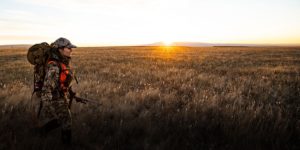
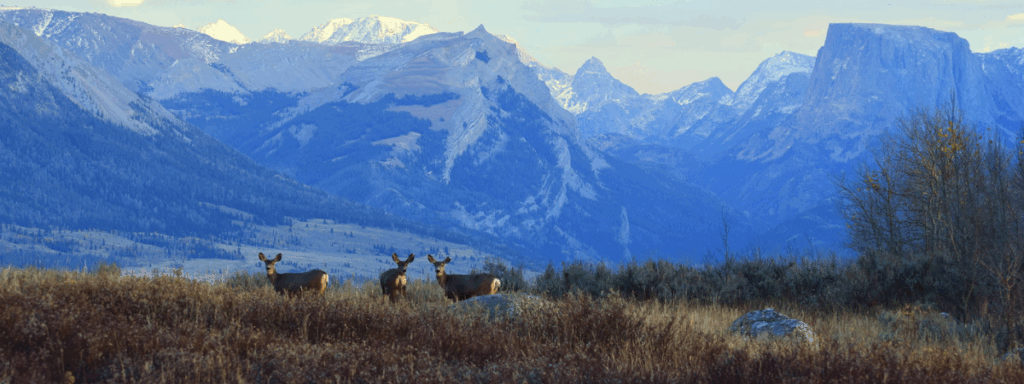
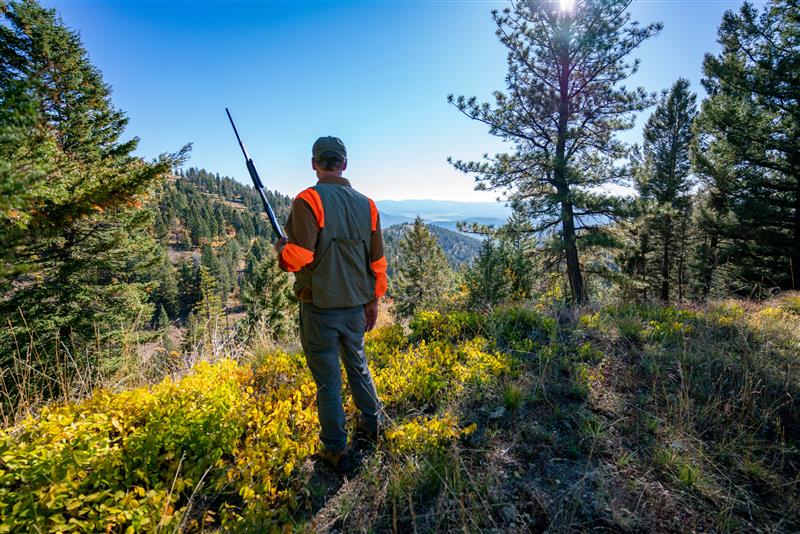
America’s 640 million acres of national public lands provide irreplaceable hunting and fishing opportunities to millions of Americans.

Learn More About Access
What TRCP is Doing

We’re working to safeguard America’s public lands so hunters and anglers always have quality places to pursue their passions.
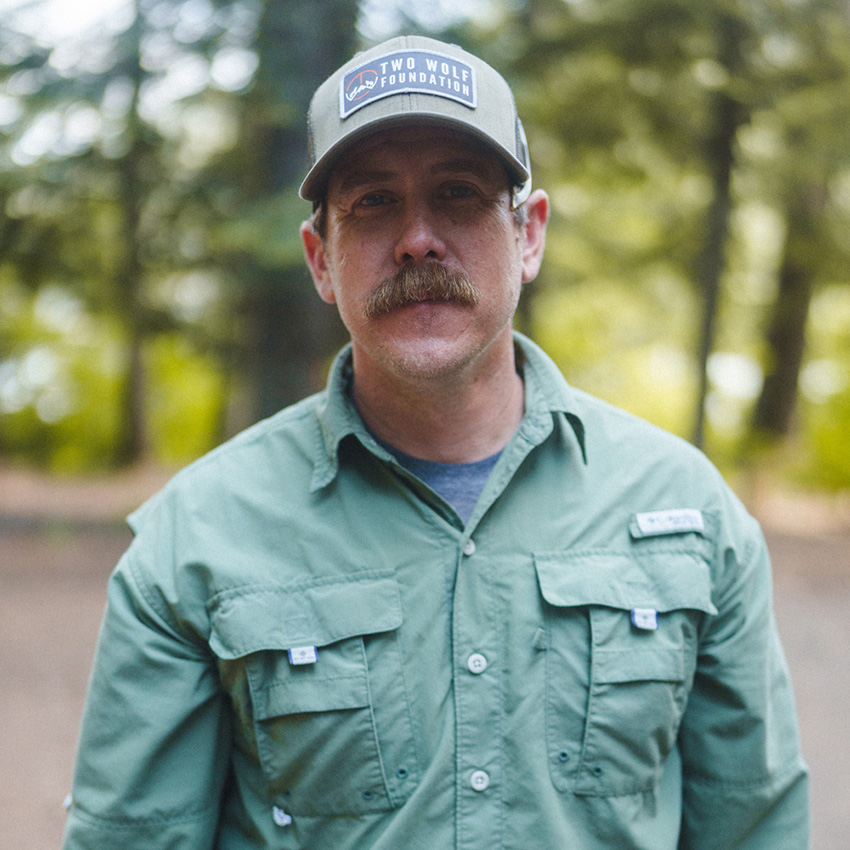
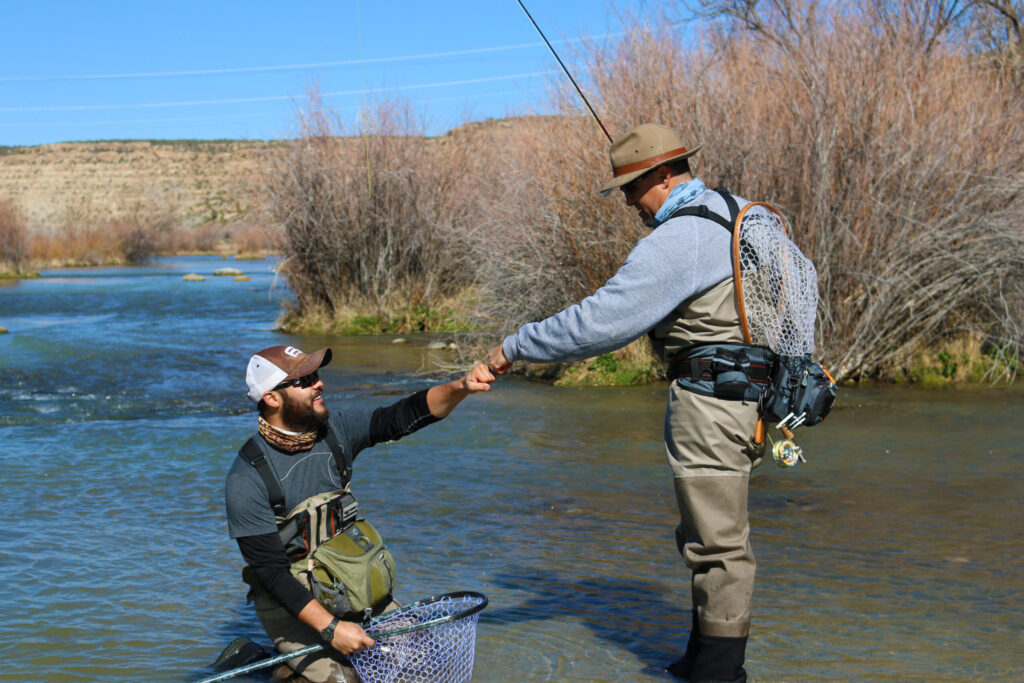
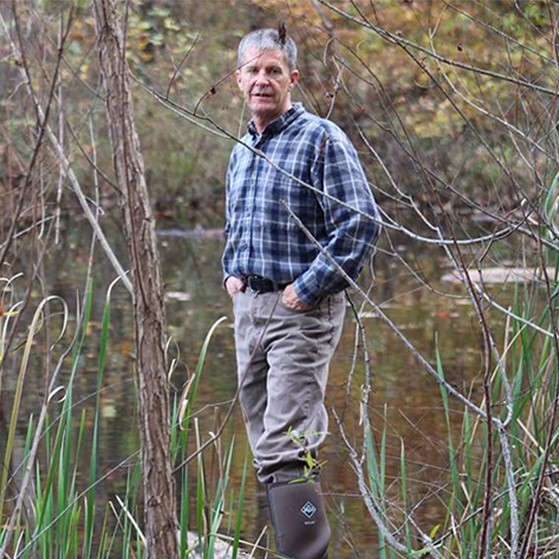
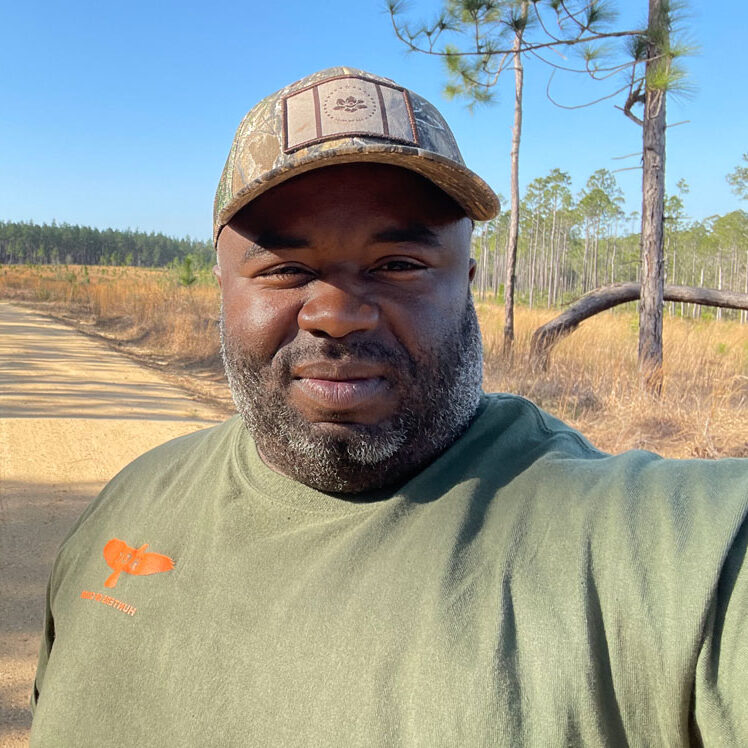
 Brian Flynn, Two Wolf Foundation
How Sportsmen Are Doing It Right

Brian Flynn, Two Wolf Foundation's Story

Following a distinguished career in the U.S. Army, lifelong outdoorsman Brian Flynn returned home from a deployment in Afghanistan and…

Hunting
Why It Matters

Key Issues for America’s Hunters

Your source for the latest policy updates, conservation challenges, and opportunities shaping America’s hunting traditions.

What TRCP is Doing

We’re fighting for meaningful policy changes that benefit wildlife, our waters, and the American landscapes that make our outdoor traditions possible.

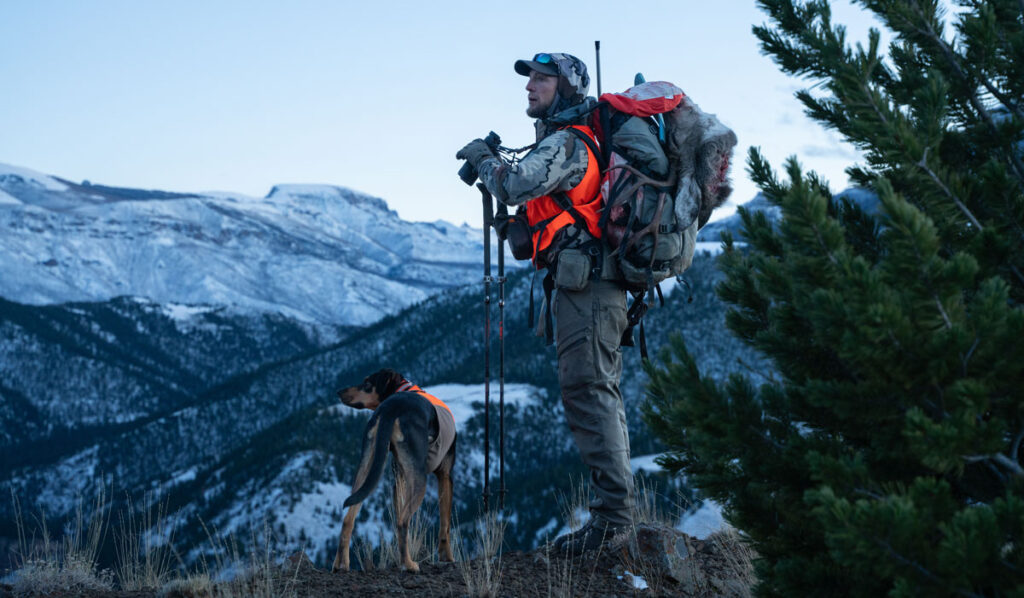
 Ryan Sparks
How Sportsmen Are Doing It Right

Ryan Sparks's Story

TRCP’s “In the Arena” series highlights the individual voices of hunters and anglers who, as Theodore Roosevelt so famously said,…

Fishing
Why It Matters

Key Issues for America’s Anglers

Your source for the latest policy updates, conservation challenges, and opportunities shaping America’s fishing traditions.

What TRCP is Doing

We’re fighting for meaningful policy changes that benefit wildlife, our waters, and the American landscapes that make our outdoor traditions possible.

 David Mangum
How Sportsmen Are Doing It Right

David Mangum's Story

Capt. David Mangum is a YETI ambassador and outdoor photographer who utilizes his talents to produce media that inspire a…

Private Land
Why It Matters

Stewardship on America’s private lands

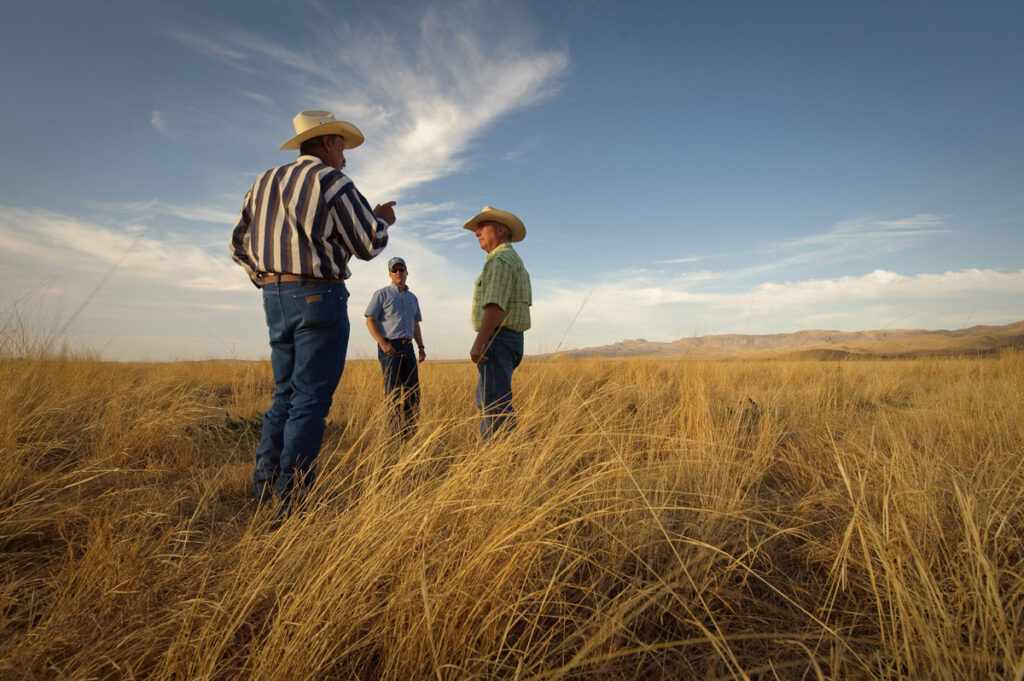
With 70 percent of U.S. lands in private hands and many of our best hunt and fish opportunities occurring there, investing in voluntary conservation on working lands safeguards access, strengthens habitat and water quality, and ensures resilient landscapes.

Learn More
What TRCP is Doing

We champion policies and programs that restore wildlife habitat, improve soil and water health, and keep working lands productive.

 Ward Burton
How Sportsmen are Doing It Right

Ward Burton's Story

Ward Burton’s NASCAR driving career stretched across most of two decades. As an avid sportsman and conservationist, he founded the…

Special Places
Why It Matters

Special Places Worth Protecting

America’s most iconic landscapes provide unmatched habitat and unforgettable days afield. These places sustain wildlife, anchor local economies, and define the hunting and fishing traditions we pass down.

What TRCP is Doing

We’re working to conserve special places that provide world-class habitat and unforgettable opportunities for hunters and anglers.

 Franklin Adams
How Sportsmen Are Doing It Right

Franklin Adams's Story

As a true Gladesman, conservationist, and historian, Capt. Franklin Adams has spent more than six decades championing Everglades restoration efforts…

Habitat & Clean Water
Why It Matters

Healthy Habitat Powers Every Pursuit

All hunting and fishing opportunities depend on quality habitat, from clean water and healthy wetlands to winter and summer habitats and the migration corridors that connect them.

All About Habitat & Clean Water
What TRCP is Doing

We are working to safeguard the habitats that power every hunting and fishing opportunity.

 Alex Harvey
How Sportsmen Are Doing It Right

Alex Harvey's Story

Alex Harvey, founder of Legacy Land Management, is a registered professional forester in Mississippi and Alabama with a Master's degree…

Science
Why It Matters

Science That Guides TRCP

From conserving migration corridors and wetlands to ensuring clean water and resilient landscapes, science provides evidence that turns conservation goals into effective action.

Science for Conservation
What TRCP is Doing

For hunters and anglers, science safeguards the experiences we treasure including resilient big game populations, abundant fish, and wild places that endure changing social landscapes.

Jamelle Ellis
Your Science Expert

Jamelle Ellis's Story

Jamelle Ellis joined the Theodore Roosevelt Conservation Partnership in 2022. Jamelle spent the last three years as an environmental sustainability…

Where We Work
Across the Nation

Conservation Across America

TRCP works across the country to ensure hunters and anglers can enjoy healthy fish and wildlife and quality days afield, no matter where they live.

See All Issues
TRCP in Your Region

TRCP works across the country to ensure hunters and anglers can enjoy healthy fish and wildlife and quality days afield, no matter where they live.

Who We Are
Our Mission

To guarantee all Americans quality places to hunt & fish

We unite and amplify our partners’ voices to advance America’s legacy of conservation, habitat, and access.

Our Mission & Values
Our People & Partners
  • Meet the TRCP Team

    Our staff and board members unite and amplify our partners’ voices to advance America’s legacy of conservation, habitat, and access.

    Meet the Team
  • Our Partners

    ‘Partnership’ is in our name. We work with 64 diverse partner groups that represent today’s leading hunting, fishing, and conservation organizations in order to strengthen the sportsman’s voice in Washington, D.C.

    Our Partners
  • Corporate Council

    TRCP’s Corporate Council is made up of diverse corporations that share a common passion for conservation.

    Corporate Council
Our Organization

Looking for more information?

Explore our latest news, policy updates, and conservation resources to get the information you need.

Giving
How You Can Help

To guarantee all Americans quality places to hunt & fish

Your tax-deductible donation will support TRCP's mission, now and into the future.

DONATE
Special Ways to support trcp
  • Capital Conservation Awards Dinner

    The CCAD is one of Washington's best-attended conservation celebrations, featuring dinner, cocktails, and a silent auction.

    Learn More
  • Step Into the Arena

    Help us ensure that our treasured wild habitats and game remain intact for the next generation to enjoy – lend your support to the TRCP’s efforts today!

    Donate
  • Roosevelt Roast

    TRCP has partnered with Afuera Coffee Co. to further our commitment to conservation.

    Learn More
More donation options

Find the best way for you to lend your support. Join one of TRCP’s donor circles for special invitations, premium offerings from outdoor retailers, and more exclusive benefits. Take control of your legacy with planned giving or contribute to special conservation funds.

Other Ways To Give
News
In the Spotlight

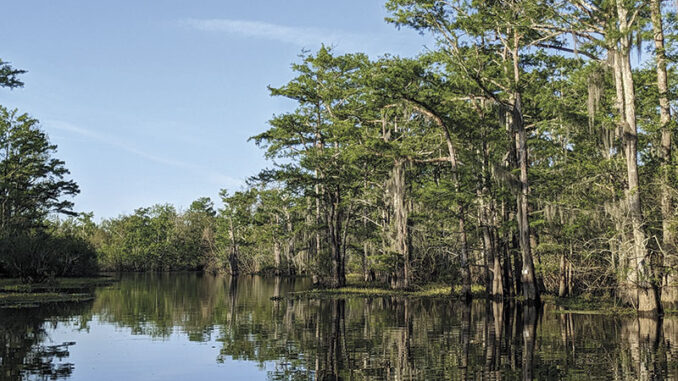
All Eyes On The Atchafalaya Basin

The Lower Mississippi River Comprehensive Management Study moves forward despite slashed budget

Read More

Stay Informed

Receive our newsletter, the Roosevelt Report, right in your inbox. Never miss the latest news in conservation issues.

by:

posted in:

July 16, 2012

Bristol Bay: It’s All There…Now

In a recent article for Field & Stream, writer Hal Herring penned the following about Bristol Bay, Alaska:

“It’s all there in my mind, that land and the fish themselves, blood-red sockeye in cold green water, silvery kings thrashing in the shoals, the perfect dots on the side of an arctic char that look so much like tiny planets glowing in a twilight sky that it surely makes you wonder, really, how this world of ours came to be like this, and what it might mean, that a creature could be so beautiful.”

Herring is just one among many who sees the beauty and unrivaled resources found in Bristol Bay, Alaska. The proposed Pebble Mine represents an unprecedented threat to the area, its clean waters and wildlife habitat. Fed by nine major rivers and a wetland the size of Kentucky, Bristol Bay is home of the world’s largest sockeye salmon runs.

Up to 40 million adult salmon return to spawn in the Bristol Bay watershed each year, and more than 12,000 jobs are tied to the fisheries and natural resources there. The Pebble Mine – which would be 20 times larger than all of the mines in Alaska combined – is the wrong mine in the wrong place and must not be permitted.

The Environmental Protection Agency will be taking public comments on the Pebble Mine Project until July 23. Sportsmen stepped up for Bristol Bay earlier this spring and we need you to take action again to conserve this vital resource. Urge decision makers to protect Bristol Bay now and for future generations.

Here’s a must-watch video that captures the faces and voices of Bristol Bay at the EPA hearings last month.

Do you have any thoughts on this post?

XHTML: You can use these tags: <a href="" title=""> <abbr title=""> <acronym title=""> <b> <blockquote cite=""> <cite> <code> <del datetime=""> <em> <i> <q cite=""> <s> <strike> <strong>

Comments must be under 1000 characters.

by:

posted in:

July 13, 2012

Wetlands, Waterfowl and NAWCA

Everybody loves waterfowl. Those winged and web-footed creatures find their way into the hearts of sportsmen and anyone who spends time near bodies of water.

Waterfowl are so universally revered that the North American Wetlands Conservation Act was passed to fund wetlands and waterfowl conservation efforts in Canada, the United States and Mexico. Learn more on this week’s episode of “TRCP’s Conservation Field Notes.”

Join Steven Rinella of the hit TV show “MeatEater” as he hunts in Mexico and discusses how NAWCA conserves waterfowl, fish and wildlife resources across North America while producing a variety of environmental and economic benefits.

Be sure to tune in Sundays at 9 p.m. E/P on the Sportsman Channel to catch the latest episode of “MeatEater.

by:

posted in:

July 10, 2012

Sportsmen and the Farm Bill: A Match Made in Heaven

Iowa Barn
Photo by Scott Bauer/USDA.

Not long ago, I was graphically reminded of the critical importance of the Farm Bill to conservation of privately owned lands in the American West.

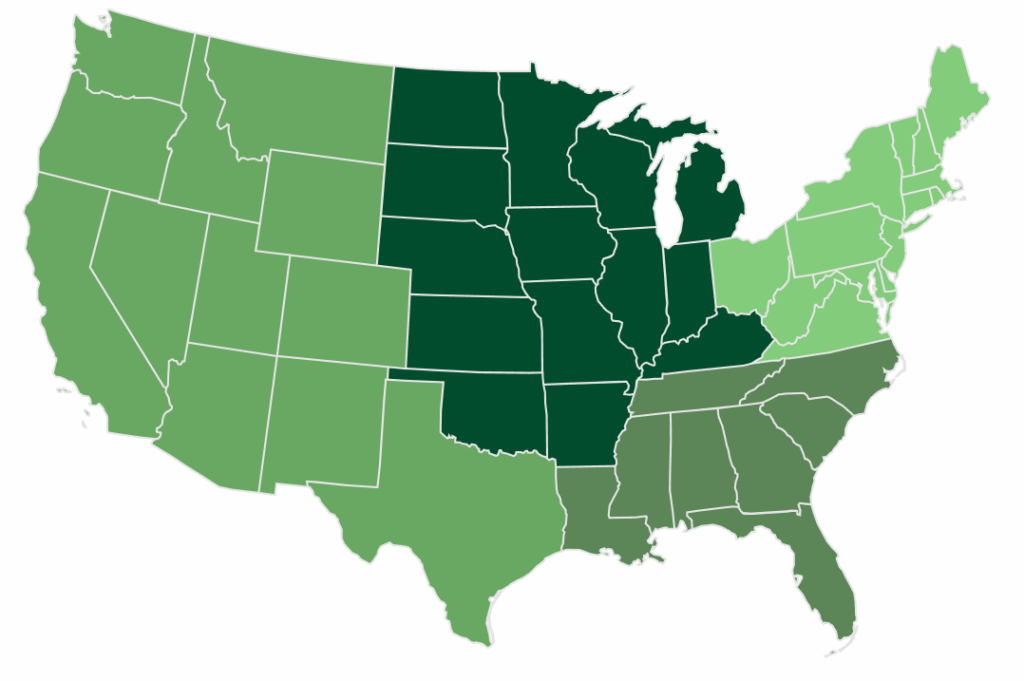
A map of our federal lands I saw during a presentation depicted the western half of the country largely in various shades of green, showing public ownership in one form or another. Lands east of the Great Plains, however, remained largely devoid of color, indicating areas under private ownership. I realized that here – on these lands that provide key habitat to fish and wildlife species prized by sportsmen, offer unmatched outdoor recreational opportunities and feed the world – the Farm Bill’s central role in our sporting heritage becomes paramount.

The current Farm Bill expires on Sept. 30, 2012. In its present iteration, the bill has assisted farmers and landowners in conserving millions of acres of fish and wildlife habitat and making improvements to farming operation that have reduced soil erosion and nutrient runoff. If the bill is allowed to expire, private lands conservation in this country may come to a screeching halt.

By keeping nutrients and topsoil out of streams and rivers, Farm Bill conservation programs reduce the need for costly, often ineffective, water quality mitigation efforts. By conserving and restoring wetlands, these also can help reduce the impacts of downstream flooding as well as restore groundwater aquifers.

In places like the Chesapeake Bay and in Montana and Wyoming, Farm Bill programs help farmers reduce their potential regulatory burden. The Chesapeake Bay watershed initiative incentivizes farmers to reduce their nitrogen runoff to improve the health of the nation’s largest estuary, and the sage grouse initiative in the Inter-Mountain West assists ranchers in keeping this iconic bird off the endangered species list. As these conservation goals are met, farmers, ranchers and landowners can focus on making a living and not on the threat of new or expanding regulations.

For sportsmen, the list of benefits we derive from the Farm Bill is a long one. The bill’s conservation programs restore and conserve habitat for a litany of waterfowl and upland game birds, and the Voluntary Public Access program is the only federal program aimed at increasing public access to private lands for hunting and angling, thereby enhancing the quality of our days afield.

Learn more about Farm Bill programs.

Watch an episode of “TRCP’s Conservation Field Notes” in which Steven Rinella discusses key benefits of the Farm Bill.

by:

posted in:

July 9, 2012

Photo: A Hard Working Girl Gets A Redfish

Laura Morris Redfish

We received the following photo submission from Laura Morris,  the PR coordinator for the Union Sportsmen’s Alliance. Laura wrote, “Here’s what I was doing on my vacation! This was my first-ever redfish.” Congrats Laura!

Submit your photos on the TRCP Facebook page or send them to info@trcp.org. The winner will receive a “MeatEater” DVD!

by:

posted in:

July 2, 2012

Sportsmen to Congress: ‘Our Jobs Count, Too’

US Capitol
Photo courtesy NPS.gov.

When “jobs, jobs, jobs” seems to be the refrain coming from the halls of Congress, you’d think these elected officials would embrace the economic importance of our nation’s conservation programs. Unfortunately, the House of Representatives proved last week that it is not ready to give these programs the respect they deserve.

Funding levels and policy riders approved by the House Appropriations Committee in its fiscal year 2013 Interior appropriations bill would slash operating budgets for agencies like the U.S. Fish and Wildlife Service, Bureau of Land Management and the Environmental Protection Agency.

Numerous programs critically important to the sportsmen’s community, such as the North American Wetlands Conservation Act and the Land and Water Conservation Fund, face deep cuts and damaging impacts from policy riders in the bill. State and tribal wildlife grants, which support cooperative projects with states and private landowners to keep species from being listed under the Endangered Species Act, would be cut by 50 percent.

If the proposed cuts – including a $50 million reduction for the National Wildlife Refuge System – advance, look for major layoffs of biologists and law enforcement personnel, closures of visitor centers and reductions in such activities as managed hunts.

Ironically, the committee’s action comes on the heels of a report by the Outdoor Industry Association that documents the substantial economic contributions of hunting, fishing and other forms of outdoor recreation. The report shows that outdoor recreation in the United States is big business, to the tune of $646 billion in direct consumer spending, $39.9 billion in federal tax revenue and $39.7 billion in state/local tax revenue each year.

Our recreation economy creates 6.1 million American jobs that cannot be exported overseas. Unfortunately, these facts were lost on members of the House Appropriations Committee, as it cut the very programs upon which the recreation economy depends.

While sportsmen are willing to help shoulder our share of the nation’s economic burdens, the fact remains that conservation programs did not create the budget deficit, and slashing conservation funding cannot solve the problem. As a percentage of federal spending, conservation has decreased from about 2.5 percent in the 1970s to about 1.25 percent today.

Congress could eliminate every conservation program and barely make a dent in the deficit. Moreover, as all of us who work on conservation projects in our communities know, every dollar of federal funds is leveraged several times over by state and private funds as well as volunteer labor.

The House can and must do better. All sportsmen need to make their voices heard: Conservation is a fundamental part of what makes America great, and it is central to our economy. Congress ignores this at its own peril.

Sign up to receive action alerts on these important issues and consider supporting our work on behalf of your sporting heritage.

HOW YOU CAN HELP

TRCP has partnered with Afuera Coffee Co. to further our commitment to conservation. $4 from each bag is donated to the TRCP, to help continue our efforts of safeguarding critical habitats, productive hunting grounds, and favorite fishing holes for future generations.

Learn More
Subscribe


You have Successfully Subscribed!

You have Successfully Subscribed!

You have Successfully Subscribed!

You have Successfully Subscribed!

You have Successfully Subscribed!