Our Issues
Public Lands
Why It Matters

Hunting & Fishing Access

America’s 640 million acres of national public lands provide irreplaceable hunting and fishing opportunities to millions of Americans.

Learn More About Access
What TRCP is Doing

We’re working to safeguard America’s public lands so hunters and anglers always have quality places to pursue their passions.

 Brian Flynn, Two Wolf Foundation
How Sportsmen Are Doing It Right

Brian Flynn, Two Wolf Foundation's Story

Following a distinguished career in the U.S. Army, lifelong outdoorsman Brian Flynn returned home from a deployment in Afghanistan and…


Hunting
Why It Matters

Key Issues for America’s Hunters

Your source for the latest policy updates, conservation challenges, and opportunities shaping America’s hunting traditions.

What TRCP is Doing

We’re fighting for meaningful policy changes that benefit wildlife, our waters, and the American landscapes that make our outdoor traditions possible.

 Ryan Sparks
How Sportsmen Are Doing It Right

Ryan Sparks's Story

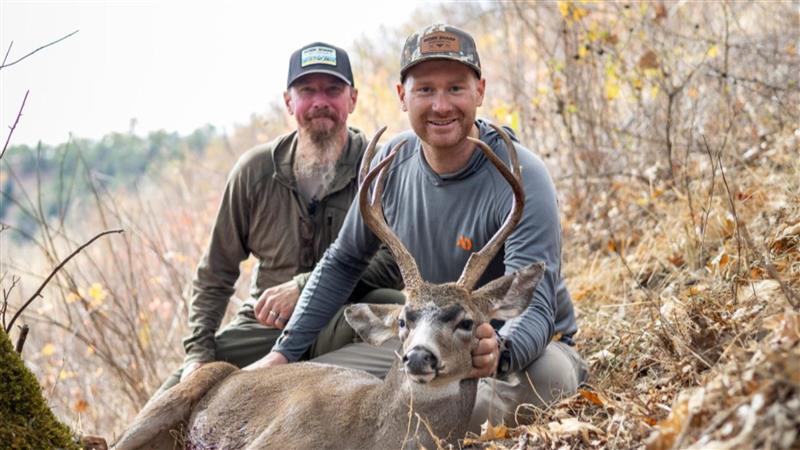
TRCP’s “In the Arena” series highlights the individual voices of hunters and anglers who, as Theodore Roosevelt so famously said,…

Fishing
Why It Matters

Key Issues for America’s Anglers

Your source for the latest policy updates, conservation challenges, and opportunities shaping America’s fishing traditions.

What TRCP is Doing

We’re fighting for meaningful policy changes that benefit wildlife, our waters, and the American landscapes that make our outdoor traditions possible.

 David Mangum
How Sportsmen Are Doing It Right

David Mangum's Story

Capt. David Mangum is a YETI ambassador and outdoor photographer who utilizes his talents to produce media that inspire a…

Private Land
Why It Matters

Stewardship on America’s private lands

With 70 percent of U.S. lands in private hands and many of our best hunt and fish opportunities occurring there, investing in voluntary conservation on working lands safeguards access, strengthens habitat and water quality, and ensures resilient landscapes.

Learn More
What TRCP is Doing

We champion policies and programs that restore wildlife habitat, improve soil and water health, and keep working lands productive.

 Ward Burton
How Sportsmen are Doing It Right

Ward Burton's Story

Ward Burton’s NASCAR driving career stretched across most of two decades. As an avid sportsman and conservationist, he founded the…

Special Places
Why It Matters

Special Places Worth Protecting

America’s most iconic landscapes provide unmatched habitat and unforgettable days afield. These places sustain wildlife, anchor local economies, and define the hunting and fishing traditions we pass down.

What TRCP is Doing

We’re working to conserve special places that provide world-class habitat and unforgettable opportunities for hunters and anglers.

 Franklin Adams
How Sportsmen Are Doing It Right

Franklin Adams's Story

As a true Gladesman, conservationist, and historian, Capt. Franklin Adams has spent more than six decades championing Everglades restoration efforts…

Habitat & Clean Water
Why It Matters

Healthy Habitat Powers Every Pursuit

All hunting and fishing opportunities depend on quality habitat, from clean water and healthy wetlands to winter and summer habitats and the migration corridors that connect them.

All About Habitat & Clean Water
What TRCP is Doing

We are working to safeguard the habitats that power every hunting and fishing opportunity.

 Alex Harvey
How Sportsmen Are Doing It Right

Alex Harvey's Story

Alex Harvey, founder of Legacy Land Management, is a registered professional forester in Mississippi and Alabama with a Master's degree…

Science
Why It Matters

Science That Guides TRCP

From conserving migration corridors and wetlands to ensuring clean water and resilient landscapes, science provides evidence that turns conservation goals into effective action.

Science for Conservation
What TRCP is Doing

For hunters and anglers, science safeguards the experiences we treasure including resilient big game populations, abundant fish, and wild places that endure changing social landscapes.

Jamelle Ellis
Your Science Expert

Jamelle Ellis's Story

Jamelle Ellis joined the Theodore Roosevelt Conservation Partnership in 2022. Jamelle spent the last three years as an environmental sustainability…

Where We Work
Across the Nation

Conservation Across America

TRCP works across the country to ensure hunters and anglers can enjoy healthy fish and wildlife and quality days afield, no matter where they live.

See All Issues
TRCP in Your Region

TRCP works across the country to ensure hunters and anglers can enjoy healthy fish and wildlife and quality days afield, no matter where they live.

Who We Are
Our Mission

To guarantee all Americans quality places to hunt & fish

We unite and amplify our partners’ voices to advance America’s legacy of conservation, habitat, and access.

Our Mission & Values
Our People & Partners
  • Meet the TRCP Team

    Our staff and board members unite and amplify our partners’ voices to advance America’s legacy of conservation, habitat, and access.

    Meet the Team
  • Our Partners

    ‘Partnership’ is in our name. We work with 64 diverse partner groups that represent today’s leading hunting, fishing, and conservation organizations in order to strengthen the sportsman’s voice in Washington, D.C.

    Our Partners
  • Corporate Council

    TRCP’s Corporate Council is made up of diverse corporations that share a common passion for conservation.

    Corporate Council
Our Organization

Looking for more information?

Explore our latest news, policy updates, and conservation resources to get the information you need.

Giving
How You Can Help

To guarantee all Americans quality places to hunt & fish

Your tax-deductible donation will support TRCP's mission, now and into the future.

DONATE
Special Ways to support trcp
  • Capital Conservation Awards Dinner

    The CCAD is one of Washington's best-attended conservation celebrations, featuring dinner, cocktails, and a silent auction.

    Learn More
  • Step Into the Arena

    Help us ensure that our treasured wild habitats and game remain intact for the next generation to enjoy – lend your support to the TRCP’s efforts today!

    Donate
  • Roosevelt Roast

    TRCP has partnered with Afuera Coffee Co. to further our commitment to conservation.

    Learn More
More donation options

Find the best way for you to lend your support. Join one of TRCP’s donor circles for special invitations, premium offerings from outdoor retailers, and more exclusive benefits. Take control of your legacy with planned giving or contribute to special conservation funds.

Other Ways To Give
News
In the Spotlight

In the Arena: Josh Warren

For many hunters and anglers, the connection to conservation begins close to home — in the woods behind the house, along a familiar stretch of river, or through time spent learning from mentors and family. That sense of place is something Joshua Warren carries with him, both personally and professionally. As Director of Marketing at WorkSharp, Josh represents a company rooted in Ashland, Oregon, a community defined by its access to public lands and wild country.

Read More

Stay Informed

Receive our newsletter, the Roosevelt Report, right in your inbox. Never miss the latest news in conservation issues.

by:

posted in:

June 4, 2025

thumbnail_IMG_7881

Do you have any thoughts on this post?

XHTML: You can use these tags: <a href="" title=""> <abbr title=""> <acronym title=""> <b> <blockquote cite=""> <cite> <code> <del datetime=""> <em> <i> <q cite=""> <s> <strike> <strong>

Comments must be under 1000 characters.

by:

posted in:

TRCP Promotes Zach Bodhane to Vice President of Government Affairs

Bodhane to lead TRCP’s government affairs team as the organization deepens its commitment to bipartisan conservation policy

The Theodore Roosevelt Conservation Partnership (TRCP) is pleased to announce the promotion of Zach Bodhane to Vice President of Government Affairs. Since joining TRCP in July 2023 as Director of Government Relations, Bodhane has played a critical role in advancing durable, common sense conservation policy and strengthening relationships on Capitol Hill. 

“Zach brings a deep understanding of the intersection between natural resource management and effective public policy,” said Joel Pedersen, president and CEO of TRCP. “His experience and thoughtful leadership will be instrumental as TRCP continues to build on our past successes. I look forward to working with him in this new role.” 

Prior to joining TRCP, Bodhane served as Policy Director for the Western Landowners Alliance, where he led government relations, policy development, and advocacy across a wide range of public and working lands conservation issues. He also spent six years as Policy Advisor for Conservation and Wildlife at the Western Governors’ Association, where he facilitated collaborative, bipartisan solutions through initiatives such as the WGA Species Conservation and ESA Initiative and the WGA Working Lands Roundtable. 

Bodhane holds a B.S. in Natural Resources Management with minors in Fishery Biology and Watershed Science from Colorado State University. Originally from Colorado, he now lives in Washington, D.C. with his wife, son, and dog. Outside of work, he enjoys escaping the city to mountain bike, hike, and fish. 

In his new role, Bodhane will lead TRCP’s government affairs team and policy strategy, working to build bipartisan support for conservation priorities at the federal level. 

Learn more about TRCP’s leadership HERE.  


The TRCP is your resource for all things conservation. In our weekly Roosevelt Report, you’ll receive the latest news on emerging habitat threats, legislation and proposals on the move, public land access solutions we’re spearheading, and opportunities for hunters and anglers to take action. Sign up now.

by:

posted in:

May 30, 2025

Hispanic Leaders Bring the Southwest to Washington, D.C.

The TRCP organized a spring advocacy trip to demonstrate the power of unity, outdoor traditions, and a bipartisan approach to conservation.

This spring, the heart of the Southwest made its way to the halls of power in Washington, D.C., as Hispanic leaders united to speak up for the lands and waters that shape their culture, outdoor traditions, and futures. As part of HECHO’s (Hispanics Enjoying Camping, Hunting, and the Outdoors) 2025 spring advocacy trip, members of the Hispanic Conservation Leadership Council (HCLC) brought their voices and stories directly to lawmakers, urging protection and conservation of public lands. 

From the vibrant canyons of Arizona to the sacred rivers of New Mexico, the Southwest is home to some of the nation’s most treasured public lands. For the Hispanic leaders who made the journey to D.C., these lands are more than scenic beauty—they’re economic drivers and places of personal and communal connection. Hunting and fishing on these lands not only sustains time-honored traditions but also supports local economies and fosters the next generation of conservation and stewardship. 

The advocacy trip amplified these outdoor traditions, with participants ranging from business owners and elected officials to conservationists and community advocates. Their unified message? Public lands must remain public, accessible, and protected. 

In conversations with members of Congress and key decision-makers, the HCLC emphasized the importance of protecting areas like the Grand Canyon watershed, addressing forest health and catastrophic wildfire, funding for proactive management of federal lands, and protecting critical water resources in the region. In addition, both TRCP and HCLC members also touched on the importance of maintaining robust federal funding to address ongoing drought conditions in the Colorado River Basin, including investments in fish and wildlife habitat restoration efforts that build resilience to shrinking water supplies.  

The TRCP and HCLC highlighted support for the bipartisan Fix Our Forests Act and the need to increase the pace and scale of active forest management approaches that also benefit fish and wildlife valued by hunters and anglers. These issues are not partisan—they are universal, touching on clean water, natural disaster mitigation, recreation, cultural preservation, and economic sustainability. 

One recurring theme throughout the trip was the need for balance—between use and conservation, between progress and preservation. As one participant shared, “I’m not against using our public lands… but we have to monitor that to where we don’t deplete our resources.” The goal isn’t to halt development, but to ensure it doesn’t come at the cost of future generations. 

From forest management and fire prevention to watershed protection and outdoor recreation, the issues discussed were grounded in the everyday realities of communities that rely on these lands. 

Perhaps the most powerful element of the trip was the unity among the participants. Despite different roles, regions, and backgrounds, the group stood together with a shared sense of purpose and pride. As one leader expressed, “We need to stand up proud as Hispanos… This is part of us. It’s querencia, a deep love and connection to the land.” 

The HECHO 2025 spring advocacy trip was a testament to the power of representation and grass tops leadership. These leaders shared their personal stories, cultural ties, and community priorities directly with policymakers—demonstrating the power of unity, outdoor traditions, and bipartisan approach to conservation.  

Learn more about TRCP’s commitment to habitat and clean water here


The TRCP is your resource for all things conservation. In our weekly Roosevelt Report, you’ll receive the latest news on emerging habitat threats, legislation and proposals on the move, public land access solutions we’re spearheading, and opportunities for hunters and anglers to take action. Sign up now.

by:

posted in:

May 23, 2025

Tracking the Budget Bill: What Hunters and Anglers Need to Know

An overview of the budget reconciliation bill and its implications for public lands, access, and conservation.

On Wednesday night, the House passed—by a 215-214 vote—the budget reconciliation bill (H.R. 1) that would advance President Trump’s fiscal and domestic policy agenda. For months, Congressional Republicans have been developing the package to implement the party’s agenda, with an emphasis on cutting government spending and generating additional revenue to reauthorize and extend the Tax Cuts and Jobs Act of 2017, along with defense and immigration related spending.  Now heading to the Senate, the bill is titled the “One Big Beautiful Bill Act.” 

As hunters, anglers, and conservationists cheer the decision by lawmakers to remove an amendment to the House budget reconciliation bill that would have sold off some public lands in Nevada and Utah, it’s important to note that this massive reconciliation bill also contains several other provisions added by the House Committee on Natural Resources that could impact fish and wildlife habitat and public access.  

Here’s what you need to know about what stayed in, and what fell out of the Natural Resources portion of the House reconciliation bill:


Removed: Public Land Sales in NV and UT

An amendment successfully added to the bill during the HNRC markup would have authorized the sale of about 500,000 acres of federal public land across Nevada and Utah. Proponents of the amendment argue that the measure was needed to generate revenue and facilitate housing and local infrastructure development. By pursuing this through budget reconciliation, these lands would have been sold without a transparent public process and funds generated would not have been reinvested in conservation and access. 

Hunters and anglers spoke up and made it clear to members of Congress that reconciliation is not the proper place for land sale discussions. Several House Republicans, including Montana Representatives Ryan Zinke and Troy Downing and Idaho Representative Mike Simpson, vocally opposed language that would sell or swap large scale swaths of public lands. 

Prior to moving to a floor vote, House leadership and HNRC leadership removed the amendment from the bill, lifting any sale of public land from the House bill. The move is a major win for the hunting, fishing, and outdoor recreation community, and TRPC will stay vigilant to get in front of any potential land sale provisions that could emerge from the Senate. Meanwhile, we will continue to work with members of Congress to develop long-term solutions to land management challenges faced in Western communities  

Removed: Forced Development of the Ambler Industrial Road in Alaska’s Brooks Range

In addition to removing provisions that would sell public land, House leadership removed the section of the bill that would have forced development of the proposed Ambler Industrial Road in Alaska’s Brooks Range.  

The Ambler Road would cut directly across hundreds of miles of our nation’s most wild and remote hunting and fishing grounds. The fish and wildlife resources in this vast region – including one of the largest remaining caribou herds in North America and world-renowned sheefish fisheries – support 66 rural communities as well as a collective of guides, outfitters, transporters, air taxi services, and other small businesses.  The proposed 211-mile Ambler Industrial Road would require nearly 3,000 stream crossings and span 11 major rivers, threatening fisheries, subsistence resources, and the region’s outdoor economy. 

By pursuing the Ambler Road permit through budget reconciliation, this impactful decision could have advanced without a transparent public process. In every opportunity for public comment on the proposed Ambler Industrial Road, the hunting and fishing community has stood up and spoken out against this project that risks the wild and remote qualities of the Brooks Range. The TRCP is a member of the Hunters & Anglers for the Brooks Range, a coalition of 65 groups and brands including impacted local businesses and 19,400 individuals engaged in maintaining a wild Brooks Range. We are encouraged by the removal of this provision from the House-passed bill and will remain engaged to prevent and oppose any efforts to insert similar language in the Senate reconciliation package.  

Still in play: Boundary Waters Mining Leases

A provision of the Committee-approved bill would reinstate leases for Twin Metals Minnesota, a subsidiary of the Chilean corporation, Antofagasta PLC, to conduct copper-nickel sulfide mining activities directly upstream from the Boundary Waters Canoe Area Wilderness in Superior National Forest, threatening fish, wildlife, and water quality in the country’s most visited wilderness area.  

Each year, thousands of hunters and anglers visit the Boundary Waters, which contains over 2,000 pristine, interconnected lakes and supports large populations of loons, moose, walleye, trout, deer, ruffed grouse, fishers, beavers, sturgeon, and more. However, these species, this ecosystem, and the local economy are put at risk by sulfide mining drainage that increases acidity and leaches toxic metals in the watershed, endangering water quality and aquatic life.    

This provision was retained in the House-passed H.R. 1. TRCP will work to see that it is removed from the final bill, most likely in the Senate where it could be removed by the Senate parliamentarian under the Byrd Rule.     

Removed: Roll Back of BLM Resource Management Plans

House leadership also removed policy language that would have prohibited the Bureau of Land Management (BLM) from implementing, administering, or enforcing the following public land Resource Management Plans (RMPs):  

  • Rock Springs Field Office, Wyoming  
  • Buffalo Field Office, Wyoming  
  • Miles City Field Office, Montana  
  • North Dakota  
  • Colorado River Valley Field Office and Grand Junction Field Office, Colorado 

These plans are the product of extensive public engagement, and in some cases, state and locally driven negotiations among the variety of interests that are supported by multiple-use BLM lands. They also in some cases are updating management plans that are decades old.  

The TRCP is encouraged by the removal of this proposal and further emphasizes that the Bureau of Land Management has many administrative tools available to improve implementation of completed land use plans and has the discretion to surgically amend or revise those plans, which is preferrable to sweeping legislative action.    

Now heading to the Senate, the bill is titled the “One Big Beautiful Bill Act.” The Senate may opt to draft their own competing reconciliation bill. If so, the two products would eventually need to be combined via conference or be passed again through both chambers. The TRCP is closely monitoring this bill and will ensure that hunters and anglers have a seat at the table to speak for conservation and access.  We remain committed to helping hunters and anglers understand and engage in the process to maintain fish and wildlife habitat, and public access.  

In the face of gridlock, conservation is, and should be, a shared priority regardless of party affiliation or ideology. TRCP is your resource for all things conservation. In our weekly Roosevelt Report, you’ll receive the latest news on budget reconciliation as well as emerging habitat threats, legislation and proposals on the move, public land access solutions we’re spearheading, and opportunities for hunters and anglers to take action. Sign up now


Hunters and anglers have always been the unsung heroes of conservation in America, quietly paying it forward every time we buy a license, a box of ammo, or a tank of boat fuel. We know you’re not satisfied with simply going hunting or fishing and then going home—so go the extra distance. You can take action on the conservation issues that matter right now. Click here to get started.

by:

posted in:

May 22, 2025

TRCP Applauds Removal of Public Land Sales from the Budget Reconciliation Bill

Organization objects to the large-scale transfer or sale of public lands and thanks lawmakers for listening to hunt-fish values

Today, hunters, anglers, conservationists, and all Americans who value our nation’s public lands cheer the decision to remove an amendment from the House budget reconciliation bill that would have sold off some public lands in Nevada and Utah without public input or consideration for impacts to public access.

Several House and Senate Republicans, including Montana Representatives Ryan Zinke and Troy Downing and Idaho Representative Mike Simpson, have vocally opposed any language that would sell or swap large-scale swaths of public lands. Some proponents of public land sales during this process have asserted that the sale of public lands is necessary to develop more affordable housing in Western communities. The TRCP agrees that there is room for discussion around how to facilitate small, purposeful exchanges and disposals that may facilitate affordable housing or other uses that are in the public interest. However, by pursuing this through budget reconciliation, these lands would have been sold without a transparent public process and funds generated would not have been reinvested in conservation and access. There are well-established criteria and processes for disposing of public lands, and the removal of the amendment reaffirms that budget reconciliation legislation is not the proper venue for such decisions.

“The TRCP is encouraged to see provisions removed from the House budget reconciliation bill that would sell off public lands. Hunters and anglers stepped into the arena to make their voices heard, and members of Congress listened—thank you,” said Joel Pedersen, president and CEO of the Theodore Roosevelt Conservation Partnership. “In particular, we thank Congressmen Zinke, Downing, and Simpson for their strident advocacy on behalf of America’s hunters, anglers, and outdoor recreationists. We also appreciate the efforts of the House Natural Resources Committee and House leadership on their role in an outcome that maintains the public’s ability to weigh in on actions affecting our public lands. We remain committed to working with lawmakers to resolve challenges with public lands management and to find solutions that are in the public interest.”

In addition to removing provisions that would sell off public land, House leadership also removed the section of the bill that would have forced development of the proposed Ambler Industrial Road in Alaska’s Brooks Range, which would cut directly across hundreds of miles of our nation’s most wild and remote hunting and fishing grounds. By pursuing the Ambler Industrial Road permit in budget reconciliation, this impactful decision could have advanced without a transparent public process. In every opportunity for public comment on the proposed Ambler Industrial Road, the hunting and fishing community has stood up and spoken out against this project that risks the wild and remote qualities of the Brooks Range. The TRCP is a member of the Hunters & Anglers for the Brooks Range, a coalition of 65 groups and brands including impacted local businesses and 19,400 individuals engaged in maintaining a wild Brooks Range.

America’s 640 million acres of national public lands—including our National Forests and Bureau of Land Management lands—are the setting for irreplaceable hunting and fishing access to millions of Americans. Many of the best trout and salmon rivers originate on federal lands, and these public landscapes provide intact habitat that is essential for the long-term survival of big game species. Federally managed public lands are the backbone of America’s outdoor recreation industry, which contributed $639.5 billion to the U.S. Gross Domestic Product in 2023.

There are many complex challenges to managing millions of acres of federal public lands for multiple uses that result in areas of disagreement. Collaboration, as it has been for decades, is the way toward successful and lasting multiple-use management for industries, wildlife, and public hunting and fishing access. TRCP is committed to being a part of that better way forward. When we unite, we win.

Learn more about the risks of public land sales HERE.


The TRCP is your resource for all things conservation. In our weekly Roosevelt Report, you’ll receive the latest news on emerging habitat threats, legislation and proposals on the move, public land access solutions we’re spearheading, and opportunities for hunters and anglers to take action. Sign up now.

HOW YOU CAN HELP

TRCP has partnered with Afuera Coffee Co. to further our commitment to conservation. $4 from each bag is donated to the TRCP, to help continue our efforts of safeguarding critical habitats, productive hunting grounds, and favorite fishing holes for future generations.

Learn More

You have Successfully Subscribed!

You have Successfully Subscribed!

You have Successfully Subscribed!

You have Successfully Subscribed!