Our Issues
Public Lands
Why It Matters

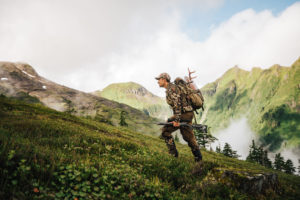
Hunting & Fishing Access

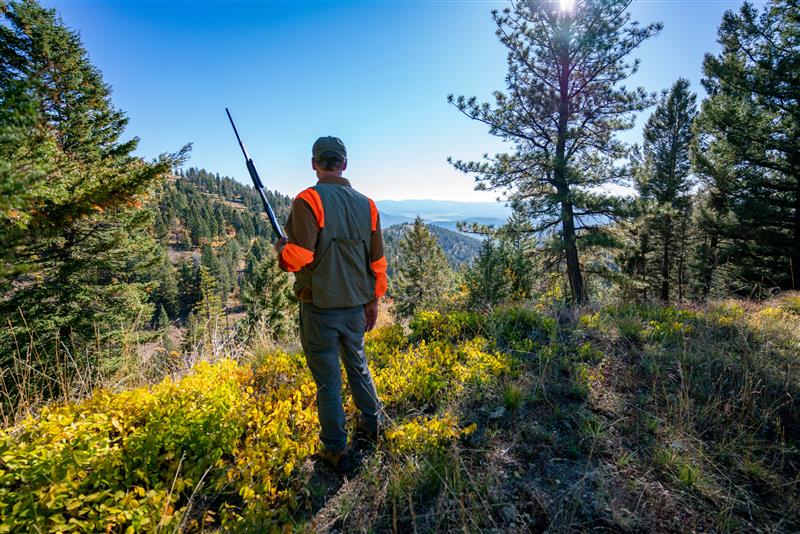
America’s 640 million acres of national public lands provide irreplaceable hunting and fishing opportunities to millions of Americans.

Learn More About Access
What TRCP is Doing

We’re working to safeguard America’s public lands so hunters and anglers always have quality places to pursue their passions.
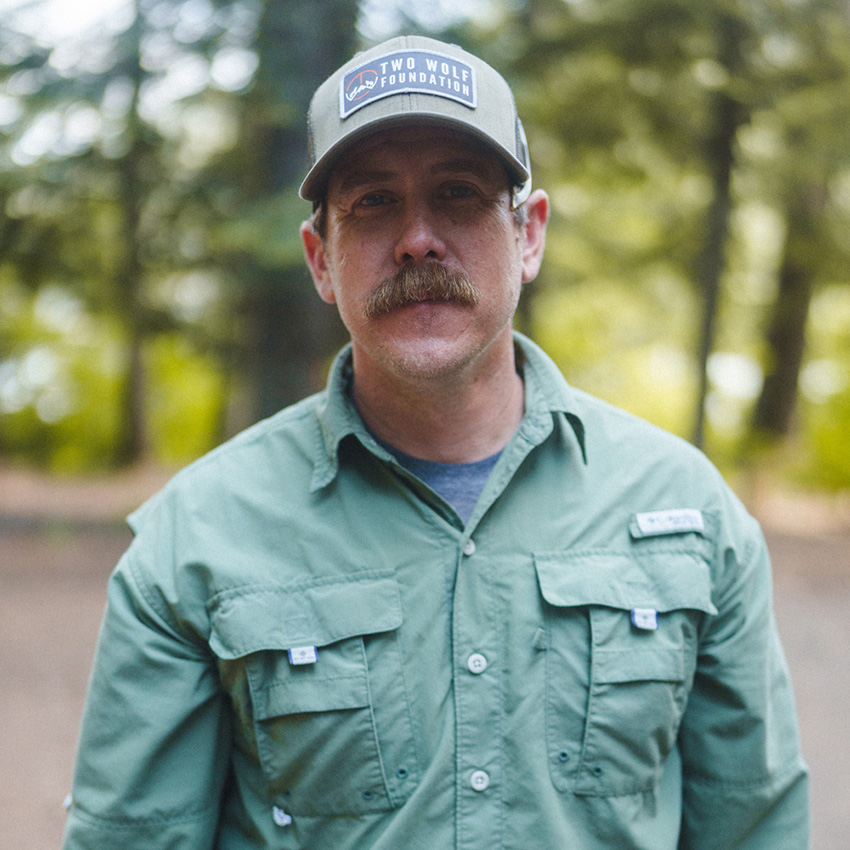
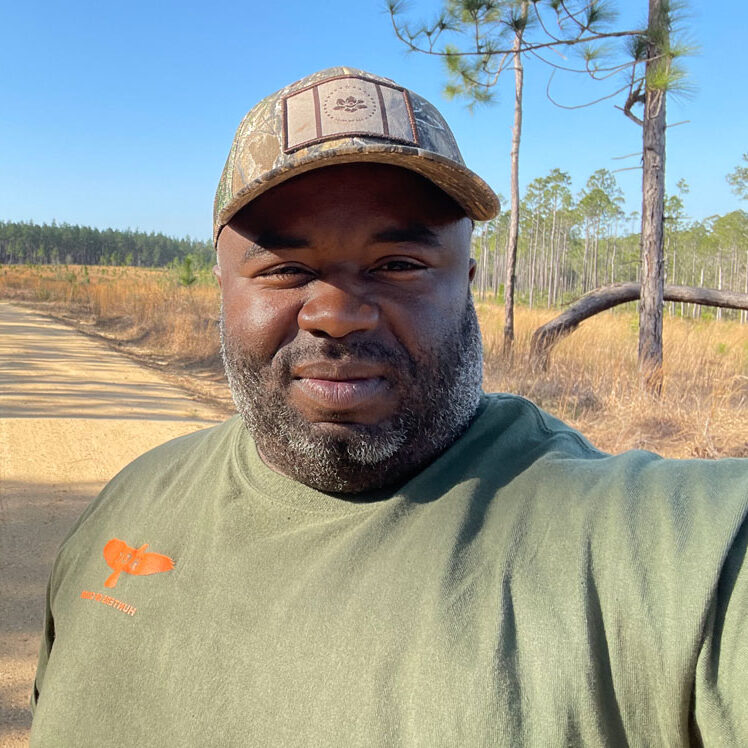
 Brian Flynn, Two Wolf Foundation
How Sportsmen Are Doing It Right

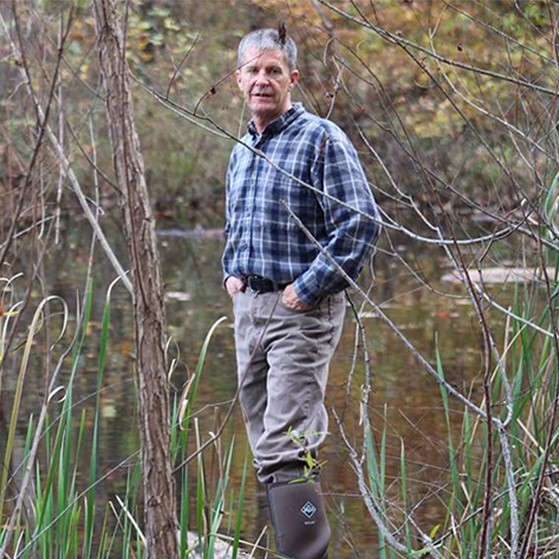
Brian Flynn, Two Wolf Foundation's Story

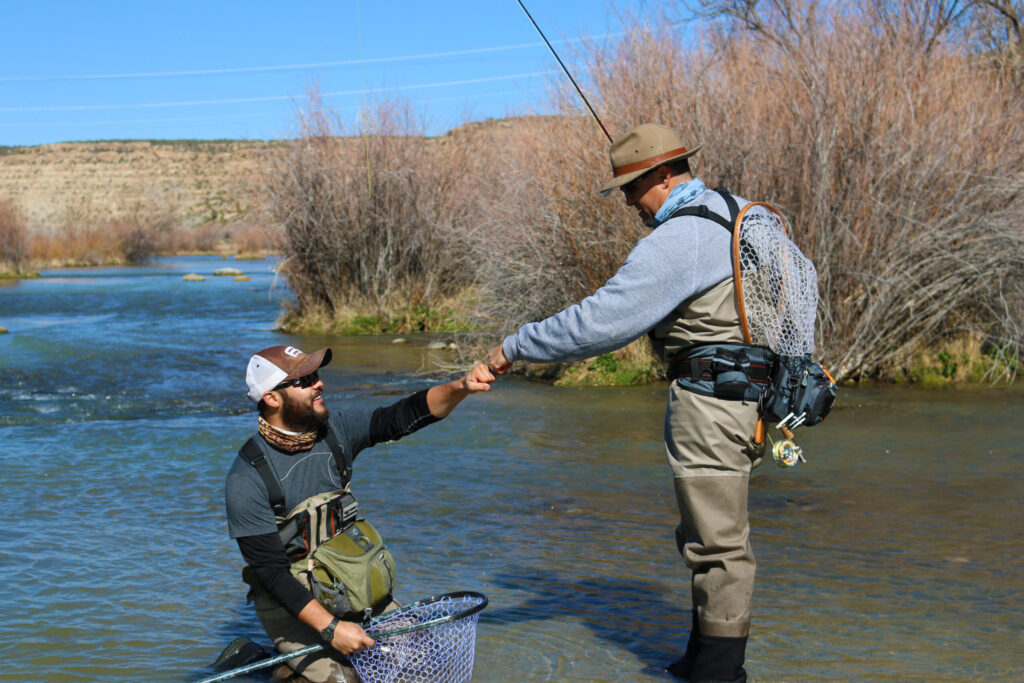
Following a distinguished career in the U.S. Army, lifelong outdoorsman Brian Flynn returned home from a deployment in Afghanistan and…

Hunting
Why It Matters

Key Issues for America’s Hunters

Your source for the latest policy updates, conservation challenges, and opportunities shaping America’s hunting traditions.

What TRCP is Doing

We’re fighting for meaningful policy changes that benefit wildlife, our waters, and the American landscapes that make our outdoor traditions possible.

 Ryan Sparks
How Sportsmen Are Doing It Right

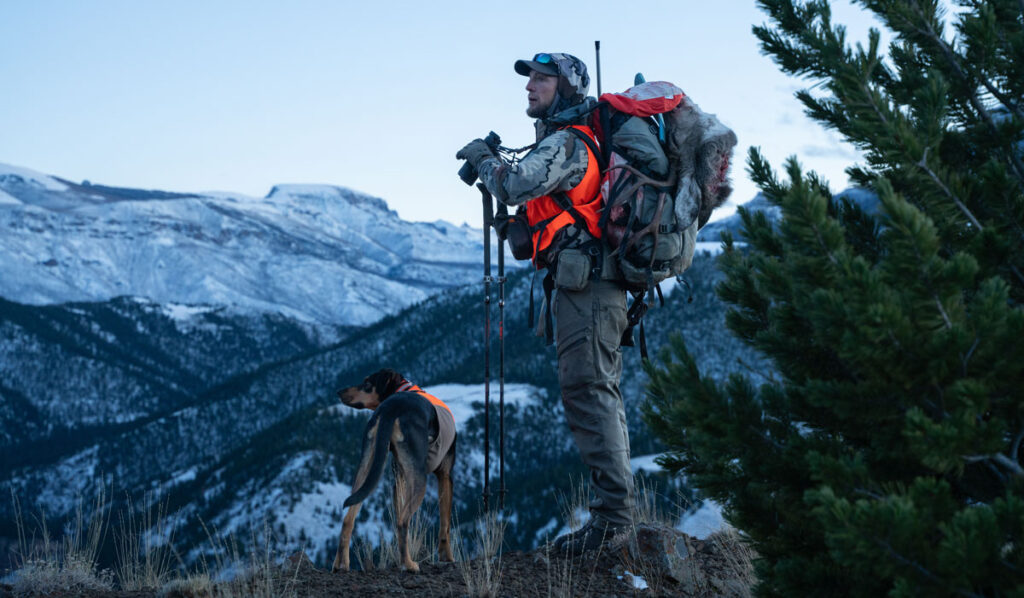
Ryan Sparks's Story

TRCP’s “In the Arena” series highlights the individual voices of hunters and anglers who, as Theodore Roosevelt so famously said,…

Fishing
Why It Matters

Key Issues for America’s Anglers

Your source for the latest policy updates, conservation challenges, and opportunities shaping America’s fishing traditions.

What TRCP is Doing

We’re fighting for meaningful policy changes that benefit wildlife, our waters, and the American landscapes that make our outdoor traditions possible.

 David Mangum
How Sportsmen Are Doing It Right

David Mangum's Story

Capt. David Mangum is a YETI ambassador and outdoor photographer who utilizes his talents to produce media that inspire a…

Private Land
Why It Matters

Stewardship on America’s private lands

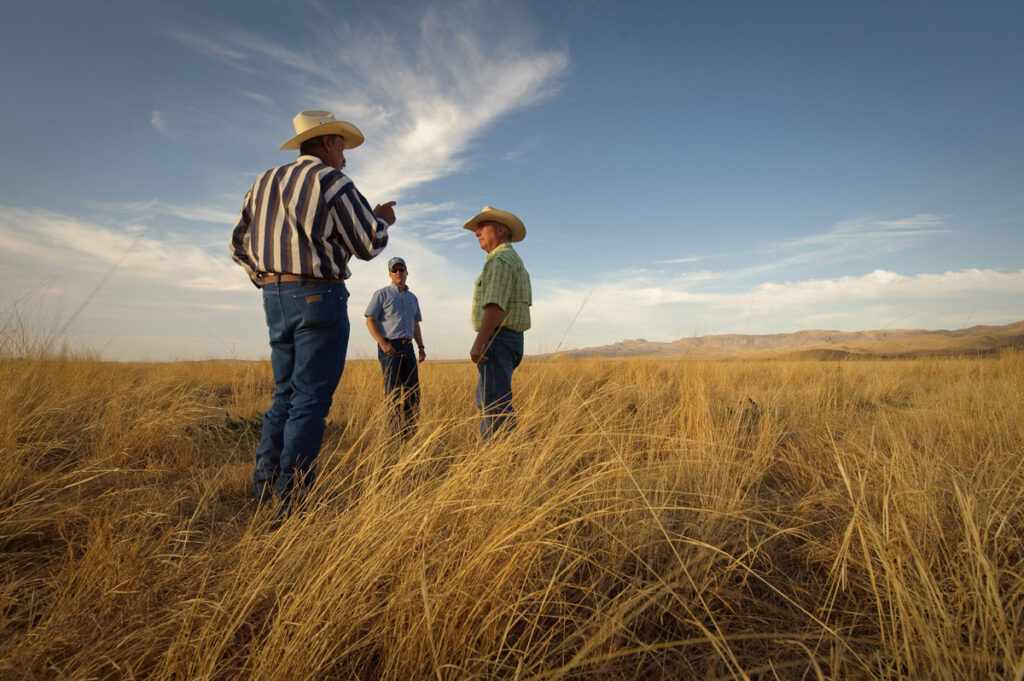
With 70 percent of U.S. lands in private hands and many of our best hunt and fish opportunities occurring there, investing in voluntary conservation on working lands safeguards access, strengthens habitat and water quality, and ensures resilient landscapes.

Learn More
What TRCP is Doing

We champion policies and programs that restore wildlife habitat, improve soil and water health, and keep working lands productive.

 Ward Burton
How Sportsmen are Doing It Right

Ward Burton's Story

Ward Burton’s NASCAR driving career stretched across most of two decades. As an avid sportsman and conservationist, he founded the…

Special Places
Why It Matters

Special Places Worth Protecting

America’s most iconic landscapes provide unmatched habitat and unforgettable days afield. These places sustain wildlife, anchor local economies, and define the hunting and fishing traditions we pass down.

What TRCP is Doing

We’re working to conserve special places that provide world-class habitat and unforgettable opportunities for hunters and anglers.

 Franklin Adams
How Sportsmen Are Doing It Right

Franklin Adams's Story

As a true Gladesman, conservationist, and historian, Capt. Franklin Adams has spent more than six decades championing Everglades restoration efforts…

Habitat & Clean Water
Why It Matters

Healthy Habitat Powers Every Pursuit

All hunting and fishing opportunities depend on quality habitat, from clean water and healthy wetlands to winter and summer habitats and the migration corridors that connect them.

All About Habitat & Clean Water
What TRCP is Doing

We are working to safeguard the habitats that power every hunting and fishing opportunity.

 Alex Harvey
How Sportsmen Are Doing It Right

Alex Harvey's Story

Alex Harvey, founder of Legacy Land Management, is a registered professional forester in Mississippi and Alabama with a Master's degree…

Science
Why It Matters

Science That Guides TRCP

From conserving migration corridors and wetlands to ensuring clean water and resilient landscapes, science provides evidence that turns conservation goals into effective action.

Science for Conservation
What TRCP is Doing

For hunters and anglers, science safeguards the experiences we treasure including resilient big game populations, abundant fish, and wild places that endure changing social landscapes.

Jamelle Ellis
Your Science Expert

Jamelle Ellis's Story

Jamelle Ellis joined the Theodore Roosevelt Conservation Partnership in 2022. Jamelle spent the last three years as an environmental sustainability…

Where We Work
Across the Nation

Conservation Across America

TRCP works across the country to ensure hunters and anglers can enjoy healthy fish and wildlife and quality days afield, no matter where they live.

See All Issues
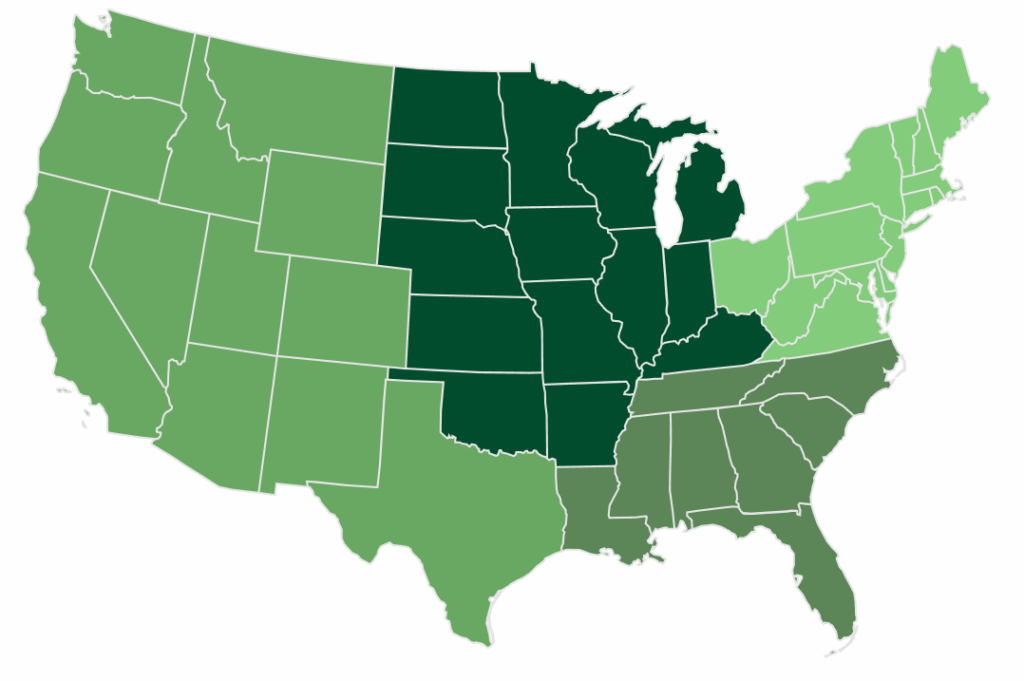
TRCP in Your Region

TRCP works across the country to ensure hunters and anglers can enjoy healthy fish and wildlife and quality days afield, no matter where they live.

Who We Are
Our Mission

To guarantee all Americans quality places to hunt & fish

We unite and amplify our partners’ voices to advance America’s legacy of conservation, habitat, and access.

Our Mission & Values
Our People & Partners
  • Meet the TRCP Team

    Our staff and board members unite and amplify our partners’ voices to advance America’s legacy of conservation, habitat, and access.

    Meet the Team
  • Our Partners

    ‘Partnership’ is in our name. We work with 64 diverse partner groups that represent today’s leading hunting, fishing, and conservation organizations in order to strengthen the sportsman’s voice in Washington, D.C.

    Our Partners
  • Corporate Council

    TRCP’s Corporate Council is made up of diverse corporations that share a common passion for conservation.

    Corporate Council
Our Organization

Looking for more information?

Explore our latest news, policy updates, and conservation resources to get the information you need.

Giving
How You Can Help

To guarantee all Americans quality places to hunt & fish

Your tax-deductible donation will support TRCP's mission, now and into the future.

DONATE
Special Ways to support trcp
  • Capital Conservation Awards Dinner

    The CCAD is one of Washington's best-attended conservation celebrations, featuring dinner, cocktails, and a silent auction.

    Learn More
  • Step Into the Arena

    Help us ensure that our treasured wild habitats and game remain intact for the next generation to enjoy – lend your support to the TRCP’s efforts today!

    Donate
  • Roosevelt Roast

    TRCP has partnered with Afuera Coffee Co. to further our commitment to conservation.

    Learn More
More donation options

Find the best way for you to lend your support. Join one of TRCP’s donor circles for special invitations, premium offerings from outdoor retailers, and more exclusive benefits. Take control of your legacy with planned giving or contribute to special conservation funds.

Other Ways To Give
News
In the Spotlight

In the Arena: Josh Warren

For many hunters and anglers, the connection to conservation begins close to home — in the woods behind the house, along a familiar stretch of river, or through time spent learning from mentors and family. That sense of place is something Joshua Warren carries with him, both personally and professionally. As Director of Marketing at WorkSharp, Josh represents a company rooted in Ashland, Oregon, a community defined by its access to public lands and wild country.

Read More

Stay Informed

Receive our newsletter, the Roosevelt Report, right in your inbox. Never miss the latest news in conservation issues.

by:

posted in:

March 20, 2023

vincent

vincent

Do you have any thoughts on this post?

XHTML: You can use these tags: <a href="" title=""> <abbr title=""> <acronym title=""> <b> <blockquote cite=""> <cite> <code> <del datetime=""> <em> <i> <q cite=""> <s> <strike> <strong>

Comments must be under 1000 characters.

by:

posted in:

March 16, 2023

Video: Where Private Land Creates Public Hunting Opportunities

If you use state walk-in access programs to hunt or fish on private land, you’ve already benefited from a key Farm Bill program

Join TRCP’s Aaron Field and Ian Nakayama as they hunt private farm lands in Minnesota thanks to the Voluntary Public Access and Habitat Incentive Program. This one-of-a-kind access program complements the full suite of habitat improvement programs that invest federal Farm Bill dollars at the local level. In the case of the VPA-HIP, there is a nine-to-one return on this investment in the form of outdoor recreation spending in rural communities.

In the video, Greg Hoch with the Minnesota Department of Natural Resources and Craig Lingen with the Wilkin Soil and Water Conservation District share information about the importance and success of the VPA-HIP program in their state.

You can support strengthening this important public access program in the next Farm Bill right now.

by:

posted in:

March 15, 2023

Eight Ways the President Wants Congress to Invest in Conservation Next Year

Here’s what the Biden Administration is prioritizing in its Fiscal Year 2024 budget request

The White House has released the president’s proposed budget for Fiscal Year 2024, which contains some important line items for conservation. The document is meant to guide Congress as lawmakers begin to negotiate funding levels for the next fiscal year.

According to the proposal, the Biden Administration is focusing conservation investments in several key areas and agencies, in part to tackle climate change and address the biodiversity crisis.

Here are eight highlights that could affect hunters and anglers.

Another Bump for South Florida Water Quality

Notably, the president has prioritized a $15-million increase—and over $415 million total—to support restoration in the Everglades, one of our most unique and ecologically significant ecosystems. Hunters and anglers have been calling for full funding of Everglades projects since last fall. Take action here to add your voice.

A Milestone for Refuges

The White House is recommending that $624 million, or $83 million over FY23 enacted levels, go to the National Wildlife Refuge System. This would be the largest budget ever for management of these public lands, where access to hunting and fishing has grown substantially in recent years.

Steady Funding for Waterfowl Habitat

The administration also wants to sustain funding of $50 million for the North American Wetlands Conservation Act, our nation’s most successful public-private partnership conservation program. Strong support for NAWCA could also be good news for grasslands, if lawmakers embrace the idea of a North American Grasslands Conservation Act, built on the NAWCA model, this year.

More Invasive Species Prevention

The budget includes over $57 million for aquatic invasive species prevention, an increase of $7.4 million. In July 2022, the TRCP worked with partners and leading outdoor recreation businesses to establish a new blue-ribbon commission to stop and reverse the spread of aquatic invasive species in the U.S. The commission will soon release a landmark report detailing ways for federal and state governments to help control and mitigate the spread of aquatic invasive species.

Consideration for Migration Corridors

The White House is requesting $3 million for the conservation and enhancement of migration corridors. This is an issue the TRCP has been intently focused on since the Department of the Interior’s Secretarial Order 3362 was signed in 2018.

Boosted Funding for Partners for Fish and Wildlife

The budget includes $80 million to support the Partners for Fish and Wildlife Program, a nearly $6-million increase over FY23 enacted levels. This U.S. Fish and Wildlife Service program supports voluntary conservation on private lands, which will be a key focus of the America the Beautiful Initiative.

On-Farm Habitat Improvements

The budget provides $1.2 billion, or $208 million above the FY23 enacted level, to increase conservation adoption and farm income across privately owned land through the Natural Resources Conservation Service. This funding helps support the historic investments for conservation provided in the Inflation Reduction Act, passed last year.

Investing to Reach Climate Goals

Finally, the president’s budget boasts nearly $52.2 billion in governmentwide climate spending, a near 26-percent increase from FY23 enacted levels. This proposed funding would run the gamut from climate-smart conservation practices on private lands to drought mitigation and carbon market development, and it is intended to move the United States closer to achieving the climate goals outlined when Biden first came into office. The TRCP and our partner groups continue share the perspectives of sportsmen and sportswomen experiencing climate impacts and proposing solutions to the administration and Congress.

The Bottom Line

Ultimately, appropriators in Congress will have the final say on spending levels for Fiscal Year 2024, a process now underway on Capitol Hill. The sporting and conservation communities are continually providing feedback on funding priorities and demand for programs on the landscape and look forward to building on these efforts in the year to come.


Photo by 2 Bull Photography on Unsplash 

by:

posted in:

March 10, 2023

Sporting Groups Promote Wildlife Crossing Fund in Nevada Assembly

Nevada sportspeople applaud new fund to make roads safer for wildlife and people

On Thursday March 9th, the Nevada Assembly Committee on Growth and Infrastructure held a hearing on bill AB112 to establish a Wildlife Crossing Fund within the State’s General Fund. The committee received testimony, all in support of passage, from over 20 individuals across diverse interests including hunting and conservation groups, livestock producers, road construction, and local government. The Fund, which would be administered by the Department of Transportation to work collaboratively with the Nevada Department of Wildlife, will support new and existing projects that allow wildlife to migrate safely across highways.

“Our roads, highways, and overall human expansion into wildlife habitat has to be balanced with their need to have safe migratory corridors,” said Carl Erquiaga, TRCP Nevada field representative. “Nevadans overwhelmingly support protecting wildlife corridors and this bill provides critical resources to ensure safe migratory routes for our native wildlife, like mule deer, pronghorn, and bighorn sheep.”

In Nevada, several major big game herds follow migration routes that traverse over a hundred miles annually, often crossing multiple major highways along their way. In some instances, animals cross these roadways for their daily movement hundreds of times a year. According to a Nevada Department of Transportation study, more than 500 wildlife-vehicle collisions occur on the state’s roads annually, at a cost of over $19 million to drivers and Nevada taxpayers. While Nevada has been a leader in constructing safe wildlife crossings in places like Interstate 80, Highway 93 and Interstate 11 near Hoover Dam, there are many locations in need of similar projects.

If passed, AB112 will provide needed funding for crossing projects that protect both people and wildlife. This initiative will also make Nevada more competitive for similar federal funding. The Infrastructure Investment and Jobs Act, passed by Congress in 2021, directed the U.S. Department of Transportation and the Federal Highway Administration to distribute $350 million over five years through a competitive grant process to projects that reduce the number of wildlife-vehicle collisions and improve wildlife connectivity. Successful applicants will need to contribute matching funds, and AB112 would create a mechanism for Nevada to meet this requirement.

“I don’t know how many people have really been around these crossings, but they are great,” said assemblyman Burt Gerr of the 33rd district during yesterday’s hearing. “I think this is a great bill and a great project.”

The bill was amended to include language calling for consultation with affected parties who have grazing permits on federal or state land or private landowners near future crossings. The committee will likely hold a work session in the future and the bill will then go to Ways and Means before an assembly floor vote. The state Senate will need to vote to pass AB112 before reaching Governor Lombardo for signature to become law. Nevada sportspeople must remain ready to voice their support if the bill is to cross the finish line.

by:

posted in:

March 8, 2023

Prairie Potholes and Mississippi River Basin Will Benefit from Major DOI Climate Investment

The boost for waterfowl and river health will come from a $120-million slate of projects to improve climate resilience and habitat

The Department of the Interior has announced it will invest $23 million in landscape-scale conservation and restoration in the Prairie Pothole Region states of Iowa, Minnesota, Montana, North Dakota, and South Dakota.

This major commitment to wetlands that support more than half of North America’s waterfowl is one piece of the department’s plan for $120 million in new conservation funding authorized by legislation in 2022. The plan also includes $20 million for projects in the Lower Mississippi River Valley and $10 million for habitat restoration in the Upper Mississippi and Illinois River.

Taken together, these three pots of funding signal a significant investment in the health of the river and the Central and Mississippi flyways.

“We’re pleased to see this investment in the irreplaceable wetlands of the Prairie Pothole Region, which is recognized as some of the most productive waterfowl habitat in the world,” says Whit Fosburgh, president and CEO of the Theodore Roosevelt Conservation Partnership. “Sportsmen and sportswomen continue to be keenly interested in how the administration is implementing its climate resilience goals by investing in the lands and waters that sequester carbon, provide critical fish and wildlife habitat, and support thriving communities. We celebrate this announcement from DOI and look forward to working with decision-makers to ensure that habitat improvements are made where they will have the greatest impact for fish, wildlife, and Americans.”

Grasslands restoration and other habitat projects that improve climate resilience were also among the funding priorities announced this week.

Last month, the U.S. Department of Agriculture revealed its own plan for $850 million in new conservation investments.

Learn more about nature-based solutions and how healthy habitat can help reverse climate change here.


Photo by USFWS Mountain-Prairie via Flickr

HOW YOU CAN HELP

TRCP has partnered with Afuera Coffee Co. to further our commitment to conservation. $4 from each bag is donated to the TRCP, to help continue our efforts of safeguarding critical habitats, productive hunting grounds, and favorite fishing holes for future generations.

Learn More

You have Successfully Subscribed!

You have Successfully Subscribed!

You have Successfully Subscribed!

You have Successfully Subscribed!