Our Issues
Public Lands
Why It Matters

Hunting & Fishing Access

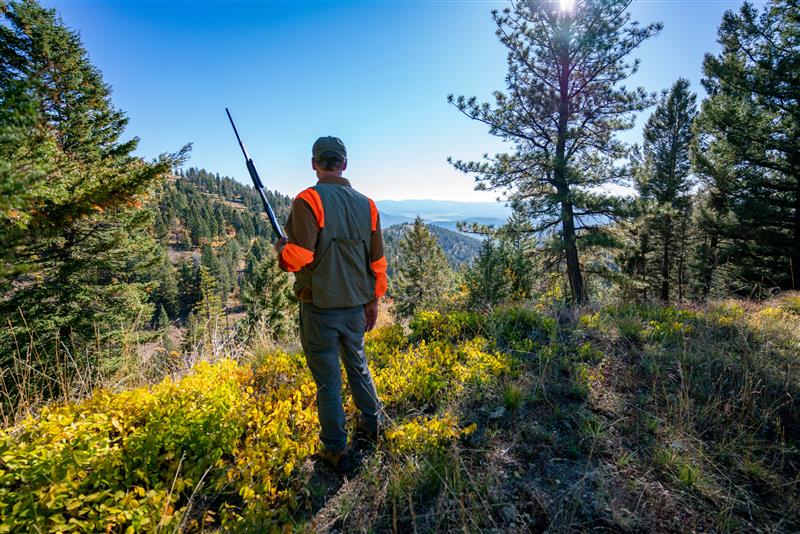
America’s 640 million acres of national public lands provide irreplaceable hunting and fishing opportunities to millions of Americans.

Learn More About Access
What TRCP is Doing

We’re working to safeguard America’s public lands so hunters and anglers always have quality places to pursue their passions.
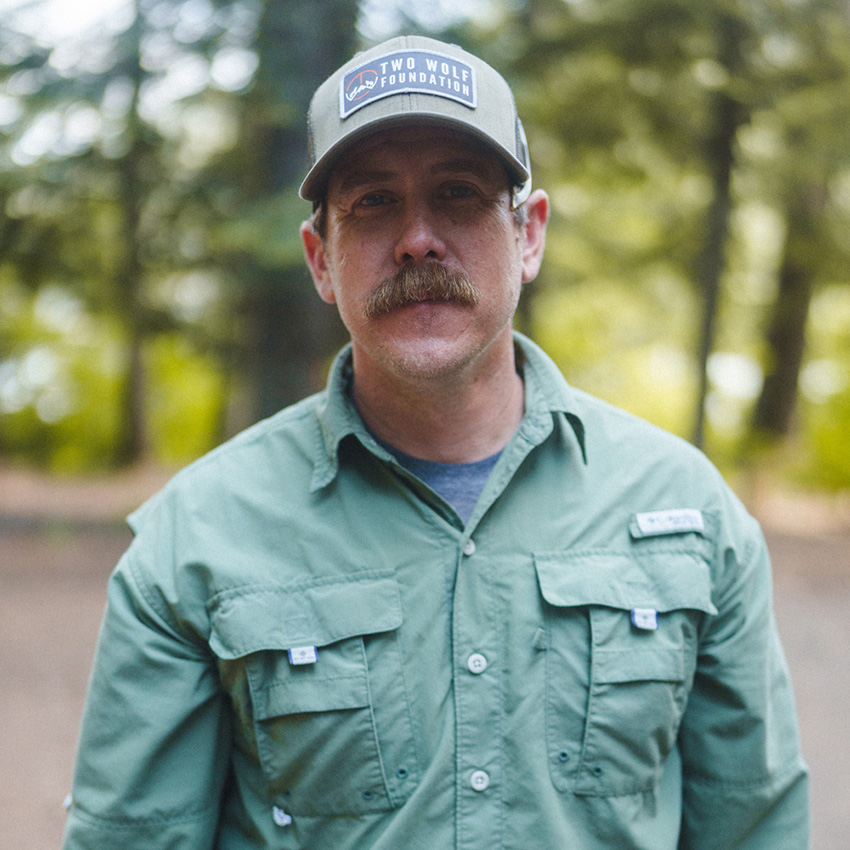
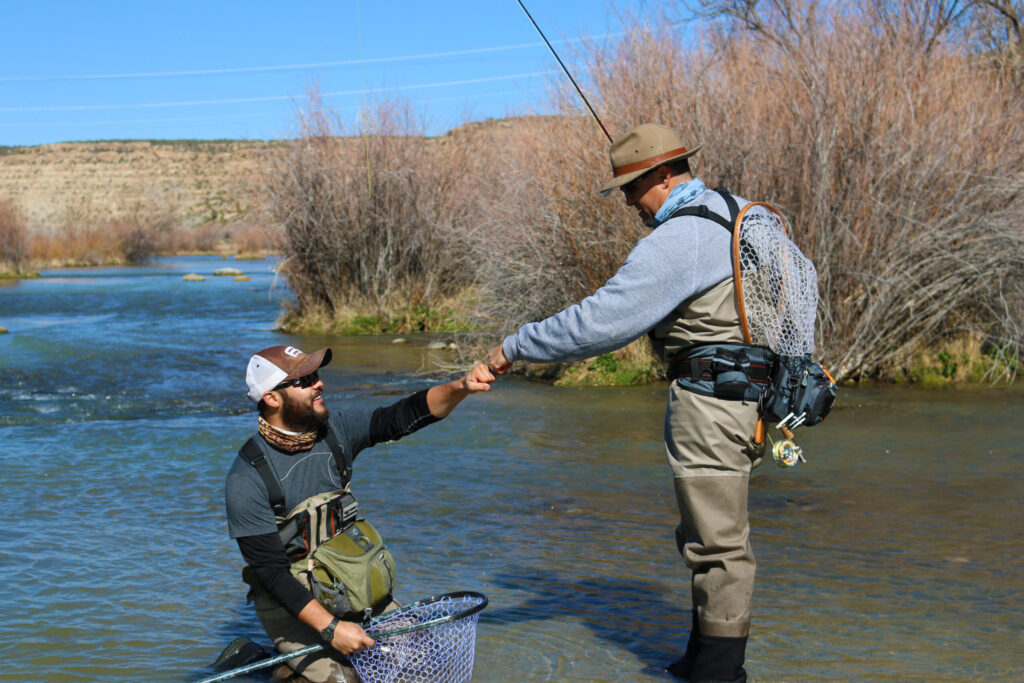
 Brian Flynn, Two Wolf Foundation
How Sportsmen Are Doing It Right

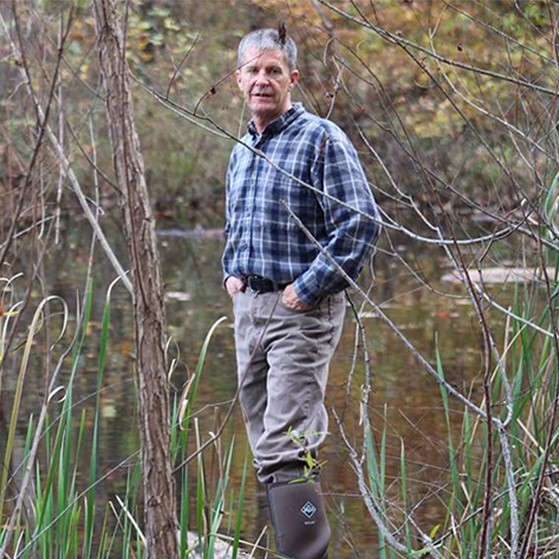
Brian Flynn, Two Wolf Foundation's Story

Following a distinguished career in the U.S. Army, lifelong outdoorsman Brian Flynn returned home from a deployment in Afghanistan and…

Hunting
Why It Matters

Key Issues for America’s Hunters

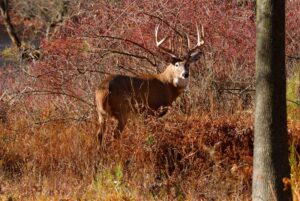
Your source for the latest policy updates, conservation challenges, and opportunities shaping America’s hunting traditions.

What TRCP is Doing

We’re fighting for meaningful policy changes that benefit wildlife, our waters, and the American landscapes that make our outdoor traditions possible.

 Ryan Sparks
How Sportsmen Are Doing It Right

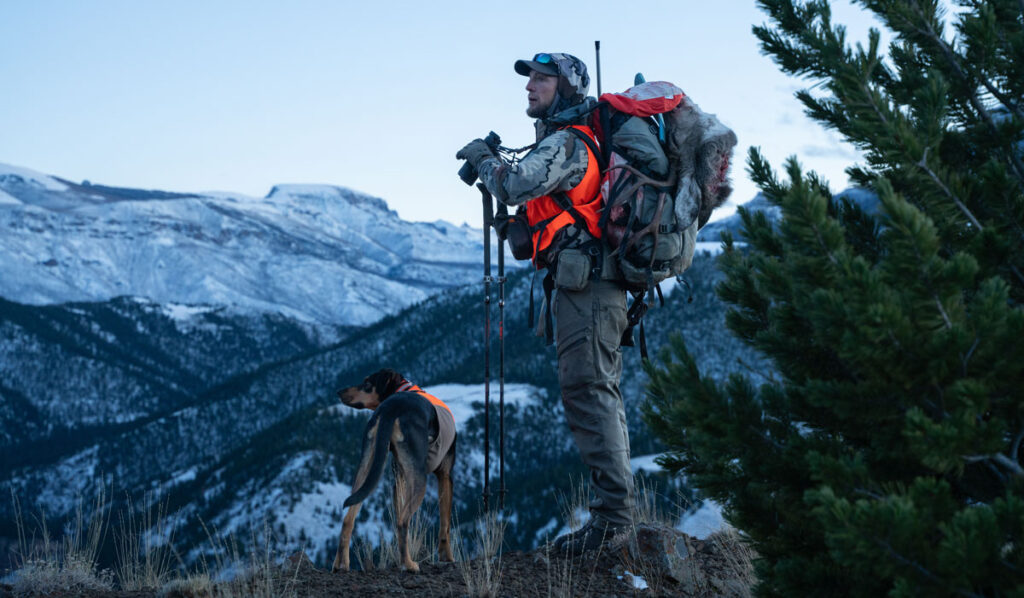
Ryan Sparks's Story

TRCP’s “In the Arena” series highlights the individual voices of hunters and anglers who, as Theodore Roosevelt so famously said,…
Fishing
Why It Matters

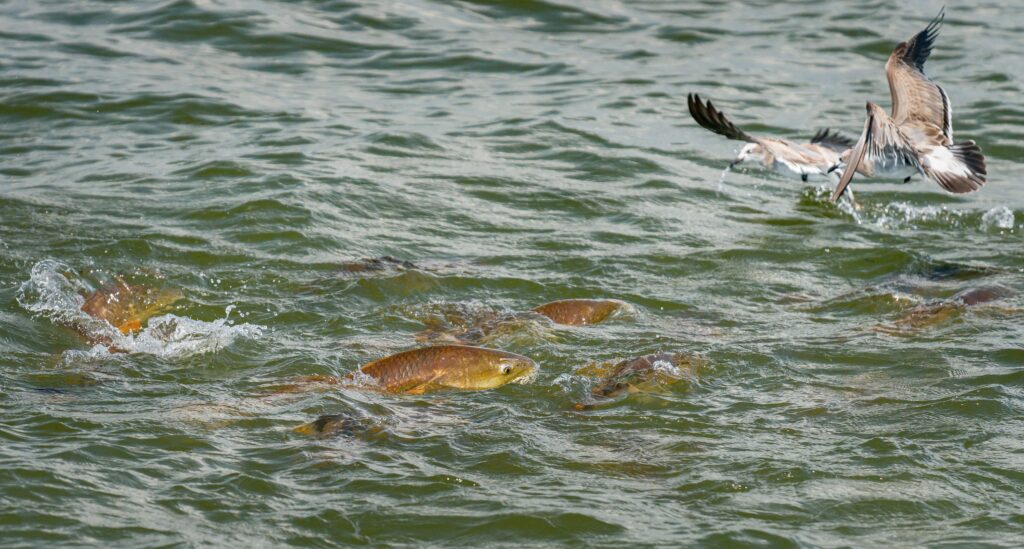
Key Issues for America’s Anglers

Your source for the latest policy updates, conservation challenges, and opportunities shaping America’s fishing traditions.

Sign Up For Forage Fish Updates
What TRCP is Doing

We’re fighting for meaningful policy changes that benefit wildlife, our waters, and the American landscapes that make our outdoor traditions possible.

 David Mangum
How Sportsmen Are Doing It Right

David Mangum's Story

Capt. David Mangum is a YETI ambassador and outdoor photographer who utilizes his talents to produce media that inspire a…

Private Land
Why It Matters

Stewardship on America’s private lands

With 70 percent of U.S. lands in private hands and many of our best hunt and fish opportunities occurring there, investing in voluntary conservation on working lands safeguards access, strengthens habitat and water quality, and ensures resilient landscapes.

Take Action - Farm Bill 2026
What TRCP is Doing

We champion policies and programs that restore wildlife habitat, improve soil and water health, and keep working lands productive.

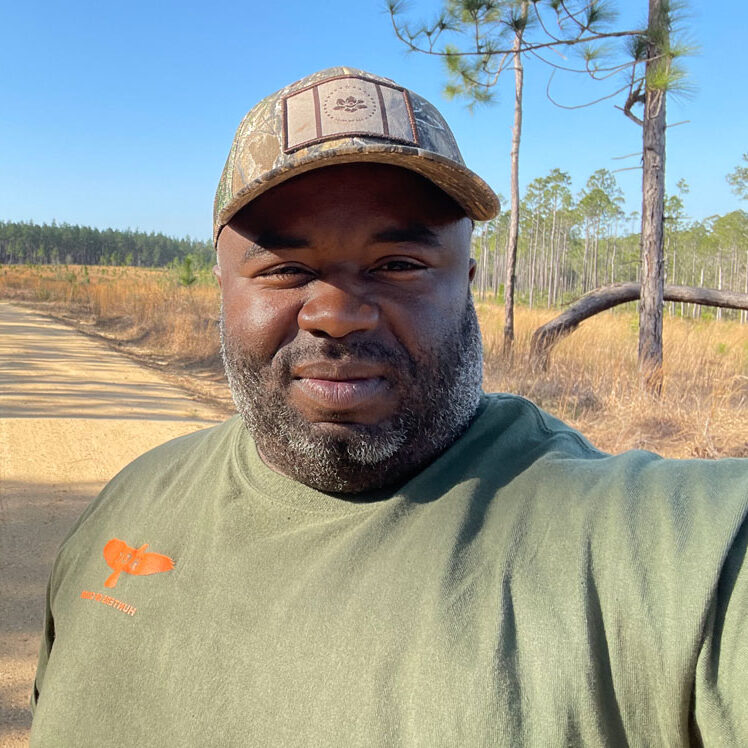
 Ward Burton
How Sportsmen are Doing It Right

Ward Burton's Story

Ward Burton’s NASCAR driving career stretched across most of two decades. As an avid sportsman and conservationist, he founded the…

Special Places
Why It Matters

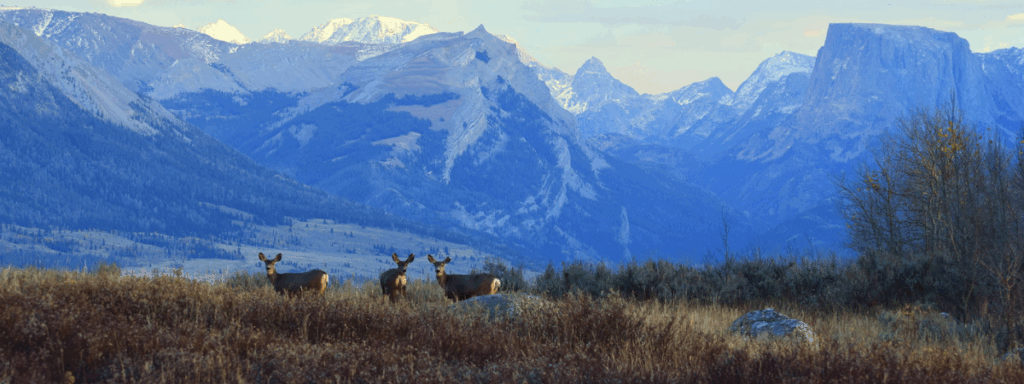
Special Places Worth Protecting

America’s most iconic landscapes provide unmatched habitat and unforgettable days afield. These places sustain wildlife, anchor local economies, and define the hunting and fishing traditions we pass down.

What TRCP is Doing

We’re working to conserve special places that provide world-class habitat and unforgettable opportunities for hunters and anglers.

 Franklin Adams
How Sportsmen Are Doing It Right

Franklin Adams's Story

As a true Gladesman, conservationist, and historian, Capt. Franklin Adams has spent more than six decades championing Everglades restoration efforts…

Habitat & Clean Water
Why It Matters

Healthy Habitat Powers Every Pursuit

All hunting and fishing opportunities depend on quality habitat, from clean water and healthy wetlands to winter and summer habitats and the migration corridors that connect them.

All About Habitat & Clean Water
What TRCP is Doing

We are working to safeguard the habitats that power every hunting and fishing opportunity.

 Alex Harvey
How Sportsmen Are Doing It Right

Alex Harvey's Story

Alex Harvey, founder of Legacy Land Management, is a registered professional forester in Mississippi and Alabama with a Master's degree…

Science
Why It Matters

Science That Guides TRCP

From conserving migration corridors and wetlands to ensuring clean water and resilient landscapes, science provides evidence that turns conservation goals into effective action.

Science for Conservation
What TRCP is Doing

For hunters and anglers, science safeguards the experiences we treasure including resilient big game populations, abundant fish, and wild places that endure changing social landscapes.

Jamelle Ellis
Your Science Expert

Jamelle Ellis's Story

Jamelle Ellis joined the Theodore Roosevelt Conservation Partnership in 2022. Jamelle spent the last three years as an environmental sustainability…

Where We Work
Across the Nation

Conservation Across America

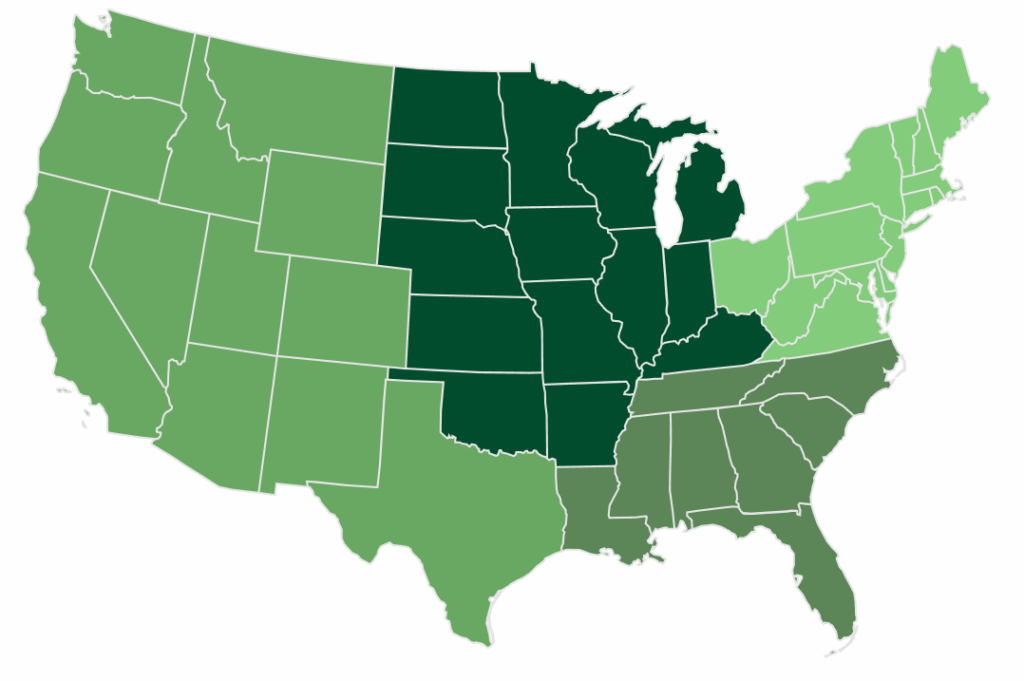
TRCP works across the country to ensure hunters and anglers can enjoy healthy fish and wildlife and quality days afield, no matter where they live.

See All Issues
TRCP in Your Region

TRCP works across the country to ensure hunters and anglers can enjoy healthy fish and wildlife and quality days afield, no matter where they live.

Who We Are
Our Mission

To guarantee all Americans quality places to hunt & fish

We unite and amplify our partners’ voices to advance America’s legacy of conservation, habitat, and access.

Our Mission & Values
Our People & Partners
  • Meet the TRCP Team

    Our staff and board members unite and amplify our partners’ voices to advance America’s legacy of conservation, habitat, and access.

    Meet the Team
  • Our Partners

    ‘Partnership’ is in our name. We work with 64 diverse partner groups that represent today’s leading hunting, fishing, and conservation organizations in order to strengthen the sportsman’s voice in Washington, D.C.

    Our Partners
  • Corporate Council

    TRCP’s Corporate Council is made up of diverse corporations that share a common passion for conservation.

    Corporate Council
Our Organization

Looking for more information?

Explore our latest news, policy updates, and conservation resources to get the information you need.

Giving
How You Can Help

To guarantee all Americans quality places to hunt & fish

Your tax-deductible donation will support TRCP's mission, now and into the future.

DONATE
Special Ways to support trcp
  • Capital Conservation Awards Dinner

    The CCAD is one of Washington's best-attended conservation celebrations, featuring dinner, cocktails, and a silent auction.

    Learn More
  • Step Into the Arena

    Help us ensure that our treasured wild habitats and game remain intact for the next generation to enjoy – lend your support to the TRCP’s efforts today!

    Donate
  • Roosevelt Roast

    TRCP has partnered with Afuera Coffee Co. to further our commitment to conservation.

    Learn More
More donation options

Find the best way for you to lend your support. Join one of TRCP’s donor circles for special invitations, premium offerings from outdoor retailers, and more exclusive benefits. Take control of your legacy with planned giving or contribute to special conservation funds.

Other Ways To Give
News
In the Spotlight

Atlantic Fisheries Managers Advance Proposal for Potential Menhaden Protections in Chesapeake Bay

The TRCP will be encouraging anglers and conservationists to support stronger protections for menhaden in the Chesapeake Bay during the Atlantic States Marine Fisheries Commission’s public comment period for Addendum II proposals, starting in mid-August.

Read More

Stay Informed

Receive our newsletter, the Roosevelt Report, right in your inbox. Never miss the latest news in conservation issues.

Latest News

Looking for Press Releases?

Timely information on major conservation issues, organizational news, and policy developments that matter to America’s hunters and anglers.

Press Releases

by:

posted in:

July 22, 2026

ICAST summit wide angle-Leonard Bryant Photography

Do you have any thoughts on this post?

XHTML: You can use these tags: <a href="" title=""> <abbr title=""> <acronym title=""> <b> <blockquote cite=""> <cite> <code> <del datetime=""> <em> <i> <q cite=""> <s> <strike> <strong>

Comments must be under 1000 characters.

by:

posted in:

In the Arena: Keith Lusher

TRCP’s “In the Arena” series highlights the individual voices of hunters and anglers who, as Theodore Roosevelt so famously said, strive valiantly in the worthy cause of conservation.

Keith Lusher

Hometown: Covington, Louisiana 
Occupation: Outdoor writer, photographer, and website designer
Conservation credentials: Lusher has earned a multimedia hat trick as an award-winning outdoor writer, photographer, and website designer, with material centered on Louisiana and the Gulf Coast but that spans national issues. He serves on the Louisiana Outdoor Writers Association board and his work frequently centers on conservation efforts and the need for hunter and angler engagement, including on issues TRCP helps champion like Gulf menhaden conservation and the importance of the Mississippi River to anglers. Lusher uses his voice to keep sportsmen and women updated on legislative and regulatory policy and ways in which they can influence it.

A native of South Louisiana, Lusher learned to throw a cast net and run crawfish nets not many years after he could walk. He created his first website, NorthShoreFishingReport.com, in 2012, which he still owns and operates. That launched a career leading to a weekly column in the Slidell Independent Newspaper called the Northshore Fishing Report, for which he has been writing about freshwater and saltwater angling for 13 years. Lusher also previously hosted the Northshore Fishing Report Radio Show from 2015 to 2020. He has written for many of the nation’s leading outdoor publications – among them, OutdoorHub, Wired2Fish, Mossy Oak, and Coastal Angler Magazine – producing tactical articles that help, in his own words, “anglers and hunters catch more and kill more.” He is an avid fisherman and dedicated photographer who throws caution to the wind to get the right shot.

Here is his story.

Keith Lusher

My dad introduced me to the outdoors. We had a camp in Laffite, La., and spent many weekends there. The only way to get there was by an hour-long boat ride, so it was definitely a clean separation from society, which was a good thing. I learned a lot out there, including how to read the water as far as tides and current.

Being a Gen Xer, I was left on my own to figure everything out, and I did. I remember getting on a redfish bite near the camp with my dad. They were only hitting live cocahoe minnows. We ran out of bait on the second day of our week there and I was contemplating making a trip back to the marina to buy more. But I thought back to when I had made a walk behind the camp on a prior visit, to where there were numerous duck ponds in the back in the marsh. I remembered seeing BIG cocahoe minnows in those ponds, so I rigged up a very tiny bream hook and broke off a piece of saltwater cork to use as a lightweight, small bobber. So basically I was fishing with a panfish setup. I had a piece of shrimp that I broke into small pieces and fed it onto the hook. It’s no exaggeration to say that on EVERY CAST I caught a cocahoe that was over five inches long.

Keith Lusher

Within a half-hour I walked up to my dad with a bucket with so many minnows in it they were starting to float up because of lack of air. My dad was floored. He couldn’t believe the quality of “bait” that I caught using a rod and reel. That technique led to part of our future stays at the camp. We no longer need to buy cocahoes. It became part of the routine. When we arrived, I would immediately rig up my pole and head to the back of camp in the marsh to catch cocahoes for bait for the weekend.

I heard Danny call out, ‘You got a gator coming your way, about 50 yards around that point.’”

I have so many fishing memories, but the really exciting memories have been during photo-shoots with anglers that I write about. One memory that sticks in my head is a trip I made with Danny Hunter of New Orleans Best Charters. I was writing an article about fishing for speckled trout in the marsh and after catching a limit of specks, I wanted to get a few “over-under” photos – those that capture the fish under the water as well as the angler in the boat fishing. We stopped in a duck pond just off the Intracoastal Waterway and I jumped in and swam to the marsh where I could stand and operate the camera to get a photo of the fish underwater and Danny in the background. After about 10 minutes of getting photos, I heard Danny call out, “You got a gator coming your way, about 50 yards around that point.” He pointed to the right and I shrugged it off.

Ryan Lockwood

I continued to take photos from different perspectives and then heard him say, “About 30 yards now.” I continued to work. Then I saw him put down his pole and walk over to his center console and open the door. He took out a pistol and loaded it, then set it down near the steering wheel. He then picked up the pole and we continued to work. I took a few more shots but knew the gator must have been close so I told him I was done and would swim over to him. He hollered back, “No, I’ll come get you,” as he cranked up the motor and idled over. Danny was relieved after I was in the boat. He then yelled out in relief, “Hardest working photographer in the industry!” Which was better than the usual, “Man, you’re crazy.”

Keith Lusher

When I got home to look through the photos, I was so happy that I took the time to get out in the marsh as I got some spectacular shots that were published along with my article. Danny liked the shots as well, as he’s used several of them for his charter business, including as the backboard for his cleaning table and serves as a great advertisement.

I normally fish the waters of Southeast Louisiana and that’s probably the best fishing that one could experience, but I really wish I could wade-fish the streams up north, like the Madison River in Montana, with a fly rod. I don’t ever get to fish cold, clean streams or rivers and I’d like to start doing that more.

Keith Lusher

Down here in Southeast Louisiana, there’s never a dull moment. Right now, the pogy boat ordeal is in the spotlight. Over the past few years, I’ve watched this battle over menhaden and am discouraged to watch how much power the commercial fishing industry has battling an extended buffer zone that was enacted to keep industrial fishing vessels after menhaden (referred to locally as pogy boats) away from the coastline. The commercial fishing industry clearly has more power than the recreational fishermen and that is evident in how you’ll see tighter limits being thrust onto the recreational anglers but not on the commercial fishermen.

Keith Lusher

Conservation is important for everyone because it protects the hunting and fishing traditions that we enjoy today and have enjoyed for decades. I’ve always said the best conservationists are the people who hunt and fish. While we do harvest fish and game, we also know how important every species is and that the future of fishing and hunting depends on using some sort of conservation strategy to make sure a species continues to have a strong population. Conservation is important for me personally because I have a large audience. I try to use my voice to keep all sportsmen and women updated on all the relevant new bills in Congress and all of the conservation efforts that could use their support.

Keith Lusher

We set an example for the next generation. It’s not complicated. Protect the fish and game that you enjoy fishing and hunting and the next generation will have it to enjoy as well.

Banner image courtesy Keith Lusher

by:

posted in:

Melanie Thornton joins the TRCP as Senior Director of Western Water 

Thornton is a water policy leader with more than a decade of experience advancing bipartisan western water and natural resources policy.

The Theodore Roosevelt Conservation Partnership (TRCP) is pleased to announce the hiring of Dr. Melanie Thornton as Senior Director of Western Water, bringing more than a decade of bipartisan water policy experience – including a lead role in shaping more than $15 billion in western water funding – to the organization’s conservation team. As the nation’s largest conservation coalition, TRCP will draw on her experience to strengthen its ability to advance bipartisan conservation policy on behalf of hunters and anglers nationwide. 

Prior to joining TRCP, Thornton served for seven years as Senior Professional Staff for the U.S. Senate Committee on Energy and Natural Resources, serving under both Ranking Member Heinrich and Chairman Manchin. Most recently, she led Senator Heinrich’s western water, science, outdoor recreation, and territories portfolio, directing legislative strategy and oversight on issues including Colorado River and Rio Grande management, Bureau of Reclamation programs, drought resilience, and watershed restoration. She played a leading role in negotiating and drafting major western water provisions included in the Infrastructure Investment and Jobs Act and the Inflation Reduction Act, helping secure more than $15 billion for drought resilience, ecosystem restoration, and water infrastructure across the West. 

Before joining the Senate, Thornton worked in federal conservation and natural resources policy and began her career as an AAAS Science & Technology Policy Fellow, bringing a scientific perspective to federal policymaking. 

“Melanie brings a rare combination of scientific expertise and hands-on legislative experience to some of the most complex water challenges facing the West,” said Madeleine West, TRCP’s vice president of western conservation. “Her work on the Colorado River, the Rio Grande, and major federal investments in drought resilience will be a tremendous asset as we work with partners across the region to find durable, bipartisan solutions for hunters, anglers, and the communities who depend on these water resources.” 

Thornton holds a Ph.D. in Environmental and Natural Resource Sciences, with a focus on hydrology and water resources management, from Washington State University, and a B.S. in Environmental Geoscience from Texas A&M University. Throughout her career, she has worked to bridge science and policy, building coalitions among federal agencies, states, Tribes, water users, conservation organizations, and local communities to develop durable, practical solutions to complex water challenges. 

With this addition, TRCP’s conservation team is well positioned to secure lasting, bipartisan policy outcomes that aim to guarantee all Americans quality places to hunt and fish.  

Learn more about TRCP’s leadership HERE.

by:

posted in:

July 17, 2026

Backcountry Bears

A spring bear hunt in Oregon’s backcountry reminds TRCP’s director of public lands of the value of intact habitat

Anyone who has spent time hunting and fishing on our national forests knows that success often depends on putting some distance between yourself and roads. Roadless areas, casually called the backcountry, are essential to America’s sporting traditions and wildlife management. Every year, thousands of hunters and anglers scour maps in anticipation of getting into some lonely basin or forgotten creek, seeking to find those places where roads are few and topo lines are heavy. Like most of those sportsmen and women, I didn’t know that many of these places were intentionally managed to conserve these backcountry values through policies like the Forest Service 2001 Roadless Area Conservation Rule, which generally limits new road construction and certain timber harvest activities to conserve their undeveloped backcountry character. These roadless areas span the West, from the Tongass National Forest in SE Alaska to Montana’s Beaverhead Range to the island ranges of Nevada and beyond – and Oregon has its own share worth knowing. 

Hunters and anglers can find one such place as they drive east on Highway 26 in eastern Oregon. It’s hard to miss the long spine of a little-known mountain range to the south called the Aldrich Mountains, which parallels the highway for over 20 miles. In the spring and early summer, the north-facing slopes are blanketed in various hues of green that resemble Ireland mixed with pockets of Douglas fir and ponderosa pines tucked in the furrows of the mountains’ many folds.  

The area is prime bear country, and I’d been wanting an excuse to reacquaint myself with this landscape. That opportunity came in late April after cashing in on a few years’ worth of points to draw an Oregon spring bear tag.  

As a lifelong Oregonian beginning to show my middle age through a salt-and-pepper beard, I had always taken for granted that this range offered a unique blend of motorized and non-motorized access. It’s an area where full-sized trucks can’t reach the summit, but where you can traverse the first and most challenging section using a motorbike along an off-highway-vehicle (OHV) trail.  

Many national forests are managed to conserve this kind of remote, backcountry character, including in places that also allow motorized access That balance of how we access our public lands came into sharper focus when the U.S. Forest Service (USFS), an agency within the U.S. Department of Agriculture, published its Notice of Intent in August of 2025 to analyze the future management of the 2001 Roadless Rule. I was poring over maps of these places in Oregon and it dawned on me that many of them, like the Aldrich Mountains within the Malheur National Forest, were intentionally managed to maintain their remote character while also allowing for unique recreational opportunities that often include both motorized OHV and non-motorized trails like those I used to reach my jumping off point for this hunt.  

As the hunt drew closer, my brother, brother-in-law, and I began planning what would be our first spring bear hunt together. Between work, raising kids, side jobs such as building homes or saunas, and the constant pull of phones and notifications, I was grateful that we intentionally worked together to make this trip happen so that time and the season didn’t slip away. 

After using motorized e-bikes to reach the end of the OHV trail at the summit, we gladly stashed them and set off on foot along the non-motorized trail to traverse the long ridge that had seemingly endless basins where bears may be found feasting on wild onion and biscuitroots. 

In the coming days we came across several bears, but they were all sows with young cubs of the year. One of the sows had an especially tough job as she wrangled four cubs, something I’d never seen before. While we didn’t succeed in finding an old bruin, we did succeed in unplugging from our electronic devices and spending nights lying under the stars talking about what makes family, family. We laughed, jested as brothers should and chatted about the good, the bad, and the many things that we looked forward to in the years to come.  

Somewhere between riding the OHV trail to the ridge and breaking a sweat traversing the lingering snowfields while hiking the final miles on foot, I realized that this balance of access and wildness was not accidental. The ability to use motorized trails to reach remote country, while still conserving the larger backcountry character of the landscape, reflects the kind of uniquely middle-ground management approach the Roadless Rule can provide. 

Values of the Roadless Rule 

As the 2001 Roadless Rule is now under review, hunters and anglers have a stake in ensuring the future of these roadless areas reflects a middle ground approach that aims to respect backcountry values while providing additional flexibility where it’s needed. That means:

  • Conserving core backcountry habitat for fish and wildlife while allowing fuel reduction, prescribed burning, and restoration projects to protect communities and improve habitat. 
  • Limiting costly new road construction so that scarce agency funding can go toward maintaining the 370,000 miles of existing national forest roads that currently provide access for hunters, anglers, and local economies. 
  • Accommodating multiple uses, including livestock grazing and motorized and non-motorized recreation. 

We have seen this approach work before with the Idaho and Colorado Roadless Rules, and we can apply that success to the rest of the National Forest System. 

What’s Next

Soon, the USFS will publish its Draft Environmental Impact Statement that will open a 30-day comment period on the future of the Roadless Rule. This will be our best chance to ensure that the future management of America’s backcountry reflects hunting and fishing values. When the comment period opens, we’ll be asking hunters and anglers to speak up and encourage the USFS to work with sportsmen and women and other stakeholders to keep the rule durable, practical, and true to the values we share. Stay tuned to TRCP channels for updates on when and how to weigh in. 


The TRCP is your resource for all things conservation. In our weekly Roosevelt Report, you’ll receive the latest news on emerging habitat threats, legislation and proposals on the move, public land access solutions we’re spearheading, and opportunities for hunters and anglers to take action. Sign up now.

by:

posted in:

July 9, 2026

Public Land Sales, Exchanges, and Transfers, Explained

America’s public lands belong to all Americans and support our nation’s hunting, fishing, and conservation heritage. Here’s how land sales, exchanges, and transfers work – and how TRCP evaluates them, guided by transparency, sound science, and accountability to the public. 

At TRCP, we believe America’s public lands are one of our nation’s greatest conservation success stories – providing unmatched hunting, fishing, and outdoor recreation opportunities – but from time to time, these lands become the subject of sales, exchanges, or transfers out of federal ownership, often to meet community, infrastructure, or land management needs. Understanding what these transactions mean, and how to evaluate them, is the first step for hunters and anglers who want a voice in the outcome. Below, we break down how land transactions occur, why they happen and walk through the four questions TRCP asks before taking a position on any proposal. 

Let’s Start With a Few Definitions 

Not all public land proposals are the same. Understanding the type of transaction – and the process behind it – is the first step to understanding how TRCP evaluates these proposals. 

Most transactions fall into one of two categories: 

  • Exchange: A land exchange swaps federal land for non-federal land. These transactions are often used to consolidate fragmented parcels, improve public access, protect important fish and wildlife habitat, or make land management more efficient. 

Either a disposal or an exchange can happen through one of two processes: 

  • Administrative: A federal land agency, such as the BLM or the Forest Service, carries out the transaction under its existing statutory authority. 
  • Congressionally Directed: Congress authorizes or directs the transaction through legislation. These bills may involve individual parcels, community infrastructure needs, Tribal land transfers, boundary adjustments, conservation exchanges, or broader land disposal proposals. 

All these tools have existed for decades and continue to play an important role in public land management. Regardless of its path, the question isn’t whether these transactions should ever occur, but whether each one truly serves the public interest and, protects the values that make America’s public lands so important. 

From Disposal to Stewardship 

America’s approach to public lands has changed over time. During the nation’s early history, the federal government held more than 1.8 billion acres of public domain. Much of that land was conveyed to states, railroads, homesteaders, and private owners to support westward expansion, settlement, and economic development.  

By the 1970s, however, the country’s priorities had changed. As communities grew and Americans increasingly valued outdoor recreation, wildlife habitat, and clean water, Congress adopted the Federal Land Policy and Management Act (FLPMA) in 1976. FLPMA fundamentally shifted federal policy from one that generally favored disposing of public lands to one that generally favors retaining them in federal ownership unless disposal serves important public objectives and follows a transparent public process.  

FLPMA did not eliminate public land sales or exchanges. Congress intentionally preserved these authorities in limited circumstances for the purpose of community benefit and to create improvements to public land management.  

Not Every Acre Is the Same 

Hunters and anglers understand that not every federal parcel provides the same conservation, recreational, or community value. Some parcels may be appropriate for disposal when they are isolated, difficult to manage, or needed to support growing communities and where disposal serves the public interest.  

Technology has changed how we value public lands, however, and acreage alone rarely tells the full story. 

When FLPMA was enacted in 1976, many small federal parcels were difficult to locate, access, and fully appreciate. Today, GPS technology and digital mapping platforms allow hunters and anglers to easily locate and navigate small parcels that provide outstanding habitat and recreation values  or provide access to larger public landscapes. A forty-acre parcel that once appeared insignificant may now unlock thousands of acres of public access, hold big bucks during the rut, or protect a critical stretch of stream. 

How TRCP Evaluates Disposal and Exchange Proposals 

At TRCP, we do not start from the assumption that a proposal is automatically acceptable or unacceptable. We evaluate each one on its own merits, guided by four simple questions. 

1. Does it provide a clear public benefit? 

Any proposal should demonstrate a lasting public benefit and should not be sold to primarily generate revenue or reduce the federal estate. Done right, land sales or exchanges could help communities address infrastructure needs, resolve long-standing boundary issues, or improve management efficiency and access. It’s important to ensure those benefits are clearly demonstrated in any proposal. 

2. Does it safeguard or improve hunting, fishing, access, and fish and wildlife habitat? 

Public lands support some of the finest hunting and fishing opportunities in the world. At TRCP, we know that some public lands contain irreplaceable access points and/or fish and wildlife habitat. Those lands provide benefits that extend far beyond their acreage and should remain in public ownership whenever possible. Conversely, proposals that reduce public access, eliminate hunting and fishing opportunities, or diminish the outdoor experience warrant significant concern.  

3. Was the proposal developed through a transparent public process? 

Because these lands belong to all Americans, decisions about their future should not occur behind closed doors. Meaningful public involvement produces better decisions and builds public trust. 

4. Will conservation continue to benefit? 

When land is sold, Americans shouldn’t lose that asset forever. Reinvesting proceeds into new public lands, access projects, or habitat conservation ensures the public receives a lasting benefit *. Hunters and anglers have long supported carefully targeted public land transactions when they create lasting conservation benefits.  

When a proposal raises concerns on any of these fronts, TRCP works with lawmakers, agencies, and partners to improve it, identify better conservation outcomes, and ensure hunters and anglers have a meaningful voice throughout the public process. 

* One of the clearest examples is the Federal Land Transaction Facilitation Act (FLTFA). Permanently reauthorized by Congress in 2018 with broad support from the sporting community, FLTFA uses proceeds from the sale of appropriate Bureau of Land Management parcels to acquire higher-value conservation lands, improve public access, and protect fish and wildlife habitat – reinvesting those dollars into strengthening America’s public lands system. 

Why TRCP Opposes Large-Scale Disposal Proposals 

These principles also explain why TRCP has consistently opposed proposals requiring the large-scale disposal or transfer of millions of acres of public land. 

Broad disposal proposals generally do not allow individual parcels to be evaluated on their conservation values, recreational importance, public access, or local community benefits. Instead, they often rely on sweeping acreage targets or broad eligibility criteria that make it difficult to determine whether any individual transaction truly serves the public interest. 

TRCP recognizes that targeted land sales and exchanges have long played an important role in public land management and has supported transactions that were developed transparently with robust public engagement and evaluated on their individual merits. That kind of parcel-by-parcel scrutiny is fundamentally different from large-scale disposal mandates, which can put millions of acres on the table without any comparable evaluation. TRCP remains willing to support thoughtful, individual disposals and exchanges that benefit hunters and anglers and meet the criteria outlined above – our opposition is to broad, unevaluated mandates, not to the tools themselves. 

Conserving a Shared Legacy 

Public lands are one of America’s great shared inheritances. The next time a sale, exchange, or transfer proposal surfaces, these are the questions worth asking – and TRCP will keep asking them on behalf of hunters, anglers, and everyone who depends on public lands. 

Top photo: Josh Metten


The TRCP is your resource for all things conservation. In our weekly Roosevelt Report, you’ll receive the latest news on emerging habitat threats, legislation and proposals on the move, public land access solutions we’re spearheading, and opportunities for hunters and anglers to take action. Sign up now.

HOW YOU CAN HELP

TRCP has partnered with Afuera Coffee Co. to further our commitment to conservation. $4 from each bag is donated to the TRCP, to help continue our efforts of safeguarding critical habitats, productive hunting grounds, and favorite fishing holes for future generations.

Learn More

You have Successfully Subscribed!

You have Successfully Subscribed!

You have Successfully Subscribed!

You have Successfully Subscribed!