Our Issues
Public Lands
Why It Matters

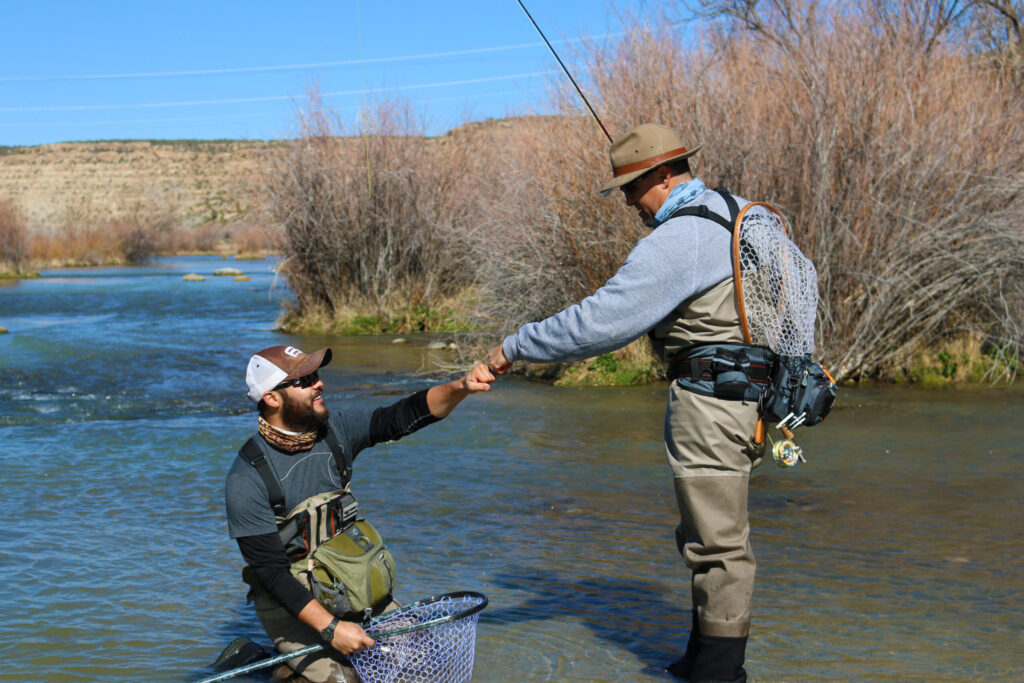
Hunting & Fishing Access

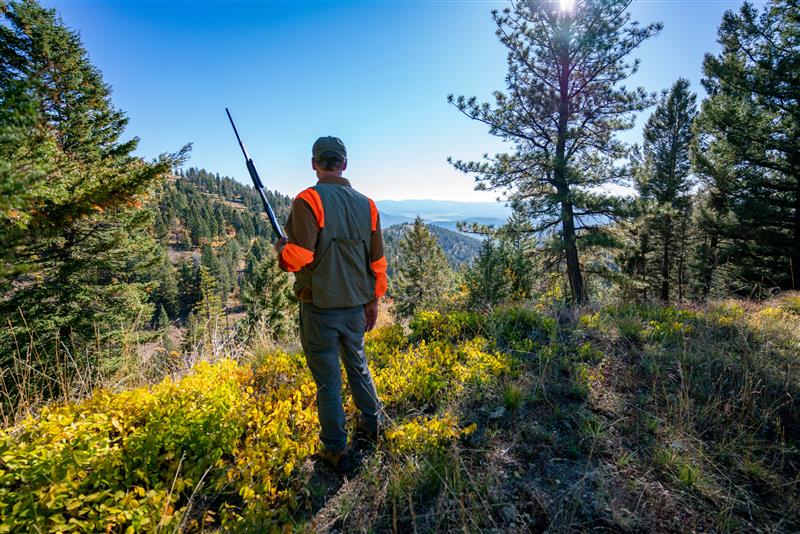
America’s 640 million acres of national public lands provide irreplaceable hunting and fishing opportunities to millions of Americans.

Learn More About Access
What TRCP is Doing

We’re working to safeguard America’s public lands so hunters and anglers always have quality places to pursue their passions.
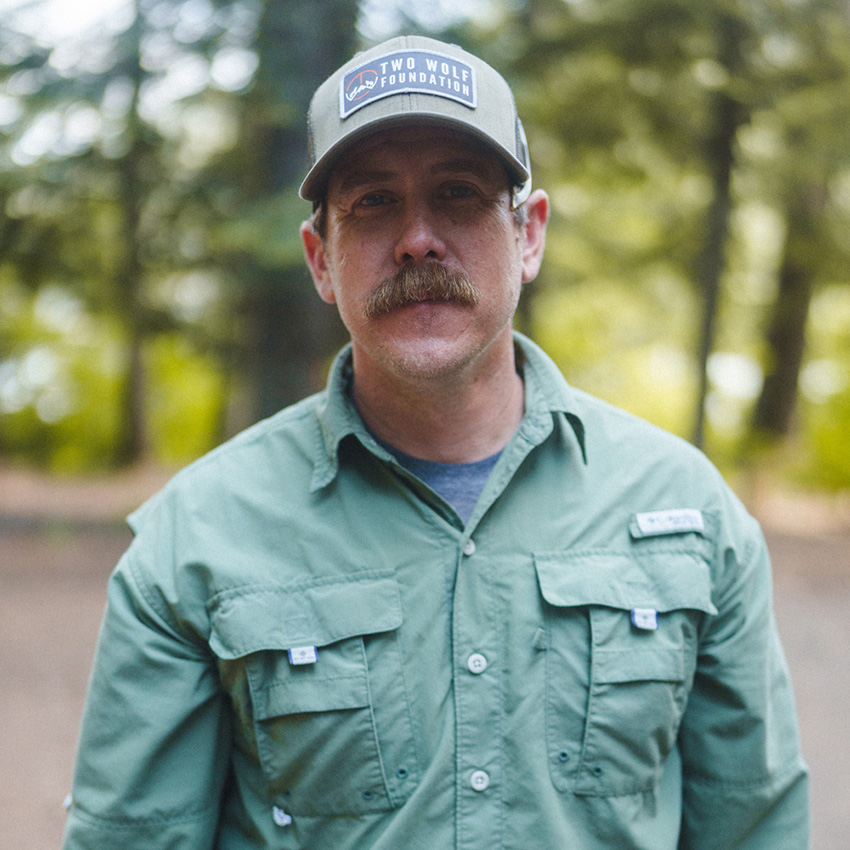
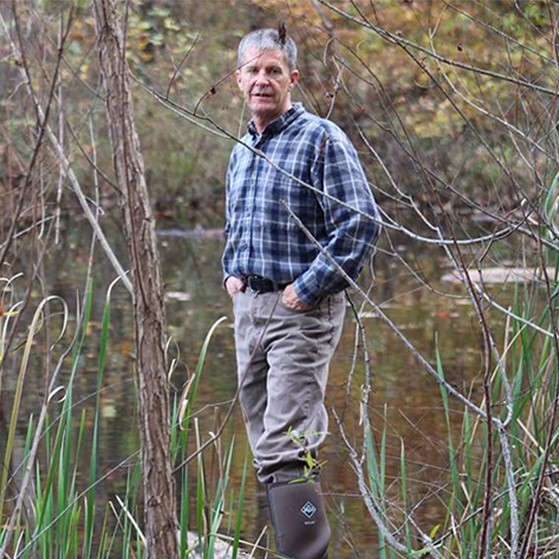
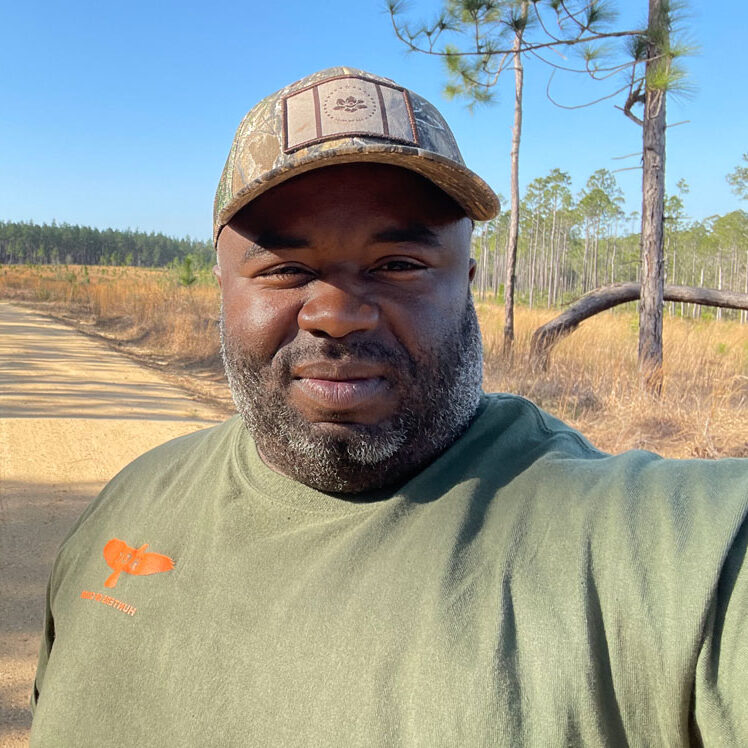
 Brian Flynn, Two Wolf Foundation
How Sportsmen Are Doing It Right

Brian Flynn, Two Wolf Foundation's Story

Following a distinguished career in the U.S. Army, lifelong outdoorsman Brian Flynn returned home from a deployment in Afghanistan and…


Hunting
Why It Matters

Key Issues for America’s Hunters

Your source for the latest policy updates, conservation challenges, and opportunities shaping America’s hunting traditions.

What TRCP is Doing

We’re fighting for meaningful policy changes that benefit wildlife, our waters, and the American landscapes that make our outdoor traditions possible.

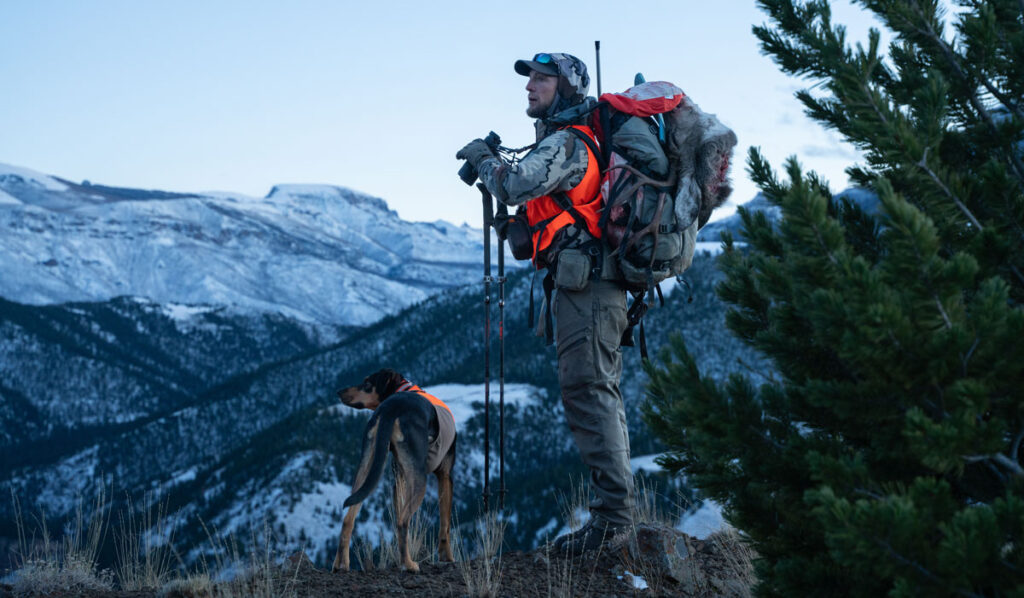
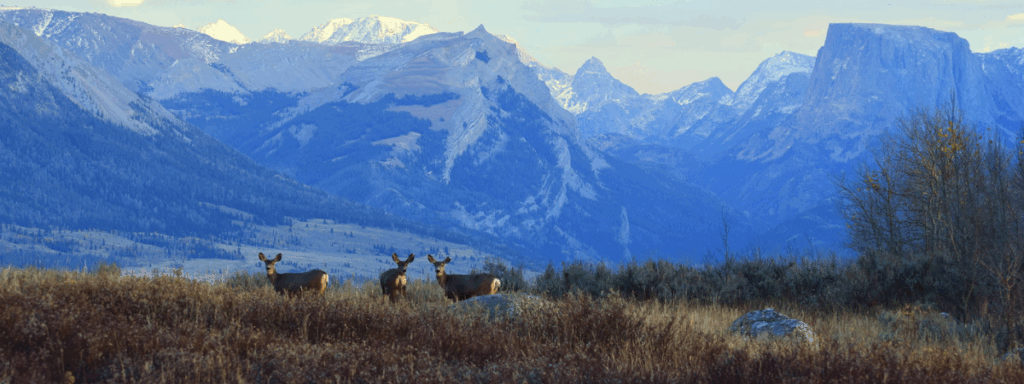
 Ryan Sparks
How Sportsmen Are Doing It Right

Ryan Sparks's Story

TRCP’s “In the Arena” series highlights the individual voices of hunters and anglers who, as Theodore Roosevelt so famously said,…

Fishing
Why It Matters

Key Issues for America’s Anglers

Your source for the latest policy updates, conservation challenges, and opportunities shaping America’s fishing traditions.

What TRCP is Doing

We’re fighting for meaningful policy changes that benefit wildlife, our waters, and the American landscapes that make our outdoor traditions possible.

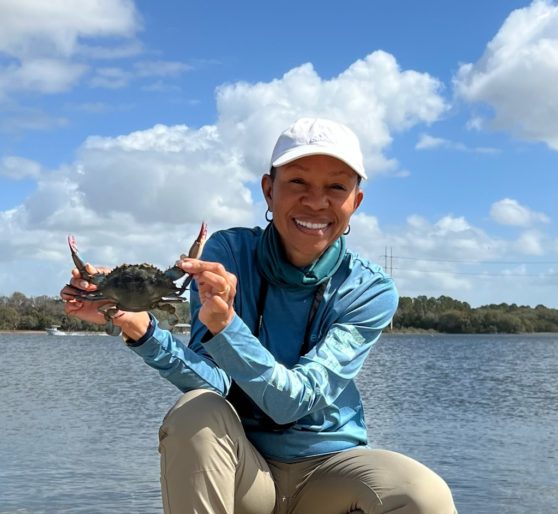
 David Mangum
How Sportsmen Are Doing It Right

David Mangum's Story

Capt. David Mangum is a YETI ambassador and outdoor photographer who utilizes his talents to produce media that inspire a…

Private Land
Why It Matters

Stewardship on America’s private lands

With 70 percent of U.S. lands in private hands and many of our best hunt and fish opportunities occurring there, investing in voluntary conservation on working lands safeguards access, strengthens habitat and water quality, and ensures resilient landscapes.

Learn More
What TRCP is Doing

We champion policies and programs that restore wildlife habitat, improve soil and water health, and keep working lands productive.

 Ward Burton
How Sportsmen are Doing It Right

Ward Burton's Story

Ward Burton’s NASCAR driving career stretched across most of two decades. As an avid sportsman and conservationist, he founded the…

Special Places
Why It Matters

Special Places Worth Protecting

America’s most iconic landscapes provide unmatched habitat and unforgettable days afield. These places sustain wildlife, anchor local economies, and define the hunting and fishing traditions we pass down.

What TRCP is Doing

We’re working to conserve special places that provide world-class habitat and unforgettable opportunities for hunters and anglers.

 Franklin Adams
How Sportsmen Are Doing It Right

Franklin Adams's Story

As a true Gladesman, conservationist, and historian, Capt. Franklin Adams has spent more than six decades championing Everglades restoration efforts…

Habitat & Clean Water
Why It Matters

Healthy Habitat Powers Every Pursuit

All hunting and fishing opportunities depend on quality habitat, from clean water and healthy wetlands to winter and summer habitats and the migration corridors that connect them.

All About Habitat & Clean Water
What TRCP is Doing

We are working to safeguard the habitats that power every hunting and fishing opportunity.

 Alex Harvey
How Sportsmen Are Doing It Right

Alex Harvey's Story

Alex Harvey, founder of Legacy Land Management, is a registered professional forester in Mississippi and Alabama with a Master's degree…

Science
Why It Matters

Science That Guides TRCP

From conserving migration corridors and wetlands to ensuring clean water and resilient landscapes, science provides evidence that turns conservation goals into effective action.

Science for Conservation
What TRCP is Doing

For hunters and anglers, science safeguards the experiences we treasure including resilient big game populations, abundant fish, and wild places that endure changing social landscapes.

Jamelle Ellis
Your Science Expert

Jamelle Ellis's Story

Jamelle Ellis joined the Theodore Roosevelt Conservation Partnership in 2022. Jamelle spent the last three years as an environmental sustainability…

Where We Work
Across the Nation

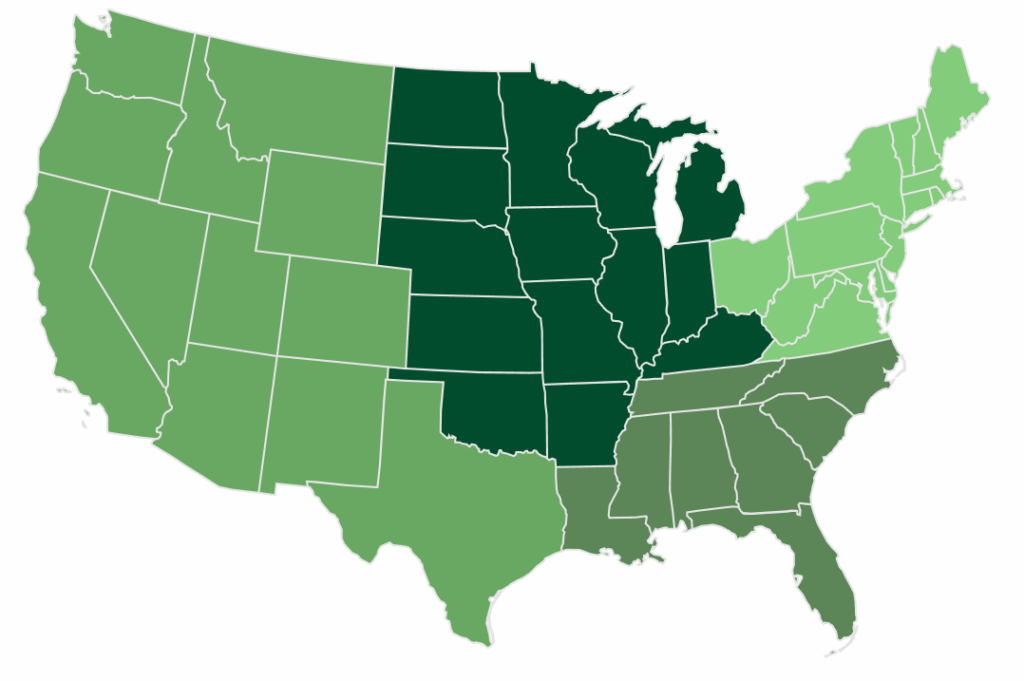
Conservation Across America

TRCP works across the country to ensure hunters and anglers can enjoy healthy fish and wildlife and quality days afield, no matter where they live.

See All Issues
TRCP in Your Region

TRCP works across the country to ensure hunters and anglers can enjoy healthy fish and wildlife and quality days afield, no matter where they live.

Who We Are
Our Mission

To guarantee all Americans quality places to hunt & fish

We unite and amplify our partners’ voices to advance America’s legacy of conservation, habitat, and access.

Our Mission & Values
Our People & Partners
  • Meet the TRCP Team

    Our staff and board members unite and amplify our partners’ voices to advance America’s legacy of conservation, habitat, and access.

    Meet the Team
  • Our Partners

    ‘Partnership’ is in our name. We work with 64 diverse partner groups that represent today’s leading hunting, fishing, and conservation organizations in order to strengthen the sportsman’s voice in Washington, D.C.

    Our Partners
  • Corporate Council

    TRCP’s Corporate Council is made up of diverse corporations that share a common passion for conservation.

    Corporate Council
Our Organization

Looking for more information?

Explore our latest news, policy updates, and conservation resources to get the information you need.

Giving
How You Can Help

To guarantee all Americans quality places to hunt & fish

Your tax-deductible donation will support TRCP's mission, now and into the future.

DONATE
Special Ways to support trcp
  • Capital Conservation Awards Dinner

    The CCAD is one of Washington's best-attended conservation celebrations, featuring dinner, cocktails, and a silent auction.

    Learn More
  • Step Into the Arena

    Help us ensure that our treasured wild habitats and game remain intact for the next generation to enjoy – lend your support to the TRCP’s efforts today!

    Donate
  • Roosevelt Roast

    TRCP has partnered with Afuera Coffee Co. to further our commitment to conservation.

    Learn More
More donation options

Find the best way for you to lend your support. Join one of TRCP’s donor circles for special invitations, premium offerings from outdoor retailers, and more exclusive benefits. Take control of your legacy with planned giving or contribute to special conservation funds.

Other Ways To Give
News
In the Spotlight

In the Arena: Josh Warren

For many hunters and anglers, the connection to conservation begins close to home — in the woods behind the house, along a familiar stretch of river, or through time spent learning from mentors and family. That sense of place is something Joshua Warren carries with him, both personally and professionally. As Director of Marketing at WorkSharp, Josh represents a company rooted in Ashland, Oregon, a community defined by its access to public lands and wild country.

Read More

Stay Informed

Receive our newsletter, the Roosevelt Report, right in your inbox. Never miss the latest news in conservation issues.

by:

posted in: Energy

December 19, 2025

TRCP’s Madeleine West Brings Sporting Perspective to Western Governors’ Association Panel

VP of Western Conservation spoke on responsible energy siting. Watch the full panel discussion below.

This week, the Western Governors’ Association held the third workshop of Governor Spencer Cox’s Chair initiative, Energy Superabundance: Unlocking Prosperity in the West in Pheonix, Arizona.

Arizona Governor Katie Hobbs kicked off the workshop which offered a series of expert panels comprised of policymakers, conservationists, and industry leaders from across the West. Topics included the West’s growing energy demands and how these challenges can be addressed through streamlined permitting and siting processes, as well as the expansion of emerging energy technologies.

Madeleine West, TRCP’s VP of Western Conservation, participated in the Siting Considerations for Energy Development panel which discussed the challenges of siting energy infrastructure and considered strategies to improve responsible energy siting outcomes. 

“We recognize we need a diverse source of energy to meet our seemingly unquenchable energy needs in this country,” said West. “But we believe that can be done by also conserving the places where we love to hunt and fish and having sustainable fish and wildlife populations.”

Watch the full panel discussion below.

West emphasized that TRCP understands a diversity of energy sources is needed to meet our growing energy needs and reduce carbon emissions. However, many of these options require vast amounts of land, exclusionary fencing, and temporary or permanent disturbance that can impact wildlife directly, as well as sensitive habitats and working agricultural lands. Responsible siting policies must be in place that facilitate expanded deployment of diverse energy resources, while also guaranteeing quality places to hunt and fish

Joining West on the panel was Jason Baran, director of state government affairs for the Salt River Project; Kathryn Leonard, Arizona state historic preservation officer for the Arizona State Historic Preservation Office; Marc Reyes, director of interconnection and transmission for Fervo Energy; and Tom Vinson, vice president of policy and regulatory affairs for the American Clean Power Association.

West highlighted that fish and wildlife drive a robust and growing outdoor recreation economy, the benefits of which are driven largely in rural communities. These communities are also where much of the new energy infrastructure is being proposed, creating the need to support economic growth from energy development without sacrificing existing wildlife and land-driven economies.    

TRCP is working with partners in the hunt-fish community to build scientifically supported policy recommendations to ensure hunting and fishing traditions and growing outdoor recreation economies continue to thrive as energy demands are met.

This includes the Energy Development & Land Use: Fish & Wildlife Platform developed by TRCP and 21 other hunting, fishing, and conservation organizations; the Wildlife for the 21st Century, Volume VII (W-21) by the American Wildlife Conservation Partners, the nation’s top 52 sporting-conservation organizations; the Critical Minerals: A Hunting and Fishing Perspective report, developed by Trout Unlimited, Backcountry Hunters & Anglers, The Nature Conservancy, National Wildlife Federation, and the TRCP; and TRCP’s solar siting guidelines to summarize the emerging science to inform the siting of solar energy facilities in a manner that avoids, minimizes, and mitigates impacts to big game and their habitats.

Do you have any thoughts on this post?

XHTML: You can use these tags: <a href="" title=""> <abbr title=""> <acronym title=""> <b> <blockquote cite=""> <cite> <code> <del datetime=""> <em> <i> <q cite=""> <s> <strike> <strong>

Comments must be under 1000 characters.

by:

posted in: Energy

August 26, 2025

Data Centers, Energy, and Water: What Hunters and Anglers Need to Know

Exploring how digital infrastructure shapes the natural systems hunters and anglers depend on

The backbone of today’s digital world is not something most hunters and anglers think about when they log onto a mapping app, stream a video, or upload photos from the field. But behind every click sits a vast network of data centers – massive facilities filled with computer systems, servers, and cooling equipment that run 24/7 to power online services, cloud storage, and emerging technologies like artificial intelligence (AI). You might have heard about one being built near you. 

And like any form of infrastructure, these facilities come with costs. Chief among them are growing demands for electricity and water – resources that are also vital to sustaining the fish, wildlife, and habitats hunters and anglers depend on. 

Growth and Scale

Across the U.S., between 3,000 and 5,400 data centers are already operating, with new facilities rapidly being built to meet the booming demand for cloud computing, AI, and digital services. The United States hosts more data centers than any other country, and projections show their electricity use could rise from 17 gigawatts in 2022 to as much as 130 gigawatts by 2030. For context, that’s more than 100 times the output of a single large nuclear power plant. 

Water use is just as significant. Cooling massive banks of servers requires millions of gallons per day in some locations, while additional indirect water demand comes from the power plants that generate electricity for these facilities. In arid states like Utah and New Mexico, these demands are sparking debates over whether scarce water should support fast-growing tech hubs or be reserved for communities, agriculture, and wildlife habitat. 

Why This Matters for Fish and Wildlife

The connection between digital infrastructure and conservation may not be obvious at first, but the ripple effects are real. 

Data centers place demands on three linked resources:  

  • Electricity: Data centers require enormous amounts of power to operate and meeting this need puts pressure on local energy grids and drives the increased demand for new energy development, whether oil and gas, coal, wind, solar, or other sources, which in turn can lead to increased development and fragmentation on the landscape. 
  • Water: Water is used directly for cooling and indirectly in power generation. This dual use can be especially challenging in arid states where every drop counts. 
  • Habitat: Construction of new facilities, transmission lines, and cooling infrastructure often requires large footprints that can fragment or displace wildlife habitat. 

One notable example comes from New Mexico, where Facebook secured a deal guaranteeing access to 4.5 million gallons of water per day for a new data center campus. While local officials welcomed the economic boost, the deal sparked questions about long-term water availability in a drought-prone region. 

Balancing Growth and Conservation

The digital economy is here to stay, and the demand for data will only increase. But growth doesn’t have to come at the expense of fish, wildlife, and clean water.  

The Theodore Roosevelt Conservation Partnership is committed to working with diverse stakeholders to support energy development approaches that avoid and minimize impacts to the nation’s fish and wildlife resources to align with its Energy Platform such as: 

  • Smarter Siting: Prioritizing development on already disturbed lands rather than intact habitats. 
  • Water Stewardship: Using non-potable water, closed-loop cooling, and transparent reporting to reduce stress on drought-prone watersheds. 
  • Wildlife Safeguards: Incorporating habitat data and migration mapping into planning decisions so that critical fish and wildlife resources are conserved. 

Looking Ahead

The growth of data centers is part of a broader digital transformation that shows no sign of slowing. At the same time, water scarcity and energy demand are critical challenges in many parts of the country. As these facilities continue to expand, decisions about how they are sited, powered, and cooled will play an important role in balancing economic growth with long-term resource sustainability. 

By understanding how data centers function and the pressures they create, hunters, anglers, and other conservation-minded citizens can better appreciate the connections between digital infrastructure and the natural systems we all rely on. 


Learn more about TRCP’s work on energy development and critical minerals production, including how TRCP is working to ensure this growth avoids and minimizes impacts on hunter and angler access and opportunity.  Click HERE.

by:

posted in: Energy

May 23, 2025

Tracking the Budget Bill: What Hunters and Anglers Need to Know

An overview of the budget reconciliation bill and its implications for public lands, access, and conservation.

On Wednesday night, the House passed—by a 215-214 vote—the budget reconciliation bill (H.R. 1) that would advance President Trump’s fiscal and domestic policy agenda. For months, Congressional Republicans have been developing the package to implement the party’s agenda, with an emphasis on cutting government spending and generating additional revenue to reauthorize and extend the Tax Cuts and Jobs Act of 2017, along with defense and immigration related spending.  Now heading to the Senate, the bill is titled the “One Big Beautiful Bill Act.” 

As hunters, anglers, and conservationists cheer the decision by lawmakers to remove an amendment to the House budget reconciliation bill that would have sold off some public lands in Nevada and Utah, it’s important to note that this massive reconciliation bill also contains several other provisions added by the House Committee on Natural Resources that could impact fish and wildlife habitat and public access.  

Here’s what you need to know about what stayed in, and what fell out of the Natural Resources portion of the House reconciliation bill:


Removed: Public Land Sales in NV and UT

An amendment successfully added to the bill during the HNRC markup would have authorized the sale of about 500,000 acres of federal public land across Nevada and Utah. Proponents of the amendment argue that the measure was needed to generate revenue and facilitate housing and local infrastructure development. By pursuing this through budget reconciliation, these lands would have been sold without a transparent public process and funds generated would not have been reinvested in conservation and access. 

Hunters and anglers spoke up and made it clear to members of Congress that reconciliation is not the proper place for land sale discussions. Several House Republicans, including Montana Representatives Ryan Zinke and Troy Downing and Idaho Representative Mike Simpson, vocally opposed language that would sell or swap large scale swaths of public lands. 

Prior to moving to a floor vote, House leadership and HNRC leadership removed the amendment from the bill, lifting any sale of public land from the House bill. The move is a major win for the hunting, fishing, and outdoor recreation community, and TRPC will stay vigilant to get in front of any potential land sale provisions that could emerge from the Senate. Meanwhile, we will continue to work with members of Congress to develop long-term solutions to land management challenges faced in Western communities  

Removed: Forced Development of the Ambler Industrial Road in Alaska’s Brooks Range

In addition to removing provisions that would sell public land, House leadership removed the section of the bill that would have forced development of the proposed Ambler Industrial Road in Alaska’s Brooks Range.  

The Ambler Road would cut directly across hundreds of miles of our nation’s most wild and remote hunting and fishing grounds. The fish and wildlife resources in this vast region – including one of the largest remaining caribou herds in North America and world-renowned sheefish fisheries – support 66 rural communities as well as a collective of guides, outfitters, transporters, air taxi services, and other small businesses.  The proposed 211-mile Ambler Industrial Road would require nearly 3,000 stream crossings and span 11 major rivers, threatening fisheries, subsistence resources, and the region’s outdoor economy. 

By pursuing the Ambler Road permit through budget reconciliation, this impactful decision could have advanced without a transparent public process. In every opportunity for public comment on the proposed Ambler Industrial Road, the hunting and fishing community has stood up and spoken out against this project that risks the wild and remote qualities of the Brooks Range. The TRCP is a member of the Hunters & Anglers for the Brooks Range, a coalition of 65 groups and brands including impacted local businesses and 19,400 individuals engaged in maintaining a wild Brooks Range. We are encouraged by the removal of this provision from the House-passed bill and will remain engaged to prevent and oppose any efforts to insert similar language in the Senate reconciliation package.  

Still in play: Boundary Waters Mining Leases

A provision of the Committee-approved bill would reinstate leases for Twin Metals Minnesota, a subsidiary of the Chilean corporation, Antofagasta PLC, to conduct copper-nickel sulfide mining activities directly upstream from the Boundary Waters Canoe Area Wilderness in Superior National Forest, threatening fish, wildlife, and water quality in the country’s most visited wilderness area.  

Each year, thousands of hunters and anglers visit the Boundary Waters, which contains over 2,000 pristine, interconnected lakes and supports large populations of loons, moose, walleye, trout, deer, ruffed grouse, fishers, beavers, sturgeon, and more. However, these species, this ecosystem, and the local economy are put at risk by sulfide mining drainage that increases acidity and leaches toxic metals in the watershed, endangering water quality and aquatic life.    

This provision was retained in the House-passed H.R. 1. TRCP will work to see that it is removed from the final bill, most likely in the Senate where it could be removed by the Senate parliamentarian under the Byrd Rule.     

Removed: Roll Back of BLM Resource Management Plans

House leadership also removed policy language that would have prohibited the Bureau of Land Management (BLM) from implementing, administering, or enforcing the following public land Resource Management Plans (RMPs):  

  • Rock Springs Field Office, Wyoming  
  • Buffalo Field Office, Wyoming  
  • Miles City Field Office, Montana  
  • North Dakota  
  • Colorado River Valley Field Office and Grand Junction Field Office, Colorado 

These plans are the product of extensive public engagement, and in some cases, state and locally driven negotiations among the variety of interests that are supported by multiple-use BLM lands. They also in some cases are updating management plans that are decades old.  

The TRCP is encouraged by the removal of this proposal and further emphasizes that the Bureau of Land Management has many administrative tools available to improve implementation of completed land use plans and has the discretion to surgically amend or revise those plans, which is preferrable to sweeping legislative action.    

Now heading to the Senate, the bill is titled the “One Big Beautiful Bill Act.” The Senate may opt to draft their own competing reconciliation bill. If so, the two products would eventually need to be combined via conference or be passed again through both chambers. The TRCP is closely monitoring this bill and will ensure that hunters and anglers have a seat at the table to speak for conservation and access.  We remain committed to helping hunters and anglers understand and engage in the process to maintain fish and wildlife habitat, and public access.  

In the face of gridlock, conservation is, and should be, a shared priority regardless of party affiliation or ideology. TRCP is your resource for all things conservation. In our weekly Roosevelt Report, you’ll receive the latest news on budget reconciliation as well as emerging habitat threats, legislation and proposals on the move, public land access solutions we’re spearheading, and opportunities for hunters and anglers to take action. Sign up now


Hunters and anglers have always been the unsung heroes of conservation in America, quietly paying it forward every time we buy a license, a box of ammo, or a tank of boat fuel. We know you’re not satisfied with simply going hunting or fishing and then going home—so go the extra distance. You can take action on the conservation issues that matter right now. Click here to get started.

by:

posted in: Energy

May 16, 2025

What Hunters and Anglers Need to Know About Budget Reconciliation

An overview of the budget reconciliation process and its implications for public lands, access, and conservation.

Last week, the House Committee on Natural Resources (HNRC) approved its portion of an emerging budget reconciliation package. For months, Congressional Republicans have been developing the package to implement the party’s domestic policy agenda, with an emphasis on cutting government spending and generating additional revenue to reauthorize and extend the Tax Cuts and Jobs Act of 2017, along with defense and immigration related spending. 

According to HNRC Chair Bruce Westerman (R-Ark.), the natural resources portion of the budget reconciliation package will generate an estimated $18.5 billion in revenue and savings by mandating increased oil, gas, coal, and leases on public lands; reducing environmental regulations; and including a last-minute amendment to sell hundreds of thousands of acres of public lands in Utah and Nevada.  

The TRCP has been tracking budget reconciliation legislation and remains committed to helping hunters and anglers understand and engage in the process to maintain fish and wildlife habitat, public access and public commenting opportunities.  

Here’s what you need to know about the package, how it is developing as it moves through Congress, and how it will impact hunting and fishing across the country. 

In 1974, Congress passed the Congressional Budget Act. This Act conveys the authority to set and enforce spending and revenue blueprints through a process called budget reconciliation. Under this process, Congress adopts a concurrent resolution that instructs House and Senate committees to meet assigned budget targets. Committees then develop legislation according to these directives, and the legislation from each committee is combined into a “budget reconciliation bill.” 

In statute, budget reconciliation bills are restricted by the Byrd Rule, which prevents the inclusion of policy provisions that don’t change the level of spending or revenues, or that only create “merely incidental” changes to spending or revenues. The rule also prevents provisions that increase deficits beyond the “reconciliation window,” which typically lasts ten years.  

Despite these restrictions, reconciliation bills are often looked at as potential vehicles to advance politically controversial provisions because this type of legislation carries special status in the Senate. Whereas most legislation requires 60 votes in the Senate to avoid a filibuster, budget reconciliation bills are considered under expedited procedures and allow passage with only a simple majority of 51. As a result, the reconciliation process has been used as the vehicle for several landmark packages when one party controls both chambers of Congress and the White House, such as President Trump’s Tax Cuts and Jobs Act and President Biden’s American Rescue Plan Act and Inflation Reduction Act. 

The House and Senate passed a concurrent budget resolution on April 10, establishing spending and revenue targets for each committee. Because the reconciliation package includes tax provisions, the House is responsible for initiating legislation, which has begun to emerge from the committee process. The Committee on Natural Resources is the eighth committee to mark up and approve its reconciliation legislation.  

Earlier today, each committee’s recommendations were set to be approved by the House Budget Committee. However, the reconciliation text was ultimately rejected on a 16-21 vote over objections from the several Republican members. They opposed the current version of the bill due to their concerns that the bill does not cut spending far enough. The Budget Committee will work through the weekend to resolve these issues and will likely look to vote again early next week. If approved by the Budget Committee, the bill will then be sent to the House floor following another potential set of amendments in the House Rules Committee, where it can be passed with a simple majority. 

Committees in the Senate may opt to create their own versions that differ from the House, although the Senate is allowed to pass the House version without doing so. Once the Senate version reaches the floor for consideration, senators can use a point of order to reject provisions which they believe violate the Byrd Rule. The Senate Parliamentarian, a nonpartisan officer, will rule on whether each questioned provision is in violation of the rule, a ruling that can be waived with a sixty-vote majority. Republicans currently have 53 senators, meaning that provisions likely must remain within the boundaries of the Byrd Rule to pass. After this process concludes, the full Senate version can pass with only a simple majority. 

After both bodies pass reconciliation legislation, the Senate and House must align their bills, either through a joint conference committee or through the exchange of amendments. The compromise version must again pass both the House and Senate before being signed by the President. House Republicans aim to complete this process by Memorial Day, but some Senate Republicans note that negotiations could take longer. 

Republicans are currently planning to address the debt limit through the budget reconciliation process. The Treasury Department recently announced that the “X Date” (the date by when the U.S. Government would default on its debt) will likely come some time in August. This means that Congress must act before then to increase or suspend the debt limit, placing a definitive deadline for reconciliation bills for as long as they remain linked with the debt limit.  

Public Land Sales in NV and UT 

An amendment successfully added to the bill would authorize the sale of roughly 460,000 acres of federal public land across Nevada and Utah. Given the nature of the amendment text, it is difficult to analyze exactly how many acres would be for sale. However, in Nevada, it’s estimated that the amendment would order the sale of 65,000 acres in Clark County, 16,000 acres in Washoe County, 12,000 acres in Lyon County, and 350,000 acres in Pershing County (including land exchanges); in addition to 11,000 acres across almost 70 parcels in Utah. Proponents of the amendment argue that the measure will generate revenue and facilitate housing and local infrastructure development.  

Following months of advocacy from hunters, anglers, and outdoor recreationists, the HNRC-released text originally omitted any provisions related to public land sales. The amendment was introduced late in the markup following more than 12 hours of debate. In addition to forcing land sales, the amendment also skirts the usual process of public input into any proposed land sales and fails to direct revenues from Bureau of Land Management land sales for the purchase of public access or habitat—the amendment would instead send revenues directly to the general treasury for other purposes.  

The TRCP agrees that there is room for discussion around how to facilitate small, purposeful exchanges and disposals that may facilitate affordable housing or other uses that are in the public interest and supported by impacted, local interests. We are willing to work in good faith to address challenges that communities adjacent to federal lands may face. But our stance on this approach is clear: it is the wrong approach to force this sale through a partisan budget reconciliation process in Congress that eliminates opportunities for public engagement and in a fashion that would NOT deposit any revenues from land sales back into conservation and access (as would be done through a different process).  

“There are well-established criteria and processes for disposing of public lands, and reconciliation legislation is not the proper venue for such decisions,” said Joel Pedersen, president and CEO of the Theodore Roosevelt Conservation Partnership. “Any proposed sale of public lands must involve a transparent public process, all transactions should serve the public interest, and proceeds should be reinvested in new public land access and habitat conservation.” 

Boundary Waters Conservation 

A provision of the Committee-approved bill would reinstate leases for Twin Metals Minnesota, a subsidiary of the Chilean corporation, Antofagasta PLC, to conduct copper-nickel sulfide mining activities directly upstream form the Boundary Waters Canoe Area Wilderness in Superior National Forest, threatening fish, wildlife, and water quality in the country’s most visited wilderness area. 

Each year, thousands of hunters and anglers visit the Boundary Waters, which contains over 2,000 pristine, interconnected lakes and supports large populations of loons, moose, walleye, trout, deer, ruffed grouse, fishers, beavers, sturgeons, and more. However, these species, this ecosystem, and the local economy are put at risk by sulfide mining drainage that increases acidity and leaches toxic metals in the watershed, endangering water quality and aquatic life.   

The TRCP is a partner organization of Sportsmen for the Boundary Waters, which opposes the Twin Metals mine.

Ambler Road Development 

The bill would require the Department of the Interior to issue permits, licenses, leases, and certificates to allow the construction of the Ambler Industrial Road. This road cuts directly across Alaska’s Brooks Range, which covers our nation’s most wild and remote hunting and fishing grounds. The fish and wildlife resources in this vast region – including one of the largest remaining caribou herds in North America and world-renowned sheefish fisheries – support 66 rural communities as well as a collective of guides, outfitters, transporters, air taxi services, and other small businesses.  

The proposed 211-mile Ambler Industrial Road would require nearly 3,000 stream crossings and span 11 major rivers, threatening fisheries, subsistence resources, and the region’s outdoor economy. The bill establishes a fixed annual rental fee of $500,000 for the road’s right-of-way from fiscal years 2025 through 2034.  

Further, the Ambler industrial mining road would not strengthen U.S. supply chains of critical minerals, but it could strengthen the supply chains of our adversaries.The road would facilitate the sale of Alaska’s mineral resources to foreign processors largely in southeast Asia and China. The TRCP is a member of the Hunters & Anglers for the Brooks Range, a coalition of over 14,000 individuals and 65 groups and brands, that opposes the Ambler Industrial Road.   

Rolling Back BLM Resource Management Plans 

If the House bill were to become law, policy language included would prohibit the Bureau of Land Management (BLM) from implementing, administering, or enforcing the following Records of Decision and Approved Resource Management Plans (RMPs): 

  • Rock Springs Field Office, Wyoming 
  • Buffalo Field Office, Wyoming 
  • Miles City Field Office, Montana 
  • North Dakota 
  • Colorado River Valley Field Office and Grand Junction Field Office 

These plans are the product of extensive public engagement, and in some cases, state and locally driven negotiations among the variety of interests that are supported by multiple-use BLM lands. They also in some cases are updating management plans that are decades old. Hunters and anglers did not get everything that we wanted in these plans, nor did other interests at the table. If members of Congress have concerns about the content of these plans, the Bureau of Land Management has many administrative tools available to improve implementation of completed land use plans and has the discretion to surgically amend or revise those plans, which is preferrable to sweeping legislative action.   

Mandating Lease Sales for Oil, Gas, Mineral, and Coal on Public Lands 

Multiple provisions would mandate lease sales for oil, gas, mineral, and coal extraction on public lands. These include at least four lease sales in the Arctic National Wildlife Refuge; quarterly onshore oil and gas lease sales in Wyoming, New Mexico, Colorado, Utah, Montana, North Dakota, Oklahoma, Nevada, and Alaska; at least 30 offshore lease sales in the Gulf; at least six lease sales in Cook Inlet, Alaska; and lease sales every other year in the National Petroleum Reserve in Alaska. 

Additionally, the legislation mandates that the Department of the Interior make available at least 4,000,000 acres of federal public lands for leases on known coal reserves. It also lowers the royalty rates paid to the government by developers for oil and gas extraction, which some argue will spur new lease sales and thereby increased revenue. The Inflation Reduction Act of 2022 increased the minimum royalty rate from 12.5% to 16.67%, so this action would undo that increase. Even at the higher rate, oil and gas royalties for production on federal land are still much lower than on most non-federal lands, such as private lands and state trust lands.   

National Environmental Policy Act Process Changes 

Certain permitting reform provisions were also included. The bill would add an opt-in fee for project sponsors seeking federal NEPA review, including for oil, gas, coal, and mineral projects pursuing permits on federal lands. The fee would allow sponsors to pay 125% of anticipated costs of the environmental review, limiting environmental assessments to six months and environmental impact statements to one year. The fee would also make review assessments and statements exempt from administrative or judicial review, preventing advocates from challenging key elements of permitting decisions in court.  

Proponents have claimed that the provision would streamline the permit process and generate $1 billion in additional revenue, while critics have described the provision as a pay-for-play scheme, limiting the ability of the public to challenge projects that may have outsized, but under-reviewed environmental impacts. 

Several of the provisions above include substantive policy proposals with seemingly “merely incidental” budgetary impacts, meaning that they could be outside the bounds of what is allowed by the Byrd Rule. It is possible, if not likely, that much of what passed the House Natural Resources committee will be heavily scrutinized on the Senate side to meet the 51-vote threshold. The TRCP is closely monitoring these bills and will ensure that hunters and anglers have a seat at the table to speak up for conservation and access. 

In the face of gridlock, conservation is, and should be, a shared priority regardless of party affiliation or ideology. TRCP is your resource for all things conservation. In our weekly Roosevelt Report, you’ll receive the latest news on budget reconciliation as well as emerging habitat threats, legislation and proposals on the move, public land access solutions we’re spearheading, and opportunities for hunters and anglers to take action. Sign up now


Hunters and anglers have always been the unsung heroes of conservation in America, quietly paying it forward every time we buy a license, a box of ammo, or a tank of boat fuel. We know you’re not satisfied with simply going hunting or fishing and then going home—so go the extra distance. You can take action on the conservation issues that matter right now. Click here to get started.

by:

posted in: Energy

March 26, 2025

Wildlife for the 21st Century: A Policy Briefing to Safeguard Our Outdoor Heritage

On March 25, 2025, TRCP joined conservation leaders and policymakers for a crucial briefing on the most pressing challenges in wildlife conservation and outdoor access 

Every four years, the American Wildlife Conservation Partners (AWCP), a coalition of 52 leading hunting and wildlife conservation organizations, releases Wildlife for the 21st Century (W-21)—a comprehensive set of recommendations aimed at ensuring a thriving future for America’s wildlife and outdoor traditions. These recommendations serve as a guiding framework for policymakers, addressing the most pressing challenges in wildlife conservation and outdoor access while offering actionable solutions. 

A Blueprint for the Future of Conservation 

The latest edition, Wildlife for the 21st Century, Volume VII, represents over a year of dedicated work by AWCP partners. It identifies strategic opportunities to enhance wildlife conservation, sustain public access to natural spaces, and protect America’s cherished outdoor traditions. The document is designed to help policymakers make informed decisions that will shape the conservation landscape for the next four years. You can access Wildlife for the 21st Century, Volume VII HERE 

A Critical Briefing on Capitol Hill 

On March 25, 2025, TRCP joined key conservation leaders and policymakers in the U.S. Capitol Visitor Center for a crucial briefing on W-21. Hosted by the Congressional Sportsmen’s Foundation (CSF) and sponsored by leading conservation organizations—including the Boone and Crockett Club, Delta Waterfowl, Ducks Unlimited, Pheasants/Quail Forever, Rocky Mountain Elk Foundation, Theodore Roosevelt Conservation Partnership, and Wildlife Mississippi—the event provided a platform to discuss and advocate for the commonsense recommendations outlined in W-21. 

“We extend our sincere gratitude to the Congressional Sportsmen’s Foundation for hosting this important event and to all the sponsoring organizations and attendees for their unwavering commitment to conservation,” said Joel Webster, chief conservation officer at the Theodore Roosevelt Conservation Partnership and vice chair of AWCP. “By working together, we can ensure that America’s lands, waters, and wildlife continue to thrive for the benefit of hunters, anglers, conservationists, and outdoor enthusiasts nationwide.” 

The briefing featured insights from some of the foremost voices in conservation policy and highlighted critical policy priorities, focusing on how sportsmen and women, conservationists, and policymakers can work together to ensure healthy wildlife populations, protect vital habitats, and promote responsible land and water stewardship across the nation. 

The Wildlife for the 21st Century policy recommendations serve as a vital tool for shaping the future of wildlife conservation and outdoor recreation in the United States. As we move forward, it is essential that decision-makers embrace these strategies to safeguard our nation’s rich outdoor heritage for generations to come. 

You can find a copy of Wildlife for the 21st Century, Volume 7 HERE.

Top photo by USDA


The TRCP is your resource for all things conservation. In our weekly Roosevelt Report, you’ll receive the latest news on emerging habitat threats, legislation and proposals on the move, public land access solutions we’re spearheading, and opportunities for hunters and anglers to take action. Sign up now.

HOW YOU CAN HELP

TRCP has partnered with Afuera Coffee Co. to further our commitment to conservation. $4 from each bag is donated to the TRCP, to help continue our efforts of safeguarding critical habitats, productive hunting grounds, and favorite fishing holes for future generations.

Learn More
Subscribe


You have Successfully Subscribed!

You have Successfully Subscribed!

You have Successfully Subscribed!

You have Successfully Subscribed!

You have Successfully Subscribed!