Our Issues
Public Lands
Why It Matters

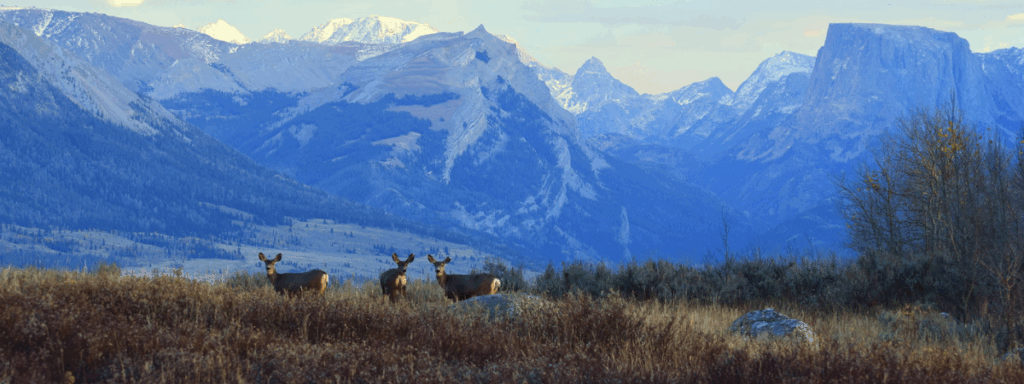
Hunting & Fishing Access

America’s 640 million acres of national public lands provide irreplaceable hunting and fishing opportunities to millions of Americans.

Learn More About Access
What TRCP is Doing

We’re working to safeguard America’s public lands so hunters and anglers always have quality places to pursue their passions.
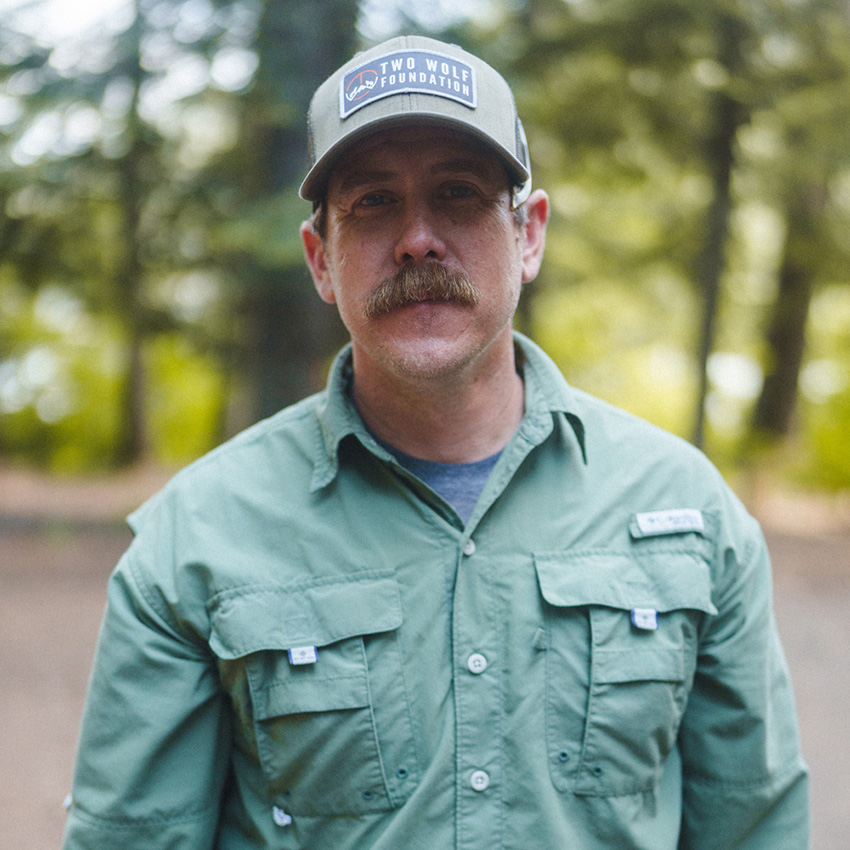
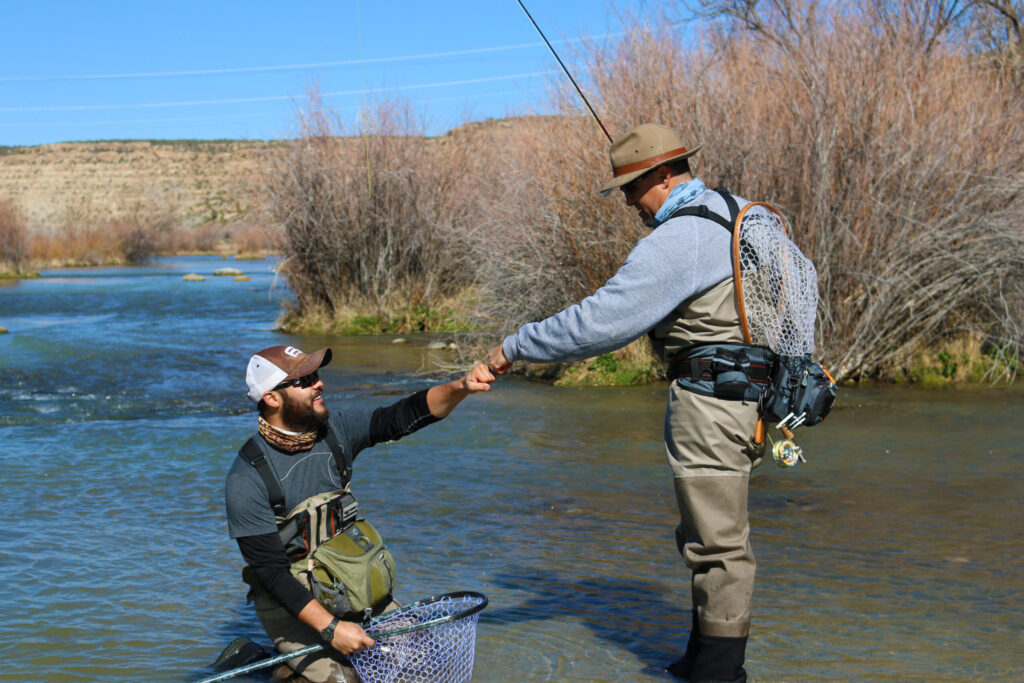
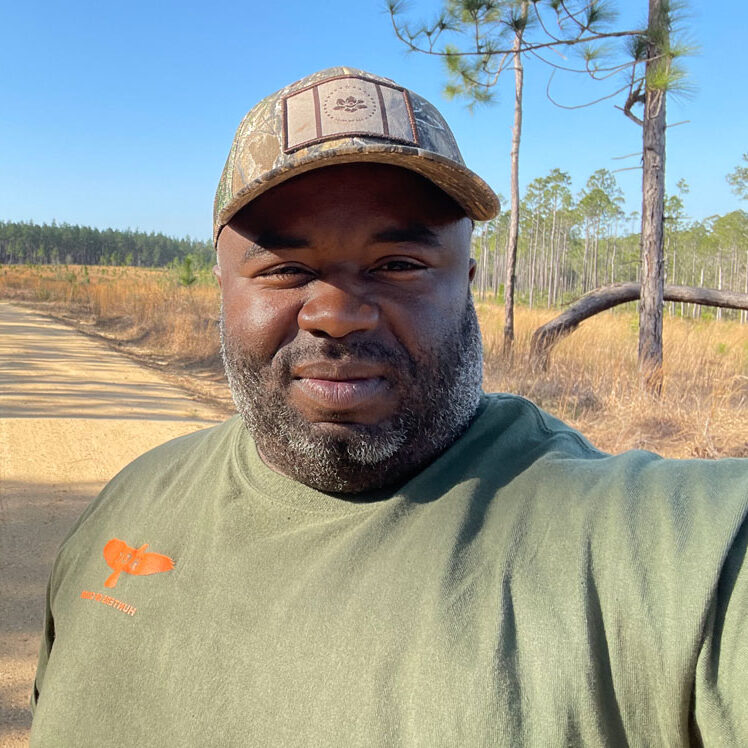
 Brian Flynn, Two Wolf Foundation
How Sportsmen Are Doing It Right

Brian Flynn, Two Wolf Foundation's Story

Following a distinguished career in the U.S. Army, lifelong outdoorsman Brian Flynn returned home from a deployment in Afghanistan and…

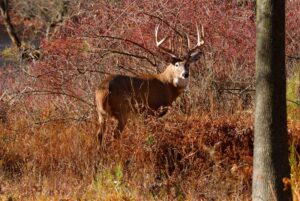
Hunting
Why It Matters

Key Issues for America’s Hunters

Your source for the latest policy updates, conservation challenges, and opportunities shaping America’s hunting traditions.

What TRCP is Doing

We’re fighting for meaningful policy changes that benefit wildlife, our waters, and the American landscapes that make our outdoor traditions possible.

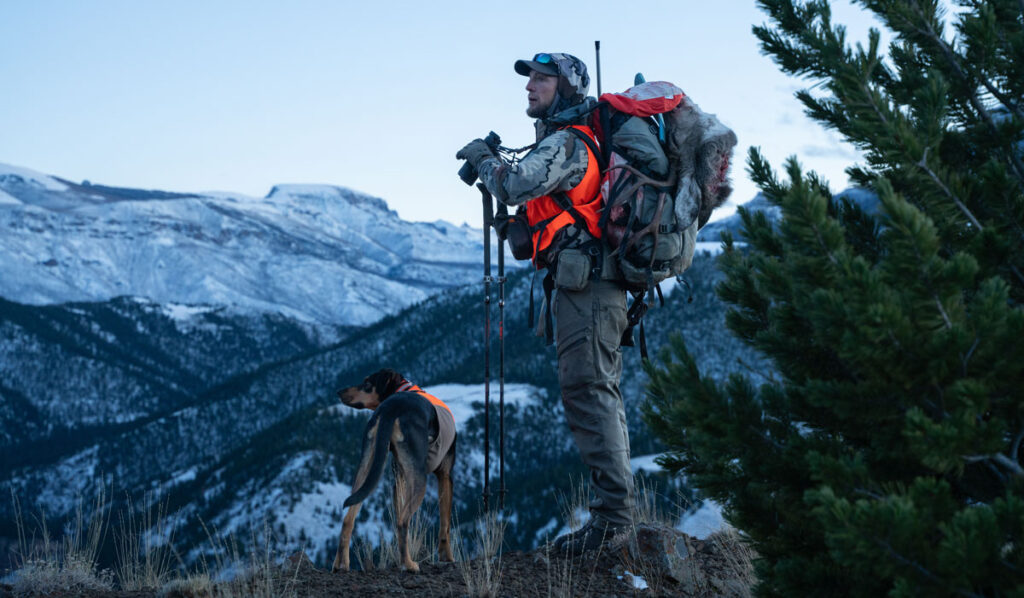
 Ryan Sparks
How Sportsmen Are Doing It Right

Ryan Sparks's Story

TRCP’s “In the Arena” series highlights the individual voices of hunters and anglers who, as Theodore Roosevelt so famously said,…

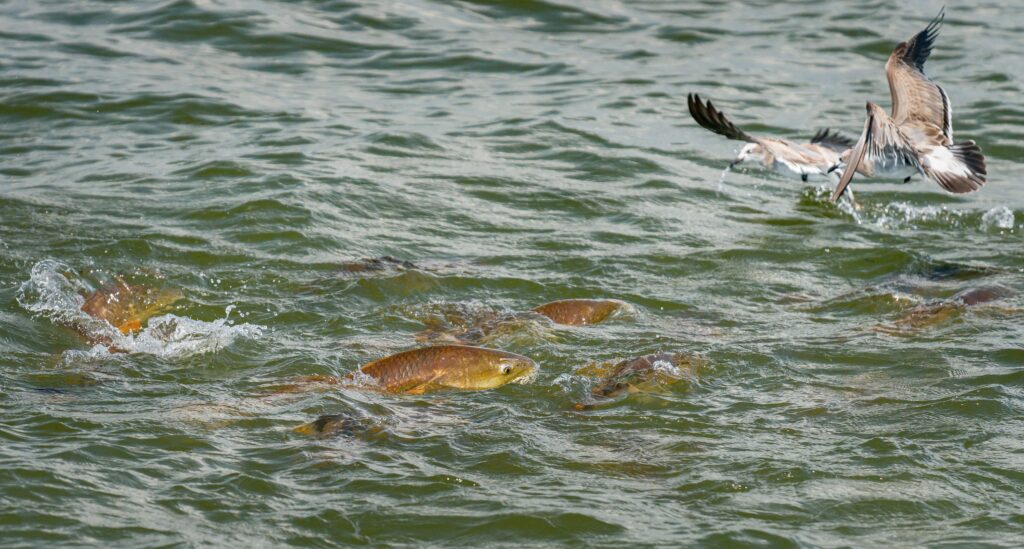
Fishing
Why It Matters

Key Issues for America’s Anglers

Your source for the latest policy updates, conservation challenges, and opportunities shaping America’s fishing traditions.

What TRCP is Doing

We’re fighting for meaningful policy changes that benefit wildlife, our waters, and the American landscapes that make our outdoor traditions possible.

 David Mangum
How Sportsmen Are Doing It Right

David Mangum's Story

Capt. David Mangum is a YETI ambassador and outdoor photographer who utilizes his talents to produce media that inspire a…

Private Land
Why It Matters

Stewardship on America’s private lands

With 70 percent of U.S. lands in private hands and many of our best hunt and fish opportunities occurring there, investing in voluntary conservation on working lands safeguards access, strengthens habitat and water quality, and ensures resilient landscapes.

Learn More
What TRCP is Doing

We champion policies and programs that restore wildlife habitat, improve soil and water health, and keep working lands productive.

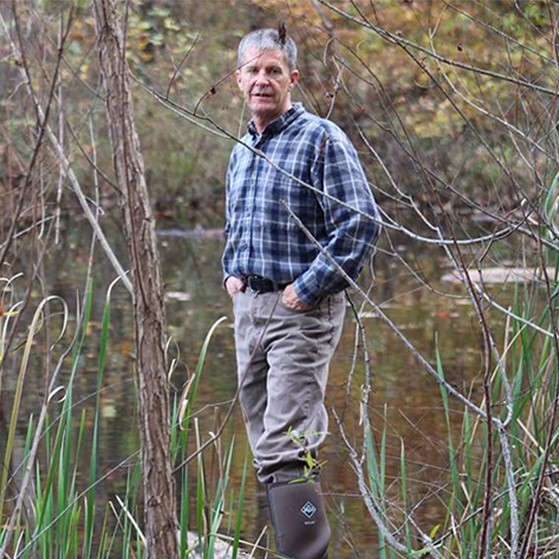
 Ward Burton
How Sportsmen are Doing It Right

Ward Burton's Story

Ward Burton’s NASCAR driving career stretched across most of two decades. As an avid sportsman and conservationist, he founded the…

Special Places
Why It Matters

Special Places Worth Protecting

America’s most iconic landscapes provide unmatched habitat and unforgettable days afield. These places sustain wildlife, anchor local economies, and define the hunting and fishing traditions we pass down.

What TRCP is Doing

We’re working to conserve special places that provide world-class habitat and unforgettable opportunities for hunters and anglers.

 Franklin Adams
How Sportsmen Are Doing It Right

Franklin Adams's Story

As a true Gladesman, conservationist, and historian, Capt. Franklin Adams has spent more than six decades championing Everglades restoration efforts…

Habitat & Clean Water
Why It Matters

Healthy Habitat Powers Every Pursuit

All hunting and fishing opportunities depend on quality habitat, from clean water and healthy wetlands to winter and summer habitats and the migration corridors that connect them.

All About Habitat & Clean Water
What TRCP is Doing

We are working to safeguard the habitats that power every hunting and fishing opportunity.

 Alex Harvey
How Sportsmen Are Doing It Right

Alex Harvey's Story

Alex Harvey, founder of Legacy Land Management, is a registered professional forester in Mississippi and Alabama with a Master's degree…

Science
Why It Matters

Science That Guides TRCP

From conserving migration corridors and wetlands to ensuring clean water and resilient landscapes, science provides evidence that turns conservation goals into effective action.

Science for Conservation
What TRCP is Doing

For hunters and anglers, science safeguards the experiences we treasure including resilient big game populations, abundant fish, and wild places that endure changing social landscapes.

Jamelle Ellis
Your Science Expert

Jamelle Ellis's Story

Jamelle Ellis joined the Theodore Roosevelt Conservation Partnership in 2022. Jamelle spent the last three years as an environmental sustainability…

Where We Work
Across the Nation

Conservation Across America

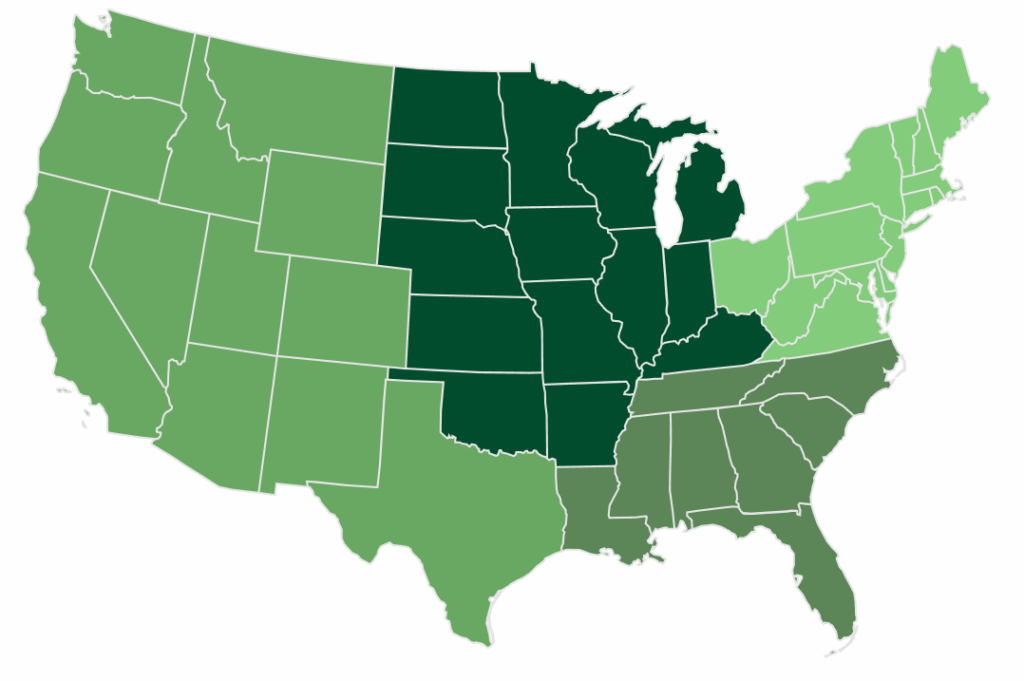
TRCP works across the country to ensure hunters and anglers can enjoy healthy fish and wildlife and quality days afield, no matter where they live.

See All Issues
TRCP in Your Region

TRCP works across the country to ensure hunters and anglers can enjoy healthy fish and wildlife and quality days afield, no matter where they live.

Who We Are
Our Mission

To guarantee all Americans quality places to hunt & fish

We unite and amplify our partners’ voices to advance America’s legacy of conservation, habitat, and access.

Our Mission & Values
Our People & Partners
  • Meet the TRCP Team

    Our staff and board members unite and amplify our partners’ voices to advance America’s legacy of conservation, habitat, and access.

    Meet the Team
  • Our Partners

    ‘Partnership’ is in our name. We work with 64 diverse partner groups that represent today’s leading hunting, fishing, and conservation organizations in order to strengthen the sportsman’s voice in Washington, D.C.

    Our Partners
  • Corporate Council

    TRCP’s Corporate Council is made up of diverse corporations that share a common passion for conservation.

    Corporate Council
Our Organization

Looking for more information?

Explore our latest news, policy updates, and conservation resources to get the information you need.

Giving
How You Can Help

To guarantee all Americans quality places to hunt & fish

Your tax-deductible donation will support TRCP's mission, now and into the future.

DONATE
Special Ways to support trcp
  • Capital Conservation Awards Dinner

    The CCAD is one of Washington's best-attended conservation celebrations, featuring dinner, cocktails, and a silent auction.

    Learn More
  • Step Into the Arena

    Help us ensure that our treasured wild habitats and game remain intact for the next generation to enjoy – lend your support to the TRCP’s efforts today!

    Donate
  • Roosevelt Roast

    TRCP has partnered with Afuera Coffee Co. to further our commitment to conservation.

    Learn More
More donation options

Find the best way for you to lend your support. Join one of TRCP’s donor circles for special invitations, premium offerings from outdoor retailers, and more exclusive benefits. Take control of your legacy with planned giving or contribute to special conservation funds.

Other Ways To Give
News
In the Spotlight

Why TRCP Works to Conserve America’s Special Places

TRCP works to conserve special places like the Boundary Waters and landscapes that define hunting and fishing. Here's why.

Read More

Stay Informed

Receive our newsletter, the Roosevelt Report, right in your inbox. Never miss the latest news in conservation issues.

by:

posted in: General

June 20, 2025

Senate Budget Reconciliation Proposal Includes Mandatory Federal Land Sales in Wyoming

What’s at stake for hunters and anglers?

The inclusion of mandatory public land sales in the proposed Senate budget reconciliation bill has Wyomingites on edge, and with good reason. At least 2 million acres, and up to 3 million acres, an area larger than Yellowstone National Park, would be mandated to be sold across the West within five years under this proposal—with the first nominations being made within 60 days of the bill’s passage. If you’re a fan of hunting mule deer in the Wyoming Range or enjoy wetting a line for native cutthroat trout along the North Fork Shoshone, take note, these special places, and many others, are at risk of being sold.

Below is a breakdown of select places we hunt and fish in Wyoming that are included in the land sale proposal.

Yellowstone Mule Deer and Elk Migrations in the North Fork Shoshone River

Visitors to Yellowstone National Park entering from Cody follow the winding North Fork of the Shoshone River as it cuts through the rugged Absaroka Mountains. This river valley is a critical migration route for thousands of elk and deer out of the Yellowstone high country as they move to winter range lower in the drainage. Grizzlies and bighorn sheep are frequently seen in the corridor, and its waters are popular for angling and whitewater rafting.

The North Fork’s stunning vistas and proximity to Yellowstone and Cody make it a desirable candidate for private developers. I’ve been fortunate to personally experience this incredible drainage, floating its waters in search of cutthroat trout, and hiking its steep ridges to glass for migrating mule deer bucks. We cannot lose this special place.

Elk Country in the Mount Leidy Highlands and Togwotee Pass near Jackson

Another iconic landscape that would be vulnerable for sale through this ill-advised proposal is the prime elk country just east of Grand Teton National Park. The Mount Leidy Highlands are an assortment of forested hillsides, wildflower-filled meadows, and mountain peaks where I found my first success hunting bull elk. This unbroken landscape also facilitates the seasonal movements of the Upper Wind River mule deer migration corridor which was recently identified by the Wyoming Game and Fish Commission under the Migration Corridor Executive Order.

The Mount Leidy Highlands extend north towards Togwotee Pass, a popular area for snowmobiling and Nordic skiing in winter. These attributes, along with the area’s location close to Jackson and Dubois, make it highly likely to be nominated for sale and privatization, especially from out-of-state buyers who want their little slice of Jackson Hole.

Wyoming RangeThe Mule Deer Factory

The Wyoming Range is well known to hunters for its fantastic mule deer hunting. The region’s snowy peaks and high alpine meadows support rich tall forb plant communities that grow big mule deer, along with robust elk herds that provide abundant antlered and late season cow elk hunting opportunities. Privatization of these landscapes could fragment the migrations and seasonal habitats of the Wyoming Range mule deer herd–hampering its ability to recover from harsh winters like the one we had in 2022-2023.

Crucial Mule Deer and Elk Range and Greater Sage-Grouse Core in the Bighorn Basin

Wyoming’s Bighorn basin is a rugged and beautiful landscape beloved by sportsmen and sportswomen. Much of the area provides core habitat for greater sage grouse, while the slopes at the base of the Bighorn Mountains are crucial winter range for mule deer and elk. These landscapes are particularly special to me as they’re where my dog Ollie learned to be a great bird hunting partner on chukar and Huns.

Wyoming’s public land is NOT FOR SALETake Action NOW!

Wyomingites are united in our support for keeping public lands, waters, and wildlife in public hands. This is not a political issue; it’s about ensuring that these wild and working lands remain intact for future generations. Please take action now and urge decision makers to oppose this misguided effort to sell our shared legacy through a budget reconciliation bill.

How you can help:

Contact Senators Lummis and Barrasso and urge them to oppose the sale of our public lands. You can use our easy tool, but we also encourage you to call them directly or make a visit to one of their regional offices!

Contact Representative Hageman. Should the sale of public lands remain in the Senate version of the Reconciliation bill, it will need to be considered again by the House of Representatives. Representative Hageman needs to know that Wyomingites overwhelmingly support public lands, and we oppose the mandated sale of our legacy through a budget reconciliation bill.

Contact local elected representatives, including the Governor, your county commissioners, and state legislators. Urge them to oppose the sale of public lands and contact our congressional delegation. Find your legislator here.

Spread the Word – We need to keep the pressure up. Please ask your friends and family to take action and contact their elected officials. Public lands belong to all Americans so it’s important that we all take action regardless of which state we live in. Share this blog post and elevate the action alerts of organizations you support who are working on this issue!

Do you have any thoughts on this post?

XHTML: You can use these tags: <a href="" title=""> <abbr title=""> <acronym title=""> <b> <blockquote cite=""> <cite> <code> <del datetime=""> <em> <i> <q cite=""> <s> <strike> <strong>

Comments must be under 1000 characters.

by:

posted in: General

Senate Budget Reconciliation Proposal Includes Mandatory Federal Land Sales in Wyoming

What’s at stake for hunters and anglers?

The inclusion of mandatory public land sales in the proposed Senate budget reconciliation bill has Wyomingites on edge, and with good reason. At least 2 million acres, and up to 3 million acres, an area larger than Yellowstone National Park, would be mandated to be sold across the West within five years under this proposal—with the first nominations being made within 60 days of the bill’s passage. If you’re a fan of hunting mule deer in the Wyoming Range or enjoy wetting a line for native cutthroat trout along the North Fork Shoshone, take note, these special places, and many others, are at risk of being sold.

Below is a breakdown of select places we hunt and fish in Wyoming that are included in the land sale proposal.

Yellowstone Mule Deer and Elk Migrations in the North Fork Shoshone River

Visitors to Yellowstone National Park entering from Cody follow the winding North Fork of the Shoshone River as it cuts through the rugged Absaroka Mountains. This river valley is a critical migration route for thousands of elk and deer out of the Yellowstone high country as they move to winter range lower in the drainage. Grizzlies and bighorn sheep are frequently seen in the corridor, and its waters are popular for angling and whitewater rafting.

The North Fork’s stunning vistas and proximity to Yellowstone and Cody make it a desirable candidate for private developers. I’ve been fortunate to personally experience this incredible drainage, floating its waters in search of cutthroat trout, and hiking its steep ridges to glass for migrating mule deer bucks. We cannot lose this special place.

Elk Country in the Mount Leidy Highlands and Togwotee Pass near Jackson

Another iconic landscape that would be vulnerable for sale through this ill-advised proposal is the prime elk country just east of Grand Teton National Park. The Mount Leidy Highlands are an assortment of forested hillsides, wildflower-filled meadows, and mountain peaks where I found my first success hunting bull elk. This unbroken landscape also facilitates the seasonal movements of the Upper Wind River mule deer migration corridor which was recently identified by the Wyoming Game and Fish Commission under the Migration Corridor Executive Order.

The Mount Leidy Highlands extend north towards Togwotee Pass, a popular area for snowmobiling and Nordic skiing in winter. These attributes, along with the area’s location close to Jackson and Dubois, make it highly likely to be nominated for sale and privatization, especially from out-of-state buyers who want their little slice of Jackson Hole.

Wyoming RangeThe Mule Deer Factory

The Wyoming Range is well known to hunters for its fantastic mule deer hunting. The region’s snowy peaks and high alpine meadows support rich tall forb plant communities that grow big mule deer, along with robust elk herds that provide abundant antlered and late season cow elk hunting opportunities. Privatization of these landscapes could fragment the migrations and seasonal habitats of the Wyoming Range mule deer herd–hampering its ability to recover from harsh winters like the one we had in 2022-2023.

Crucial Mule Deer and Elk Range and Greater Sage-Grouse Core in the Bighorn Basin

Wyoming’s Bighorn basin is a rugged and beautiful landscape beloved by sportsmen and sportswomen. Much of the area provides core habitat for greater sage grouse, while the slopes at the base of the Bighorn Mountains are crucial winter range for mule deer and elk. These landscapes are particularly special to me as they’re where my dog Ollie learned to be a great bird hunting partner on chukar and Huns.

Wyoming’s public land is NOT FOR SALETake Action NOW!

Wyomingites are united in our support for keeping public lands, waters, and wildlife in public hands. This is not a political issue; it’s about ensuring that these wild and working lands remain intact for future generations. Please take action now and urge decision makers to oppose this misguided effort to sell our shared legacy through a budget reconciliation bill.

How you can help:

Contact Senators Lummis and Barrasso and urge them to oppose the sale of our public lands. You can use our easy tool, but we also encourage you to call them directly or make a visit to one of their regional offices!

Contact Representative Hageman. Should the sale of public lands remain in the Senate version of the Reconciliation bill, it will need to be considered again by the House of Representatives. Representative Hageman needs to know that Wyomingites overwhelmingly support public lands, and we oppose the mandated sale of our legacy through a budget reconciliation bill.

Contact local elected representatives, including the Governor, your county commissioners, and state legislators. Urge them to oppose the sale of public lands and contact our congressional delegation. Find your legislator here.

Spread the Word – We need to keep the pressure up. Please ask your friends and family to take action and contact their elected officials. Public lands belong to all Americans so it’s important that we all take action regardless of which state we live in. Share this blog post and elevate the action alerts of organizations you support who are working on this issue!

by:

posted in: General

June 18, 2025

TRCP Announces New Conservation Staff in Nevada

Nevada field representative will bolster organization’s expertise and capacity on key conservation issues

Today, the Theodore Roosevelt Conservation Partnership announced the addition of Kris Coston who will fill the vital role of Nevada field representative to help the organization achieve its mission to guarantee all Americans quality places to hunt and fish.

A life-long hunter and angler, Coston is the founder of a mule deer conservation group that worked closely with the Nevada Department of Wildlife and helped implement the use of a solar GPS ear tag to track and compile data on mule deer migratory routes and key habitat. Additionally, Coston sits on the Board of Directors for the Coalition for Nevada’s Wildlife, which is the policy and lobbying arm of Nevada’s sportsmen and women. Coston studied fire science at the University of Nevada, Reno and Truckee Meadows Community College and worked as a wildland firefighter with the U.S. Forest Service for seven fire seasons.

In the Nevada field representative position, Coston will work to strengthen TRCP’s partnerships in the Silver State to advance the organization’s conservation priorities, including conserving key big game migration corridors and winter range. Coston is based in northern Nevada.

“I’m excited to join the TRCP team and help strengthen policies, advocate for wildlife habitat conservation, and improve hunter access and experiences on public lands in Nevada,” said Coston.

Learn more about TRCP’s leadership HERE.

by:

posted in: General

June 4, 2025

TRCP Promotes Zach Bodhane to Vice President of Government Affairs

Bodhane to lead TRCP’s government affairs team as the organization deepens its commitment to bipartisan conservation policy

The Theodore Roosevelt Conservation Partnership (TRCP) is pleased to announce the promotion of Zach Bodhane to Vice President of Government Affairs. Since joining TRCP in July 2023 as Director of Government Relations, Bodhane has played a critical role in advancing durable, common sense conservation policy and strengthening relationships on Capitol Hill. 

“Zach brings a deep understanding of the intersection between natural resource management and effective public policy,” said Joel Pedersen, president and CEO of TRCP. “His experience and thoughtful leadership will be instrumental as TRCP continues to build on our past successes. I look forward to working with him in this new role.” 

Prior to joining TRCP, Bodhane served as Policy Director for the Western Landowners Alliance, where he led government relations, policy development, and advocacy across a wide range of public and working lands conservation issues. He also spent six years as Policy Advisor for Conservation and Wildlife at the Western Governors’ Association, where he facilitated collaborative, bipartisan solutions through initiatives such as the WGA Species Conservation and ESA Initiative and the WGA Working Lands Roundtable. 

Bodhane holds a B.S. in Natural Resources Management with minors in Fishery Biology and Watershed Science from Colorado State University. Originally from Colorado, he now lives in Washington, D.C. with his wife, son, and dog. Outside of work, he enjoys escaping the city to mountain bike, hike, and fish. 

In his new role, Bodhane will lead TRCP’s government affairs team and policy strategy, working to build bipartisan support for conservation priorities at the federal level. 

Learn more about TRCP’s leadership HERE.  


The TRCP is your resource for all things conservation. In our weekly Roosevelt Report, you’ll receive the latest news on emerging habitat threats, legislation and proposals on the move, public land access solutions we’re spearheading, and opportunities for hunters and anglers to take action. Sign up now.

by:

posted in: General

May 30, 2025

Hispanic Leaders Bring the Southwest to Washington, D.C.

The TRCP organized a spring advocacy trip to demonstrate the power of unity, outdoor traditions, and a bipartisan approach to conservation.

This spring, the heart of the Southwest made its way to the halls of power in Washington, D.C., as Hispanic leaders united to speak up for the lands and waters that shape their culture, outdoor traditions, and futures. As part of HECHO’s (Hispanics Enjoying Camping, Hunting, and the Outdoors) 2025 spring advocacy trip, members of the Hispanic Conservation Leadership Council (HCLC) brought their voices and stories directly to lawmakers, urging protection and conservation of public lands. 

From the vibrant canyons of Arizona to the sacred rivers of New Mexico, the Southwest is home to some of the nation’s most treasured public lands. For the Hispanic leaders who made the journey to D.C., these lands are more than scenic beauty—they’re economic drivers and places of personal and communal connection. Hunting and fishing on these lands not only sustains time-honored traditions but also supports local economies and fosters the next generation of conservation and stewardship. 

The advocacy trip amplified these outdoor traditions, with participants ranging from business owners and elected officials to conservationists and community advocates. Their unified message? Public lands must remain public, accessible, and protected. 

In conversations with members of Congress and key decision-makers, the HCLC emphasized the importance of protecting areas like the Grand Canyon watershed, addressing forest health and catastrophic wildfire, funding for proactive management of federal lands, and protecting critical water resources in the region. In addition, both TRCP and HCLC members also touched on the importance of maintaining robust federal funding to address ongoing drought conditions in the Colorado River Basin, including investments in fish and wildlife habitat restoration efforts that build resilience to shrinking water supplies.  

The TRCP and HCLC highlighted support for the bipartisan Fix Our Forests Act and the need to increase the pace and scale of active forest management approaches that also benefit fish and wildlife valued by hunters and anglers. These issues are not partisan—they are universal, touching on clean water, natural disaster mitigation, recreation, cultural preservation, and economic sustainability. 

One recurring theme throughout the trip was the need for balance—between use and conservation, between progress and preservation. As one participant shared, “I’m not against using our public lands… but we have to monitor that to where we don’t deplete our resources.” The goal isn’t to halt development, but to ensure it doesn’t come at the cost of future generations. 

From forest management and fire prevention to watershed protection and outdoor recreation, the issues discussed were grounded in the everyday realities of communities that rely on these lands. 

Perhaps the most powerful element of the trip was the unity among the participants. Despite different roles, regions, and backgrounds, the group stood together with a shared sense of purpose and pride. As one leader expressed, “We need to stand up proud as Hispanos… This is part of us. It’s querencia, a deep love and connection to the land.” 

The HECHO 2025 spring advocacy trip was a testament to the power of representation and grass tops leadership. These leaders shared their personal stories, cultural ties, and community priorities directly with policymakers—demonstrating the power of unity, outdoor traditions, and bipartisan approach to conservation.  

Learn more about TRCP’s commitment to habitat and clean water here


The TRCP is your resource for all things conservation. In our weekly Roosevelt Report, you’ll receive the latest news on emerging habitat threats, legislation and proposals on the move, public land access solutions we’re spearheading, and opportunities for hunters and anglers to take action. Sign up now.

HOW YOU CAN HELP

TRCP has partnered with Afuera Coffee Co. to further our commitment to conservation. $4 from each bag is donated to the TRCP, to help continue our efforts of safeguarding critical habitats, productive hunting grounds, and favorite fishing holes for future generations.

Learn More
Subscribe


You have Successfully Subscribed!

You have Successfully Subscribed!

You have Successfully Subscribed!

You have Successfully Subscribed!

You have Successfully Subscribed!