Our Issues
Public Lands
Why It Matters

Hunting & Fishing Access

America’s 640 million acres of national public lands provide irreplaceable hunting and fishing opportunities to millions of Americans.

Learn More About Access
What TRCP is Doing

We’re working to safeguard America’s public lands so hunters and anglers always have quality places to pursue their passions.
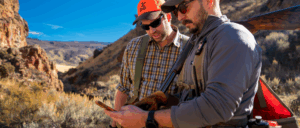
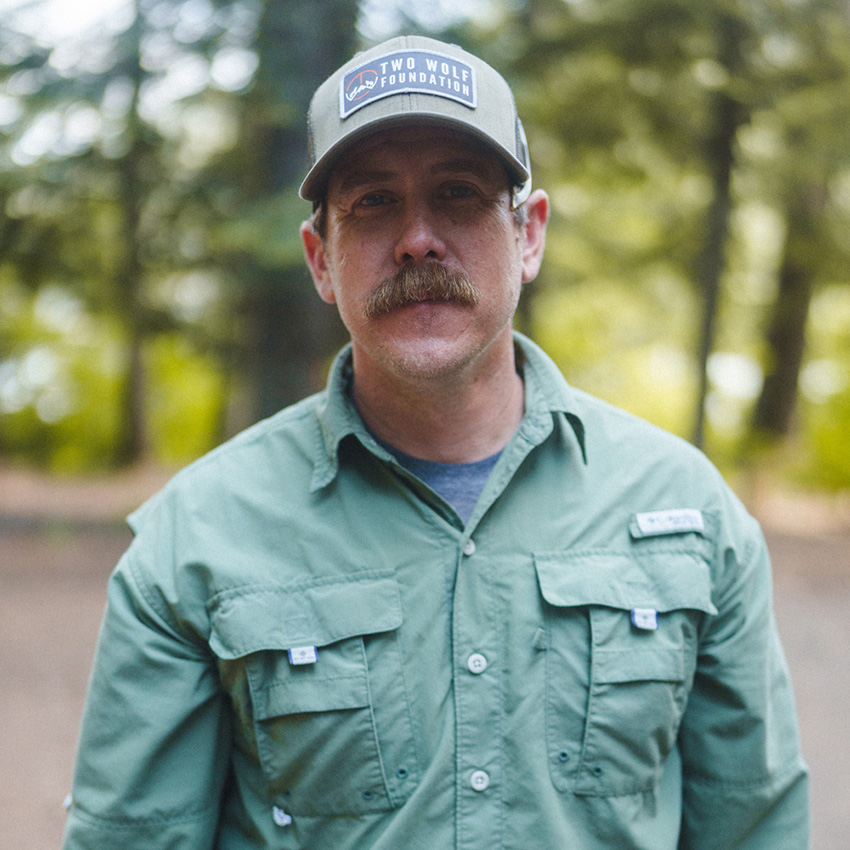
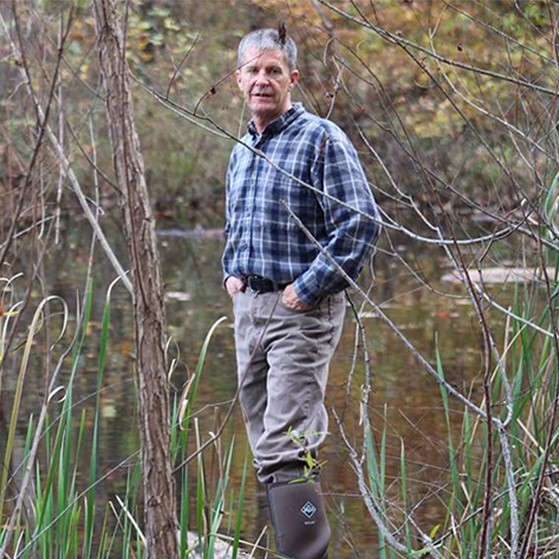
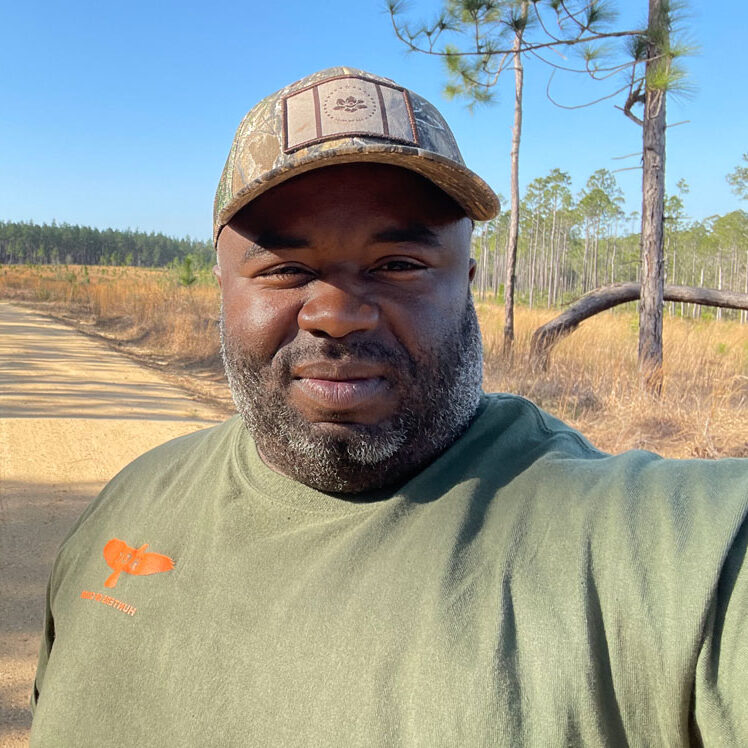
 Brian Flynn, Two Wolf Foundation
How Sportsmen Are Doing It Right

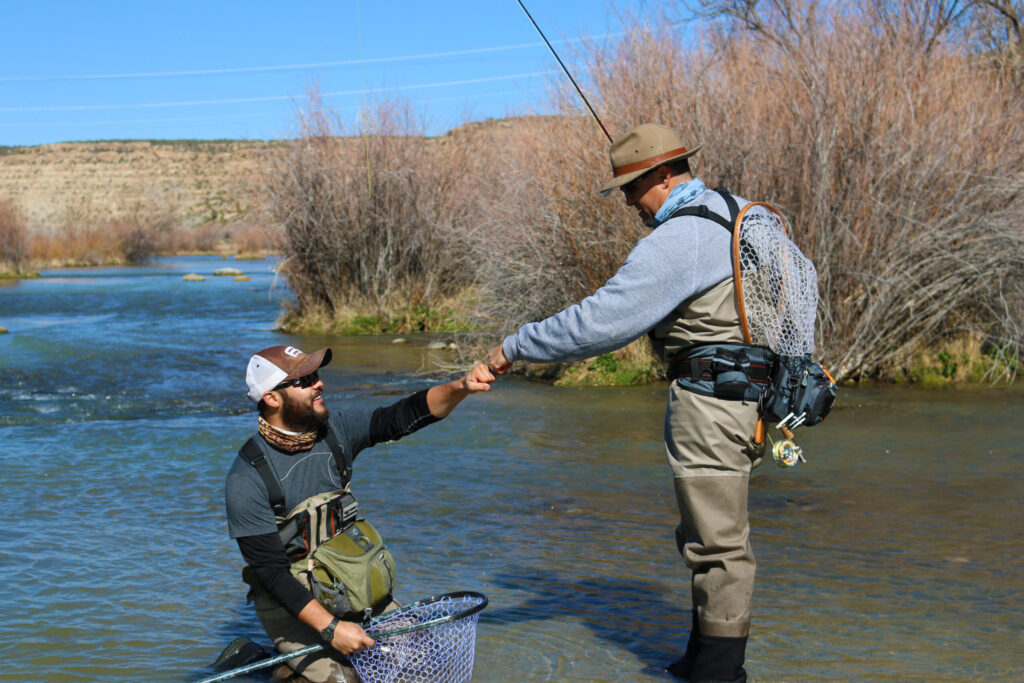
Brian Flynn, Two Wolf Foundation's Story

Following a distinguished career in the U.S. Army, lifelong outdoorsman Brian Flynn returned home from a deployment in Afghanistan and…


Hunting
Why It Matters

Key Issues for America’s Hunters

Your source for the latest policy updates, conservation challenges, and opportunities shaping America’s hunting traditions.

What TRCP is Doing

We’re fighting for meaningful policy changes that benefit wildlife, our waters, and the American landscapes that make our outdoor traditions possible.

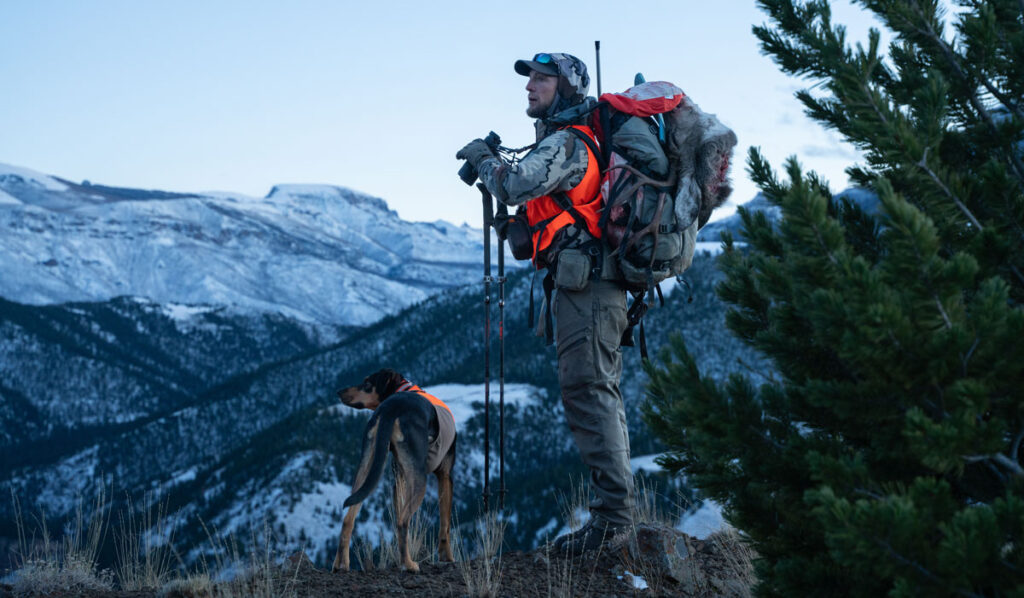
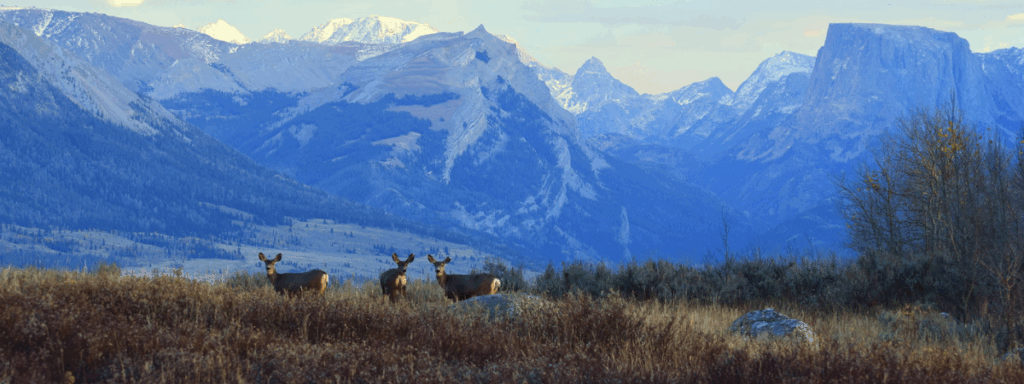
 Ryan Sparks
How Sportsmen Are Doing It Right

Ryan Sparks's Story

TRCP’s “In the Arena” series highlights the individual voices of hunters and anglers who, as Theodore Roosevelt so famously said,…

Fishing
Why It Matters

Key Issues for America’s Anglers

Your source for the latest policy updates, conservation challenges, and opportunities shaping America’s fishing traditions.

What TRCP is Doing

We’re fighting for meaningful policy changes that benefit wildlife, our waters, and the American landscapes that make our outdoor traditions possible.

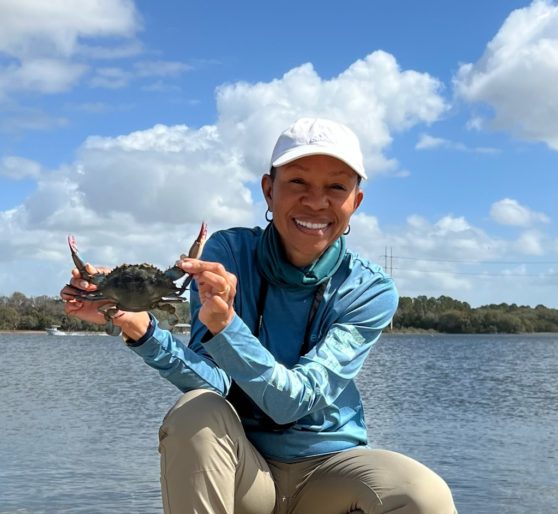
 David Mangum
How Sportsmen Are Doing It Right

David Mangum's Story

Capt. David Mangum is a YETI ambassador and outdoor photographer who utilizes his talents to produce media that inspire a…

Private Land
Why It Matters

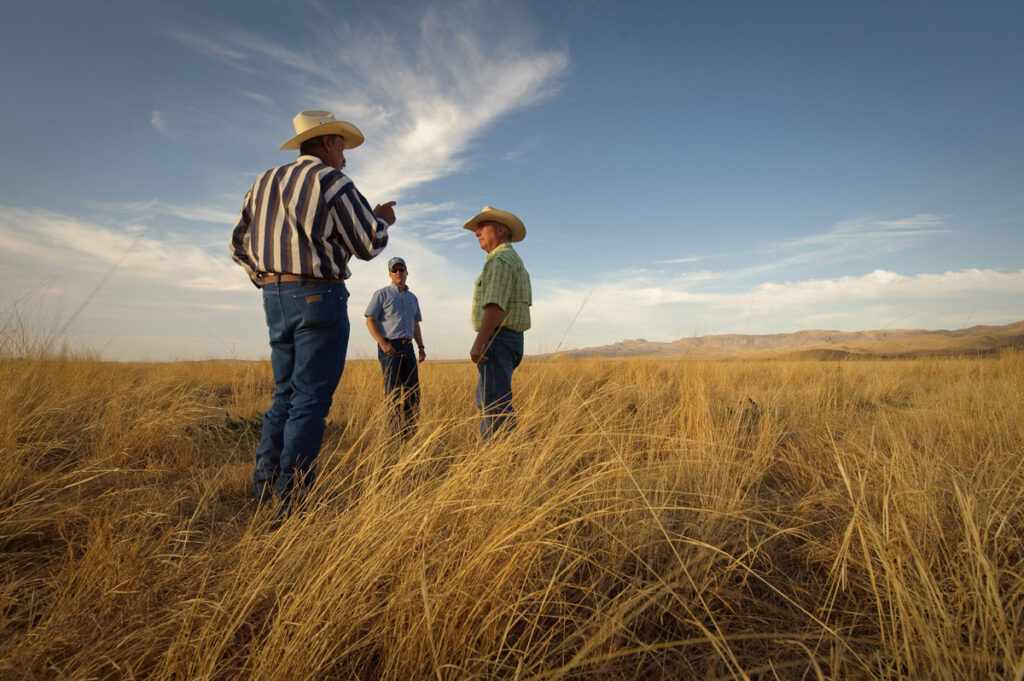
Stewardship on America’s private lands

With 70 percent of U.S. lands in private hands and many of our best hunt and fish opportunities occurring there, investing in voluntary conservation on working lands safeguards access, strengthens habitat and water quality, and ensures resilient landscapes.

Learn More
What TRCP is Doing

We champion policies and programs that restore wildlife habitat, improve soil and water health, and keep working lands productive.

 Ward Burton
How Sportsmen are Doing It Right

Ward Burton's Story

Ward Burton’s NASCAR driving career stretched across most of two decades. As an avid sportsman and conservationist, he founded the…

Special Places
Why It Matters

Special Places Worth Protecting

America’s most iconic landscapes provide unmatched habitat and unforgettable days afield. These places sustain wildlife, anchor local economies, and define the hunting and fishing traditions we pass down.

What TRCP is Doing

We’re working to conserve special places that provide world-class habitat and unforgettable opportunities for hunters and anglers.

 Franklin Adams
How Sportsmen Are Doing It Right

Franklin Adams's Story

As a true Gladesman, conservationist, and historian, Capt. Franklin Adams has spent more than six decades championing Everglades restoration efforts…

Habitat & Clean Water
Why It Matters

Healthy Habitat Powers Every Pursuit

All hunting and fishing opportunities depend on quality habitat, from clean water and healthy wetlands to winter and summer habitats and the migration corridors that connect them.

All About Habitat & Clean Water
What TRCP is Doing

We are working to safeguard the habitats that power every hunting and fishing opportunity.

 Alex Harvey
How Sportsmen Are Doing It Right

Alex Harvey's Story

Alex Harvey, founder of Legacy Land Management, is a registered professional forester in Mississippi and Alabama with a Master's degree…

Science
Why It Matters

Science That Guides TRCP

From conserving migration corridors and wetlands to ensuring clean water and resilient landscapes, science provides evidence that turns conservation goals into effective action.

Science for Conservation
What TRCP is Doing

For hunters and anglers, science safeguards the experiences we treasure including resilient big game populations, abundant fish, and wild places that endure changing social landscapes.

Jamelle Ellis
Your Science Expert

Jamelle Ellis's Story

Jamelle Ellis joined the Theodore Roosevelt Conservation Partnership in 2022. Jamelle spent the last three years as an environmental sustainability…

Where We Work
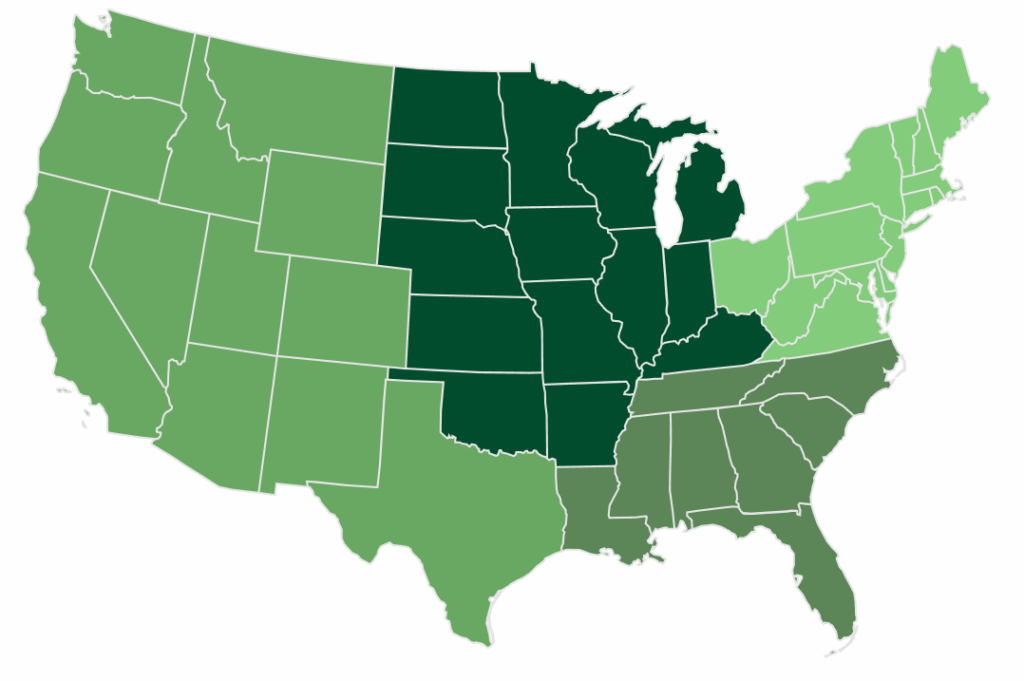
Across the Nation

Conservation Across America

TRCP works across the country to ensure hunters and anglers can enjoy healthy fish and wildlife and quality days afield, no matter where they live.

See All Issues
TRCP in Your Region

TRCP works across the country to ensure hunters and anglers can enjoy healthy fish and wildlife and quality days afield, no matter where they live.

Who We Are
Our Mission

To guarantee all Americans quality places to hunt & fish

We unite and amplify our partners’ voices to advance America’s legacy of conservation, habitat, and access.

Our Mission & Values
Our People & Partners
  • Meet the TRCP Team

    Our staff and board members unite and amplify our partners’ voices to advance America’s legacy of conservation, habitat, and access.

    Meet the Team
  • Our Partners

    ‘Partnership’ is in our name. We work with 64 diverse partner groups that represent today’s leading hunting, fishing, and conservation organizations in order to strengthen the sportsman’s voice in Washington, D.C.

    Our Partners
  • Corporate Council

    TRCP’s Corporate Council is made up of diverse corporations that share a common passion for conservation.

    Corporate Council
Our Organization

Looking for more information?

Explore our latest news, policy updates, and conservation resources to get the information you need.

Giving
How You Can Help

To guarantee all Americans quality places to hunt & fish

Your tax-deductible donation will support TRCP's mission, now and into the future.

DONATE
Special Ways to support trcp
  • Capital Conservation Awards Dinner

    The CCAD is one of Washington's best-attended conservation celebrations, featuring dinner, cocktails, and a silent auction.

    Learn More
  • Step Into the Arena

    Help us ensure that our treasured wild habitats and game remain intact for the next generation to enjoy – lend your support to the TRCP’s efforts today!

    Donate
  • Roosevelt Roast

    TRCP has partnered with Afuera Coffee Co. to further our commitment to conservation.

    Learn More
More donation options

Find the best way for you to lend your support. Join one of TRCP’s donor circles for special invitations, premium offerings from outdoor retailers, and more exclusive benefits. Take control of your legacy with planned giving or contribute to special conservation funds.

Other Ways To Give
News
In the Spotlight

In the Arena: Josh Warren

For many hunters and anglers, the connection to conservation begins close to home — in the woods behind the house, along a familiar stretch of river, or through time spent learning from mentors and family. That sense of place is something Joshua Warren carries with him, both personally and professionally. As Director of Marketing at WorkSharp, Josh represents a company rooted in Ashland, Oregon, a community defined by its access to public lands and wild country.

Read More

Stay Informed

Receive our newsletter, the Roosevelt Report, right in your inbox. Never miss the latest news in conservation issues.

by:

posted in:

June 30, 2023

380329

Do you have any thoughts on this post?

XHTML: You can use these tags: <a href="" title=""> <abbr title=""> <acronym title=""> <b> <blockquote cite=""> <cite> <code> <del datetime=""> <em> <i> <q cite=""> <s> <strike> <strong>

Comments must be under 1000 characters.

by:

posted in:

June 20, 2023

BLM’s Proposed Final Plan for Southeast Oregon Reflects Stakeholder Recommendations

The BLM’s plan includes balanced management for conservation on important public lands

Last Friday, the Bureau of Land Management released the Proposed Final Southeast Oregon Resource Management Plan Amendment that—when finalized—will guide land management decisions for more than 4.6 million acres of Oregon’s most scenic and recreationally important public lands overseen by the BLM’s Vale District office within the Owyhee and Malheur River country.

This significant step forward in the planning process will help determine how habitat conservation, outdoor recreation opportunities, grazing, and development will be balanced on BLM land. In the proposed final plan, the BLM has offered a management approach that incorporates recommendations made by the agency’s Southeast Oregon Resource Advisory Council, a group of 15 individuals selected by the BLM to represent diverse backgrounds who worked together for more than five years to develop recommendations. Under the plan, about 420,000 acres in the 4.6-million-acre district will be managed for their wild, backcountry characteristics and the wildlife habitat value they provide.

“A broad-based BLM advisory group rolled up their sleeves to create a well-rounded alternative within the Southeast Oregon RMP amendment, and we applaud the BLM for incorporating many of their recommendations in this proposed final plan,” said Michael O’Casey, deputy director for the Pacific Northwest with the TRCP. “We appreciate the BLM making changes to adopt a balanced alternative in the final plan that conserves special places from development, while ensuring continued access for hunting and fishing, habitat restoration, and ranching.”

Popular public lands in eastern Oregon help fuel the state’s $2.5 billion fish-and-wildlife-based economy, provide important wildlife habitat, and support other multiple uses. The Vale District manages most of the public lands within the Beulah (65), Malheur River (66), Owyhee (67), and Whitehorse (68) hunting units.

“Oregon’s Owyhee region is a critically important hunting, fishing, and outdoor recreation area,” said Karl Findling, owner of Oregon Pack Works who grew up in Malheur County. “I appreciate that the BLM made changes that do right by sportsmen and businesses who depend on the management of these lands to safeguard some of the best wildlife habitat and hunting areas in the state.”

“The BLM has an opportunity to safeguard some of Oregon’s best hunting areas and wildlife habitat through these land-use plans, and do it in a balanced way,” said Chris Hager, Northwest Chapter coordinator for the Backcountry Hunters & Anglers. “We’re supportive of the proposed final plan and see it as a win-win for the varied wildlife we love to pursue. Proper management that includes conservation measures such as what’s proposed helps ensure that our valued hunting heritage, outdoor traditions, and way of life can be enjoyed by future generations.”

Now that the proposed final is published, the agency has opened a 30-day protest period. Governor Kotek has 60 days to review the plan for consistency with state policy, after which the plan will be finalized.

“Sportsmen and sportswomen will continue to weigh-in as these planning processes move forward,” continued O’Casey. “We are encouraged with the direction the BLM is going, and we support this plan as it moves toward the finish line.”

Photo Credit:  Tyler Roemer

by:

posted in:

June 15, 2023

Bill to protect Oregon’s Owyhee Canyons Reintroduced

S. 1890 would provide needed funding for local economic development, and help protect and restore the sage brush steppe

S. 1890 was reintroduced on June 8th by Senators Ron Wyden and Jeff Merkley. Senator Wyden spearheaded the bill in 2019 through a series of stakeholder meetings, which resulted in a bill that promotes the long-term ecological health of the region while providing support for economic development and continued traditional and recreational uses of public lands.

If passed, this bill would permanently protect fish and wildlife habitat on over a million acres in southeast Oregon. This region includes the Owyhee River, the Trout Creek Mountains, and key winter range and habitat for big game, chukar, and other species that offer prime hunting and outdoor related activities which sustain thousands of jobs.

The Owyhee Sportsmen Coalition members know this region well and understand the value it holds for sportsmen and women across Oregon. The coalition supports any approach that ensures the region’s open spaces and incredible fish and wildlife resources are managed in a balanced way.

“We want to thank Senator Wyden for introducing this legislation that has been vetted with input from local sportsmen, ranchers, conservationists, and decision-makers,” said Jim Akenson, state board member for the Oregon Hunters Association. “We look forward to working with Congressman Bentz and others to further build upon this bill and find the best way forward for this unique corner of Oregon.”

“For generations, bighorn sheep, pronghorn, and mule deer hunts in places along the Owyhee River have been a favorite for sportsmen and sportswomen,” said Kevin Martin, state board member for the Oregon Wild Sheep Foundation. “This bill provides a key opportunity to do right by sportsmen and the fish and wildlife we depend on by safeguarding this iconic winter range and wild, backcountry landscape long into the future.”

“Our organizations support the multiple uses of public land in this region and recognize that good stewardship means sustainable ranching, wildlife habitat management, public access, and meaningful resource conservation,” said Michael O’Casey, deputy director of the Pacific Northwest region for the Theodore Roosevelt Conservation Partnership. “Our goal is passage of legislation that supports rural economies, respects local interests, protects and restores the ecological health of the Owyhee landscape, and ensures that our hunting and angling traditions continue for generations.”

“I was born and raised in Malheur County and continue to visit the Owyhee Canyonlands to recreate in many forms,” said Karl Findling, regional director for the Oregon Chapter of Backcountry Hunters & Anglers. “This is an incredible landscape in need of restoration, protection, and additional financial resources within one of Oregon’s last best places and we’re excited to see this bill move forward in Congress.”

“This legislation shows what can happen when stakeholders sit down together and find common ground,” said Michael Gibson, field coordinator for Trout Unlimited. “The real winner in all of this is the land and the fish and wildlife that live there. If passed, future generations of hunters and anglers will get to enjoy robust populations of Redband rainbow trout, chukar, pronghorn, mule deer and California bighorn sheep, while ranchers get the flexibility their operations need to be viable into the future.”

Photo Credit: Sage Brown

by:

posted in:

June 13, 2023

Louisiana Lawmakers Take First Step to Conserve Redfish

Senate Resolution unanimously passed Louisiana Legislature, promoting protections for spawning-size redfish

Louisiana lawmakers recently passed Senate Concurrent Resolution No. 46, which urges the Wildlife and Fisheries Commission to prohibit the harvest of any redfish over 27 inches in length, to conserve the spawning stock of this iconic species.

Though it doesn’t force the Commission to make any changes to creel or slot limits for redfish, the resolution is a significant first step toward increasing the redfish spawning stock. The TRCP and its partners will continue promoting the adoption of this recommendation as an official regulation at the Commission level.

It’s become clear, based on public opinion and now the opinion of legislators in the state, that something needs to be done to address declining redfish populations in Louisiana.

Recreational fishing in the “Sportsman’s Paradise” is a $2.5-billion industry that supports thousands of businesses and nearly 18,000 jobs. Fishing is a fundamental part of Louisiana’s culture and brings over 1.2 million anglers from around the world to the state each year. This wouldn’t be possible without science-based regulations that ensure abundant food sources and healthy habitats to support sportfish populations.

Survival rates for juvenile redfish, also known as red drum, to achieve spawning age have been declining for more than a decade in Louisiana. The percent of mature red drum able to successfully spawn also has declined to 20 percent–or 10 percent lower than the state-mandated rate. Numerous factors have contributed to the decline; primarily, the loss of more than 2,000 square miles of coastal marshes in the last century. However, there is no doubt that recreational harvest and pressure from commercial fisheries, on both forage fish and via direct mortality of redfish as bycatch, also play significant roles.

While redfish are not considered overfished, they are currently undergoing overfishing, meaning the mortality rate is too high to maintain a healthy stock size. Recreational anglers, fishery managers, and political leaders must remain dedicated to protecting spawning-size redfish–generally fish 27 inches or longer–by returning them to the water. Efforts to limit bycatch and restore marsh habitat also are necessary to ultimately increase the overall population.

Although anglers are committed to being part of the solution for redfish conservation, more is needed to ensure healthy populations. Each year, foreign-owned industrial boats remove nearly 1 billion pounds of menhaden, forage fish also known as pogies, from Louisiana waters. Pogies are a critical food source for healthy redfish. Tens of thousands of reds are also killed annually while being trapped in the massive seine nets.

Gamefish like redfish and other popular sportfish need large populations of pogies to thrive. Louisiana is the only coastal state in the Gulf or the Atlantic that has no catch limit on pogies or has few to no restricted areas where industrial purse seining is prohibited.

Additional state regulations, including science-based catch limits, are needed to ensure sportfish populations have ample food available and to protect shallow-water beaches and spawning areas from the impacts of large-scale industrial pogie harvest. The TRCP and its partners remain committed to both redfish and pogie conservation, so that marine ecosystems in Louisiana—and along the entire Gulf Coast–can thrive for generations to come.

If you’re a Louisiana resident, send a message to your state legislators, thanking them for supporting Senate Concurrent Resolution No. 46, and encouraging them to support further sportfish conservation efforts.

Photo credit: Rob Shane

by:

posted in:

June 9, 2023

Conservation Groups Applaud Bipartisan Bill to Invest in America’s Forests and Watersheds 

The Headwaters Protection Act would enhance partnerships that provide clean water, benefit fish and wildlife habitat. 

On Wednesday, Senator Michael Bennet (D-Colo.) and Mike Crapo (R-Idaho) introduced the Headwaters Protection Act in an effort to invest in America’s forests and watersheds by expanding support for two U.S. Forest Service Programs created in the 2018 Farm Bill: The Water Source Protection Program (WSPP) and the Watershed Condition Framework (WCF).  

If passed, the bill would support critical public-private partnerships working to ensure our National Forests provide clean water to downstream communities, benefit agricultural water users, and protect fish and wildlife habitat important to hunters and anglers. 

“Source watersheds – the forests, meadows, and streams that supply water to cities and farms – is an integral part of the nation’s water system infrastructure,” said Alex Funk, director of water resources and senior counsel of the Theodore Roosevelt Conservation Partnership. “The Headwaters Protection Act will support critical public-private partnerships that will increase the pace and scale of restoration and conservation efforts that maximize the water reliability and quality benefits of healthy source watersheds, which in turn helps support adaptation to drought and wildfire, while benefiting fish and wildlife habitat.” 

Other Senators supporting the bill include Senators Feinstein (D-Calif.), Risch (R-Idaho), Lujan (D-N.M.), Kelly (D-Ariz.), Hickenlooper (D-Colo.), and Heinrich (D-N.M.). 

Conservation organizations across the country, including the Theodore Roosevelt Conservation Partnership,  American Fly Fishing Trade Association, American Sportfishing Association, American Water Works Association, Association of Metropolitan Water Agencies, Conservation Northwest, Family Farm Alliance, National American Grouse Partners, National Deer Association, National Wildlife Federation, Rural Voices for Conservation Coalition, Salt Lake City Department of Public Utilities, The Nature Conservancy, Trout Unlimited, Watershed Research and Training Center, and Western Landowners Alliance have all been advocating for this effort. 

The Headwaters Protection Act would:  

  • Reauthorize the Water Source Protection Program (WSPP) and increase the authorization of appropriations for the program from $10 million per year to $30 million per year.  
  • Broaden the range of water users, including historically disadvantaged communities, who could participate in and benefit from the WSPP. 
  • Reduce financial barriers for water users to participate in the WSPP. 
  • Prioritize WSPP projects that benefit drinking water quality and improve resilience to wildfire and climate change. 
  • Make a technical change to the Watershed Condition Framework (WCF) that ensures healthy watersheds do not become degraded and authorizes $30 million in new appropriations per year.  

WSPP and WCF projects would: 

  • Conserve freshwater resources within National Forest System Lands, which supply drinking water to one in five Americans and contain much of our country’s best remaining cold-water habitat for salmon, steelhead, and trout. 
  • Complement and strengthen the Forest Service’s Wildfire Crisis Strategy by encouraging partnerships with water users to reduce threats to water supplies and infrastructure from wildfire and climate change. 

Additional Statements of Support 

“The Nature Conservancy in Colorado strongly supports Senators Bennet, Crapo, Feinstein, Risch, Heinrich, Lujan, Kelly, and Hickenlooper’s Headwaters Protection Act. Healthy forested watersheds provide the natural infrastructure that supplies clean water for people and communities, agriculture, hydropower, and fish and wildlife.  Many of these forested watersheds are on both public and private lands, and many are in unhealthy condition, at risk of high-severity wildfire, and in need of ecologically based restoration.  The Headwaters Protection Act reauthorizes and improves the Water Source Protection Program, a tool that can bring investments from non-federal partners to support forest health, restoration, and watershed protection projects.  This bill is a smart investment in our future,” said Carlos Fernandez, Colorado state director for The Nature Conservancy. 

“A healthy river system performs three basic functions. It catches, stores, and slowly releases water over time. Floods, fire, and drought can wreak havoc to healthy river systems. The Headwaters Protection Act would provide a pathway for collaborative stewardship so we can restore healthy rivers that provide cold, clean water for both downstream communities and trout and salmon alike. We thank Senator Bennet for his leadership and look forward to working with our partners to make this program a success on the ground,” said Chris Wood, president and CEO of Trout Unlimited. 

HOW YOU CAN HELP

TRCP has partnered with Afuera Coffee Co. to further our commitment to conservation. $4 from each bag is donated to the TRCP, to help continue our efforts of safeguarding critical habitats, productive hunting grounds, and favorite fishing holes for future generations.

Learn More

You have Successfully Subscribed!

You have Successfully Subscribed!

You have Successfully Subscribed!

You have Successfully Subscribed!