Our Issues
Public Lands
Why It Matters

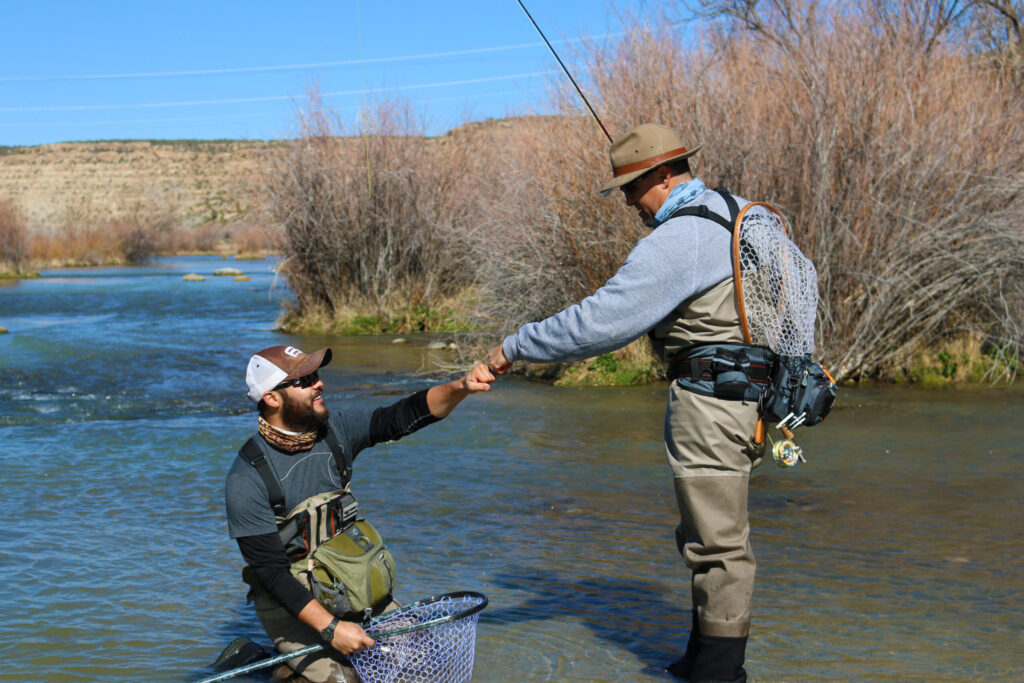
Hunting & Fishing Access

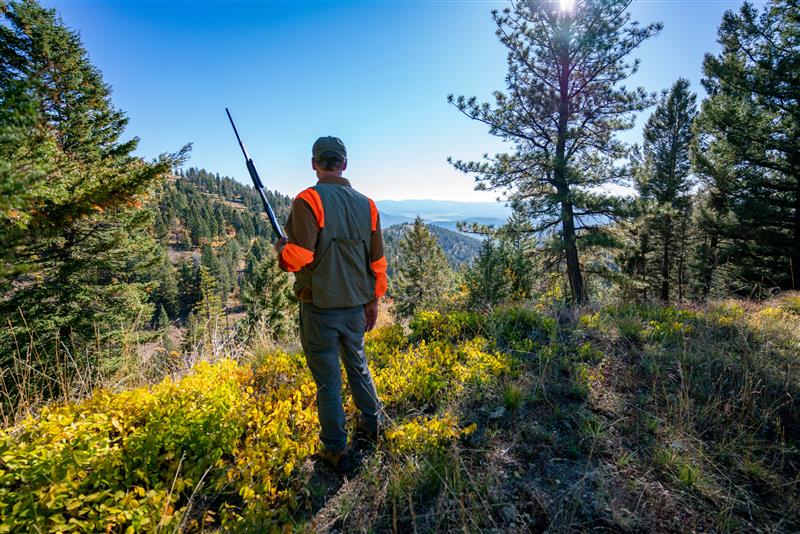
America’s 640 million acres of national public lands provide irreplaceable hunting and fishing opportunities to millions of Americans.

Learn More About Access
What TRCP is Doing

We’re working to safeguard America’s public lands so hunters and anglers always have quality places to pursue their passions.
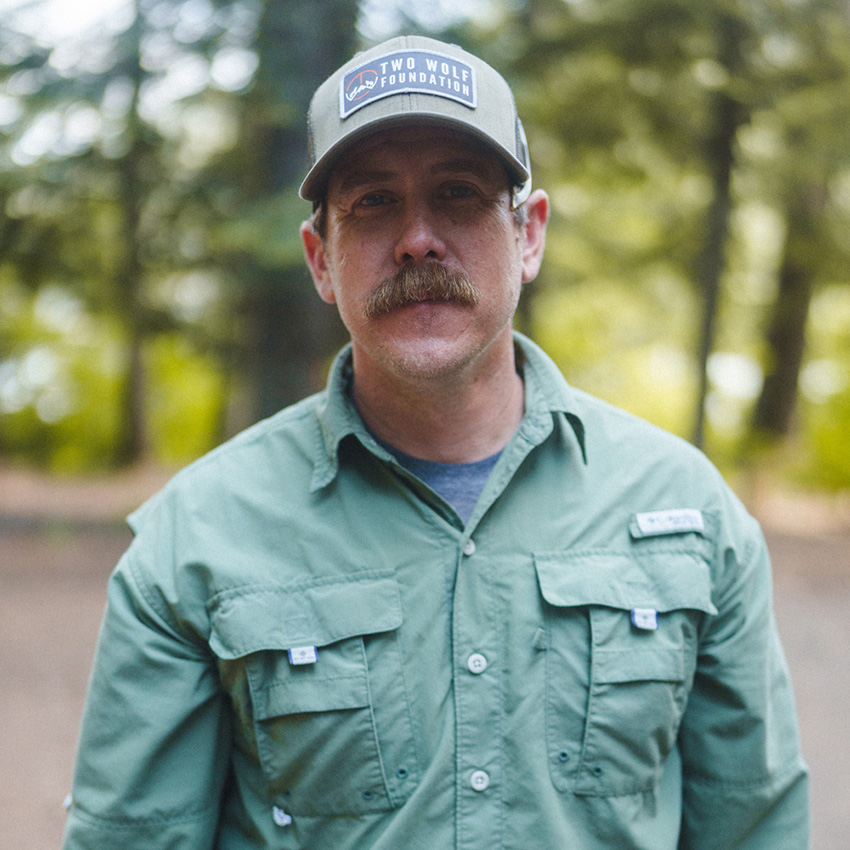
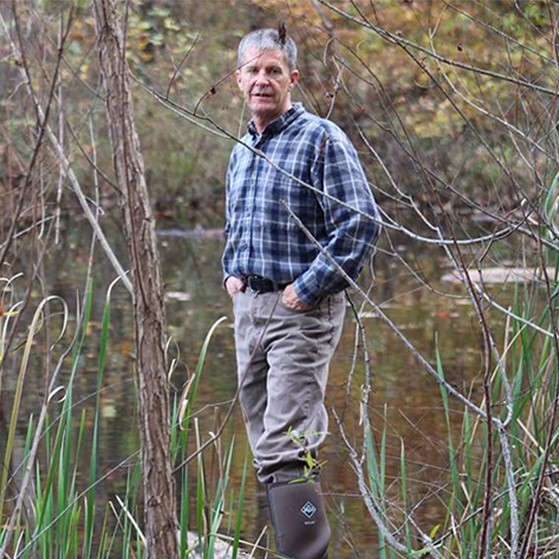
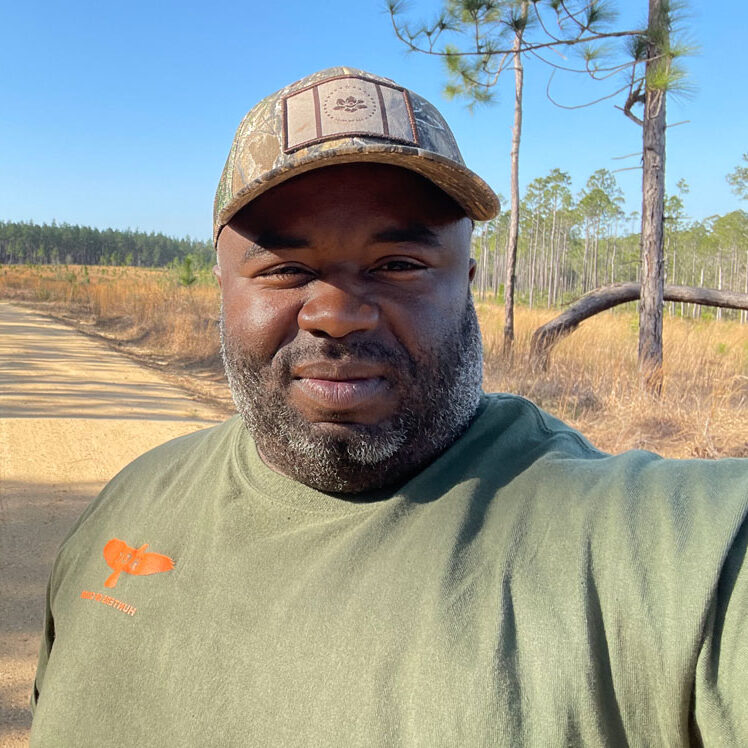
 Brian Flynn, Two Wolf Foundation
How Sportsmen Are Doing It Right

Brian Flynn, Two Wolf Foundation's Story

Following a distinguished career in the U.S. Army, lifelong outdoorsman Brian Flynn returned home from a deployment in Afghanistan and…

Hunting
Why It Matters

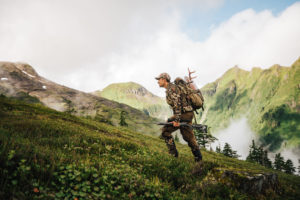
Key Issues for America’s Hunters

Your source for the latest policy updates, conservation challenges, and opportunities shaping America’s hunting traditions.

What TRCP is Doing

We’re fighting for meaningful policy changes that benefit wildlife, our waters, and the American landscapes that make our outdoor traditions possible.

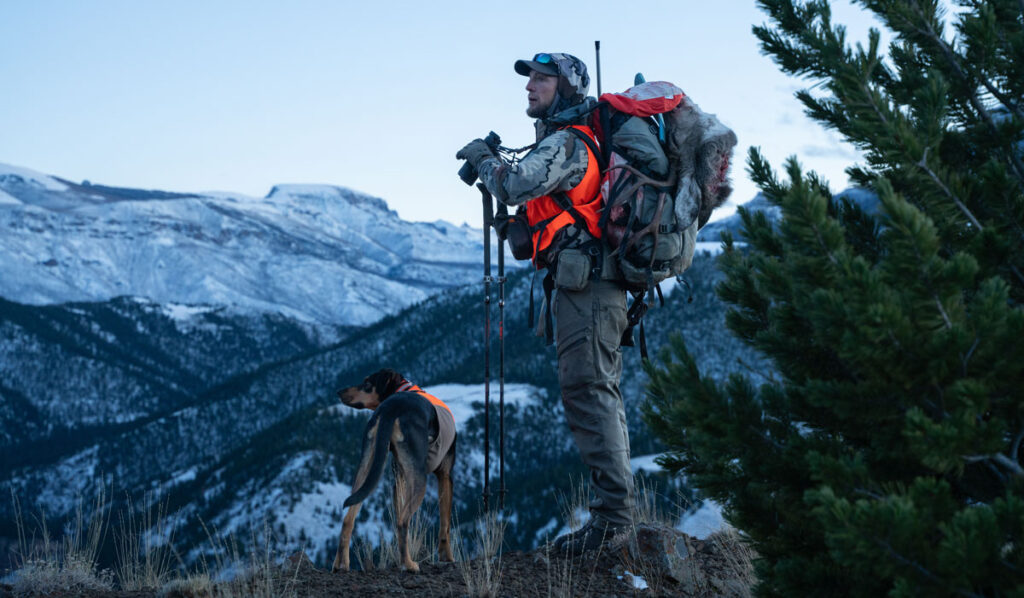
 Ryan Sparks
How Sportsmen Are Doing It Right

Ryan Sparks's Story

TRCP’s “In the Arena” series highlights the individual voices of hunters and anglers who, as Theodore Roosevelt so famously said,…

Fishing
Why It Matters

Key Issues for America’s Anglers

Your source for the latest policy updates, conservation challenges, and opportunities shaping America’s fishing traditions.

What TRCP is Doing

We’re fighting for meaningful policy changes that benefit wildlife, our waters, and the American landscapes that make our outdoor traditions possible.

 David Mangum
How Sportsmen Are Doing It Right

David Mangum's Story

Capt. David Mangum is a YETI ambassador and outdoor photographer who utilizes his talents to produce media that inspire a…

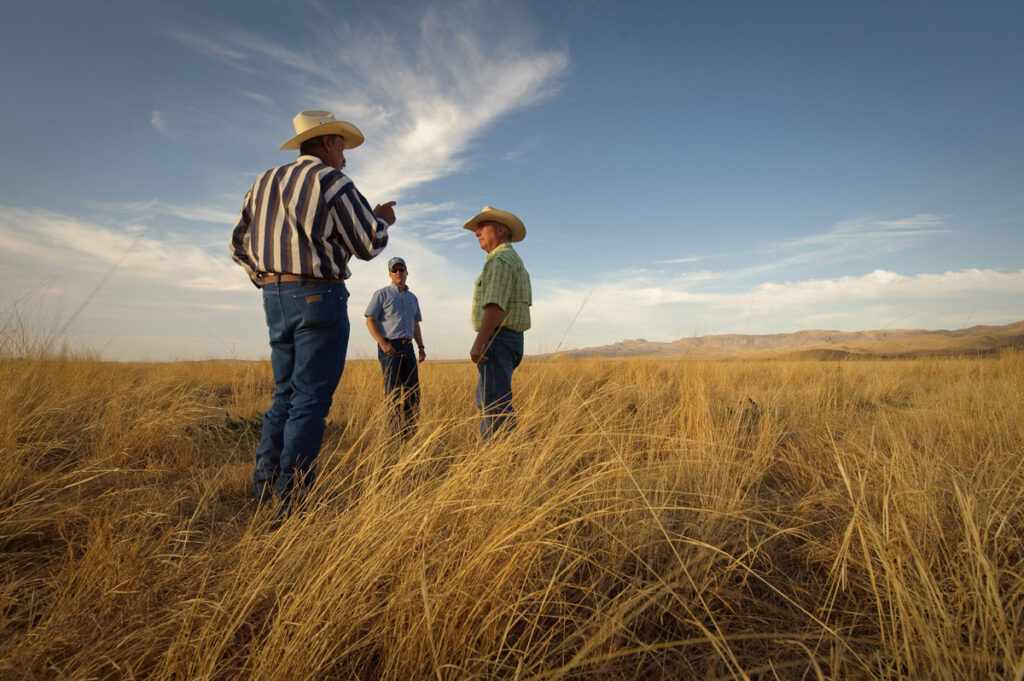
Private Land
Why It Matters

Stewardship on America’s private lands

With 70 percent of U.S. lands in private hands and many of our best hunt and fish opportunities occurring there, investing in voluntary conservation on working lands safeguards access, strengthens habitat and water quality, and ensures resilient landscapes.

Learn More
What TRCP is Doing

We champion policies and programs that restore wildlife habitat, improve soil and water health, and keep working lands productive.

 Ward Burton
How Sportsmen are Doing It Right

Ward Burton's Story

Ward Burton’s NASCAR driving career stretched across most of two decades. As an avid sportsman and conservationist, he founded the…

Special Places
Why It Matters

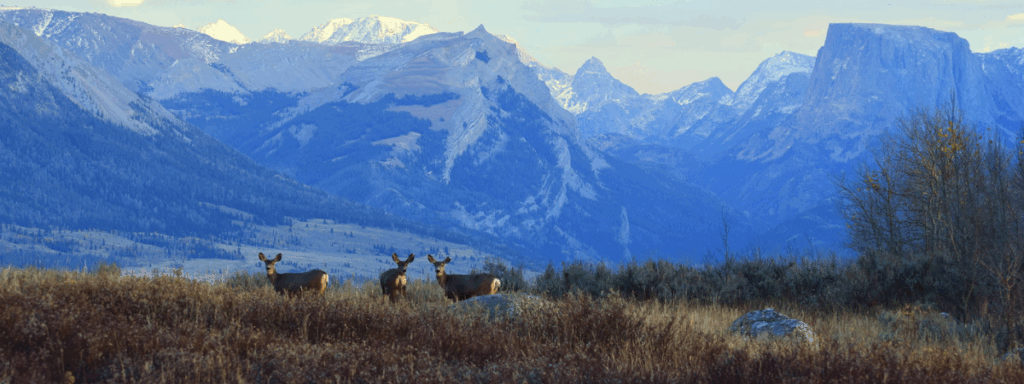
Special Places Worth Protecting

America’s most iconic landscapes provide unmatched habitat and unforgettable days afield. These places sustain wildlife, anchor local economies, and define the hunting and fishing traditions we pass down.

What TRCP is Doing

We’re working to conserve special places that provide world-class habitat and unforgettable opportunities for hunters and anglers.

 Franklin Adams
How Sportsmen Are Doing It Right

Franklin Adams's Story

As a true Gladesman, conservationist, and historian, Capt. Franklin Adams has spent more than six decades championing Everglades restoration efforts…

Habitat & Clean Water
Why It Matters

Healthy Habitat Powers Every Pursuit

All hunting and fishing opportunities depend on quality habitat, from clean water and healthy wetlands to winter and summer habitats and the migration corridors that connect them.

All About Habitat & Clean Water
What TRCP is Doing

We are working to safeguard the habitats that power every hunting and fishing opportunity.

 Alex Harvey
How Sportsmen Are Doing It Right

Alex Harvey's Story

Alex Harvey, founder of Legacy Land Management, is a registered professional forester in Mississippi and Alabama with a Master's degree…

Science
Why It Matters

Science That Guides TRCP

From conserving migration corridors and wetlands to ensuring clean water and resilient landscapes, science provides evidence that turns conservation goals into effective action.

Science for Conservation
What TRCP is Doing

For hunters and anglers, science safeguards the experiences we treasure including resilient big game populations, abundant fish, and wild places that endure changing social landscapes.

Jamelle Ellis
Your Science Expert

Jamelle Ellis's Story

Jamelle Ellis joined the Theodore Roosevelt Conservation Partnership in 2022. Jamelle spent the last three years as an environmental sustainability…

Where We Work
Across the Nation

Conservation Across America

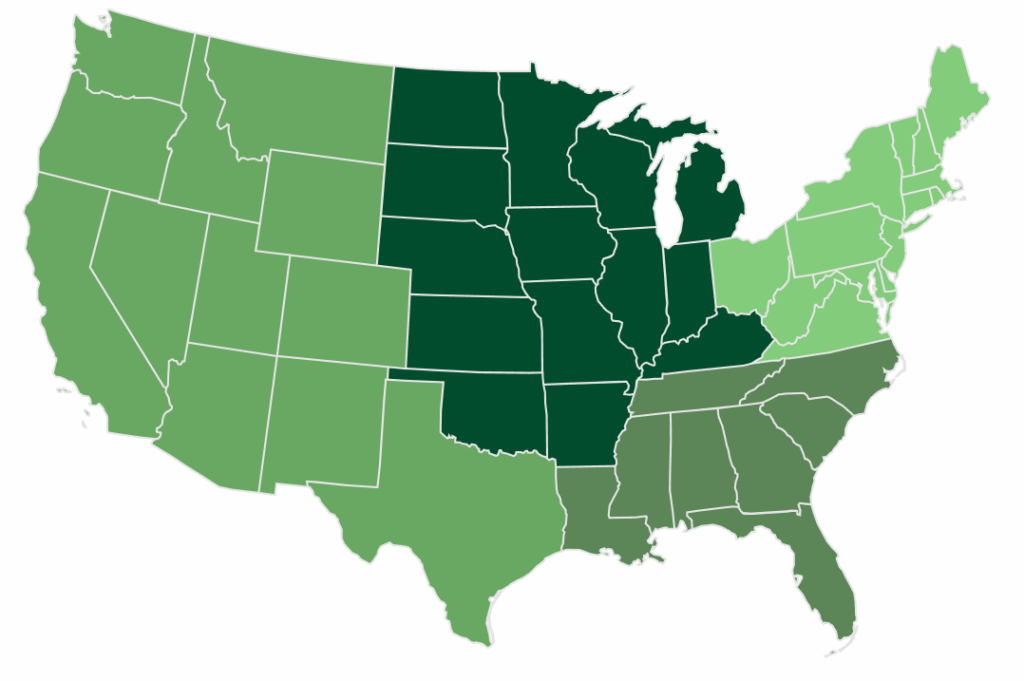
TRCP works across the country to ensure hunters and anglers can enjoy healthy fish and wildlife and quality days afield, no matter where they live.

See All Issues
TRCP in Your Region

TRCP works across the country to ensure hunters and anglers can enjoy healthy fish and wildlife and quality days afield, no matter where they live.

Who We Are
Our Mission

To guarantee all Americans quality places to hunt & fish

We unite and amplify our partners’ voices to advance America’s legacy of conservation, habitat, and access.

Our Mission & Values
Our People & Partners
  • Meet the TRCP Team

    Our staff and board members unite and amplify our partners’ voices to advance America’s legacy of conservation, habitat, and access.

    Meet the Team
  • Our Partners

    ‘Partnership’ is in our name. We work with 64 diverse partner groups that represent today’s leading hunting, fishing, and conservation organizations in order to strengthen the sportsman’s voice in Washington, D.C.

    Our Partners
  • Corporate Council

    TRCP’s Corporate Council is made up of diverse corporations that share a common passion for conservation.

    Corporate Council
Our Organization

Looking for more information?

Explore our latest news, policy updates, and conservation resources to get the information you need.

Giving
How You Can Help

To guarantee all Americans quality places to hunt & fish

Your tax-deductible donation will support TRCP's mission, now and into the future.

DONATE
Special Ways to support trcp
  • Capital Conservation Awards Dinner

    The CCAD is one of Washington's best-attended conservation celebrations, featuring dinner, cocktails, and a silent auction.

    Learn More
  • Step Into the Arena

    Help us ensure that our treasured wild habitats and game remain intact for the next generation to enjoy – lend your support to the TRCP’s efforts today!

    Donate
  • Roosevelt Roast

    TRCP has partnered with Afuera Coffee Co. to further our commitment to conservation.

    Learn More
More donation options

Find the best way for you to lend your support. Join one of TRCP’s donor circles for special invitations, premium offerings from outdoor retailers, and more exclusive benefits. Take control of your legacy with planned giving or contribute to special conservation funds.

Other Ways To Give
News
In the Spotlight

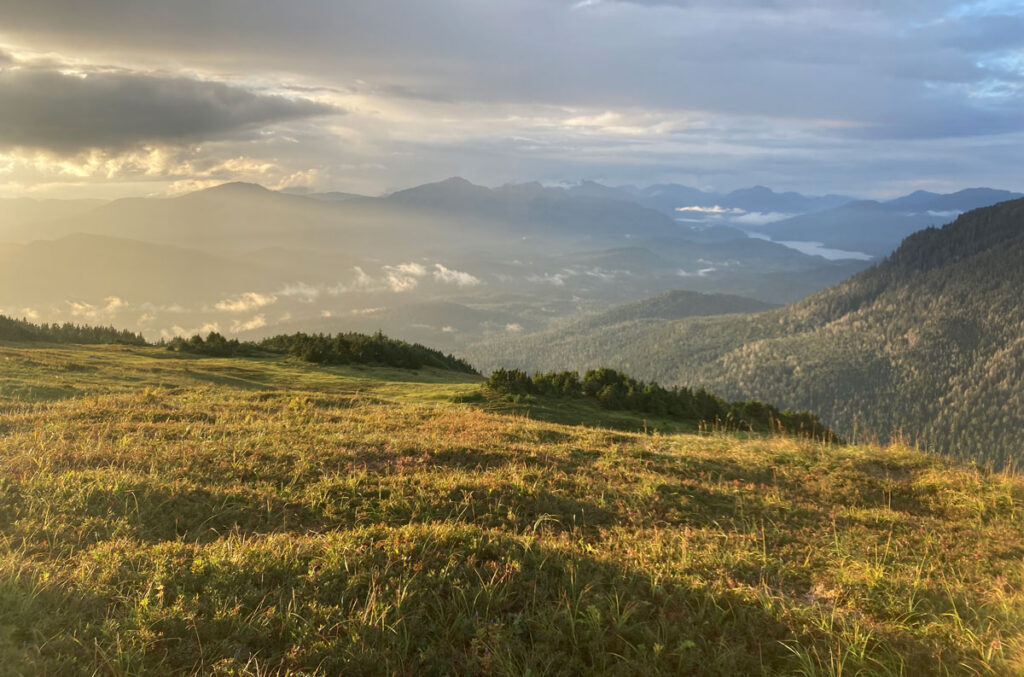
The Next Step for the Tongass

Hunters and Anglers Can Help Shape the Forest Plan.

Read More

Stay Informed

Receive our newsletter, the Roosevelt Report, right in your inbox. Never miss the latest news in conservation issues.

by:

posted in:

June 25, 2024

49161275562_ac73b94e37_o

Do you have any thoughts on this post?

XHTML: You can use these tags: <a href="" title=""> <abbr title=""> <acronym title=""> <b> <blockquote cite=""> <cite> <code> <del datetime=""> <em> <i> <q cite=""> <s> <strike> <strong>

Comments must be under 1000 characters.

by:

posted in:

June 24, 2024

Hunters Cheer Bipartisan, Bicameral Introduction of Wildlife Movement Through Partnerships Act

Act would formalize migration conservation programs that provide financial and technical assistance to states, Tribes, and private landowners

Today, hunters and conservationists celebrated the bipartisan Wildlife Movement Through Partnerships Act, introduced in the Senate by Senator Padilla (D-Calif.) and in the House of Representatives by Congressmen Zinke (R-Mont.) and Beyer (D-Va.).

“Successful migration conservation requires collaboration between local, state, Tribal and federal governments, private landowners, and the NGO community,” said Becky Humphries, president and CEO of the Theodore Roosevelt Conservation Partnership. “This bill would authorize existing federal programs that support locally driven, collaborative conservation projects that restore and conserve the most important areas wildlife need to migrate and move to fulfill their lifecycle needs. TRCP thanks Senator Padilla, Representative Zinke, and Representative Beyer for introducing this critically important, bipartisan legislation.”

Migration corridor conservation has been a priority of elected officials and state, Tribal, and federal agencies for years, and this legislation provides Congress the opportunity to support collaborative partnerships, policies, and funding that advance the research and conservation of big game migration corridors and crucial seasonal habitats.

The Wildlife Movement Through Partnerships Act would formally authorize existing federal programs initiated by the Department of the Interior during the Trump Administration through Secretarial Order 18-3362, signed by Secretary Zinke, to conserve big game migration corridors. These programs have been supported and expanded by the Biden Administration but remain discretionary. Congressional action to formalize these discretionary programs guarantees that the work will persist regardless of future administration changes. This is important because state and Tribal wildlife agency annual budgets are unable to meet the full demand for resource management. The financial and technical assistance from these federal programs would help to bridge that gap.

The legislation would:

Establish the Wildlife Movement and Migration Corridor Program at the Department of the Interior, to be administered by the National Fish and Wildlife Foundation, to fund projects that improve or conserve habitat quality in movement areas including habitat treatment projects, fence modification, and wildlife crossings.

Establish a State and Tribal Migration Research Program at the Department of the Interior to provide funds directly to state fish and wildlife agencies and Tribes for research that improves understanding of wildlife movement and migration routes.

Allow for funds from the U.S. Fish and Wildlife’s Partners for Fish and Wildlife Program to provide technical and financial assistance to private landowners undertaking voluntary conservation projects that support wildlife movement and migration routes on their land.

Support the U.S. Geological Survey’s Corridor Mapping Team to provide technical assistance to states and Tribes to map priority routes.

“While this Act codifies programs established within the Department of the Interior for big game, the U.S. Department of Agriculture and U.S. Department of Transportation also have programs that contribute to migration corridor conservation,” said Madeleine West, Center for Public Lands director for the TRCP. “The legislation would direct DOI, USDA, and DOT to coordinate together, and with states and Tribes, to further migration corridor conservation.”

This past spring, West appeared before the Senate Environment and Public Works Subcommittee on Fisheries, Water, and Wildlife where she encouraged lawmakers to make strategic investments in corridor research and conservation. Senator Padilla is Chair of the subcommittee. Support for wildlife corridor conservation has persisted across multiple presidential administrations and within state governments, both Republican and Democrat.

“We thank Senator Padilla and Representatives Zinke and Beyer for leading this legislation and supporting voluntary, cooperative conservation that will build on successful frameworks,” said Chuck Sykes, director of the Alabama Division of Wildlife and Freshwater Fisheries and president of the Association of Fish & Wildlife Agencies. “State fish and wildlife agencies have developed conservation plans identifying and integrating wildlife movement and migration routes but need the funding to put these projects on the ground with their partners.”

“The Mule Deer Foundation applauds the introduction of this much needed legislation to ensure that conservation partners can continue to work with federal and state agencies in sustaining big game and other wildlife populations that move from place to place,” said Steve Belinda, Chief Conservation Officer for the Mule Deer Foundation. “This bill allows the partnership approach that is already happening to continue and provides essential funding to ensure future collaboration and management of wildlife and their habitat is successful.”

“The Wildlife Movement Through Partnerships Act is directly aligned with the mission of the Rocky Mountain Elk Foundation, and we thank Senator Padilla and Representatives Zinke and Beyer for introducing this bipartisan and bicameral legislation,” said Kyle Weaver, president and CEO of the Rocky Mountain Elk Foundation. “RMEF has successfully advocated in Washington D.C. to prioritize migratory areas through Interior Secretarial Order 3362, the Wildlife Highway Crossings Pilot Program in the Bipartisan Infrastructure Law, and USDA’s Migratory Big Game Initiative. Generous contributions by RMEF members and partner organizations have allowed us to make these valuable habitat investments critical to conserving and improving elk and wildlife habitat. RMEF’s mapping work has accelerated through partnerships with U.S. Geological Survey researchers at the University of Wyoming and partnerships with state wildlife agencies and the federal land management agencies in the Interior and Agriculture Departments. Passage of Wildlife Movement Through Partnerships Act will send a clear message that Congress prioritizes big game migration and habitat enhancement now and in the future.”

Photo Credit: USFWS

by:

posted in:

In the Arena: Joshua Torrez

TRCP’s “In the Arena” series highlights the individual voices of hunters and anglers who, as Theodore Roosevelt so famously said, strive valiantly in the worthy cause of conservation

Joshua Torrez

Hometown: Denver, CO
Occupation: Founder of Afuera Outdoors
Conservation credentials: Torrez, founder of Afuera Outdoors, an organization dedicated to introducing and enhancing the outdoor experience to Spanish-speaking communities, also sits on the Board of Directors for the Colorado Wildlife Federation.

Since his first memories of fishing the streams outside of Leadville, Colorado, Torrez has been spending time outdoors and sharing his passion with others. Torrez founded Afuera Outdoors after recognizing a knowledge gap, particularly among the next generation of diverse hunters and anglers due to limited access, and has been driven to empower others with the understanding that we can actively conserve our natural spaces by voicing our concerns and uniting our efforts.

Here is his story.

Torrez (right) poses with a successful young angler at a recent Afuera Outdoors event with the Couer d’Alene Tribe in Idaho.

I was introduced to fishing by my father on the streams of Leadville, Colorado, where we bonded over the joys of catching and eating brook trout. To this day, my dad remains my best fishing partner. One of my most memorable outdoor adventures was rafting through Browns Canyon in Salida, Colorado. I was a newer fly fisherman at the time. During the trip, I had the exhilarating experience of catching the largest brown trout of my life using my fly rod. The moment of the catch was particularly thrilling as it happened while navigating through a set of challenging rapids. After some tense moments stabilizing the boat, I successfully reeled in the fish. This experience left a lasting impression on me and even inspired me to speak up during the public comment session for the Arkansas River National Monument.

If I could fish anywhere, I would choose a trip to Chile and Argentina, specifically Patagonia, to fly fish the Limay River, Malleo River, Simpson River, and the Palena River. Not only would I have the opportunity to pursue my passion for fly fishing in some of the world’s most renowned waters, but I would also immerse myself in the rich culture of the region. Additionally, the trip would provide an excellent opportunity to continue my life-long Spanish practice. I have a deep admiration for South America, and I aspire to experience it fully as an angler.

Torrez (left) poses with wardens and fisheries biologists at a recent Afuera Outdoors event with the Couer d’Alene Tribe in Idaho.

Conservation enhances my outdoor life by ensuring that the natural environments where I fish and hunt remain healthy and accessible. It ensures that future generations, including my own, will have the opportunity to experience the same joys of outdoor activities that I have enjoyed. Conservation efforts also help safeguard and restore habitats, ensuring diverse ecosystems, and thriving populations of fish and game, which ultimately enriches my outdoor experiences.

I initially identified as just an angler who cherished the outdoors. However, my perspective changed when I was approached to join the Board of Directors for the Colorado Wildlife Federation following a speech I delivered at the Arkansas River National Monument meeting. Through this experience, I’ve come to appreciate the influential role that both hunters and anglers play in conservation efforts. Attending National Wildlife Federation meetings further solidified my commitment to conservation, leading me to establish Afuera Outdoors. Recognizing a knowledge gap, particularly among the next generation of diverse hunters due to limited access, I am driven to empower others with the understanding that we can actively conserve our natural spaces by voicing our concerns and uniting our efforts. It has become my mission to advocate for responsible conservation practices.

Conservation should matter to the next generation of hunters and anglers because it ensures the natural environment they rely on for their activities. By educating children in both Spanish and English about the value and joys of fishing, we instill in them a love for the outdoors and a desire to conserve it. Just as I was shown, they need to understand that they can make a difference.

Learn more about Afuera Outdoors and participate in an upcoming event HERE.

Photos Courtesy of Joshua Torrez.


The TRCP is your no-B.S. resource for all things conservation. In our weekly Roosevelt Report, you’ll receive the latest news on emerging habitat threats, legislation and proposals on the move, public land access solutions we’re spearheading, and opportunities for hunters and anglers to take action. Sign up now.

by:

posted in:

June 21, 2024

TRCP to Engage in Forest Service Draft Environmental Impact Statement for National Old Growth Amendment

Organization encourages the U.S. Forest Service to support conservation that includes proactive forest management within nation’s old growth forests

Today, the U.S. Forest Service published a Draft Environmental Impact Statement that will amend 122 land management plans across the National Forest System to direct future management of old growth forests. The national amendment aims to establish consistent management direction and develop adaptive management strategies that maintain and enhance old-growth forest conditions.

“Hunters and anglers have long been key stakeholders engaged in shaping management decisions across our nation’s 193-million-acre National Forest System,” said Michael O’Casey, deputy director of Forest Policy and Northwest Programs for the Theodore Roosevelt Conservation Partnership. “The sporting community understands the importance of forest diversity, including old forests, and TRCP is encouraged that the agency’s modified proposed action supports active stewardship which will ensure key forest management tools remain available.”

Resilient, functioning forest ecosystems provide clean air, water, viable plant and animal populations, carbon sequestration, and cultural values to society. Old growth stands are integral components of these ecosystems, and the hunting and fishing community also recognizes the importance of supporting young and middle-aged stands to sustain wildlife habitat.

Forests are dynamic, evolving landscapes, requiring adaptive management across varied ages and stages to thrive. The Forest Service’s proposed action on old growth demonstrates that the agency recognizes active restoration is critical to maintaining older forests in many places on the landscape.

“Proactive stewardship activities like controlled burns, mechanical thinning, and stewardship contracting help to maintain and restore forest health by mitigating the risk of severe wildfires, disease outbreaks, and insect infestations, which are the leading threats to forest health today,” continued O’Casey. “Forest stewardship also supports mill infrastructure and forest industry jobs, components that are necessary to increase the pace and scale of needed restoration projects across the country.”

Over the next 90 days, the TRCP will work closely with our partners and engage our members to provide detailed comments that ensure a final policy will benefit the health and resilience of our forests.

Learn more about TRCP’s recent work on our nation’s forests HERE.

Photo Credit: Jack Lander

by:

posted in:

New Video Highlights Why Investments in Arizona’s Sky Islands Will Benefit Hunters for Generations

TRCP’s new video explains how BIL and IRA investments in Arizona’s Sky Islands will benefit hunters for generations.

With the Bipartisan Infrastructure Law and the Inflation Reduction Act presenting a once-in-a-generation opportunity for the restoration and renewal of our nation’s public lands, the Theodore Roosevelt Conservation Partnership is sharing a short video, the final video of a three-part series, highlighting the benefits of these critical investments to hunters, anglers, and outdoor recreationalists in Arizona’s Sky Islands landscape.

The hunting and fishing-focused conservation nonprofit has posted the video (embedded below) to their YouTube Channel to ensure that hunters, anglers, and outdoor recreationalists are aware of the significant benefits to fish, wildlife, and habitat.

Arizona’s mountainous Sky Islands, often rising over 6,000 feet above the surrounding Sonoran desert grasslands, boast extraordinarily diverse ecosystems that are seldom found in other parts of the West. This unique landscape harbors a distinctive mix of game species such as pronghorn, mule deer, and numerous species of quail, offering incredible, year-round hunting opportunities across the southern part of the state. Through a $9.59 million investment, complemented by $2.3 million in funding from the Bipartisan Infrastructure Law, the BLM is working to restore Sonoran grassland habitat, protect crucial migration corridors, and improve hunting opportunities for present and future generations of Americans.  

“We are thrilled to highlight how these investments are accelerating the restoration and resilience of this iconic landscape, while improving hunting opportunities for present and future generations,” said Christian Fauser, TRCP’s western water policy associate. “The BLM has needed these resources for a long time, and this is a huge win for public land conservation.”  

At the heart of the video is the Las Cienegas National Conservation Area, where dedicated professionals are spearheading efforts to breathe new life into the region’s soaring landscapes. Featuring commentary from BLM’s Gila District staff as well as representatives from the Arizona Antelope Foundation and Arizona Fish and Game, the video emphasizes the critical role these investments play in safeguarding habitat for wildlife and ensuring recreational opportunities for the next generations of hunters and anglers.   

Watch the video HERE 


The TRCP is your resource for all things conservation. In our weekly Roosevelt Report, you’ll receive the latest news on emerging habitat threats, legislation and proposals on the move, public land access solutions we’re spearheading, and opportunities for hunters and anglers to take action. Sign up now

HOW YOU CAN HELP

TRCP has partnered with Afuera Coffee Co. to further our commitment to conservation. $4 from each bag is donated to the TRCP, to help continue our efforts of safeguarding critical habitats, productive hunting grounds, and favorite fishing holes for future generations.

Learn More

You have Successfully Subscribed!

You have Successfully Subscribed!

You have Successfully Subscribed!

You have Successfully Subscribed!