Our Issues
Public Lands
Why It Matters

Hunting & Fishing Access

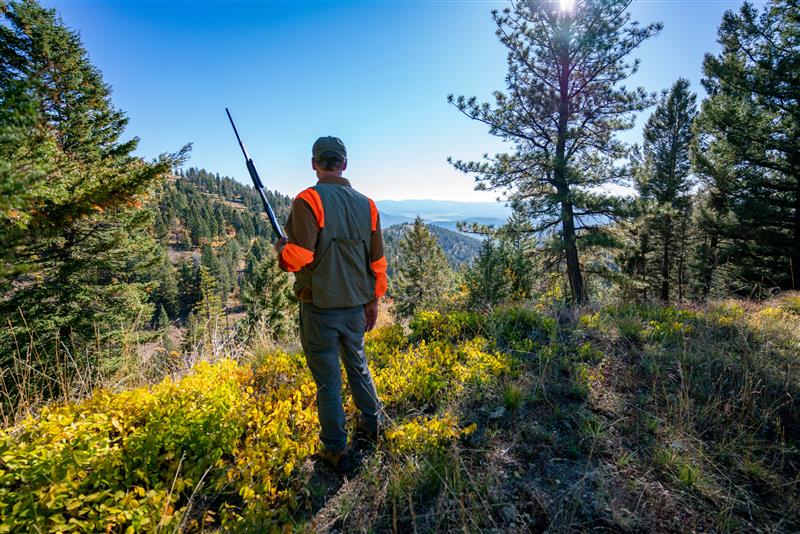
America’s 640 million acres of national public lands provide irreplaceable hunting and fishing opportunities to millions of Americans.

Learn More About Access
What TRCP is Doing

We’re working to safeguard America’s public lands so hunters and anglers always have quality places to pursue their passions.
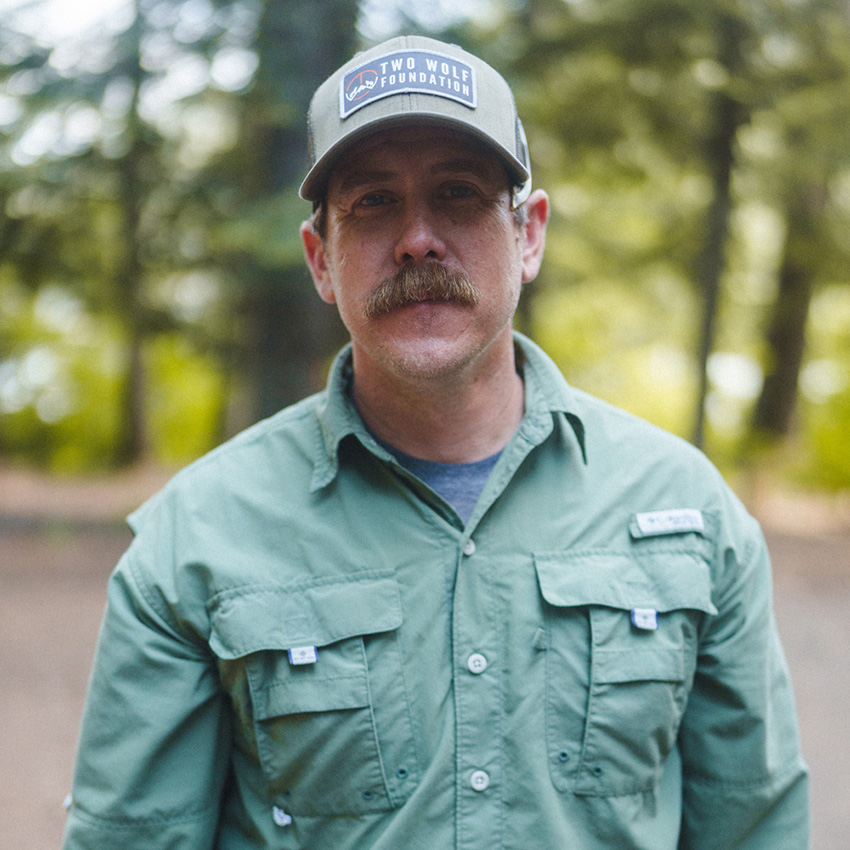
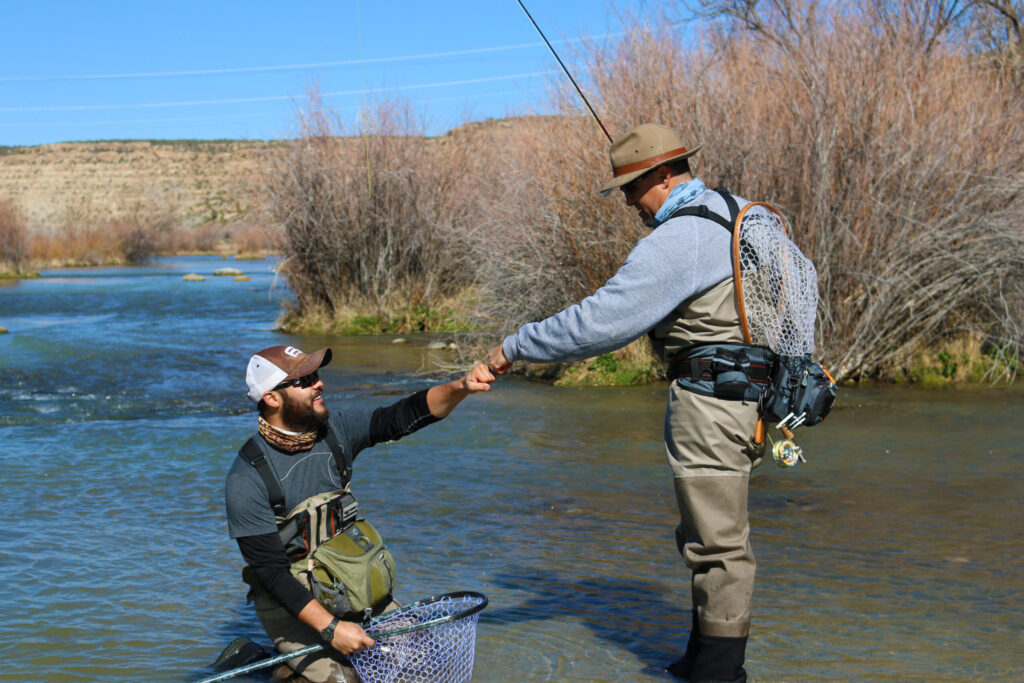
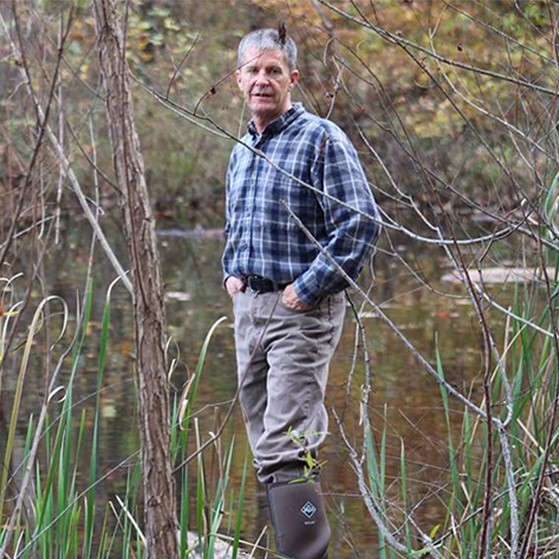
 Brian Flynn, Two Wolf Foundation
How Sportsmen Are Doing It Right

Brian Flynn, Two Wolf Foundation's Story

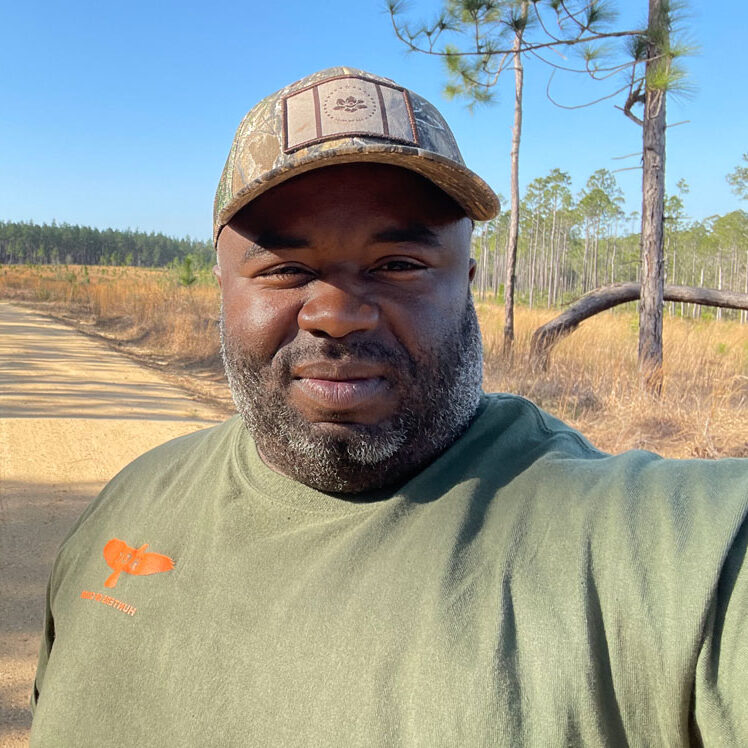
Following a distinguished career in the U.S. Army, lifelong outdoorsman Brian Flynn returned home from a deployment in Afghanistan and…

Hunting
Why It Matters

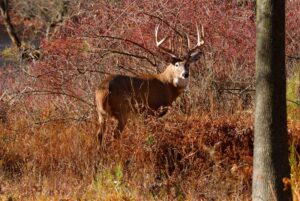
Key Issues for America’s Hunters

Your source for the latest policy updates, conservation challenges, and opportunities shaping America’s hunting traditions.

What TRCP is Doing

We’re fighting for meaningful policy changes that benefit wildlife, our waters, and the American landscapes that make our outdoor traditions possible.

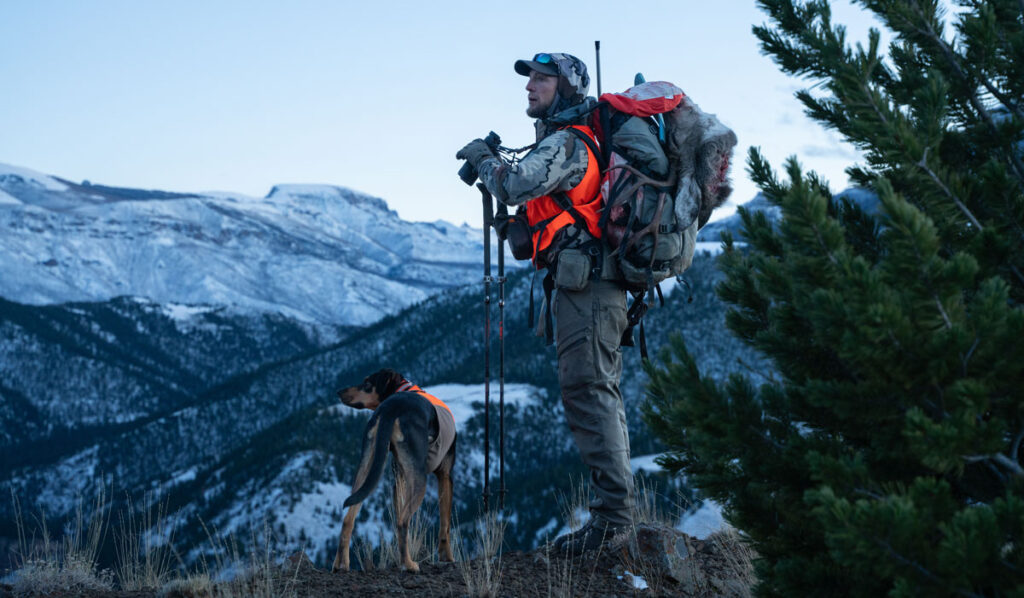
 Ryan Sparks
How Sportsmen Are Doing It Right

Ryan Sparks's Story

TRCP’s “In the Arena” series highlights the individual voices of hunters and anglers who, as Theodore Roosevelt so famously said,…

Fishing
Why It Matters

Key Issues for America’s Anglers

Your source for the latest policy updates, conservation challenges, and opportunities shaping America’s fishing traditions.

What TRCP is Doing

We’re fighting for meaningful policy changes that benefit wildlife, our waters, and the American landscapes that make our outdoor traditions possible.

 David Mangum
How Sportsmen Are Doing It Right

David Mangum's Story

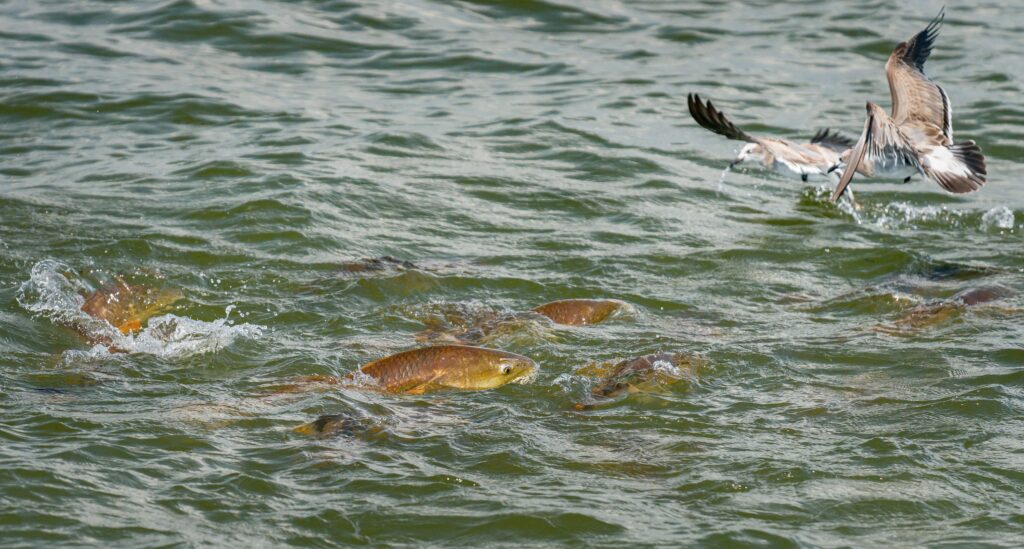
Capt. David Mangum is a YETI ambassador and outdoor photographer who utilizes his talents to produce media that inspire a…

Private Land
Why It Matters

Stewardship on America’s private lands

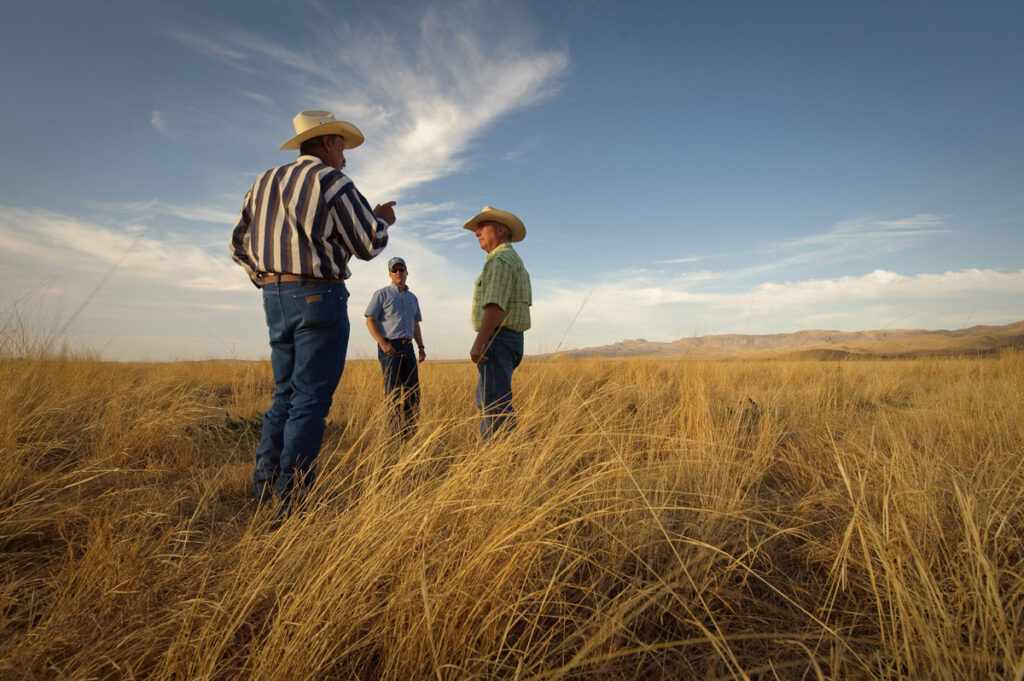
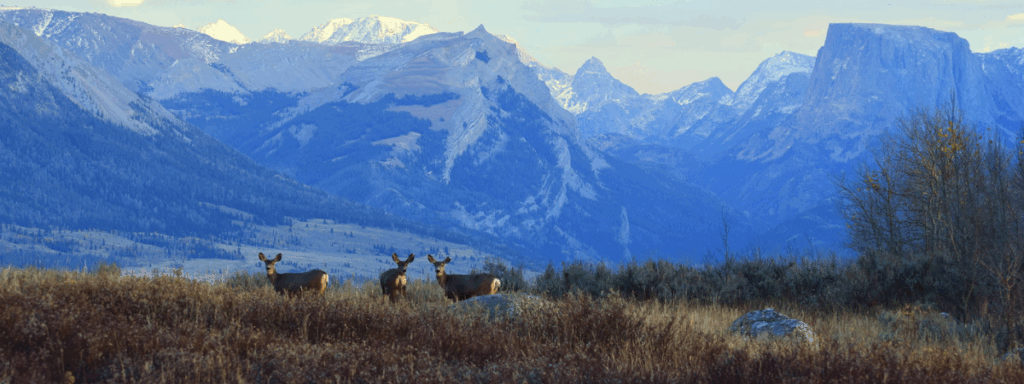
With 70 percent of U.S. lands in private hands and many of our best hunt and fish opportunities occurring there, investing in voluntary conservation on working lands safeguards access, strengthens habitat and water quality, and ensures resilient landscapes.

Learn More
What TRCP is Doing

We champion policies and programs that restore wildlife habitat, improve soil and water health, and keep working lands productive.

 Ward Burton
How Sportsmen are Doing It Right

Ward Burton's Story

Ward Burton’s NASCAR driving career stretched across most of two decades. As an avid sportsman and conservationist, he founded the…

Special Places
Why It Matters

Special Places Worth Protecting

America’s most iconic landscapes provide unmatched habitat and unforgettable days afield. These places sustain wildlife, anchor local economies, and define the hunting and fishing traditions we pass down.

What TRCP is Doing

We’re working to conserve special places that provide world-class habitat and unforgettable opportunities for hunters and anglers.

 Franklin Adams
How Sportsmen Are Doing It Right

Franklin Adams's Story

As a true Gladesman, conservationist, and historian, Capt. Franklin Adams has spent more than six decades championing Everglades restoration efforts…

Habitat & Clean Water
Why It Matters

Healthy Habitat Powers Every Pursuit

All hunting and fishing opportunities depend on quality habitat, from clean water and healthy wetlands to winter and summer habitats and the migration corridors that connect them.

All About Habitat & Clean Water
What TRCP is Doing

We are working to safeguard the habitats that power every hunting and fishing opportunity.

 Alex Harvey
How Sportsmen Are Doing It Right

Alex Harvey's Story

Alex Harvey, founder of Legacy Land Management, is a registered professional forester in Mississippi and Alabama with a Master's degree…

Science
Why It Matters

Science That Guides TRCP

From conserving migration corridors and wetlands to ensuring clean water and resilient landscapes, science provides evidence that turns conservation goals into effective action.

Science for Conservation
What TRCP is Doing

For hunters and anglers, science safeguards the experiences we treasure including resilient big game populations, abundant fish, and wild places that endure changing social landscapes.

Jamelle Ellis
Your Science Expert

Jamelle Ellis's Story

Jamelle Ellis joined the Theodore Roosevelt Conservation Partnership in 2022. Jamelle spent the last three years as an environmental sustainability…

Where We Work
Across the Nation

Conservation Across America

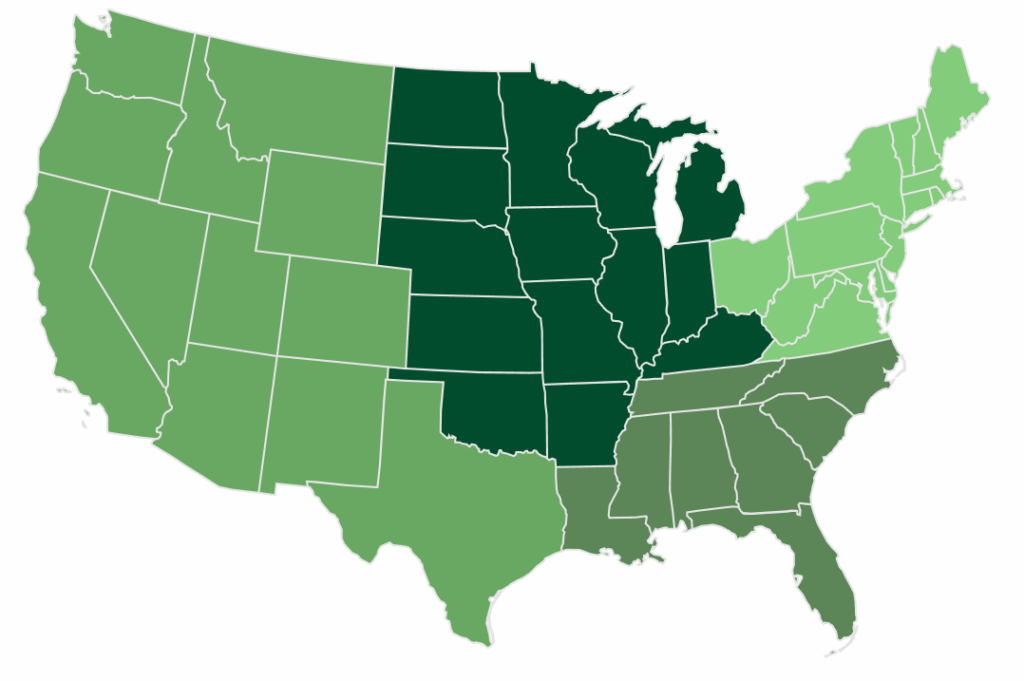
TRCP works across the country to ensure hunters and anglers can enjoy healthy fish and wildlife and quality days afield, no matter where they live.

See All Issues
TRCP in Your Region

TRCP works across the country to ensure hunters and anglers can enjoy healthy fish and wildlife and quality days afield, no matter where they live.

Who We Are
Our Mission

To guarantee all Americans quality places to hunt & fish

We unite and amplify our partners’ voices to advance America’s legacy of conservation, habitat, and access.

Our Mission & Values
Our People & Partners
  • Meet the TRCP Team

    Our staff and board members unite and amplify our partners’ voices to advance America’s legacy of conservation, habitat, and access.

    Meet the Team
  • Our Partners

    ‘Partnership’ is in our name. We work with 64 diverse partner groups that represent today’s leading hunting, fishing, and conservation organizations in order to strengthen the sportsman’s voice in Washington, D.C.

    Our Partners
  • Corporate Council

    TRCP’s Corporate Council is made up of diverse corporations that share a common passion for conservation.

    Corporate Council
Our Organization

Looking for more information?

Explore our latest news, policy updates, and conservation resources to get the information you need.

Giving
How You Can Help

To guarantee all Americans quality places to hunt & fish

Your tax-deductible donation will support TRCP's mission, now and into the future.

DONATE
Special Ways to support trcp
  • Capital Conservation Awards Dinner

    The CCAD is one of Washington's best-attended conservation celebrations, featuring dinner, cocktails, and a silent auction.

    Learn More
  • Step Into the Arena

    Help us ensure that our treasured wild habitats and game remain intact for the next generation to enjoy – lend your support to the TRCP’s efforts today!

    Donate
  • Roosevelt Roast

    TRCP has partnered with Afuera Coffee Co. to further our commitment to conservation.

    Learn More
More donation options

Find the best way for you to lend your support. Join one of TRCP’s donor circles for special invitations, premium offerings from outdoor retailers, and more exclusive benefits. Take control of your legacy with planned giving or contribute to special conservation funds.

Other Ways To Give
News
In the Spotlight

In the Arena: Josh Warren

For many hunters and anglers, the connection to conservation begins close to home — in the woods behind the house, along a familiar stretch of river, or through time spent learning from mentors and family. That sense of place is something Joshua Warren carries with him, both personally and professionally. As Director of Marketing at WorkSharp, Josh represents a company rooted in Ashland, Oregon, a community defined by its access to public lands and wild country.

Read More

Stay Informed

Receive our newsletter, the Roosevelt Report, right in your inbox. Never miss the latest news in conservation issues.

by:

posted in: Press Releases

May 8, 2024

New Legislation Would Support Wildlife Habitat on Private Lands 

The Habitat Connectivity on Working Lands Act is aimed at expanding voluntary efforts to enhance wildlife habitat connectivity on private and working lands. 

Today, Senator Martin Heinrich (D-N.M.) and Congressmen Ryan Zinke (R-Mont) and Gabe Vasquez (D-N.M.) introduced the Habitat Connectivity on Working Lands Act. This bill would support and expand voluntary efforts to improve wildlife habitat, including big game habitat, on private and working lands.  

Building on the success of the U.S. Department of Agriculture’s (USDA) Migratory Big Game Initiative in Wyoming, the bill would allow the USDA to leverage unique cost-share, technical assistance, and payments provided under the Grassland Conservation Reserve Program (GCRP) and Environmental Quality Incentives Program (EQIP) for the benefit of wildlife and agricultural producers. These common-sense improvements remove administrative barriers that limit both the conservation outcomes and relevance to producers working to conserve important fish and wildlife habitat on private land.  

“Working lands provide key habitat for migratory fish and wildlife, including big game like elk and mule deer. USDA’s voluntary conservation programs need to work together to support farmers and ranchers who create and enhance this habitat, and the next Farm Bill is our opportunity to make that happen.” said Becky Humphries, CEO at the Theodore Roosevelt Conservation Partnership. “The Habitat Connectivity on Working Lands Act removes unnecessary barriers to working lands stewardship. The TRCP thanks Senator Heinrich and Congressmen Zinke and Vasquez for their leadership on this bill and urges its inclusion in the Farm Bill.” 

The bill also spurs UDSA research on virtual fencing technologies, which allow for greater wildlife movement and animal safety on livestock operations and provides greater incentive through EQIP for the adoption of conservation practices that conserve or restore wildlife habitat connectivity.   


Learn more about Farm Bill conservation programs here

Do you have any thoughts on this post?

XHTML: You can use these tags: <a href="" title=""> <abbr title=""> <acronym title=""> <b> <blockquote cite=""> <cite> <code> <del datetime=""> <em> <i> <q cite=""> <s> <strike> <strong>

Comments must be under 1000 characters.

by:

posted in: Press Releases

April 24, 2024

Dingell, Westerman, and Newberg Receive TRCP’s Conservation Awards

Gala event co-hosted by Outdoor Afro’s Rue Mapp and MeatEater’s Ryan “Cal” Callaghan brings together D.C. luminaries, outdoor industry leaders, and TRCP supporters

At its 16th annual Capital Conservation Awards Dinner, the Theodore Roosevelt Conservation Partnership proudly celebrated the conservation achievements of Representative Debbie Dingell (D-Mich.), Representative Bruce Westerman (R-AR), and Fresh Tracks host Randy Newberg. 

The gala event was co-hosted by Rue Mapp, CEO and founder of Outdoor Afro, and Ryan “Cal” Callaghan, director of conservation at MeatEater —at the National Building Museum in Washington, D.C.

“We are thrilled this year to be presenting our 2024 awards to Congresswoman Debbie Dingell, Congressman Bruce Westerman, and hunter, public land advocate, and host of Fresh Tracks, Randy Newberg,” said Becky Humphries, TRCP interim president and CEO. “Representatives Dingell and Westerman have been instrumental in clinching legislative victories for habitat, access, and conservation funding that will impact hunting and fishing opportunities for years to come. Our event is also a fitting way to celebrate a deeply appreciated champion in conservation, Randy Newberg, who has been part of this community for many years.”

Michigan Congresswoman Debbie Dingell has been a champion for conservation from the first day she set foot in D.C. Over nearly a decade in Congress, she has fought for game changing investments in fish and wildlife conservation and expanded access for hunters and anglers, including through her leadership on the Voluntary Public Access Improvement Act and the Recovering America’s Wildlife Act. Both bills are rooted in broad support from the hunting and fishing community and ensure that future generations enjoy the same opportunity that we do.  

Photo by www.jonflemingphotography.com

As Chair of the House Committee on Natural Resources, Arkansas Congressman Bruce Westerman has been a leading voice on improving forest health, protecting, and expanding access, and bolstering fish and wildlife habitat conservation. His bipartisan EXPLORE and LAKES Acts would remove barriers to access and modernize outdoor infrastructure, while the America’s Wildlife Habitat Conservation Act delivers several long-standing hunting and fishing community priorities like a fix to the Cottonwood court decision and would create additional pathways for proactive, voluntary conservation.

Photo by www.jonflemingphotography.com

Randy Newberg, host of the Fresh Tracks and On Your Own Adventures hunting television shows, the long-standing Hunt Talk web forum, and the Hunt Talk Podcast is a true champion of conservation and a steadfast advocate for the hunting community. As a true champion of conservation and a steadfast advocate for the hunting community, his unwavering dedication and humble passion make him a true advocate for the everyday hunter. 

Photo by www.jonflemingphotography.com

The 16th Annual Capital Conservation Awards Dinner was made possible with the support of the following generous sponsors:


The TRCP is your resource for all things conservation. In our weekly Roosevelt Report, you’ll receive the latest news on emerging habitat threats, legislation and proposals on the move, public land access solutions we’re spearheading, and opportunities for hunters and anglers to take action. Sign up now.

by:

posted in: Press Releases

April 19, 2024

BLM Announces Big Wins for Wildlife, Hunters, and Anglers on 13 Million Acres of Public Lands in Northern Alaska

The Central Yukon Resource Management Plan includes measures to safeguard important habitat and world-class recreation opportunities

Today, after more than a decade of engagement with local residents, Alaska Native Tribes, hunters and anglers, and conservation and development interests, the Bureau of Land Management released a revised resource management plan for 13.3 million acres of BLM-managed public lands in northern Alaska.

The Central Yukon planning area features some of the most valued big game species in Alaska—including Dall sheep, moose, and caribou—and 25 species of fish. The area is perhaps best recognized for the Dalton Highway Corridor, also known as the Haul Road. This unique recreation destination allows for some of the most remote—yet road accessible—hike-in and float trips in Alaska. BLM-managed lands within the 56-million-acre planning area provide important habitat connectivity between several conservation units that are prized by hunters and anglers, including five national wildlife refuges.

“The BLM’s revised Central Yukon plan is great news for Alaskans and visiting hunters and anglers who know and treasure these wild public lands, and for everyone who dreams of an iconic Haul Road hunting or fishing trip,” said Jen Leahy, Alaska senior program manager for the Theodore Roosevelt Conservation Partnership. “The hunting and fishing community has been involved in this plan revision for many years. We thank the BLM for adopting several habitat-focused measures in the final plan, which, as a whole, appropriately balances conservation and development interests.”

The plan contains measures that avoid or minimize impacts to fish, wildlife, and important habitats; outlines steps to prepare for the growing recreational demand along the Dalton Corridor that is expected to increase over the next two decades; and maintains existing conservation safeguards that were already in place to uphold the quality hunting, fishing, and other recreational opportunities of the region. To manage for continued hunting and fishing opportunities in the Dalton Corridor, the BLM is proposing to adopt a Backcountry Conservation Area, a land use allocation focused on habitat conservation and wildlife dependent recreation that allows for other traditional uses to continue. The plan additionally includes provisions to conserve habitat for caribou and Dall sheep. 

Following a 60-day review period, the BLM will issue an approved RMP and Record of Decision. Once final, the RMP will guide landscape-level management and the various uses allowed on BLM lands in this region for the next 20 or more years.

by:

posted in: Press Releases

BLM Poised to Deny Permit for Industrial Corridor in Alaska’s Brooks Range

Hunters and anglers cheer important milestone to maintain America’s most wild and remote hunting and fishing grounds

Today, the Bureau of Land Management released the final Supplemental Environmental Impact Statement concerning the proposed Ambler Industrial Road in Alaska’s Brooks Range. The development proposal has gained national attention for its potential to permanently alter the remote character of Alaska’s largest remaining swath of wild country.

After months of analyzing the potential impacts of the major industrial corridor on fish, wildlife, rural subsistence, and outdoor recreation in the region, the BLM selected the “No Action” alternative in the final SEIS, which indicates the agency’s intent to deny the permit for the Ambler Industrial Road later this year.

“Today’s announcement is a big step toward an enormous conservation win for all Americans who value the unbroken landscapes, exceptional habitat, and opportunities for solitude in this awe-inspiring region,” said Lewis Pagel, owner of Arctic Fishing Adventures in Kotzebue, Alaska.

“By selecting the ‘No Action’ alternative in this final environmental review, the BLM is acknowledging that the risks of the proposed Ambler Road far outweigh the rewards,” said Jen Leahy, Alaska senior program manager for the Theodore Roosevelt Conservation Partnership.

“This milestone is the result of broad opposition to this project, led by local residents and Alaska Native Tribes, and supported by thousands of conservation-minded hunters and anglers from across the country,” continued Leahy, who lives in Anchorage, Alaska. “Those sportsmen and sportswomen have helped turn the tide of public opinion against the Ambler Road, and we appreciate the BLM recognizing this in their preferred alternative.”

Known as the Ambler Road, the proposed private industrial corridor would partially bisect the home range of the Western Arctic Caribou Herd, one of Alaska’s largest remaining herds. The 211-mile industrial corridor would cross 11 major rivers and require nearly 3,000 culverts, degrading habitat and potentially impeding fish passage for species such as Arctic grayling and sheefish.

“Brooks Range rivers are beautiful, wild, and there are few other places like them in the world,” said fly fishing guide Greg Halbach of Remote Waters in Anchorage, Alaska. Halbach’s small operation offers guided wilderness floats on the Kobuk River, one of the only places in North America to target sheefish—also known as “tarpon of the north.”

“Roads are the very opposite of remote and wild,” Halbach said. “A single road can fragment habitat, disrupt wildlife migrations, and introduce chemical pollutants on a scale much wider than the narrow strip of gravel that we see. A float down the Kobuk River that included passing under bridges and listening to the hammering of engine brakes from tractor-trailers would be a radically different recreational experience.”

The proposed Ambler Road has prompted strong opposition from the hunting and fishing community. In 2023, more than 40 Alaska-based businesses, leading outdoor brands, and conservation organizations launched Hunters & Anglers for the Brooks Range. The collective—which includes guides, outfitters, and transporters who operate in the Brooks Range—is urging the Bureau of Land Management to deny the permit for the private industrial corridor. To date, the growing coalition has delivered nearly 10,000 individual letters to the agency opposing the Ambler Road.

“While the BLM’s ‘No Action’ finding is a cause for celebration, our most important work is still ahead,” said Leahy. “Until the agency issues a final decision, hunters and anglers will remain engaged to help ensure a positive outcome and defend the Brooks Range from future threats.”

Individuals can sign a petition opposing the Ambler Industrial Road HERE.

Learn more about Hunters & Anglers for the Brooks Range and sign up for updates on the status of the Ambler Industrial Road HERE.


About Hunters & Anglers for the Brooks Range: Hunters & Anglers for the Brooks Range, a project of the Theodore Roosevelt Conservation Partnership, is a collective of seasoned hunters, anglers, conservationists, and leading outdoor brands. We are committed to defending the wild and remote character of Alaska’s Brooks Range—a world-class hunting and fishing destination—from the proposed Ambler Industrial Road.

Photo Credit: Greg Halbach

April 18, 2024

BLM Final Conservation Rule to Benefit Habitat on Public Land

TRCP encourages strong collaboration as BLM proceeds with implementation

Today, the anticipated Conservation and Landscape Health Final Rule was published by the Bureau of Land Management. TRCP has been actively engaged with the rulemaking process since the draft conservation rule was released in April 2023 and collaborated closely with its partners to encourage the agency to make important improvements to the rule. In the final rule released today, TRCP recognizes the value of several key components for maintaining and restoring fish and wildlife habitats important to sportsmen and sportswomen.

“BLM public lands and habitats are under increased pressure from drought, severe wildfires, and invasive species, and the Conservation and Landscape Health Rule will help improve the agency’s ability to address those challenges for the benefit of hunters and anglers,” said Joel Webster, VP of western conservation at the Theodore Roosevelt Conservation Partnership. “TRCP appreciates the BLM listening to feedback and making refinements to the final rule.”

Among the modifications made to the conservation rule, the BLM provided increased clarity to narrow the potential applicability of restoration leasing and mitigation leasing on BLM land. The agency also clarified that habitat connectivity is a component of intact landscapes. TRCP believes that these, and other refinements, address critiques made of the draft rule, and the organization encourages the BLM to focus heavily on collaboration during the implementation process.

“Like every public policy, the success and durability of the BLM conservation rule will depend on strong engagement with local communities, states, and Tribes,” continued Webster. “TRCP will do our part by remaining at the table to ensure habitat is conserved, restored, and enhanced to support robust fish and wildlife populations and continued hunting and fishing opportunities.”

HOW YOU CAN HELP

TRCP has partnered with Afuera Coffee Co. to further our commitment to conservation. $4 from each bag is donated to the TRCP, to help continue our efforts of safeguarding critical habitats, productive hunting grounds, and favorite fishing holes for future generations.

Learn More
Subscribe


You have Successfully Subscribed!

You have Successfully Subscribed!

You have Successfully Subscribed!

You have Successfully Subscribed!

You have Successfully Subscribed!