Our Issues
Public Lands
Why It Matters

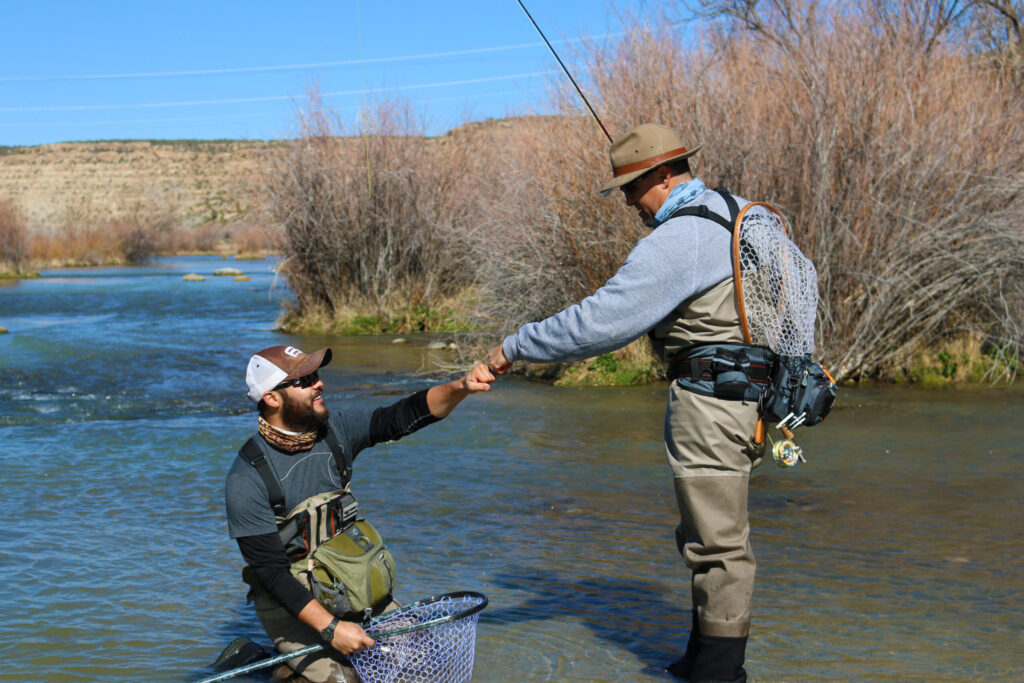
Hunting & Fishing Access

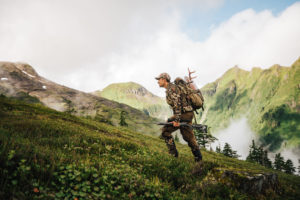
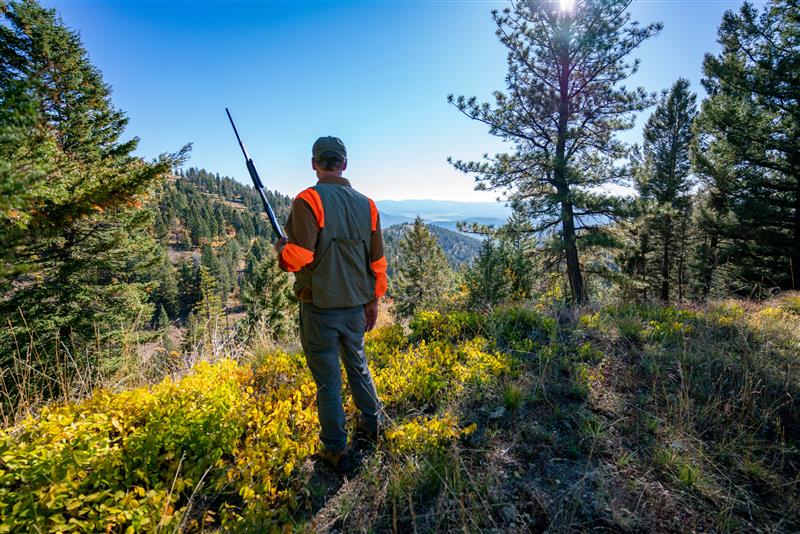
America’s 640 million acres of national public lands provide irreplaceable hunting and fishing opportunities to millions of Americans.

Learn More About Access
What TRCP is Doing

We’re working to safeguard America’s public lands so hunters and anglers always have quality places to pursue their passions.

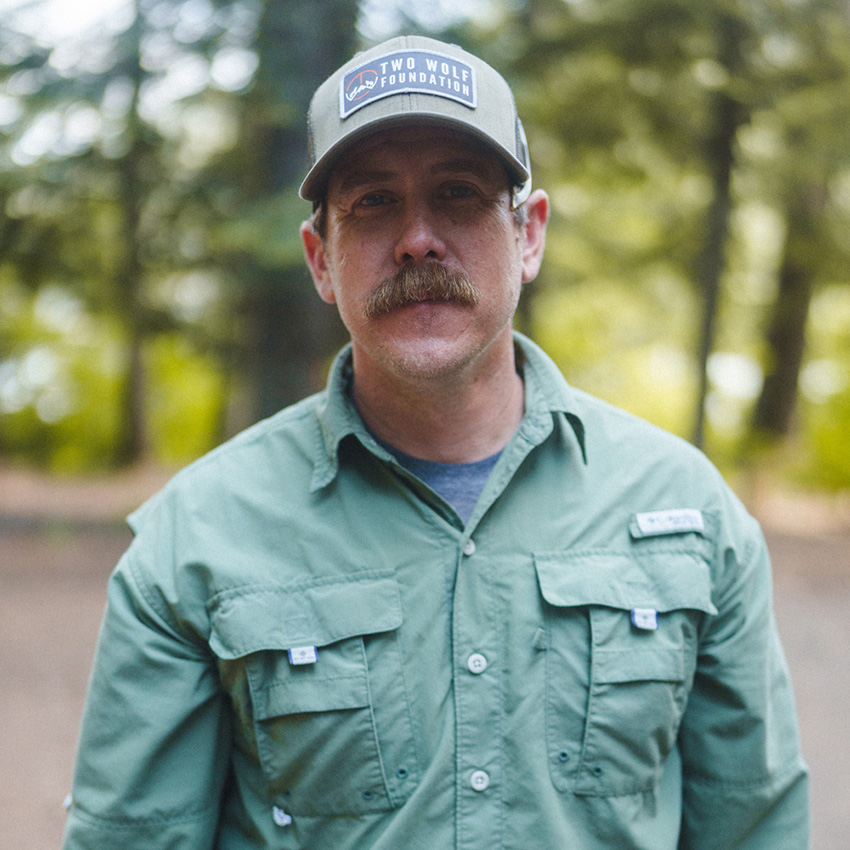
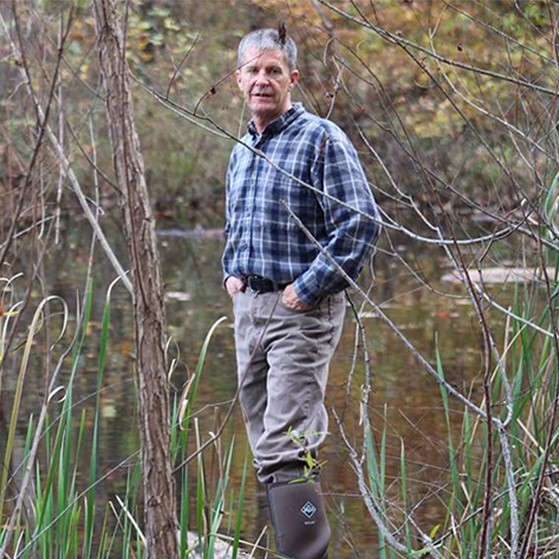
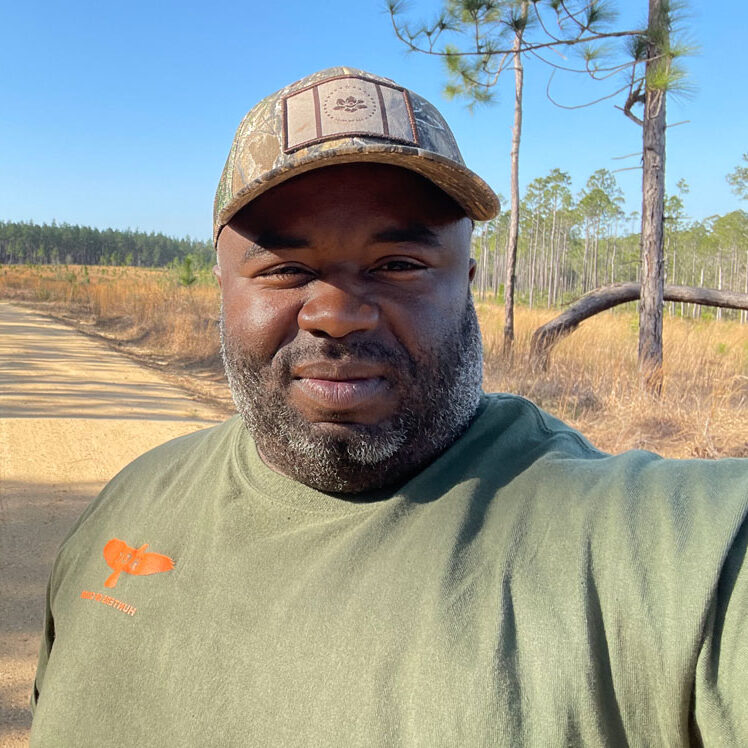
 Brian Flynn, Two Wolf Foundation
How Sportsmen Are Doing It Right

Brian Flynn, Two Wolf Foundation's Story

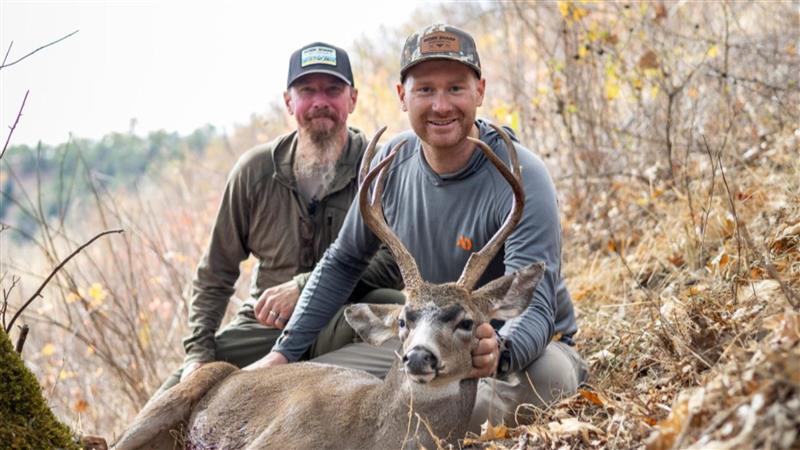
Following a distinguished career in the U.S. Army, lifelong outdoorsman Brian Flynn returned home from a deployment in Afghanistan and…

Hunting
Why It Matters

Key Issues for America’s Hunters

Your source for the latest policy updates, conservation challenges, and opportunities shaping America’s hunting traditions.

What TRCP is Doing

We’re fighting for meaningful policy changes that benefit wildlife, our waters, and the American landscapes that make our outdoor traditions possible.

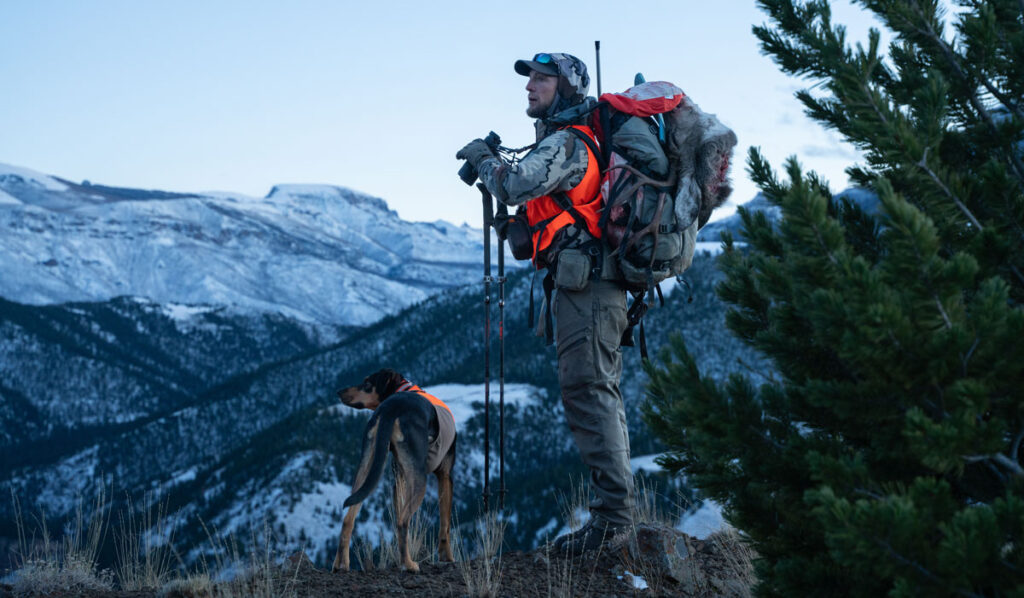
 Ryan Sparks
How Sportsmen Are Doing It Right

Ryan Sparks's Story

TRCP’s “In the Arena” series highlights the individual voices of hunters and anglers who, as Theodore Roosevelt so famously said,…

Fishing
Why It Matters

Key Issues for America’s Anglers

Your source for the latest policy updates, conservation challenges, and opportunities shaping America’s fishing traditions.

What TRCP is Doing

We’re fighting for meaningful policy changes that benefit wildlife, our waters, and the American landscapes that make our outdoor traditions possible.

 David Mangum
How Sportsmen Are Doing It Right

David Mangum's Story

Capt. David Mangum is a YETI ambassador and outdoor photographer who utilizes his talents to produce media that inspire a…

Private Land
Why It Matters

Stewardship on America’s private lands

With 70 percent of U.S. lands in private hands and many of our best hunt and fish opportunities occurring there, investing in voluntary conservation on working lands safeguards access, strengthens habitat and water quality, and ensures resilient landscapes.

Learn More
What TRCP is Doing

We champion policies and programs that restore wildlife habitat, improve soil and water health, and keep working lands productive.

 Ward Burton
How Sportsmen are Doing It Right

Ward Burton's Story

Ward Burton’s NASCAR driving career stretched across most of two decades. As an avid sportsman and conservationist, he founded the…

Special Places
Why It Matters

Special Places Worth Protecting

America’s most iconic landscapes provide unmatched habitat and unforgettable days afield. These places sustain wildlife, anchor local economies, and define the hunting and fishing traditions we pass down.

What TRCP is Doing

We’re working to conserve special places that provide world-class habitat and unforgettable opportunities for hunters and anglers.

 Franklin Adams
How Sportsmen Are Doing It Right

Franklin Adams's Story

As a true Gladesman, conservationist, and historian, Capt. Franklin Adams has spent more than six decades championing Everglades restoration efforts…

Habitat & Clean Water
Why It Matters

Healthy Habitat Powers Every Pursuit

All hunting and fishing opportunities depend on quality habitat, from clean water and healthy wetlands to winter and summer habitats and the migration corridors that connect them.

All About Habitat & Clean Water
What TRCP is Doing

We are working to safeguard the habitats that power every hunting and fishing opportunity.

 Alex Harvey
How Sportsmen Are Doing It Right

Alex Harvey's Story

Alex Harvey, founder of Legacy Land Management, is a registered professional forester in Mississippi and Alabama with a Master's degree…

Science
Why It Matters

Science That Guides TRCP

From conserving migration corridors and wetlands to ensuring clean water and resilient landscapes, science provides evidence that turns conservation goals into effective action.

Science for Conservation
What TRCP is Doing

For hunters and anglers, science safeguards the experiences we treasure including resilient big game populations, abundant fish, and wild places that endure changing social landscapes.

Jamelle Ellis
Your Science Expert

Jamelle Ellis's Story

Jamelle Ellis joined the Theodore Roosevelt Conservation Partnership in 2022. Jamelle spent the last three years as an environmental sustainability…

Where We Work
Across the Nation

Conservation Across America

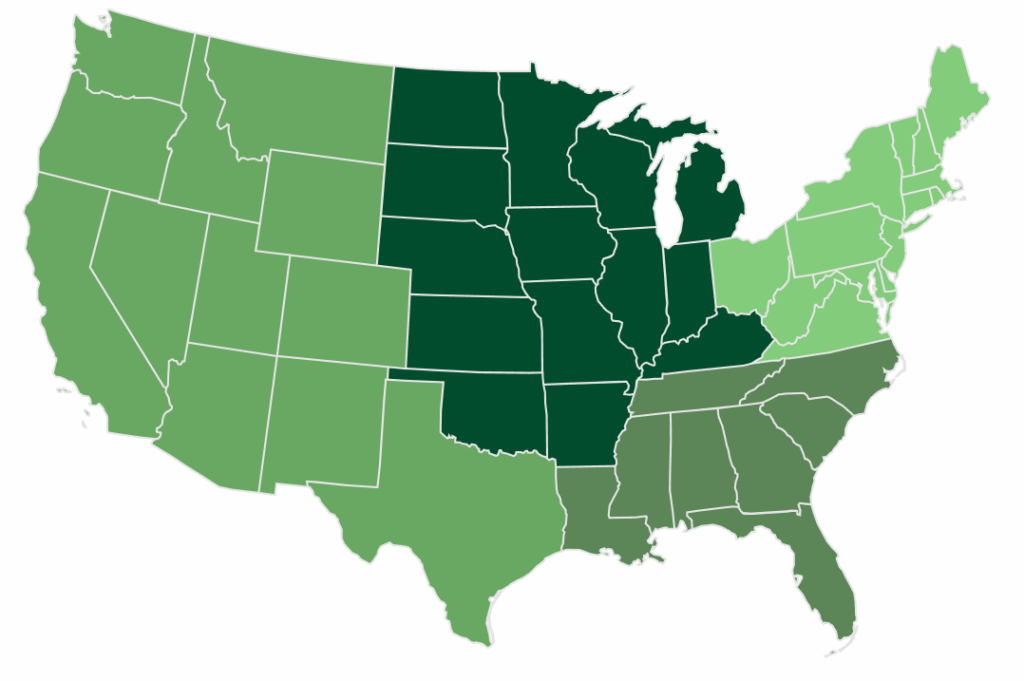
TRCP works across the country to ensure hunters and anglers can enjoy healthy fish and wildlife and quality days afield, no matter where they live.

See All Issues
TRCP in Your Region

TRCP works across the country to ensure hunters and anglers can enjoy healthy fish and wildlife and quality days afield, no matter where they live.

Who We Are
Our Mission

To guarantee all Americans quality places to hunt & fish

We unite and amplify our partners’ voices to advance America’s legacy of conservation, habitat, and access.

Our Mission & Values
Our People & Partners
  • Meet the TRCP Team

    Our staff and board members unite and amplify our partners’ voices to advance America’s legacy of conservation, habitat, and access.

    Meet the Team
  • Our Partners

    ‘Partnership’ is in our name. We work with 64 diverse partner groups that represent today’s leading hunting, fishing, and conservation organizations in order to strengthen the sportsman’s voice in Washington, D.C.

    Our Partners
  • Corporate Council

    TRCP’s Corporate Council is made up of diverse corporations that share a common passion for conservation.

    Corporate Council
Our Organization

Looking for more information?

Explore our latest news, policy updates, and conservation resources to get the information you need.

Giving
How You Can Help

To guarantee all Americans quality places to hunt & fish

Your tax-deductible donation will support TRCP's mission, now and into the future.

DONATE
Special Ways to support trcp
  • Capital Conservation Awards Dinner

    The CCAD is one of Washington's best-attended conservation celebrations, featuring dinner, cocktails, and a silent auction.

    Learn More
  • Step Into the Arena

    Help us ensure that our treasured wild habitats and game remain intact for the next generation to enjoy – lend your support to the TRCP’s efforts today!

    Donate
  • Roosevelt Roast

    TRCP has partnered with Afuera Coffee Co. to further our commitment to conservation.

    Learn More
More donation options

Find the best way for you to lend your support. Join one of TRCP’s donor circles for special invitations, premium offerings from outdoor retailers, and more exclusive benefits. Take control of your legacy with planned giving or contribute to special conservation funds.

Other Ways To Give
News
In the Spotlight

In the Arena: Josh Warren

For many hunters and anglers, the connection to conservation begins close to home — in the woods behind the house, along a familiar stretch of river, or through time spent learning from mentors and family. That sense of place is something Joshua Warren carries with him, both personally and professionally. As Director of Marketing at WorkSharp, Josh represents a company rooted in Ashland, Oregon, a community defined by its access to public lands and wild country.

Read More

Stay Informed

Receive our newsletter, the Roosevelt Report, right in your inbox. Never miss the latest news in conservation issues.

by:

posted in:

March 5, 2024

Louisiana-swamp-waters-and-forest-Credit-nsub1

Do you have any thoughts on this post?

XHTML: You can use these tags: <a href="" title=""> <abbr title=""> <acronym title=""> <b> <blockquote cite=""> <cite> <code> <del datetime=""> <em> <i> <q cite=""> <s> <strike> <strong>

Comments must be under 1000 characters.

by:

posted in:

March 1, 2024

Atlantic Herring Measures Could Improve Angler Access to Baitfish

The New England Fishery Management Council is soliciting public comments to develop new management measures for this critical forage fish

The Atlantic herring stock is currently considered overfished, at a mere one-fifth of its target biomass. While the total herring harvest has decreased over the years, economic and on-the-water conflicts still abound between industrial midwater trawlers and other groups in New England who are reliant on a healthy herring resource, such as recreational anglers, other commercial watermen, and ecotourism operators.

Atlantic mackerel, a primary alternative prey species for herring predators – and harvested by essentially the same trawling fleet – have also crashed. In addition, the high volume of bycatch of already depleted species like river herring and shad, which are caught by the industrial herring fleet year-round, has prompted scientists and managers to ask two important questions:

What more can be done to mitigate bycatch from the directed herring fishery, and how can we enhance efforts to restore and maintain runs of river herring and shad?

Previous Protections Vacated in Court

Many New England anglers might remember the nearly decade-long process that was Amendment 8 to the Atlantic Herring Fishery Management Plan. From 2015 to 2021, anglers and conservationists helped provide input toward the development of a 12-mile-wide “Inshore Midwater Trawl Restricted Area” as part of the amendment. This buffer zone protected nearshore areas in New England from the impacts of industrial midwater trawling, allowing recreational anglers and smaller-scale commercial gear types enhanced access to herring for bait, and leaving more forage in the water for herring lovers like striped bass, tuna, whales, and many more. 

Unfortunately, that buffer zone was short-lived; vacated in 2022 because the court determined that the rationale for its establishment – localized depletion of the herring resource – couldn’t be scientifically proven. So, it might come as no surprise that the issues prompting the buffer zone’s development nearly ten years ago still persist in 2024, and now there’s an effort to re-establish similar restrictions within the fishery.

Alewives are a depleted river herring species caught as bycatch by the directed herring fishery. Photo credit: NOAA

A Renewed Attempt to Protect Herring

In 2023, the New England Fishery Management Council began working in earnest to prioritize the development of new management measures through a new amendment to the Fishery Management Plan – Amendment 10 – to address the ongoing concerns, attain optimum yield in the fishery, and improve herring’s conservation status. Last year, the Theodore Roosevelt Conservation Partnership and partners launched a new campaign to work alongside the council to support Amendment 10 action and ensure that access to a healthy herring population is available to all stakeholders.

The council has since decided to explore a range of management alternatives to “minimize user conflicts, including spatially and temporally explicit gear restrictions, area closures, and possession limits.” Potential management measures it will consider include the spatial extent of the Midwater Trawl Restricted Area approved under Amendment 8, and a focus on areas not subject to current seasonal closures to midwater trawling.

What You Need to Know

The NEFMC is now soliciting public comments about which direction it should take when developing and implementing new management measures in the Atlantic herring fishery. The council is proposing to take action by addressing the spatial (location-based) and temporal (seasonal-based) allocation and management of this species at the management unit level. They have also produced a scoping document with a full list of questions for the public to consider when providing input, which can be found here.

In short, Amendment 10 management measures will be designed to attain optimum yield and improve the conservation status of Atlantic herring by accounting for its critically important role as a forage species; minimizing user conflicts; and addressing the incidental catch of river herring and shad by the directed Atlantic herring fishery.

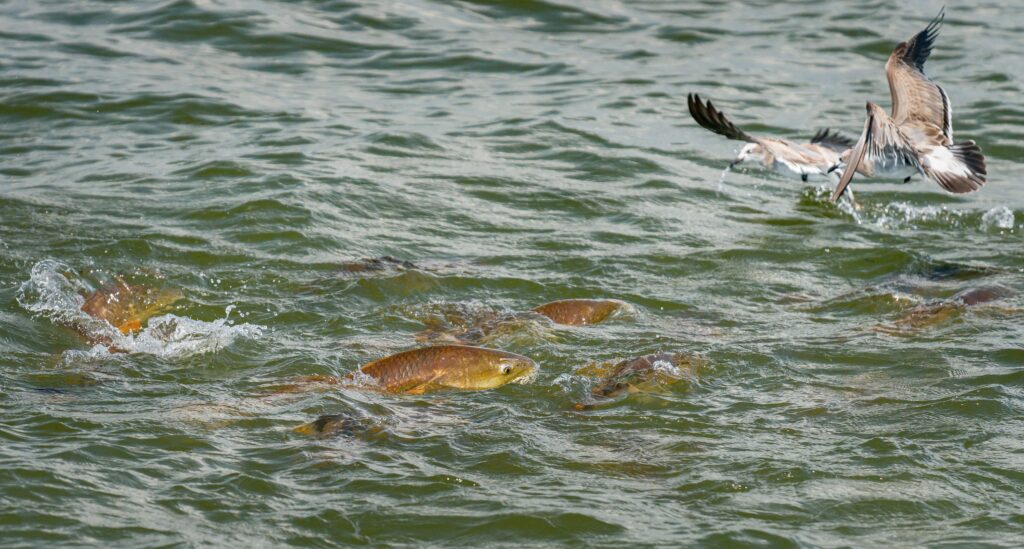
Gulls and other birds, gamefish, and whales feed on Atlantic and river herring. Photo credit: Paul VanDerWerf

How You Can Help

There are two ways to let the council know which restrictions would improve your access to a healthy herring resource in your area: in-person comments at one of six scoping meetings, or written comments sent in via email.

From March 1 to April 22, the NEFMC is hosting in-person meetings in all coastal New England states, with two webinar options. The TRCP highly encourages you to attend your state’s hearing as the most effective means to convey your concerns. The full meeting schedule is available here. Alternatively, anyone can submit written comments via email during the scoping period from March 1 until 8 a.m. April 30. We have provided a simple prompt and talking points for you to email written comments directly to the council through this .

Some tips for making public comments:

  1. Be Specific – The council wants to know which spatial and temporal management measures they should develop. They need specific comments about exactly where user conflicts are, when they occur, how those conflicts might be affecting your business/fishing activity, and why new buffer zones could reduce conflict.
  2. Consider Management Area – The council wants to address herring management by management area. Consider tailoring comments toward the area(s) you utilize the most.
  3. Aim For “Optimum” Outcomes – The Council wants to attain Optimum Yield in the herring fishery. This is achieved by assessing the tradeoffs of the economic, ecological, and social factors that determine the greatest benefit to the nation (i.e., all stakeholders). Let the council know what you consider to be “optimum” for you as a user of the herring resource, so they can decide which management measures will resolve issues most effectively.

It’s critical that anglers and conservationists let their voices be heard during this process. Whether you provide a quick email comment, or attend an in-person meeting in your state, your input is vital to the NEFMC so that they can develop management measures that equitably allocate the herring resource among all stakeholders.

Last but not least, if you have ever experienced conflicts with the industrial herring fleet, we encourage you to fill out this anonymous survey, which will be used to help determine where those user conflicts take place and their impacts. Responses will be analyzed to understand the nature and severity of conflicts with the herring fleet, which could inform the design of one or more new buffer zones to reflect the needs of recreational and commercial anglers and other ocean users.

More on Forage Fish Conservation

For more information about the TRCP’s work on forage fish along the Atlantic and Gulf coasts, click here. As always, feel free to reach out to me at jhiggins@trcp.org with further questions, or if you would like to get more involved with any of our campaigns.

Learn more about forage fish recovery efforts.

Top photo credit: Chesapeake Bay Program/Will Parson

by:

posted in:

February 29, 2024

What is the Agricultural Conservation Easement Program? 

The Agricultural Conservation Easement Program is a Farm Bill conservation program that protects wildlife habitat and maintains open spaces.  But what exactly is ACEP and how does it benefit hunters and anglers? 

In this short video, we demystify a crucial Farm Bill conservation program, the Agricultural Conservation Easement Program (ACEP), and shed light on its benefits to hunters and anglers. 

This program helps to protect wetlands, grasslands, and working farms and ranches through conservation easements. 

ACEP easements keep working lands working, ensuring farms and ranches in key areas are not developed or subdivided and maintaining their value for wildlife. By protecting and enhancing wetlands, ACEP easements not only provide prime habitat for waterfowl and other important species, but also sequester carbon, improve water quality, mitigates impacts of flooding, and maintain surface water during dry spells. 

The Farm Bill is the largest piece of conservation legislation that will come before the 118th Congress.  You can help ensure that habitat and wildlife remain central to sensible farm policy in the United States here

Learn more about Farm Bill Conservation Programs here

by:

posted in:

February 26, 2024

Sporting Groups Support Final Southeast Oregon Resource Management Plan

The BLM’s final plan secures safeguards for over 400,000 acres of backcountry

Today, the Bureau of Land Management officially announced the release of the Record of Decision for the Southeast Oregon Resource Management Plan Amendment, marking a pivotal moment for conservation in Oregon. This final plan, set to guide land management across more than 4.6 million acres of an iconic Oregon landscape, strikes a thoughtful balance between habitat conservation, outdoor recreation, grazing, and development. 

This significant milestone represents the culmination of over 20 years of dedicated planning and collaborative stakeholder engagement. The Theodore Roosevelt Conservation Partnership joins hunters and anglers in celebrating the 420,000 acres within the plan’s jurisdiction that will now be managed to maintain their wild, backcountry character.

“Today’s announcement is a testament to the power of collaborative and persistent stakeholder engagement with a shared commitment to conserving our state’s wild and diverse landscapes,” said Tristan Henry, Oregon field representative for Theodore Roosevelt Conservation Partnership. “We are particularly proud of our role in shaping a management strategy that recognizes the importance of these lands for wildlife habitat and outdoor recreation, including hunting and fishing.”

The finalized plan reflects the recommendations of the Southeast Oregon Resource Advisory Council, a diverse group of stakeholders—including hunters, anglers, and ranchers—who have provided invaluable insights throughout the planning process.

“To help guide the development of this plan, a broad-based BLM resource advisory council, made up of 15 appointed individuals, rolled up their sleeves to create a well-rounded alternative within the Southeast Oregon RMP amendment,” said Michael O’Casey, deputy director of forest policy and northwest programs for the TRCP and a current Southeast Oregon RAC member. “We are thrilled to see the BLM utilize many of the recommendations provided by the RAC to conserve special places from development, while providing for public access, habitat restoration, and ranching to continue.”

The ROD emphasizes the significance of the Owyhee and Malheur River regions as vital habitats for wildlife and as premier destinations for outdoor enthusiasts. By prioritizing conservation and balanced land use, the BLM’s plan ensures that these areas will continue to support Oregon’s rich traditions of fish-and-wildlife-based economy, which is integral to the state’s $2.5 billion outdoor recreation industry.

The conservation community and outdoor recreation advocates have long championed a balanced approach to land management that safeguards wildlife habitat while allowing for sustainable use. The TRCP, Backcountry Hunters & Anglers, Oregon Hunters Association, Trout Unlimited, and members of the Owyhee Sportsmen’s Coalition have been instrumental in advocating for these principles throughout the planning process.

“We applaud the BLM’s foresight in preserving the vitality of the Owyhee and Malheur regions. This plan is a testament to the power of collaboration and dedication of organizations and individuals who stand for balanced land use,” affirmed Chris Hagar, northwest coordinator for Backcountry Hunters & Anglers. “It’s a significant step forward in ensuring our public lands continue to flourish for future generations of Oregonians and wildlife alike.”

The TRCP and the Owyhee Sportsmen look forward to continued collaboration with the BLM, state officials, and all stakeholders to implement this plan and further the legacy of conservation, restoration, and stewardship for future generations.

Photo Credit: Brian Grossenbacher

by:

posted in:

February 23, 2024

What is the Environmental Quality Incentives Program?

The Environmental Quality Incentives Program is a crucial Farm Bill program focused on helping farmers, ranchers and forest landowners integrate conservation into their working lands.  But what exactly is EQIP and how does it benefit hunters and anglers? 

In this short video, we demystify a crucial Farm Bill conservation program, the Environmental Quality Incentives Program (EQIP), and shed light on its benefits to hunters and anglers.

EQIP is a voluntary conservation program that allows farmers, ranchers, and forest landowners to enhance water quality, strengthen wildlife habitat, and reduce soil erosion and sedimentation.  

The benefits of EQIP for fish, wildlife and agriculture are significant.

The Farm Bill is the largest piece of conservation legislation that will come before the 118th Congress.  You can help ensure that habitat and wildlife remain central to sensible farm policy in the United States here

Learn more about Farm Bill Conservation Programs here

HOW YOU CAN HELP

TRCP has partnered with Afuera Coffee Co. to further our commitment to conservation. $4 from each bag is donated to the TRCP, to help continue our efforts of safeguarding critical habitats, productive hunting grounds, and favorite fishing holes for future generations.

Learn More

You have Successfully Subscribed!

You have Successfully Subscribed!

You have Successfully Subscribed!

You have Successfully Subscribed!