Our Issues
Public Lands
Why It Matters

Hunting & Fishing Access

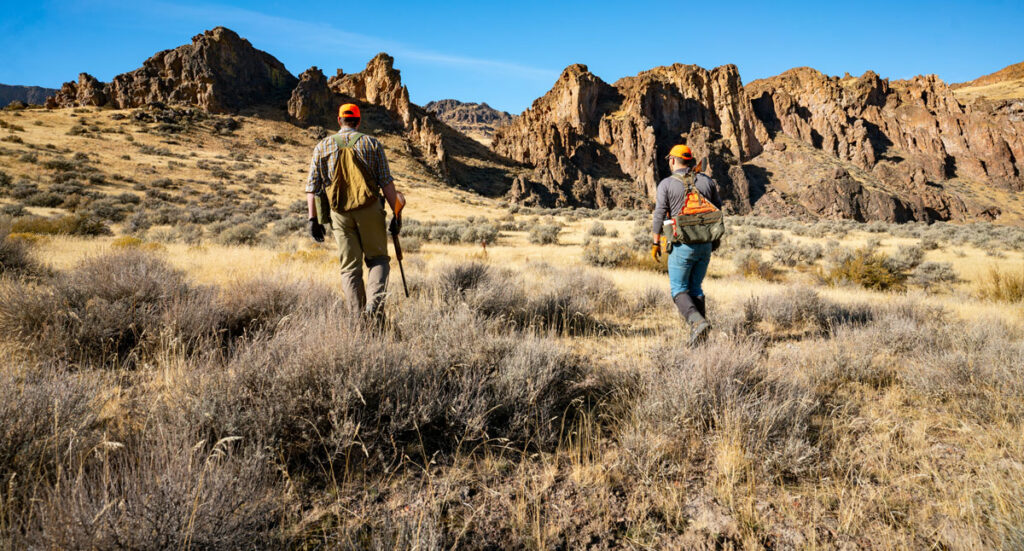
America’s 640 million acres of national public lands provide irreplaceable hunting and fishing opportunities to millions of Americans.

Learn More About Access
What TRCP is Doing

We’re working to safeguard America’s public lands so hunters and anglers always have quality places to pursue their passions.

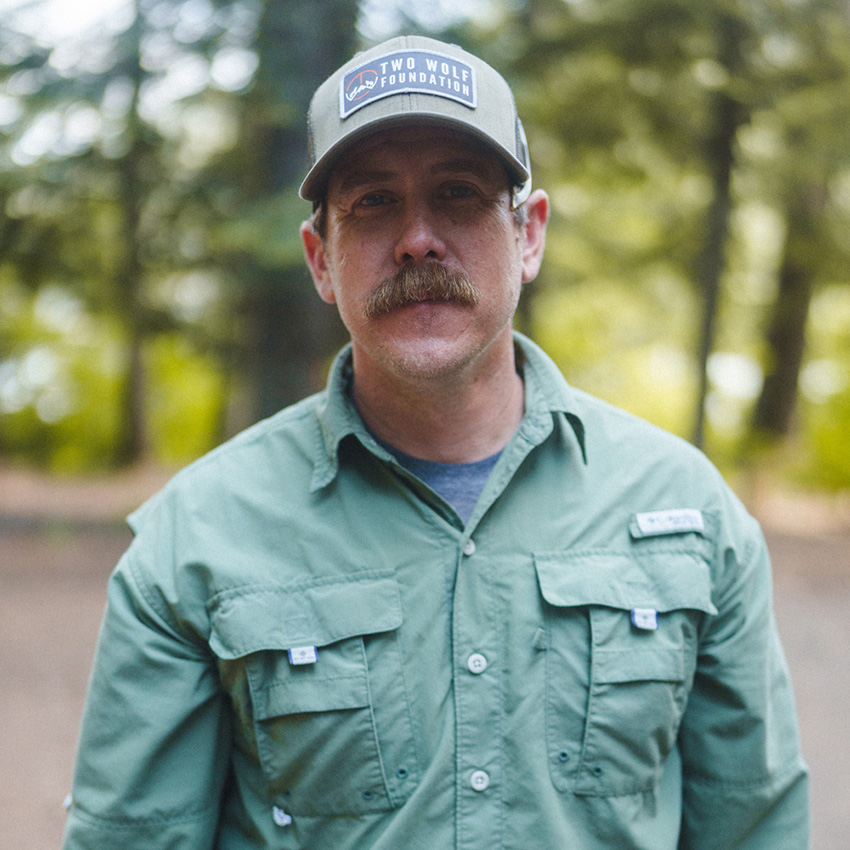
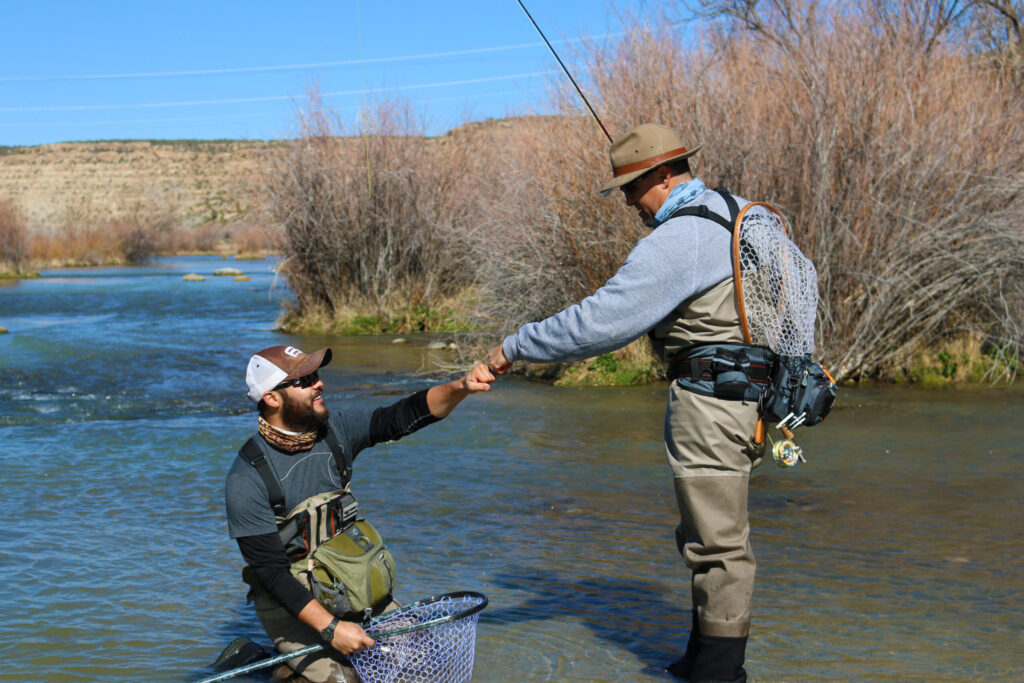
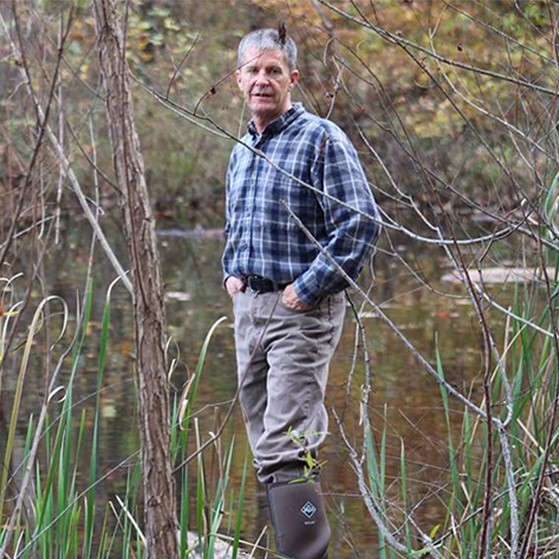
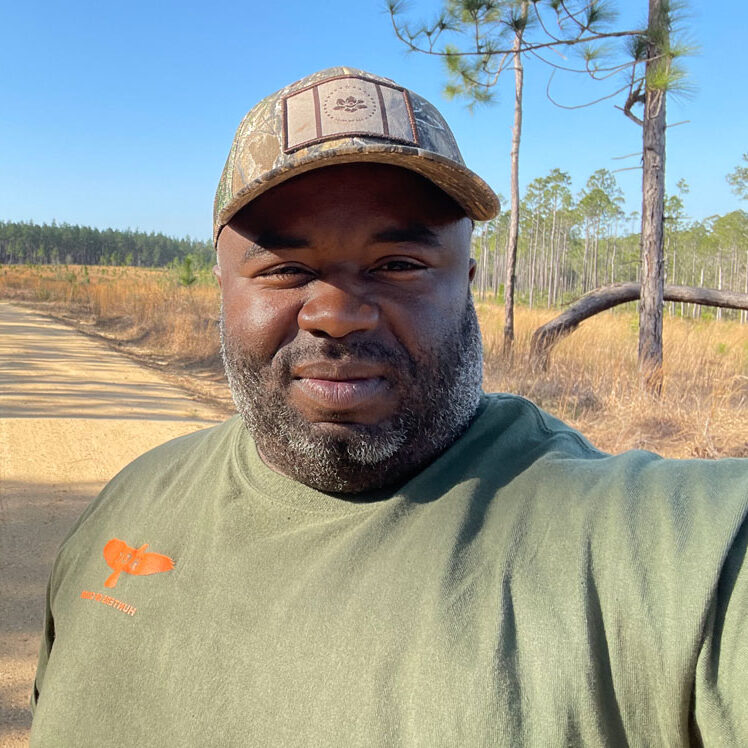
 Brian Flynn, Two Wolf Foundation
How Sportsmen Are Doing It Right

Brian Flynn, Two Wolf Foundation's Story

Following a distinguished career in the U.S. Army, lifelong outdoorsman Brian Flynn returned home from a deployment in Afghanistan and…


Hunting
Why It Matters

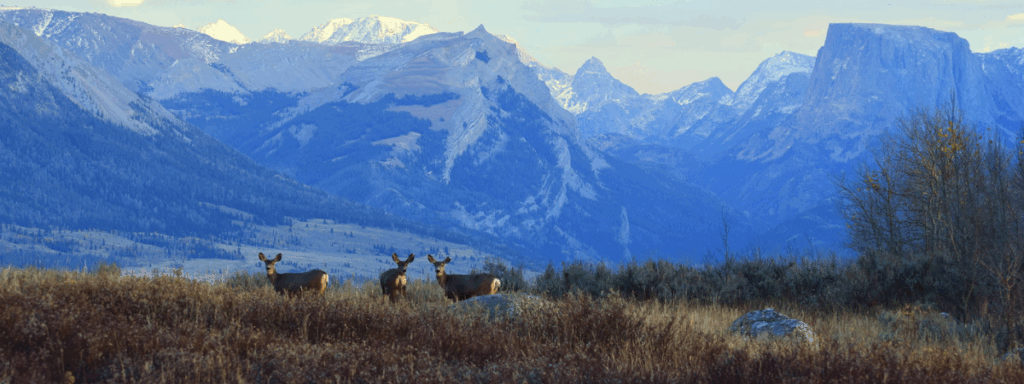
Key Issues for America’s Hunters

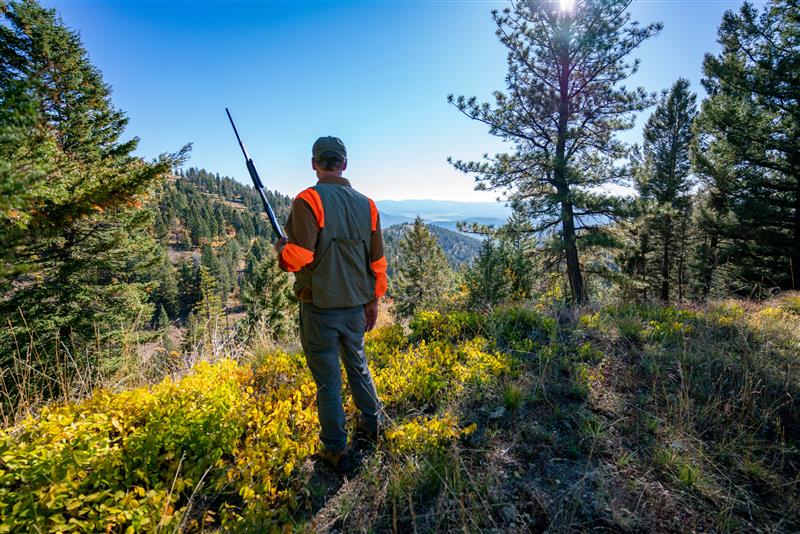
Your source for the latest policy updates, conservation challenges, and opportunities shaping America’s hunting traditions.

What TRCP is Doing

We’re fighting for meaningful policy changes that benefit wildlife, our waters, and the American landscapes that make our outdoor traditions possible.

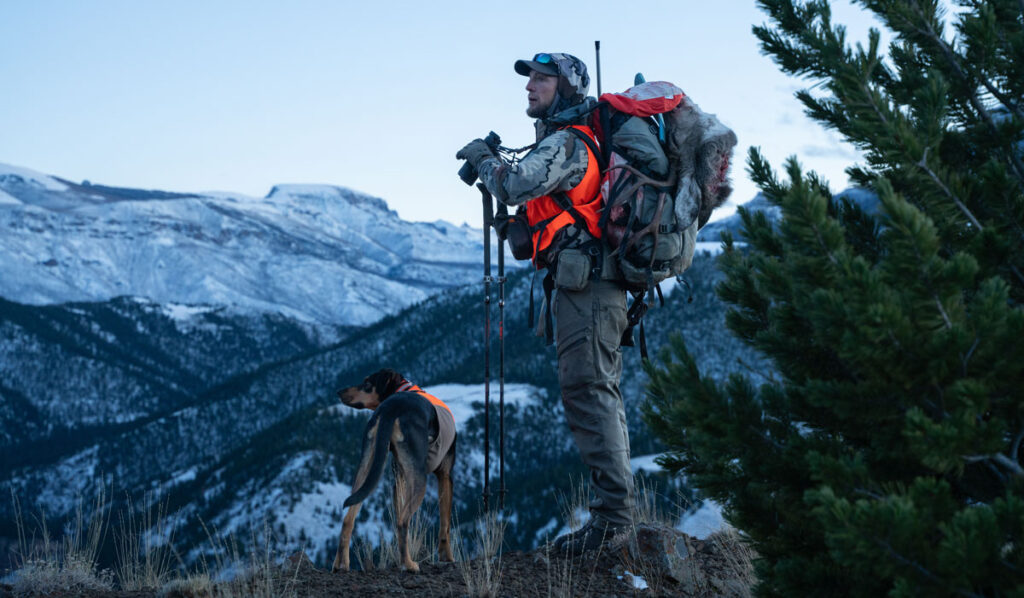
 Ryan Sparks
How Sportsmen Are Doing It Right

Ryan Sparks's Story

TRCP’s “In the Arena” series highlights the individual voices of hunters and anglers who, as Theodore Roosevelt so famously said,…

Fishing
Why It Matters

Key Issues for America’s Anglers

Your source for the latest policy updates, conservation challenges, and opportunities shaping America’s fishing traditions.

What TRCP is Doing

We’re fighting for meaningful policy changes that benefit wildlife, our waters, and the American landscapes that make our outdoor traditions possible.

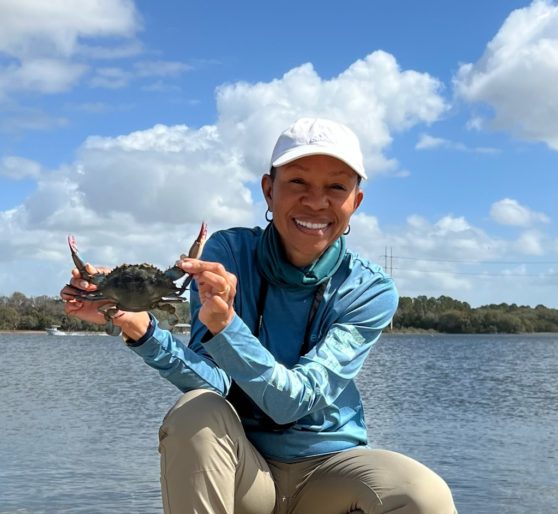
 David Mangum
How Sportsmen Are Doing It Right

David Mangum's Story

Capt. David Mangum is a YETI ambassador and outdoor photographer who utilizes his talents to produce media that inspire a…

Private Land
Why It Matters

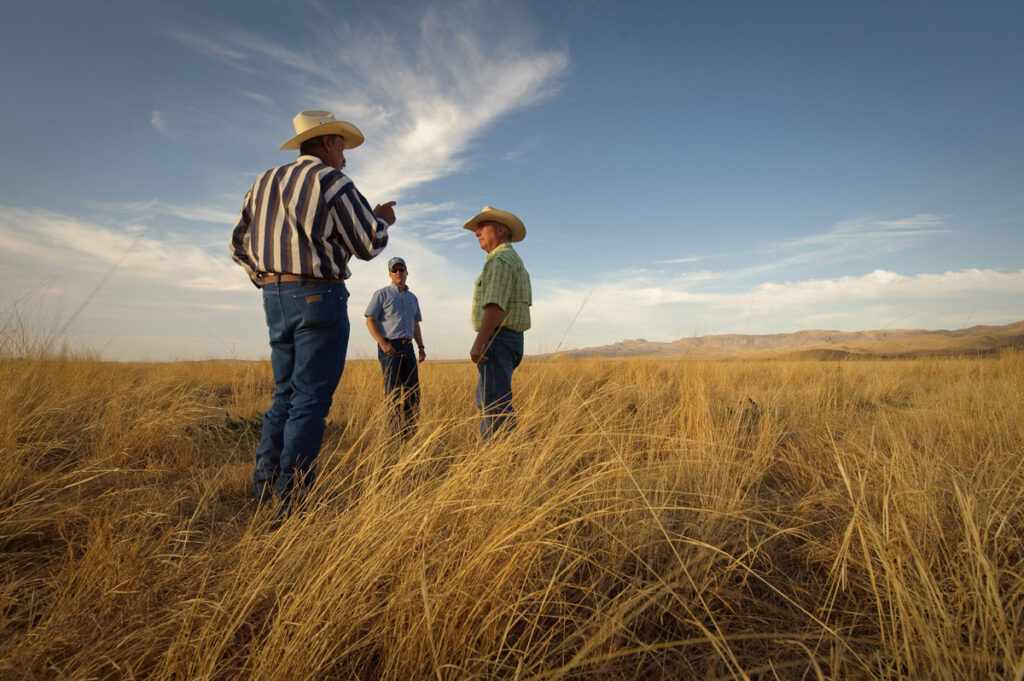
Stewardship on America’s private lands

With 70 percent of U.S. lands in private hands and many of our best hunt and fish opportunities occurring there, investing in voluntary conservation on working lands safeguards access, strengthens habitat and water quality, and ensures resilient landscapes.

Learn More
What TRCP is Doing

We champion policies and programs that restore wildlife habitat, improve soil and water health, and keep working lands productive.

 Ward Burton
How Sportsmen are Doing It Right

Ward Burton's Story

Ward Burton’s NASCAR driving career stretched across most of two decades. As an avid sportsman and conservationist, he founded the…

Special Places
Why It Matters

Special Places Worth Protecting

America’s most iconic landscapes provide unmatched habitat and unforgettable days afield. These places sustain wildlife, anchor local economies, and define the hunting and fishing traditions we pass down.

What TRCP is Doing

We’re working to conserve special places that provide world-class habitat and unforgettable opportunities for hunters and anglers.

 Franklin Adams
How Sportsmen Are Doing It Right

Franklin Adams's Story

As a true Gladesman, conservationist, and historian, Capt. Franklin Adams has spent more than six decades championing Everglades restoration efforts…

Habitat & Clean Water
Why It Matters

Healthy Habitat Powers Every Pursuit

All hunting and fishing opportunities depend on quality habitat, from clean water and healthy wetlands to winter and summer habitats and the migration corridors that connect them.

All About Habitat & Clean Water
What TRCP is Doing

We are working to safeguard the habitats that power every hunting and fishing opportunity.

 Alex Harvey
How Sportsmen Are Doing It Right

Alex Harvey's Story

Alex Harvey, founder of Legacy Land Management, is a registered professional forester in Mississippi and Alabama with a Master's degree…

Science
Why It Matters

Science That Guides TRCP

From conserving migration corridors and wetlands to ensuring clean water and resilient landscapes, science provides evidence that turns conservation goals into effective action.

Science for Conservation
What TRCP is Doing

For hunters and anglers, science safeguards the experiences we treasure including resilient big game populations, abundant fish, and wild places that endure changing social landscapes.

Jamelle Ellis
Your Science Expert

Jamelle Ellis's Story

Jamelle Ellis joined the Theodore Roosevelt Conservation Partnership in 2022. Jamelle spent the last three years as an environmental sustainability…

Where We Work
Across the Nation

Conservation Across America

TRCP works across the country to ensure hunters and anglers can enjoy healthy fish and wildlife and quality days afield, no matter where they live.

See All Issues
TRCP in Your Region

TRCP works across the country to ensure hunters and anglers can enjoy healthy fish and wildlife and quality days afield, no matter where they live.

Who We Are
Our Mission

To guarantee all Americans quality places to hunt & fish

We unite and amplify our partners’ voices to advance America’s legacy of conservation, habitat, and access.

Our Mission & Values
Our People & Partners
  • Meet the TRCP Team

    Our staff and board members unite and amplify our partners’ voices to advance America’s legacy of conservation, habitat, and access.

    Meet the Team
  • Our Partners

    ‘Partnership’ is in our name. We work with 64 diverse partner groups that represent today’s leading hunting, fishing, and conservation organizations in order to strengthen the sportsman’s voice in Washington, D.C.

    Our Partners
  • Corporate Council

    TRCP’s Corporate Council is made up of diverse corporations that share a common passion for conservation.

    Corporate Council
Our Organization

Looking for more information?

Explore our latest news, policy updates, and conservation resources to get the information you need.

Giving
How You Can Help

To guarantee all Americans quality places to hunt & fish

Your tax-deductible donation will support TRCP's mission, now and into the future.

DONATE
Special Ways to support trcp
  • Capital Conservation Awards Dinner

    The CCAD is one of Washington's best-attended conservation celebrations, featuring dinner, cocktails, and a silent auction.

    Learn More
  • Step Into the Arena

    Help us ensure that our treasured wild habitats and game remain intact for the next generation to enjoy – lend your support to the TRCP’s efforts today!

    Donate
  • Roosevelt Roast

    TRCP has partnered with Afuera Coffee Co. to further our commitment to conservation.

    Learn More
More donation options

Find the best way for you to lend your support. Join one of TRCP’s donor circles for special invitations, premium offerings from outdoor retailers, and more exclusive benefits. Take control of your legacy with planned giving or contribute to special conservation funds.

Other Ways To Give
News
In the Spotlight

Oregon Legislature Passes Landmark “1.25 Percent for Wildlife” Act

After three legislative sessions and more than a decade of advocacy, a bipartisan coalition secures Oregon’s most significant conservation funding victory in a generation.

Read More

Stay Informed

Receive our newsletter, the Roosevelt Report, right in your inbox. Never miss the latest news in conservation issues.

by:

posted in:

March 10, 2023

NV Dept of Wildlife

NV Dept of Wildlife

Do you have any thoughts on this post?

XHTML: You can use these tags: <a href="" title=""> <abbr title=""> <acronym title=""> <b> <blockquote cite=""> <cite> <code> <del datetime=""> <em> <i> <q cite=""> <s> <strike> <strong>

Comments must be under 1000 characters.

by:

posted in:

March 8, 2023

Prairie Potholes and Mississippi River Basin Will Benefit from Major DOI Climate Investment

The boost for waterfowl and river health will come from a $120-million slate of projects to improve climate resilience and habitat

The Department of the Interior has announced it will invest $23 million in landscape-scale conservation and restoration in the Prairie Pothole Region states of Iowa, Minnesota, Montana, North Dakota, and South Dakota.

This major commitment to wetlands that support more than half of North America’s waterfowl is one piece of the department’s plan for $120 million in new conservation funding authorized by legislation in 2022. The plan also includes $20 million for projects in the Lower Mississippi River Valley and $10 million for habitat restoration in the Upper Mississippi and Illinois River.

Taken together, these three pots of funding signal a significant investment in the health of the river and the Central and Mississippi flyways.

“We’re pleased to see this investment in the irreplaceable wetlands of the Prairie Pothole Region, which is recognized as some of the most productive waterfowl habitat in the world,” says Whit Fosburgh, president and CEO of the Theodore Roosevelt Conservation Partnership. “Sportsmen and sportswomen continue to be keenly interested in how the administration is implementing its climate resilience goals by investing in the lands and waters that sequester carbon, provide critical fish and wildlife habitat, and support thriving communities. We celebrate this announcement from DOI and look forward to working with decision-makers to ensure that habitat improvements are made where they will have the greatest impact for fish, wildlife, and Americans.”

Grasslands restoration and other habitat projects that improve climate resilience were also among the funding priorities announced this week.

Last month, the U.S. Department of Agriculture revealed its own plan for $850 million in new conservation investments.

Learn more about nature-based solutions and how healthy habitat can help reverse climate change here.


Photo by USFWS Mountain-Prairie via Flickr

by:

posted in:

March 7, 2023

Why We Care About BLM’s Plan to Expand Solar Development on Public Lands

What hunters and anglers need to know about implications of expanding utility-scale solar on public lands

The TRCP has long worked to defend a balance of the many demands on our public lands, which sustain so many of our hunting and fishing opportunities in the U.S. The push for increased renewable energy production on public lands is creating new challenges that we are doing our best to address with public land managers.

There is an undeniable need to transition as quickly as possible to low-carbon sources of energy to mitigate the worst effects of climate change. I was encouraged by the Bureau of Land Management’s recent announcement detailing its intentions to revise and potentially expand its 2012 Western Solar Plan to all 11 Western states. Expanding the geographic scope of this planning document and updating it to incorporate the best available science, like new data on recently mapped big game migration corridors, is the most responsible way to expeditiously meet the administration’s goal of deploying 25 GW of renewable energy development on public lands by 2025, while minimizing adverse impacts to wildlife and other public land resources.

There are, however, trade-offs that the BLM must consider when updating its Western Solar Plan. After touring several utility-scale solar facilities myself, I hesitate to enthusiastically endorse the widespread deployment of this type of development on our public lands. My unease comes from the fact that unlike other forms of energy development—such as wind, or even oil and gas—utility-scale solar generating facilities are usually high-fenced and allow for no other uses of the land within their boundaries. This exclusive use of the land can span thousands of acres for a single solar facility and will cover hundreds of thousands of acres of public lands to meet the administration’s goals. The magnitude of habitat removal and loss of public access from the BLM’s proposed expansion of utility-scale solar development on public lands is unprecedented.

Even with the most careful planning, the expansive size of utility-scale solar developments may have unintended consequences for habitat connectivity and migratory wildlife like big game. A poorly sited solar development in Wyoming that blocked a migration route and forced more than 1,000 pronghorn into a nearby highway right-of-way is a recent reminder of the potential for unintended consequences from solar development. The bitter irony is that these same species that migrate to access critical resources for survival will need large, connected landscapes more than ever to adapt to a changing climate.

I am reminded of a recent quote from Dan Ashe, former director of the U.S. Fish and Wildlife Service, who said that addressing climate change will not, by itself, reverse the trend of increasingly widespread habitat fragmentation and the loss of wildlands and wildlife. “The lie is that if we address the climate crisis, we will also solve the biodiversity crisis,” said Ashe.

There are also implications for public access to public lands. A friend of mine recently showed up at his favorite spot to hunt pronghorn and found it fenced and covered with solar panels. Similarly, I was devastated to find out that my best dove hunting location has been approved for utility-scale solar development. I’m left wondering if the biological and social costs of developing large solar facilities on intact, otherwise undisturbed public lands might outweigh the incremental benefits they will provide in our fight to save the climate.

Public Opposition

I was somewhat relieved to find out that I am not alone in thinking that utility-scale solar development might not be the highest and best use of our precious public lands. The public comments during the BLM’s scoping meetings on its Western Solar Plan revision were almost universally opposed to expanding utility-scale solar development on public lands.

These comments come in the context of explosive year-over-year increases in recreational demand on our public lands, and an article in High Country News revealing that if solar panels were put on top of big box stores in the 11 Western states targeted by the BLM, they would generate more than 31 million megawatt-hours of electricity—vastly exceeding the administration’s goals. While there are significant logistical and regulatory constraints to increasing distributed solar generation on big box stores and other existing developments, the public is asking why we aren’t tackling these problems head-on before we further compromise our public lands with additional utility-scale solar development.

Final Thoughts and How to Get Involved

The TRCP and our partners came together during the BLM’s public scoping comment period to provide detailed recommendations on how to minimize the impacts of utility-scale solar development on public lands while increasing generating capacity. Specifically, we urged officials to focus development on previously disturbed lands and exclude areas with high habitat or recreational value. You can still join us by commenting when the BLM releases a draft programmatic environmental impact statement—likely late this summer or early next fall. Look for future communications here at trcp.org and on our social media for how to get involved when the draft is released.

by:

posted in:

March 1, 2023

Construction of the Everglades Agricultural Area Reservoir Has Begun

Last week’s groundbreaking ceremony marks the first milestone for this critical piece of the massive Everglades restoration effort

In a major milestone for Everglades restoration, the U.S. Army Corps of Engineers has broken ground on the Everglades Agricultural Area Reservoir, which will collect, clean, and convey water south to reinvigorate wetlands and estuaries in South Florida.

While the Corps builds the reservoir to store excess water from Lake Okeechobee, the state-run South Florida Water Management District is responsible for constructing a treatment wetland that will clean the water. Construction began in 2020 and is expected to be completed by the end of this year. Together, these projects promise to reduce pollution, improve habitat, and restore the natural north-to-south water flows that once sustained the ecosystem.

In an on-site ceremony last week, many of our organizational partners were upheld as having played an essential role in advocating for the reservoir. Watch the video below for highlights and inspirational words from our friends at Captains for Clean Water and the Everglades Foundation.

This first step toward construction of the EAA Reservoir should be celebrated: Cleaner water and healthier sea grasses will benefit populations of spotted seatrout, redfish, tarpon, largemouth bass, and peacock bass when the reservoir is complete. Prevention of harmful algal blooms will also boost waterfowl populations and improve hunting and fishing opportunities.

But, as many said at the event, our work is not nearly done.

The TRCP is pushing Congress to allocate the funding necessary to complete this project and restore and conserve America’s Everglades. Take action using our simple advocacy tool to tell your lawmakers you support full funding and expedient completion of Everglades restoration work.

Photo by Captains for Clean Water

by:

posted in:

February 23, 2023

New Study: How Gulf Sportfish Are Affected by Purse Seining for Menhaden

Research could inform efforts to better monitor bycatch in commercial nets and manage menhaden with their importance to sportfish in mind

Researchers from the National Oceanic and Atmospheric Association, University of Miami, and University of Florida recently completed a study that modeled the ecosystem of the Gulf of Mexico with a focus on Gulf menhaden. The model was developed to assess the ecosystem effects of different menhaden fishing policies, focusing on how menhaden predators would respond to changes in forage availability and bycatch risks.

The researchers also quantified tradeoffs between menhaden harvest and predator biomass to develop ecological reference points—metrics that would help manage the menhaden fishery in the context of the fish’s relevance to the entire ecosystem. ERPs are currently used to manage the Atlantic menhaden fishery, after years of advocacy by anglers.

The TRCP reported on the preliminary results of this study back in 2021. The final published results confirm the findings we shared at that time: Gulf menhaden support about 40 percent of the diets of both king and Spanish mackerel and about 20 percent of the diets of red drum, sea trout, seabirds, and blacktip sharks.

The newly published results also indicate which predators are most sensitive to menhaden harvest and why. King mackerel, Spanish mackerel, blacktip sharks, and red drum are most impacted by the resulting shortage of forage in the water. Tarpon, sea trout, and croakers are most at risk of getting scooped up and killed in the massive purse seine nets deployed by the menhaden reduction fishery.

In the Atlantic, striped bass are the predators that are most sensitive to Atlantic menhaden harvest. This is why stripers were the key species considered in the 2020 development of ERP targets and thresholds, which aim to leave sufficient menhaden in the water as forage for bass and other species, like bluefish, weakfish, and spiny dogfish.

In this Gulf model, the most sensitive predator species to Gulf menhaden harvest was king mackerel, but intermediate relationships were found between menhaden and nine other predator groups. An ERP target could therefore be developed based on the ten most affected predator groups.

The authors suggested that a 20-percent reduction in commercial menhaden landings, compared to 2018-2020 levels, would leave enough menhaden in the water to support these ten predator species at their biomass targets.

Interestingly, the results showed that biomass for many predators was more affected by the commercial harvest of menhaden than by fishing pressure on the predator species itself. This was most notable for red drum and croaker, because of the effects of bycatch. Red drum are a favorite target of anglers in the Gulf, yet the menhaden reduction fishery might catch more redfish as bycatch than the whole recreational sector does.

Unfortunately, the Gulf menhaden fishery has little to no recent bycatch data and no observer coverage during the season. The TRCP has been advocating for updated bycatch analyses in the menhaden fisheries on both the Gulf and Atlantic coasts, and it is our hope that this model will drive that process forward.

This model can be used to inform stakeholders and policymakers of the tradeoffs between different management actions, while considering predator-prey interactions, fishing pressure, and bycatch. It could fuel the development of ERPs for the Gulf menhaden fishery, which mirror that of the Atlantic menhaden fishery.

This updated science is an exciting step forward for the improved management of Gulf menhaden and the predators that rely on them. The TRCP and its partners will be working diligently to gain more information on the role of menhaden in the Gulf of Mexico ecosystem and how mackerel, red drum, and sea trout are affected by the industrial menhaden fishery that currently has no catch limit and very little state and federal oversight.

Learn more about our efforts to conserve menhaden in the Gulf and Atlantic.

HOW YOU CAN HELP

TRCP has partnered with Afuera Coffee Co. to further our commitment to conservation. $4 from each bag is donated to the TRCP, to help continue our efforts of safeguarding critical habitats, productive hunting grounds, and favorite fishing holes for future generations.

Learn More

You have Successfully Subscribed!

You have Successfully Subscribed!

You have Successfully Subscribed!

You have Successfully Subscribed!