Our Issues
Public Lands
Why It Matters

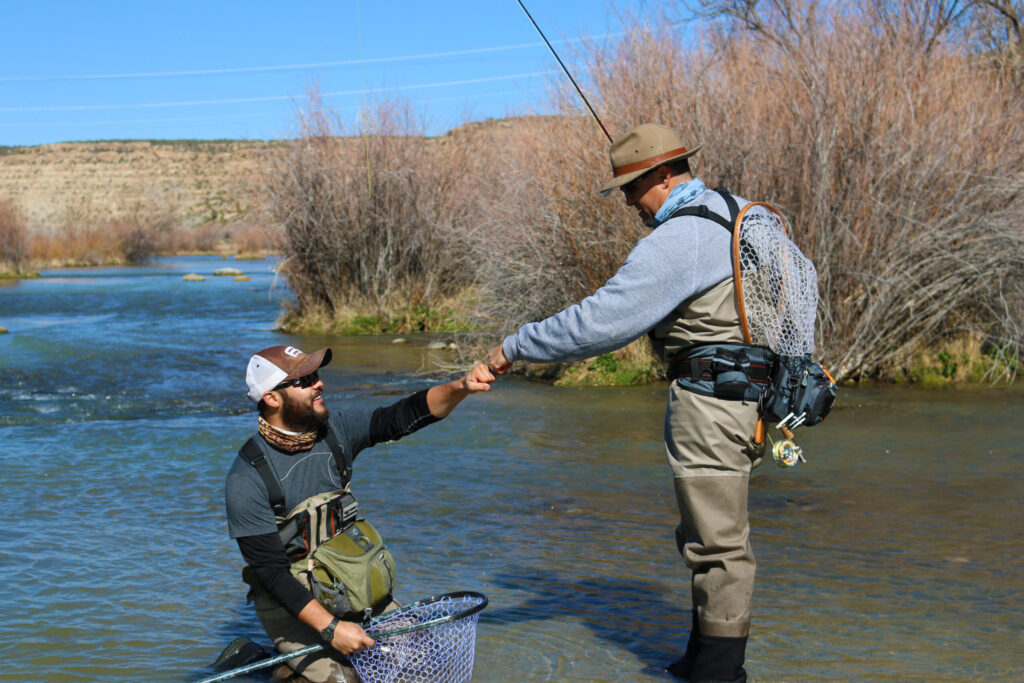
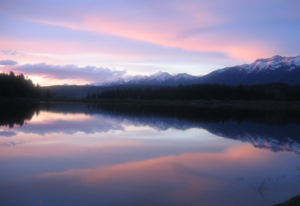
Hunting & Fishing Access

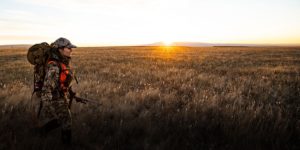
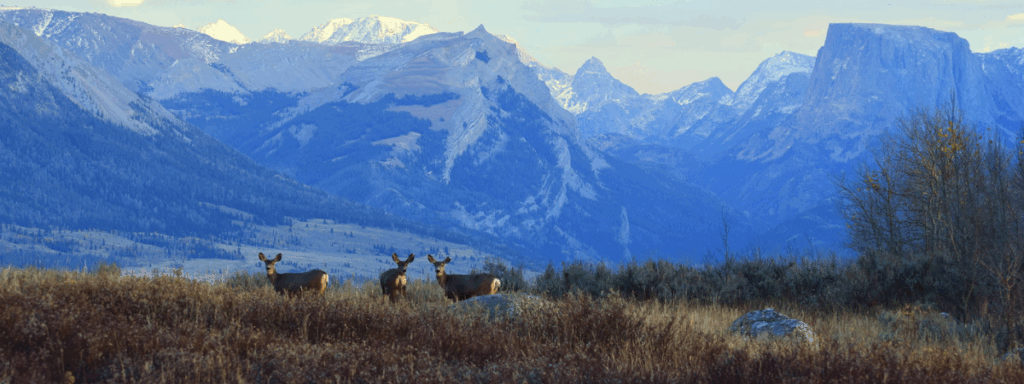
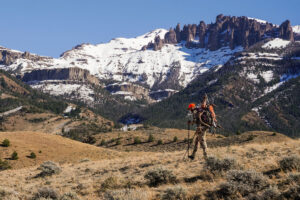
America’s 640 million acres of national public lands provide irreplaceable hunting and fishing opportunities to millions of Americans.

Learn More About Access
What TRCP is Doing

We’re working to safeguard America’s public lands so hunters and anglers always have quality places to pursue their passions.
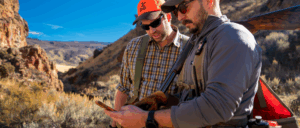
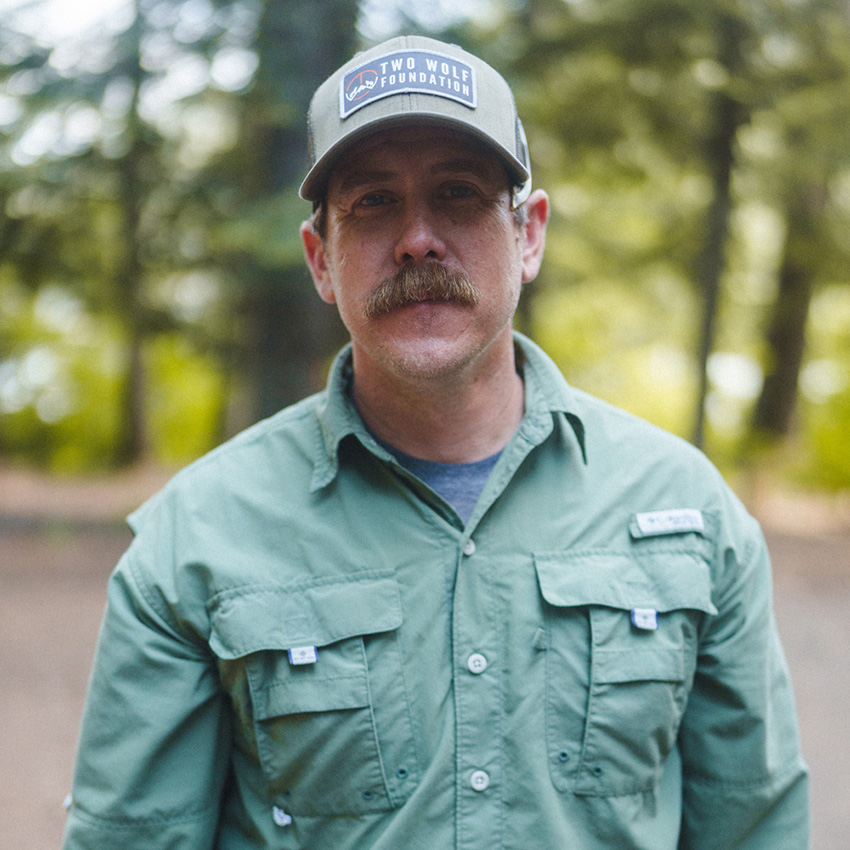
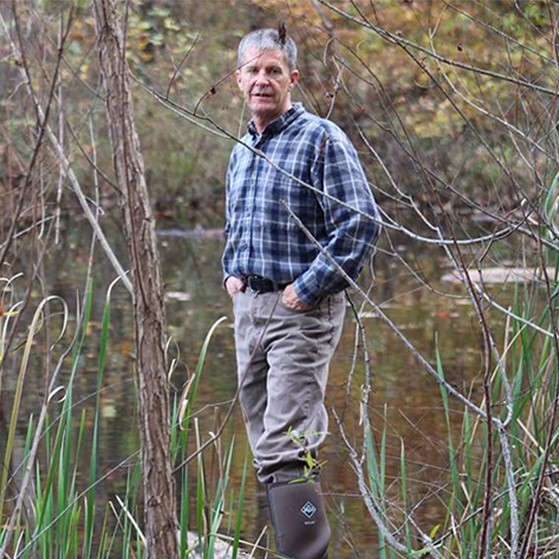
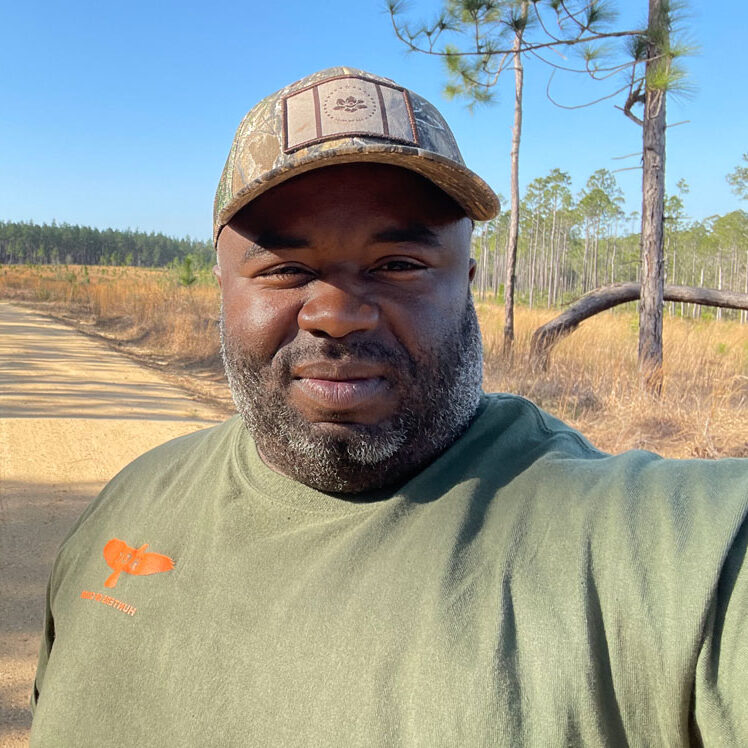
 Brian Flynn, Two Wolf Foundation
How Sportsmen Are Doing It Right

Brian Flynn, Two Wolf Foundation's Story

Following a distinguished career in the U.S. Army, lifelong outdoorsman Brian Flynn returned home from a deployment in Afghanistan and…

Hunting
Why It Matters

Key Issues for America’s Hunters

Your source for the latest policy updates, conservation challenges, and opportunities shaping America’s hunting traditions.

What TRCP is Doing

We’re fighting for meaningful policy changes that benefit wildlife, our waters, and the American landscapes that make our outdoor traditions possible.

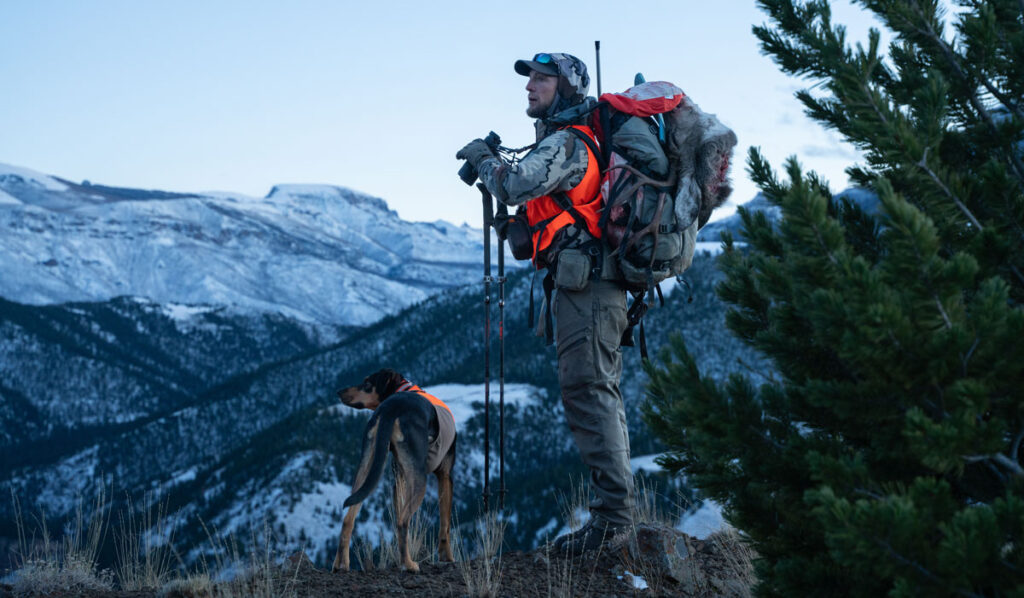
 Ryan Sparks
How Sportsmen Are Doing It Right

Ryan Sparks's Story

TRCP’s “In the Arena” series highlights the individual voices of hunters and anglers who, as Theodore Roosevelt so famously said,…
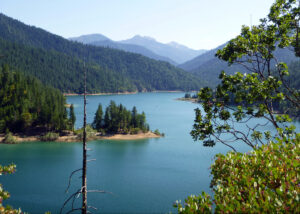
Fishing
Why It Matters

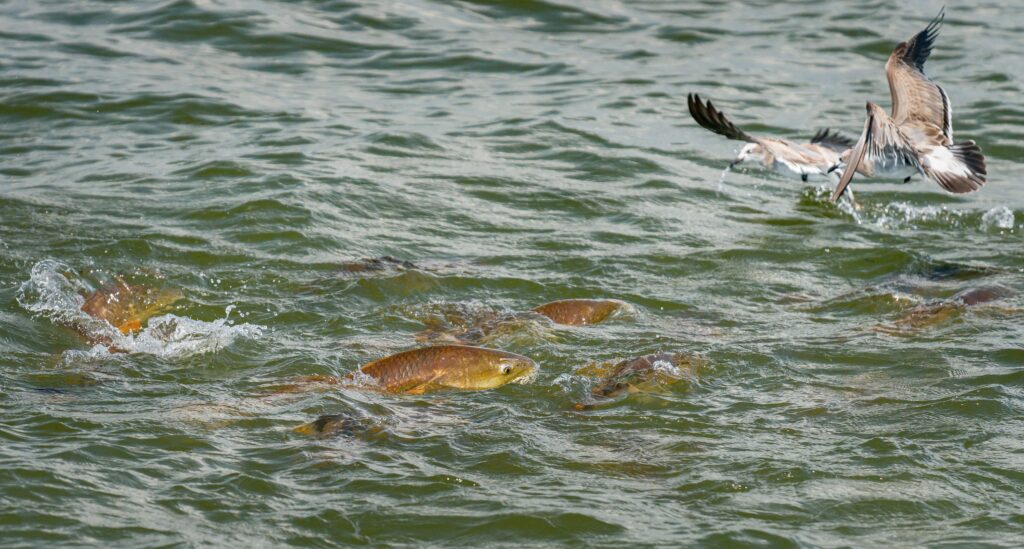
Key Issues for America’s Anglers

Your source for the latest policy updates, conservation challenges, and opportunities shaping America’s fishing traditions.

What TRCP is Doing

We’re fighting for meaningful policy changes that benefit wildlife, our waters, and the American landscapes that make our outdoor traditions possible.

 David Mangum
How Sportsmen Are Doing It Right

David Mangum's Story

Capt. David Mangum is a YETI ambassador and outdoor photographer who utilizes his talents to produce media that inspire a…

Private Land
Why It Matters

Stewardship on America’s private lands

With 70 percent of U.S. lands in private hands and many of our best hunt and fish opportunities occurring there, investing in voluntary conservation on working lands safeguards access, strengthens habitat and water quality, and ensures resilient landscapes.

Learn More
What TRCP is Doing

We champion policies and programs that restore wildlife habitat, improve soil and water health, and keep working lands productive.

 Ward Burton
How Sportsmen are Doing It Right

Ward Burton's Story

Ward Burton’s NASCAR driving career stretched across most of two decades. As an avid sportsman and conservationist, he founded the…

Special Places
Why It Matters

Special Places Worth Protecting

America’s most iconic landscapes provide unmatched habitat and unforgettable days afield. These places sustain wildlife, anchor local economies, and define the hunting and fishing traditions we pass down.

What TRCP is Doing

We’re working to conserve special places that provide world-class habitat and unforgettable opportunities for hunters and anglers.

 Franklin Adams
How Sportsmen Are Doing It Right

Franklin Adams's Story

As a true Gladesman, conservationist, and historian, Capt. Franklin Adams has spent more than six decades championing Everglades restoration efforts…

Habitat & Clean Water
Why It Matters

Healthy Habitat Powers Every Pursuit

All hunting and fishing opportunities depend on quality habitat, from clean water and healthy wetlands to winter and summer habitats and the migration corridors that connect them.

All About Habitat & Clean Water
What TRCP is Doing

We are working to safeguard the habitats that power every hunting and fishing opportunity.

 Alex Harvey
How Sportsmen Are Doing It Right

Alex Harvey's Story

Alex Harvey, founder of Legacy Land Management, is a registered professional forester in Mississippi and Alabama with a Master's degree…

Science
Why It Matters

Science That Guides TRCP

From conserving migration corridors and wetlands to ensuring clean water and resilient landscapes, science provides evidence that turns conservation goals into effective action.

Science for Conservation
What TRCP is Doing

For hunters and anglers, science safeguards the experiences we treasure including resilient big game populations, abundant fish, and wild places that endure changing social landscapes.

Jamelle Ellis
Your Science Expert

Jamelle Ellis's Story

Jamelle Ellis joined the Theodore Roosevelt Conservation Partnership in 2022. Jamelle spent the last three years as an environmental sustainability…

Where We Work
Across the Nation

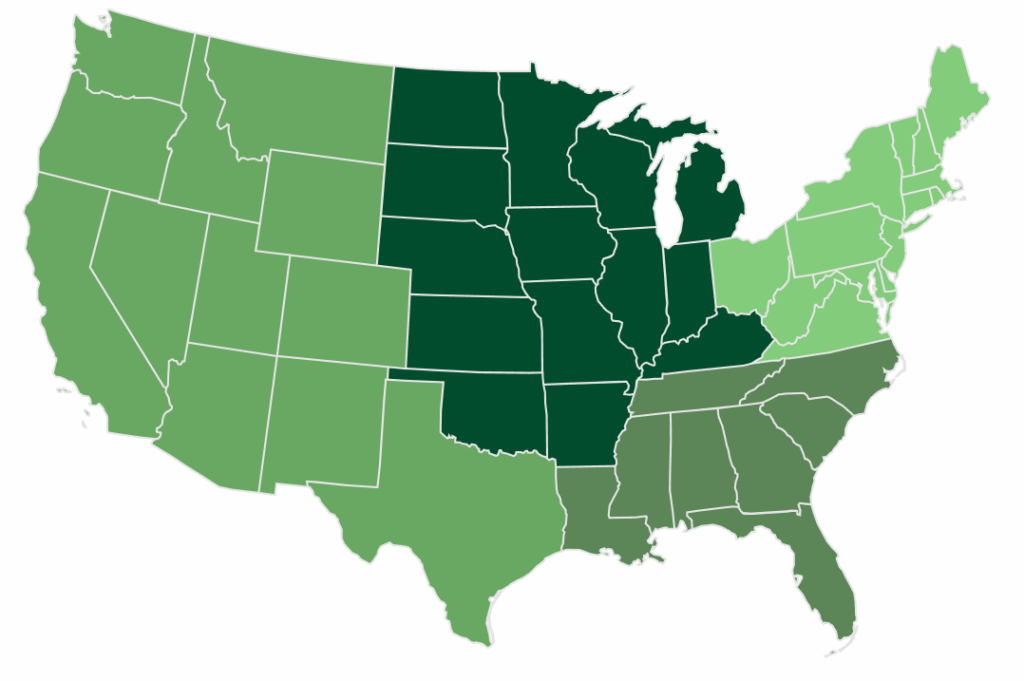
Conservation Across America

TRCP works across the country to ensure hunters and anglers can enjoy healthy fish and wildlife and quality days afield, no matter where they live.

See All Issues
TRCP in Your Region

TRCP works across the country to ensure hunters and anglers can enjoy healthy fish and wildlife and quality days afield, no matter where they live.

Who We Are
Our Mission

To guarantee all Americans quality places to hunt & fish

We unite and amplify our partners’ voices to advance America’s legacy of conservation, habitat, and access.

Our Mission & Values
Our People & Partners
  • Meet the TRCP Team

    Our staff and board members unite and amplify our partners’ voices to advance America’s legacy of conservation, habitat, and access.

    Meet the Team
  • Our Partners

    ‘Partnership’ is in our name. We work with 64 diverse partner groups that represent today’s leading hunting, fishing, and conservation organizations in order to strengthen the sportsman’s voice in Washington, D.C.

    Our Partners
  • Corporate Council

    TRCP’s Corporate Council is made up of diverse corporations that share a common passion for conservation.

    Corporate Council
Our Organization

Looking for more information?

Explore our latest news, policy updates, and conservation resources to get the information you need.

Giving
How You Can Help

To guarantee all Americans quality places to hunt & fish

Your tax-deductible donation will support TRCP's mission, now and into the future.

DONATE
Special Ways to support trcp
  • Capital Conservation Awards Dinner

    The CCAD is one of Washington's best-attended conservation celebrations, featuring dinner, cocktails, and a silent auction.

    Learn More
  • Step Into the Arena

    Help us ensure that our treasured wild habitats and game remain intact for the next generation to enjoy – lend your support to the TRCP’s efforts today!

    Donate
  • Roosevelt Roast

    TRCP has partnered with Afuera Coffee Co. to further our commitment to conservation.

    Learn More
More donation options

Find the best way for you to lend your support. Join one of TRCP’s donor circles for special invitations, premium offerings from outdoor retailers, and more exclusive benefits. Take control of your legacy with planned giving or contribute to special conservation funds.

Other Ways To Give
News
In the Spotlight

TRCP Appreciates Make America Beautiful Again 250 Strategy and Migration Announcements

Efforts will continue progress on habitat, access, and big game migration corridor conservation

Read More

Stay Informed

Receive our newsletter, the Roosevelt Report, right in your inbox. Never miss the latest news in conservation issues.

by:

posted in:

February 22, 2023

hunting-dogs-private-land-Photo-by-USDA-NRCS-Texas-1200

Do you have any thoughts on this post?

XHTML: You can use these tags: <a href="" title=""> <abbr title=""> <acronym title=""> <b> <blockquote cite=""> <cite> <code> <del datetime=""> <em> <i> <q cite=""> <s> <strike> <strong>

Comments must be under 1000 characters.

by:

posted in:

February 16, 2023

Hunters Helped Pass a CWD Bill, But What’s Next?

After a significant legislative win last Congress, deer hunting organizations are adjusting their sights in 2023

In late December 2022, in recognition of the growing threat posed by the continued spread of chronic wasting disease among America’s deer herds, Congress took its biggest action yet in passing the CWD Research and Management Act.

The bill authorizes up to $70 million annually for state-level surveillance work and creates a first-of-its-kind funding stream for research into environmental spread, live-animal testing, improved testing sensitivity, and enhanced best practices. Now sportsmen and sportswomen are entering the next chapter in the effort to control CWD.

Here are the priorities.

Getting Authorized Funds Out the Door

Passage of the CWD Research and Management Act was a significant bipartisan victory cheered on by deer hunting groups and cervid industry associations alike. Now, this unlikely coalition needs to work together to ensure that Congress provides the authorized funding in the Fiscal Year 2024 federal budget.

Through the U.S. Department of Agriculture, Congress currently provides roughly $10 million annually to state and tribal agencies for CWD management. The funding is used for a range of services, including hunter outreach, partnership programs with meat processors and taxidermists, creation of disposal sites, and more.

Unfortunately, the funding falls far short of the growing need, and each deer season state agencies are forced to divert resources from other species and programs to carry out CWD suppression. A recent examination of 32 state fish & game agencies found that on average, states spend over half a million dollars each year, with some like Texas spending over $2 million.

Sportsmen and sportswomen will need to encourage House and Senate appropriators, as well as the White House, to fund the enacted legislation at the highest amount practicable in the coming year, grow the surveillance network on the landscape, and relieve some of the downward pressure felt by those tasked with managing the disease.

Influencing State Policies 

As state legislative sessionscontinue around the country, hunters should remain aware of and willing to support or challenge proposed changes to CWD management in the state. 

In recent years, for example, the Minnesota State Legislature has voted on moratoriums on new captive cervid facilities and increased testing requirements on cervid operations. State lawmakers also proposed transferring the management of captive deer from the state Board of Animal Health to the Department of Natural Resources, who manage wildlife in the state. While these changes weren’t enacted, they will likely be debated more in the coming years. 

On the other hand, as recently as November of last year, CWD management zones were coming under arbitrary challenge, even after deer seasons had begun. In one such example in Mississippi, the state commission voted to remove a county from a management zone not long after a CWD-positive deer had turned up no more than a mile from the county line. This and other efforts to limit tagging requirements and expedite the transfer of deer continue to arise in states with influential captive industries. 

For the latest info on CWD news in your state, check out www.cwd-info.org.

Enactment of Important Federal Efforts

Federally, deer hunters eagerly await completion of efforts mandated by recent legislation.

First, 2020’s America’s Conservation Enhancement Act authorized joint research between the USDA, U.S. Geological Survey, and National Academies of Science into predominant transmission pathways for the disease—this study must be done to inform next steps. The bill also authorized an interagency task force to implement the study’s recommendations and develop an interstate plan for CWD suppression. Ensuring that this work moves forward at pace is critical to addressing the worsening status quo and will be a focus of deer hunters in the coming years.

The more recently enacted CWD Research and Management Act also includes a directive for the USDA to evaluate improvements to the federal standards that accredit cervid operators as low-risk for CWD. While this will be a heavy task, the TRCP and National Deer Association found strong public support for additional oversight of the captive cervid industry in polling last fall. Overall, more than 90 percent of hunters and nonhunters supported greater certification standards at the USDA and stricter limitations on the movement of live deer.  

Planning for the Future

The hunting community’s work doesn’t end there. Later this year, the TRCP will bring together several wild cervid organizations, as well as corporate partners with a direct stake in the future of deer hunting in North America to unify our respective efforts around a long-term strategy for CWD suppression. Our deer hunting organizations need to better define where we hope to be in our fight to suppress CWD in the years ahead, in terms of detections, state and federal management policies, funding, and hunter and non-hunter education. Fortunately, recent funding and policy successes have created a formidable and energized coalition of organizations ready for the task.

by:

posted in:

February 14, 2023

USDA Reveals How Nearly $1B in New Conservation Funding Will Be Spent

The hunting and fishing community will work with Secretary Vilsack to ensure that fish and wildlife benefit from once-in-a-generation investments

This week, Agriculture Secretary Tom Vilsack announced how his department would be rolling out $850 million in new conservation funding, the first round of investments made possible by last year’s Inflation Reduction Act. The TRCP applauds this move to help fund oversubscribed private land conservation programs at the Natural Resources Conservation Service that benefit fish, wildlife, habitat connectivity, and hunting and fishing opportunities in rural America.

The once-in-a-generation influx of conservation spending will support a diverse range of voluntary activities, such as planting filter strips and grassed waterways, improving grazing management, and restoring wetlands. These practices are being prioritized for their carbon sequestration and greenhouse gas reduction benefits, in addition to co-benefits of wildlife habitat and water quality improvements.

“Investing in working lands conservation has huge potential to benefit hunters and anglers,” says Aaron Field, director of private lands conservation for the Theodore Roosevelt Conservation Partnership. “The TRCP looks forward to working with the NRCS to ensure that fish and wildlife see dividends from climate-smart practices and that staff across the country have the tools and flexibility they need to get conservation on the ground.”

The U.S. Department of Agriculture also unveiled a Western Water and Working Lands Framework for Conservation Action—a comprehensive, multi-state strategy under the NRCS to address key water and land management needs. This includes supporting conservation practices that protect groundwater and surface availability and enhancing resilience to drought and other natural hazards. The USDA will also provide an additional $25 million in funding to support investments in more resilient water infrastructure in partnership with the Bureau of Reclamation.

“Today’s announcement of a Western water framework is a positive first step by the USDA to develop a strategic roadmap for assisting the region’s farmers and ranchers in responding to drought and other natural hazards,” says Alexander Funk, director of water resources and senior counsel for the Theodore Roosevelt Conservation Partnership. “We look forward to working with the department to direct necessary resources toward helping producers become more resilient to drought and other water resource challenges, maximizing co-benefits for fish and wildlife, and demonstrating the value of nature-based solutions to climate change, such as restoring wetland and riparian ecosystems.”

Many of these investments into the future of our watersheds will also help enhance fish and wildlife habitat. For example, modernizing irrigation infrastructure to improve water availability can help keep more water in streams and rivers during critical summer months, while minimizing other climate change impacts, such as warmer stream temperatures that have recently contributed to fishing closures on popular Western rivers. Farmers and ranchers also benefit from these infrastructure improvements through reduced labor and maintenance costs.

Learn more about nature-based solutions and how healthy habitat can help reverse climate change here.


Photo shows micro-irrigation being installed on a drought-stressed pecan tree farm. Image by J.M. Villarreal/USDA. More details on flickr.

by:

posted in:

February 9, 2023

Hunting and Fishing Partners Unite Around 2023 Farm Bill Priorities

More than two dozen groups worked together to build the detailed list of recommendations on conservation funding levels and maximizing habitat and access benefits

As debate heats up in Congress, the Theodore Roosevelt Conservation Partnership has announced its “Hunter and Angler Priorities for the 2023 Farm Bill,” developed over months of consensus-building discussions with the 26 organizational members of the TRCP’s Agriculture and Wildlife Working Group.

These priorities will serve as a rallying point for the community of hunters, anglers, and conservationists whose outdoor experiences depend on the policies and funding provided through the five-year Farm Bill. The platform has already been shared with Senate and House leadership and ranking members of the agriculture committees in both chambers.

“The recommendations generated by this diverse coalition should be a roadmap for how to design a conservation title that will boost rural communities, wildlife habitat, outdoor recreation access, and landscape resilience,” says Whit Fosburgh, president and CEO of the Theodore Roosevelt Conservation Partnership. “Hunters and anglers have long recognized the need to work with our nation’s farmers, ranchers, and foresters to ensure productive habitat and clean water. And we must be united in our messages to lawmakers early on in these debates to secure adequate funding and policy tools that will support voluntary conservation of private lands, which are so essential to sportsmen and sportswomen nationwide. TRCP is honored to have been a convener for this community to build out our shared goals over the last four Farm Bills.”

This alignment will be critical as Congress debates ways to cut back on non-defense spending and the hunting, fishing, and conservation community braces to defend private land conservation funding secured by the Inflation Reduction Act.

“The Farm Bill, and its conservation title, specifically, is one of the most important and successful habitat conservation tools in existence,” says Nick Pinizzotto, president and CEO of the National Deer Association. “The habitat created and conserved by Farm Bill programs makes for incredibly productive deer habitat, and the NDA is proud to have collaborated with such a diverse group of conservationists to establish a strong 2023 Farm Bill priorities platform. Aligning goals and sharing ideas is valuable in ensuring that wildlife and lands receive as great a benefit as possible from this next Farm Bill.”

“The Farm Bill is not only the single largest federal investment for conservation on private lands in the nation, it gives farmers and ranchers the tools to support wildlife in their operations and across the landscape and is critical to state fish and wildlife agencies for conserving and improving millions of acres of habitat through voluntary efforts that can also provide opportunities for hunting and angling,” says Curt Melcher, director of the Oregon Department of Fish and Wildlife and president of the Association of Fish and Wildlife Agencies. “This new AWWG platform will strengthen the conservation voice and allow for great discussions and collaboration on how best to advocate for fish and wildlife in such a significant piece of legislation.”

View “Hunter and Angler Priorities for the 2023 Farm Bill” and the full roster of contributors here.

Learn more about the benefits of farm bill conservation programs here.

by:

posted in:

January 31, 2023

Momentous Clean Water Safeguards Secured for Bristol Bay

TRCP cheers decision to protect the headwaters of the world’s largest sockeye salmon fishery 

Today, the Theodore Roosevelt Conservation Partnership celebrated a decision by the U.S. Environmental Protection Agency (EPA) to issue final Clean Water Act safeguards for the headwaters of Bristol Bay. This decision restricts and prohibits the discharge of mine waste in Bristol Bay, adding another layer of durable protection against the formerly proposed Pebble Mine.

Bristol Bay is home to the most prolific sockeye salmon run on the planet. In 2022, nearly 80 million sockeye returned to Bristol Bay, smashing the region’s previous record of 66 million fish in 2021. More than 14,000 jobs are directly supported by this sustainable fishery. In addition to the region’s abundant salmon, hunters and anglers from around the world are drawn to Bristol Bay in search of its famed brown bears and trophy trout.

“Today’s decision is a hard-earned victory for Bristol Bay residents, the majority of Alaskans, and the four million Americans who have repeatedly requested conservation safeguards for this special place,” said Jen Leahy, Alaska program manager for the Theodore Roosevelt Conservation Partnership. “The hunt-fish community is thrilled to know that another layer of safeguards now exists for the headwaters of Bristol Bay.”

Today’s decision by the EPA restricts mine waste in the rivers, streams, and wetlands of the North and South Fork of the Koktuli River and Upper Talarik Creek in Bristol Bay’s headwaters. This action is supported by strong science and overwhelming public support. In the most recent public comment period, more than half a million people supported Clean Water Act safeguards for Bristol Bay.

“Bristol Bay is one of the world’s great fishing and hunting destinations,” said Whit Fosburgh, president and CEO of the Theodore Roosevelt Conservation Partnership. “The TRCP commends the administration’s decision to safeguard the headwaters of Bristol Bay, and we remain committed to securing permanent protections for this world-class fishery.”


Photo by Colin Arisman

HOW YOU CAN HELP

TRCP has partnered with Afuera Coffee Co. to further our commitment to conservation. $4 from each bag is donated to the TRCP, to help continue our efforts of safeguarding critical habitats, productive hunting grounds, and favorite fishing holes for future generations.

Learn More

You have Successfully Subscribed!

You have Successfully Subscribed!

You have Successfully Subscribed!

You have Successfully Subscribed!