Our Issues
Public Lands
Why It Matters

Hunting & Fishing Access

America’s 640 million acres of national public lands provide irreplaceable hunting and fishing opportunities to millions of Americans.

Learn More About Access
What TRCP is Doing

We’re working to safeguard America’s public lands so hunters and anglers always have quality places to pursue their passions.

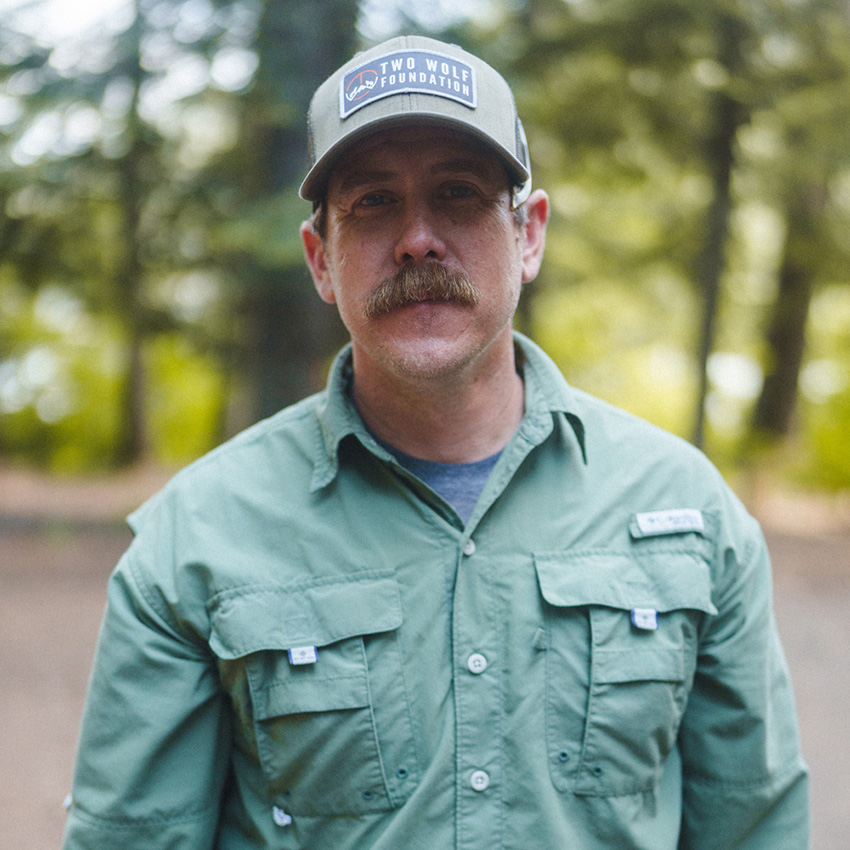
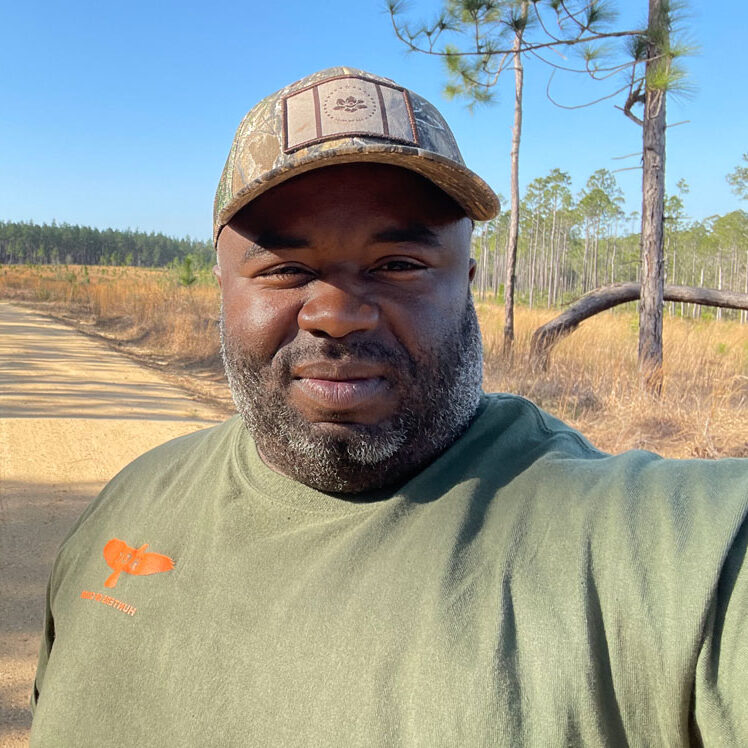
 Brian Flynn, Two Wolf Foundation
How Sportsmen Are Doing It Right

Brian Flynn, Two Wolf Foundation's Story

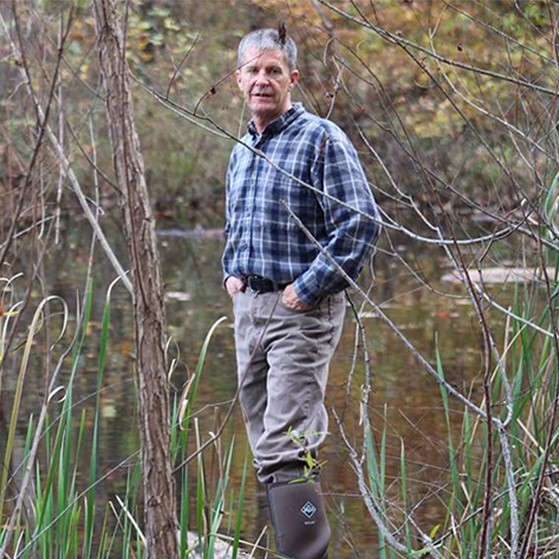
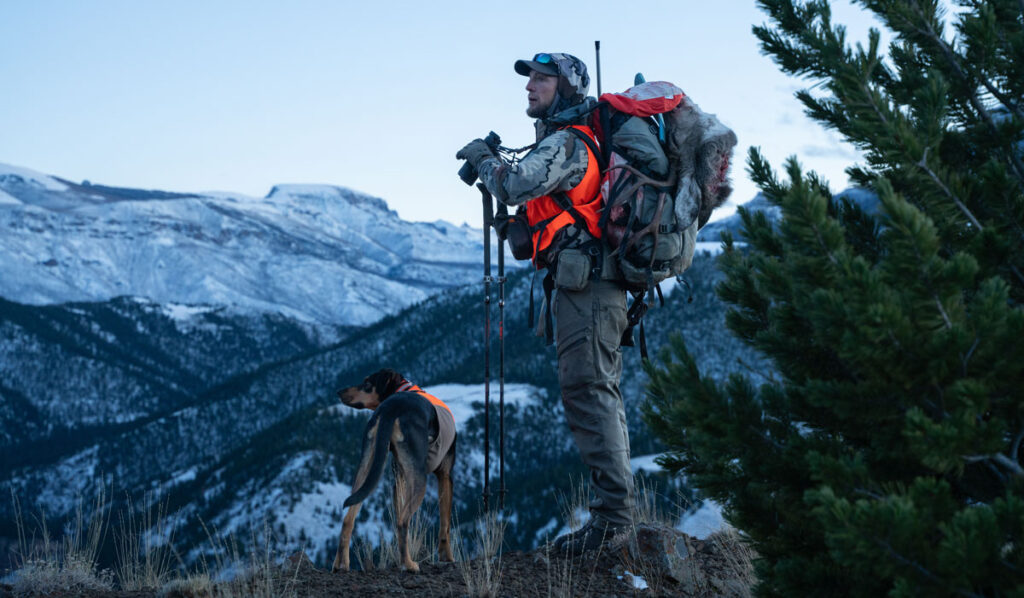
Following a distinguished career in the U.S. Army, lifelong outdoorsman Brian Flynn returned home from a deployment in Afghanistan and…


Hunting
Why It Matters

Key Issues for America’s Hunters

Your source for the latest policy updates, conservation challenges, and opportunities shaping America’s hunting traditions.

What TRCP is Doing

We’re fighting for meaningful policy changes that benefit wildlife, our waters, and the American landscapes that make our outdoor traditions possible.

 Ryan Sparks
How Sportsmen Are Doing It Right

Ryan Sparks's Story

TRCP’s “In the Arena” series highlights the individual voices of hunters and anglers who, as Theodore Roosevelt so famously said,…

Fishing
Why It Matters

Key Issues for America’s Anglers

Your source for the latest policy updates, conservation challenges, and opportunities shaping America’s fishing traditions.

What TRCP is Doing

We’re fighting for meaningful policy changes that benefit wildlife, our waters, and the American landscapes that make our outdoor traditions possible.

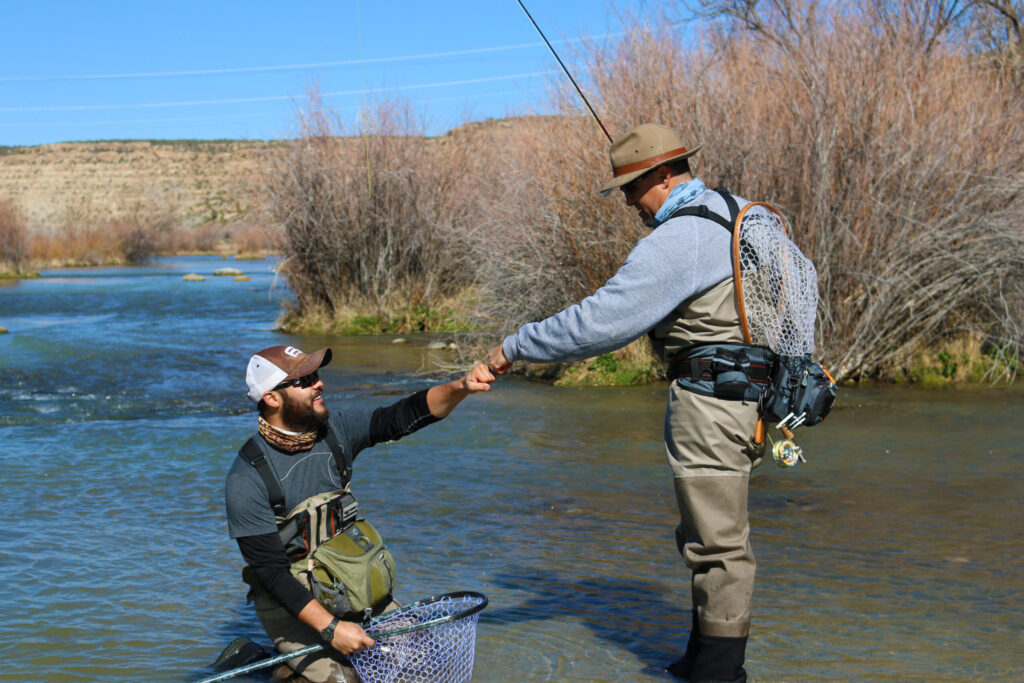
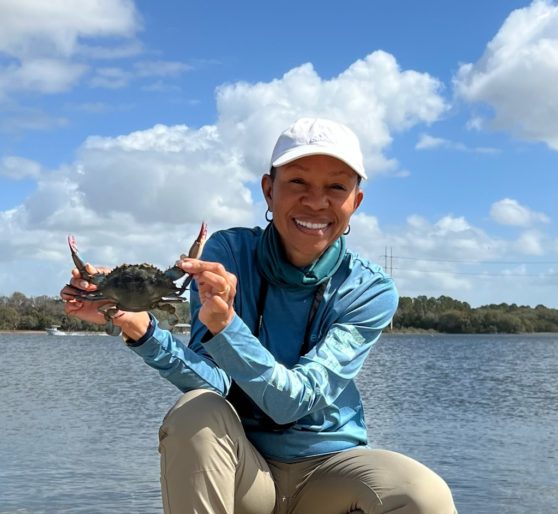
 David Mangum
How Sportsmen Are Doing It Right

David Mangum's Story

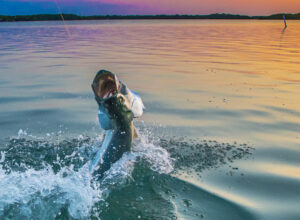
Capt. David Mangum is a YETI ambassador and outdoor photographer who utilizes his talents to produce media that inspire a…

Private Land
Why It Matters

Stewardship on America’s private lands

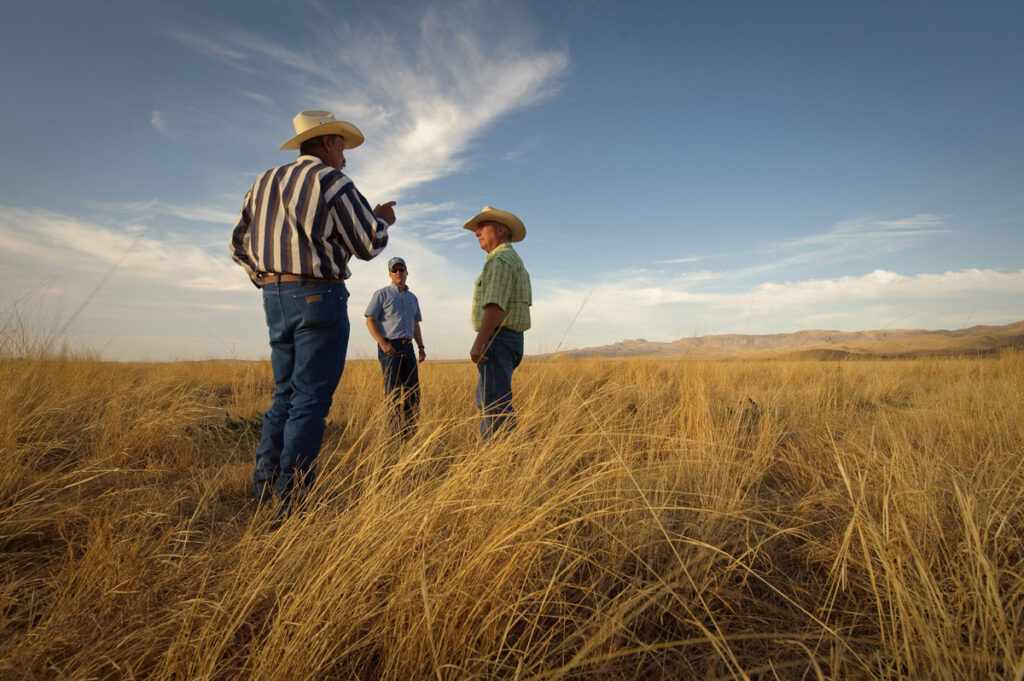
With 70 percent of U.S. lands in private hands and many of our best hunt and fish opportunities occurring there, investing in voluntary conservation on working lands safeguards access, strengthens habitat and water quality, and ensures resilient landscapes.

Learn More
What TRCP is Doing

We champion policies and programs that restore wildlife habitat, improve soil and water health, and keep working lands productive.

 Ward Burton
How Sportsmen are Doing It Right

Ward Burton's Story

Ward Burton’s NASCAR driving career stretched across most of two decades. As an avid sportsman and conservationist, he founded the…

Special Places
Why It Matters

Special Places Worth Protecting

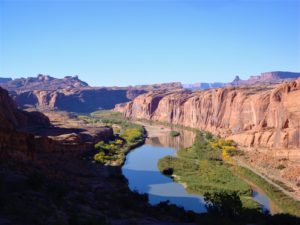
America’s most iconic landscapes provide unmatched habitat and unforgettable days afield. These places sustain wildlife, anchor local economies, and define the hunting and fishing traditions we pass down.

What TRCP is Doing

We’re working to conserve special places that provide world-class habitat and unforgettable opportunities for hunters and anglers.

 Franklin Adams
How Sportsmen Are Doing It Right

Franklin Adams's Story

As a true Gladesman, conservationist, and historian, Capt. Franklin Adams has spent more than six decades championing Everglades restoration efforts…

Habitat & Clean Water
Why It Matters

Healthy Habitat Powers Every Pursuit

All hunting and fishing opportunities depend on quality habitat, from clean water and healthy wetlands to winter and summer habitats and the migration corridors that connect them.

All About Habitat & Clean Water
What TRCP is Doing

We are working to safeguard the habitats that power every hunting and fishing opportunity.

 Alex Harvey
How Sportsmen Are Doing It Right

Alex Harvey's Story

Alex Harvey, founder of Legacy Land Management, is a registered professional forester in Mississippi and Alabama with a Master's degree…

Science
Why It Matters

Science That Guides TRCP

From conserving migration corridors and wetlands to ensuring clean water and resilient landscapes, science provides evidence that turns conservation goals into effective action.

Science for Conservation
What TRCP is Doing

For hunters and anglers, science safeguards the experiences we treasure including resilient big game populations, abundant fish, and wild places that endure changing social landscapes.

Jamelle Ellis
Your Science Expert

Jamelle Ellis's Story

Jamelle Ellis joined the Theodore Roosevelt Conservation Partnership in 2022. Jamelle spent the last three years as an environmental sustainability…

Where We Work
Across the Nation

Conservation Across America

TRCP works across the country to ensure hunters and anglers can enjoy healthy fish and wildlife and quality days afield, no matter where they live.

See All Issues
TRCP in Your Region

TRCP works across the country to ensure hunters and anglers can enjoy healthy fish and wildlife and quality days afield, no matter where they live.

Who We Are
Our Mission

To guarantee all Americans quality places to hunt & fish

We unite and amplify our partners’ voices to advance America’s legacy of conservation, habitat, and access.

Our Mission & Values
Our People & Partners
  • Meet the TRCP Team

    Our staff and board members unite and amplify our partners’ voices to advance America’s legacy of conservation, habitat, and access.

    Meet the Team
  • Our Partners

    ‘Partnership’ is in our name. We work with 64 diverse partner groups that represent today’s leading hunting, fishing, and conservation organizations in order to strengthen the sportsman’s voice in Washington, D.C.

    Our Partners
  • Corporate Council

    TRCP’s Corporate Council is made up of diverse corporations that share a common passion for conservation.

    Corporate Council
Our Organization

Looking for more information?

Explore our latest news, policy updates, and conservation resources to get the information you need.

Giving
How You Can Help

To guarantee all Americans quality places to hunt & fish

Your tax-deductible donation will support TRCP's mission, now and into the future.

DONATE
Special Ways to support trcp
  • Capital Conservation Awards Dinner

    The CCAD is one of Washington's best-attended conservation celebrations, featuring dinner, cocktails, and a silent auction.

    Learn More
  • Step Into the Arena

    Help us ensure that our treasured wild habitats and game remain intact for the next generation to enjoy – lend your support to the TRCP’s efforts today!

    Donate
  • Roosevelt Roast

    TRCP has partnered with Afuera Coffee Co. to further our commitment to conservation.

    Learn More
More donation options

Find the best way for you to lend your support. Join one of TRCP’s donor circles for special invitations, premium offerings from outdoor retailers, and more exclusive benefits. Take control of your legacy with planned giving or contribute to special conservation funds.

Other Ways To Give
News
In the Spotlight

TRCP’s Lead Scientist on Why Everglades Restoration Matters

Hunters and anglers benefit from long-term Everglades restoration efforts; TRCP’s Senior Scientist Jamelle Ellis summarizes the current state of the system, how restoration efforts will improve it, and details on an upcoming presentation where you can learn more.

Read More

Stay Informed

Receive our newsletter, the Roosevelt Report, right in your inbox. Never miss the latest news in conservation issues.

July 21, 2022

This Provision in the Bill Gutting Pittman-Robertson Makes It Even More Dangerous

Feeling outraged about the RETURN Act and its threat to conservation funding? Well, it gets worse

The recent introduction of the RETURN our Constitutional Rights Act of 2022, also known as the RETURN Act and H.R. 8167, has rightly shocked and outraged sportsmen and sportswomen, who proudly contribute to America’s successful conservation funding model through our firearm, ammunition, and other gear purchases.

If you’ve been following the story, you know the bill’s goal is to obliterate Pittman-Robertson funding—which allows state wildlife agencies to make habitat improvements, enhance hunting and fishing access, run hunter’s education programs, and create public shooting ranges across the country. It purports to use other “unobligated” federal funds in a misguided attempt to replace the excise taxes, shifting the cost to every American taxpayer and undercutting the role of hunters and anglers in conservation.

But it actually gets worse.

In digging into the bill language, our experts have found that the RETURN Act only replaces P-R excise taxes with funding for non-game species conservation—diverting funds that have historically helped to restore and maintain populations of whitetail deer, elk, wild turkeys, bass, walleyes, and trout and spending it on salamanders and butterflies.

At best, this is a disastrous oversight. At worst, it is yet another red flag for the fundamental misunderstanding of some lawmakers when it comes to how our country’s conservation model works.

Hunters and anglers, meanwhile, are not confused about our essential role in conservation. We asked for Pittman-Robertson and the Dingell-Johnson Act (the fishing equivalent of P-R) decades ago to ensure the future of our outdoor recreation opportunities. We have more recently championed the Recovering America’s Wildlife Act to fund the proactive conservation of our most at-risk game and non-game species. And we’ll continue to stand up for conservation funding today and into the future.

Add your voice to this outcry: Take action using our simple advocacy tool to urge your representative to oppose the RETURN Act. Public backlash has already prompted three co-sponsors to pull their support for this bill. Keep the momentum going and keep America’s proud conservation traditions working for fish and game.

16 Responses to “This Provision in the Bill Gutting Pittman-Robertson Makes It Even More Dangerous”

  1. Jeanne Artaxet

    Give thought to your actions that only speak to yourself and forget there are some in disagreement. Hunters and non hunters need agreement not new laws!

  2. This is a bad bill and worse idea, it needs to die a swift death. Almost every outdoor sporting organization in America is opposed to this bill. It would gut many wildlife programs across America and leave them with no good replacement funding. It is sponsored by 58 Republicans like my “representative” Michelle Fischbach MN CD7. ALL sportsmen and women across America need to contact their representatives and tell them you do NOT support this bill and that they should withdraw their support.

  3. Lyle J Melkerson

    Sportsmen pushed Legislators to pass this bill into law in 1937, to limit Pittman Robertson is just so wrong. Every dollar raised by it benefits our wildife and wid places.

  4. Gary B. Jones

    Pittman-Robertson is working well enough. Hence, it has become a target for greedy hands who only want another ready made income stream but have no real interest in conservation or protecting natural resources. Greed Only Politicians need to keep their hands off conservation dollars, leave public lands public and un-ransomed, and stop attempting to hijack real conservationists efforts to protect and leave a strong Natural Heritage

  5. M. Filbeck

    Is it a surprise that this bill was the doings of Andrew Clyde? Mr. Clyde is the owner of one of the largest gun stores in our area of Georgia. I’ve done business at his store prior to his election but never again.

  6. Robert Henderson

    Please list all the Legislators who are supporting this and the party they represent. I hope that sportsman will respond by ending any support that they give the offending Legislators and will vote for their opponent at the earliest opportunity. If we do not vote these people out things will get worse for the outdoors.

  7. Lyle S.

    Realize that this bill is in response to a D bill that proposes amending PR to include a 1000% tax on semi-auto firearms. This is not the fix, neither is the D bill. Politicians are so focused on their own agenda that they lose track of what their job is supposed to be. Represent the people!

  8. Robert Ramirez

    So instead of 5% of the hunters and shooters of the U.S. supporting ALL of the conservation in America, this repeal of taxation would require revenue funding for conservation in the U.S. come from energy leases/drilling on federal land. Does this include wind farm leases in coastal waters? Sounds like this would be an opportunity to ensure that the burden of conservation is expanded to a greater population of the U.S.

    FYI – P-R funding does go to conservation of non-game animals as well as game animals currently.

  9. Thomas Salo

    After redistricting, Elise Stefanik will become my representative in upstateNew York. I am appalled that someone in a leadership position would cosponsor such terrible legislation. Politics in this country is in a terrible state. P-R shouldn’t be a pawn in their game.

  10. Jerry Burke

    I absolutely oppose this bill and encourage all hunters/anglers to learn of its destructive effort and oppose it. Soon after beginning to hunt in 1949, I read about the Pittman-Robertson Act and have ever since valued it as a major contributor to wildlife and hunting. We must all do whatever possible to stop this bill and support wildlife for those who come after us.

Do you have any thoughts on this post?

XHTML: You can use these tags: <a href="" title=""> <abbr title=""> <acronym title=""> <b> <blockquote cite=""> <cite> <code> <del datetime=""> <em> <i> <q cite=""> <s> <strike> <strong>

Comments must be under 1000 characters.

July 14, 2022

New Commission Will Work to Control Aquatic Invasive Species

Commissioners include representatives from YETI®, Yamaha Marine, BoatU.S., B.A.S.S., the American Sportfishing Association, National Marine Manufacturing Association, Theodore Roosevelt Conservation Partnership, and Association of Fish and Wildlife Agencies

Members of the $689-billion outdoor recreation industry have established a blue-ribbon commission to stop and reverse the spread of aquatic invasive species in the U.S. The commission will convene leading biologists, environmentalists, policymakers, and resource managers to assess existing mitigation efforts and identify more effective eradication solutions. Findings from the analysis will be presented to Congress and the administration in 2023, with a goal of passing comprehensive legislation to better manage and eliminate aquatic invasive species.

The commission will meet for the first time next week at ICAST.

Aquatic invasive species are spreading at levels that are unsustainable for the waterways where they have been introduced, posing a growing threat to aquatic ecosystems, local economies, and outdoor recreation opportunities across the country. Currently, the cost to control and eradicate these invasives in the U.S. amounts to more than $100 billion each year. For decades, a patchwork of federal and state initiatives has failed to address this crisis.

“Aquatic invasive species pose a national threat to both habitat and fishing and boating access, but it is possible to put more effective policies and mitigation efforts in place,” says Whit Fosburgh, president and CEO of the Theodore Roosevelt Conservation Partnership. “We’ve shown time and time again that when our community convenes around a common threat, listens to the science, and makes thoughtful recommendations, we can successfully shift conservation policy. The TRCP is proud to participate in the commission’s work and future advocacy to see recommendations through.”

“In central and southern states, invasive silver carp frustrate anglers and state and federal resource managers,” says Ben Speciale, president of the U.S. Marine Business Unit at Yamaha. “But silver carp represent just a fraction of the invasive species problem in our nation. For every region, state, coast, and body of water, there is a similar pressing issue. We need a different, national approach to solving the aquatic invasive species problem. Yamaha supports this effort, because we believe the commission’s recommendations to Congress and the administration will help combat the AIS situation and help to allocate the resources needed to meet this challenge.”

“BoatU.S. has long worked to educate boaters on the impacts of invasive species and how boaters can better protect our waterways,” says Chris Edmonston, president of the BoatU.S. Foundation. “We look forward to working with industry and government agencies to come up with commonsense solutions that protect and enhance America’s waters.”

“The Aquatic Invasive Species Commission, spearhead by some of the biggest names in outdoor recreation and conservation, will be at the forefront of working alongside the administration and Congress to stop and reverse the spread of aquatic invasive species, which threaten recreational boating and fishing access, local economies, and aquatic ecosystems,” says Frank Hugelmeyer, president of the National Marine Manufacturers Association. “As the nation’s original conservationists, our industry looks forward to the commission’s findings and implementing more effective practices to eradicate AIS.”

“As the number and scale of aquatic invasive species grows, it’s clear that continuing with status quo isn’t going to solve the problem,” says Mike Leonard, vice president of government affairs for the American Sportfishing Association. “On behalf of the recreational fishing industry, which depends on healthy aquatic ecosystems, ASA is excited to be a part of the Aquatic Invasive Species Commission. While faced with a daunting task, I’m confident the experts that comprise the commission will help put us on a path toward better response, control, and eradication of aquatic invasive species.”


Members of the Blue-Ribbon Aquatic Invasive Species Commission:

John Arway, Retired State Director
Elizabeth Brown, North American Invasive Species Management Association
Jason Christie, Pro Angler
George Cooper, Forbes-Tate
Clay Crabtree, National Marine Manufacturing Association
Devin Demario, Association of Fish and Wildlife Agencies
Jake Dree, YETI
Chris Edmonston, BoatU.S.
Marc Gaden, Great Lakes Fishery Commission
Gene Gilliland, B.A.S.S.
Heather Hennessey, Yamaha
Alanna Keating, BoatU.S.
Mike Leonard, American Sportfishing Association
Chris Macaluso, Theodore Roosevelt Conservation Partnership
Mark Menendez, Pro Angler
Ish Monroe, Pro Angler
Steve Moyer, Trout Unlimited
John O’Keefe, Yamaha
Martin Peters, Yamaha
Stephen Phillips, Pacific States Marine Fisheries Commission
Christy Plumer, Theodore Roosevelt Conservation Partnership
Ann Rogers Harrison, Texas Parks and Wildlife Department
Jennifer Silberman, YETI
Mathew Van Daele, Sun’aq Tribe
Nick Wiley, Ducks Unlimited
Drue Winters, American Fisheries Society
Dennis Zabaglo, Tahoe Regional Planning Agency


Top photo by Todd Davis/U.S. Army Corps of Engineers

July 11, 2022

PA Legislature Passes Budget with Important Conservation Investments

Resolution calls for establishing a new Growing Greener program and Clean Streams Fund

On Friday, Pennsylvania Governor Tom Wolf signed into law a budget that prioritizes conservation by investing over $696 million in clean water, habitat restoration, and outdoor recreation access.

“Pennsylvania’s hunters and anglers should be proud to live and recreate in a state with not only incredible natural resources and public access, but also a legacy of strong state conservation funding initiatives to ensure these amenities will be enjoyed by future generations,” said Alexandra Kozak, Pennsylvania field manager for the Theodore Roosevelt Conservation Partnership. “We appreciate the leadership of lawmakers who know the importance of conservation to our state and thank the governor for signing this budget into law without delay.”

Aspects of two bills supported by the hunting, fishing, and conservation community were incorporated into the final budget resolution. As originally proposed in S.B. 525, a portion of PA’s $320 million in federal funding from the American Rescue Plan Act of 2021 will be used to establish a Growing Greener III program that enhances fish and wildlife habitat and creates better hunting and fishing opportunities with an additional $156 million to increase state park and outdoor recreation infrastructure. Further, $220 million will go to improving water quality, specifically focused on “non-point” sources of pollution, such as agricultural runoff and acid mine drainage, as originally proposed in S.B. 832 this session.

“CBF applauds the legislature and the governor for including in this budget much-needed funding to support farm conservation projects and the boots on the ground working hard to reduce pollution,” said Bill Chain, interim director and senior agriculture program manager in Pennsylvania for the Chesapeake Bay Foundation.

“The TRCP is grateful to state legislators for this commitment to supporting fish and wildlife populations, growing our state’s $58-billion outdoor recreation economy, and funding clean water solutions that will benefit habitat and communities from western Pennsylvania to the Chesapeake Bay,” continued Kozak. “We look forward to working with our partners and other stakeholders to see that these investments make a big difference in the field and on the water where they are needed most.”

Since December 2021, the TRCP has urged PA sportsmen and sportswomen to contact lawmakers in support of reinvesting American Rescue Plan funds in conservation through Growing Greener and a new Clean Streams Fund. Learn more here.

June 8, 2022

In a Tight Vote, Louisiana Legislators Opt Not to Consider Pogie Catch Limit

A bipartisan bill won’t go any further, but more decision-makers are beginning to question claims that the pogie industry is causing no harm to coastal fisheries or habitat

Just before Memorial Day weekend—the unofficial kickoff of summer and, for many of us, a season of sun-soaked fishing and boating—Louisiana’s Senate Natural Resources Committee killed a bill that would have, for the first time, set a catch limit on nearshore industrial menhaden harvest.

Rather than vote on the merits of House Bill 1033, which would have set a catch limit of approximately 800 million pounds in Louisiana state waters within three miles from shore, the Senate Committee voted 4-3 to defer further consideration of the legislation.

The Gulf-wide harvest of menhaden, called pogies in Louisiana, is usually about 1.2 billion pounds annually, about 90 percent of that harvest taking place off Louisiana’s coast and 70 percent of it inside the three-mile line.

H.B. 1033, championed by Lafourche Parish Representative Joe Orgeron, had a bipartisan group of 14 co-sponsors in the House. Originally, the bill called for a catch limit of about 575 million pounds, but Orgeron pledged to work with the menhaden industry to try and accommodate some of their requests for a larger harvest in years when conditions would allow it.

These concessions would have allowed the menhaden industry to harvest more fish annually than it has nearly every year since the 1980s. In the end, the industry again demonstrated that it’s not interested in any regulations at all in Louisiana.

Public support for the measure was overwhelming. So was support in the Louisiana House, which voted on April 27 to approve the measure 75-22.

Deferring the bill showed that four Senate Natural Resources Committee members continue to ignore what the public and most of their legislative colleagues understand: It’s unacceptable for two foreign-owned companies to continue to damage Louisiana’s beaches and harvest that much critical forage base—plus as much as 50 million pounds of bycatch—in state waters with virtually no management or oversight.

Representatives from Louisiana’s Department of Wildlife and Fisheries claimed throughout this year’s legislative session and over the last three years, as restrictions on the pogie industry have been debated, that a catch limit is unnecessary, the pogie industry is well-regulated, and it is causing no harm to coastal fisheries or habitat.

That claim is not backed by any available data or scientific studies. While stock assessments show the Gulf-wide pogie stock is healthy, there are no specific studies showing the impacts of the concentrated effort in Louisiana state waters. There are also no studies that show the industry is not harming beaches and shallow habitats where its vessels frequently make contact with the bottom.

Numerous coastal ecologists and scientists have raised concerns about habitat damage, loss of forage base, and bycatch from the industrial pogie fleet, as well as the damage to water quality caused by discharges from the boats and processing plants.

It’s hard to imagine any fishery that has no enforceable catch limit is well-managed, a point that was illustrated by State Senator Sharon Hewitt, one of three lawmakers on the committee who supported the bill’s passage.

“It doesn’t seem like you’re doing anything, really,” said Hewitt to the Louisiana Wildlife and Fisheries assistant secretary for fisheries, Patrick Banks, during the May 26 hearing. “I know you say you regulate because [menhaden] shows up in the statute 58 times, or something, but in terms of understanding how it affects the rest of the ecosystem or managing the amount of menhaden you take out of the Gulf, I don’t really see where you’re doing anything to manage that.”

Hewitt was pointing out the obvious. At the very least, the removal of a billion-plus pounds of pogies each year, nearly all of them from waters off Louisiana, means fewer of those fish in the water to serve their ecological function. Each time a pogie boat fishes in shallow water and disturbs the water bottom, there is damage being done to that habitat and the water quality in that area.

Each spawning-stock redfish or jack, shark, tarpon, and speckled trout that gets killed as bycatch in pogie nets—and there are hundreds of thousands killed each year—is one fewer in the water to reproduce. The latest examinations of the ecological role of pogies in the Gulf shows that pogies account for up to 20 percent of the diet of speckled trout and redfish. That number climbs to 40 percent for king and Spanish mackerel.

While that may be an oversimplification of a complicated issue, it’s the truth. There are no facts supporting the claim that the pogie industry is doing no harm. Louisiana is the only state in the entire Atlantic and Gulf basin to allow this massive, industrial reduction fishery to operate with no catch limit and with, thus far, unfettered access to ecologically sensitive, critical shallow-water habitats in coastal bays and along beaches.

It’s certainly frustrating for the TRCP, Coastal Conservation Association of Louisiana, American Sportfishing Association, Audubon, Louisiana Charterboat Association, and many others supporting this legislation to see it ultimately fail.

There are wins to count despite the bill not becoming law, however. Having Senator Hewitt and others support the bill publicly and point out the massive gaps in pogie management in the Gulf means that eyes are opening to the problems associated with this industry.

The bill’s introduction and debate throughout the legislative session gave an opportunity for a May 16 article in both the New Orleans Times Picayune and Baton Rouge Advocate newspapers illustrating how little oversight there is of Louisiana’s pogie industry. It’s arguably the most comprehensive look at the industry ever published in a Louisiana newspaper.

Efforts to rein in the pogie industry in Louisiana and across the Gulf, set catch limits, protect shallow water areas, and move toward ecological management that considers the role these fish play in the ecosystem will continue and increase in the coming years. There will be more legislation introduced, more thorough studies conducted, and the science behind the role that pogies play in feeding other fish and improving water quality will continue to evolve.

The TRCP, CCA, ASA, IGFA, Bonefish and Tarpon Trust, and many other conservation groups are just getting started in shining a light on this foreign-owned industrial fishery. The fight to conserve and properly manage fisheries resources in the Gulf does not end here.


Top photo courtesy of Louisiana Sea Grant via Flickr.

May 12, 2022

Management Update Will Help Striped Bass Recover

Fisheries managers vote to finalize the first overhaul of the Atlantic striped bass management plan in almost 20 years

After years of angler support for better striped bass management solutions, the Striped Bass Management Board of the Atlantic States Marine Fisheries Commission voted last week to overhaul its management plan to better rebuild populations of striped bass—our nation’s largest marine recreational fishery.

This is the first substantive regulatory change to the Atlantic striped bass fishery in almost 20 years, and anglers got a lot of what we asked for in the management plan update, known as Amendment 7. The vote comes along at an auspicious time for some East Coast anglers, as striper season opens in the Chesapeake Bay and industrial menhaden fishing is ongoing in the region, removing valuable forage for bass and other predators.

Key Improvements

With passage of the options included in Amendment 7, the Board did not choose to extend the amount of time the commission would have to respond when management triggers—including more striper deaths annually, fewer large egg-laying females, and fewer juvenile fish—are tripped. Improvements include the implementation of a rebuilding framework to quickly respond to stock assessment results and new state-level education campaigns on safe handling and release of striped bass to address recreational release mortality. Meanwhile, state-specific conservation equivalency plans will have much more stringent standards and will not be allowed if the striped bass stock is being overfished.

The TRCP has been vocal since the beginning of this process to ensure that anglers have a say with fishery managers. Last year, we were able to prevent the weakening of the striped bass biomass reference points in the amendment, which would have undermined standards set in place through the recently embraced ecological management of Atlantic menhaden. While not all of our recommendations were passed within Amendment 7, we are happy with the overall management plan, and we feel that the Board will now be able to address both conservation and angler needs into the future.

Next Steps for Anglers

Be sure to check back here in October, when the most updated striped bass stock assessment will be published. This new data will tell anglers and managers whether striped bass are still experiencing overfishing, and it may or may not trip the management triggers set forth by Amendment 7.

Of course, we hope to see that our catch reductions in the last few years have helped the stock to rebuild, but we will have to wait until the fall to find out.

In the meantime, as we enjoy the season, it’s critical to remember that every one of us can do our part for striped bass. Know the rules, minimize your handling of fish—especially those above the slot limit—and get them back in the water as safely and quickly as possible. Amendment 7 lays the groundwork for the recovery of this important species, but anglers are a critical part of the work ahead.


Top photo by L’eau Bleue via Flickr.

HOW YOU CAN HELP

TRCP has partnered with Afuera Coffee Co. to further our commitment to conservation. $4 from each bag is donated to the TRCP, to help continue our efforts of safeguarding critical habitats, productive hunting grounds, and favorite fishing holes for future generations.

Learn More
Subscribe


You have Successfully Subscribed!

You have Successfully Subscribed!

You have Successfully Subscribed!

You have Successfully Subscribed!

You have Successfully Subscribed!