Our Issues
Public Lands
Why It Matters

Hunting & Fishing Access

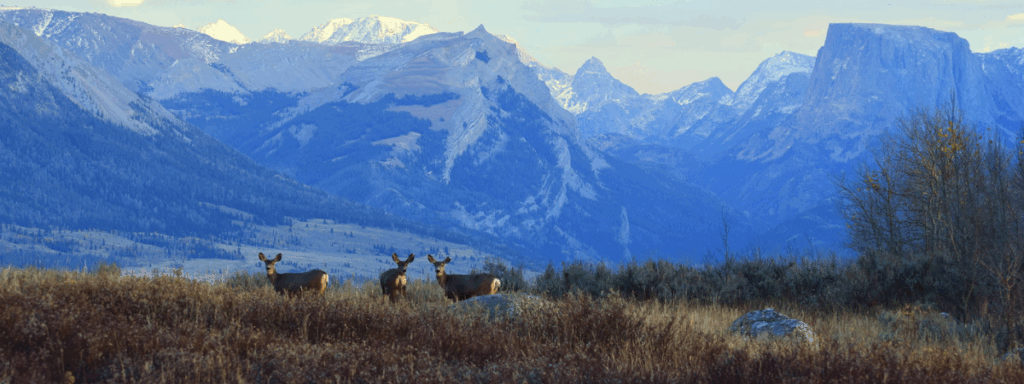
America’s 640 million acres of national public lands provide irreplaceable hunting and fishing opportunities to millions of Americans.

Learn More About Access
What TRCP is Doing

We’re working to safeguard America’s public lands so hunters and anglers always have quality places to pursue their passions.

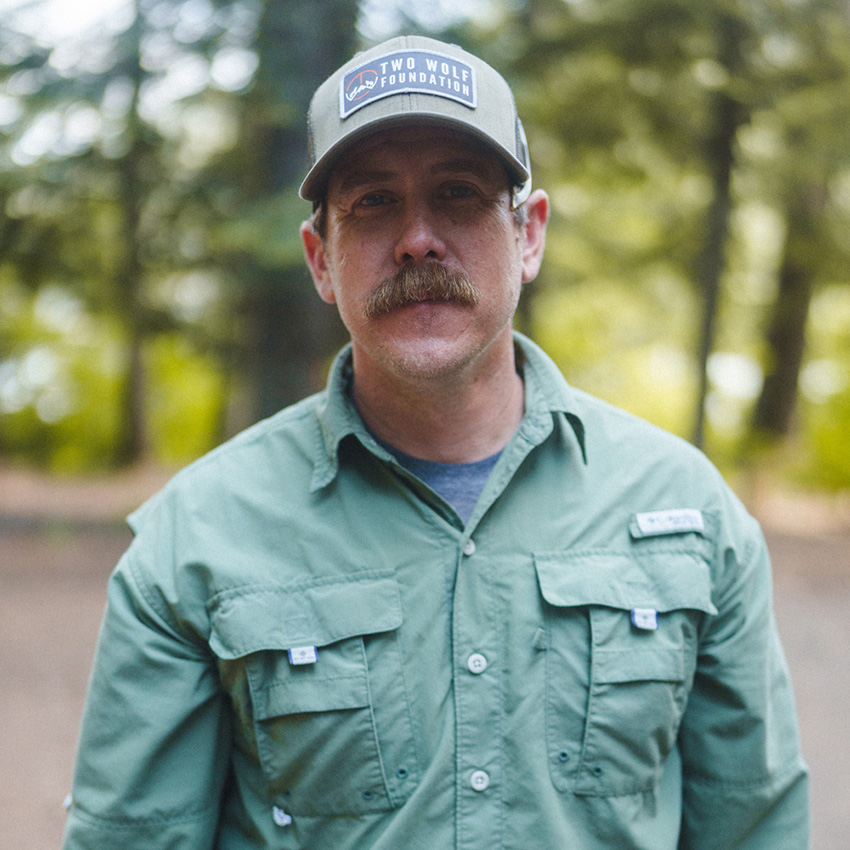
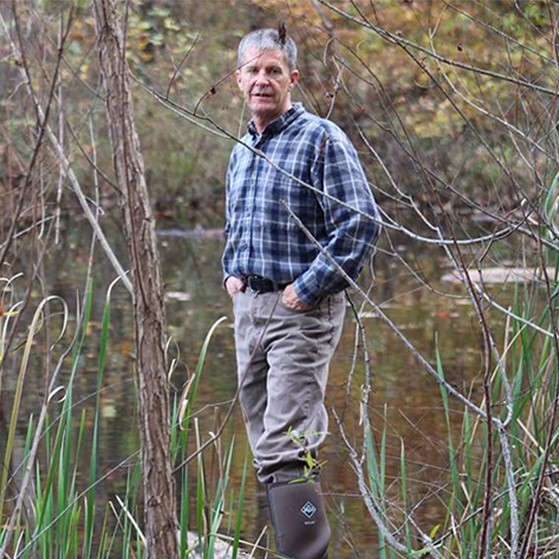
 Brian Flynn, Two Wolf Foundation
How Sportsmen Are Doing It Right

Brian Flynn, Two Wolf Foundation's Story

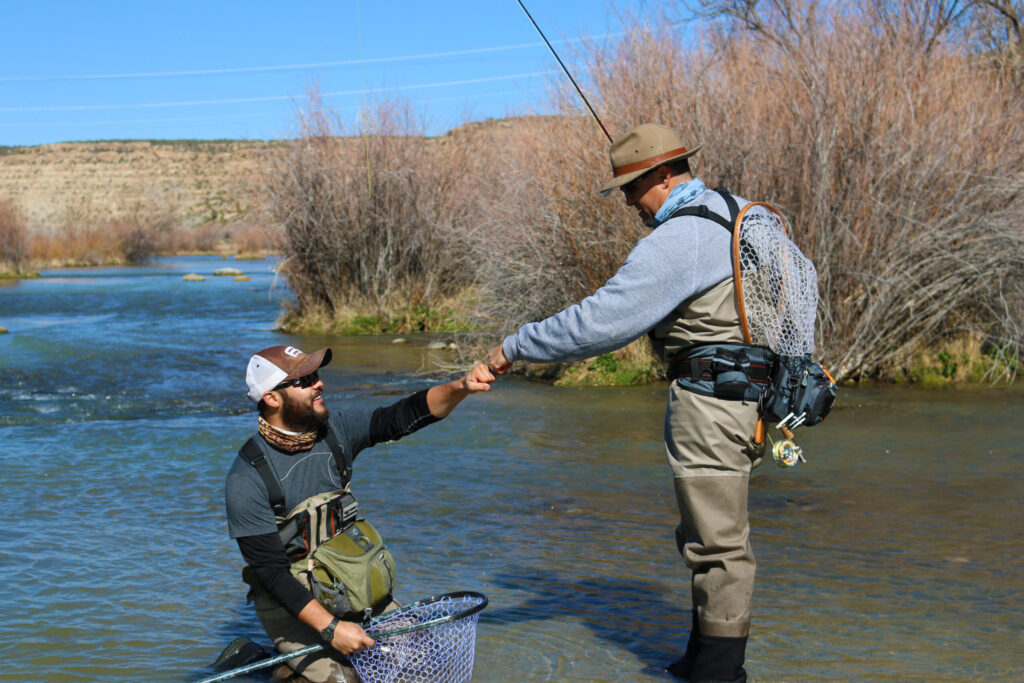
Following a distinguished career in the U.S. Army, lifelong outdoorsman Brian Flynn returned home from a deployment in Afghanistan and…


Hunting
Why It Matters

Key Issues for America’s Hunters

Your source for the latest policy updates, conservation challenges, and opportunities shaping America’s hunting traditions.

What TRCP is Doing

We’re fighting for meaningful policy changes that benefit wildlife, our waters, and the American landscapes that make our outdoor traditions possible.

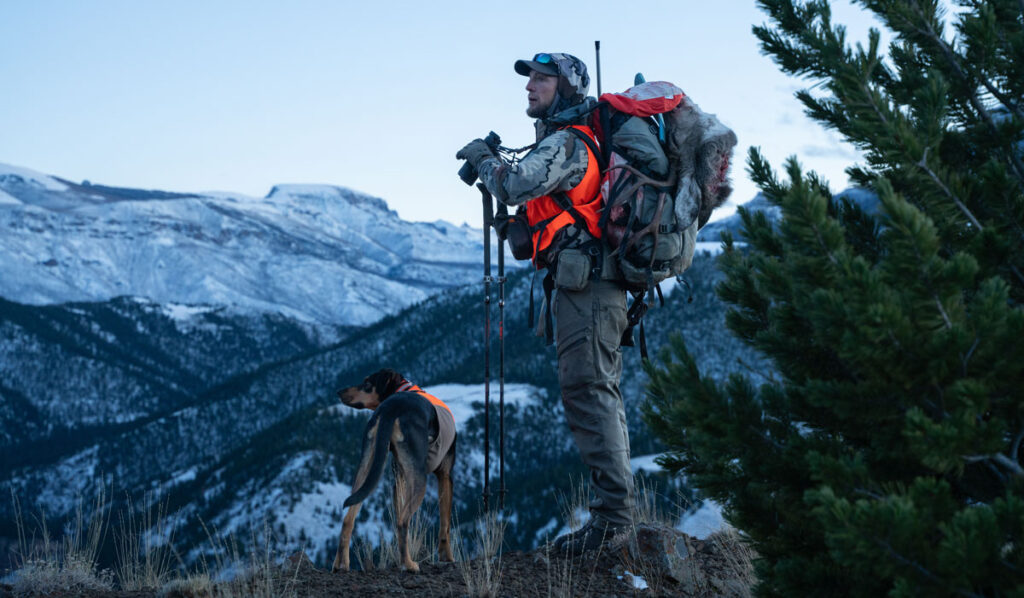
 Ryan Sparks
How Sportsmen Are Doing It Right

Ryan Sparks's Story

TRCP’s “In the Arena” series highlights the individual voices of hunters and anglers who, as Theodore Roosevelt so famously said,…

Fishing
Why It Matters

Key Issues for America’s Anglers

Your source for the latest policy updates, conservation challenges, and opportunities shaping America’s fishing traditions.

What TRCP is Doing

We’re fighting for meaningful policy changes that benefit wildlife, our waters, and the American landscapes that make our outdoor traditions possible.

 David Mangum
How Sportsmen Are Doing It Right

David Mangum's Story

Capt. David Mangum is a YETI ambassador and outdoor photographer who utilizes his talents to produce media that inspire a…

Private Land
Why It Matters

Stewardship on America’s private lands

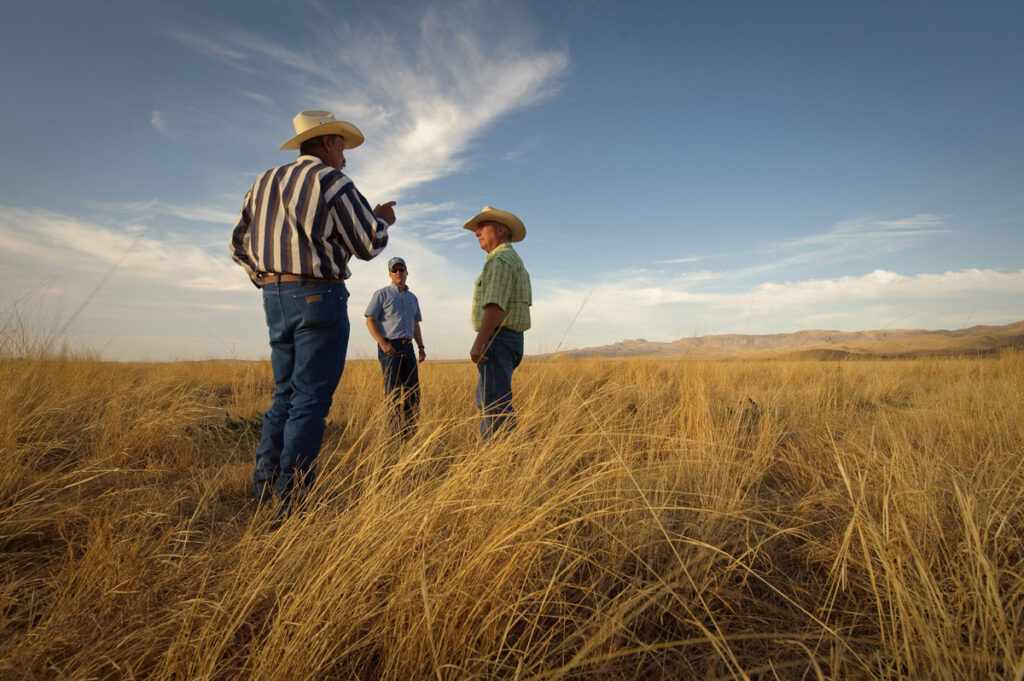
With 70 percent of U.S. lands in private hands and many of our best hunt and fish opportunities occurring there, investing in voluntary conservation on working lands safeguards access, strengthens habitat and water quality, and ensures resilient landscapes.

Learn More
What TRCP is Doing

We champion policies and programs that restore wildlife habitat, improve soil and water health, and keep working lands productive.

 Ward Burton
How Sportsmen are Doing It Right

Ward Burton's Story

Ward Burton’s NASCAR driving career stretched across most of two decades. As an avid sportsman and conservationist, he founded the…

Special Places
Why It Matters

Special Places Worth Protecting

America’s most iconic landscapes provide unmatched habitat and unforgettable days afield. These places sustain wildlife, anchor local economies, and define the hunting and fishing traditions we pass down.

What TRCP is Doing

We’re working to conserve special places that provide world-class habitat and unforgettable opportunities for hunters and anglers.

 Franklin Adams
How Sportsmen Are Doing It Right

Franklin Adams's Story

As a true Gladesman, conservationist, and historian, Capt. Franklin Adams has spent more than six decades championing Everglades restoration efforts…

Habitat & Clean Water
Why It Matters

Healthy Habitat Powers Every Pursuit

All hunting and fishing opportunities depend on quality habitat, from clean water and healthy wetlands to winter and summer habitats and the migration corridors that connect them.

All About Habitat & Clean Water
What TRCP is Doing

We are working to safeguard the habitats that power every hunting and fishing opportunity.

 Alex Harvey
How Sportsmen Are Doing It Right

Alex Harvey's Story

Alex Harvey, founder of Legacy Land Management, is a registered professional forester in Mississippi and Alabama with a Master's degree…

Science
Why It Matters

Science That Guides TRCP

From conserving migration corridors and wetlands to ensuring clean water and resilient landscapes, science provides evidence that turns conservation goals into effective action.

Science for Conservation
What TRCP is Doing

For hunters and anglers, science safeguards the experiences we treasure including resilient big game populations, abundant fish, and wild places that endure changing social landscapes.

Jamelle Ellis
Your Science Expert

Jamelle Ellis's Story

Jamelle Ellis joined the Theodore Roosevelt Conservation Partnership in 2022. Jamelle spent the last three years as an environmental sustainability…

Where We Work
Across the Nation

Conservation Across America

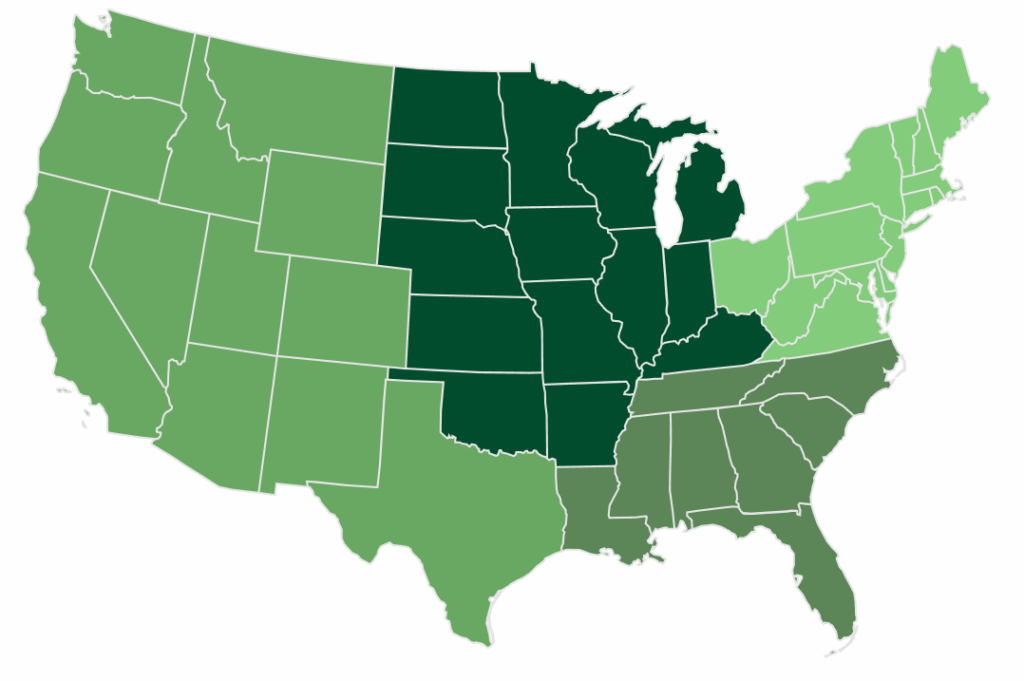
TRCP works across the country to ensure hunters and anglers can enjoy healthy fish and wildlife and quality days afield, no matter where they live.

See All Issues
TRCP in Your Region

TRCP works across the country to ensure hunters and anglers can enjoy healthy fish and wildlife and quality days afield, no matter where they live.

Who We Are
Our Mission

To guarantee all Americans quality places to hunt & fish

We unite and amplify our partners’ voices to advance America’s legacy of conservation, habitat, and access.

Our Mission & Values
Our People & Partners
  • Meet the TRCP Team

    Our staff and board members unite and amplify our partners’ voices to advance America’s legacy of conservation, habitat, and access.

    Meet the Team
  • Our Partners

    ‘Partnership’ is in our name. We work with 64 diverse partner groups that represent today’s leading hunting, fishing, and conservation organizations in order to strengthen the sportsman’s voice in Washington, D.C.

    Our Partners
  • Corporate Council

    TRCP’s Corporate Council is made up of diverse corporations that share a common passion for conservation.

    Corporate Council
Our Organization

Looking for more information?

Explore our latest news, policy updates, and conservation resources to get the information you need.

Giving
How You Can Help

To guarantee all Americans quality places to hunt & fish

Your tax-deductible donation will support TRCP's mission, now and into the future.

DONATE
Special Ways to support trcp
  • Capital Conservation Awards Dinner

    The CCAD is one of Washington's best-attended conservation celebrations, featuring dinner, cocktails, and a silent auction.

    Learn More
  • Step Into the Arena

    Help us ensure that our treasured wild habitats and game remain intact for the next generation to enjoy – lend your support to the TRCP’s efforts today!

    Donate
  • Roosevelt Roast

    TRCP has partnered with Afuera Coffee Co. to further our commitment to conservation.

    Learn More
More donation options

Find the best way for you to lend your support. Join one of TRCP’s donor circles for special invitations, premium offerings from outdoor retailers, and more exclusive benefits. Take control of your legacy with planned giving or contribute to special conservation funds.

Other Ways To Give
News
In the Spotlight

Oregon Legislature Passes Landmark “1.25 Percent for Wildlife” Act

After three legislative sessions and more than a decade of advocacy, a bipartisan coalition secures Oregon’s most significant conservation funding victory in a generation.

Read More

Stay Informed

Receive our newsletter, the Roosevelt Report, right in your inbox. Never miss the latest news in conservation issues.

June 8, 2022

In a Tight Vote, Louisiana Legislators Opt Not to Consider Pogie Catch Limit

A bipartisan bill won’t go any further, but more decision-makers are beginning to question claims that the pogie industry is causing no harm to coastal fisheries or habitat

Just before Memorial Day weekend—the unofficial kickoff of summer and, for many of us, a season of sun-soaked fishing and boating—Louisiana’s Senate Natural Resources Committee killed a bill that would have, for the first time, set a catch limit on nearshore industrial menhaden harvest.

Rather than vote on the merits of House Bill 1033, which would have set a catch limit of approximately 800 million pounds in Louisiana state waters within three miles from shore, the Senate Committee voted 4-3 to defer further consideration of the legislation.

The Gulf-wide harvest of menhaden, called pogies in Louisiana, is usually about 1.2 billion pounds annually, about 90 percent of that harvest taking place off Louisiana’s coast and 70 percent of it inside the three-mile line.

H.B. 1033, championed by Lafourche Parish Representative Joe Orgeron, had a bipartisan group of 14 co-sponsors in the House. Originally, the bill called for a catch limit of about 575 million pounds, but Orgeron pledged to work with the menhaden industry to try and accommodate some of their requests for a larger harvest in years when conditions would allow it.

These concessions would have allowed the menhaden industry to harvest more fish annually than it has nearly every year since the 1980s. In the end, the industry again demonstrated that it’s not interested in any regulations at all in Louisiana.

Public support for the measure was overwhelming. So was support in the Louisiana House, which voted on April 27 to approve the measure 75-22.

Deferring the bill showed that four Senate Natural Resources Committee members continue to ignore what the public and most of their legislative colleagues understand: It’s unacceptable for two foreign-owned companies to continue to damage Louisiana’s beaches and harvest that much critical forage base—plus as much as 50 million pounds of bycatch—in state waters with virtually no management or oversight.

Representatives from Louisiana’s Department of Wildlife and Fisheries claimed throughout this year’s legislative session and over the last three years, as restrictions on the pogie industry have been debated, that a catch limit is unnecessary, the pogie industry is well-regulated, and it is causing no harm to coastal fisheries or habitat.

That claim is not backed by any available data or scientific studies. While stock assessments show the Gulf-wide pogie stock is healthy, there are no specific studies showing the impacts of the concentrated effort in Louisiana state waters. There are also no studies that show the industry is not harming beaches and shallow habitats where its vessels frequently make contact with the bottom.

Numerous coastal ecologists and scientists have raised concerns about habitat damage, loss of forage base, and bycatch from the industrial pogie fleet, as well as the damage to water quality caused by discharges from the boats and processing plants.

It’s hard to imagine any fishery that has no enforceable catch limit is well-managed, a point that was illustrated by State Senator Sharon Hewitt, one of three lawmakers on the committee who supported the bill’s passage.

“It doesn’t seem like you’re doing anything, really,” said Hewitt to the Louisiana Wildlife and Fisheries assistant secretary for fisheries, Patrick Banks, during the May 26 hearing. “I know you say you regulate because [menhaden] shows up in the statute 58 times, or something, but in terms of understanding how it affects the rest of the ecosystem or managing the amount of menhaden you take out of the Gulf, I don’t really see where you’re doing anything to manage that.”

Hewitt was pointing out the obvious. At the very least, the removal of a billion-plus pounds of pogies each year, nearly all of them from waters off Louisiana, means fewer of those fish in the water to serve their ecological function. Each time a pogie boat fishes in shallow water and disturbs the water bottom, there is damage being done to that habitat and the water quality in that area.

Each spawning-stock redfish or jack, shark, tarpon, and speckled trout that gets killed as bycatch in pogie nets—and there are hundreds of thousands killed each year—is one fewer in the water to reproduce. The latest examinations of the ecological role of pogies in the Gulf shows that pogies account for up to 20 percent of the diet of speckled trout and redfish. That number climbs to 40 percent for king and Spanish mackerel.

While that may be an oversimplification of a complicated issue, it’s the truth. There are no facts supporting the claim that the pogie industry is doing no harm. Louisiana is the only state in the entire Atlantic and Gulf basin to allow this massive, industrial reduction fishery to operate with no catch limit and with, thus far, unfettered access to ecologically sensitive, critical shallow-water habitats in coastal bays and along beaches.

It’s certainly frustrating for the TRCP, Coastal Conservation Association of Louisiana, American Sportfishing Association, Audubon, Louisiana Charterboat Association, and many others supporting this legislation to see it ultimately fail.

There are wins to count despite the bill not becoming law, however. Having Senator Hewitt and others support the bill publicly and point out the massive gaps in pogie management in the Gulf means that eyes are opening to the problems associated with this industry.

The bill’s introduction and debate throughout the legislative session gave an opportunity for a May 16 article in both the New Orleans Times Picayune and Baton Rouge Advocate newspapers illustrating how little oversight there is of Louisiana’s pogie industry. It’s arguably the most comprehensive look at the industry ever published in a Louisiana newspaper.

Efforts to rein in the pogie industry in Louisiana and across the Gulf, set catch limits, protect shallow water areas, and move toward ecological management that considers the role these fish play in the ecosystem will continue and increase in the coming years. There will be more legislation introduced, more thorough studies conducted, and the science behind the role that pogies play in feeding other fish and improving water quality will continue to evolve.

The TRCP, CCA, ASA, IGFA, Bonefish and Tarpon Trust, and many other conservation groups are just getting started in shining a light on this foreign-owned industrial fishery. The fight to conserve and properly manage fisheries resources in the Gulf does not end here.


Top photo courtesy of Louisiana Sea Grant via Flickr.

4 Responses to “In a Tight Vote, Louisiana Legislators Opt Not to Consider Pogie Catch Limit”

  1. Rose Newton

    all fisheries need to be regulated and inforced to stop damage to ecosystems. Its not for monetary gain. Its for Earths survival. Our worlds future depends on it.

  2. Garth Gilchrist Walker

    Omega Protein is owned by a Canadian Company, Cooke Inc. They are a monster that uses falsified scientific evidence that comes from Omega Scientist that provide all the data to GSMFC and NOAA. They have been in charge of the Menhaden Reduction Science with no observers and no limits. They are the number one cause of destruction of the fisheries. One Billion Pounds of fish is what the take annually, with up to 80 percent bicatch in some nets. The collateral damage is unparalleled to any other fishery. Then there is the other culprit, Daybrook Fisheries. They are owned by a South African Company, Oceana. We know how the South Africans think. Look what they did to their own country.

Do you have any thoughts on this post?

XHTML: You can use these tags: <a href="" title=""> <abbr title=""> <acronym title=""> <b> <blockquote cite=""> <cite> <code> <del datetime=""> <em> <i> <q cite=""> <s> <strike> <strong>

Comments must be under 1000 characters.

May 12, 2022

Management Update Will Help Striped Bass Recover

Fisheries managers vote to finalize the first overhaul of the Atlantic striped bass management plan in almost 20 years

After years of angler support for better striped bass management solutions, the Striped Bass Management Board of the Atlantic States Marine Fisheries Commission voted last week to overhaul its management plan to better rebuild populations of striped bass—our nation’s largest marine recreational fishery.

This is the first substantive regulatory change to the Atlantic striped bass fishery in almost 20 years, and anglers got a lot of what we asked for in the management plan update, known as Amendment 7. The vote comes along at an auspicious time for some East Coast anglers, as striper season opens in the Chesapeake Bay and industrial menhaden fishing is ongoing in the region, removing valuable forage for bass and other predators.

Key Improvements

With passage of the options included in Amendment 7, the Board did not choose to extend the amount of time the commission would have to respond when management triggers—including more striper deaths annually, fewer large egg-laying females, and fewer juvenile fish—are tripped. Improvements include the implementation of a rebuilding framework to quickly respond to stock assessment results and new state-level education campaigns on safe handling and release of striped bass to address recreational release mortality. Meanwhile, state-specific conservation equivalency plans will have much more stringent standards and will not be allowed if the striped bass stock is being overfished.

The TRCP has been vocal since the beginning of this process to ensure that anglers have a say with fishery managers. Last year, we were able to prevent the weakening of the striped bass biomass reference points in the amendment, which would have undermined standards set in place through the recently embraced ecological management of Atlantic menhaden. While not all of our recommendations were passed within Amendment 7, we are happy with the overall management plan, and we feel that the Board will now be able to address both conservation and angler needs into the future.

Next Steps for Anglers

Be sure to check back here in October, when the most updated striped bass stock assessment will be published. This new data will tell anglers and managers whether striped bass are still experiencing overfishing, and it may or may not trip the management triggers set forth by Amendment 7.

Of course, we hope to see that our catch reductions in the last few years have helped the stock to rebuild, but we will have to wait until the fall to find out.

In the meantime, as we enjoy the season, it’s critical to remember that every one of us can do our part for striped bass. Know the rules, minimize your handling of fish—especially those above the slot limit—and get them back in the water as safely and quickly as possible. Amendment 7 lays the groundwork for the recovery of this important species, but anglers are a critical part of the work ahead.


Top photo by L’eau Bleue via Flickr.

April 27, 2022

Senators Introduce Legislation to Study and Stop the Spread of CWD

The Chronic Wasting Disease Research and Management Act moved swiftly through the House last fall and hunters have urged the Senate to pass its version without delay

In an important step forward for chronic wasting disease solutions today, Senators John Hoeven (R-N.D.) and Martin Heinrich (D-N.M.) introduced legislation to address a host of state and federal needs in the fight to contain CWD, which is a serious threat to the future of deer hunting in the U.S.

The Chronic Wasting Disease Research and Management Act calls for an annual $70-million investment through fiscal year 2028 split between CWD management and research priorities.

“For years, hunters have been calling for a comprehensive legislative solution to help combat the rapid spread of chronic wasting disease, which threatens the very future of wild deer and deer hunting in America—this bill addresses multiple facets of this complex problem,” says Whit Fosburgh, president and CEO of the Theodore Roosevelt Conservation Partnership. “We were thrilled to see it move so quickly through the House this fall and we’re proud to see the bipartisan support this legislation already has in the Senate. Sportsmen and sportswomen look forward to working with lawmakers to see it through to the finish line, so we can support states in their ongoing response to CWD, while conducting research that will lead to better long-term solutions.”

Introduction, debate, and floor passage of the House version all occurred between October and December of last year. Since that time, hunters have been calling on senators to step up and act swiftly to send legislation to the president’s desk.

In both bills, $35 million per year for research would focus on:

  • Methods to effectively detect CWD in live and harvested deer and the surrounding environment
  • Best practices for reducing CWD occurrence through sustainable harvest of deer and other cervids
  • Factors contributing to spread of the disease locally, such as animal movement and scavenging

Another $35 million per year for management, including surveillance and testing, would prioritize:

  • Areas with the highest incidence of CWD
  • Areas responding to new outbreaks of CWD
  • Areas without CWD that show the greatest risk of CWD emerging
  • Jurisdictions demonstrating the greatest financial commitment to managing, monitoring, surveying, and researching CWD
  • Efforts to develop comprehensive policies and programs focused on CWD management

The bill also includes authorization for federal, state, and Tribal agencies to develop educational materials to inform the public on CWD and directs the U.S. Department of Agriculture to review its Herd Certification Program, which accredits captive operations as “low-risk” for CWD contamination but has proven inadequate to stem the spread of the disease.

Other Senators supporting the bill include Jon Tester (D-Mont.), Steve Daines (R-Mont.), Amy Klobuchar (D-Minn.), Roger Marshall (R-Kan.), Tina Smith (D-Minn.), Cindy Hyde-Smith (R-Miss.), and Cory Booker (D-N.J.).

Learn more about chronic wasting disease and what’s at stake for wild deer and deer hunting here.


Top photo courtesy of Russell Wooldridge / Maryland DNR via Flickr.

April 21, 2022

Six Conservation Priorities Congress Should Tackle Before August Recess

As session days become more limited, lawmakers should seal the deal on these conservation wins 

Spend any time around federal policymaking and you’ll quickly get a sense of the rhythm of legislating. To perhaps oversimplify things, Congress and the administration spar over funding levels in the spring, make the rounds to constituents during August recess, and do last-minute legislating in December.

This tempo, however, is complicated during election years. Incumbent legislators need victories to bring back to constituents in the summer and floor-time in the fall is eaten up by campaigning. If major legislation isn’t passed before August, the next opportunity is often a lame duck session in December.

So, while not the very last chance to act, the next few months will be critical to the future of some conservation solutions. Here’s what we want to see between now and early August.

Floor Action on the Recovering America’s Wildlife Act

The Recovering America’s Wildlife Act, if enacted, would invest nearly $1.4 billion annually in state and Tribal wildlife agencies for proactive conservation of thousands of species vulnerable to listing under the Endangered Species Act and also provides funding for collaborative partnerships to voluntarily conserve habitat and recover species already listed as threatened or endangered. In short, the bill would make a generational investment in wildlife habitat conservation.

The House Natural Resources Committee passed its version of RAWA earlier this year, followed by the Senate EPW Committee earlier this month. Now, both pieces of legislation await consideration before their respective chambers. While differences between the bills remain, and negotiations over the bill’s ‘pay-for’ are ongoing, RAWA is further along than ever before and primed for floor consideration. The TRCP, our partners, and conservationists nationally continue to work with lawmakers and staff to see this landmark legislation pass.

Passage of the Water Resources Development Act

The Water Resources Development Act authorizes water management and conservation projects at the U.S. Army Corps of Engineers. The two-year bill is critical to water infrastructure maintenance and management in the United States, affecting not just commerce and agriculture, but also fish habitat and aquatic ecosystems.

House and Senate committees began holding hearings on the 2022 WRDA earlier this year and heard feedback on priorities for the bill in March. The TRCP and our partner groups have been working with key lawmakers in both chambers to include provisions that support natural infrastructure projects—those that use the power of habitat to solve infrastructure challenges or even replace gray infrastructure—and build climate resilience.

The House and the Senate are expected to consider and pass their own versions of the 2022 WRDA in the coming months.

With some provisions in the existing 2020 WRDA scheduled to expire in December, lawmakers will look to align the House and Senate versions as soon as possible and send a final bill to the president’s desk. For that reason, it’s vital that the TRCP and our partner groups continue to be engaged and ensure that conservation measures remain in the final bill.

Senate Introduction of the CWD Research and Management Act

In late 2021, the Chronic Wasting Disease Research and Management Act was introduced in the House of Representatives by Reps Ron Kind and Glenn Thompson and was quickly passed by an overwhelming margin (393-33)—but we still need the Senate to act. The TRCP and partner organizations focused on wild deer and deer hunting are actively working with a bipartisan group of senators to bring forth the bill’s introduction in that chamber.

If enacted, the bill would provide $35 million annually to state agencies for CWD suppression and an additional $35 million for research into the disease and management techniques. We look forward to the bill’s introduction and expeditious consideration in the coming months.

Importantly, the bill also directs the USDA to carry out a public review of the Herd Certification Program, which is the federal standard by which states accredit captive cervid operations as “low-risk” for CWD spread. This review is critical now more than ever, as CWD detections originating from HCP-accredited facilities increase in frequency and voluntary participation in the program continues to decline.

Bipartisan Introduction of the North American Grasslands Conservation Act

For the better part of two years, the TRCP and several partner groups—including Pheasants Forever, National Wildlife Federation, Backcountry Hunters and Anglers, and others—have been developing a first-of-its-kind national grassland conservation proposal, to enable partner-led conservation of our nation’s most imperiled habitat. In doing so, we’ve gathered feedback from state and Tribal agencies, conservation groups, land trusts, and, importantly, the broader agricultural community. The biggest threat to our remaining grass and sagebrush ecosystems is development, so ensuring that the program meets the needs of farmers and ranchers is paramount to the success of the bill. Senator Wyden has agreed to lead on the legislation in the Senate, and we’re continuing to work with like-minded Republicans. We look forward to having a bipartisan bill introduced before the August recess.

Committee Action on an Outdoor Recreation Package

Late last year, Senate Energy and Natural Resources Committee Chairman Manchin and Ranking Member Barrasso introduced the Outdoor Recreation Act. Among the bill’s provisions is one that would direct federal land managers to consider opening lands for recreation during shoulder seasons, where appropriate. It would also direct managers to consider recreation improvements during management plan revisions and provide financial and technical assistance to “gateway” communities adjacent to federal lands.

Shortly after introduction, the committee held a hearing on the Outdoor Recreation Act along with a number of other bills aimed at improving recreation permitting, access, and infrastructure. The committee is expected to take up and approve a revised package of bills in the coming months. The TRCP, our partners, and many constituents of the broader $778-million outdoor recreation industry are excited about the opportunity to advance bipartisan recreation legislation. We’ll continue to work alongside lawmakers and committee staff to bring about its timely consideration.

Hearings on 2023 Farm Bill Priorities

The 2018 Farm Bill expires in September 2023, which is not quite as far off as it seems. With that in mind, the House and Senate Agriculture Committees have started holding hearings to review and gather feedback on the successes (and failures) of the 2018 Farm Bill.

The TRCP, through its Agriculture and Wildlife Working Group and other coalitions, is currently developing a conservation and forestry platform for the 2023 bill. We’re workshopping policy ideas and funding priorities, ground truthing them with state agencies and partners, and working with lawmakers to draft legislation. We look forward to a 2023 Farm Bill that builds on the successes of 2018, invests in conservation and forestry, and benefits fish and wildlife.

This snapshot of legislation in progress provides a glimpse of what the TRCP and our partner groups will be prioritizing on Capitol Hill in the coming months. Congress has some big opportunities ahead in 2022, and amidst it all, conservation continues to drive consensus in Washington. To track these legislative priorities along with us, sign up for TRCP’s weekly Roosevelt Report.


Top photo courtesy of the USDA via Flickr.

April 19, 2022

Outdoor Recreation Spending in PA Is Up 26%

New research finds that hunting, fishing, biking, camping, and other activities drove $58 billion in statewide spending

A new economic study finds that outdoor recreation in Pennsylvania, including hunting and fishing, generated $58 billion in 2020—that’s 26 percent more than in 2016. The state’s wealth of natural resources and rich outdoor traditions also supported more than 430,000 jobs—up 10 percent—with Pennsylvanians earning $20 billion in salaries and wages.

The research, conducted by Southwick Associates for the Theodore Roosevelt Conservation Partnership, showed that hunters and anglers, in particular, spent $1.6 billion, or 23 percent more, to pursue their passions. Combined with activities like biking, camping, and snow sports, this helped to contribute more than $32 billion to Pennsylvania’s state GDP and over $6.5 billion in tax revenue at the federal, state, and local levels.

“The power of outdoor recreation spending in PA is undeniable, particularly since hunting, fishing, and boating provided a real lifeline to so many during the pandemic,” says Alexandra Kozak, Pennsylvania field manager for the Theodore Roosevelt Conservation Partnership. “Conservation of our natural resources is critical for this to continue. That’s why our decision-makers should prioritize legislation that helps to invest in better habitat, cleaner water, and stronger outdoor recreation businesses.”

The TRCP and its partners plan to point to the strength of the outdoor recreation economy when advocating for investments in Pennsylvania’s Growing Greener III program, a Clean Streams Fund, and other dedicated funding for conservation.

Read the full economic report here.


Photo by Will Parson/Chesapeake Bay Program via flickr

HOW YOU CAN HELP

TRCP has partnered with Afuera Coffee Co. to further our commitment to conservation. $4 from each bag is donated to the TRCP, to help continue our efforts of safeguarding critical habitats, productive hunting grounds, and favorite fishing holes for future generations.

Learn More
Subscribe


You have Successfully Subscribed!

You have Successfully Subscribed!

You have Successfully Subscribed!

You have Successfully Subscribed!

You have Successfully Subscribed!