Our Issues
Public Lands
Why It Matters

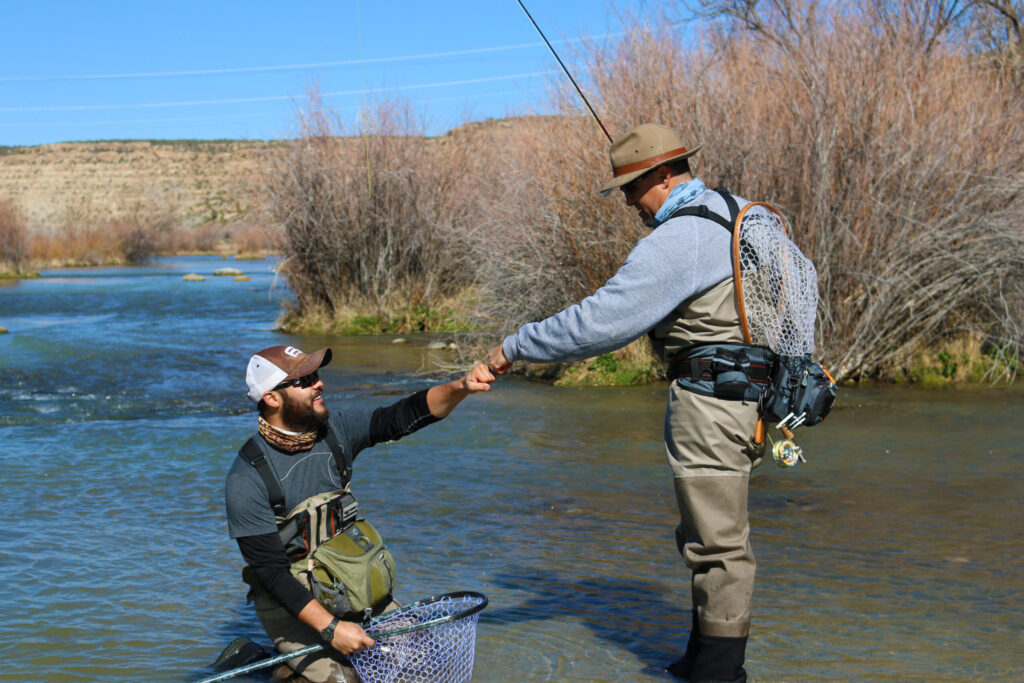
Hunting & Fishing Access

America’s 640 million acres of national public lands provide irreplaceable hunting and fishing opportunities to millions of Americans.

Learn More About Access
What TRCP is Doing

We’re working to safeguard America’s public lands so hunters and anglers always have quality places to pursue their passions.
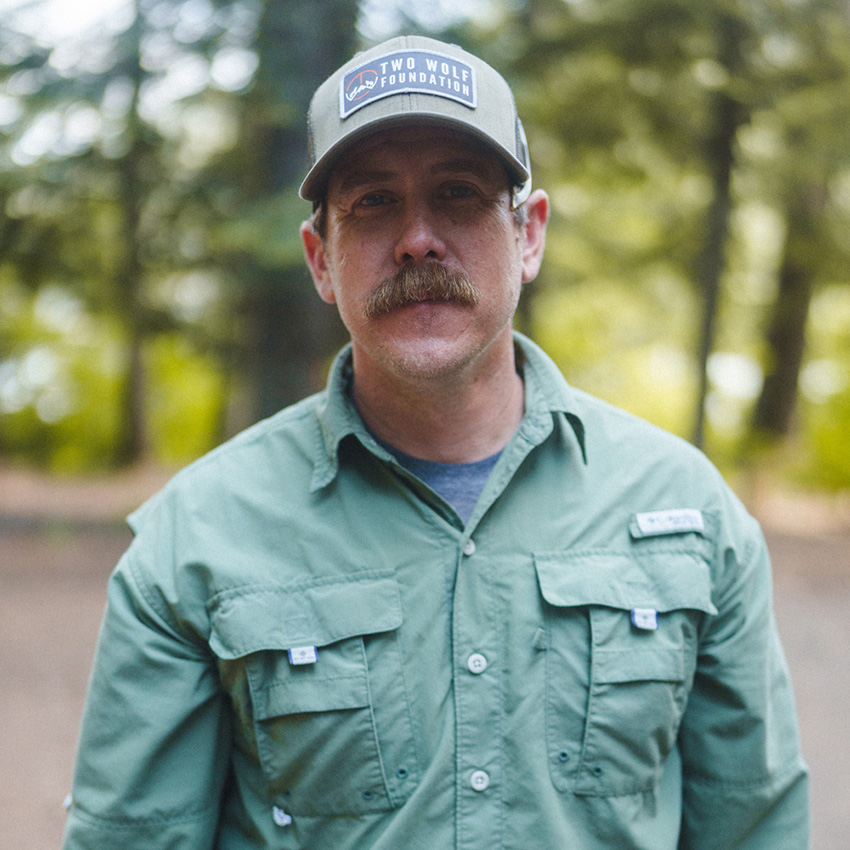
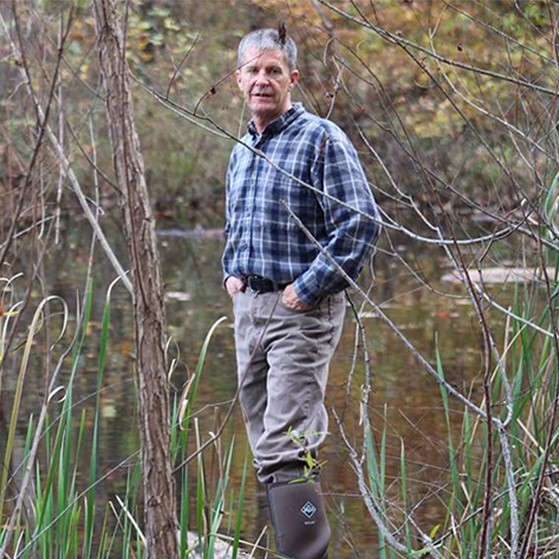
 Brian Flynn, Two Wolf Foundation
How Sportsmen Are Doing It Right

Brian Flynn, Two Wolf Foundation's Story

Following a distinguished career in the U.S. Army, lifelong outdoorsman Brian Flynn returned home from a deployment in Afghanistan and…

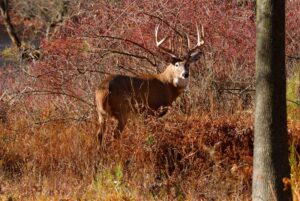
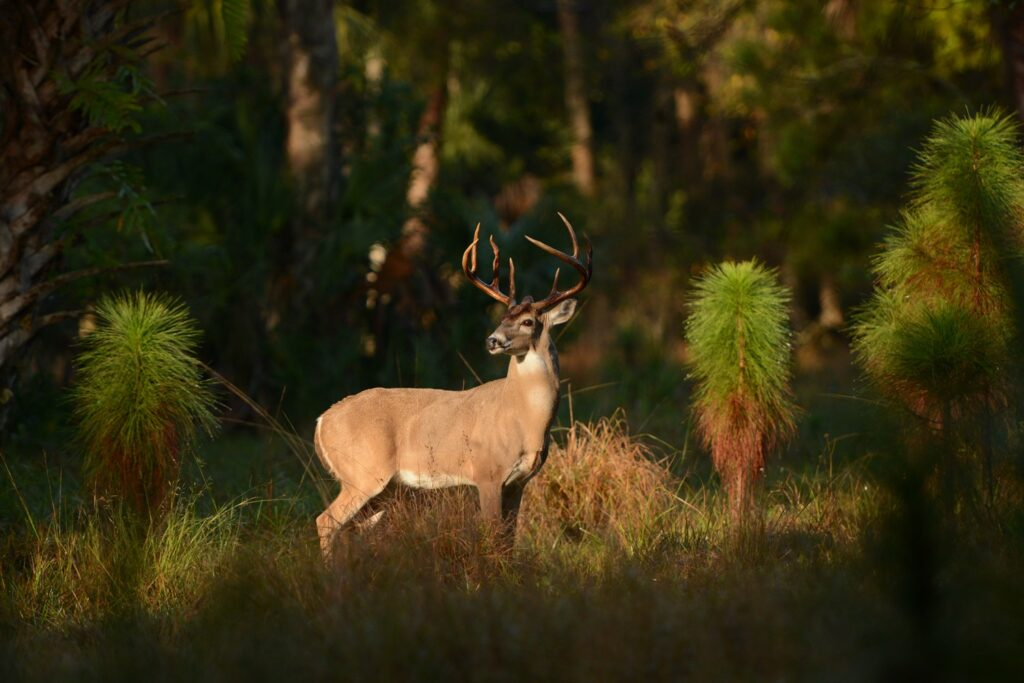
Hunting
Why It Matters

Key Issues for America’s Hunters

Your source for the latest policy updates, conservation challenges, and opportunities shaping America’s hunting traditions.

What TRCP is Doing

We’re fighting for meaningful policy changes that benefit wildlife, our waters, and the American landscapes that make our outdoor traditions possible.

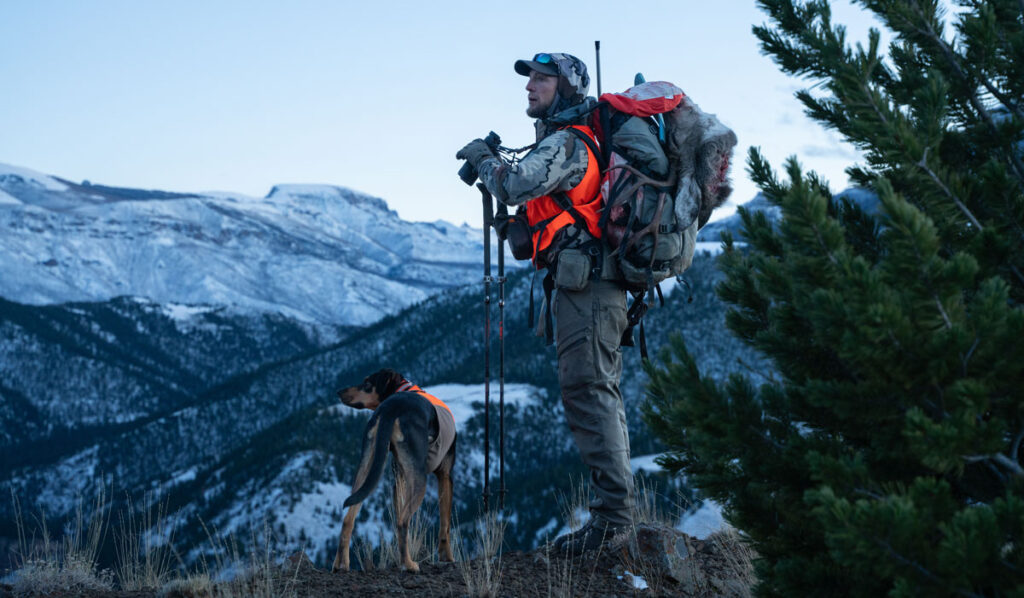
 Ryan Sparks
How Sportsmen Are Doing It Right

Ryan Sparks's Story

TRCP’s “In the Arena” series highlights the individual voices of hunters and anglers who, as Theodore Roosevelt so famously said,…

Fishing
Why It Matters

Key Issues for America’s Anglers

Your source for the latest policy updates, conservation challenges, and opportunities shaping America’s fishing traditions.

What TRCP is Doing

We’re fighting for meaningful policy changes that benefit wildlife, our waters, and the American landscapes that make our outdoor traditions possible.

 David Mangum
How Sportsmen Are Doing It Right

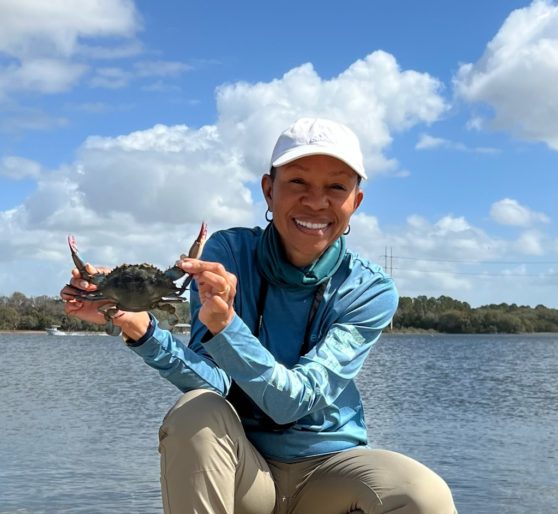
David Mangum's Story

Capt. David Mangum is a YETI ambassador and outdoor photographer who utilizes his talents to produce media that inspire a…

Private Land
Why It Matters

Stewardship on America’s private lands

With 70 percent of U.S. lands in private hands and many of our best hunt and fish opportunities occurring there, investing in voluntary conservation on working lands safeguards access, strengthens habitat and water quality, and ensures resilient landscapes.

Learn More
What TRCP is Doing

We champion policies and programs that restore wildlife habitat, improve soil and water health, and keep working lands productive.

 Ward Burton
How Sportsmen are Doing It Right

Ward Burton's Story

Ward Burton’s NASCAR driving career stretched across most of two decades. As an avid sportsman and conservationist, he founded the…

Special Places
Why It Matters

Special Places Worth Protecting

America’s most iconic landscapes provide unmatched habitat and unforgettable days afield. These places sustain wildlife, anchor local economies, and define the hunting and fishing traditions we pass down.

What TRCP is Doing

We’re working to conserve special places that provide world-class habitat and unforgettable opportunities for hunters and anglers.

 Franklin Adams
How Sportsmen Are Doing It Right

Franklin Adams's Story

As a true Gladesman, conservationist, and historian, Capt. Franklin Adams has spent more than six decades championing Everglades restoration efforts…

Habitat & Clean Water
Why It Matters

Healthy Habitat Powers Every Pursuit

All hunting and fishing opportunities depend on quality habitat, from clean water and healthy wetlands to winter and summer habitats and the migration corridors that connect them.

All About Habitat & Clean Water
What TRCP is Doing

We are working to safeguard the habitats that power every hunting and fishing opportunity.

 Alex Harvey
How Sportsmen Are Doing It Right

Alex Harvey's Story

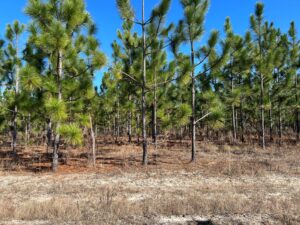
Alex Harvey, founder of Legacy Land Management, is a registered professional forester in Mississippi and Alabama with a Master's degree…

Science
Why It Matters

Science That Guides TRCP

From conserving migration corridors and wetlands to ensuring clean water and resilient landscapes, science provides evidence that turns conservation goals into effective action.

Science for Conservation
What TRCP is Doing

For hunters and anglers, science safeguards the experiences we treasure including resilient big game populations, abundant fish, and wild places that endure changing social landscapes.

Jamelle Ellis
Your Science Expert

Jamelle Ellis's Story

Jamelle Ellis joined the Theodore Roosevelt Conservation Partnership in 2022. Jamelle spent the last three years as an environmental sustainability…

Where We Work
Across the Nation

Conservation Across America

TRCP works across the country to ensure hunters and anglers can enjoy healthy fish and wildlife and quality days afield, no matter where they live.

See All Issues
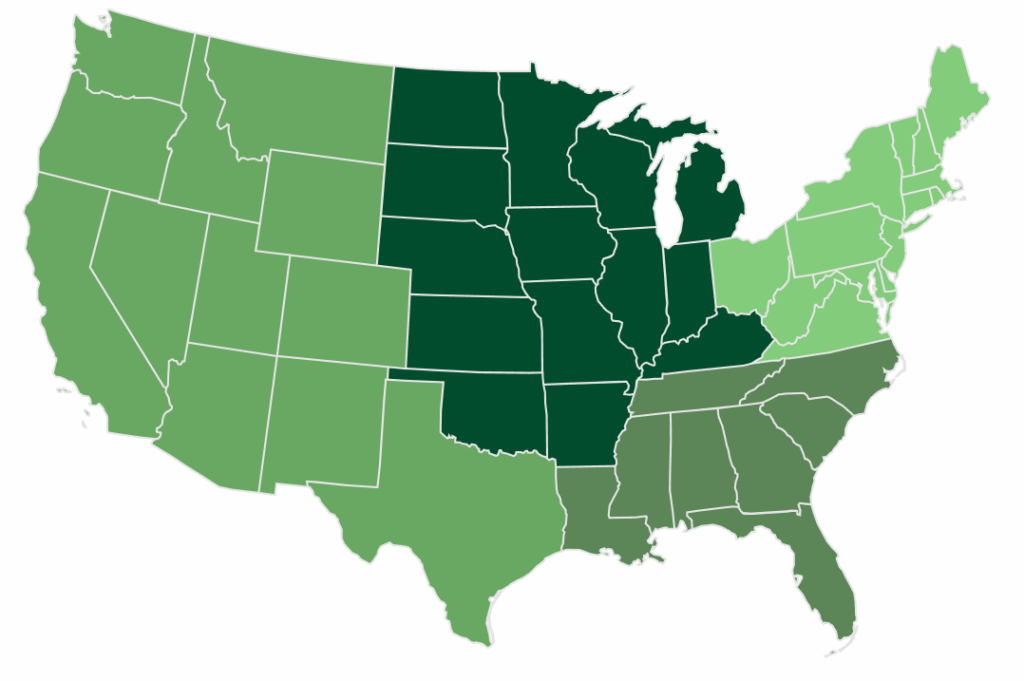
TRCP in Your Region

TRCP works across the country to ensure hunters and anglers can enjoy healthy fish and wildlife and quality days afield, no matter where they live.

Who We Are
Our Mission

To guarantee all Americans quality places to hunt & fish

We unite and amplify our partners’ voices to advance America’s legacy of conservation, habitat, and access.

Our Mission & Values
Our People & Partners
  • Meet the TRCP Team

    Our staff and board members unite and amplify our partners’ voices to advance America’s legacy of conservation, habitat, and access.

    Meet the Team
  • Our Partners

    ‘Partnership’ is in our name. We work with 64 diverse partner groups that represent today’s leading hunting, fishing, and conservation organizations in order to strengthen the sportsman’s voice in Washington, D.C.

    Our Partners
  • Corporate Council

    TRCP’s Corporate Council is made up of diverse corporations that share a common passion for conservation.

    Corporate Council
Our Organization

Looking for more information?

Explore our latest news, policy updates, and conservation resources to get the information you need.

Giving
How You Can Help

To guarantee all Americans quality places to hunt & fish

Your tax-deductible donation will support TRCP's mission, now and into the future.

DONATE
Special Ways to support trcp
  • Capital Conservation Awards Dinner

    The CCAD is one of Washington's best-attended conservation celebrations, featuring dinner, cocktails, and a silent auction.

    Learn More
  • Step Into the Arena

    Help us ensure that our treasured wild habitats and game remain intact for the next generation to enjoy – lend your support to the TRCP’s efforts today!

    Donate
  • Roosevelt Roast

    TRCP has partnered with Afuera Coffee Co. to further our commitment to conservation.

    Learn More
More donation options

Find the best way for you to lend your support. Join one of TRCP’s donor circles for special invitations, premium offerings from outdoor retailers, and more exclusive benefits. Take control of your legacy with planned giving or contribute to special conservation funds.

Other Ways To Give
News
In the Spotlight

House Agriculture Committee Chairman GT Thompson Introduces Farm Bill Proposal 

Hunters and anglers depend on strong Conservation and Forestry Titles, and TRCP will closely evaluate the bill's impacts as it moves forward.

Read More

Stay Informed

Receive our newsletter, the Roosevelt Report, right in your inbox. Never miss the latest news in conservation issues.

August 23, 2021

New Executive Order in Nevada Prioritizes Migration Corridor Conservation

Hunters & anglers celebrate the development of a statewide wildlife connectivity plan

Nevada Governor Steve Sisolak announced the creation of a new Nevada Habitat Conservation Framework to conserve, restore, and rehabilitate the Silver State’s sagebrush habitat. One of the key components of this initiative is the development of a Wildlife Connectivity Plan that will “identify and conserve migratory [big game] corridors.”

The Nevada Department of Wildlife, with input from stakeholders such as conservation groups, private landowners, and tribal communities, will identify and delineate migration corridors and seasonal habitats using the best-available science. As a result, these areas will receive much-needed special consideration in the land-use planning process.

“This plan recognizes the urgent need to ensure Nevada’s big game populations can continue to move across the landscape and access the seasonal habitats they need to survive,” said Carl Erquiaga, field representative for the Theodore Roosevelt Conservation Partnership. “By working together, we can come up with a plan to restore and connect critical habitat for mule deer, pronghorn, and bighorn sheep. We thank Governor Sisolak for his continued focus on conservation issues that support our rural economies.”

According to a poll conducted last year by the research firm FM3 for the Pew Charitable Trusts, more than 93% of registered voters in Nevada supported the implementation of new conservation measures to protect wildlife migration corridors.

Sagebrush habitat covers more than 50 percent of the Silver State and sustains an outdoor recreation economy generating more than $12.5 billion in annual consumer spending and supporting 87,000 jobs. More than 367 species of plants and animals rely on the sagebrush ecosystem, which is considered one of the most imperiled in the U.S. These habitats are also essential to the functionality of Nevada’s big game migration corridors, allowing for healthy populations of mule deer, pronghorn, and bighorn sheep.

With so much of Nevada’s landscape managed by federal agencies, successful implementation of Sisolak’s executive order will necessitate coordination with the Bureau of Land Management and U.S. Forest Service, specifically their incorporation of big game migration science and data into land management plans and decisions. In June, the TRCP released a report highlighting opportunities for federal land managers in Nevada and across the West to do just that.

Fortunately, Nevada’s new executive order comes at a time when the Biden-led Departments of the Interior and Agriculture are shaping their next steps for migration corridor conservation, which was highlighted as a priority in the May 2021 report Conserving and Restoring America the Beautiful. The Interior Department began partnering with Western states on the issue in 2018 when then-Secretary Ryan Zinke signed Secretarial Order 3362. Sportsmen and sportswomen see considerable opportunity for the federal agencies to build upon these early successes to ensure meaningful and durable habitat conservation.

“Nevada’s Habitat Conservation Framework could help pave the way for increased partnership between the Nevada Department of Wildlife and federal agencies, like the Bureau of Land Management which is responsible for overseeing 48 million acres in Nevada,” said Madeleine West, director of the Theodore Roosevelt Conservation Partnership’s public lands program. “We are hopeful that federal land managers will increase their focus and investment in migration conservation across the West. Doing so is critical to conserving and restoring the important habitats that sustain the region’s storied big game herds and hunting traditions.

To read a copy of the Governor’s Executive Order click HERE.


2 Responses to “New Executive Order in Nevada Prioritizes Migration Corridor Conservation”

  1. Habitat and movement (migration routes) are vital if our wildlife is to survive. We must do all we can to support these initiatives. Thankfully many such actions are being made worldwide. You can look them up for yourself. The challenge is for all of us to support them.

Do you have any thoughts on this post?

XHTML: You can use these tags: <a href="" title=""> <abbr title=""> <acronym title=""> <b> <blockquote cite=""> <cite> <code> <del datetime=""> <em> <i> <q cite=""> <s> <strike> <strong>

Comments must be under 1000 characters.

August 16, 2021

What the Latest Global Climate Report Means for Sportsmen and Sportswomen

The unquestionable impacts of climate change are affecting the places where you hunt and fish

A new report from the United Nations’ Intergovernmental Panel on Climate Change (IPCC) says that climate change is already affecting every inhabited region across the globe. This leaves no question that fish and wildlife habitat in the U.S. is experiencing impacts.

This should come as no surprise to the hunting and fishing community that has long been on the front lines of climate change and working to adapt to the effects. Extreme drought, sea-level rise, flooding, and catastrophic fire are climate-driven events that have increasingly become a part of our daily lives and threaten our hunting and fishing heritage.

Warming temperatures and drought in the Prairie Pothole Region and other waterfowl habitats have dried up wetlands and shortened wet seasons. Sea levels continue to rise, displacing critical marshlands along with fish spawning grounds. Largescale flooding and record-high king tides have caused saltwater to move into lakes and rivers, increasing salinity and decreasing freshwater trout and salmon populations. Meanwhile, big game like deer and elk are experiencing concurrent heatwaves, drought, and fire conditions, further challenging migration and altering seasonal habitat.

The IPCC’s reports provide governments with the objective scientific information needed to develop climate policies. The data in this assessment—the sixth overall and the first since 2014—made it clear that quick and dramatic actions are required at national, state, and local levels to limit carbon dioxide and other greenhouse gas emissions.

Truly comprehensive climate legislation must address this and include expanded roles for our nation’s water- and land-based systems that could mitigate at least 20 percent of our carbon emissions. The Senate recently passed the bipartisan Infrastructure Investment and Jobs Act, which represents a significant investment in infrastructure. The TRCP advocated for several critical provisions in the legislation that will improve habitat through nature-based solutions.

The IPCC will release two more reports in 2022 to further expand on the data and offer adaptation and mitigation recommendations, but we can’t afford to hesitate. The TRCP is already leading a coalition of 40 other hunting, fishing, and conservation nonprofits to advance land- and water-based climate solutions that mitigate the impacts of climate change and in improve habitat along the way. In July 2020, the coalition released the Sportsmen & Sportswomen Climate Statement centered around seven focus areas: adaptation; agriculture; coastal resilience; forests, rangeland, and grassland; rivers, lakes, and streams; oceans; and wetlands. Many of the solutions we’ve identified for climate are conservation projects that also provide better hunting and fishing opportunities.

Stay up to date with the TRCP as we track legislation that would help improve habitat, limit harmful emissions, and capture or sequester carbon to combat climate change. And if your hunting or fishing has been affected by climate change, tell us how.

August 13, 2021

TRCP Responds to Forest Service Draft Plan for 3.2 Million Acres in Colorado

Encourages members to speak up for hunting and angling opportunities in the Grand Mesa, Uncompahgre, and Gunnison National Forests

Today the U.S. Forest Service released a Draft Forest Plan that—when finalized—will guide future land-use management decisions on more than 3.2 million acres of public lands in central Colorado for the next 15 to 20 years. Hunters and anglers have been anticipating the release of the draft plan because of the significant potential impact it could have on the state’s fish and wildlife resources, and hunting and fishing opportunities.

The Grand Mesa, Uncompahgre, and Gunnison (GMUG) National Forests provide habitat for nearly 20 percent of Colorado’s iconic mule deer and elk populations, as well as large populations of bighorn sheep, moose, wild turkeys, and multiple trout species. More than 50,000 big game hunting permits are issued each year for the game management units within the planning area.

“The GMUG forest planning process should be viewed as critically important to hunters and anglers in Colorado, and it will no doubt shape outdoor recreational opportunities for decades to come,” said Jon Holst, Colorado field representative with the Theodore Roosevelt Conservation Partnership. “Sportsmen and sportswomen from all across our state know how important these public lands are to our hunting and fishing traditions, as well as the tremendous economic benefits they provide to local communities.”

The GMUG planning area is a vast and diverse landscape, covering more than 3.2 million acres of lands that range in elevation from 5,000 to over 14,000 feet, with mountain streams cascading through dense forests of spruce-fir, meadows interspersed in aspen groves, and riparian oases throughout sagebrush and oak shrublands. These lands contain large, unfragmented backcountry habitats that are essential for keeping seasonal big game migrations intact.

The release of the Draft Forest Plan is a key step in determining how fish and wildlife habitat, outdoor recreation opportunities, and resource development are balanced in this area. The agency’s Preferred Alternative in the Draft Forest Plan contains key provisions supported by hunters and anglers, such as conserving important habitats as Wildlife Management Areas to prevent incompatible development in these places.

A 90-day public comment period on the draft plan begins August 13 and is slated to close November 10.

“The TRCP is taking steps to ensure that hunters and anglers weigh in on the draft plan, and we’re continuing to work with local stakeholders and agency partners to ensure that the final plan reflects our shared conservation priorities,” continued Holst. “It’s important that members of our community speak up on behalf of the provisions of the plan that benefit wildlife, while also encouraging the agency to revise elements that remain in need of improvement.”


Photo: Jerry and Pat Donaho via Flickr

August 12, 2021

New Federal Commitment Will Help to Conserve Migration Corridors

Departments of Interior and Agriculture take steps to conserve and enhance wildlife migration corridors in partnership with states and tribes

Today, the Theodore Roosevelt Conservation Partnership celebrated a joint announcement by the U.S. Department of the Interior, the U.S. Department of Agriculture, and the state of Wyoming regarding cooperative efforts to partner in the conservation and enhancement of wildlife migration corridors.

“Functional migration corridors and other seasonal habitats are essential to healthy populations of elk, mule deer, and antelope and help to ensure that all Americans have opportunities to enjoy our storied big game herds,” said Whit Fosburgh, president and CEO of the Theodore Roosevelt Conservation Partnership. “We greatly appreciate the leadership shown today by Secretaries Haaland and Vilsack, in partnership with state and tribal governments, to invest in the conservation and restoration of migratory wildlife habitats.”

Today’s statement included a commitment by the federal agencies to support the implementation of Wyoming Governor Mark Gordon’s 2020 executive order prioritizing the conservation of mule deer and pronghorn migrations. In addition, the agencies announced the availability of $2 million in new grant funding from the National Fish and Wildlife Foundation’s Improving Habitat Quality in Western Big Game Migration Corridors and Habitat Connectivity program, as well as a commitment from USDA to leverage programs such as Working Lands for Wildlife, the Sage Grouse Initiative, and the Conservation Reserve Programs.

Wildlife migration corridor conservation was highlighted in the May 2021 Conserving and Restoring America the Beautiful report, and today’s announcement marks the first agency actions under the Biden Administration to address the issue. These steps signal that the new administration is genuinely interested in building upon the migration-focused DOI Secretarial Order 3362, signed in 2018 by then-Secretary Ryan Zinke. That order, and the federal funding associated with it, catalyzed significant investment from state agencies and non-governmental organizations.

“Given recent advancements in migration research and mapping, there is enormous opportunity for state and federal agencies to make more precisely informed land management decisions and to invest strategically in conservation and restoration projects,” continued Fosburgh. “The TRCP looks forward to continuing to work cooperatively with the administration, states, tribes, and private landowners to advance and further expand this exciting work, which is fundamental to the future of hunting in America as we know it.”

July 29, 2021

House Votes to Increase Key Conservation Funds that Benefit Waterfowl, Deer, and Sportfish

The chamber passed a “minibus” package of appropriations bills outlining funding for the federal agriculture, energy, water, environment, and public land agencies, including investments in conservation that will affect hunting and fishing in America

In a 219 – 208 floor vote this afternoon, the House passed a “minibus” package of appropriations bills for fiscal year 2022, including those that fund conservation at the federal agencies overseeing agriculture, energy, water, the environment, and public lands.

Experts at the Theodore Roosevelt Conservation Partnership have scrutinized these funding levels and identified important increases in several areas, including drought resiliency, wetlands conservation, private land conservation, big game herd health, and habitat restoration in the Everglades, Chesapeake Bay, and Upper Mississippi River watershed.

“We’re pleased to see the House supporting robust and increased investment in conservation at a time when public land visitation is up, participation in hunting and fishing is growing, and our natural resources face many challenges, including climate change, drought, development, invasive species, wildfire, and disease,” says Whit Fosburgh, president and CEO of the TRCP. “We have to create certainty for the federal workers who keep hunters and anglers safe on our public lands and waters and give them the resources to improve habitat and stave off risk—rather than scramble to recover after losses or watch maintenance backlogs grow. This requires investment. We look forward to working with the Senate to secure these funding levels and seize additional opportunities to commit to conservation in fiscal year 2022.”

Some highlights of the appropriations package include:

  • $25 million for the Bureau of Reclamation’s WaterSMART Drought Response Program, which is $10 million more than FY21
  • $350 million for Army Corps construction projects within the South Florida Ecosystem Restoration Program—an increase of $100 million over FY21, although less than half of what the TRCP and conservation partners had pushed for to expedite completion of authorized Everglades restoration projects
  • $50 million for North American Wetlands Conservation Act programs, up by $3.5 million
  • A $65-million bump in funding for conservation technical assistance available to private landowners who enhance habitat, bringing total program funding to $894 million
  • A $44-million increase for Bureau of Land Management habitat programs, bringing the total to $233 million
  • $33.5 million for Upper Mississippi River restoration
  • $15 million for Chesapeake Bay watershed restoration at the U.S. Fish and Wildlife Service
  • $10 million for the Animal and Plant Health Inspection Service to assist state agencies in CWD containment

While the funding measure takes an important step in growing federal investment in several areas important to wildlife, conservation needs continue to outpace funding. Challenges ranging from chronic wasting disease to drought are affecting hunters, anglers, landowners, and fish and wildlife. The TRCP looks forward to working with lawmakers in the Senate to support these critical funding needs for FY22 and years to come.


Photo by RimLight Media

HOW YOU CAN HELP

TRCP has partnered with Afuera Coffee Co. to further our commitment to conservation. $4 from each bag is donated to the TRCP, to help continue our efforts of safeguarding critical habitats, productive hunting grounds, and favorite fishing holes for future generations.

Learn More
Subscribe


You have Successfully Subscribed!

You have Successfully Subscribed!

You have Successfully Subscribed!

You have Successfully Subscribed!

You have Successfully Subscribed!