Our Issues
Public Lands
Why It Matters

Hunting & Fishing Access

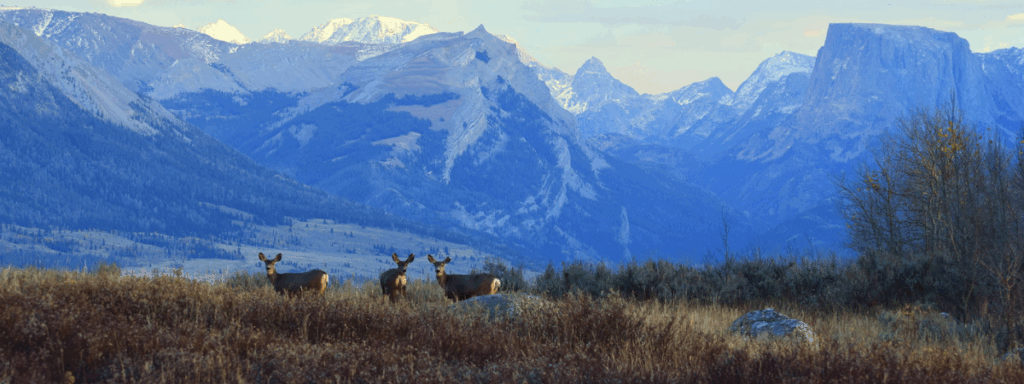
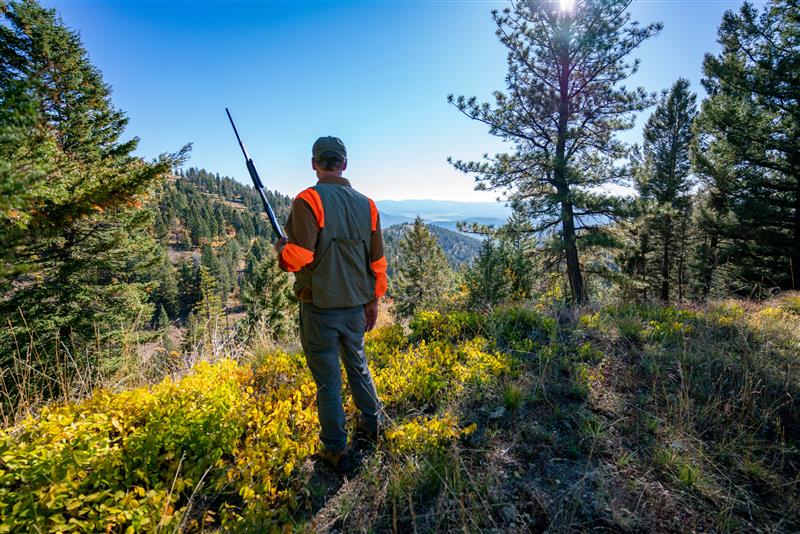
America’s 640 million acres of national public lands provide irreplaceable hunting and fishing opportunities to millions of Americans.

Learn More About Access
What TRCP is Doing

We’re working to safeguard America’s public lands so hunters and anglers always have quality places to pursue their passions.
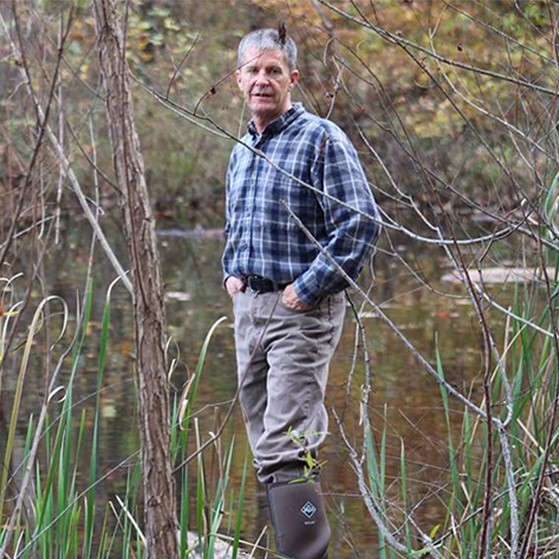
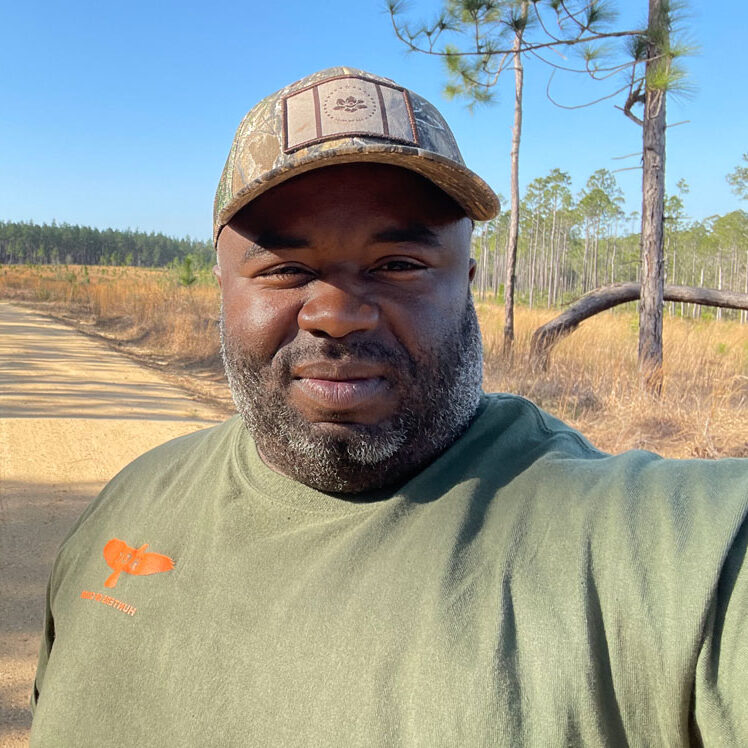
 Brian Flynn, Two Wolf Foundation
How Sportsmen Are Doing It Right

Brian Flynn, Two Wolf Foundation's Story

Following a distinguished career in the U.S. Army, lifelong outdoorsman Brian Flynn returned home from a deployment in Afghanistan and…

Hunting
Why It Matters

Key Issues for America’s Hunters

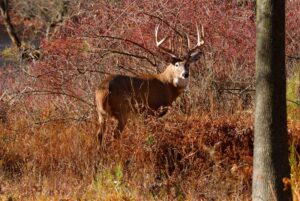
Your source for the latest policy updates, conservation challenges, and opportunities shaping America’s hunting traditions.

What TRCP is Doing

We’re fighting for meaningful policy changes that benefit wildlife, our waters, and the American landscapes that make our outdoor traditions possible.

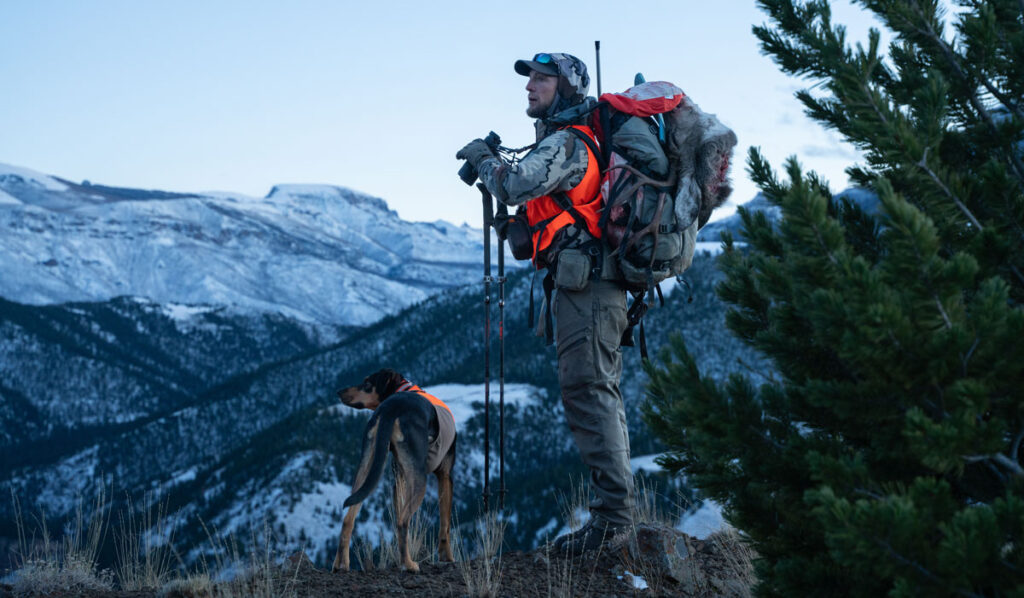
 Ryan Sparks
How Sportsmen Are Doing It Right

Ryan Sparks's Story

TRCP’s “In the Arena” series highlights the individual voices of hunters and anglers who, as Theodore Roosevelt so famously said,…
Fishing
Why It Matters

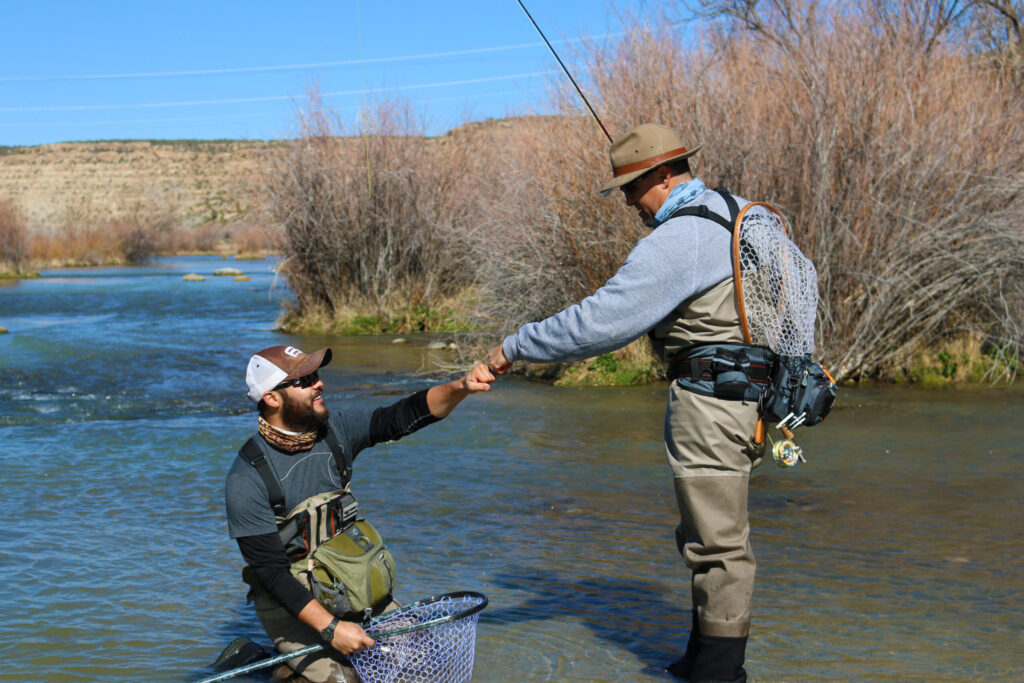
Key Issues for America’s Anglers

Your source for the latest policy updates, conservation challenges, and opportunities shaping America’s fishing traditions.

What TRCP is Doing

We’re fighting for meaningful policy changes that benefit wildlife, our waters, and the American landscapes that make our outdoor traditions possible.

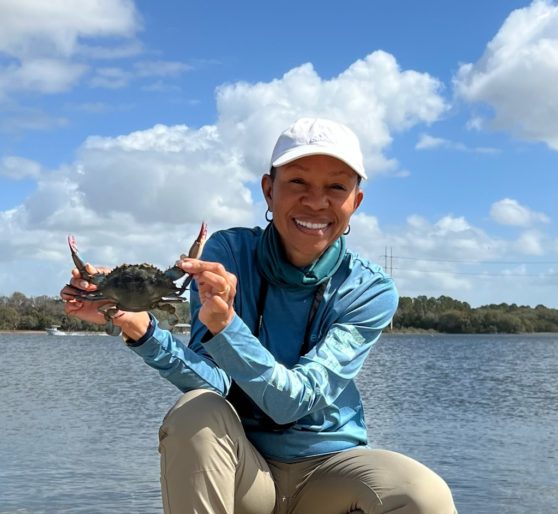
 David Mangum
How Sportsmen Are Doing It Right

David Mangum's Story

Capt. David Mangum is a YETI ambassador and outdoor photographer who utilizes his talents to produce media that inspire a…

Private Land
Why It Matters

Stewardship on America’s private lands

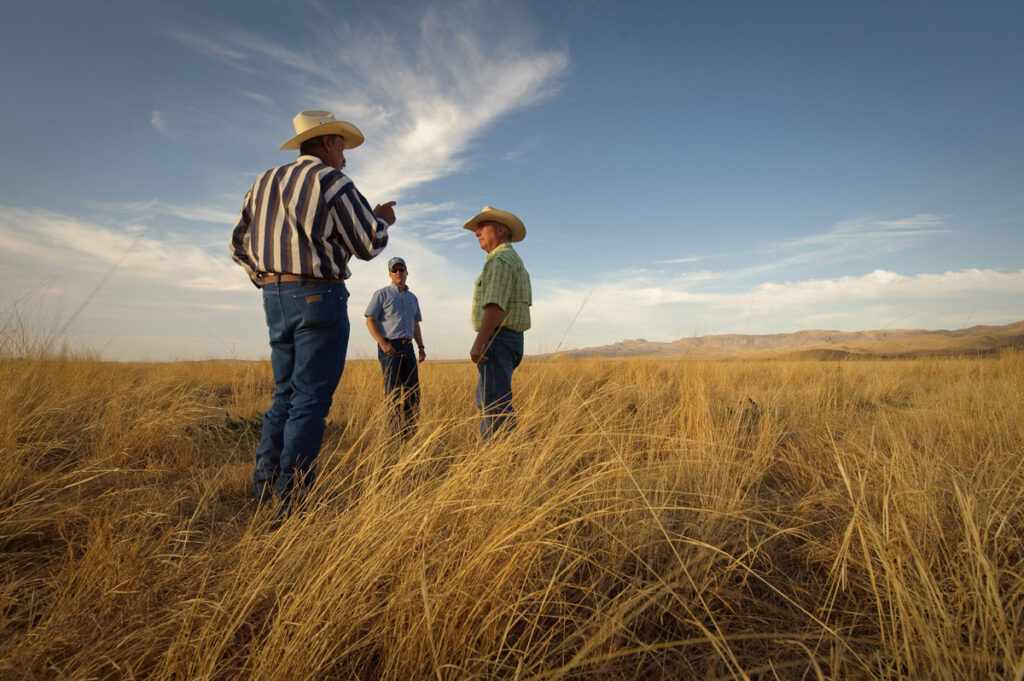
With 70 percent of U.S. lands in private hands and many of our best hunt and fish opportunities occurring there, investing in voluntary conservation on working lands safeguards access, strengthens habitat and water quality, and ensures resilient landscapes.

Learn More
What TRCP is Doing

We champion policies and programs that restore wildlife habitat, improve soil and water health, and keep working lands productive.

 Ward Burton
How Sportsmen are Doing It Right

Ward Burton's Story

Ward Burton’s NASCAR driving career stretched across most of two decades. As an avid sportsman and conservationist, he founded the…

Special Places
Why It Matters

Special Places Worth Protecting

America’s most iconic landscapes provide unmatched habitat and unforgettable days afield. These places sustain wildlife, anchor local economies, and define the hunting and fishing traditions we pass down.

What TRCP is Doing

We’re working to conserve special places that provide world-class habitat and unforgettable opportunities for hunters and anglers.

 Franklin Adams
How Sportsmen Are Doing It Right

Franklin Adams's Story

As a true Gladesman, conservationist, and historian, Capt. Franklin Adams has spent more than six decades championing Everglades restoration efforts…

Habitat & Clean Water
Why It Matters

Healthy Habitat Powers Every Pursuit

All hunting and fishing opportunities depend on quality habitat, from clean water and healthy wetlands to winter and summer habitats and the migration corridors that connect them.

All About Habitat & Clean Water
What TRCP is Doing

We are working to safeguard the habitats that power every hunting and fishing opportunity.

 Alex Harvey
How Sportsmen Are Doing It Right

Alex Harvey's Story

Alex Harvey, founder of Legacy Land Management, is a registered professional forester in Mississippi and Alabama with a Master's degree…

Science
Why It Matters

Science That Guides TRCP

From conserving migration corridors and wetlands to ensuring clean water and resilient landscapes, science provides evidence that turns conservation goals into effective action.

Science for Conservation
What TRCP is Doing

For hunters and anglers, science safeguards the experiences we treasure including resilient big game populations, abundant fish, and wild places that endure changing social landscapes.

Jamelle Ellis
Your Science Expert

Jamelle Ellis's Story

Jamelle Ellis joined the Theodore Roosevelt Conservation Partnership in 2022. Jamelle spent the last three years as an environmental sustainability…

Where We Work
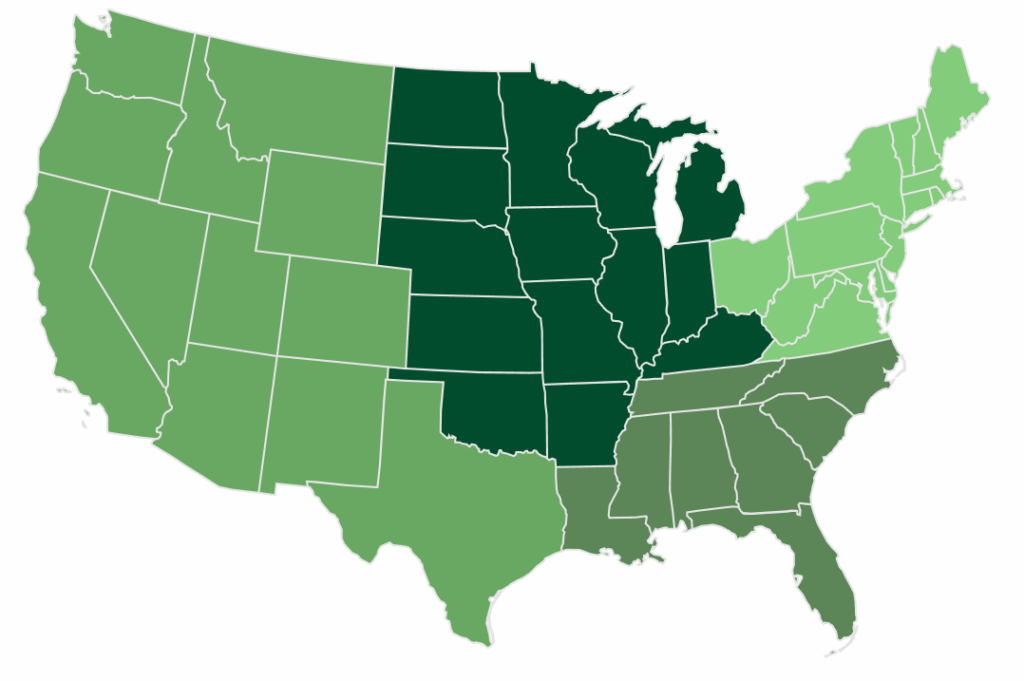
Across the Nation

Conservation Across America

TRCP works across the country to ensure hunters and anglers can enjoy healthy fish and wildlife and quality days afield, no matter where they live.

See All Issues
TRCP in Your Region

TRCP works across the country to ensure hunters and anglers can enjoy healthy fish and wildlife and quality days afield, no matter where they live.

Who We Are
Our Mission

To guarantee all Americans quality places to hunt & fish

We unite and amplify our partners’ voices to advance America’s legacy of conservation, habitat, and access.

Our Mission & Values
Our People & Partners
  • Meet the TRCP Team

    Our staff and board members unite and amplify our partners’ voices to advance America’s legacy of conservation, habitat, and access.

    Meet the Team
  • Our Partners

    ‘Partnership’ is in our name. We work with 64 diverse partner groups that represent today’s leading hunting, fishing, and conservation organizations in order to strengthen the sportsman’s voice in Washington, D.C.

    Our Partners
  • Corporate Council

    TRCP’s Corporate Council is made up of diverse corporations that share a common passion for conservation.

    Corporate Council
Our Organization

Looking for more information?

Explore our latest news, policy updates, and conservation resources to get the information you need.

Giving
How You Can Help

To guarantee all Americans quality places to hunt & fish

Your tax-deductible donation will support TRCP's mission, now and into the future.

DONATE
Special Ways to support trcp
  • Capital Conservation Awards Dinner

    The CCAD is one of Washington's best-attended conservation celebrations, featuring dinner, cocktails, and a silent auction.

    Learn More
  • Step Into the Arena

    Help us ensure that our treasured wild habitats and game remain intact for the next generation to enjoy – lend your support to the TRCP’s efforts today!

    Donate
  • Roosevelt Roast

    TRCP has partnered with Afuera Coffee Co. to further our commitment to conservation.

    Learn More
More donation options

Find the best way for you to lend your support. Join one of TRCP’s donor circles for special invitations, premium offerings from outdoor retailers, and more exclusive benefits. Take control of your legacy with planned giving or contribute to special conservation funds.

Other Ways To Give
News
In the Spotlight

TRCP Appreciates Make America Beautiful Again 250 Strategy and Migration Announcements

Efforts will continue progress on habitat, access, and big game migration corridor conservation

Read More

Stay Informed

Receive our newsletter, the Roosevelt Report, right in your inbox. Never miss the latest news in conservation issues.

April 29, 2021

Preserving Pennsylvania Streams: Valley Creek

This video is the fourth in a series detailing conservation projects powered by Pennsylvania’s Keystone Recreation, Park & Conservation Fund that benefit hunters and anglers. Since 1993, the Keystone Fund has provided state-level matching dollars for a variety of conservation projects, including land acquisition, river conservation, and trail work. This series is the result of a collaboration between the TRCP and Trout Unlimited where the goal is simply to celebrate conservation success stories that make us all proud to be able to hunt and fish in Pennsylvania. The videos highlight just a few of the projects powered by this critical source of conservation funding. For more information on the Keystone Fund, you can visit: https://keystonefund.org

Valley Forge, Pennsylvania, is best known for being the encampment where George Washington and the Continental Army spent the winter of 1777 to 1778. Only a day’s march (18 miles) from Philadelphia, this historic site is also at the confluence of Valley Creek, a Class A wild trout stream, and the Schuylkill River.

For decades, a dense population and significant development in the region had sent stormwater and other polluted runoff into Valley Creek, degrading water quality and fish habitat. Fly fishing author Charles R. Meck also documented two cyanide spills and a PCB spill that ended state efforts to stock trout in the creek. But beginning in the 1990s, anglers helped to secure the future of this important waterway, which persists as not only an unheard-of wild trout stream in the middle of suburbia but also one of the state’s designated top-quality waters.

First, Valley Creek was protected as an Exceptional Value stream in 1993, which set guidelines around development activities that could impact the stream and surrounding wetlands. Stream designations help to guide new development, but land preservation and stream restoration were necessary to mitigate the ongoing impacts of stormwater. That’s why the Valley Forge TU Chapter of Trout Unlimited has worked with the Open Land Conservancy of Chester County to protect and restore several portions of Valley Creek using conservation dollars from the state’s Keystone Fund and Environmental Stewardship Fund.

“Everything we do in the headwaters flows down and impacts Valley Forge National Historical Park,” says local angler Pete Goodman, who has seen firsthand the evolution of this gentle spring creek in his 50 years in Valley Forge. “It’s really important to create these preserves and expand them, but without the grant funding from the county and state, this wouldn’t have been possible.”

In our latest video in collaboration with Trout Unlimited, Goodman describes how Valley Creek has offered a reliable reprieve from the hustle and bustle of the booming region, whether he’s escaping into a local preserve for a few quiet minutes after a busy workday or wading into the waters of history to toss a line to a few hungry trout behind Lafayette’s Headquarters. Enjoy the film and check out our other videos spotlighting Brodhead Creek in the PoconosMonocacy Creek in Bethlehem, and the former Klondike Property in Gouldsboro.

2 Responses to “Preserving Pennsylvania Streams: Valley Creek”

  1. Just wanted to provide the correct name of our Valley Forge TU Chapter of Trout Unlimited. Since our founding in the late ’70s Valley Creek has been our home stream. Thank you for also championing the hard work done through the years to preserve hunting and fishing heritage.

Do you have any thoughts on this post?

XHTML: You can use these tags: <a href="" title=""> <abbr title=""> <acronym title=""> <b> <blockquote cite=""> <cite> <code> <del datetime=""> <em> <i> <q cite=""> <s> <strike> <strong>

Comments must be under 1000 characters.

Preserving Pennsylvania Streams: Valley Creek

This video is the fourth in a series detailing conservation projects powered by Pennsylvania’s Keystone Recreation, Park & Conservation Fund that benefit hunters and anglers. Since 1993, the Keystone Fund has provided state-level matching dollars for a variety of conservation projects, including land acquisition, river conservation, and trail work. This series is the result of a collaboration between the TRCP and Trout Unlimited where the goal is simply to celebrate conservation success stories that make us all proud to be able to hunt and fish in Pennsylvania. The videos highlight just a few of the projects powered by this critical source of conservation funding. For more information on the Keystone Fund, you can visit: https://keystonefund.org

Valley Forge, Pennsylvania, is best known for being the encampment where George Washington and the Continental Army spent the winter of 1777 to 1778. Only a day’s march (18 miles) from Philadelphia, this historic site is also at the confluence of Valley Creek, a Class A wild trout stream, and the Schuylkill River.

For decades, a dense population and significant development in the region had sent stormwater and other polluted runoff into Valley Creek, degrading water quality and fish habitat. Fly fishing author Charles R. Meck also documented two cyanide spills and a PCB spill that ended state efforts to stock trout in the creek. But beginning in the 1990s, anglers helped to secure the future of this important waterway, which persists as not only an unheard-of wild trout stream in the middle of suburbia but also one of the state’s designated top-quality waters.

First, Valley Creek was protected as an Exceptional Value stream in 1993, which set guidelines around development activities that could impact the stream and surrounding wetlands. Stream designations help to guide new development, but land preservation and stream restoration were necessary to mitigate the ongoing impacts of stormwater. That’s why the Valley Forge TU Chapter of Trout Unlimited has worked with the Open Land Conservancy of Chester County to protect and restore several portions of Valley Creek using conservation dollars from the state’s Keystone Fund and Environmental Stewardship Fund.

“Everything we do in the headwaters flows down and impacts Valley Forge National Historical Park,” says local angler Pete Goodman, who has seen firsthand the evolution of this gentle spring creek in his 50 years in Valley Forge. “It’s really important to create these preserves and expand them, but without the grant funding from the county and state, this wouldn’t have been possible.”

In our latest video in collaboration with Trout Unlimited, Goodman describes how Valley Creek has offered a reliable reprieve from the hustle and bustle of the booming region, whether he’s escaping into a local preserve for a few quiet minutes after a busy workday or wading into the waters of history to toss a line to a few hungry trout behind Lafayette’s Headquarters. Enjoy the film and check out our other videos spotlighting Brodhead Creek in the PoconosMonocacy Creek in Bethlehem, and the former Klondike Property in Gouldsboro.

April 27, 2021

Wired to Hunt ft. TRCP: An Era of Opportunity for Conservation

TRCP’s Whit Fosburgh talks to host Mark Kenyon about the big asks the hunting community can push for as we ride a wave of momentum in conservation policy improvements and investments in habitat

April 21, 2021

19 Groups Push for $100M to Improve Forest Service Roads, Trails, and Habitat Connectivity

Often an overlooked and underfunded tool, the Forest Service Legacy Roads and Trails Remediation program is uniquely poised to improve hunting and fishing access, habitat, and water quality—all while addressing the agency’s deferred maintenance backlog and creating conservation jobs

When it comes to sizeable federal resources dedicated to improving our hunting and fishing access, there are a few standouts that you probably already know. Of course, the Land and Water Conservation Fund has created outdoor recreation opportunities in every county in the nation and on many kinds of public land, from wildlife refuges to urban parks. And you’ve likely heard us talk about the farm bill program that funds walk-in access programs across the country to help open private lands to public hunting and fishing.

But there’s an often overlooked and underfunded program that could have a direct impact on your access and opportunities if the public lands you hunt and fish are managed by the U.S. Forest Service. It’s the only program in federal government that funds road improvements on public lands based purely on environmental conditions, like where sediment from failing roads is degrading our trout streams.

It’s called the Legacy Roads and Trails Remediation program, and this month we gathered 18 partners to help us push congressional appropriators to give it a boost. Here’s why our coalition requested that $100 million be dedicated to Legacy Roads and Trails projects.

More Reliable Access, Better Habitat

The Forest Service manages more than 191 million acres of public land that provide essential habitat for a wide range of North American fish and game species. Across the country, from the Monongahela National Forest in West Virginia to the Colville National Forest in Washington, projects funded by the Legacy Roads and Trails program have made major improvements to water quality and aquatic habitat while making Forest Service roads and trails more durable.

The program’s targeted activities create outdoor recreation and conservation jobs across the nation and save American taxpayers millions in road maintenance costs. These activities include:

Maintaining and/or storm-proofing thousands of miles of roads to protect habitat, water quality, and downstream communities. These investments on our public lands have helped to improve drinking water and increase flood resiliency in the face of increasingly unpredictable and intense weather events.

Reclaiming thousands of miles of unneeded roads to prevent erosion from damaging streams and reconnecting fragmented habitat. Research has consistently shown that big game species need big, wild country, uninterrupted by motorized disturbance. The LRT program helps address this wildlife need by removing and restoring unused tertiary motorized routes. These efforts help provide secure habitat for sensitive species like elk and mule deer, while also providing hunters opportunities to experience the solitude, challenge, and reward that hunting wild public land provides.

Replacing more than 1,000 culverts to restore fish passage, aiding the recovery of fish species important to restoration goals, tribal communities, and sportfishing enthusiasts. Over half of the money used for fish passage and culvert projects came from external partners, amplifying the effect of Legacy Roads and Trails seed funds.

Improving more than 5,000 miles of trails, driving the $778-billion outdoor recreation economy.

If those results aren’t convincing enough, here’s what else we told lawmakers: The Legacy Roads and Trails program works because it is targeted and results oriented. Collaborative stewardship of the program has made fishing and hunting better, while providing high-paying jobs that help support families in rural communities.

The program is also uniquely positioned to help the Forest Service address its historic maintenance backlog. The Service has identified a backlog of over $3.5 billion in deferred maintenance for roads, close to 400 high-priority culvert projects requiring nearly $110 million, and $675 million for priority watershed restoration projects in just a portion of the watersheds nationwide.

With its proven track record and broad bipartisan support, the LRT program is ideally shaped to begin addressing these needs once again.

If you’d like to be notified about opportunities to directly engage with lawmakers about important conservation funding issues like this, sign up for our newsletter.


Image courtesy of Kyle Mlynar

April 16, 2021

Preserving Pennsylvania Streams: The Klondike Property

This video is the third in a series detailing conservation projects powered by Pennsylvania’s Keystone Recreation, Park & Conservation Fund that benefit hunters and anglers. Since 1993, the Keystone Fund has continued to provide state-level matching dollars for a variety of conservation projects, including land acquisition, river conservation, and trail work. This series is the result of a collaboration between the TRCP and Trout Unlimited where the goal is simply to celebrate conservation success stories that make us all proud to be able to hunt and fish in Pennsylvania. The videos highlight just a few of the projects powered by this critical source of conservation funding. For more information on the Keystone Fund, you can visit: https://keystonefund.org


If you want to see the downstream effects of conserving important headwaters, look no further than the former Klondike Property in Gouldsboro, Pa.—the origin of the Lehigh River, which is one of the largest tributaries to the Delaware. By preserving just 500 acres, including 200 acres of wetlands, conservationists have successfully protected the source of drinking water for 180,000 Pennsylvanians. These acres are also open to the public for hunting and fishing, which boosts the local outdoor recreation economy.

It’s a good lesson about what’s possible with dedicated conservation funding and many willing partners.

The Klondike Property was acquired in 2018 by Wildlands Conservancy and was transferred to the Pennsylvania Game Commission to expand State Game Lands 312, which was also gifted by Wildlands Conservancy and partners in 1991. The incredible opportunity to secure this area for future generations was made possible with $1 million from the Keystone Recreation, Park & Conservation Fund and matching contributions from local stakeholders, private donors, and sportsmen’s groups. This included Hokendauqua Trout Unlimited, three chapters of the National Wild Turkey Federation, the Northampton County Federation of Sportsmen, and the Lehigh Valley Chapter of the Ruffed Grouse Society.

A diverse partnership was key, but the match alone wouldn’t have covered the cost. “Without having the state funding it’s very difficult to do the projects that we do to make sure that nature is accessible to all,” says Chris Kocher, president of Wildlands Conservancy.

As locals Holly Sheisley and Nate Fronk share in our latest video, the Klondike acquisition provided the perfect opportunity for Holly to harvest her first goose—a milestone in their relationship and the start to a shared pursuit they will hopefully enjoy for years to come.

“I’ve been hunting for almost ten years now,” says Fronk, chair of the Pennsylvania Chapter of Backcountry Hunters and Anglers. “It’s so cool getting to share with Holly what means so much to me.” Sheisley agrees: “Being with your best friend, those stories that you share, there’s nothing like it.”

“Conserving [these lands] and making sure they’re open to the public is the best way to make sure we have hunting and fishing into the future,” says Fronk. Having dedicated state conservation funding like the Keystone Recreation, Park & Conservation Fund is making this possible across Pennsylvania.

HOW YOU CAN HELP

TRCP has partnered with Afuera Coffee Co. to further our commitment to conservation. $4 from each bag is donated to the TRCP, to help continue our efforts of safeguarding critical habitats, productive hunting grounds, and favorite fishing holes for future generations.

Learn More
Subscribe


You have Successfully Subscribed!

You have Successfully Subscribed!

You have Successfully Subscribed!

You have Successfully Subscribed!

You have Successfully Subscribed!