Our Issues
Public Lands
Why It Matters

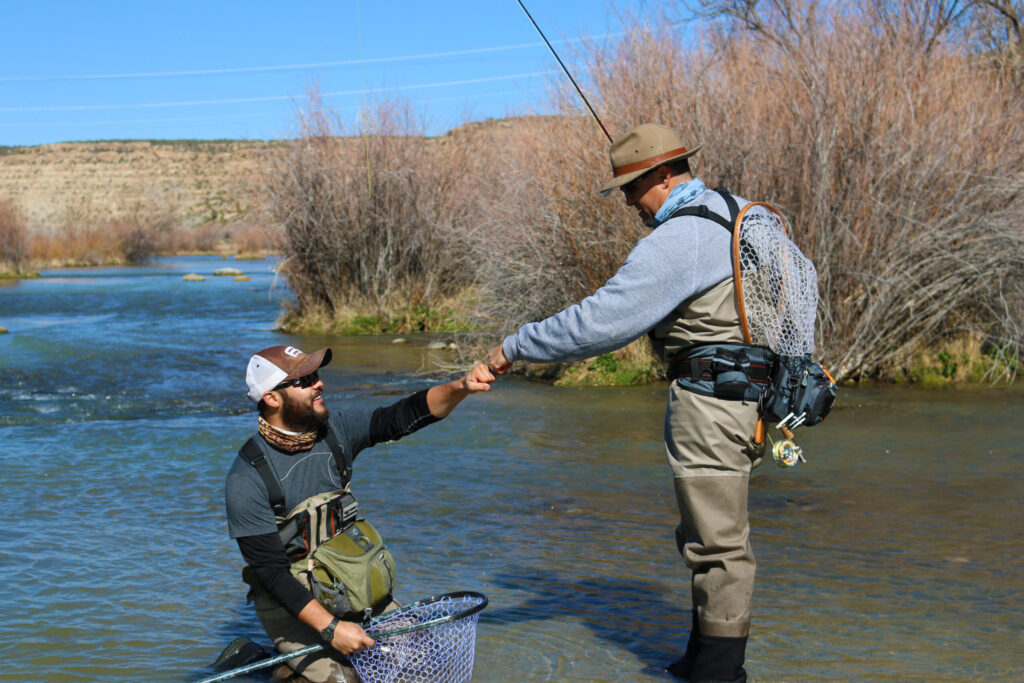
Hunting & Fishing Access

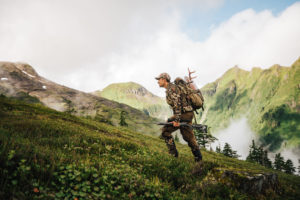
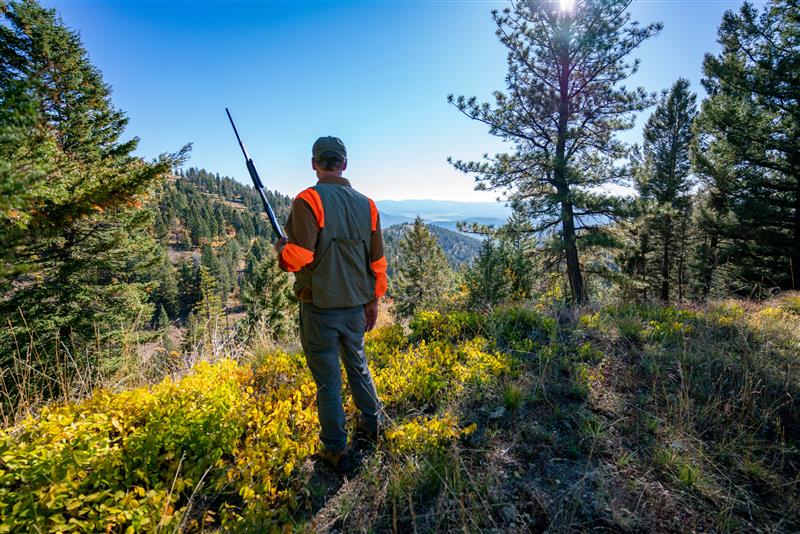
America’s 640 million acres of national public lands provide irreplaceable hunting and fishing opportunities to millions of Americans.

Learn More About Access
What TRCP is Doing

We’re working to safeguard America’s public lands so hunters and anglers always have quality places to pursue their passions.
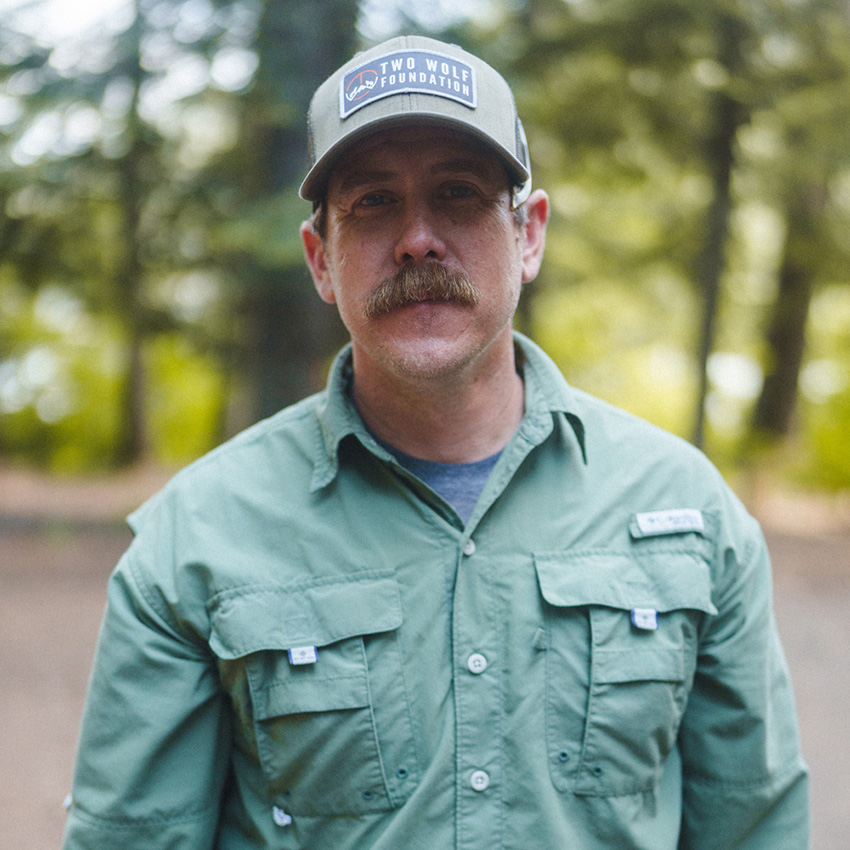
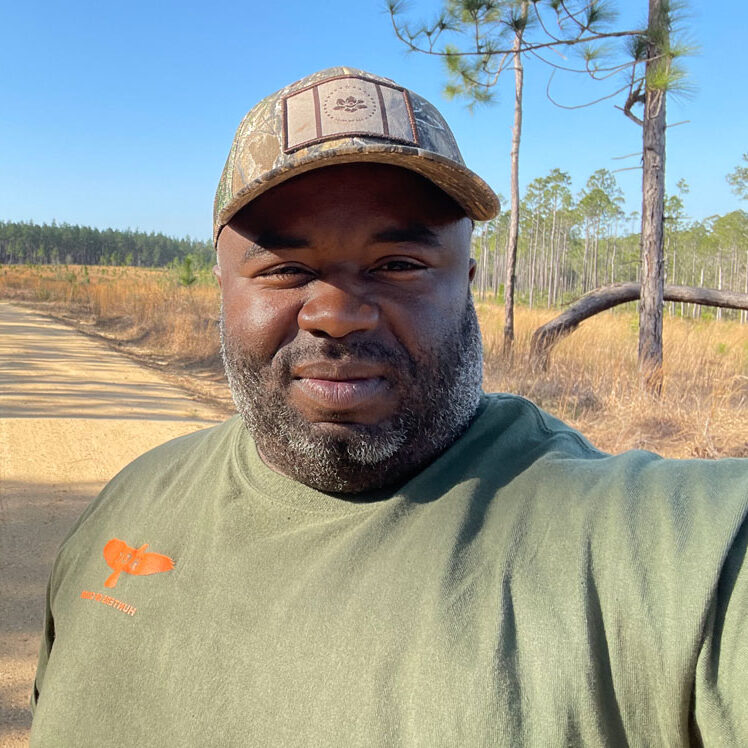
 Brian Flynn, Two Wolf Foundation
How Sportsmen Are Doing It Right

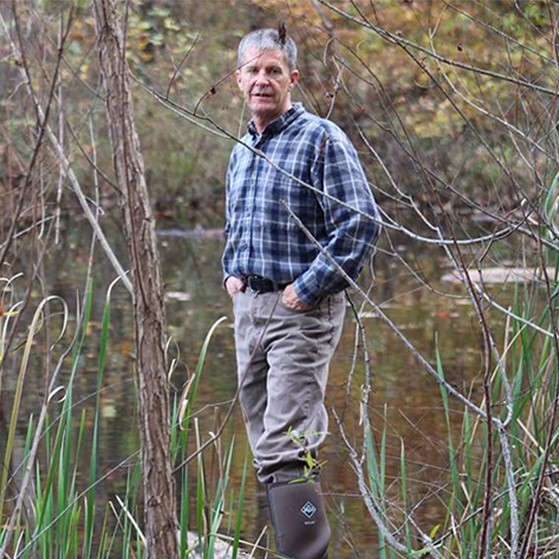
Brian Flynn, Two Wolf Foundation's Story

Following a distinguished career in the U.S. Army, lifelong outdoorsman Brian Flynn returned home from a deployment in Afghanistan and…


Hunting
Why It Matters

Key Issues for America’s Hunters

Your source for the latest policy updates, conservation challenges, and opportunities shaping America’s hunting traditions.

What TRCP is Doing

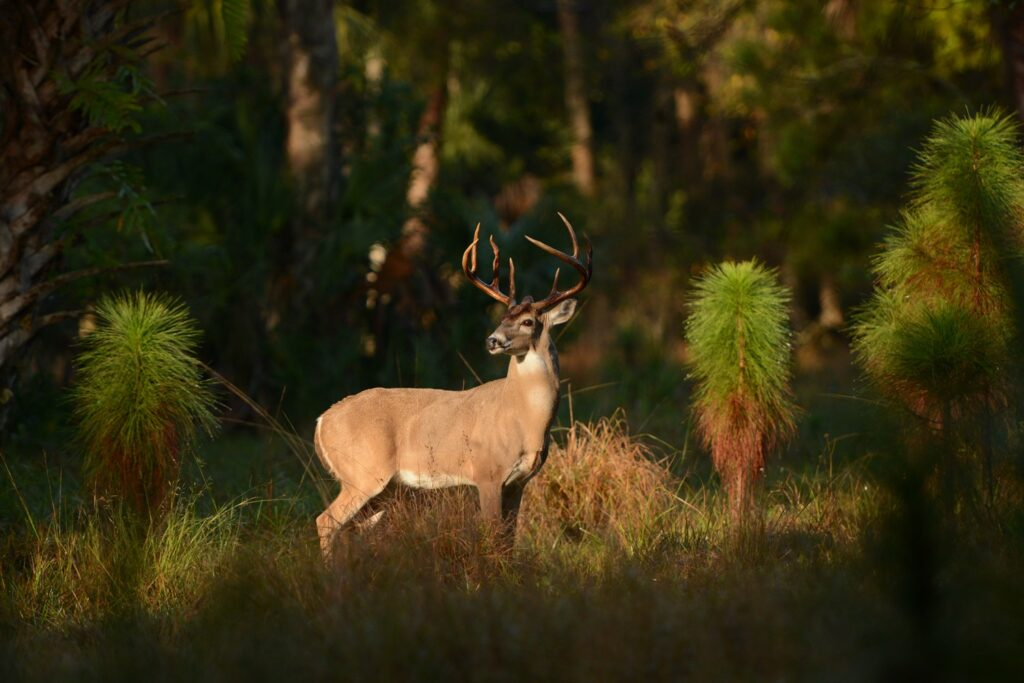
We’re fighting for meaningful policy changes that benefit wildlife, our waters, and the American landscapes that make our outdoor traditions possible.

 Ryan Sparks
How Sportsmen Are Doing It Right

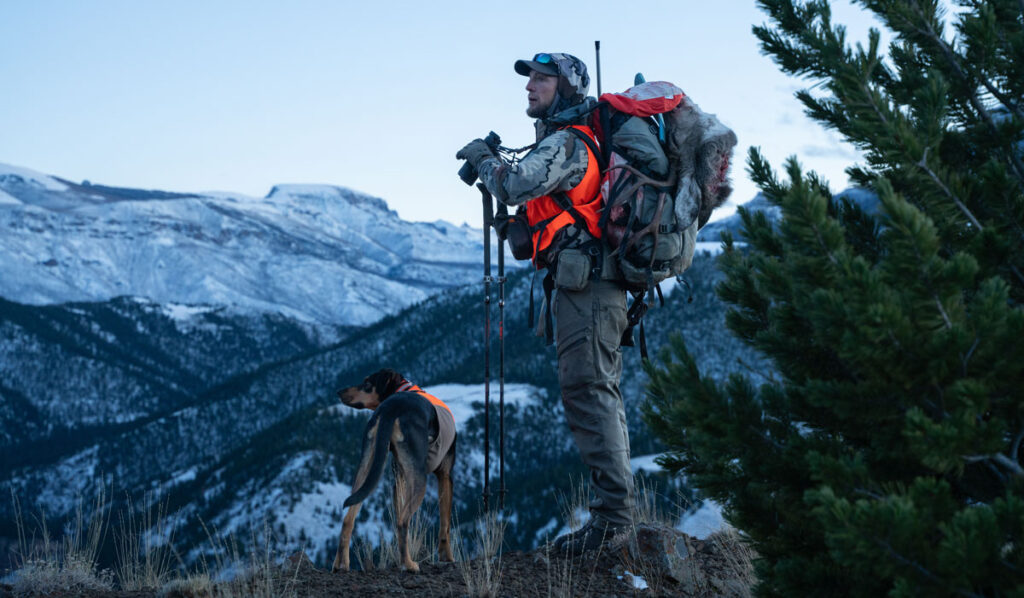
Ryan Sparks's Story

TRCP’s “In the Arena” series highlights the individual voices of hunters and anglers who, as Theodore Roosevelt so famously said,…

Fishing
Why It Matters

Key Issues for America’s Anglers

Your source for the latest policy updates, conservation challenges, and opportunities shaping America’s fishing traditions.

What TRCP is Doing

We’re fighting for meaningful policy changes that benefit wildlife, our waters, and the American landscapes that make our outdoor traditions possible.

 David Mangum
How Sportsmen Are Doing It Right

David Mangum's Story

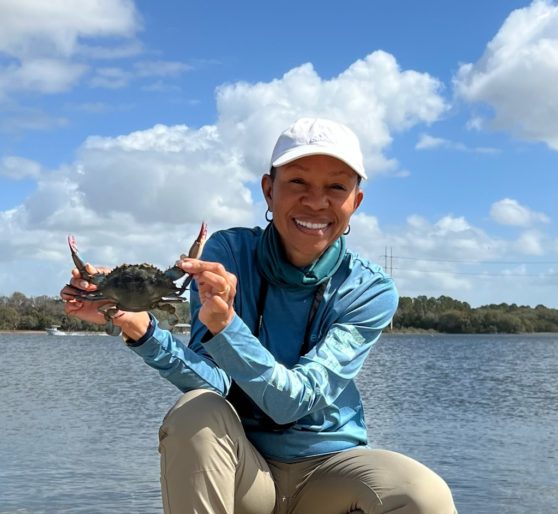
Capt. David Mangum is a YETI ambassador and outdoor photographer who utilizes his talents to produce media that inspire a…

Private Land
Why It Matters

Stewardship on America’s private lands

With 70 percent of U.S. lands in private hands and many of our best hunt and fish opportunities occurring there, investing in voluntary conservation on working lands safeguards access, strengthens habitat and water quality, and ensures resilient landscapes.

Learn More
What TRCP is Doing

We champion policies and programs that restore wildlife habitat, improve soil and water health, and keep working lands productive.

 Ward Burton
How Sportsmen are Doing It Right

Ward Burton's Story

Ward Burton’s NASCAR driving career stretched across most of two decades. As an avid sportsman and conservationist, he founded the…

Special Places
Why It Matters

Special Places Worth Protecting

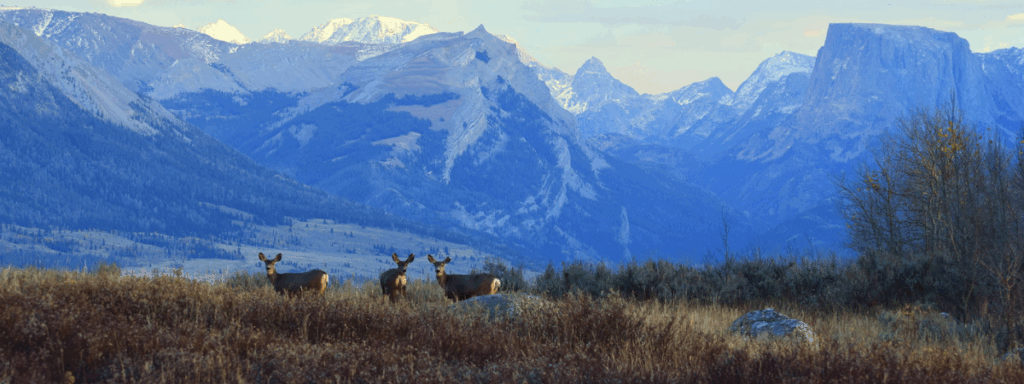
America’s most iconic landscapes provide unmatched habitat and unforgettable days afield. These places sustain wildlife, anchor local economies, and define the hunting and fishing traditions we pass down.

What TRCP is Doing

We’re working to conserve special places that provide world-class habitat and unforgettable opportunities for hunters and anglers.

 Franklin Adams
How Sportsmen Are Doing It Right

Franklin Adams's Story

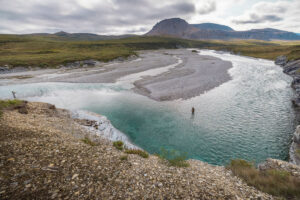
As a true Gladesman, conservationist, and historian, Capt. Franklin Adams has spent more than six decades championing Everglades restoration efforts…

Habitat & Clean Water
Why It Matters

Healthy Habitat Powers Every Pursuit

All hunting and fishing opportunities depend on quality habitat, from clean water and healthy wetlands to winter and summer habitats and the migration corridors that connect them.

All About Habitat & Clean Water
What TRCP is Doing

We are working to safeguard the habitats that power every hunting and fishing opportunity.

 Alex Harvey
How Sportsmen Are Doing It Right

Alex Harvey's Story

Alex Harvey, founder of Legacy Land Management, is a registered professional forester in Mississippi and Alabama with a Master's degree…

Science
Why It Matters

Science That Guides TRCP

From conserving migration corridors and wetlands to ensuring clean water and resilient landscapes, science provides evidence that turns conservation goals into effective action.

Science for Conservation
What TRCP is Doing

For hunters and anglers, science safeguards the experiences we treasure including resilient big game populations, abundant fish, and wild places that endure changing social landscapes.

Jamelle Ellis
Your Science Expert

Jamelle Ellis's Story

Jamelle Ellis joined the Theodore Roosevelt Conservation Partnership in 2022. Jamelle spent the last three years as an environmental sustainability…

Where We Work
Across the Nation

Conservation Across America

TRCP works across the country to ensure hunters and anglers can enjoy healthy fish and wildlife and quality days afield, no matter where they live.

See All Issues
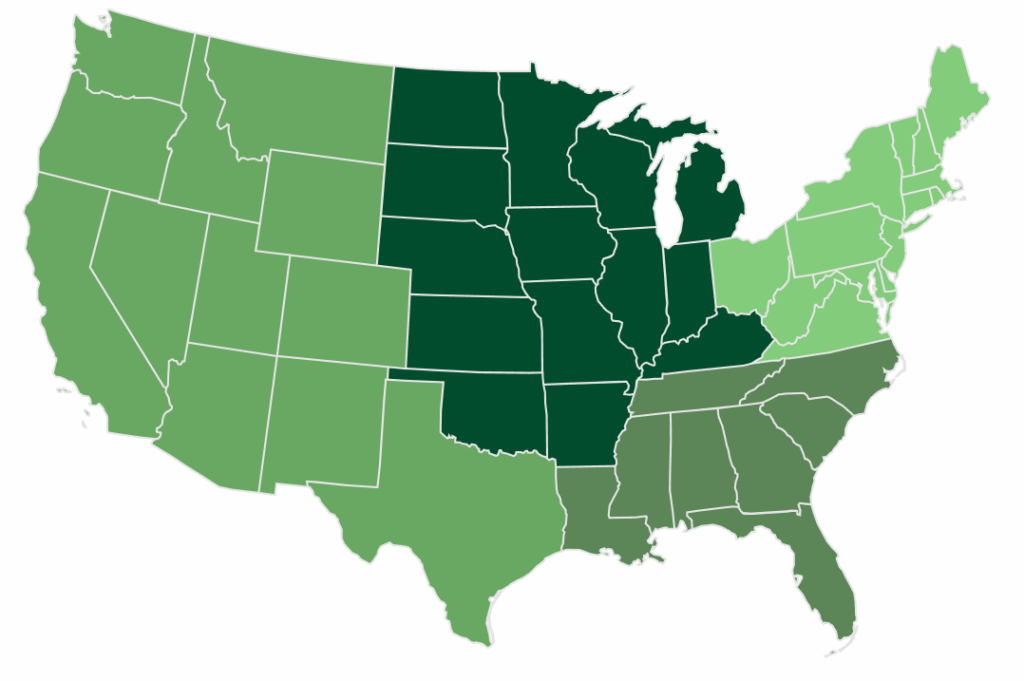
TRCP in Your Region

TRCP works across the country to ensure hunters and anglers can enjoy healthy fish and wildlife and quality days afield, no matter where they live.

Who We Are
Our Mission

To guarantee all Americans quality places to hunt & fish

We unite and amplify our partners’ voices to advance America’s legacy of conservation, habitat, and access.

Our Mission & Values
Our People & Partners
  • Meet the TRCP Team

    Our staff and board members unite and amplify our partners’ voices to advance America’s legacy of conservation, habitat, and access.

    Meet the Team
  • Our Partners

    ‘Partnership’ is in our name. We work with 64 diverse partner groups that represent today’s leading hunting, fishing, and conservation organizations in order to strengthen the sportsman’s voice in Washington, D.C.

    Our Partners
  • Corporate Council

    TRCP’s Corporate Council is made up of diverse corporations that share a common passion for conservation.

    Corporate Council
Our Organization

Looking for more information?

Explore our latest news, policy updates, and conservation resources to get the information you need.

Giving
How You Can Help

To guarantee all Americans quality places to hunt & fish

Your tax-deductible donation will support TRCP's mission, now and into the future.

DONATE
Special Ways to support trcp
  • Capital Conservation Awards Dinner

    The CCAD is one of Washington's best-attended conservation celebrations, featuring dinner, cocktails, and a silent auction.

    Learn More
  • Step Into the Arena

    Help us ensure that our treasured wild habitats and game remain intact for the next generation to enjoy – lend your support to the TRCP’s efforts today!

    Donate
  • Roosevelt Roast

    TRCP has partnered with Afuera Coffee Co. to further our commitment to conservation.

    Learn More
More donation options

Find the best way for you to lend your support. Join one of TRCP’s donor circles for special invitations, premium offerings from outdoor retailers, and more exclusive benefits. Take control of your legacy with planned giving or contribute to special conservation funds.

Other Ways To Give
News
In the Spotlight

The Next Step for the Tongass

Hunters and Anglers Can Help Shape the Forest Plan.

Read More

Stay Informed

Receive our newsletter, the Roosevelt Report, right in your inbox. Never miss the latest news in conservation issues.

by:

posted in:

December 9, 2020

49108107067_ad24f35315_k-photo-by-FWC-1000-web

Do you have any thoughts on this post?

XHTML: You can use these tags: <a href="" title=""> <abbr title=""> <acronym title=""> <b> <blockquote cite=""> <cite> <code> <del datetime=""> <em> <i> <q cite=""> <s> <strike> <strong>

Comments must be under 1000 characters.

by:

posted in:

December 8, 2020

Sportsmen and Women Call for a Robust Conservation Reserve Program

Hunters and anglers thank Chairman Peterson for supporting private lands conservation

Hunters and anglers are reiterating their support for increasing the number of acres enrolled in a national conservation program.

This call to action comes on the heels of the effort by House Agriculture Committee Chairman Collin Peterson (D-MN) to increase the Conservation Reserve Program acreage to 50 million acres.

“On behalf of the millions of sportsmen and women who depend on the conservation reserve program to hunt and fish, we support the Chairman’s commitment to ensuring its future,” said Whit Fosburgh, president and CEO of the Theodore Roosevelt Conservation Partnership. “CRP is essential to restoring wildlife habitat, preventing erosion, and improving water quality. That’s why we need a robust enrollment effort to ensure landowners can take advantage of this important program.”

Currently at a three-decade low of 20.7 million acres enrolled in CRP, the administration of the program is at a crossroads. Just two years ago, Congress increased the program’s acreage cap from 24 to 27 million acres in order to grow landowner interest. In the time since, significant changes to rental rate formulas and incentive reductions have diminished the interest of landowners to utilize the program.

“The Conservation Reserve Program is essential for supporting wildlife, healthy habitats, and the hunters and outdoor enthusiasts who count on both to sustain our wildlife heritage. With discussions around 2023 Farm Bill starting, it’s clear that a failure to fully enroll Conservation Reserve Program acreage would only compound the issues facing America’s wildlife,” said Collin O’Mara, president and CEO of the National Wildlife Federation. “We and our peer sporting and conservation organizations are committed to working with incoming House Agriculture Chairman David Scott, Ranking Member Glenn ‘GT’ Thompson, Senators Debbie Stabenow and John Boozman on the Senate Agriculture Committee, and the Biden-Harris Administration to ensure this crucial program meets the needs of landowners and wildlife for decades to come.”

“Given the incoming Administration’s focus on climate change, the deep-rooted grasslands created through CRP is another example of the environmental stacking opportunity the program delivers,” said Howard Vincent, president and CEO of Pheasants Forever and Quail Forever. “CRP, which is part of the working lands ecological and economic safety net, helps sequester carbon in soil, improve water quality and soil health, while strengthening rural economies and creating habitat for the wildlife we cherish.”

For more information about the benefits of the CRP, head to CRPWorks.org.

Read about four ways the Biden Administration can strengthen the program here.

The groups voicing their support for the Conservation Reserve Program are the Association of Fish & Wildlife Agencies, Delta Waterfowl, National Wildlife Federation, Pheasants Forever-Quail Forever, Theodore Roosevelt Conservation Partnership, and the Wildlife Management Institute.

Top photo by Anthony Hauck.

by:

posted in:

December 3, 2020

Q&A: What’s the Latest on Everglades Restoration?

Much-celebrated funding began flowing to restoration projects in recent years, but has it made a difference? In this video, the co-founder and program director of Captains for Clean Water shares what progress has been made and how far we still have to go to rehab fish habitat in the Everglades

by:

posted in:

November 25, 2020

Hunters and Anglers Celebrate After Army Corps Denies Permit for Pebble Mine

The Army Corps of Engineers today officially denied a permit for the proposed Pebble Mine near Bristol Bay, Alaska, handing sportsmen and women a big win in the region.

The Army Corps said in a statement the mine’s plan “does not comply with Clean Water Act guidelines” and said the “project is contrary to the public interest.”

“We thank the Corps for doing the right thing: blocking a mine that would cause irreversible damage to the Bristol Bay watershed and one of the world’s greatest salmon fisheries,” said Whit Fosburgh, president and CEO of the Theodore Roosevelt Conservation Partnership. “Now we need to look for permanent solutions that protect this area and the outdoor recreation economy in perpetuity.”

TRCP and the American Sportfishing Association launched a TV ad on Fox News in August urging the president to oppose the Pebble Mine and protect the thousands of jobs that rely on this world-renowned salmon fishery. This follows up on more than two decades of work trying to stop the mine by a diverse coalition of conservationists, anglers, hunters, local businesses, and Alaska-Native tribes.


Photo Credit Jonny Armstrong

by:

posted in:

November 20, 2020

Four Lame Duck Deals That Hunters and Anglers Need

And why we’re pushing lawmakers to wrap up these conservation priorities by the end of the 116th Congress

The stakes always feel high when you get close to the end of the hunting season and you haven’t filled the freezer yet. But here at the TRCP, there’s no nail-biter quite like watching the congressional calendar run out, especially during a lame duck session.

Between the election and the end of the current congress, before some new members arrive on Capitol Hill—and some leave for good—we have just a handful of weeks to get conservation priorities over the finish line. This includes bills that have made it through almost every step of the legislative process, from introduction and sponsorship to negotiation, committee votes, and perhaps even floor action.

We’re hard at work pushing lawmakers to finalize legislation with major benefits for hunters and anglers, because we’ll be back at square one again on these priorities and others come January. Here’s what we need Congress to get done.

Strike a Spending Deal with Investments in Wildlife Health and Public Lands

The two chambers with the power of the pursestrings have until December 11 to hammer out a deal for appropriating fiscal year 2021 funding. Reminder: Ideally lawmakers pass spending bills one by one for each section of the government, but with the deadline looming, this is likely to be done in one big legislative package. That omnibus must direct the $900 million that the Great American Outdoors Act made available for habitat and public access through the Land and Water Conservation Fund—even though the current administration has failed to supply a list of priority projects.

We also want to see a spending deal contain the Senate’s proposed investments in state-side chronic wasting disease recovery. The Senate agriculture appropriations bill leaves out problematic language in the House version of the bill that would allow agencies to spend these funds on other diseases affecting mostly captive deer, watering down the possible impact for wild herds.

Finally, the TRCP would love to see language detrimental to sage grouse conservation efforts removed from this spending bill. It has become seemingly uncontroversial as previous bills have been passed carrying the provision, which prevents any funding in the bill from being spent to list the greater sage grouse as an endangered species. It’s time to lose this idea—not necessarily because sage grouse should be listed, but because it sets a precedent of legislating wildlife management instead of listening to the science.

Photo by U.S. Fish and Wildlife Service.
OK Water Projects with Habitat Benefits

Congress needs to pass a Water Resources Development Act, a two-year bill that authorizes water conservation and enhancement projects, many with benefits for fish and wildlife. We believe the biggest benefits to habitat, and therefore sportsmen and women, would be facilitated by the House version of the bill, which has several provisions that could significantly help communities implement nature-based solutions for infrastructure challenges. Two great examples of this would be restoring wetlands to better filter floodwaters or reversing coastal erosion by diverting river sediment so it builds up land.

Pass the MAPLand Act to Improve Public Land Access

Including the Modernizing Access to our Public Land (MAPLand) Act in an end-of-year legislative package would help busy Americans discover new outdoor recreation opportunities and give everyone the confidence to enjoy the outdoors. The need for better information is what the MAPLand Act is designed to address, by providing funding and guidance to our land management agencies so they can digitize their paper maps and access information records.

If successful, MAPLand would ensure that you can easily find online, among other things, the seasonal allowances and restrictions for vehicle use on public roads and trails, boundaries of areas where hunting or recreational shooting is regulated or closed, and portions of rivers and lakes on federal land that are closed to entry or limited to certain kinds of watercraft. The MAPLand Act would also require that our public land agencies digitize records of easements or rights-of-way across private lands, making it possible for the public to understand where public access has been formally secured.

Bonus: MAPLand would make the LWCF an even more powerful tool. Read about that here.

Whiskey Island. Photo by Louisiana Coastal Protection and Restoration Authority.
Use Offshore Energy Revenue to Strengthen Coasts

Finally, the TRCP is supporting final passage of the COASTAL Act, which would amend legislation from 2006 to dedicate more offshore energy production revenue from the Gulf to support coastal restoration and resiliency. Specifically, we want to see the $500-million cap lifted for shared revenues and ensure that Gulf states receive 50 percent of these funds. This would make the offshore revenue sharing program consistent with the onshore revenue sharing program, and the additional funding would facilitate critical investments in resilient infrastructure projects and habitat improvements in vulnerable communities threatened by sea-level rise, coastal erosion, and flooding.


You can support our work at every level of the organization by making a donation to the TRCP. From now until December 31, your dollar goes further for conservation thanks to a generous match by our friends at SITKA Gear. There’s no better time to give!

HOW YOU CAN HELP

TRCP has partnered with Afuera Coffee Co. to further our commitment to conservation. $4 from each bag is donated to the TRCP, to help continue our efforts of safeguarding critical habitats, productive hunting grounds, and favorite fishing holes for future generations.

Learn More

You have Successfully Subscribed!

You have Successfully Subscribed!

You have Successfully Subscribed!

You have Successfully Subscribed!