Our Issues
Public Lands
Why It Matters

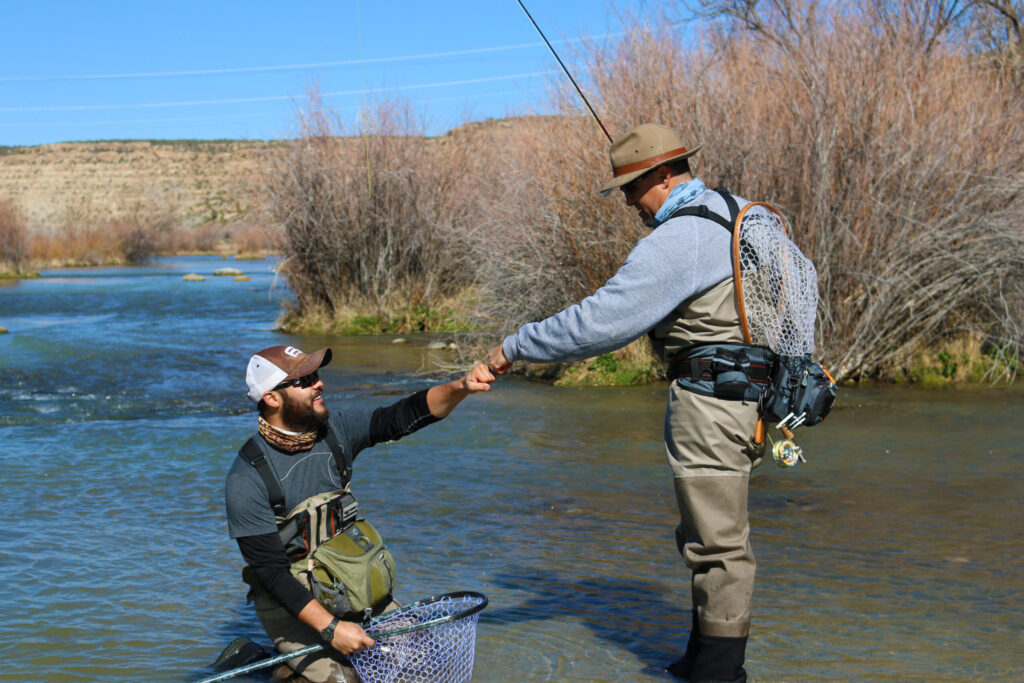
Hunting & Fishing Access

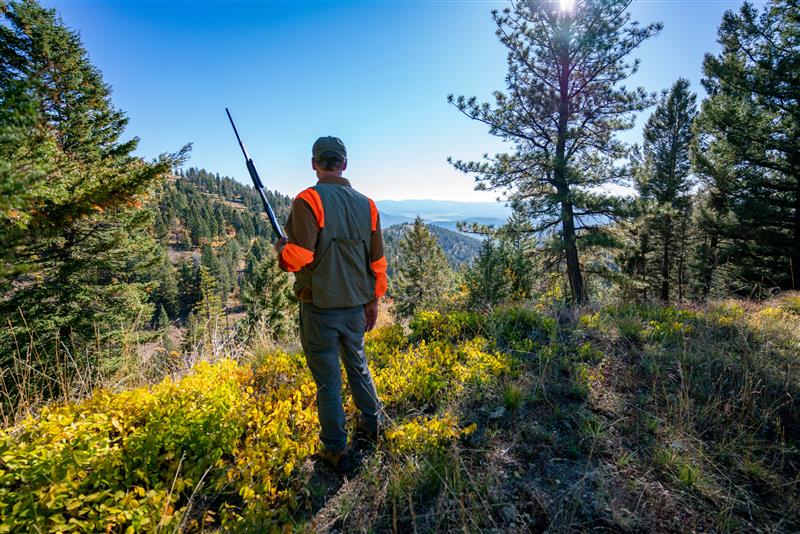
America’s 640 million acres of national public lands provide irreplaceable hunting and fishing opportunities to millions of Americans.

Learn More About Access
What TRCP is Doing

We’re working to safeguard America’s public lands so hunters and anglers always have quality places to pursue their passions.
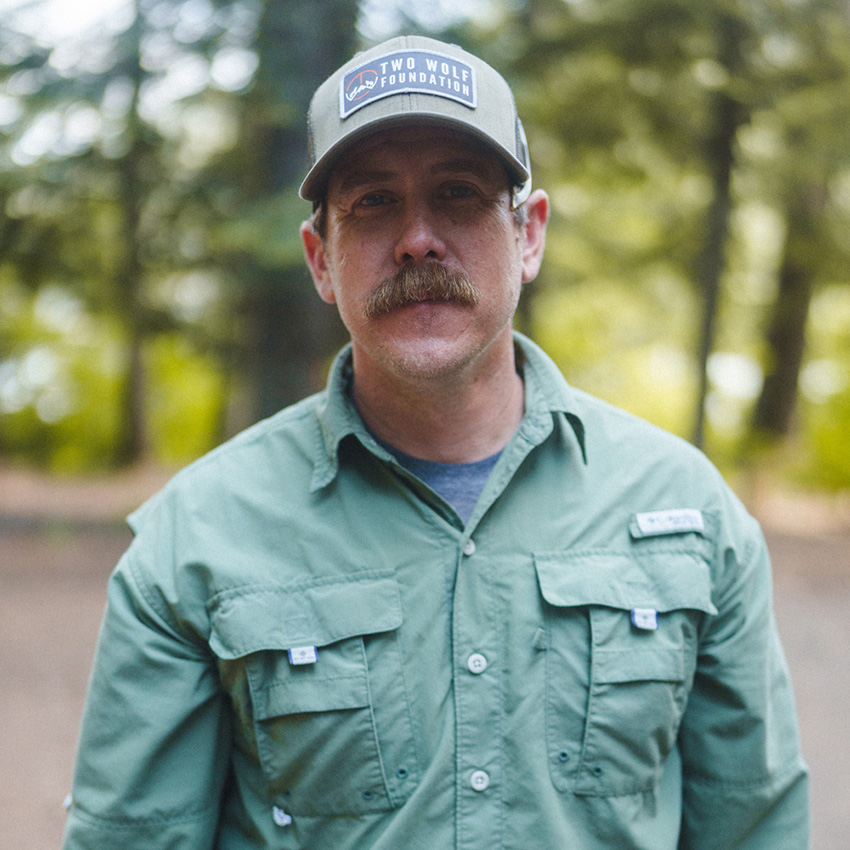
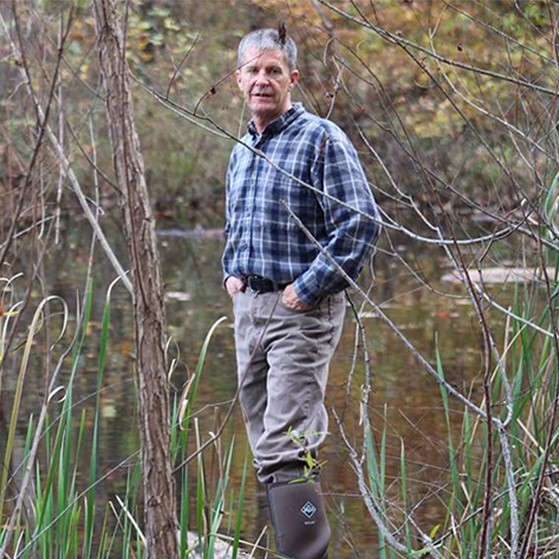
 Brian Flynn, Two Wolf Foundation
How Sportsmen Are Doing It Right

Brian Flynn, Two Wolf Foundation's Story

Following a distinguished career in the U.S. Army, lifelong outdoorsman Brian Flynn returned home from a deployment in Afghanistan and…

Hunting
Why It Matters

Key Issues for America’s Hunters

Your source for the latest policy updates, conservation challenges, and opportunities shaping America’s hunting traditions.

What TRCP is Doing

We’re fighting for meaningful policy changes that benefit wildlife, our waters, and the American landscapes that make our outdoor traditions possible.

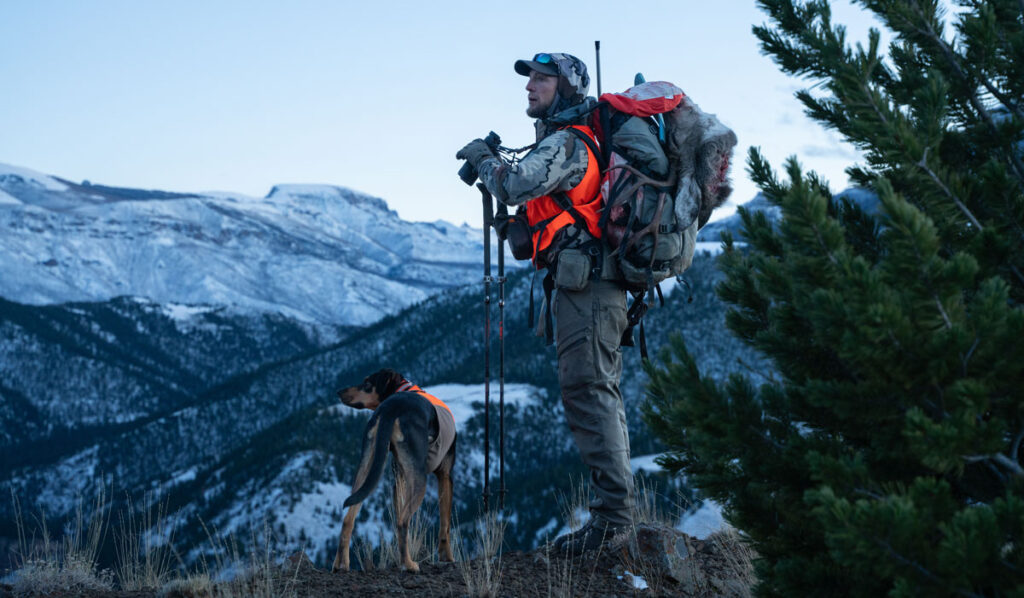
 Ryan Sparks
How Sportsmen Are Doing It Right

Ryan Sparks's Story

TRCP’s “In the Arena” series highlights the individual voices of hunters and anglers who, as Theodore Roosevelt so famously said,…

Fishing
Why It Matters

Key Issues for America’s Anglers

Your source for the latest policy updates, conservation challenges, and opportunities shaping America’s fishing traditions.

What TRCP is Doing

We’re fighting for meaningful policy changes that benefit wildlife, our waters, and the American landscapes that make our outdoor traditions possible.

 David Mangum
How Sportsmen Are Doing It Right

David Mangum's Story

Capt. David Mangum is a YETI ambassador and outdoor photographer who utilizes his talents to produce media that inspire a…

Private Land
Why It Matters

Stewardship on America’s private lands

With 70 percent of U.S. lands in private hands and many of our best hunt and fish opportunities occurring there, investing in voluntary conservation on working lands safeguards access, strengthens habitat and water quality, and ensures resilient landscapes.

Learn More
What TRCP is Doing

We champion policies and programs that restore wildlife habitat, improve soil and water health, and keep working lands productive.

 Ward Burton
How Sportsmen are Doing It Right

Ward Burton's Story

Ward Burton’s NASCAR driving career stretched across most of two decades. As an avid sportsman and conservationist, he founded the…

Special Places
Why It Matters

Special Places Worth Protecting

America’s most iconic landscapes provide unmatched habitat and unforgettable days afield. These places sustain wildlife, anchor local economies, and define the hunting and fishing traditions we pass down.

What TRCP is Doing

We’re working to conserve special places that provide world-class habitat and unforgettable opportunities for hunters and anglers.

 Franklin Adams
How Sportsmen Are Doing It Right

Franklin Adams's Story

As a true Gladesman, conservationist, and historian, Capt. Franklin Adams has spent more than six decades championing Everglades restoration efforts…

Habitat & Clean Water
Why It Matters

Healthy Habitat Powers Every Pursuit

All hunting and fishing opportunities depend on quality habitat, from clean water and healthy wetlands to winter and summer habitats and the migration corridors that connect them.

All About Habitat & Clean Water
What TRCP is Doing

We are working to safeguard the habitats that power every hunting and fishing opportunity.

 Alex Harvey
How Sportsmen Are Doing It Right

Alex Harvey's Story

Alex Harvey, founder of Legacy Land Management, is a registered professional forester in Mississippi and Alabama with a Master's degree…

Science
Why It Matters

Science That Guides TRCP

From conserving migration corridors and wetlands to ensuring clean water and resilient landscapes, science provides evidence that turns conservation goals into effective action.

Science for Conservation
What TRCP is Doing

For hunters and anglers, science safeguards the experiences we treasure including resilient big game populations, abundant fish, and wild places that endure changing social landscapes.

Jamelle Ellis
Your Science Expert

Jamelle Ellis's Story

Jamelle Ellis joined the Theodore Roosevelt Conservation Partnership in 2022. Jamelle spent the last three years as an environmental sustainability…

Where We Work
Across the Nation

Conservation Across America

TRCP works across the country to ensure hunters and anglers can enjoy healthy fish and wildlife and quality days afield, no matter where they live.

See All Issues
TRCP in Your Region

TRCP works across the country to ensure hunters and anglers can enjoy healthy fish and wildlife and quality days afield, no matter where they live.

Who We Are
Our Mission

To guarantee all Americans quality places to hunt & fish

We unite and amplify our partners’ voices to advance America’s legacy of conservation, habitat, and access.

Our Mission & Values
Our People & Partners
  • Meet the TRCP Team

    Our staff and board members unite and amplify our partners’ voices to advance America’s legacy of conservation, habitat, and access.

    Meet the Team
  • Our Partners

    ‘Partnership’ is in our name. We work with 64 diverse partner groups that represent today’s leading hunting, fishing, and conservation organizations in order to strengthen the sportsman’s voice in Washington, D.C.

    Our Partners
  • Corporate Council

    TRCP’s Corporate Council is made up of diverse corporations that share a common passion for conservation.

    Corporate Council
Our Organization

Looking for more information?

Explore our latest news, policy updates, and conservation resources to get the information you need.

Giving
How You Can Help

To guarantee all Americans quality places to hunt & fish

Your tax-deductible donation will support TRCP's mission, now and into the future.

DONATE
Special Ways to support trcp
  • Capital Conservation Awards Dinner

    The CCAD is one of Washington's best-attended conservation celebrations, featuring dinner, cocktails, and a silent auction.

    Learn More
  • Step Into the Arena

    Help us ensure that our treasured wild habitats and game remain intact for the next generation to enjoy – lend your support to the TRCP’s efforts today!

    Donate
  • Roosevelt Roast

    TRCP has partnered with Afuera Coffee Co. to further our commitment to conservation.

    Learn More
More donation options

Find the best way for you to lend your support. Join one of TRCP’s donor circles for special invitations, premium offerings from outdoor retailers, and more exclusive benefits. Take control of your legacy with planned giving or contribute to special conservation funds.

Other Ways To Give
News
In the Spotlight

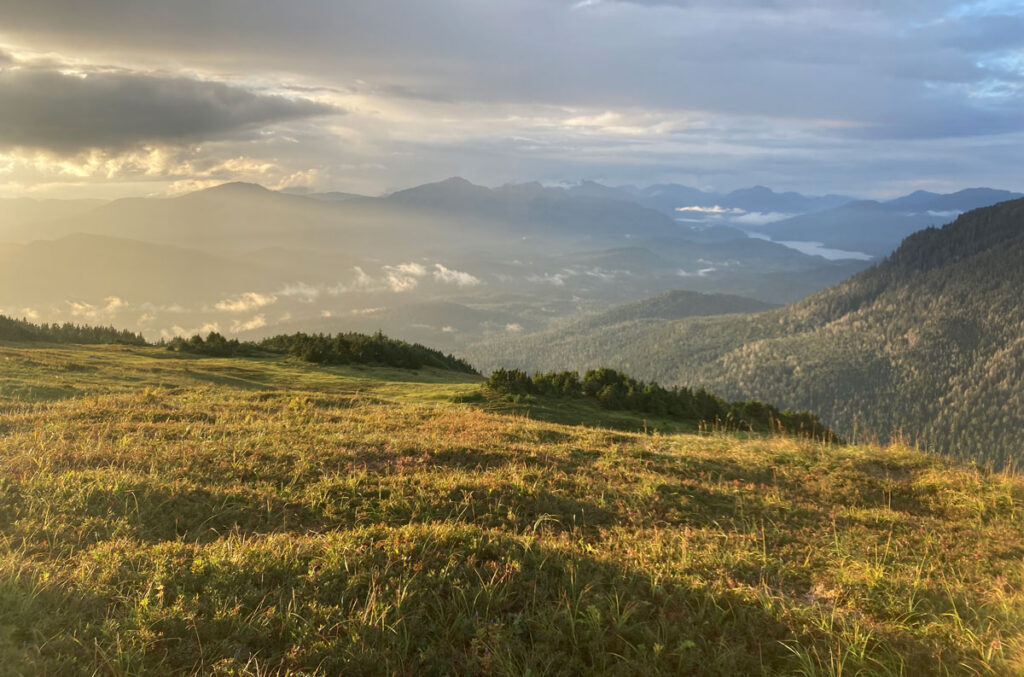
The Next Step for the Tongass

Hunters and Anglers Can Help Shape the Forest Plan.

Read More

Stay Informed

Receive our newsletter, the Roosevelt Report, right in your inbox. Never miss the latest news in conservation issues.

by:

posted in:

June 18, 2019

15309596209_5ca3c95316_k-Photo-by-Tim-Lumley-1200-web

Do you have any thoughts on this post?

XHTML: You can use these tags: <a href="" title=""> <abbr title=""> <acronym title=""> <b> <blockquote cite=""> <cite> <code> <del datetime=""> <em> <i> <q cite=""> <s> <strike> <strong>

Comments must be under 1000 characters.

by:

posted in:

June 17, 2019

Idahoans: Show Up and Speak Out for Public Lands

This is YOUR chance to play a role in how our public lands are managed and ensure that sportsmen and women have a say about the places where we love to hunt and fish

The Bureau of Land Management’s Four Rivers Field Office manages more than 780,000 acres of public lands across western Idaho from the Bennett Hills to the eastern shores of Brownlee Reservoir. These landscapes provide some of the finest hunting, fishing, and outdoor recreation opportunities in western Idaho, as well as important habitat for big game, upland birds, and wild trout.

Currently, the BLM is revising its plan that will determine the future management of these lands for the next 20+ years, and public meetings are scheduled that offer an opportunity for the public to share their ideas directly to the BLM. Sportsmen and women must get involved to ensure that the best habitats are conserved and public access for hunting and fishing is maintained.

Please attend one of four local public meetings and make your voice heard – meeting dates, locations, and times, as well as suggested talking points are listed below.

Where and when

Public meetings (All meetings run from 4 p.m. to 7 p.m.)
June 18: Boise District Office 3948 S Development Avenue, Boise ID 83705
June 25: Weiser High School 690 W Indianhead Rd, Weiser, ID 83672
June 26: Emmett Junior High School 301 E 4th St, Emmett, ID 83617
June 27: Mountain Home Junior High School 1600 E 6th S St, Mountain Home, ID 83647

Suggested talking points

• It is important to me that the Four Rivers BLM Field Office’s RMP revision conserve valuable big game winter range and popular hunting areas. The BLM should adopt a Backcountry Conservation Area for the Bennett Hills that would conserve valuable big game range, sustain sportsmen’s access, and prioritize habitat restoration for one of Idaho’s best mule deer hunting areas.

• I encourage the BLM to identify places where public access acquisition should be a priority, including the creation of access to public lands that are landlocked or difficult to access because there are few or no access points across private land that enable the public to reach BLM lands.

• I request that the BLM take steps to ensure the conservation of identified big game migration corridors and winter range. This should include not only conserving corridors that have already been mapped and analyzed by Idaho Fish and Game, but also migration corridors that will be mapped in the future.

by:

posted in:

June 14, 2019

In the Arena: George and Amidea Daniel

TRCP’s “In the Arena” series highlights the individual voices of hunters and anglers who, as Theodore Roosevelt so famously said, strive valiantly in the worthy cause of conservation

George and Amidea Daniel

Hometown: Beech Creek, Pennsylvania
Occupation: George – Flyfishing guide instructor
Amidea – Educational specialist for the PA Fish and Boat Commission
Conservation credentials: Spreading the gospel of flyfishing, the mental health benefits of the outdoors, and bringing balance to areas where a growing populations puts extra demands on water resources.

These high-school sweethearts have been married for nearly 18 years, but their commitment to the outdoors runs just as deep. George says flyfishing is his life, and he spends close to 280 days on the water, while also serving as a coach for the U.S. Youth Flyfishing Team. In her work, Amidea leads a statewide initiative designed to promote and encourage more women to take up fishing. Oh, and that’s when they’re not busy raising two little water bugs of their own.

Here is their story.

George was born in Potter County, along the headwaters of Kettle Creek and started flyfishing at the age of six. Amidea was introduced to the outdoors by her father, who would take her and her brother out on camping trips at a very early age. So, both of us found a connection to the outdoors early on, which is why we spend so much time with our two children in the same capacity.

Collectively, our family has floated hundreds, maybe even a thousand miles, on our FlyCraft boats—in PA and throughout the country—especially when we first started taking our children fishing. It can be challenging and sometimes dangerous for a 5-year-old to wade, so our boats have taken us to waters they wouldn’t have been physically able to stand in.

One of our fondest memories is of taking our two children to Montana for the first time. We spent four full weeks exploring Yellowstone National Park and the surrounding areas, and from sun up to sundown, we were outside. The expressions on our kids’ faces as we drove through the park and witnessed all the wildlife and beautiful scenery is something we’ll never forget.

There’s a reason why we still live in central PA—it offers almost everything an angler could want. From freestone streams to legendary limestone rivers to the recovering West Branch of the Susquehanna, we have all our bases covered. Plus, we have so many miles of fishable water within a 30- to 90-minute drive from our home.

Clean water means everything in what we do. Trout, obviously one of our favorite species, demand high-quality water conditions, and without clean water, our angling opportunities would be reduced to a fraction of what we currently enjoy.

Most of our family activities revolve around the outdoors, and not having clean water and natural areas to access would have a negative impact on our lives. Technology and our smartphones can be wonderful, but we notice a difference in our mental health when we haven’t been outside for several days, either to walk, hike, float, or fish.

Numerous studies have shown the positive impacts of spending even 20 minutes in a natural environment. So, not only is conservation important to our planet, but we also feel it is imperative to Americans’ mental health and wellbeing.

In our area, development and urban sprawl are major concerns, especially because some of the aquifers that feed our limestone streams are also being tapped for drinking water. This may not be significant now, but eventually we may meet a threshold where we begin to see it having an obvious effect on our streams and water table.

Establishing a healthy balance, whether that’s between our indoor and outdoor lives or between increasing demands on our water resources, is crucial to the future of fishing and our family’s traditions.

Do you know someone In the Arenawho should be featured here? Email info@trcp.org for a questionnaire.

by:

posted in:

June 13, 2019

Western Governors Officially Support Policy to Conserve Migration Corridors

With firm backing from state leaders, sportsmen and women could see more coordinated efforts to improve habitat connectivity and big game population health

At their summer meeting in Colorado this week, the Western Governors’ Association passed a resolution supporting the conservation and state-led management of wildlife migration corridors.

The resolution recognizes that migration corridors and habitats are vital for maintaining the overall health of fish and wildlife populations in the West. Governors are calling on federal land-management agencies to support locally developed initiatives to conserve migration corridors and collaborate with state agencies to implement management efforts.

Though big game species rely on these critical seasonal habitats, migration corridors have not been addressed in conservation policy until recent years. The WGA’s bipartisan support could help shape burgeoning policies affecting all the Western states.

“Migration corridors and connectivity across seasonal habitats are critical pieces of the conservation puzzle for big game and other wildlife,” says Whit Fosburgh, president and CEO of the Theodore Roosevelt Conservation Partnership. “We greatly appreciate the leadership of the Western Governors’ Association on the conservation of wildlife corridors and improvement of habitat connectivity. We look forward to working with each state to implement on-the-ground conservation strategies that ensure populations of big game animals continue to migrate and thrive.”

The WGA also released policy resolutions on biosecurity and invasive species management, federal-state land exchanges and purchases, and national parks in the West.

The TRCP and 43 other hunting, fishing, and conservation groups recently urged federal lawmakers to use the upcoming Highway Bill to create a dedicated funding source to improve migration crossings.

by:

posted in:

June 12, 2019

New House Bill Would Invest in the Land and Water Conservation Fund 

Public land partners call for swift passage of legislation to fully fund access and conservation program 

A group of bipartisan House lawmakers have introduced a bipartisan bill (H.R. 3195) to fully and permanently fund the Land and Water Conservation Fund and invest in sportsmen’s access.   

Public lands advocates have been calling for this permanent investment in the successful outdoor recreation access program for several years now, with ramped up support for this needed fix since Congress permanently reauthorized LWCF in March 2019. 

Securing permanent authorization for LWCF wasignificant milestone, but it means very little without predictable, robust funding to unlock inaccessible public lands and create new outdoor recreation opportunities all across the country,” says Whit Fosburgh, president and CEO of the Theodore Roosevelt Conservation PartnershipWe’re grateful to see lawmakers respond to this fact and remain committed to the success of this important program.” 

U.S. Representatives Jeff Van Drew (D-N.J.) and Brian Fitzpatrick (R-Pa.) introduced the bipartisan legislation, which directs $900 million annually to the LWCF trust fund account. The bill also has support from House Natural Resources Committee Chairman Raúl Grijalva (D-Ariz.) and the five Natural Resource Subcommittee Chairs. 

When the LWCF was created, Congress intended for the full $900 million, underwritten by a small portion of annual offshore oil and gas lease revenues, to be used for conservation projects each year. However, only about half of those funds are, in fact, allocated to conservation efforts annually. To date, more than $20 billion in potential LWCF funds have been diverted elsewhere. This legislation would ensure $900 million in funding is directed annually to the LWCF account and expended only for projects benefitting conservation, outdoor recreation and access as Congress originally intended for the program. 

Over its 50-year history, LWCF has expanded access in every state and supported over 41,000 state and local park projects.   

According to a report from TRCP and onX, 9.52 million acres of federal public land remain inaccessible. This legislation will help open access to these landlocked parcels.  

“H.R. 3195 and Senate version S. 1081 are the final pieces we need to fulfill our conservation community’s agenda to permanently authorize LWCF with dedicated and full funding,” said Howard K. Vincent, president and CEO of Pheasants Forever and Quail Forever. “We are grateful to both the House and Senate members that support this effort. If enacted, LWCF will continue to ensure a legacy of access and quality habitat for generations.” 

“If you have spent time outdoors at a fishing access site, state park, public lands or local open space, there’s a good chance that you’ve directly benefitted from the Land and Water Conservation Fund,”said Corey Fisher, public land policy director for Trout Unlimited. “But to reach its full potential, LWCF needs full, dedicated funding. We thank our tireless champions in Congress for their work to fulfill the LWCF promise to the American people and ensure that this program continues to sustain our outdoor traditions.”    

“The Conservation Fund applauds Congressman Van Drew and his bipartisan colleagues for introducing this bill to ensure full and permanent funding for the Land and Water Conservation Fund,” said Larry Selzer, president and CEO of The Conservation Fund. “The LWCF is a tremendously successful program that provides unmatched economic, environmental, social, cultural and historical value to Americans. It is also an important tool for reducing the threat of wildfire, supporting local economies, and improving the management of our public lands. While Congress recently enacted permanent authorization of the program, LWCF cannot fully function without full and permanent funding to benefit America’s communities, the environment and the economy for generations to come.” 

“There is broad agreement regarding the benefits of LWCF, and on the need for permanent reauthorization, with full, dedicated annual funding,” says Brent Rudolph, chief conservation and legislative officer with the Ruffed Grouse Society and American Woodcock Society. “Sportsmen and women across the nation depend on the access and habitat benefits from this critical program, and we simply cannot wait any longer for Congress to come together and get this done.” 

“Land and Water Conservation Fund (LWCF) projects have protected and expanded recreation access for all activities across the country,” said Jessica Wahl, executive director of the Outdoor Recreation Roundtable“Mandatory funding for the LWCF will unleash the program’s true potential – ensuring local communities and economies that depend on sustainable outdoor recreation will continue to flourish – and we stand ready to work with Congress to get this critical measure across the finish line.” 

“We applaud the bipartisan leadership from Reps. Jefferson Van Drew (D-NJ), Brian Fitzpatrick (R-PA), Raul Grijalva (D-AZ) and the many other representatives who continue to champion the nation’s most successful conservation program,” says Land Tawney, president and CEO at Backcountry Hunters & Anglers. “The legislation emphasizes the importance of permanently funding recreational public access for hunting, fishing, recreational shooting or other outdoor recreational activities. Think about all the public lands – currently landlocked – to which we could gain access with $900 million in LWCF funding every year. Passage of this bill would be monumental for hunters, anglers and everyone who enjoys our public resources.” 

The TRCP is calling on sportsmen and women to contact Congress about the need for full funding of LWCF here 

HOW YOU CAN HELP

TRCP has partnered with Afuera Coffee Co. to further our commitment to conservation. $4 from each bag is donated to the TRCP, to help continue our efforts of safeguarding critical habitats, productive hunting grounds, and favorite fishing holes for future generations.

Learn More

You have Successfully Subscribed!

You have Successfully Subscribed!

You have Successfully Subscribed!

You have Successfully Subscribed!