Our Issues
Public Lands
Why It Matters

Hunting & Fishing Access

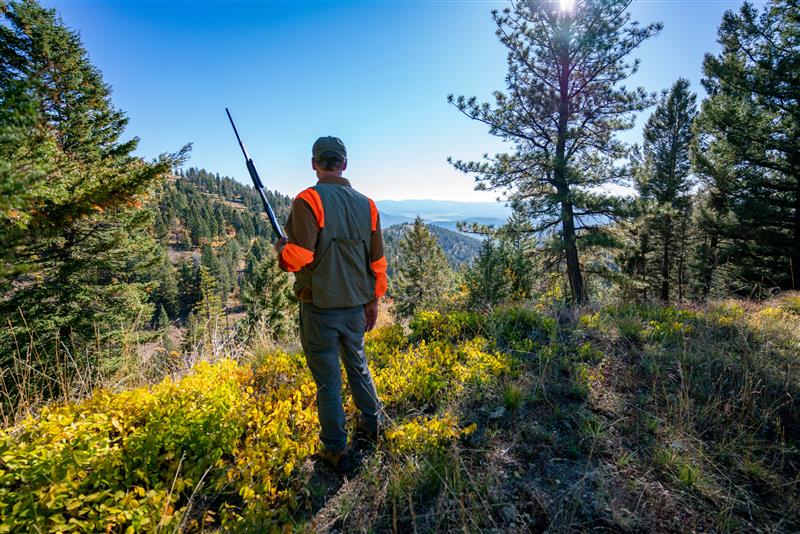
America’s 640 million acres of national public lands provide irreplaceable hunting and fishing opportunities to millions of Americans.

Learn More About Access
What TRCP is Doing

We’re working to safeguard America’s public lands so hunters and anglers always have quality places to pursue their passions.
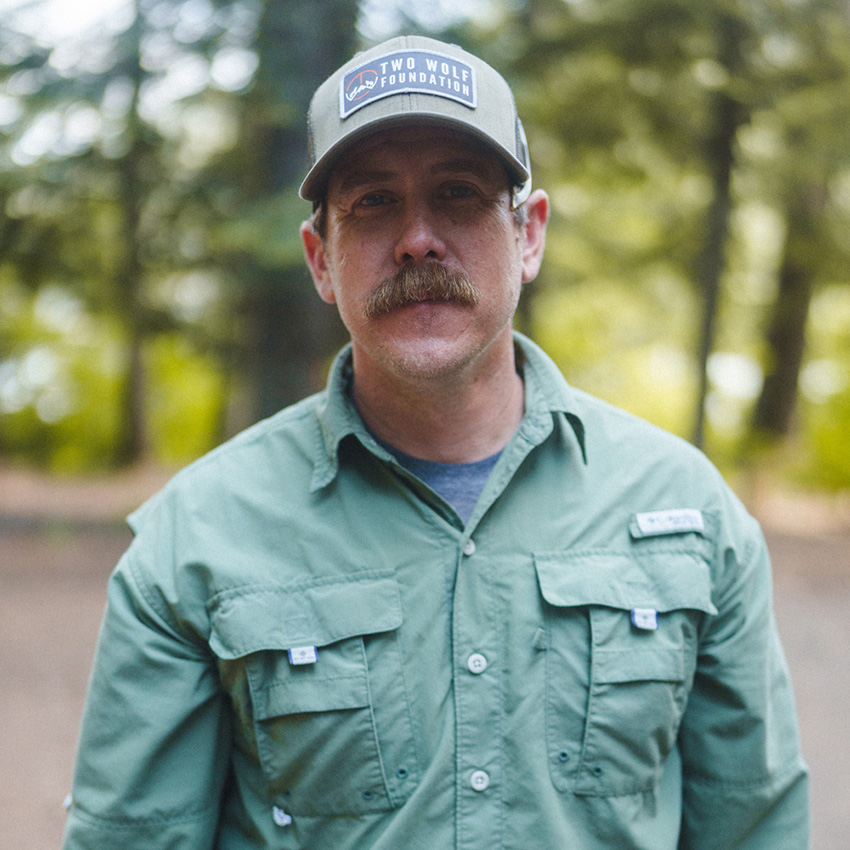
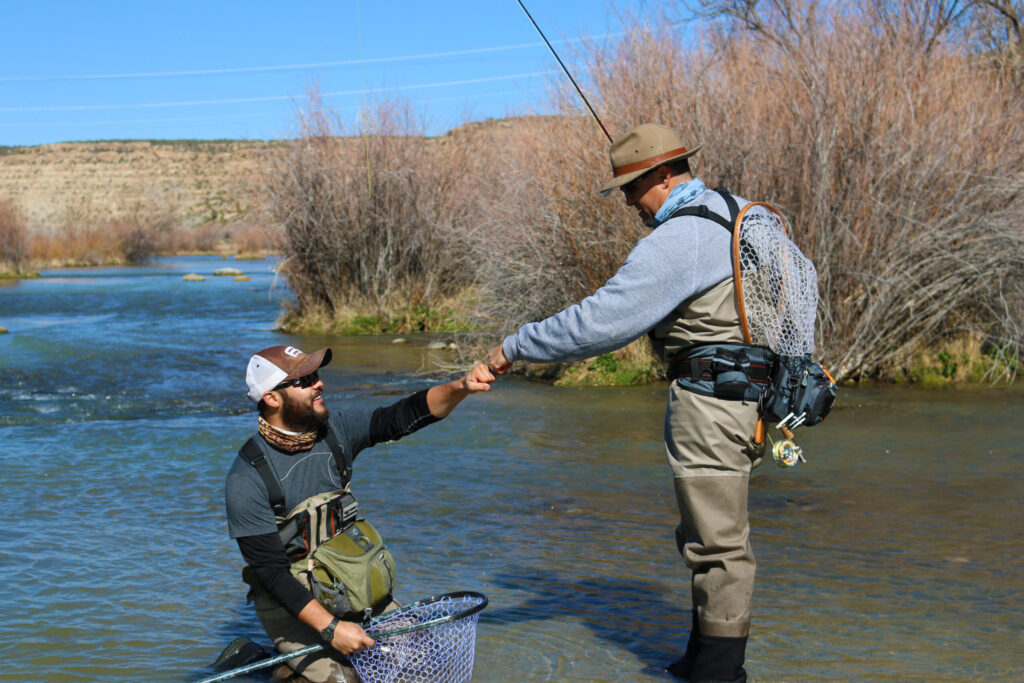
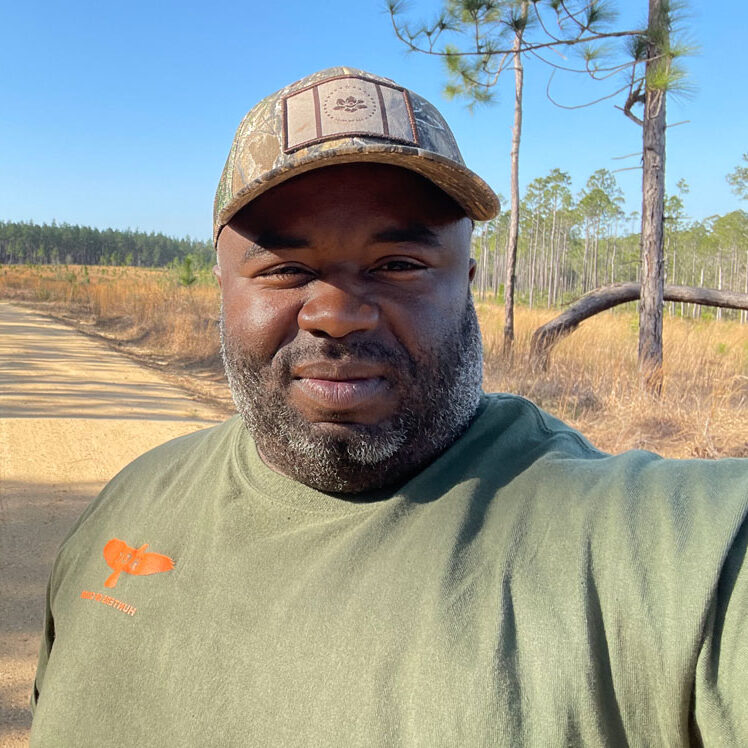
 Brian Flynn, Two Wolf Foundation
How Sportsmen Are Doing It Right

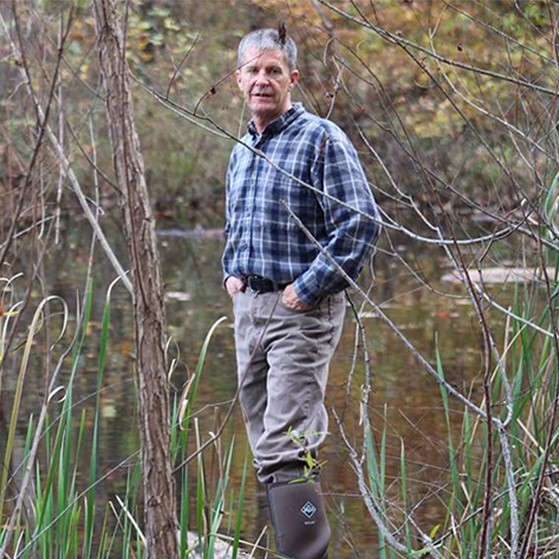
Brian Flynn, Two Wolf Foundation's Story

Following a distinguished career in the U.S. Army, lifelong outdoorsman Brian Flynn returned home from a deployment in Afghanistan and…

Hunting
Why It Matters

Key Issues for America’s Hunters

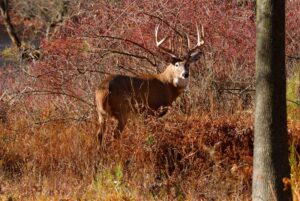
Your source for the latest policy updates, conservation challenges, and opportunities shaping America’s hunting traditions.

What TRCP is Doing

We’re fighting for meaningful policy changes that benefit wildlife, our waters, and the American landscapes that make our outdoor traditions possible.

 Ryan Sparks
How Sportsmen Are Doing It Right

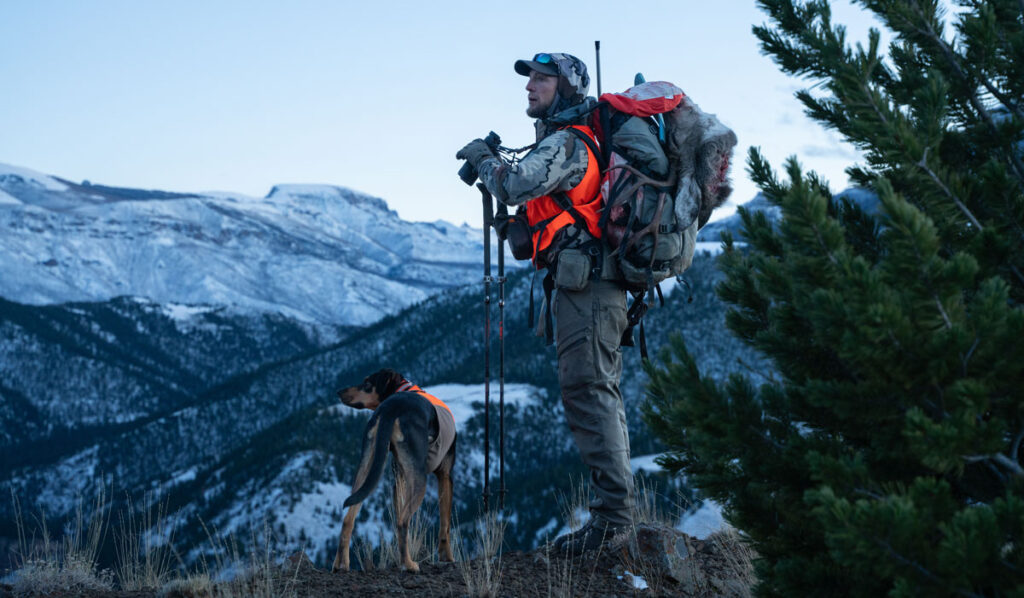
Ryan Sparks's Story

TRCP’s “In the Arena” series highlights the individual voices of hunters and anglers who, as Theodore Roosevelt so famously said,…
Fishing
Why It Matters

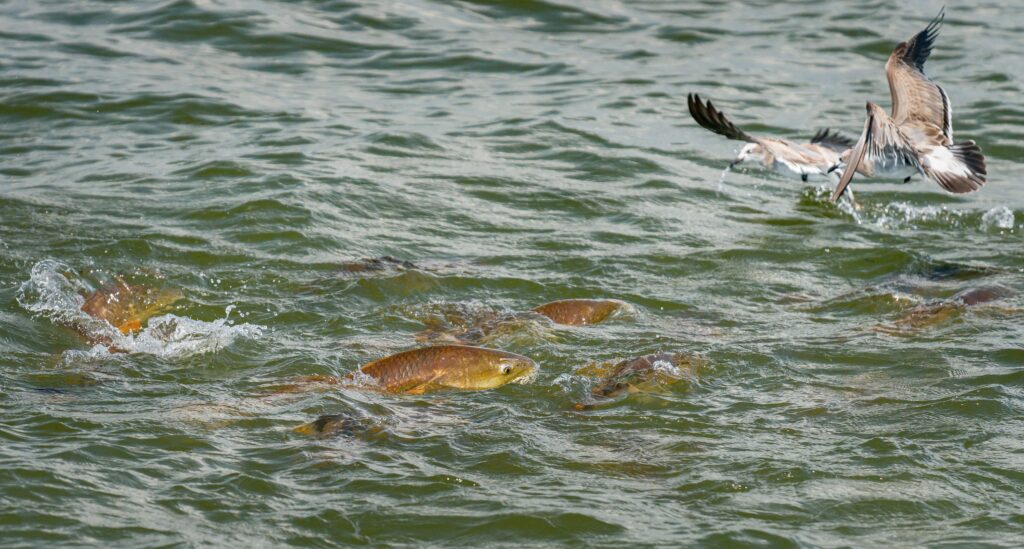
Key Issues for America’s Anglers

Your source for the latest policy updates, conservation challenges, and opportunities shaping America’s fishing traditions.

What TRCP is Doing

We’re fighting for meaningful policy changes that benefit wildlife, our waters, and the American landscapes that make our outdoor traditions possible.

 David Mangum
How Sportsmen Are Doing It Right

David Mangum's Story

Capt. David Mangum is a YETI ambassador and outdoor photographer who utilizes his talents to produce media that inspire a…

Private Land
Why It Matters

Stewardship on America’s private lands

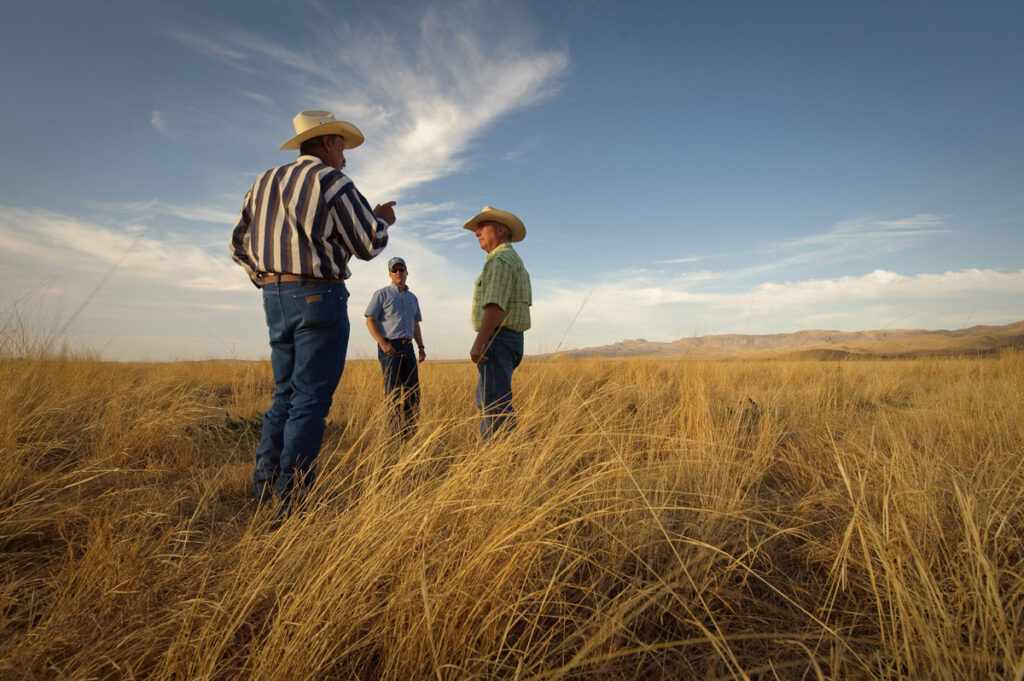
With 70 percent of U.S. lands in private hands and many of our best hunt and fish opportunities occurring there, investing in voluntary conservation on working lands safeguards access, strengthens habitat and water quality, and ensures resilient landscapes.

Learn More
What TRCP is Doing

We champion policies and programs that restore wildlife habitat, improve soil and water health, and keep working lands productive.

 Ward Burton
How Sportsmen are Doing It Right

Ward Burton's Story

Ward Burton’s NASCAR driving career stretched across most of two decades. As an avid sportsman and conservationist, he founded the…

Special Places
Why It Matters

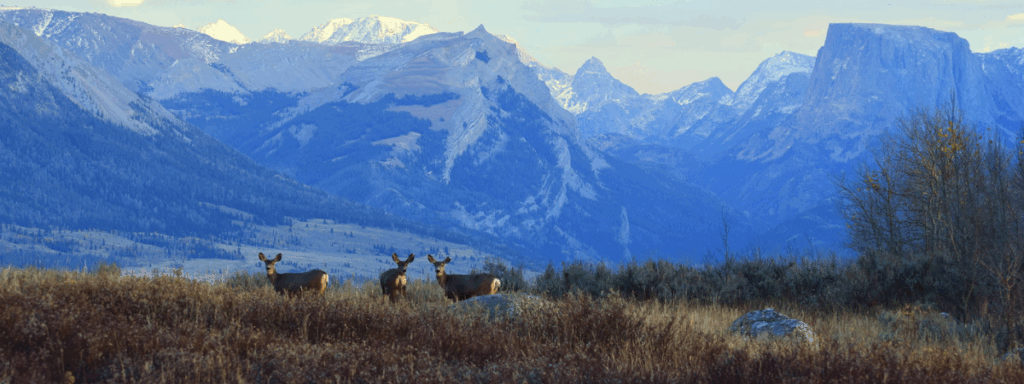
Special Places Worth Protecting

America’s most iconic landscapes provide unmatched habitat and unforgettable days afield. These places sustain wildlife, anchor local economies, and define the hunting and fishing traditions we pass down.

What TRCP is Doing

We’re working to conserve special places that provide world-class habitat and unforgettable opportunities for hunters and anglers.

 Franklin Adams
How Sportsmen Are Doing It Right

Franklin Adams's Story

As a true Gladesman, conservationist, and historian, Capt. Franklin Adams has spent more than six decades championing Everglades restoration efforts…

Habitat & Clean Water
Why It Matters

Healthy Habitat Powers Every Pursuit

All hunting and fishing opportunities depend on quality habitat, from clean water and healthy wetlands to winter and summer habitats and the migration corridors that connect them.

All About Habitat & Clean Water
What TRCP is Doing

We are working to safeguard the habitats that power every hunting and fishing opportunity.

 Alex Harvey
How Sportsmen Are Doing It Right

Alex Harvey's Story

Alex Harvey, founder of Legacy Land Management, is a registered professional forester in Mississippi and Alabama with a Master's degree…

Science
Why It Matters

Science That Guides TRCP

From conserving migration corridors and wetlands to ensuring clean water and resilient landscapes, science provides evidence that turns conservation goals into effective action.

Science for Conservation
What TRCP is Doing

For hunters and anglers, science safeguards the experiences we treasure including resilient big game populations, abundant fish, and wild places that endure changing social landscapes.

Jamelle Ellis
Your Science Expert

Jamelle Ellis's Story

Jamelle Ellis joined the Theodore Roosevelt Conservation Partnership in 2022. Jamelle spent the last three years as an environmental sustainability…

Where We Work
Across the Nation

Conservation Across America

TRCP works across the country to ensure hunters and anglers can enjoy healthy fish and wildlife and quality days afield, no matter where they live.

See All Issues
TRCP in Your Region

TRCP works across the country to ensure hunters and anglers can enjoy healthy fish and wildlife and quality days afield, no matter where they live.

Who We Are
Our Mission

To guarantee all Americans quality places to hunt & fish

We unite and amplify our partners’ voices to advance America’s legacy of conservation, habitat, and access.

Our Mission & Values
Our People & Partners
  • Meet the TRCP Team

    Our staff and board members unite and amplify our partners’ voices to advance America’s legacy of conservation, habitat, and access.

    Meet the Team
  • Our Partners

    ‘Partnership’ is in our name. We work with 64 diverse partner groups that represent today’s leading hunting, fishing, and conservation organizations in order to strengthen the sportsman’s voice in Washington, D.C.

    Our Partners
  • Corporate Council

    TRCP’s Corporate Council is made up of diverse corporations that share a common passion for conservation.

    Corporate Council
Our Organization

Looking for more information?

Explore our latest news, policy updates, and conservation resources to get the information you need.

Giving
How You Can Help

To guarantee all Americans quality places to hunt & fish

Your tax-deductible donation will support TRCP's mission, now and into the future.

DONATE
Special Ways to support trcp
  • Capital Conservation Awards Dinner

    The CCAD is one of Washington's best-attended conservation celebrations, featuring dinner, cocktails, and a silent auction.

    Learn More
  • Step Into the Arena

    Help us ensure that our treasured wild habitats and game remain intact for the next generation to enjoy – lend your support to the TRCP’s efforts today!

    Donate
  • Roosevelt Roast

    TRCP has partnered with Afuera Coffee Co. to further our commitment to conservation.

    Learn More
More donation options

Find the best way for you to lend your support. Join one of TRCP’s donor circles for special invitations, premium offerings from outdoor retailers, and more exclusive benefits. Take control of your legacy with planned giving or contribute to special conservation funds.

Other Ways To Give
News
In the Spotlight

The Next Step for the Tongass

Hunters and Anglers Can Help Shape the Forest Plan.

Read More

Stay Informed

Receive our newsletter, the Roosevelt Report, right in your inbox. Never miss the latest news in conservation issues.

June 25, 2020

How to Report Public Access Challenges and Opportunities

New digital reporting tool created by onX helps users share information to improve public land and water access

Ever since we teamed up with onX to produce our first report on inaccessible public lands in the West, sportsmen and women from around the country have reached out to share stories of hard-to-reach or landlocked hunting and fishing opportunities that they’ve encountered while scouting or in the field. Almost every time, these stories end with a question: How can these situations be resolved?

This week, onX released a new digital tool to report on-the-ground obstacles to public land and water access. Launched in partnership with TRCP as well as Backcountry Hunters & Anglers and the Rocky Mountain Elk Foundation, onX’s Report a Land Access Opportunity platform will allow sportsmen and women to pinpoint areas where access for outdoor recreation is limited or non-existent and to share information that can be used to help improve the situation.

Examples of the types of situations that could be reported include:

  • A property currently for sale that could secure new public access to public lands
  • Public land parcels that have no legal access routes
  • Out-of-place roadblocks, gates or signs that restrict travel to public lands
  • Public waters that are difficult or impossible to reach

In addition, private landowners can use the platform to share routes across their property that they allow the public to use to access public lands, or flag areas where they commonly encounter issues with trespassers trying to reach public lands.

The tool found at onX’s website guides you step-by-step through the reporting process.


Detailed instructions for the submitting an access challenge or opportunity can be found at onX’s website.

No onX membership is required to submit a location. If you use the onX App, you can submit locations directly through the App using the Waypoint Sharing feature. Non-members can sign up for a free App trial or submit locations through the reporting form found here.

When you submit a location, the team at onX will add the location to a database, ensure that the description matches the location, categorize the access situation, and follow up with you if there are any questions. onX will also assess patterns in the data, such as a cluster of reports from a single area, to determine whether there are underlying or systemic causes in a particular region that impede public access. At that point, onX will share the information with the partner organization that best aligns with each project.

“One thing we’ve noted over many years of access work is that there is a mountain of work to do to secure access to many beautiful places and public lands, to open new recreation opportunities near cities and, surprisingly, to secure access to places we already enjoy,” noted onX Founder Eric Siegfried. “We believe the only scalable way to do all this work is to empower people within their community to have a voice and to take action. We thought a good first step was to give people a place where they can easily report an access concern or opportunity, then get connected with the appropriate organization who could help. With that in mind, we’ve created this first iteration of Report a Land Access Opportunity. It’s another small step to achieving this vision, and all of us at onX are excited to see what we can do next with our incredible access partners and you.”

The first round of submissions will be open through December 2020.


Top photo by Kyle Mlynar.

4 Responses to “How to Report Public Access Challenges and Opportunities”

  1. Good tool. Now, are your sharing those posts on available adjacent land or opportunities to establish public access to public waters with state fish and wildllife agencies. A major, long standing issue in Mississippi is that those owning land around natural oxbow lakes are preventing people from accessing those lakes. The issue is that these public lakes are valuable as a duck hunting location and the landowners are leasing the hunting rights to those who pay for the lease. So, when a member of the public does gain legal access and does not pay to lease the hunting rights, the ones leasing the hunting rights get upset, bluff and bully “the nonleasee” and want the fish and wildlife enforcement officers to cite the “offender” for trespassing. We have state laws and Attorney General opinions that state that the public has a right to hunt and fish on public water and all oxbow lakes have been declared public water. One of my questions is why the State of Mississippi is allowing private landowners to lease public water that covers the land these people own. The state should at least get a fee for such private use of public water, like we do for hunting rights/leases of 16th section lands.

  2. Donald lamb

    South Carolina has two national forests.the Francis Marion and the sumpter..these lands were open and hunters were allowed to hunt seasons that were approved by legislators.It was used like this until the mid 1970s the us forest service then turned it over to the scdnr .to control..scdnr then divided it into sections,started charging hunters to hunt them.Then roads were closed hunting days were cut out of seasons.we now are told when where and how to hunt.Roads are blocked off and in terrible shape..The scdnr has completely ruined and totally mismanaged the forest. We should have unlimited access to these lands and also get rid of pay to hunt. They were set aside so sc residents would always have a place to hunt and fish
    Scdnr is doing everything in its power to run the hunters off.it never should have been turned over to a state agency to run..SCDNR makes. Its own rules and regulations to generally keep the hunters out..Not a damn politician will help us.contact the US. Forest service and all they say is scdnr makes the rules

  3. There is a whole hidden layer of public access that can be opened up with a little research. Easements abound to public land. Old county roads, mine to market routes, and stand alone easements are buried in the titles of many landlocked public lands. Goldmine of hidden access

Do you have any thoughts on this post?

XHTML: You can use these tags: <a href="" title=""> <abbr title=""> <acronym title=""> <b> <blockquote cite=""> <cite> <code> <del datetime=""> <em> <i> <q cite=""> <s> <strike> <strong>

Comments must be under 1000 characters.

June 22, 2020

Five Things Your Fishing License Does for Conservation While You Catch Fish

These are your license dollars at work for fish habitat, water quality, and the next generation of anglers

When you buy or renew your fishing license, you’re probably only thinking about the possibility of the new season or a great day on the water. But are you aware of just how hard your license dollars are working on behalf of fish habitat and fishing access?

Here are five examples of how the a portion of the dollars spent on your fishing licenses, boat registrations, fishing gear, and boat fuel purchases go back to conservation and public access. You might be surprised—as much as $1.1 billion annually creates a sizeable down payment on the future of fishing in America.

Improving Fishing and Boating Access

First, funds from license sales go toward fishing and boating access projects. One example is the Ramps & Pier Program in Mississippi, which helps pay for repairs to existing access points and the construction of four to six new boat ramps each year. The state of Oregon also has an excellent model of involving state and federal agencies in adding and upgrading new boating facilities.

Enhancing Water Quality

Boat registration funds help implement clean water projects that benefit fish habitat and improve the experience of anglers and boaters. The Clean Vessel Act program in Hawaii, for example, helped use these funds to construct a new sewage pump-out station and three new floating restrooms at the Haleiwa Small Boat Harbor—all in an effort to protect the sparkling turquoise waters of Hawaii for future generations.

Maintaining Fish Habitat

The excise taxes on your fishing gear go toward fisheries maintenance projects that help manage our state sport fisheries. For example, in New York State, biologists collect data through creel surveys and work to restore fish habitat for native brookies, American shad, river herring, and striped bass largely thanks to the taxes paid by the manufacturers of your fishing rods, reels, lures, baits, and flies. In Massachusetts, these funds are used to map fish habitat with GPS technology, sonar, and underwater vehicles through the state’s Fisheries Habitat Program. The more these experts learn, the better prepared they are to spot habitat issues and plan for improvements.

Salmon migrating upstream in the Bonneville Dam fish ladder. Photo by Tony Grover.
Teaching and Recruiting New Anglers

Fishing license funds also go to work for educational and recruitment programs that introduce new anglers to the sport. As more people take up fishing, there is a greater need for education on topics like species identification, conservation, regulations, and proper catch-and-release techniques. The state of Texas offers free workshops for first-timers or anyone who wants a refresher on the basics, and the saltwater angler education programs hosted by the Massachusetts Division of Marine Fisheries have been so successful that they hope to extend courses to all coastal areas of the state.

Planning for Long-Term Conservation

With an eye toward investing in our marine and freshwater resources, as well as the next generation of anglers, fishing license fees support long-term conservation plans for our rivers and streams. This robust funding, which has nothing to do with the federal balance sheet, is critical to ensuring an adequate quantity and quality of water to maintain the natural balance of aquatic ecosystems. Texas has used this money to fund its River Studies Program that addresses long-term water development, water planning, and water quality issues.

Photo courtesy of Sportsmen for the Boundary Waters.

Whether state agencies are studying rainbow trout populations or repairing boat ramps, your license fees are put to excellent use. Want to get started on your next fishing trip and give back to conservation?  Buy or renew your license here.

Sportsmen and women have a long history of giving back to conservation through our purchases. Read about the federal program responsible for that funding model and the hunters in one Western state who supported raising license fees to do even more for fish and wildlife.

TakeMeFishing.org contributor Debbie Hanson is an outdoor writer and avid angler who has written articles on fishing and boating for publications such as USA Today Hunt & Fish and Game & Fish Magazine. She is a member of the Florida Outdoor Writers Association. Read her blogs at takemefishing.org/blog and visit her personal blog at shefishes2.com.


Photos courtesy of Canstock Photo. This blog was originally posted August 14, 2017 and has been updated.

June 4, 2020

The Great American Outdoors Act Gains Steam on Capitol Hill

Bipartisan public lands legislation introduced in the House

U.S. Representatives Mike Simpson (R-ID) and Joe Cunningham (D-SC) introduced bipartisan legislation in the House of Representatives to permanently and fully fund the Land and Water Conservation Fund and address the crippling maintenance backlog on federal public lands.

The Great American Outdoors Act fully funds LWCF at $900 million annually and addresses crumbling roads, trails, buildings, and water systems on National Park Service, U.S. Forest Service, Bureau of Land Management, and National Wildlife Refuge lands. The Congressional Research Service calculates that these four agencies have a combined deferred maintenance backlog totaling more than $19 billion.

“The Great American Outdoors Act is smart conservation that is long overdue,” said Whit Fosburgh, president and CEO of the Theodore Roosevelt Conservation Partnership. “This bipartisan bill will improve our trails and recreation sites making it easier for hunters and anglers to access natural resources. It also makes lasting investments in our outdoor recreation economy at a time when we need to get Americans back to work. We want to thank Representatives Simpson and Cunningham and all the co-sponsors for working across the aisle and introducing this legislation.”

The bill is also co-sponsored by Congressman Brian Fitzpatrick (R-PA), Congresswoman Mikie Sherrill (D-NJ), Congressman John Katko (R-NY), Congressman T.J. Cox (D-CA), Congressman Lee Zeldin (R-NY), Congresswoman Xochitl Torres Small (D-NM), Congressman Steve Stivers (R-OH), Congresswoman Kendra Horn (D-OK), Congressman Jeff Fortenberry (R-NE), and Congressman Jared Golden (D-ME).

The Senate is expected to vote on the Great American Outdoors Act the week of June 8. Sportsmen and women can take action to support the legislation here.


Photo Credit: US Forest Service

May 22, 2020

Add #ResponsibleRecreation to Your Facebook Profile Photo

A step-by-step on how to add our new #ResponsibleRecreation frame to your Facebook photo

On Desktop

1.Go to your personal profile homepage or follow this link.

2. Use your cursor to select the circular profile photo icon. A dropdown menu will appear with two options: “View Profile Picture” and “Update Profile Picture.” Select “Update Profile Picture.”

3. On the next interface, choose the “Add Frame” option located in the upper-right.

4. menu displaying popular default frames will appearUsing the search box at the top of your screen, search #ResponsibleRecreation TRCP. Select the TRCP #ResponsibleRecreation frame (example below.)

5. Reposition your profile picture within the frame and use the gray slider to adjust the sizeOnce you are satisfied with your layout, select the “Use as Profile Photo” option on the bottom right side of the box 

6. Congratulations! You have updated your Facebook profile with the #ResponsibleRecreation frame! 

On Mobile

1. Make sure your Facebook mobile app is up to date

2. Navigate to your profile homepage. 

3. Tap the circular profile picture icon. It should appear in the upper center of your device 

4. Select “Add Frame. A feed will appear with popular and suggested frames. Using the gray search bar, search #ResponsibleRecreation TRCP 

5. Select the TRCP branded #ResponsibleRecreation frame (example below.) Facebook will present you with a preview of your profile photo with the new frame. To edit or adjust your profile photouse the gray “Edit” button.  

6. Once you are satisfied with your layout, select “Save” in the upper righthand corner.

7. Congratulations! You have updated your Facebook profile with the #ResponsibleRecreation frame! 


Top photo by Chris Burkard

HOW YOU CAN HELP

TRCP has partnered with Afuera Coffee Co. to further our commitment to conservation. $4 from each bag is donated to the TRCP, to help continue our efforts of safeguarding critical habitats, productive hunting grounds, and favorite fishing holes for future generations.

Learn More
Subscribe


You have Successfully Subscribed!

You have Successfully Subscribed!

You have Successfully Subscribed!

You have Successfully Subscribed!

You have Successfully Subscribed!