Our Issues
Public Lands
Why It Matters

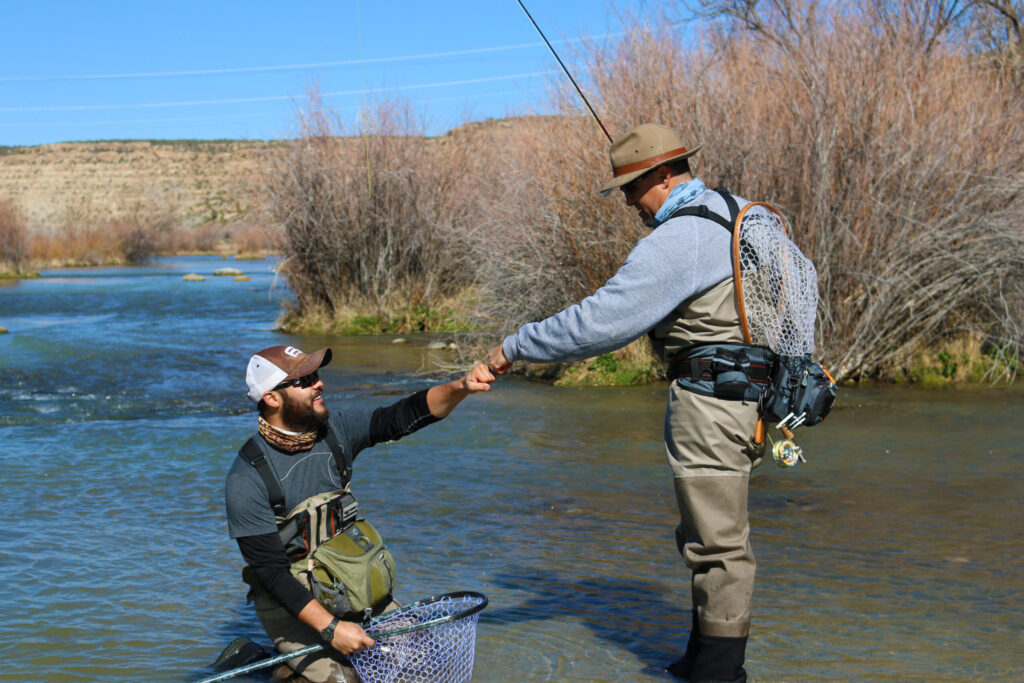
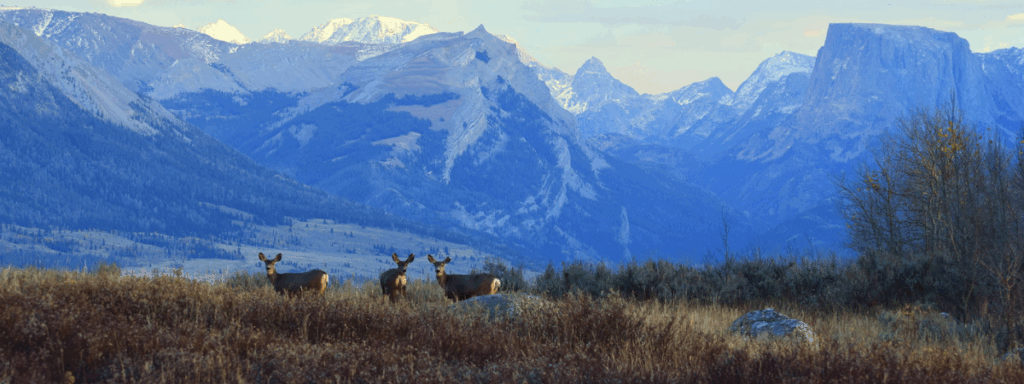
Hunting & Fishing Access

America’s 640 million acres of national public lands provide irreplaceable hunting and fishing opportunities to millions of Americans.

Learn More About Access
What TRCP is Doing

We’re working to safeguard America’s public lands so hunters and anglers always have quality places to pursue their passions.
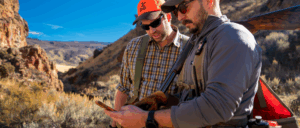
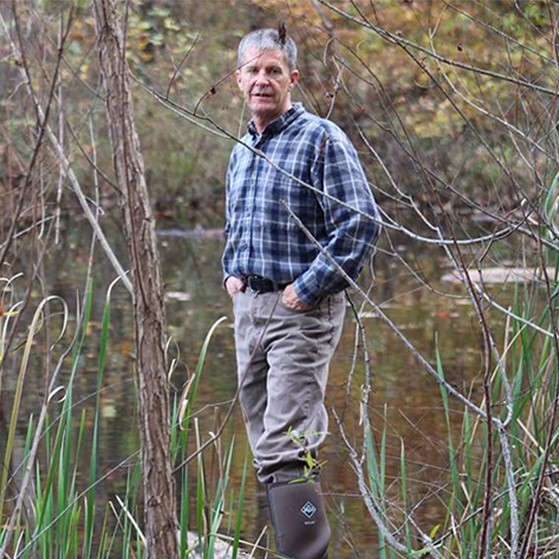
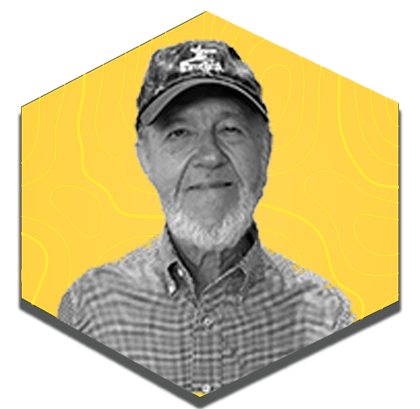
 Brian Flynn, Two Wolf Foundation
How Sportsmen Are Doing It Right

Brian Flynn, Two Wolf Foundation's Story

Following a distinguished career in the U.S. Army, lifelong outdoorsman Brian Flynn returned home from a deployment in Afghanistan and…

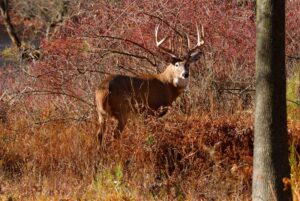
Hunting
Why It Matters

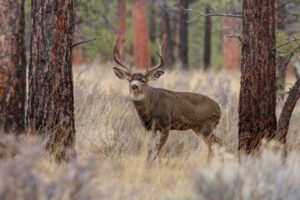
Key Issues for America’s Hunters

Your source for the latest policy updates, conservation challenges, and opportunities shaping America’s hunting traditions.

What TRCP is Doing

We’re fighting for meaningful policy changes that benefit wildlife, our waters, and the American landscapes that make our outdoor traditions possible.

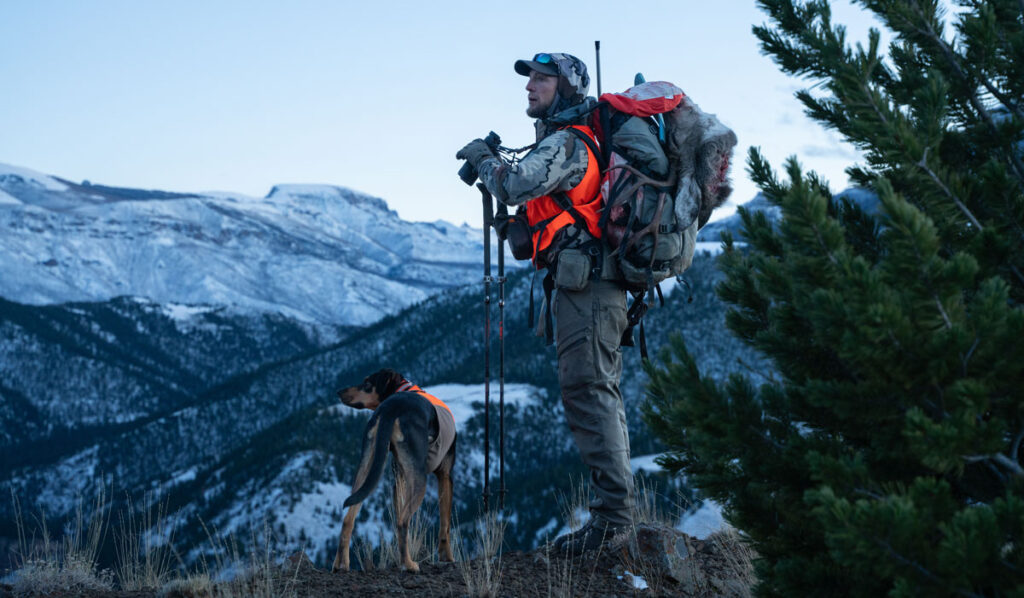
 Ryan Sparks
How Sportsmen Are Doing It Right

Ryan Sparks's Story

TRCP’s “In the Arena” series highlights the individual voices of hunters and anglers who, as Theodore Roosevelt so famously said,…
Fishing
Why It Matters

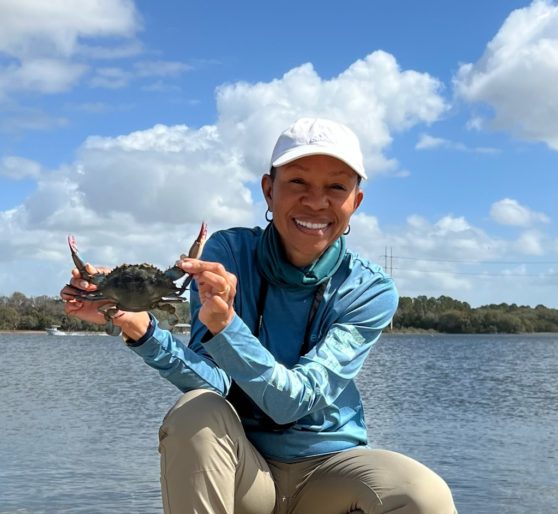
Key Issues for America’s Anglers

Your source for the latest policy updates, conservation challenges, and opportunities shaping America’s fishing traditions.

What TRCP is Doing

We’re fighting for meaningful policy changes that benefit wildlife, our waters, and the American landscapes that make our outdoor traditions possible.

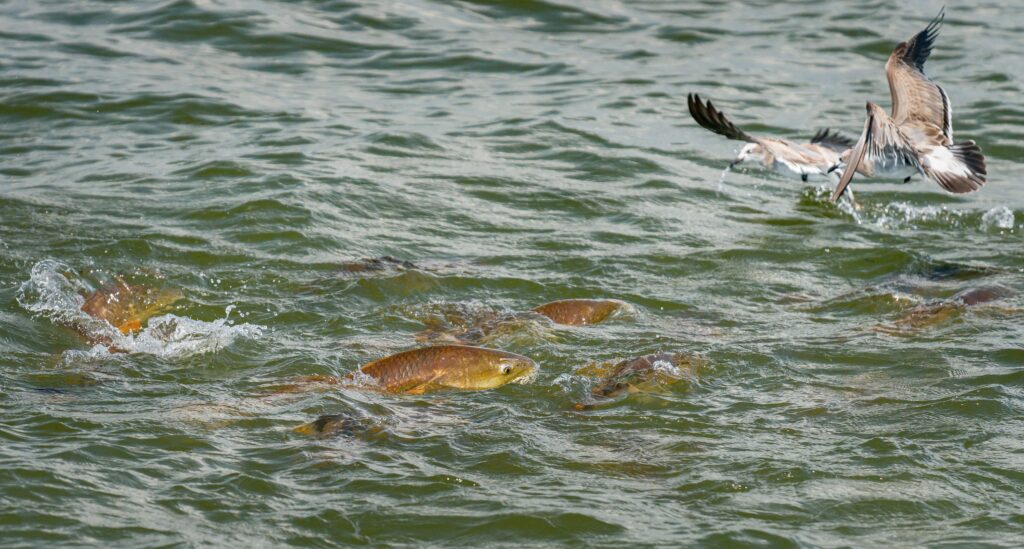
 David Mangum
How Sportsmen Are Doing It Right

David Mangum's Story

Capt. David Mangum is a YETI ambassador and outdoor photographer who utilizes his talents to produce media that inspire a…

Private Land
Why It Matters

Stewardship on America’s private lands

With 70 percent of U.S. lands in private hands and many of our best hunt and fish opportunities occurring there, investing in voluntary conservation on working lands safeguards access, strengthens habitat and water quality, and ensures resilient landscapes.

Learn More
What TRCP is Doing

We champion policies and programs that restore wildlife habitat, improve soil and water health, and keep working lands productive.

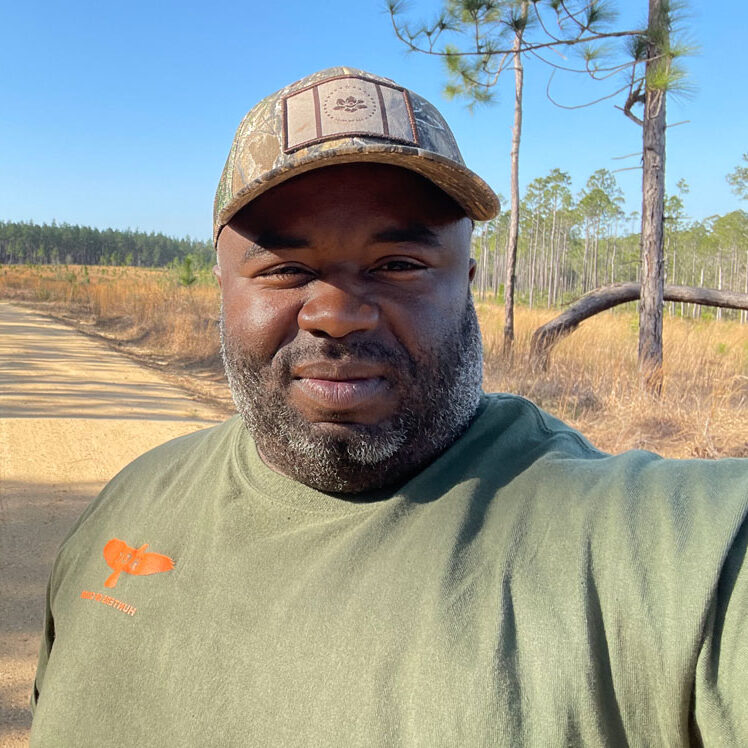
 Ward Burton
How Sportsmen are Doing It Right

Ward Burton's Story

Ward Burton’s NASCAR driving career stretched across most of two decades. As an avid sportsman and conservationist, he founded the…

Special Places
Why It Matters

Special Places Worth Protecting

America’s most iconic landscapes provide unmatched habitat and unforgettable days afield. These places sustain wildlife, anchor local economies, and define the hunting and fishing traditions we pass down.

What TRCP is Doing

We’re working to conserve special places that provide world-class habitat and unforgettable opportunities for hunters and anglers.

 Franklin Adams
How Sportsmen Are Doing It Right

Franklin Adams's Story

As a true Gladesman, conservationist, and historian, Capt. Franklin Adams has spent more than six decades championing Everglades restoration efforts…

Habitat & Clean Water
Why It Matters

Healthy Habitat Powers Every Pursuit

All hunting and fishing opportunities depend on quality habitat, from clean water and healthy wetlands to winter and summer habitats and the migration corridors that connect them.

All About Habitat & Clean Water
What TRCP is Doing

We are working to safeguard the habitats that power every hunting and fishing opportunity.

 Alex Harvey
How Sportsmen Are Doing It Right

Alex Harvey's Story

Alex Harvey, founder of Legacy Land Management, is a registered professional forester in Mississippi and Alabama with a Master's degree…

Science
Why It Matters

Science That Guides TRCP

From conserving migration corridors and wetlands to ensuring clean water and resilient landscapes, science provides evidence that turns conservation goals into effective action.

Science for Conservation
What TRCP is Doing

For hunters and anglers, science safeguards the experiences we treasure including resilient big game populations, abundant fish, and wild places that endure changing social landscapes.

Jamelle Ellis
Your Science Expert

Jamelle Ellis's Story

Jamelle Ellis joined the Theodore Roosevelt Conservation Partnership in 2022. Jamelle spent the last three years as an environmental sustainability…

Where We Work
Across the Nation

Conservation Across America

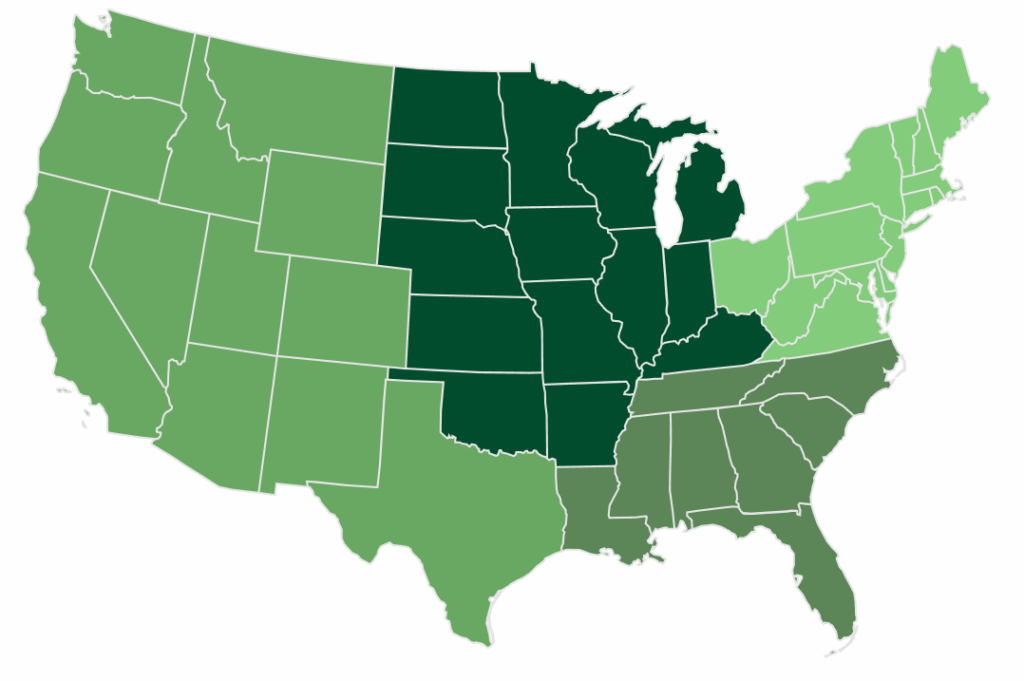
TRCP works across the country to ensure hunters and anglers can enjoy healthy fish and wildlife and quality days afield, no matter where they live.

See All Issues
TRCP in Your Region

TRCP works across the country to ensure hunters and anglers can enjoy healthy fish and wildlife and quality days afield, no matter where they live.

Who We Are
Our Mission

To guarantee all Americans quality places to hunt & fish

We unite and amplify our partners’ voices to advance America’s legacy of conservation, habitat, and access.

Our Mission & Values
Our People & Partners
  • Meet the TRCP Team

    Our staff and board members unite and amplify our partners’ voices to advance America’s legacy of conservation, habitat, and access.

    Meet the Team
  • Our Partners

    ‘Partnership’ is in our name. We work with 64 diverse partner groups that represent today’s leading hunting, fishing, and conservation organizations in order to strengthen the sportsman’s voice in Washington, D.C.

    Our Partners
  • Corporate Council

    TRCP’s Corporate Council is made up of diverse corporations that share a common passion for conservation.

    Corporate Council
Our Organization

Looking for more information?

Explore our latest news, policy updates, and conservation resources to get the information you need.

Giving
How You Can Help

To guarantee all Americans quality places to hunt & fish

Your tax-deductible donation will support TRCP's mission, now and into the future.

DONATE
Special Ways to support trcp
  • Capital Conservation Awards Dinner

    The CCAD is one of Washington's best-attended conservation celebrations, featuring dinner, cocktails, and a silent auction.

    Learn More
  • Step Into the Arena

    Help us ensure that our treasured wild habitats and game remain intact for the next generation to enjoy – lend your support to the TRCP’s efforts today!

    Donate
  • Roosevelt Roast

    TRCP has partnered with Afuera Coffee Co. to further our commitment to conservation.

    Learn More
More donation options

Find the best way for you to lend your support. Join one of TRCP’s donor circles for special invitations, premium offerings from outdoor retailers, and more exclusive benefits. Take control of your legacy with planned giving or contribute to special conservation funds.

Other Ways To Give
News
In the Spotlight

TRCP Appreciates Make America Beautiful Again 250 Strategy and Migration Announcements

Efforts will continue progress on habitat, access, and big game migration corridor conservation

Read More

Stay Informed

Receive our newsletter, the Roosevelt Report, right in your inbox. Never miss the latest news in conservation issues.

May 1, 2020

Why Allow Hunting and Fishing on Wildlife Refuges?

A brief history of these public lands and how they can be used

With Interior Secretary David Bernhardt’s latest proposed expansion of hunting and fishing access on 97 national wildlife refuges and nine fish hatcheries across the country, there seems to be plenty to celebrate. But our coverage of this plan has generated questions from TRCP supporters about why this is a good idea.

Don’t refuges exist to give animals a space to take, well, refuge from hunting pressure?

Yes, they do. But there is more to the story of how these public lands are used. As a former wildlife refuge biologist and TRCP’s chief scientist, I’ll offer my perspective on how refuge habitats are managed, how wildlife uses them, and why it could certainly be a benefit to have hunters and anglers enjoy more access to refuges and hatcheries where it makes sense to do so.

A Brief History Lesson

The very first national wildlife refuge was established at Pelican Island in Florida by none other than Theodore Roosevelt, who went on to create 52 bird refuges and 4 big game refuges between 1903 and 1909. A total of 567 refuges now comprise the National Refuge System that spans some 95 million acres across the country.

The primary objective for refuges is to conserve, restore, and enhance fish, wildlife, and their habitats, but these lands are not off-limits to other uses, so long as they do not interfere with these key goals. Modern-day refuges are stringently managed as a system with six priority public uses outlined for wildlife-related activities—hunting, fishing, photography, wildlife watching, environmental education, and interpretation. In fact, the DOI estimates that wildlife-related recreation on refuges generates more than $3 billion annually, which benefits the business community near each of these public lands.

There are also 70 national fish hatcheries in 35 states. By 1870, growing concern over declining fish stocks prompted the establishment of fish spawning stations, many of which later became the first fish hatcheries in a national system.

Sandhill cranes on Wheeler National Wildlife Refuge in Alabama. Photo by Tim Lumley.
Recreation and Refuges

The debate over whether hunting should or should not occur on national wildlife refuges is nothing new, and there is a long history of both support and opposition. The name refuge does relate to its purpose—in fact, the U.S. Fish and Wildlife Service explicitly states: “National wildlife refuges exist primarily to safeguard wildlife populations through habitat preservation. The word ‘refuge’ includes the idea of providing a haven of safety for wildlife, and as such, hunting might seem an inconsistent use of the National Wildlife Refuge System. However, habitat that normally supports healthy wildlife populations produces harvestable surpluses that are a renewable resource.”

By law, hunting and fishing on refuges is closed to the public unless otherwise opened as a priority public use by the Secretary of Interior. The current proposal by DOI would do this only where it makes sense and after a public process. And each of the refuges and fish hatcheries that make the final plan will be managed differently.

As you can imagine, there are few one-size-fits-all approaches to management of 567 refuges and 70 fish hatcheries, which is why hunting and fishing regulations on these public lands are diverse and often complicated. Some units do not allow hunting at all—currently, 197 refuges do not allow any form of hunting. Some units are only open for certain species of game. Only portions of a refuge may be open for some species, while others may be hunted on every acre except in safety zones.

When, where, and how hunting or fishing is allowed is dependent on several factors, and the decision to permit these activities is made on a case-by-case and unit-by-unit basis by local refuge managers and biologists. Considerations include the purpose and objectives of each refuge or hatchery, its biological soundness, and the public demand for and economic feasibility of providing recreation while protecting other resources.

Plus, there are legal requirements depending on how a refuge was established. For example, refuges established as migratory bird sanctuaries may allow hunting of migratory waterfowl on no more than 40 percent of the refuge acreage. Waterfowl hunting may be opened in more than 40 percent of a refuge if the Interior Secretary finds it would be “beneficial to the species,” but this is not the norm.

Expanding Access and Simplifying the Rules

Just as each refuge is different, so are the changes for each unit in the DOI’s current proposal. Many of the refuge acres proposed for hunting are in remote, rural areas where these activities would be readily welcomed—like the 41 limited-interest easement refuges in North Dakota potentially opened for upland and big game hunting and fishing in accordance with state regulations.

Where other priority public uses are already allowed, like photography and wildlife watching, proposed hunting or fishing access could be more controversial and will require greater attention to balancing all uses to ensure public safety. Still, some of the proposed changes would simply add an additional species for harvest where hunting already takes place.

The proposed rule also simplifies regulations for refuge users, as the U.S. Fish and Wildlife Service worked to better align their rules with state wildlife agencies during this process.

Clarks River National Wildlife Refuge. Photo by Michael Johnson/USFWS.
Harvest Must Be Sustainable

In my 30-year career as a wildlife biologist, I have not been aware of a situation where hunting on refuges caused severe population-level impacts for any species in the era of contemporary wildlife management. The USFWS has long acknowledged that, as practiced on refuges, hunting does not pose a threat to the wildlife populations, and in some instances, it is necessary for sound wildlife management.

Harvesting wildlife on refuges is carefully regulated to ensure balance between population levels and wildlife habitat, just as it is on other public lands. When deer populations, for example, exceed what is sustainable for that habitat, some are harvested to ensure the health of the herd and landscape. We also need to remember that hunting on refuges must comport not only with federal regulations but also those of the states, including their season dates, bag limits, and possession limits.

Still, in an ever-changing world experiencing continued habitat loss, some argue that hunting on refuges may only exacerbate species impacts. The adjustment of season dates and bag limits based on the population and desired harvest goals would, of course, be applied. If duck populations decrease, so will allowable harvest—a fundamental underpinning of the North American Waterfowl Management Plan.

Keeping a Balance

Even if this historic expansion of hunting and fishing access is finalized, it’s NOT a free-for-all on our fish and wildlife, folks. We have a strong system of laws and harvest management in place, based on the best available information gathered readily by state and federal agencies.

A more important concern regarding this proposal centers on the resources needed to administer more access. As Caroline Brower of the National Wildlife Refuge Association points out in her recent blog, we should be concerned about staff and funding for an agency that would struggle to manage habitat, existing refuge programs, and expanded hunting and fishing opportunities. Congress and the DOI would need to ensure that investments in our refuge and hatchery system more than meet the value of additional access to these lands.

The TRCP supports expanding opportunities for hunting and fishing, but we also support your ability to watch, photograph, and learn about wildlife on these public lands—many of which provide the only immersive outdoor experiences within driving distance of large urban areas.

Balance is, of course, the key. And this is why your opinion matters in the public process of vetting where hunting and fishing should be allowed. Here is the official list of refuges and hatcheries and what expansions are proposed. Public comments will be accepted until June 8, 2020, so make your voice heard.


Top photo of waterfowl hunting at Ridgefield National Wildlife Refuge by Brent Lawrence/USFWS via flickr.

11 Responses to “Why Allow Hunting and Fishing on Wildlife Refuges?”

  1. Having Hunted Tulelake NWR for 40yrs and enjoyed every minute of it. It is now sad to say the refuge is micro-managed and purely by luck of the draw, your success is based on. Unable to scout (as we did) you have no educated choice to where you will hunt for the day. Thank You for your time.

  2. The comment that USFWS needs funding is spot on and the crux of this debate. My experience living in Indiana there were only 3 national groups that supported Indiana NWRs. Conservation groups must come together and seek a written commitment from the administration to fund this initiative and all other long term annual needs. Perhaps as well it’s time to for conservation groups to look at other dedicated funding options such as user fees. This is a needed critical investment for us and the next generation. We need a new Teddy Roosevelt to step.

  3. James R Harris

    Where it meets the needs of both animals and the public hunting and fishing is the correct approach. This management of the renewables resources should meet most peoples approval.

  4. Ed Fulton

    I for sure support more hunting and fishing access on wildlife refuges. One I use often on the Green River north of Green River Wyoming and the extension of which is located on the Bear River could benefit by better access. Thanks for promoting improved access. ED

  5. Gene Hardin

    While there may be a place for hunting and fishing in NWRs, it needs to be tightly controlled and noght a free for all. Also the ban on lead shot should be reinstated that was so stupidly revoked by former corrupt Secretary of Interion Zinke. Lead shot is a hazard to all wildlife.

  6. Bill Fraser

    “In my 30-year career as a wildlife biologist, I have not been aware of a situation where hunting on refuges caused severe population-level impacts for any species in the era of contemporary wildlife management.”
    The above quote, taken from the article itself, reveals the nonsense associated with this idea, circular thinking at its best. Of course hunting on refuges will not impact wildlife, the impact comes from outside of the refuges where a host of other variables are impacting wildlife. The refuges are there to mitigate these impacts, hence the reason wildlife use them, hunting will just introduce a new activity withing the refuges that wildlife are trying to avoid on the outside — should we try mining or fracking next? Hunting in the refuges is the foot in the door that the Dept. of the Interior is seeking to eventually wreak a lot more havoc in these important habitats.

  7. Bob Matuzak

    I think it’s great to open these areas to hunting & fishing, my problem is when the DOI “sells” access to guides & outfitters thereby restricting of that area to the public. It’s public land paid for with my tax dollars – don’t lock me out!!!

  8. John Wilbrecht

    I am a retired refuge mgr with 28 yrs svc. In 1985 when refuge hunts were first proposed it was mandatory that the first consideration was that “it would not conflict with the primary purpose for which the refuge was established.”

    Of course close coordination with the state natural resource agency was necessary to avoid any conflicts in regulations. I’m curious if the current expansion is “the largest boost-in history”? I’d like to see the figures.

Do you have any thoughts on this post?

XHTML: You can use these tags: <a href="" title=""> <abbr title=""> <acronym title=""> <b> <blockquote cite=""> <cite> <code> <del datetime=""> <em> <i> <q cite=""> <s> <strike> <strong>

Comments must be under 1000 characters.

April 10, 2020

Largest Expansion of Hunting and Fishing Access Proposed for Refuges

Here’s where new acres could be open to sportsmen and women by fall 2020

This week, the Department of the Interior announced its latest proposal for expanding hunting and fishing access on National Wildlife Refuges and National Fish Hatcheries, which the department says would represent the single largest boost to access on U.S. Fish and Wildlife Service lands in the agency’s history.

In a move that would benefit sportsmen and women in 46 states, DOI Secretary David Bernhardt has proposed enhancing recreation opportunities across more than 2.3 million acres at 97 national wildlife refuges and 9 national fish hatcheries. This is in addition to the 1.4 million acres of expanded access established last fall at 77 refuges and 15 hatcheries (including these eight hot spots.)

By our count, if the current proposal is finalized, 74 public lands would provide expanded seasons, clearer regulations, and opportunities to pursue additional species on areas already open to hunting and sportfishing. But the biggest gains are where additional acres would be opened up to hunting and/or fishing for the very first time.

Here’s where you could be exploring new terrain by this fall.

Merganser in flight at San Diego National Wildlife Refuge. Photo by Rinus Baak/USFWS.
The West

Under the plan, San Diego Bay National Wildlife Refuge would be open to sportfishing for the first time. There are no specific details on where fishing would be allowed, but restored tidal flats and salt marshes have improved fish habitat. And California’s pheasant hunters could see a longer season at San Luis National Wildlife Refuge.

Idaho’s Kootenai National Wildlife Refuge would expand its sportfishing areas, and on the opposite end of the state, Minidoka National Wildlife Refuge could expand its offerings for deer, bobcats, migratory birds, and upland game. Minidoka has also proposed extending its elk hunting area south of Lake Walcott to more than triple the acreage. Heading toward the border with Oregon, more sportfishing would be available at Deer Flat National Wildlife Refuge.

Montana already has an embarrassment of riches when it comes to hunting and fishing, but if Lee Metcalf National Wildlife Refuge is close to home, you could have more acres for turkey and deer hunting or new sportfishing opportunities.

In Colorado, migratory bird and upland game hunting would be expanded to new acres at both Alamosa and Monte Vista National Wildlife Refuges—and you can get from one to the other in about 30 minutes if it seems like a bunch of trucks are parked when you arrive. Anglers would also find new access at Alamosa under the Secretary’s proposal.

Washington is perhaps the biggest winner in the West, with five fish hatcheries and two wildlife refuges poised to offer more access. Sportfishing would be open for the first time at Willard National Fish Hatchery and Abernathy Fish Technology Center. On the hunting side, sportsmen and women would see a major expansion for migratory bird and upland and big game hunting at Leavenworth, Little White Salmon, and Spring Creek national fish hatcheries. Blacktail, mule deer, elk, wild turkey, grouse, and bear hunting would be possible across these three public lands.

The Southwest

In Arizona, Leslie Canyon National Wildlife Refuge would be open to migratory bird, upland game, and big game hunting for the first time. Cibola National Wildlife Refuge would expand upland and big game hunting to new acres, while opening some dove hunting in its existing huntable areas. You could also get a new opportunity to chase muleys in the deep backcountry of Cabeza Prieta National Wildlife Refuge, where there is already a limited desert bighorn sheep hunt each December.

The only expansion for waterfowl hunters would be in New Mexico, on Bosque del Apache National Wildlife Refuge, where javelina and hog hunting would also be opened. Nevada’s Fallon National Wildlife Refuge would also be open to hunting for the very first time. Finally, everything’s bigger in Texas, and refuge access is no exception under this proposal: Get ready for four of these public lands to expand huntable acres for turkeys, deer, pheasants, javelina, hogs, and doves.


Blackwater National Wildlife Refuge in Maryland. Photo by Judy Gallagher.
The Mid-Atlantic

New York could offer more deer hunting opportunities by fall, which is great news for a state with heavy hunting pressure on public lands. Maryland could see new opportunities to hunt deer and migratory birds at Blackwater Refuge, and sportfishing would be open for the first time at Delaware’s Bombay Hook National Wildlife Refuge. You sharpshooters who can tell a snipe from a woodcock would also get new acres to explore in Delaware. Finally, in Pennsylvania, Lamar National Fish Hatchery could open to sportfishing for the first time.

The Midwest

Illinois big game hunters would win new acres at Crab Orchard and Two Rivers refuges. Meanwhile, Great River National Wildlife Refuge could expand turkey season dates to further align with the rest of the state. Middle Mississippi River National Wildlife Refuge, with multiple tracts accessible from either Illinois or Missouri, would open hunting for the first time. And there’s something for everyone, including rail, snipe, woodcock, doves, coyotes, bobcats, pheasants, and raccoons.

Migratory bird hunting would be open for the first time at Indiana’s Muscatatuck National Wildlife Refuge, along with expanded opportunities for small game and turkeys. And new acres would be open to pheasant, upland, and big game hunters at Patoka River National Wildlife Refuge. Count anglers in for expanded access there, too.

Minnesota would get a little of everything in this expansion—on Rydell and Northern Tallgrass Prairie refuges—including duck, geese, coot, woodcock, dove, grouse, pheasant, and wild turkey hunting. And in Kansas, existing turkey hunting and sportfishing—for walleyes, largemouth bass, black crappie, and channel catfish—would expand to new acres at Kirwin National Wildlife Refuge. Existing deer hunting areas at Flint Hills refuge would be open to some small game, bobcat, and coyote hunting, while deer hunters would join pheasant, quail, and duck hunters for the first time at Quivira refuge.

St. Marks Refuge in Florida. Photo by Alan Cressler/USGS.
The Southeast

Florida is a big winner in this proposal: The Everglades Headwaters National Wildlife Refuge—not to be confused with Everglades National Park, which is three hours away—would be open to sportfishing and migratory bird, upland, and big game hunting for the first time, in alignment with all state regulations. Big game and upland hunters will also find new access at St. Marks National Wildlife Refuge. Deer and hog hunters would be welcome for the first time at Arthur R. Marshall Loxahatchee National Wildlife Refuge outside Boynton Beach.

Not too far up route 75 in Georgia, gator hunters could have their first season at Banks Lake National Wildlife Refuge. And adventurous hunters can potentially up their (small) game at Savannah National Wildlife Refuge, which could soon offer armadillo, beaver, opossum, and raccoon hunting on both sides of the Georgia-South Carolina border.

The Northeast

In Connecticut, deer and turkey hunters would be welcome in new and existing hunting areas at Stewart B. McKinney National Wildlife Refuge. Bonus acres would be open to bird hunters and goose hunters could get a longer season. Neighbor-to-the-north Vermont would get brand new fishing access at Dwight D. Eisenhower National Fish Hatchery.

The DOI proposal would be welcome news for saltwater and freshwater anglers in Maine and New Hampshire: Sportfishing would be expanded at Rachel Carson National Wildlife Refuge on the southern coast and opened for the first time on the lakes at Umbagog National Wildlife Refuge.

Sportsmen and women in Massachusetts are within driving distance of so many of these opportunities, but they stand to gain a lot at home, too. New acres would be open to duck, bear, coyote, migratory bird, upland game, wild turkey and big game hunting across three refuges—Assabet River, Oxbow, and Great Meadows. And sportfishing would be open for the first time at Berkshire National Fish Hatchery.

The full list of proposed refuges and hatcheries can be found here or find your state on this map.


Top photo of deer hunting on an Iowa refuge by USFWS Midwest Region via flickr.

March 20, 2020

MAPLand Act: The Basics

Landmark new legislation in Congress promises to bring public land access into the 21st century

Digital mapping and GPS technologies have revolutionized the ways in which sportsmen and women navigate public lands. By pinpointing a user’s real-time location on the landscape, handheld GPS units and smartphone applications allow hunters and anglers to know exactly where they stand relative to property boundaries and other key landmarks.

Unfortunately, when it comes to public lands, incomplete and inconsistent mapping data prevents hunters and anglers as well as land management agencies—including the Forest Service, Bureau of Land Management, National Park Service, and Army Corps of Engineers—from utilizing the full benefit of these technologies. 

But a bipartisan bill recently introduced into both chambers of Congress promises to bring our public land mapping records into the 21st century. Here’s how the Modernizing Access to our Public Land (MAPLand) Act would do that.

Photo: Rick Hutton
Restoring lost recreation opportunities

Most recreational opportunities on public lands are identified in agency management plans and appear on agency-produced paper maps that show, for instance, roads and trails open to different types of motorized and non-motorized vehicles. Sometimes alongside a national forest road you’ll see a sign marking a zone where hunting or recreation shooting is, such as near a campground or forest service ranger station. Other times you’ll pull up to a mountain lake parking lot and a sign is posted that specifies horsepower restrictions for boats. 

While some of this information might, in certain places, be available in a GPS-compatible format, in most places it is not. As a result, it is difficult for the general public to find specific information about available recreation opportunities on their public lands without spending considerable time exploring public lands to ground-truth areas or poring over volumes of agency documents. Sometimes, a person might avoid hunting in an area altogether simply because they can’t tell by looking at a sign where the shooting boundary starts and ends. Many members of the public might also avoid driving on an open road because the existing sign long ago went missing and they don’t want to inadvertently break the rules. 

A lack of modern information about recreational access opportunities on public lands is resulting in lost days afield, and in the 21st century, sportsmen and women should be able to reference their handheld GPS or other mapping units so that they can instantly know the rules for recreation and where the boundaries of restricted areas are located within a matter of feet. Such measures would not only help busy Americans discover new recreation opportunities and give them confidence to enjoy the outdoors, but it would also reduce conflicts and the likelihood that outdoor enthusiasts will break the rules. 

This need for better information is what the MAPLand Act is designed to address by providing funding and guidance to our land management agencies to digitize mapping information about outdoor recreation. This includes, among other things, seasonal allowances and restrictions for vehicle use on public roads and trails; boundaries of areas where hunting or recreational shooting is regulated or closed; and portions of rivers and lakes on federal land that are closed to entry, closed to watercraft, or have horsepower limitations for watercraft.

Photo: Rick Hutton
Shining a Light on Access Opportunities and Challenges

Millions of acres of federal public lands across the country have restricted access, particularly in areas with mixed public and private landownership. In the West alone, more than 9.52 million acres of federal public lands have no permanent legal means of access and permission to access to public lands across private property can be difficult to obtain.    

In many places where public land trail and road access exists across private land, it was established by a legal agreement known as an easement, in which an agency such as the BLM or Forest Service formally acquired the permanent right for the public to travel a designated route (such as a road or trail) across private land. 

Many of the agencies’ records of access easements across private lands are still held on paper files at local offices and cannot be easily accessed or reviewed. The Forest Service alone has an estimated 37,000 recorded easements, but only 5,000 have been digitized and uploaded into an electronic database.

Currently, the federal land management agencies lack the resources and capacity to digitize and standardize these records. Because of this, it is difficult for hunters and anglers to understand the full extent of access opportunities. And when they are not used, public rights-of-way can be forgotten by the public and the agency alike. 

MAPLand would require our public land agencies to digitize records of easements or rights-of-way across private lands, making it possible for the public to understand where public access has been formally secured in legal records. Doing so would both help expand public access opportunities and reduce conflict with landowners, because everyone would have factual information about access allowances and restrictions.    

In addition, by giving land managers a comprehensive picture of all available access points, they can fulfill their mission to identify public lands with limited or nonexistent public access, and take proactive steps in cooperation with private landowners to open those lands to the public. Conservation groups and land trusts that have been working on access issues will be able to use this data to identify priority areas and work more efficiently to expanding opportunities on our public lands. 

Take Action

Elected officials need to know how much MAPLand would mean to hunters and anglers. Write your lawmakers today and ask them to support public land access! 


Top photo: Rick Hutton

March 13, 2020

Our Call to Modernize Public Lands Data

Here’s why MAPLand could be a game-changer for unlocking inaccessible public lands

When onX and TRCP teamed up in 2018 to study the issue of landlocked federally managed public lands in the West, we highlighted several priorities that needed to be addressed by agencies and lawmakers in order to work on opening access to the 9.52 million acres of public lands in the West where it currently does not exist.

Here’s what we had to say about the need for digitized, standardized easement data, which helps explain why the MAPLand Act is such a critical piece of legislation.

DOWNLOAD THE REPORT

“As much as these findings identify a clear need for expanded access to public lands and waters, they also highlight the need for federal land management agencies to develop standardized datasets for easements, rights-of-way, and established corridors across private land to which the public has binding and legal public access. Many of these access rights were secured decades ago, and they remain housed locally at land management agency offices in paper and electronic files.
While this report’s analysis is based on the most comprehensive road inventory currently available, the lack of readily obtainable data on easements and rights-of-way makes it all but impossible for anyone – including the agencies themselves – to have a complete understanding of where legal public access exists, or does not exist, across private lands.
Compiling these data and converting them into consistent datasets would enable private and public entities to create maps that provide sportsmen and women with greater certainty about where public access is guaranteed by law. This information would also help the federal agencies and land trusts prioritize acquisition projects that would open landlocked public lands.”
Off-Limits, But Within Reach: Unlocking the West’s Inaccessible Public Lands, p. 8

HOW YOU CAN HELP

TRCP has partnered with Afuera Coffee Co. to further our commitment to conservation. $4 from each bag is donated to the TRCP, to help continue our efforts of safeguarding critical habitats, productive hunting grounds, and favorite fishing holes for future generations.

Learn More
Subscribe


You have Successfully Subscribed!

You have Successfully Subscribed!

You have Successfully Subscribed!

You have Successfully Subscribed!

You have Successfully Subscribed!