Our Issues
Public Lands
Why It Matters

Hunting & Fishing Access

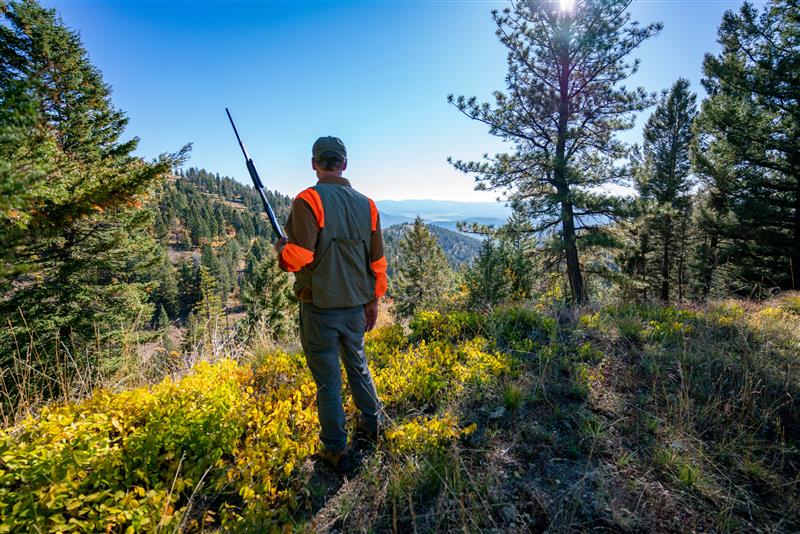
America’s 640 million acres of national public lands provide irreplaceable hunting and fishing opportunities to millions of Americans.

Learn More About Access
What TRCP is Doing

We’re working to safeguard America’s public lands so hunters and anglers always have quality places to pursue their passions.
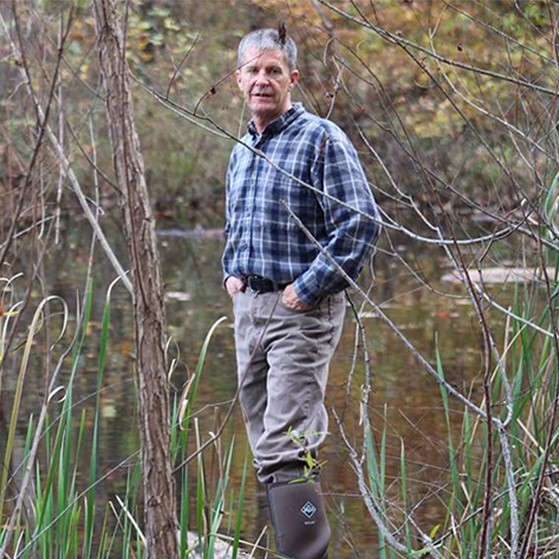
 Brian Flynn, Two Wolf Foundation
How Sportsmen Are Doing It Right

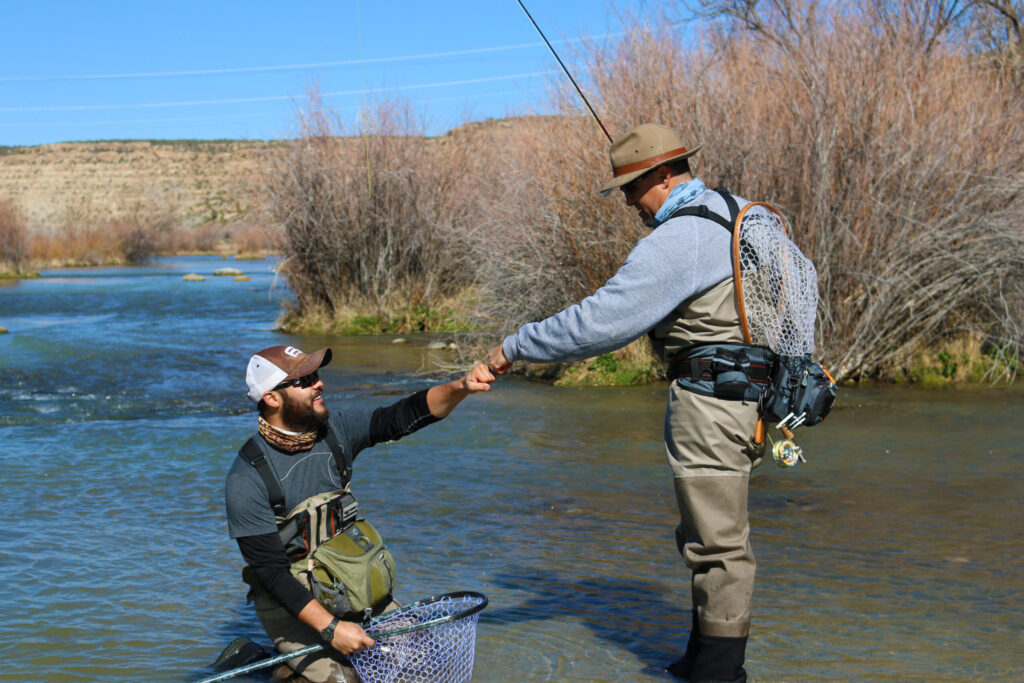
Brian Flynn, Two Wolf Foundation's Story

Following a distinguished career in the U.S. Army, lifelong outdoorsman Brian Flynn returned home from a deployment in Afghanistan and…


Hunting
Why It Matters

Key Issues for America’s Hunters

Your source for the latest policy updates, conservation challenges, and opportunities shaping America’s hunting traditions.

What TRCP is Doing

We’re fighting for meaningful policy changes that benefit wildlife, our waters, and the American landscapes that make our outdoor traditions possible.

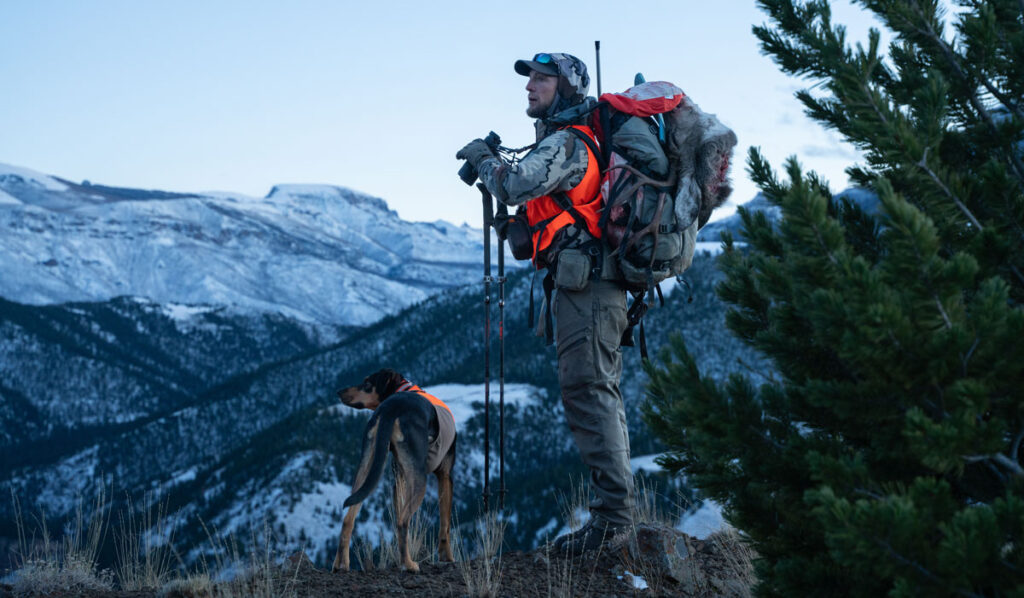
 Ryan Sparks
How Sportsmen Are Doing It Right

Ryan Sparks's Story

TRCP’s “In the Arena” series highlights the individual voices of hunters and anglers who, as Theodore Roosevelt so famously said,…
Fishing
Why It Matters

Key Issues for America’s Anglers

Your source for the latest policy updates, conservation challenges, and opportunities shaping America’s fishing traditions.

Sign Up For Forage Fish Updates
What TRCP is Doing

We’re fighting for meaningful policy changes that benefit wildlife, our waters, and the American landscapes that make our outdoor traditions possible.

 David Mangum
How Sportsmen Are Doing It Right

David Mangum's Story

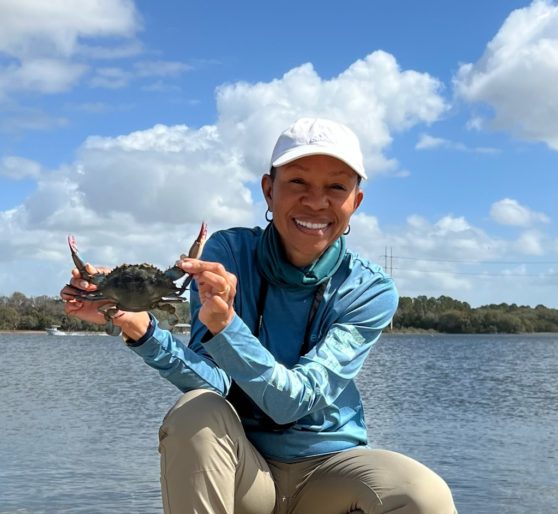
Capt. David Mangum is a YETI ambassador and outdoor photographer who utilizes his talents to produce media that inspire a…

Private Land
Why It Matters

Stewardship on America’s private lands

With 70 percent of U.S. lands in private hands and many of our best hunt and fish opportunities occurring there, investing in voluntary conservation on working lands safeguards access, strengthens habitat and water quality, and ensures resilient landscapes.

Take Action - Farm Bill 2026
What TRCP is Doing

We champion policies and programs that restore wildlife habitat, improve soil and water health, and keep working lands productive.

 Ward Burton
How Sportsmen are Doing It Right

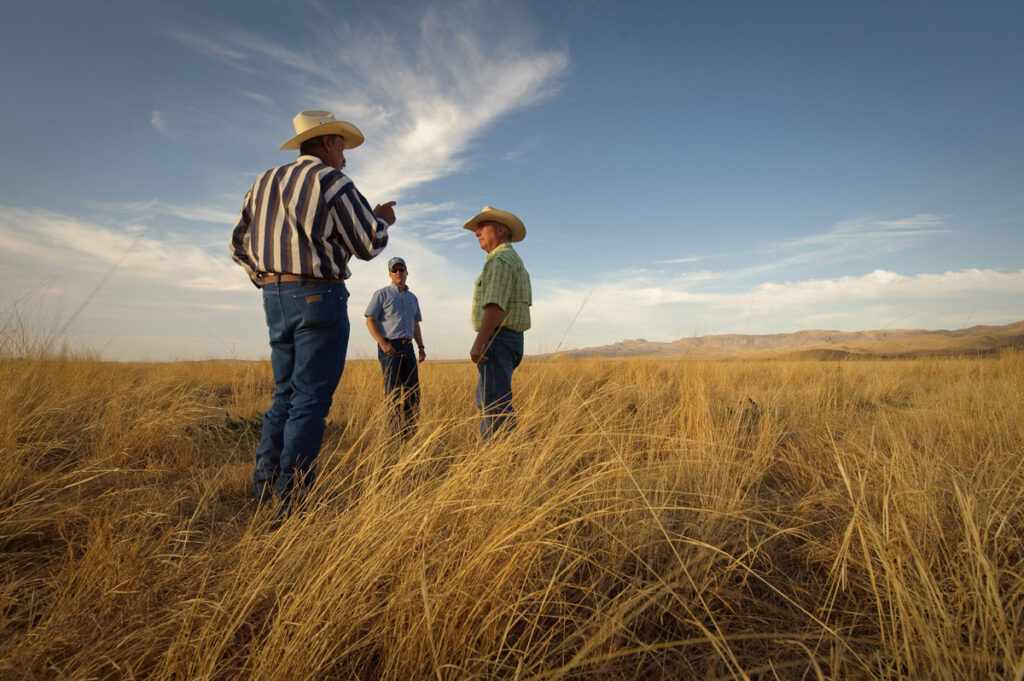
Ward Burton's Story

Ward Burton’s NASCAR driving career stretched across most of two decades. As an avid sportsman and conservationist, he founded the…

Special Places
Why It Matters

Special Places Worth Protecting

America’s most iconic landscapes provide unmatched habitat and unforgettable days afield. These places sustain wildlife, anchor local economies, and define the hunting and fishing traditions we pass down.

What TRCP is Doing

We’re working to conserve special places that provide world-class habitat and unforgettable opportunities for hunters and anglers.

 Franklin Adams
How Sportsmen Are Doing It Right

Franklin Adams's Story

As a true Gladesman, conservationist, and historian, Capt. Franklin Adams has spent more than six decades championing Everglades restoration efforts…

Habitat & Clean Water
Why It Matters

Healthy Habitat Powers Every Pursuit

All hunting and fishing opportunities depend on quality habitat, from clean water and healthy wetlands to winter and summer habitats and the migration corridors that connect them.

All About Habitat & Clean Water
What TRCP is Doing

We are working to safeguard the habitats that power every hunting and fishing opportunity.

 Alex Harvey
How Sportsmen Are Doing It Right

Alex Harvey's Story

Alex Harvey, founder of Legacy Land Management, is a registered professional forester in Mississippi and Alabama with a Master's degree…

Science
Why It Matters

Science That Guides TRCP

From conserving migration corridors and wetlands to ensuring clean water and resilient landscapes, science provides evidence that turns conservation goals into effective action.

Science for Conservation
What TRCP is Doing

For hunters and anglers, science safeguards the experiences we treasure including resilient big game populations, abundant fish, and wild places that endure changing social landscapes.

Jamelle Ellis
Your Science Expert

Jamelle Ellis's Story

Jamelle Ellis joined the Theodore Roosevelt Conservation Partnership in 2022. Jamelle spent the last three years as an environmental sustainability…

Where We Work
Across the Nation

Conservation Across America

TRCP works across the country to ensure hunters and anglers can enjoy healthy fish and wildlife and quality days afield, no matter where they live.

See All Issues
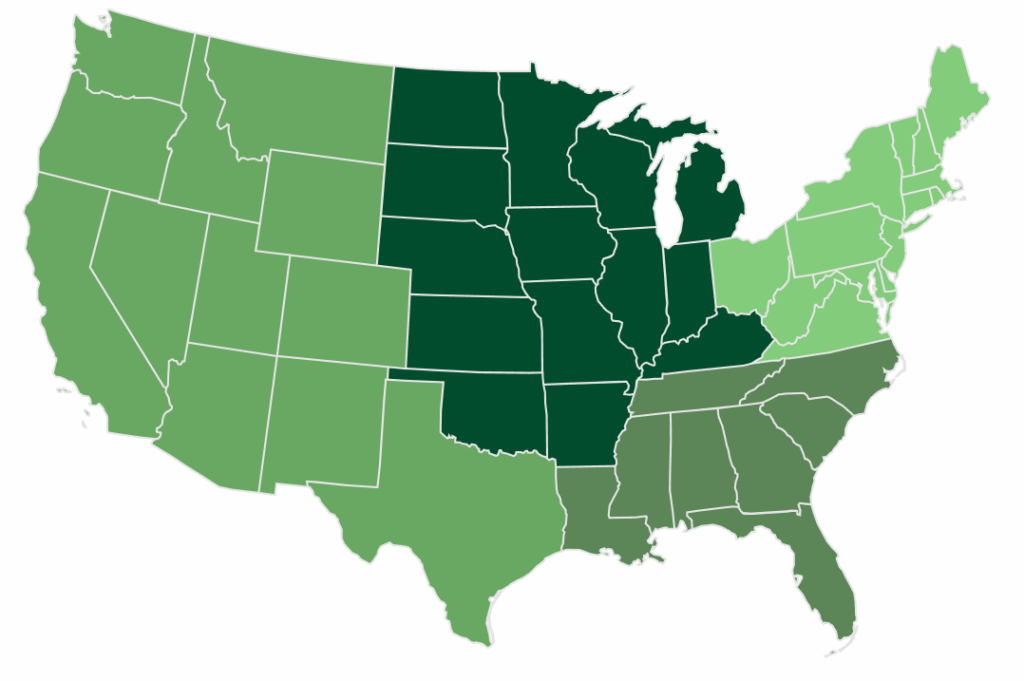
TRCP in Your Region

TRCP works across the country to ensure hunters and anglers can enjoy healthy fish and wildlife and quality days afield, no matter where they live.

Who We Are
Our Mission

To guarantee all Americans quality places to hunt & fish

We unite and amplify our partners’ voices to advance America’s legacy of conservation, habitat, and access.

Our Mission & Values
Our People & Partners
  • Meet the TRCP Team

    Our staff and board members unite and amplify our partners’ voices to advance America’s legacy of conservation, habitat, and access.

    Meet the Team
  • Our Partners

    ‘Partnership’ is in our name. We work with 64 diverse partner groups that represent today’s leading hunting, fishing, and conservation organizations in order to strengthen the sportsman’s voice in Washington, D.C.

    Our Partners
  • Corporate Council

    TRCP’s Corporate Council is made up of diverse corporations that share a common passion for conservation.

    Corporate Council
Our Organization

Looking for more information?

Explore our latest news, policy updates, and conservation resources to get the information you need.

Giving
How You Can Help

To guarantee all Americans quality places to hunt & fish

Your tax-deductible donation will support TRCP's mission, now and into the future.

DONATE
Special Ways to support trcp
  • Capital Conservation Awards Dinner

    The CCAD is one of Washington's best-attended conservation celebrations, featuring dinner, cocktails, and a silent auction.

    Learn More
  • Step Into the Arena

    Help us ensure that our treasured wild habitats and game remain intact for the next generation to enjoy – lend your support to the TRCP’s efforts today!

    Donate
  • Roosevelt Roast

    TRCP has partnered with Afuera Coffee Co. to further our commitment to conservation.

    Learn More
More donation options

Find the best way for you to lend your support. Join one of TRCP’s donor circles for special invitations, premium offerings from outdoor retailers, and more exclusive benefits. Take control of your legacy with planned giving or contribute to special conservation funds.

Other Ways To Give
News
In the Spotlight

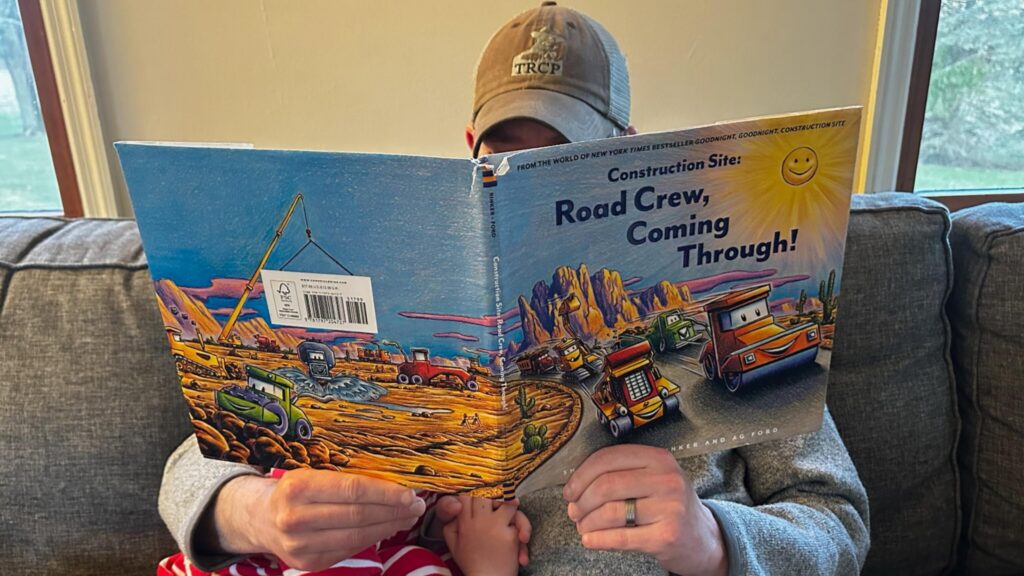
Your Kid’s Favorite Book Is Making the Case for Wildlife Crossings

A coyote slips under a bridge in a children's book — and it's making the case for one of the smartest conservation investments in America. Here's why hunters and anglers should pay attention.

Read More

Stay Informed

Receive our newsletter, the Roosevelt Report, right in your inbox. Never miss the latest news in conservation issues.

by:

posted in:

March 16, 2020

TRCP President Issues Statement on COVID-19

President and CEO of the Theodore Roosevelt Conservation Partnership Whit Fosburgh issued the following statement on the spread of COVID-19:

As communities across the world are impacted by COVID-19, we want to reiterate our commitment to our staff, our partners, our donors, and the sportsmen and women who are all ‘in the arena’ working together on behalf of conservation.  Your health is our top priority.

During this time, we are adjusting our operations to keep our community safe, so we can continue the important work of guaranteeing all Americans quality places to hunt and fish. All TRCP staff are being encouraged to work from home. Travel has been suspended and in person meetings are being replaced with virtual meetings. Our Capital Conservation Awards Dinner has been moved from April to September. Through this time, we will continue to engage in policy that matters to all sportsmen and women. 

As President Theodore Roosevelt said, ‘In any moment of decision, the best thing you can do is the right thing, the next best thing is the wrong thing, and the worst thing you can do is nothing.’ ”  


Image courtesy of Charlie Bulla

2 Responses to “TRCP President Issues Statement on COVID-19”

  1. Covid-19 has not impacted us. The overhyped media has ramped up the fear to where the fear itself has effected more than the virus. There are only 15,000 people who have the virus, of that only 200 have died. Compare that to how many died of the flu in the last year and you start to see the point here. Is it dangerous? Yes. Should we practice safe distance from each other? Well duh! Should do that when the flu or common colds are around as well. So a fraction of us have this and yet the media and our government has decided that we should basically shut down the country and hoke up. It reminds me of the Y2K debacle only it had a decent amount of merit because of the unknown. We really had no idea what was going to happen when that clock rolled over. This time we do. China now has more people who have recovered than died. The news says the are acting responsibly with facts not fear but immediately hits us with a family of 9 who had a party and now 4 are dead. How is that not peddling fear? How is that acting responsibly? Thank you.

  2. At this time on the planet within the boundaries of this U. S. Nation, I would feel much more confident with navigating the future and all of us having to experience the Corona Virus Pandemic, if Teddy Roosevelt was our President now.

Do you have any thoughts on this post?

XHTML: You can use these tags: <a href="" title=""> <abbr title=""> <acronym title=""> <b> <blockquote cite=""> <cite> <code> <del datetime=""> <em> <i> <q cite=""> <s> <strike> <strong>

Comments must be under 1000 characters.

by:

posted in:

March 13, 2020

Our Call to Modernize Public Lands Data

Here’s why MAPLand could be a game-changer for unlocking inaccessible public lands

When onX and TRCP teamed up in 2018 to study the issue of landlocked federally managed public lands in the West, we highlighted several priorities that needed to be addressed by agencies and lawmakers in order to work on opening access to the 9.52 million acres of public lands in the West where it currently does not exist.

Here’s what we had to say about the need for digitized, standardized easement data, which helps explain why the MAPLand Act is such a critical piece of legislation.

DOWNLOAD THE REPORT

“As much as these findings identify a clear need for expanded access to public lands and waters, they also highlight the need for federal land management agencies to develop standardized datasets for easements, rights-of-way, and established corridors across private land to which the public has binding and legal public access. Many of these access rights were secured decades ago, and they remain housed locally at land management agency offices in paper and electronic files.
While this report’s analysis is based on the most comprehensive road inventory currently available, the lack of readily obtainable data on easements and rights-of-way makes it all but impossible for anyone – including the agencies themselves – to have a complete understanding of where legal public access exists, or does not exist, across private lands.
Compiling these data and converting them into consistent datasets would enable private and public entities to create maps that provide sportsmen and women with greater certainty about where public access is guaranteed by law. This information would also help the federal agencies and land trusts prioritize acquisition projects that would open landlocked public lands.”
Off-Limits, But Within Reach: Unlocking the West’s Inaccessible Public Lands, p. 8

by:

posted in:

March 10, 2020

MAPLand Act Simplifies Access to Hunting and Fishing Opportunities

Legislation invests in digitized, integrated mapping resources for outdoor recreation

The Theodore Roosevelt Conservation Partnership is hailing landmark legislation that will enhance outdoor recreation on public lands by investing in modern technology that allows sportsmen and women to know exactly which lands and waters they can access.

U.S. Senators Martha McSally (R-Ariz) and Angus King (I-Maine) and U.S. Representatives Derek Kilmer (D-Wash) and Russ Fulcher (R-Idaho) today introduced the Modernizing Access to Our Public Land (MAPLand) Act to digitize recreational access information and make those resources available to the public.

Currently, many of the easement records that identify legal means of access onto national forests or BLM-managed lands are stored at the local level in paper files, which makes it difficult for hunters, anglers, and even the agencies to identify public access opportunities. Of 37,000 existing easements held by the U.S. Forest Service, only 5,000 have been converted into digital files.

The MAPLand Act would direct federal land management agencies to consolidate, digitize, and make publicly available recreational access information as GIS files. These records would include information about legal easements and rights-of-way across private land; year-round or seasonal closures on roads and trails, as well as restrictions on vehicle-type; boundaries of areas where special rules or prohibitions apply to hunting and shooting; and areas of public waters that are closed to watercraft or have horsepower restrictions.

“GPS technology has become an essential part of the public-land user’s toolkit,” said Whit Fosburgh, president and CEO of the Theodore Roosevelt Conservation Partnership. “This bill will allow sportsmen and women to take full advantage of the world-class opportunities on our public lands, make it easier to follow the rules while recreating outside, and reduce access conflicts. Quite simply, this is a common-sense investment in the future of hunting, fishing, and outdoor recreation. We want to thank Senators McSally and King and Representatives Fulcher and Kilmer for taking the lead on this important legislation.”

In addition to improving the public’s ability to access public lands, the bill would help land management agencies — in cooperation with private landowners — prioritize projects to acquire new public land access or improve existing access. According to a 2018 report by the TRCP and onX, a digital-mapping company, more than 9.52 million acres of federally managed public lands in the West lack permanent legal public access because they are surrounded entirely by private lands. Digitizing easement records would be the first step towards addressing this challenge systematically.


What Others Are Saying:

“Public land recreation has been revolutionized by handheld GPS technology in smartphones and other devices, allowing users of all types and experience levels to know where they stand in the outdoors. After spending over a decade gathering recreation information for our customers and making it easily discoverable, we continue to find valuable recreation information that exists only on paper. The data need to be complete, easy to find, and easy to use for the public to fully understand the recreation opportunities available to them. The MAPLand Act is a much-needed investment in the outdoor recreation industry and in the future of empowering the public to get outside and experience our public lands.”
— Eric Siegfried, Founder, onX

“The Mule Deer Foundation commends Senators McSally and King and Representatives Fulcher and Kirby on the introduction of the Modernizing Access to Our Public Land Act. This important legislation will do a great deal to assist sportsmen and women in identifying places where they can hunt and fish on the public lands that they as taxpayers own. All told, this is a common-sense and long-overdue idea that will benefit sportsmen and women, as well as the communities all across our country with economies driven by outdoor-recreation spending.”
— Miles Moretti, President/CEO, The Mule Deer Foundation

“Quality hunting and fishing opportunities have two requirements: healthy habitat and access. This bill makes sure that information about public land access and areas open for hunting and fishing is kept current and readily available for sportsmen and women. We want to ensure that all Americans can enjoy the world-class sporting opportunities found on public lands and this legislation will help to ensure just that.”
— Steve Kandell, Director, Trout Unlimited’s Sportsmen’s Conservation Project

“Access is one of the most important aspects for a thriving outdoor recreation economy. Yet, it isn’t just access to land and water, it’s also access to information about the very lands we recreate on, where they are, when and how they are accessible and oftentimes this data is antiquated or even inaccurate. In order for us to continue to grow this important sector that makes up 2.2% of the national GDP and employs 5.2 million Americans, we need to know where we can get outside on public and private lands and when and how to best protect them. Modernizing Access to our Public Land Act will help us do just that and improve the information we have to safely enjoy all that outdoor recreation has to offer. ORR is proud to support this legislation.”
— Jessica Wahl, Executive Director, Outdoor Recreation Roundtable


Image courtesy of National Parks.

by:

posted in:

Wildlife Professionals Urge New Mexico Governor to Continue Leading on Migration Corridors

Former wildlife agency leaders, scientists, and other natural resource experts line out the requirements for successful policy on this conservation challenge 

In a letter to New Mexico Governor Michelle Luhan Grisham, 14 wildlife and natural resources professionals thanked the governor for the state’s leadership on the issue of migration corridor conservation and urged the state to continue its efforts on this critical issue.

These professionals—each with between 20 to 50 years of experience in wildlife and natural resources management, research, and conservation—came together to request that decision-makers in New Mexico build upon the bipartisan support demonstrated by the passage of the Wildlife Corridors Act in 2019, the first-of-its-kind legislation in the country. They emphasized the need for adequate funding and a long-term, holistic view of migration corridor and habitat conservation if the state hoped to succeed in its efforts.

“As a longtime wildlife professional and New Mexico resident, I appreciated Governor Lujan Grisham and the New Mexico Legislature passing the Wildlife Corridors Act,” said Dr. Bill Dunn, a 40-year veteran wildlife biologist and environmental consultant. “This bill is the first of its kind in America and should benefit conservation of migration corridors vital to our wildlife populations.”

In recent years, big game migration has become a priority for conservationists. “We’ve long known the importance of migration to and from seasonal habitats, but new technology has made the importance of these habitats for mule deer, pronghorn and other animals even clearer,” said Dr. Ed Arnett, chief scientist for the Theodore Roosevelt Conservation Partnership.

The letter asks that funding for migration corridor conservation extend beyond coordination and planning for transportation-related issues such as wildlife-vehicle collisions and crossing structures. Currently, the state has only set aside funding under the Corridors Act for such
projects. “It is important,” the signers noted, “for policy- and decision-makers and the public to remember that wildlife corridors may not necessarily intersect highways and roads.”

The breadth of the issue will require the state to utilize funds other than those set aside specifically for game protection, noted the letter, and it “encourage[d] New Mexico legislators to work closely with NMDGF and the New Mexico State Game Commission to ensure adequate funding is made available to support implementation…while maintaining funding for other agency priorities.”

Another challenge highlighted by the letter is coordinating the management of the full suite of habitats required by big game animals as they move across the landscape, including summer and winter range, migration corridors, and stopover habitats. To do this effectively, the state will need to conduct extensive research that could take years to complete. In the meantime, the letter urged state agencies to “develop interim guidance and recommendations while data are being gathered to ensure appropriate management and protection of potentially unmapped corridors.”

Additionally, the letter encouraged the BLM to work proactively with the New Mexico Department of Fish and Game to ensure that energy development on public lands does not disrupt wildlife migrations, as research has shown the impacts to be significant and long-lasting.

“Even though data are still being collected in New Mexico, the weight of existing evidence is clear that development does impact migratory movements and habitat use,” said Arnett. “We should anticipate potential conflicts with wildlife migrations that interface with all forms of energy development and other disturbance.” The signers noted that “Ensuring migration movement and functionality may require the state wildlife agency request leasing deferrals…or implementation of special management recommendations.”

The letter concluded by emphasizing that “the state and federal departments and agencies, and private landowners all must have long-term, institutionalized support for corridor conservation” and encouraged the state “to pursue all avenues that secure long-term support for conservation that will transcend multiple Administrations at both the state and federal levels.

“Healthy populations of mule deer, elk and other big game are a key economic driver for New Mexico’s economy,” says Dr. Ben Brown, a New Mexico resident and retired wildlife biologist with 48 years’ experience in wildlife conservation. “Conservation is a long-term endeavor. Both the state and federal governments need to ensure the functionality of habitat and migratory movements with long-term, institutionalized policy and funding for these efforts.”

Read the letter from 14 wildlife and habitat experts here.

by:

posted in:

March 9, 2020

Virginia Governor Signs Legislation to Strengthen Menhaden Conservation

Recreational fishing and boating groups applaud new bipartisan law

Following vocal support from recreational fishermen, Virginia Governor Ralph Northam signed a bipartisan bill improving menhaden management in the Atlantic.

The legislation transfers management authority of Atlantic menhaden—a small oily baitfish that feeds sportfish like striped bass—to the Virginia Marine Resources Commission, which oversees every other saltwater fishery in the Commonwealth.  Now that the bill has been signed into law, the legislation puts Virginia on a path toward compliance with the regional fishery management plan, which Omega Protein violated last year.

“This new law will pave the way for stronger management of the Atlantic menhaden recognizing its critical role in the entire marine ecosystem and its benefits to the recreational fishing economy,” said Whit Fosburgh, president and CEO for the Theodore Roosevelt Conservation Partnership. “We want to thank Governor Northam, the bill sponsors, Natural Resources Secretary Matt Strickler, and the recreational fishing sector for working together on this legislation.”

“There is a growing need for more robust conservation practices in our fisheries – including menhaden and all forage fish – this law is an important step towards better recognizing and correcting the harmful impacts overfishing can have on our communities,” said Nicole Vasilaros, senior vice president of government and legal affairs for the National Marine Manufacturers Association. “Protecting forage fish and sportfish stocks is essential for recreational activities in the Chesapeake Bay and across the country and we thank Governor Northam for taking action to that ensure our marine ecosystems remain healthy for generations to come.”

“Thanks to the signature of Governor Northam, menhaden will now be managed by fisheries experts at the Virginia Marine Resources Commission,” said Mike Leonard, vice president of government affairs for the American Sportfishing Association. “Adequate menhaden populations are key to striped bass and other sportfish that support Virginia’s $583,806,000 saltwater recreational fishing economy. This important shift in management authority will help ensure a future of science-based management of menhaden that accounts for their important role in the ecosystem.”

“This commonsense legislation will help fisheries in not just Virginia, but along the entire Atlantic Coast,” said Chris Edmonstron, vice president of government affairs for Boat US.  “Anglers and boaters should all applaud this long overdue change in fisheries management and encourage more science-based management practices be developed and implemented. BoatU.S., along with our 28,000 Virginia members, applaud the passage of this legislation.”

“This decision by Governor Northam and the Virginia General Assembly, which was decades in the making, recognizes the importance of science-backed conservation efforts in maintaining the health of our nation’s fisheries,” said Adam Fortier-Brown, government relations manager for the Marine Retailers Association of the Americas.  “Having menhaden fisheries managed by the Virginia Marine Resource Commission, like all other fisheries in the state, will make significant steps towards creating a healthier Chesapeake Bay.  We thank the assembly, and Governor Northam for their leadership on this legislation, which will be felt by boaters and anglers all along the Atlantic coast for years to come.”

“On behalf of the Virginia Saltwater Sportsman’s Association and striped bass fishermen everywhere, I would like to thank Governor Northam and his administration, especially Natural Resources Secretary Matt Strickler, for leading the fight to conserve menhaden,” said John Bello, chairman of the Virginia Saltwater Sportfishing Association Government Relations Committee.  “Menhaden are far too valuable to the ecosystem and to the recreational fishing economy to allow one foreign company to continue sucking up hundreds of millions of forage fish per year.  Thank you, Governor.”

For more information about menhaden conservation click HERE.

HOW YOU CAN HELP

TRCP has partnered with Afuera Coffee Co. to further our commitment to conservation. $4 from each bag is donated to the TRCP, to help continue our efforts of safeguarding critical habitats, productive hunting grounds, and favorite fishing holes for future generations.

Learn More
Subscribe


You have Successfully Subscribed!

You have Successfully Subscribed!

You have Successfully Subscribed!

You have Successfully Subscribed!

You have Successfully Subscribed!