Our Issues
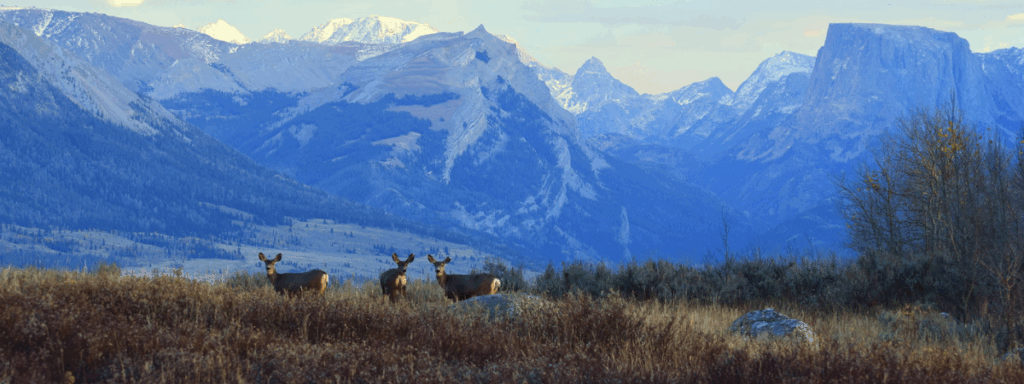
Public Lands
Why It Matters

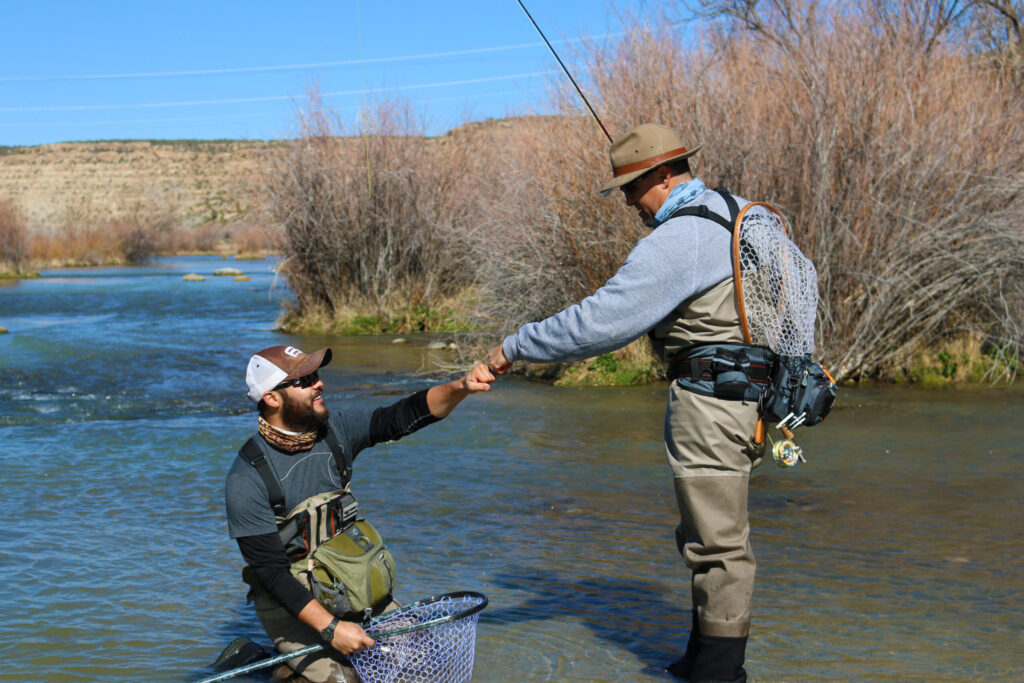
Hunting & Fishing Access

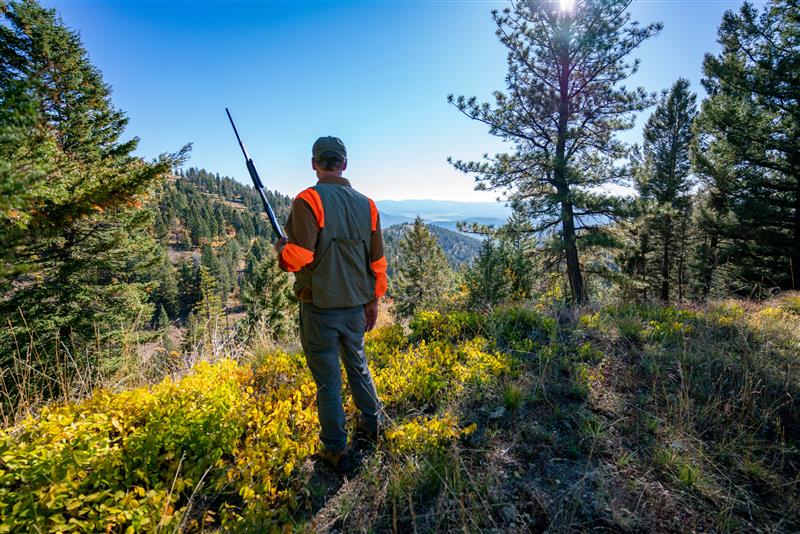
America’s 640 million acres of national public lands provide irreplaceable hunting and fishing opportunities to millions of Americans.

Learn More About Access
What TRCP is Doing

We’re working to safeguard America’s public lands so hunters and anglers always have quality places to pursue their passions.
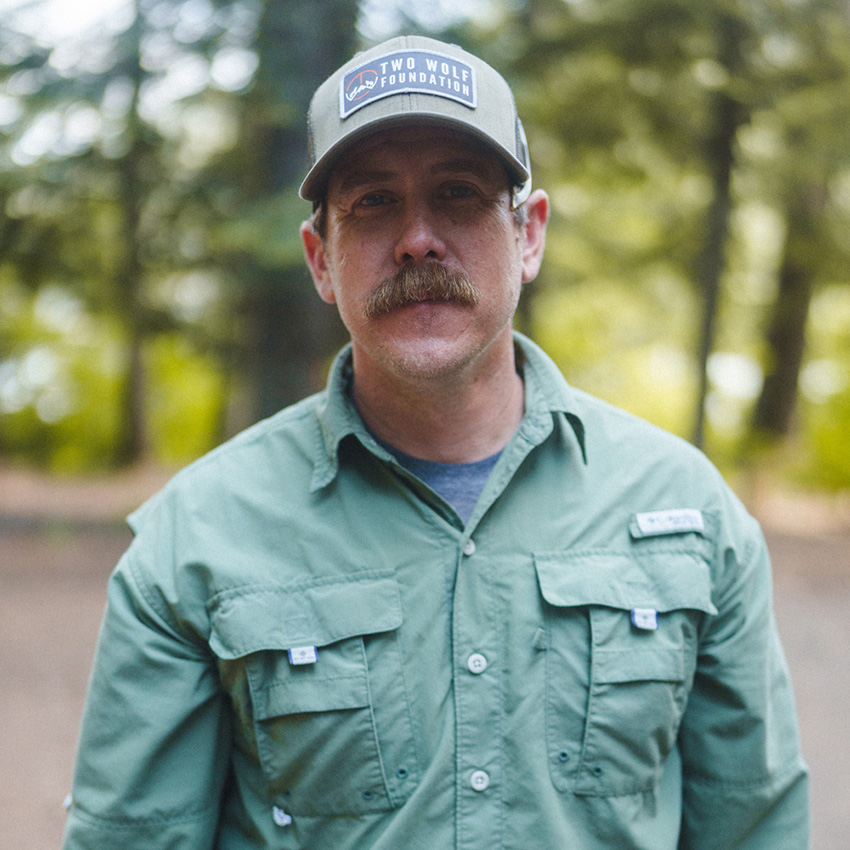
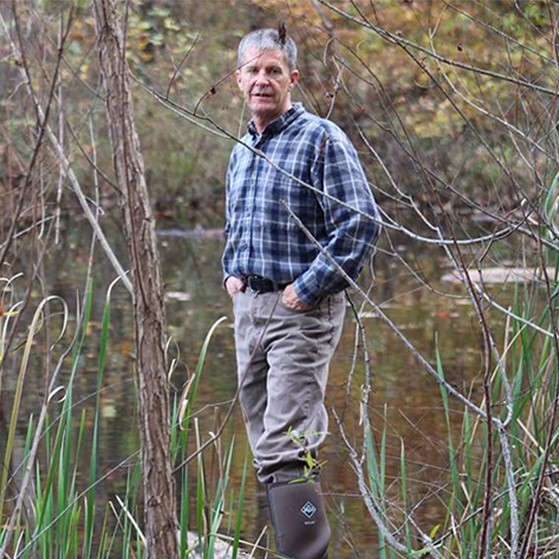
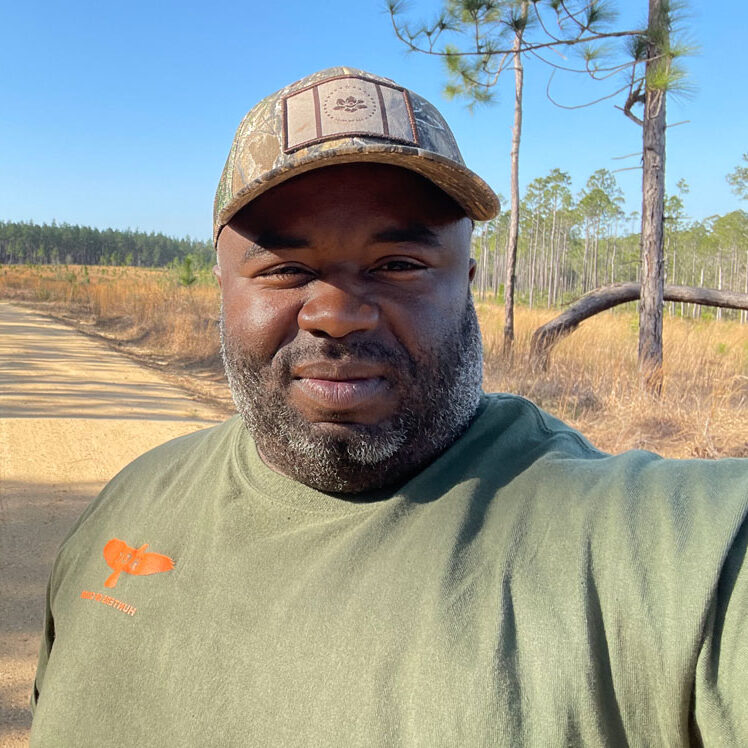
 Brian Flynn, Two Wolf Foundation
How Sportsmen Are Doing It Right

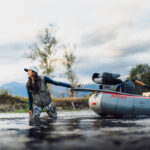
Brian Flynn, Two Wolf Foundation's Story

Following a distinguished career in the U.S. Army, lifelong outdoorsman Brian Flynn returned home from a deployment in Afghanistan and…

Hunting
Why It Matters

Key Issues for America’s Hunters

Your source for the latest policy updates, conservation challenges, and opportunities shaping America’s hunting traditions.

What TRCP is Doing

We’re fighting for meaningful policy changes that benefit wildlife, our waters, and the American landscapes that make our outdoor traditions possible.

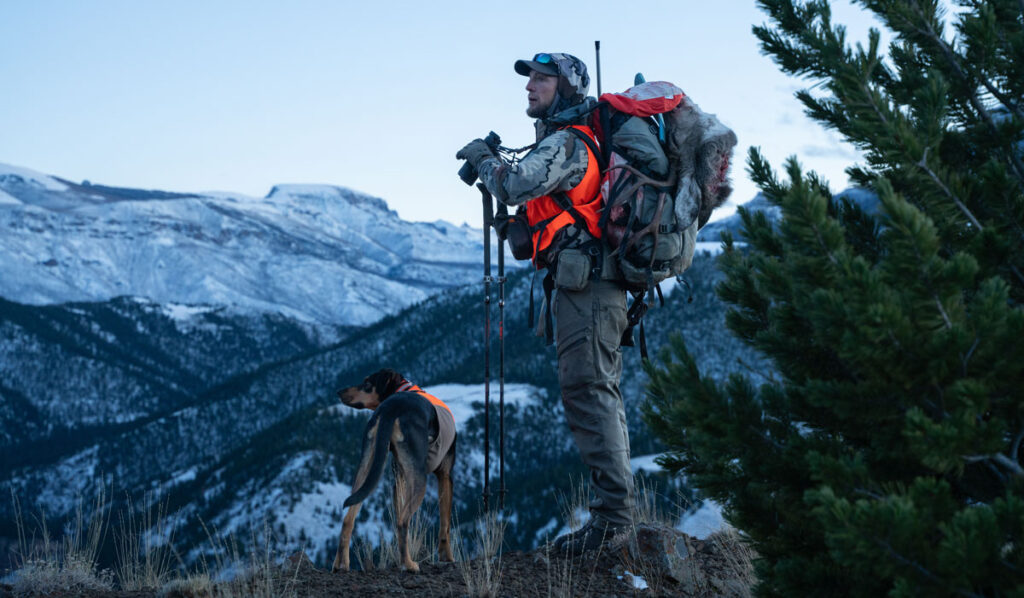
 Ryan Sparks
How Sportsmen Are Doing It Right

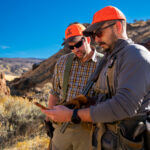
Ryan Sparks's Story

TRCP’s “In the Arena” series highlights the individual voices of hunters and anglers who, as Theodore Roosevelt so famously said,…

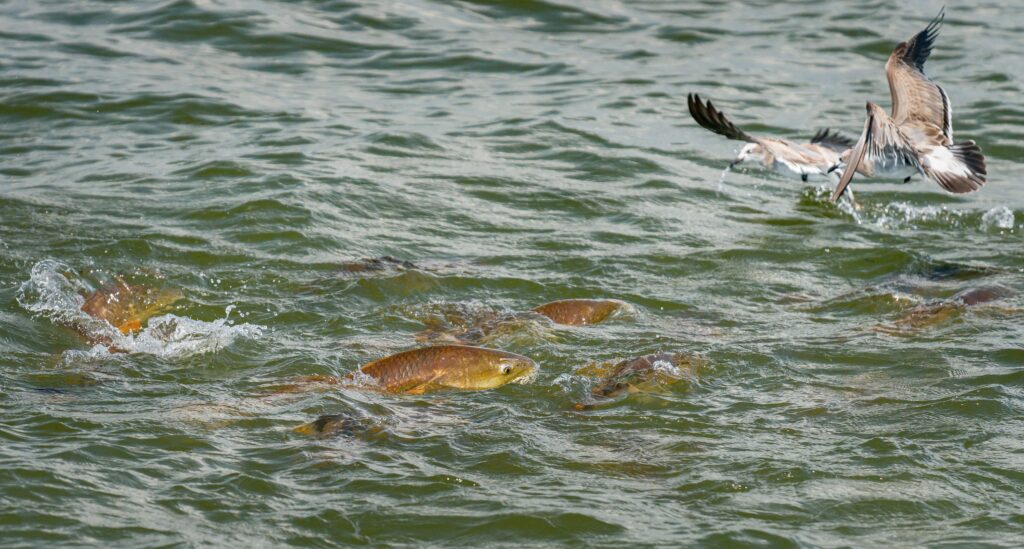
Fishing
Why It Matters

Key Issues for America’s Anglers

Your source for the latest policy updates, conservation challenges, and opportunities shaping America’s fishing traditions.

What TRCP is Doing

We’re fighting for meaningful policy changes that benefit wildlife, our waters, and the American landscapes that make our outdoor traditions possible.

 David Mangum
How Sportsmen Are Doing It Right

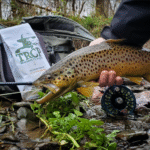
David Mangum's Story

Capt. David Mangum is a YETI ambassador and outdoor photographer who utilizes his talents to produce media that inspire a…

Private Land
Why It Matters

Stewardship on America’s private lands

With 70 percent of U.S. lands in private hands and many of our best hunt and fish opportunities occurring there, investing in voluntary conservation on working lands safeguards access, strengthens habitat and water quality, and ensures resilient landscapes.

Learn More
What TRCP is Doing

We champion policies and programs that restore wildlife habitat, improve soil and water health, and keep working lands productive.

 Ward Burton
How Sportsmen are Doing It Right

Ward Burton's Story

Ward Burton’s NASCAR driving career stretched across most of two decades. As an avid sportsman and conservationist, he founded the…

Special Places
Why It Matters

Special Places Worth Protecting

America’s most iconic landscapes provide unmatched habitat and unforgettable days afield. These places sustain wildlife, anchor local economies, and define the hunting and fishing traditions we pass down.

What TRCP is Doing

We’re working to conserve special places that provide world-class habitat and unforgettable opportunities for hunters and anglers.

 Franklin Adams
How Sportsmen Are Doing It Right

Franklin Adams's Story

As a true Gladesman, conservationist, and historian, Capt. Franklin Adams has spent more than six decades championing Everglades restoration efforts…

Habitat & Clean Water
Why It Matters

Healthy Habitat Powers Every Pursuit

All hunting and fishing opportunities depend on quality habitat, from clean water and healthy wetlands to winter and summer habitats and the migration corridors that connect them.

All About Habitat & Clean Water
What TRCP is Doing

We are working to safeguard the habitats that power every hunting and fishing opportunity.

 Alex Harvey
How Sportsmen Are Doing It Right

Alex Harvey's Story

Alex Harvey, founder of Legacy Land Management, is a registered professional forester in Mississippi and Alabama with a Master's degree…

Science
Why It Matters

Science That Guides TRCP

From conserving migration corridors and wetlands to ensuring clean water and resilient landscapes, science provides evidence that turns conservation goals into effective action.

Science for Conservation
What TRCP is Doing

For hunters and anglers, science safeguards the experiences we treasure including resilient big game populations, abundant fish, and wild places that endure changing social landscapes.

Jamelle Ellis
Your Science Expert

Jamelle Ellis's Story

Jamelle Ellis joined the Theodore Roosevelt Conservation Partnership in 2022. Jamelle spent the last three years as an environmental sustainability…

Where We Work
Across the Nation

Conservation Across America

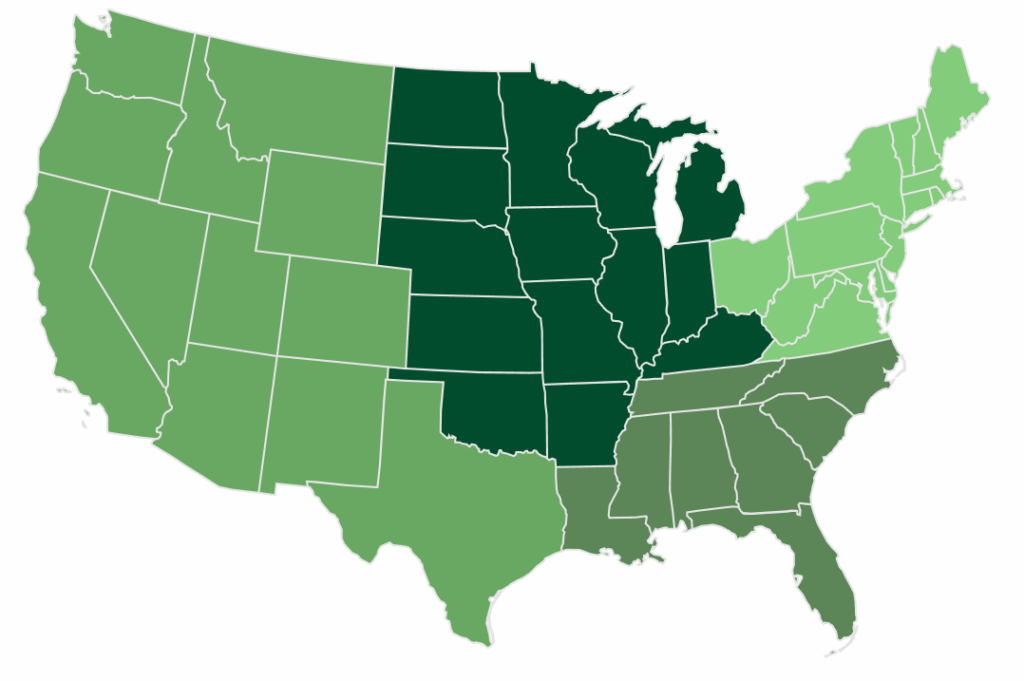
TRCP works across the country to ensure hunters and anglers can enjoy healthy fish and wildlife and quality days afield, no matter where they live.

See All Issues
TRCP in Your Region

TRCP works across the country to ensure hunters and anglers can enjoy healthy fish and wildlife and quality days afield, no matter where they live.

Who We Are
Our Mission

To guarantee all Americans quality places to hunt & fish

We unite and amplify our partners’ voices to advance America’s legacy of conservation, habitat, and access.

Our Mission & Values
Our People & Partners
  • Meet the TRCP Team

    Our staff and board members unite and amplify our partners’ voices to advance America’s legacy of conservation, habitat, and access.

    Meet the Team
  • Our Partners

    ‘Partnership’ is in our name. We work with 64 diverse partner groups that represent today’s leading hunting, fishing, and conservation organizations in order to strengthen the sportsman’s voice in Washington, D.C.

    Our Partners
  • Corporate Council

    TRCP’s Corporate Council is made up of diverse corporations that share a common passion for conservation.

    Corporate Council
Our Organization

Looking for more information?

Explore our latest news, policy updates, and conservation resources to get the information you need.

Giving
How You Can Help

To guarantee all Americans quality places to hunt & fish

Your tax-deductible donation will support TRCP's mission, now and into the future.

DONATE
Special Ways to support trcp
  • Capital Conservation Awards Dinner

    The CCAD is one of Washington's best-attended conservation celebrations, featuring dinner, cocktails, and a silent auction.

    Learn More
  • Step Into the Arena

    Help us ensure that our treasured wild habitats and game remain intact for the next generation to enjoy – lend your support to the TRCP’s efforts today!

    Donate
  • Roosevelt Roast

    TRCP has partnered with Afuera Coffee Co. to further our commitment to conservation.

    Learn More
More donation options

Find the best way for you to lend your support. Join one of TRCP’s donor circles for special invitations, premium offerings from outdoor retailers, and more exclusive benefits. Take control of your legacy with planned giving or contribute to special conservation funds.

Other Ways To Give
News
In the Spotlight

House Agriculture Committee Chairman GT Thompson Introduces Farm Bill Proposal 

Hunters and anglers depend on strong Conservation and Forestry Titles, and TRCP will closely evaluate the bill's impacts as it moves forward.

Read More

Stay Informed

Receive our newsletter, the Roosevelt Report, right in your inbox. Never miss the latest news in conservation issues.

February 28, 2020

A Conservation Consensus in Nevada

New poll shows strong support for additional wildlife crossings and new safeguards for migration routes

These days, it can seem like a daunting challenge to find an issue that on 9 out of 10 registered voters will agree. That’s particularly true when you’re polling across party lines, up and down the socioeconomic ladder, and in rural and urban areas alike.

But sportsmen and women should be encouraged by a new report out of Nevada, which demonstrated overwhelming support for two critical issues facing the West’s big game animals: migration corridor conservation and highway crossings for wildlife.

As roads and development increasingly fragment the seasonal habitats and routes used by elk, mule deer, and antelope, it has become much more difficult for our herds to reach the winter and summer ranges where they can access the best-available food sources throughout the year. And highways in particular not only pose a barrier to migrating herds, as GPS collar data has shown; collisions between wildlife and vehicles pose a significant safety risk to drivers and passengers on our roads.

According to the poll, conducted by the research firm FM3 for The Pew Charitable Trusts, registered voters in Nevada agree on the need to pursue common-sense solutions to these issues. More than 93% support the implementation of new conservation measures to protect wildlife migration corridors, and 92% support the installation of additional wildlife overpasses and underpasses to protect migrating wildlife.

Significantly, 77% of registered voters in Nevada said that wildlife migration should be prioritized over oil and gas drilling in the Ruby Mountains, home to the state’s largest mule deer herd. Hunters and anglers have led an effort to defend the Rubies, an iconic destination for sportsmen and women, against speculative energy development. These findings suggest widespread support for the Ruby Mountain Protection Act, introduced in the U.S. Senate by Sen. Catherine Cortez Masto (D-NV) earlier this year.

Here’s a breakdown of some of the numbers highlighted in the report:

  • 77% of Nevadans would prioritize wildlife migration over oil and gas drilling in the Ruby Mountains, home to the state’s largest mule deer herd.
  • 93% of Nevadans support the implementation of new conservation measures to safeguard wildlifemigration corridors.
  • 90% of Nevadans would like public land managers to maintain open migration corridors so herds can move across public lands unimpeded.
  • 92% of Nevadans support the installation of additional highway overpasses and underpasses to protect migrating wildlife.
  • 84% of Nevadans see a need for increased public funding for wildlife crossing structures.
  • The Nevada Department of Transportation estimates that there are more than 500 wildlife-vehicle collisions in the state. Including medical bills, emergency responder resources, and losses in productivity, the agency suggests these accidents cost more than $19 million in total.


If you would like to learn more about the Ruby Mountain Protection Act and efforts to conserve Nevada’s largest mule deer herd, visit www.sportsmenfortherubies.com.
Click the link below to take action:

Support Conservation in the Ruby Mountains


Top photo: BLM Nevada, Chip Caroon via Flickr

Do you have any thoughts on this post?

XHTML: You can use these tags: <a href="" title=""> <abbr title=""> <acronym title=""> <b> <blockquote cite=""> <cite> <code> <del datetime=""> <em> <i> <q cite=""> <s> <strike> <strong>

Comments must be under 1000 characters.

Virginia General Assembly Passes Legislation to Strengthen Menhaden Conservation

Bill supports recreational fishing economy and science-based management

With strong bipartisan support the Virginia General Assembly passed legislation that improves menhaden management in the Atlantic.

The bill, which is headed to Governor Northam’s desk, transfers management authority of Atlantic menhaden to the Virginia Marine Resources Commission, which oversees every other saltwater fishery in the Commonwealth.

Once signed into law, the legislation puts Virginia on a path toward compliance with the regional fishery management plan which was flouted by foreign fishing giant Omega Protein.

“With this landmark decision, the Virginia General Assembly has acknowledged the critical role that recreational fishing plays in the Virginia economy and the need for science, and not politics, to guide management,” said Whit Fosburgh, president and CEO of the Theodore Roosevelt Conservation Partnership. “For too long, Omega has exploited the Chesapeake Bay at the expense of recreational anglers. This is a huge step forward for sound fisheries conservation in the Chesapeake. The recreational fishing community thanks the bill sponsors and Governor Northam for their leadership as well as the unfailing support of charter captains, fishing guides and other small businesses who rely on a healthy Chesapeake Bay for their livelihoods.”

In late 2019, the Atlantic States Marine Fisheries Commission found Omega Protein had exceeded the Chesapeake Bay reduction fishing cap by 35 million pounds, a ruling upheld by U.S. Secretary of Commerce Wilbur Ross. Conserving menhaden is particularly important because striped bass, which feed on menhaden, are in worrisome decline.

“As a critical food source for rockfish and other important recreational fisheries, menhaden must be managed sustainably to support their role in the ecosystem,” said Mike Leonard, the American Sportfishing Association’s Vice President of Government Affairs. “Allowing the fisheries management experts at the Virginia Marine Resources Commission to manage menhaden is a long-awaited step in ensuring science-based management of the resource. The sportfishing industry is particularly grateful to Governor Northam and leaders in the Virginia state legislature for prioritizing this bill and working diligently toward its passage.”

“There is a growing need for more robust conservation practices in our fisheries – not only with menhaden but all forage fish – and the passage of this bill is an important step towards better recognizing and correcting the harmful impacts overfishing can have on our communities,” said Nicole Vasilaros, senior vice president of government and legal affairs for the National Marine Manufacturers Association. “Protecting menhaden is essential for recreational activities in the Chesapeake Bay and we thank Virginia legislators for taking action to that ensure our marine ecosystems remain healthy for generations to come.”


Captain Chris Dollar is a professional fishing guide, tackle shop owner, all-around Chesapeake outdoorsman, and writer.

February 21, 2020

New Film Highlights Importance of Big Game Migration in New Mexico

Scientists, sportsmen and women explain why seasonal habitat and migration routes for big game species must be conserved

The Theodore Roosevelt Conservation Partnership released a film today exploring the importance of planning for migration corridor conservation in New Mexico and, more generally, across the West. The film, “Migration Corridors: Connecting the Wildlife and People of New Mexico,” features a New Mexican hunter and a hunting guide, officials from the U.S. Forest Service and New Mexico Game & Fish, and TRCP staff.

The film showcases the insights offered by the most recent research into big game migration corridors, the importance of these routes to wildlife, and the impact of wildlife-dependent outdoor recreation on New Mexico’s economy.

“We wanted to make a film that would highlight the importance of migration corridors and help explain why this has become a major priority for conservationists,” said John Cornell, southwest field manager for the TRCP. “Hunters have always known how important migration routes are for the animals we pursue each fall, and the most up-to-date science keeps making a stronger case for paying special attention to these habitats.”

To survive the varied seasonal conditions found across the West, big game must be able to move freely across the landscape at key times of the year to access nutritious food. Emerging science and recent technologies can pinpoint well-defined corridors traveled by animals during these migrations and measure how much time they spend in certain places along the way known as stopover habitats.

Research also shows that human development can disrupt the normal patterns of migrating ungulates.

Subdivisions, fences, roads, and energy development all contribute to the loss of big-game habitat and impede the migrations of these animals between the seasonal habitats on which they rely.

Like many other states across the West, New Mexico is in the first stages of mapping big game migration corridors with the most up-to-date GPS technology. This research will help guide policymakers as they make decisions about how to manage wildlife and human development.

“We have a lot of historic and local expert knowledge of big game movements on the landscape: A lot of local biologists and game wardens know the animals move into or out of these areas seasonally. But we have not identified those specifically…it is more just anecdotal evidence,” said Orrin Duvuvuei, deer biologist/migration coordinator with New Mexico Game & Fish.

The film also includes Dr. Karl Malcolm, southwestern regional wildlife ecologist for the U.S. Forest Service, who explained the coordinated effort that will be needed to manage for migration corridor conservation.

“If we—as a community of conservationists, government, non-government, federal, state, members of the public, NGOs— if we are going to do our job, we need to effectively consider the fact that the summer range and the winter range…need to be linked. Herds need to go where they have always gone,” said Malcolm.

In addition to Cornell, Duvuvuei, and Malcolm, the film also features hunting guide Art Martinez, local sportswoman and Backcountry Hunters & Anglers southwest chapter coordinator Katie DeLorenzo, New Mexico Game & Fish big game program manager Dr. Nicole Tatman, and TRCP chief scientist Dr. Ed Arnett.

The film can be viewed at the TRCP’s website and on its Facebook page.

Migration Corridors: Connecting Wildlife and People of New Mexico

To learn more about this film, click here

Scientists, sportsmen and women explain why seasonal habitat and migration routes for big game species must be conserved.

To survive the varied seasonal conditions found across the West, big game must be able to move freely across the landscape at key times of the year to access nutritious food. Emerging science and recent technologies can pinpoint well-defined corridors traveled by animals during these migrations and measure how much time they spend in certain places along the way known as stopover habitats.  

Research also shows that human development can disrupt the normal patterns of migrating ungulates.  

Subdivisions, fences, roads, and energy development all contribute to the loss of big-game habitat and impede the migrations of these animals between the seasonal habitats on which they rely.  

Like many other states across the West, New Mexico is in the first stages of mapping big game migration corridors with the most up-to-date GPS technologyThis research will help guide policymakers as they make decisions about how to manage wildlife and human development.

Join TRCP to learn more about wildlife, habitat, and conservation policy.

February 20, 2020

Comment Now – Help Land Management Agencies Open Access to Your Public Lands

BLM, USFS, and USFWS seek nominations from the public for high-priority landlocked or hard-to-reach parcels

Last spring, with the passage of S. 47 – the John D. Dingell, Jr. Conservation, Management, and Recreation Act – federal public land management agencies were tasked with identifying parcels of public ground with no access or restricted access and developing priority lists for opening access to those lands.

Now, the US Forest Service, BLM, and US Fish and Wildlife Service are asking the public for help to identify pieces of public land that should be on the priority lists. This is your chance to get involved and make a difference.

Once parcels are added to an agency’s priority list, land managers can then coordinate with state and local governments, conservation groups, land trusts, and landowners to open access through voluntary acquisitions of land, road or trail easements, or various other measures.

As our partnership with onX has shown, access to public land can be a huge challenge for hunters and anglers. We found that 9.52 million acres of federally managed public lands in the West have no permanent, legal public access.

Details on how to nominate a parcel are below, but time is running out. Speak up today to strengthen our public lands legacy!


Lawmakers have outlined the below requirements for the agencies:

  • Parcels nominated must encompass at least 640 contiguous acres with either no public access (i.e. it is unreachable by foot, horseback, and motorized/non-motorized vehicles) or the access is severely restricted (i.e. a large block of public land with only one access point).
  • In order to be considered, nominations must be sent to the appropriate agency (i.e. the agency responsible for managing the lands in question).
  • Nominations must include the location of the land or parcel, the total affected acreage (if known), a description or narrative about the barriers to access, and any other information that should be considered by the agency.

Forest Service: Comment period has closed.


Fish and Wildlife Service: Comment period has closed.


BLM: Comment period has closed.


HOW YOU CAN HELP

TRCP has partnered with Afuera Coffee Co. to further our commitment to conservation. $4 from each bag is donated to the TRCP, to help continue our efforts of safeguarding critical habitats, productive hunting grounds, and favorite fishing holes for future generations.

Learn More
Subscribe


You have Successfully Subscribed!

You have Successfully Subscribed!

You have Successfully Subscribed!

You have Successfully Subscribed!

You have Successfully Subscribed!