Our Issues
Public Lands
Why It Matters

Hunting & Fishing Access

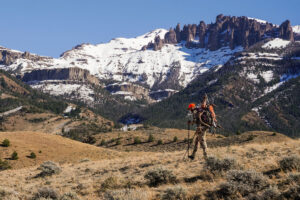
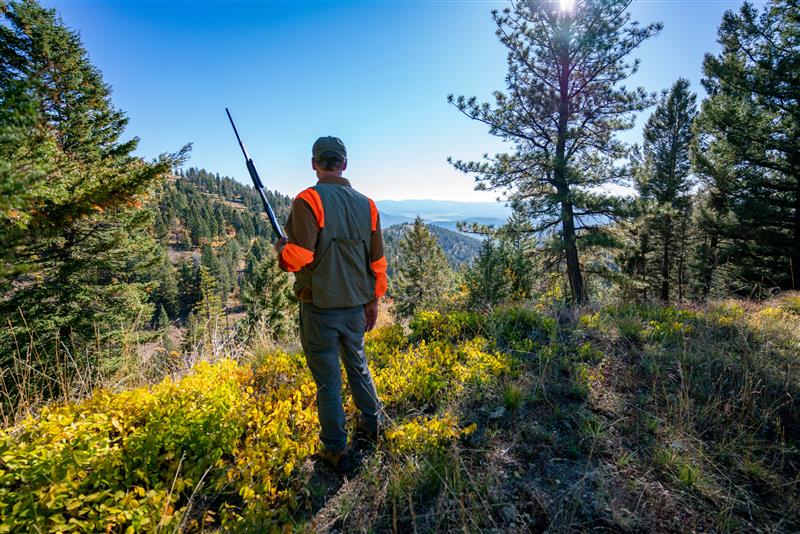
America’s 640 million acres of national public lands provide irreplaceable hunting and fishing opportunities to millions of Americans.

Learn More About Access
What TRCP is Doing

We’re working to safeguard America’s public lands so hunters and anglers always have quality places to pursue their passions.

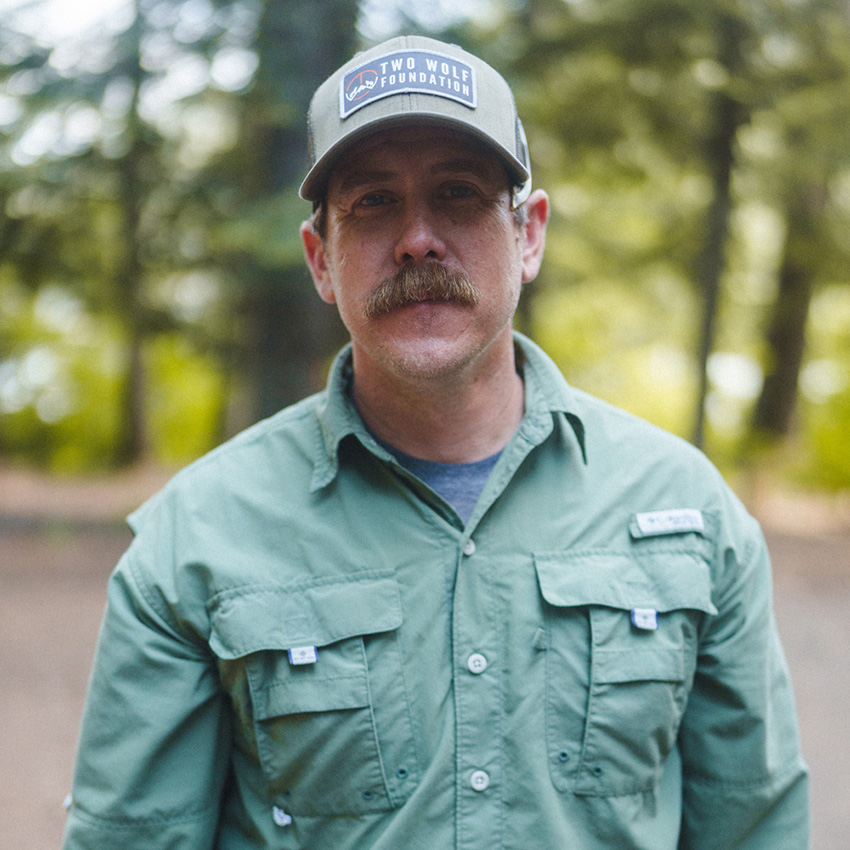
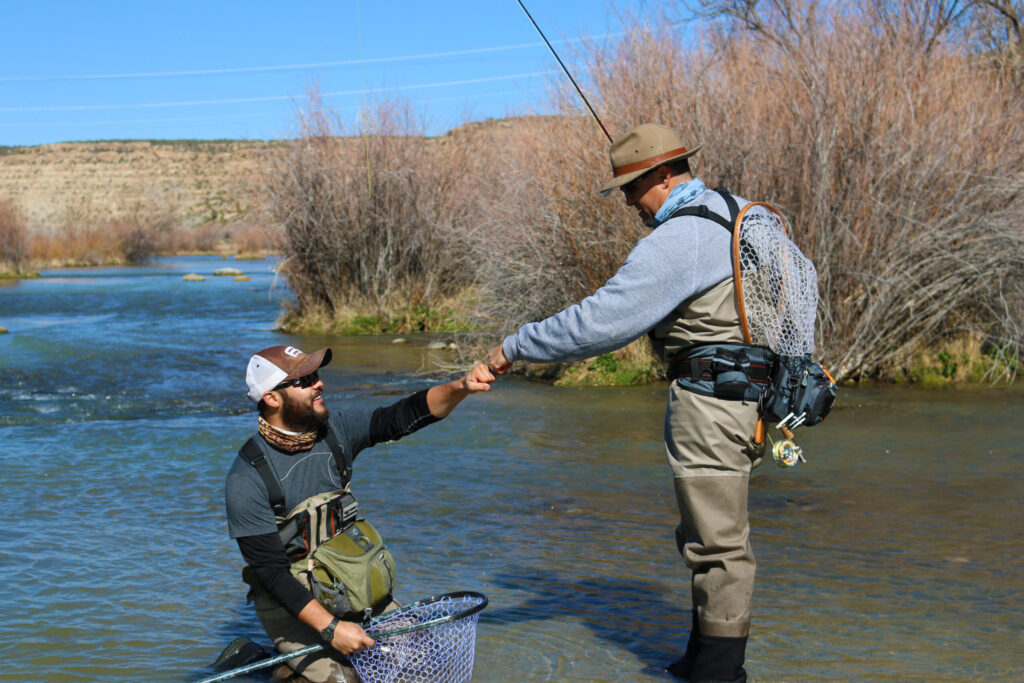
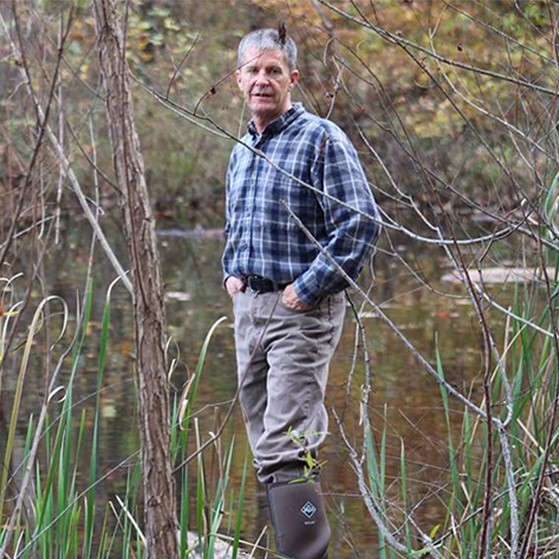
 Brian Flynn, Two Wolf Foundation
How Sportsmen Are Doing It Right

Brian Flynn, Two Wolf Foundation's Story

Following a distinguished career in the U.S. Army, lifelong outdoorsman Brian Flynn returned home from a deployment in Afghanistan and…


Hunting
Why It Matters

Key Issues for America’s Hunters

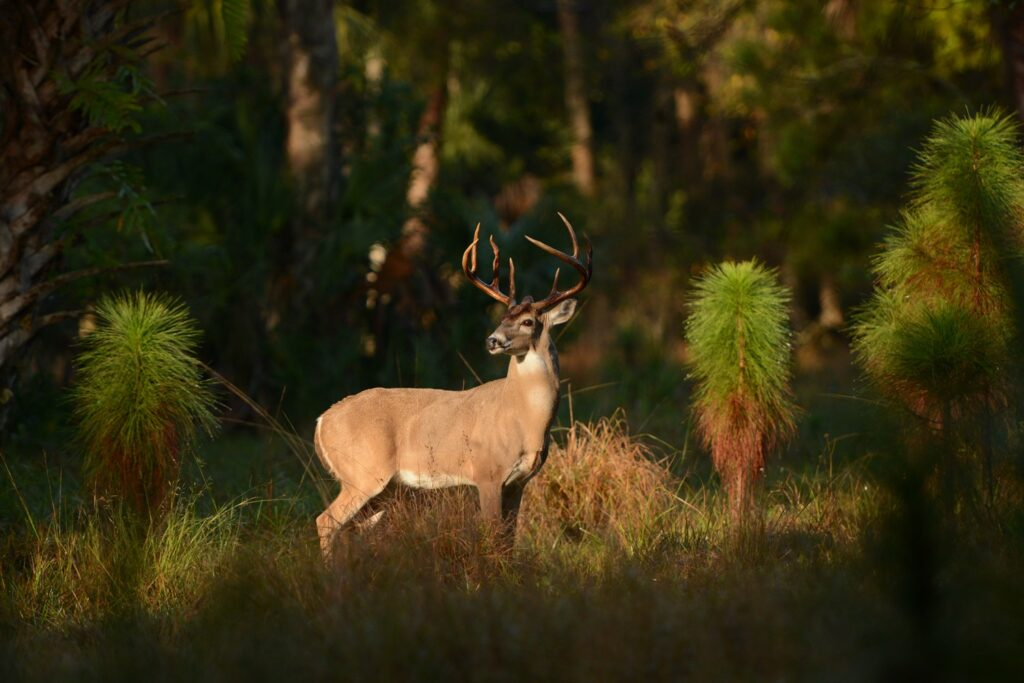
Your source for the latest policy updates, conservation challenges, and opportunities shaping America’s hunting traditions.

What TRCP is Doing

We’re fighting for meaningful policy changes that benefit wildlife, our waters, and the American landscapes that make our outdoor traditions possible.

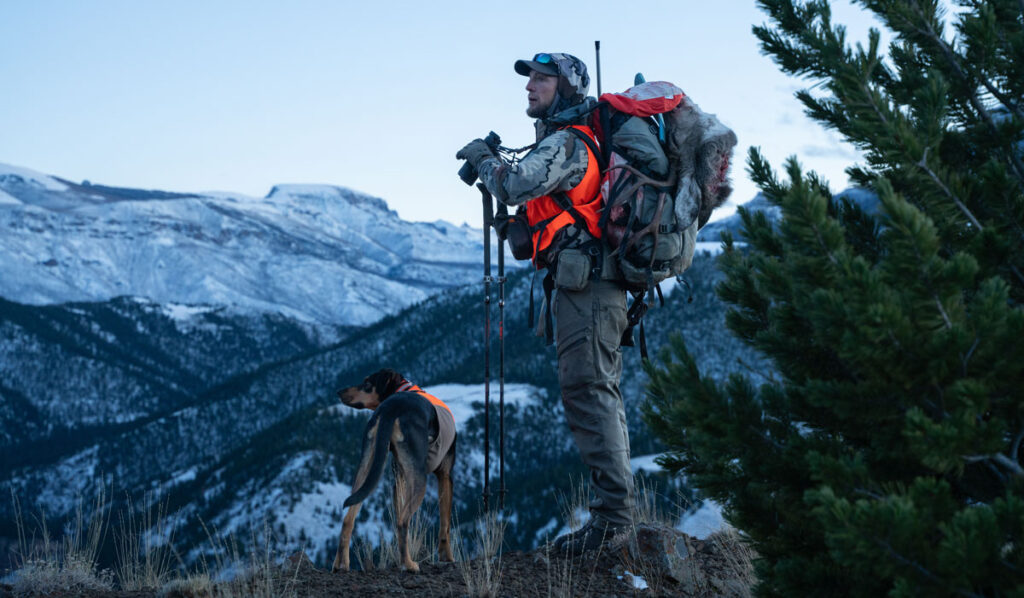
 Ryan Sparks
How Sportsmen Are Doing It Right

Ryan Sparks's Story

TRCP’s “In the Arena” series highlights the individual voices of hunters and anglers who, as Theodore Roosevelt so famously said,…
Fishing
Why It Matters

Key Issues for America’s Anglers

Your source for the latest policy updates, conservation challenges, and opportunities shaping America’s fishing traditions.

What TRCP is Doing

We’re fighting for meaningful policy changes that benefit wildlife, our waters, and the American landscapes that make our outdoor traditions possible.

 David Mangum
How Sportsmen Are Doing It Right

David Mangum's Story

Capt. David Mangum is a YETI ambassador and outdoor photographer who utilizes his talents to produce media that inspire a…

Private Land
Why It Matters

Stewardship on America’s private lands

With 70 percent of U.S. lands in private hands and many of our best hunt and fish opportunities occurring there, investing in voluntary conservation on working lands safeguards access, strengthens habitat and water quality, and ensures resilient landscapes.

Learn More
What TRCP is Doing

We champion policies and programs that restore wildlife habitat, improve soil and water health, and keep working lands productive.

 Ward Burton
How Sportsmen are Doing It Right

Ward Burton's Story

Ward Burton’s NASCAR driving career stretched across most of two decades. As an avid sportsman and conservationist, he founded the…

Special Places
Why It Matters

Special Places Worth Protecting

America’s most iconic landscapes provide unmatched habitat and unforgettable days afield. These places sustain wildlife, anchor local economies, and define the hunting and fishing traditions we pass down.

What TRCP is Doing

We’re working to conserve special places that provide world-class habitat and unforgettable opportunities for hunters and anglers.

 Franklin Adams
How Sportsmen Are Doing It Right

Franklin Adams's Story

As a true Gladesman, conservationist, and historian, Capt. Franklin Adams has spent more than six decades championing Everglades restoration efforts…

Habitat & Clean Water
Why It Matters

Healthy Habitat Powers Every Pursuit

All hunting and fishing opportunities depend on quality habitat, from clean water and healthy wetlands to winter and summer habitats and the migration corridors that connect them.

All About Habitat & Clean Water
What TRCP is Doing

We are working to safeguard the habitats that power every hunting and fishing opportunity.

 Alex Harvey
How Sportsmen Are Doing It Right

Alex Harvey's Story

Alex Harvey, founder of Legacy Land Management, is a registered professional forester in Mississippi and Alabama with a Master's degree…

Science
Why It Matters

Science That Guides TRCP

From conserving migration corridors and wetlands to ensuring clean water and resilient landscapes, science provides evidence that turns conservation goals into effective action.

Science for Conservation
What TRCP is Doing

For hunters and anglers, science safeguards the experiences we treasure including resilient big game populations, abundant fish, and wild places that endure changing social landscapes.

Jamelle Ellis
Your Science Expert

Jamelle Ellis's Story

Jamelle Ellis joined the Theodore Roosevelt Conservation Partnership in 2022. Jamelle spent the last three years as an environmental sustainability…

Where We Work
Across the Nation

Conservation Across America

TRCP works across the country to ensure hunters and anglers can enjoy healthy fish and wildlife and quality days afield, no matter where they live.

See All Issues
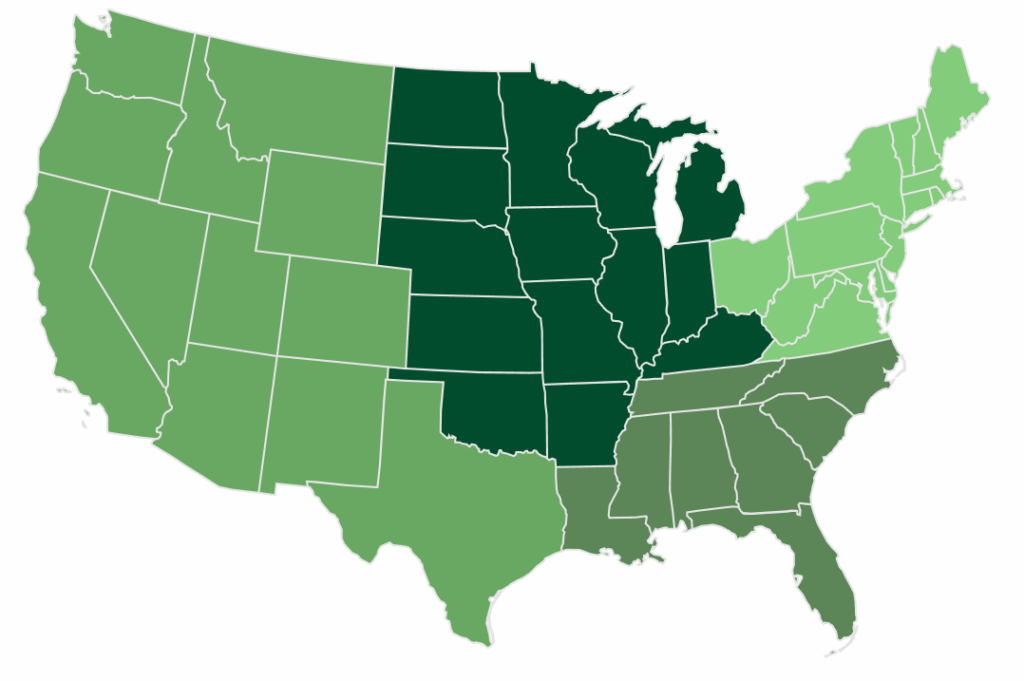
TRCP in Your Region

TRCP works across the country to ensure hunters and anglers can enjoy healthy fish and wildlife and quality days afield, no matter where they live.

Who We Are
Our Mission

To guarantee all Americans quality places to hunt & fish

We unite and amplify our partners’ voices to advance America’s legacy of conservation, habitat, and access.

Our Mission & Values
Our People & Partners
  • Meet the TRCP Team

    Our staff and board members unite and amplify our partners’ voices to advance America’s legacy of conservation, habitat, and access.

    Meet the Team
  • Our Partners

    ‘Partnership’ is in our name. We work with 64 diverse partner groups that represent today’s leading hunting, fishing, and conservation organizations in order to strengthen the sportsman’s voice in Washington, D.C.

    Our Partners
  • Corporate Council

    TRCP’s Corporate Council is made up of diverse corporations that share a common passion for conservation.

    Corporate Council
Our Organization

Looking for more information?

Explore our latest news, policy updates, and conservation resources to get the information you need.

Giving
How You Can Help

To guarantee all Americans quality places to hunt & fish

Your tax-deductible donation will support TRCP's mission, now and into the future.

DONATE
Special Ways to support trcp
  • Capital Conservation Awards Dinner

    The CCAD is one of Washington's best-attended conservation celebrations, featuring dinner, cocktails, and a silent auction.

    Learn More
  • Step Into the Arena

    Help us ensure that our treasured wild habitats and game remain intact for the next generation to enjoy – lend your support to the TRCP’s efforts today!

    Donate
  • Roosevelt Roast

    TRCP has partnered with Afuera Coffee Co. to further our commitment to conservation.

    Learn More
More donation options

Find the best way for you to lend your support. Join one of TRCP’s donor circles for special invitations, premium offerings from outdoor retailers, and more exclusive benefits. Take control of your legacy with planned giving or contribute to special conservation funds.

Other Ways To Give
News
In the Spotlight

The Next Step for the Tongass

Hunters and Anglers Can Help Shape the Forest Plan.

Read More

Stay Informed

Receive our newsletter, the Roosevelt Report, right in your inbox. Never miss the latest news in conservation issues.

by:

posted in:

September 24, 2019

IMG_7240-02-01-1200-web

Do you have any thoughts on this post?

XHTML: You can use these tags: <a href="" title=""> <abbr title=""> <acronym title=""> <b> <blockquote cite=""> <cite> <code> <del datetime=""> <em> <i> <q cite=""> <s> <strike> <strong>

Comments must be under 1000 characters.

What Exactly Is USDA’s Stance on the Boundary Waters?

Once determined to proceed with a thorough environmental review of an unpopular proposed mine, the agency now only seems willing to pass the buck to the state

It is a truism that politicians try to have it both ways, telling constituents and donors just what they want to hear while their actions tell a different story. We are seeing this play out in Minnesota, where Sportsmen for the Boundary Waters have been fighting to protect the Boundary Waters Canoe Area Wilderness from a proposed copper nickel mine.

In this case, the U.S. Department of Agriculture has made and broken commitments concerning an important environmental review of the proposed mine, which has limited the use of science, the public’s input, and the ability of federal land management agencies to affect the outcome of the project.

Photo courtesy of Sportsmen for the Boundary Waters.

In 2017, Secretary Perdue committed to a two-year environmental review of copper nickel mining upstream of the Boundary Waters during his congressional testimony, saying, “We are determined to proceed in that effort and let it run its course. No decision will be made prior to the conclusion of that [review].” But 20 months into the 24-month study, Secretary Perdue cancelled the study, calling it “a roadblock to mining exploration.” The BLM and USDA then renewed the contested leases in 2019, which cleared the way for mining company Twin Metals to submit a formal mine plan of operation to state and federal officials.

In a long back and forth with the USDA and U.S. Forest Service, Sportsmen for the Boundary Waters and other conservation groups requested in May 2019 that the study be completed prior to the renewal of any mineral leases in the Boundary Waters watershed. That request was ignored. Now, it seems that Perdue is suggesting that it is up to Minnesota Governor Tim Walz to stop the mine from being built and that he could do so without an environmental study.

This is not the case: The Forest Service is required to lead on all environmental reviews and NEPA analyses of projects on federal land, in this case the Superior National Forest. The former chief of the Forest Service understood this well when he withheld consent for the renewal of these leases in 2016. Secretary Perdue seems to understand the risk the project poses to the Boundary Waters, and he originally expressed real concern for making sure no harm came to the habitat.

Photo courtesy of Sportsmen for the Boundary Waters.

Sportsmen and women want more from federal decision-makers than acts of good faith toward conservation goals. Instead, we’re seeing a disturbing trend of leaving the states with total responsibility for any real decisions concerning environmental review, permitting, and the protection of important fish and wildlife resources.

Twin Metals is due to submit a mine plan of operation in the coming months without public input or the level of study that would have been conducted in the cancelled mineral withdrawal study. Their proposed project on the South Kawishiwi River has the potential to pollute the Boundary Waters, Voyageur’s National Park, and Canada’s Quetico Provincial Park. The remote nature of these public lands and waters makes remediation or cleanup of any pollution essentially impossible.

And the fundamental question the cancelled study was meant to answer has never been answered: Is this the right place for a copper mine?

Photo courtesy of Sportsmen for the Boundary Waters.

Secretary Perdue followed up his statements in Minnesota with an op-ed in a local paper, writing, “I’m confident any plan approved to move forward would preserve the high-quality fishing, wildlife viewing, recreational opportunities and wilderness character that Minnesotans and visitors from around the world enjoy in the Boundary Waters.” Hunters, anglers, and paddlers who use the Boundary Waters do not share Secretary Perdue’s confidence.

More than 180,000 people weighed in during the Forest Service’s environmental review—the one that was halted before it could be finished—and thousands of Minnesotans turned out to public listening sessions across the state. The USDA could restore the public’s confidence by committing to completing the cancelled study and halting all mining approvals, including any federal permitting related to a mine plan of operation, until the study is released publicly.

Not all development makes sense, especially where fish and wildlife actually provide a greater value to citizens who love to hunt and fish, but also to our economy. This was the exact reason that President Theodore Roosevelt initially set aside the Superior National Forest in 1909 as a place to be protected for future generations. The Boundary Waters and Superior National Forest contain 20 percent of the fresh water in the entire 191-million-acre National Forest System and a quarter of the freshwater streams in the agency’s entire Eastern Region.

To uphold Theodore Roosevelt’s conservation legacy, we must urge our elected officials to defend our public land and water, or future generations will pay the price for our inaction.


Whit Fosburgh is the president and CEO of the Theodore Roosevelt Conservation Partnership, a national nonprofit working to guarantee all Americans quality places to hunt and fish.

Spencer Shaver is the conservation director for Sportsmen for the Boundary Waters, which works to protect the integrity of the Boundary Waters Canoe Area Wilderness and its watersheds for huntable and fishable populations of fish and wildlife, now and forever through advocacy and education. You can take action to protect the Boundary Waters by contacting your elected officials here.


This story also ran on the Sportsmen for the Boundary Waters website.

by:

posted in:

September 23, 2019

New Video Arms Hunters with Must-Have Skill to Combat the Spread of CWD

Featuring MeatEater’s Rinella and Putelis, the how-to on deboning a deer in the field helps hunters adhere to new regulations and avoid transporting parts of deer carcasses that could carry chronic wasting disease

The Theodore Roosevelt Conservation Partnership joins several of the nation’s other leading conservation and hunting organizations in launching a new how-to video on deboning a deer in the field. This helps to prevent bringing home parts of the carcass that could carry chronic wasting disease.

Arming hunters with this information and preventing the transportation of certain deer parts that can contain CWD prions—including the brain, spinal cord, lymph nodes, and spleen—is a critical part of the overall strategy behind stopping the spread of this 100-percent fatal disease in deer, elk, and moose. Many states have recently implemented restrictions on the importation of harvested deer bones and soft tissue as part of a CWD response plan.

“Hunters want to be part of CWD solutions and we’re already being asked, in some cases, to change the way we hunt so as not to perpetuate what is already a rapidly growing epidemic in our wild deer herds,” says Whit Fosburgh, president and CEO of the TRCP. “That’s why we thought it was important to put this resource out there and make the direct connection between the simple act of deboning your deer in the field and slowing the spread of chronic wasting disease. It’s not much to ask when you consider that the future of deer hunting is at stake.”

The 9-minute educational video was produced by the team at MeatEater, features Steven Rinella and Janis Putelis, and has the support of the National Deer Alliance, Mule Deer Foundation, Quality Deer Management Association, Archery Trade Association, and National Shooting Sports Foundation.

“We’re grateful for the expertise of the MeatEater team and the support of our partners, who will help carry this message to millions of deer hunters across the country,” says Fosburgh.

The TRCP is also asking sportsmen and women to support federal investments in CWD research and testing, to help states respond to this disease. Take action here.

by:

posted in:

September 19, 2019

Omega Protein Breaks the Rules in Chesapeake Bay

Fishing groups call on Atlantic States Marine Fisheries Commission and Department of Commerce to take immediate action

Recreational fishermen are demanding that the Atlantic States Marine Fisheries Commission intervene after industrial harvesting giant Omega Protein failed to comply with the Commission’s menhaden catch limits in the Chesapeake Bay.

Omega previously made a commitment to comply with the 51,000 MT catch limit, but just last week the foreign-owned corporation said it would exceed the cap in the Chesapeake Bay.

“While recreational fishermen face lower limits on striped bass, Omega is scooping up 70 percent of the coastwide catch of the striper’s primary food source,” said Whit Fosburgh, president and CEO of the Theodore Roosevelt Conservation Partnership. “Omega is willfully violating the Commission’s menhaden management plan, and this behavior is unacceptable. We urge the Commission and the Department of Commerce to bring this foreign fishing operation in line.”

Research suggests localized depletion of menhaden in Chesapeake Bay could be responsible for as much as a 30 percent decline in striped bass. A study determined the 2016 striped bass fishery generated $7.8 billion toward our nation’s gross domestic product.

“It’s frustrating and disappointing to see the menhaden Chesapeake Bay cap intentionally exceeded,” said Mike Leonard, vice president of government affairs for the American Sportfishing Association. “The Chesapeake Bay is a critical nursery for menhaden and many of its predators such as striped bass, which is why leaving sufficient menhaden in the Bay is so important. This action undermines not only the health of the marine environment, but also the science-based process the Atlantic States Marine Fisheries Commission used to make their decision.”

“Just days after the Marine Stewardship Council christened the Atlantic menhaden fishery as a sustainable fishery, Omega Protein abruptly announced it will summarily disregard the harvest cap that was established through a legitimate management action of the Atlantic States Marine Fisheries Commission,” said Ted Venker, conservation director for the Coastal Conservation Association. “Our fears about the biased MSC process and Omega’s lack of commitment to consensus-based management and conservation have been shown to be well-founded. It is imperative that the ASMFC, and ultimately the Department of Commerce, find Omega out of compliance with the current Atlantic menhaden management plan and take the appropriate action.”


Top photo by Stephan Lowy.

Atlantic Striped Bass Are in Trouble and You Can Help

East Coasters have the chance to stand up for smart solutions to overfishing, including leaving more food in the water for stripers

Along much of the East Coast, sportfishing has been exceptional this summer. From red drum and cobia to flounder and Spanish mackerel, anglers have enjoyed great fun. A major exception, however, has been stripers. As in previous seasons, anglers reported seeing smaller, skinnier bass, particularly in the northern Atlantic.

This isn’t surprising, sadly. The 2018 stock assessment for striped bass confirms what we’ve seen on the water for far too long: Stripers are overfished and overfishing is still occurring. Unless decisive action is taken, this iconic sportfish is headed for serious trouble.

As required under their mandate, the fisheries managers at the Atlantic States Marine Fisheries Commission must reduce the annual fishing-related mortality for striped bass along the Atlantic coast and in the Chesapeake Bay. Their staff has recommended a minimum 18-percent reduction to reverse this troubling decline and get the species back on a healthy track.

The ASMFC is considering several options to achieve these reductions and will hold a final vote at its October meeting. In an effort to get input, commissioners are holding public hearings up and down the Atlantic coast to solicit comments from anglers and outdoor recreation businesses.

Showing up and speaking out at these meetings can make a big difference. When you step up to the microphone, here’s what the TRCP recommends supporting.

Sharing the Burden of Rebuilding the Stock

First, the TRCP believes that the ASMFC should reduce the overall catch equitably among both commercial and recreational fishing. We’re all out there benefiting from the resource, so we should all be part of the solution.

Limits We Can Live With

On the rec side, the TRCP’s preferred option is a one-fish-per-angler limit in the bay and along the Atlantic ocean. Any striper you keep in the Chesapeake would have to be 18 inches or longer and only stripers longer than 35 inches would be keepers out on open water within three miles of the shore.

This would help more rockfish reach spawning size, which in turn would boost overall population numbers.

Tip: At a hearing or in written comments, you’ll want to specifically say, “I support Options 2-A1 and 2-B1.”

Requiring Circle Hooks for Baitfishing

Research has shown that circle hooks can significantly decrease gut hooking, when used correctly. In turn, this reduces the number of rockfish that die after being released. This is an important step in reducing the overall mortality rate for these fish, with size limits to guide what fish you take and safer release standards for fish you throw back.

Tip: At a hearing or in written comments, you’ll want to specifically say, “I support Option B on circle hooks.”

Standing Strong for Menhaden

Angler conservation ethics and revised stripers rules can help the striped bass stock recover more quickly. Yet, as these sacrifices are being made, it makes no sense to allow the industrialized harvest of menhaden—the stripers’ primary food source—to increase. A single foreign-owned industrialized harvester sucks up more than 70 percent of the coastwide menhaden catch, and much of that is in the Chesapeake Bay. Research suggests localized depletion of menhaden in the bay could be responsible for as much as a 30-percent decline in striped bass.

That’s why the TRCP and our sportfishing partners have launched a campaign to ensure that coastal states and the ASMFC honor their commitment to moving forward on an ecosystem-based management model for menhaden. This would provide a more accurate accounting of menhaden’s critical role in the marine food chain.

The Bottom Line

The ASMFC is absolutely correct to take swift action—in fact, some Atlantic states, like Virginia, have already reduced seasons and bag limits on their own. This is laudable. The bottom line is that the TRCP wants to see the best possible outcome for stripers and their forage base, but we need anglers like you to get involved.

If you cannot attend a hearing in person, submit your public comment via email to comments@asmfc.org with “Striped Bass Draft Addendum VI” in the subject line. The deadline is 5 p.m. EST on October 7, 2019.


Capt. Chris Dollar is an outdoor writer, fishing guide, and outfitter based on Maryland’s Eastern Shore. He has nearly 25 years of experience as an outdoors professional and is dedicated to conserving all things wild. He currently serves as program manager for the TRCP’s Atlantic menhaden conservation campaign.


Top photo by Will Parson/Chesapeake Bay Program.

HOW YOU CAN HELP

TRCP has partnered with Afuera Coffee Co. to further our commitment to conservation. $4 from each bag is donated to the TRCP, to help continue our efforts of safeguarding critical habitats, productive hunting grounds, and favorite fishing holes for future generations.

Learn More

You have Successfully Subscribed!

You have Successfully Subscribed!

You have Successfully Subscribed!

You have Successfully Subscribed!