Our Issues
Public Lands
Why It Matters

Hunting & Fishing Access

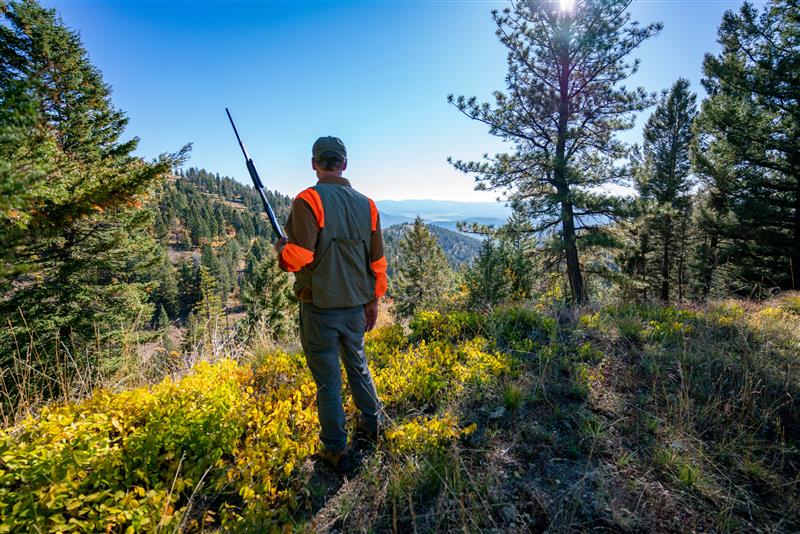
America’s 640 million acres of national public lands provide irreplaceable hunting and fishing opportunities to millions of Americans.

Learn More About Access
What TRCP is Doing

We’re working to safeguard America’s public lands so hunters and anglers always have quality places to pursue their passions.
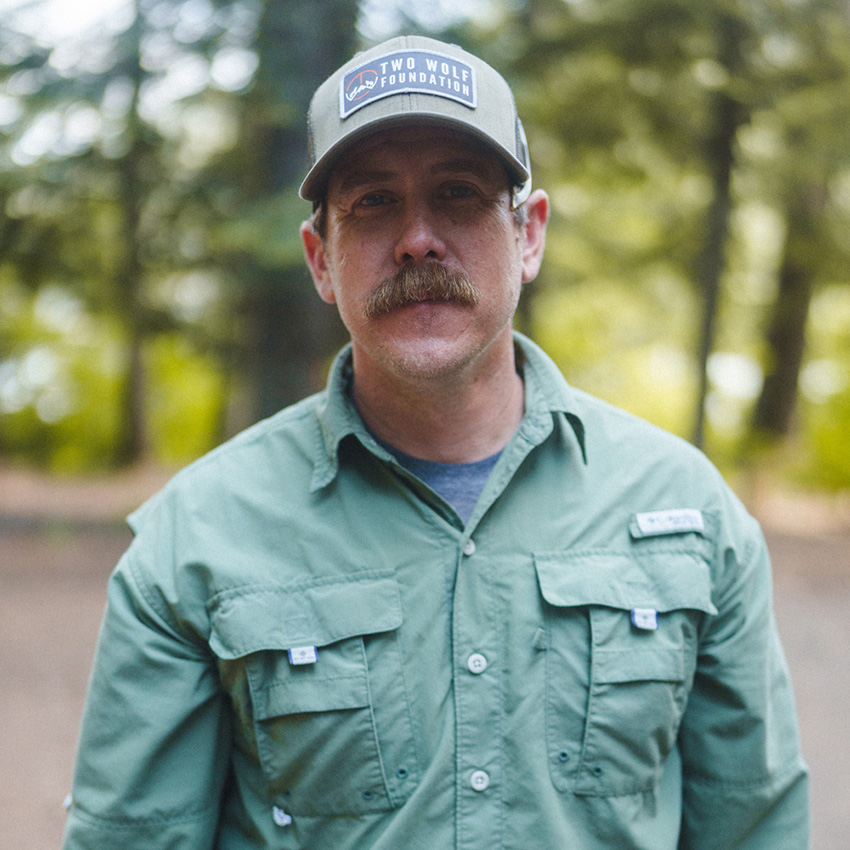
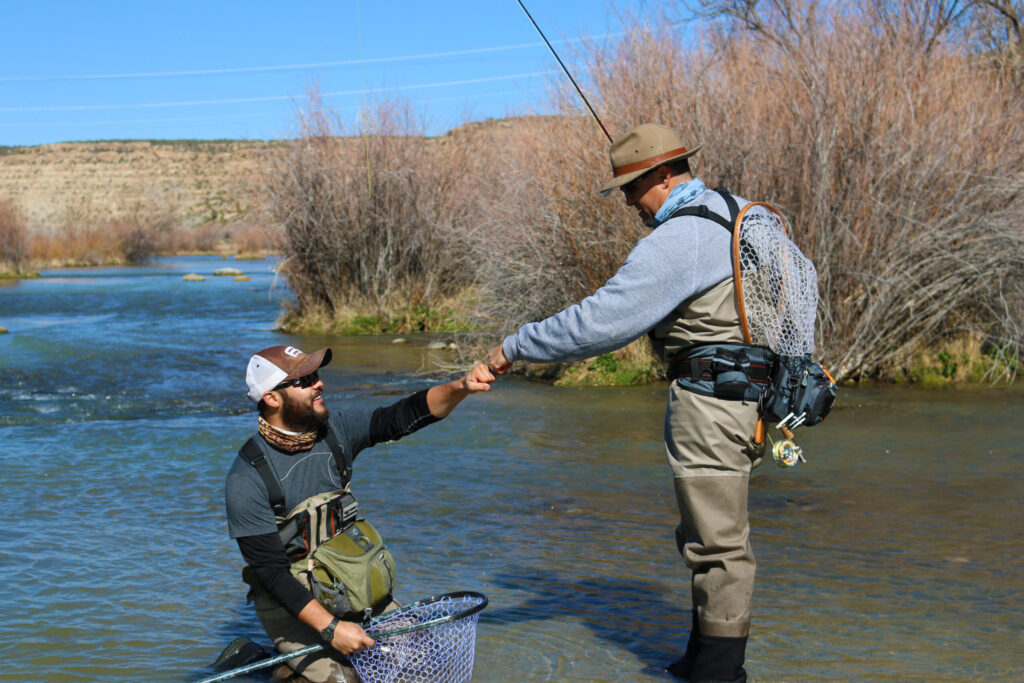
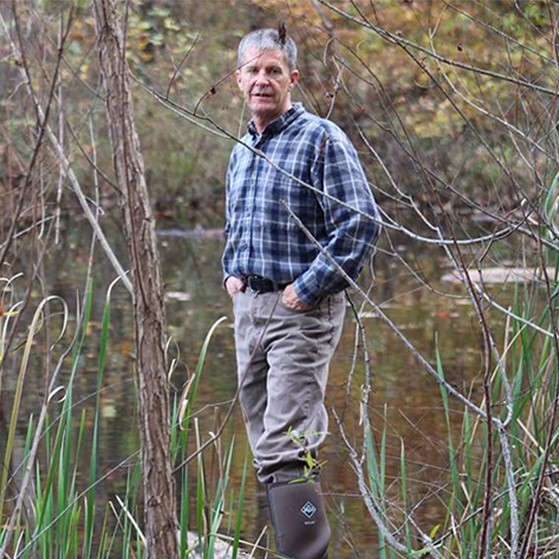
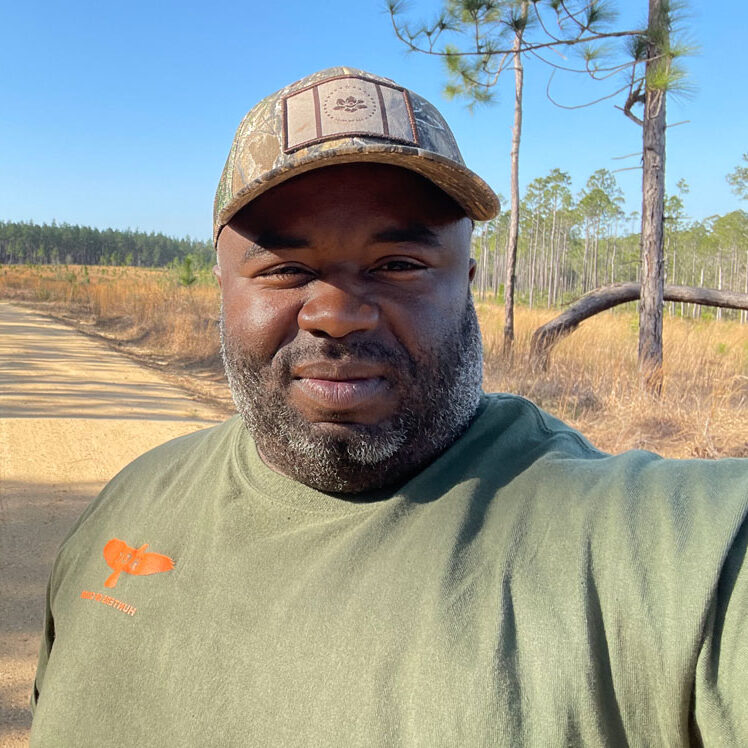
 Brian Flynn, Two Wolf Foundation
How Sportsmen Are Doing It Right

Brian Flynn, Two Wolf Foundation's Story

Following a distinguished career in the U.S. Army, lifelong outdoorsman Brian Flynn returned home from a deployment in Afghanistan and…


Hunting
Why It Matters

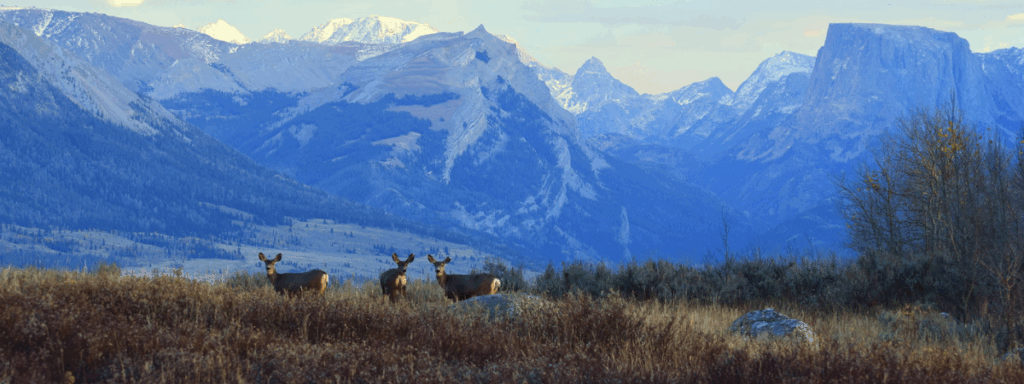
Key Issues for America’s Hunters

Your source for the latest policy updates, conservation challenges, and opportunities shaping America’s hunting traditions.

What TRCP is Doing

We’re fighting for meaningful policy changes that benefit wildlife, our waters, and the American landscapes that make our outdoor traditions possible.

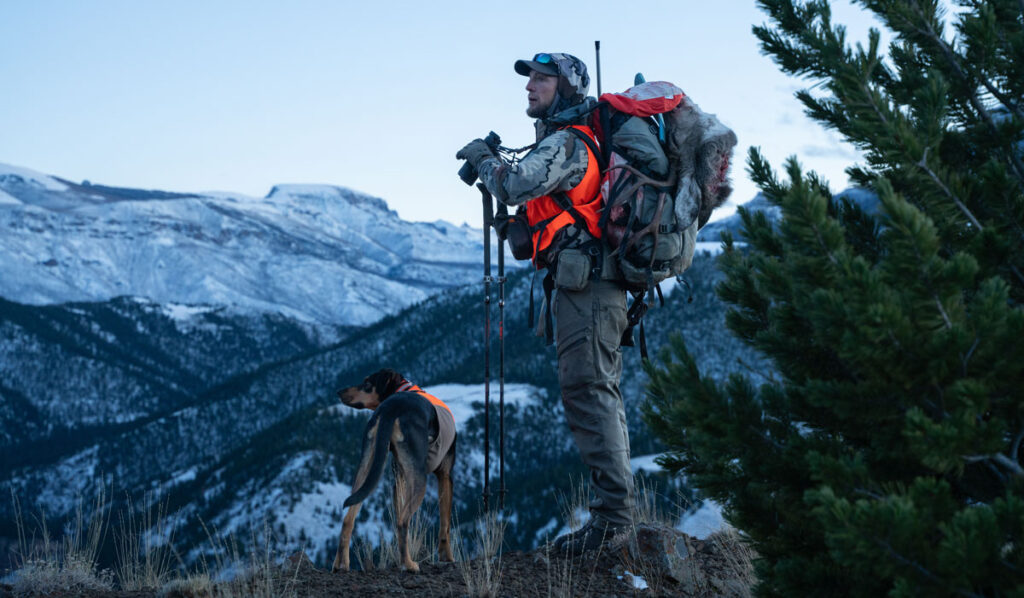
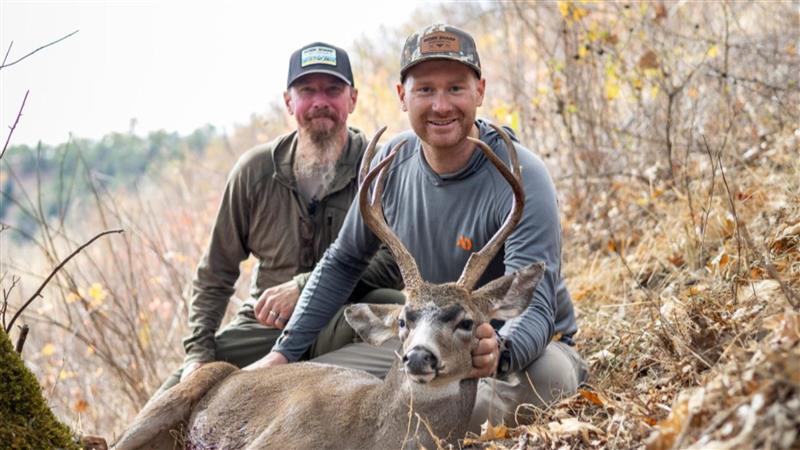
 Ryan Sparks
How Sportsmen Are Doing It Right

Ryan Sparks's Story

TRCP’s “In the Arena” series highlights the individual voices of hunters and anglers who, as Theodore Roosevelt so famously said,…

Fishing
Why It Matters

Key Issues for America’s Anglers

Your source for the latest policy updates, conservation challenges, and opportunities shaping America’s fishing traditions.

What TRCP is Doing

We’re fighting for meaningful policy changes that benefit wildlife, our waters, and the American landscapes that make our outdoor traditions possible.

 David Mangum
How Sportsmen Are Doing It Right

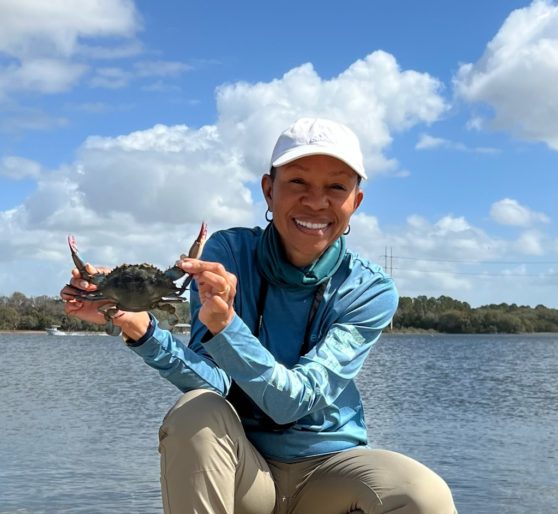
David Mangum's Story

Capt. David Mangum is a YETI ambassador and outdoor photographer who utilizes his talents to produce media that inspire a…

Private Land
Why It Matters

Stewardship on America’s private lands

With 70 percent of U.S. lands in private hands and many of our best hunt and fish opportunities occurring there, investing in voluntary conservation on working lands safeguards access, strengthens habitat and water quality, and ensures resilient landscapes.

Learn More
What TRCP is Doing

We champion policies and programs that restore wildlife habitat, improve soil and water health, and keep working lands productive.

 Ward Burton
How Sportsmen are Doing It Right

Ward Burton's Story

Ward Burton’s NASCAR driving career stretched across most of two decades. As an avid sportsman and conservationist, he founded the…

Special Places
Why It Matters

Special Places Worth Protecting

America’s most iconic landscapes provide unmatched habitat and unforgettable days afield. These places sustain wildlife, anchor local economies, and define the hunting and fishing traditions we pass down.

What TRCP is Doing

We’re working to conserve special places that provide world-class habitat and unforgettable opportunities for hunters and anglers.

 Franklin Adams
How Sportsmen Are Doing It Right

Franklin Adams's Story

As a true Gladesman, conservationist, and historian, Capt. Franklin Adams has spent more than six decades championing Everglades restoration efforts…

Habitat & Clean Water
Why It Matters

Healthy Habitat Powers Every Pursuit

All hunting and fishing opportunities depend on quality habitat, from clean water and healthy wetlands to winter and summer habitats and the migration corridors that connect them.

All About Habitat & Clean Water
What TRCP is Doing

We are working to safeguard the habitats that power every hunting and fishing opportunity.

 Alex Harvey
How Sportsmen Are Doing It Right

Alex Harvey's Story

Alex Harvey, founder of Legacy Land Management, is a registered professional forester in Mississippi and Alabama with a Master's degree…

Science
Why It Matters

Science That Guides TRCP

From conserving migration corridors and wetlands to ensuring clean water and resilient landscapes, science provides evidence that turns conservation goals into effective action.

Science for Conservation
What TRCP is Doing

For hunters and anglers, science safeguards the experiences we treasure including resilient big game populations, abundant fish, and wild places that endure changing social landscapes.

Jamelle Ellis
Your Science Expert

Jamelle Ellis's Story

Jamelle Ellis joined the Theodore Roosevelt Conservation Partnership in 2022. Jamelle spent the last three years as an environmental sustainability…

Where We Work
Across the Nation

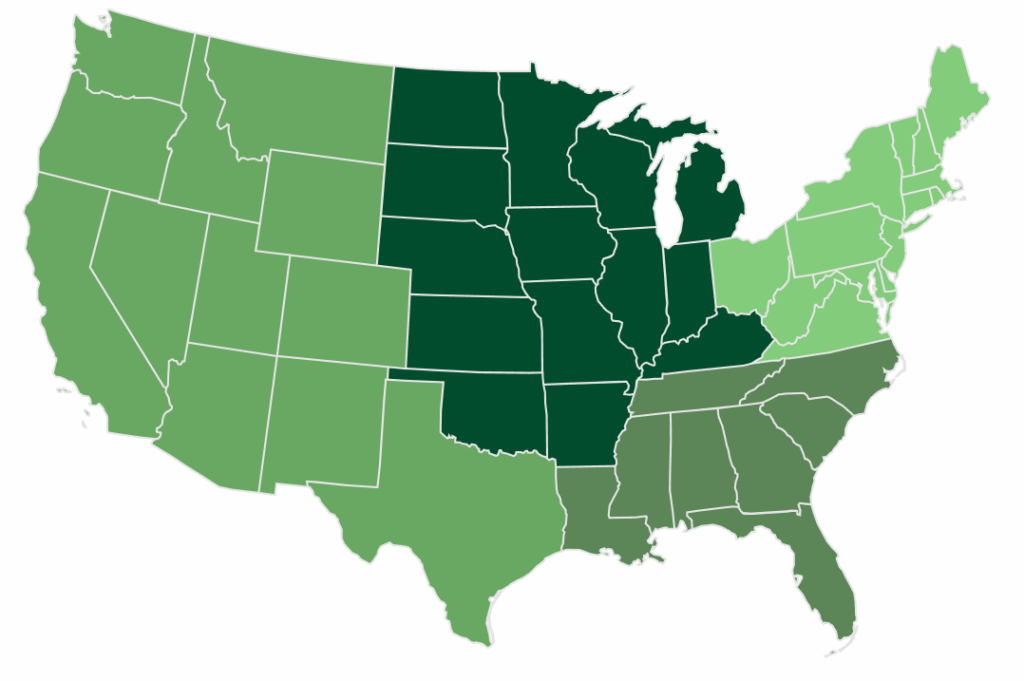
Conservation Across America

TRCP works across the country to ensure hunters and anglers can enjoy healthy fish and wildlife and quality days afield, no matter where they live.

See All Issues
TRCP in Your Region

TRCP works across the country to ensure hunters and anglers can enjoy healthy fish and wildlife and quality days afield, no matter where they live.

Who We Are
Our Mission

To guarantee all Americans quality places to hunt & fish

We unite and amplify our partners’ voices to advance America’s legacy of conservation, habitat, and access.

Our Mission & Values
Our People & Partners
  • Meet the TRCP Team

    Our staff and board members unite and amplify our partners’ voices to advance America’s legacy of conservation, habitat, and access.

    Meet the Team
  • Our Partners

    ‘Partnership’ is in our name. We work with 64 diverse partner groups that represent today’s leading hunting, fishing, and conservation organizations in order to strengthen the sportsman’s voice in Washington, D.C.

    Our Partners
  • Corporate Council

    TRCP’s Corporate Council is made up of diverse corporations that share a common passion for conservation.

    Corporate Council
Our Organization

Looking for more information?

Explore our latest news, policy updates, and conservation resources to get the information you need.

Giving
How You Can Help

To guarantee all Americans quality places to hunt & fish

Your tax-deductible donation will support TRCP's mission, now and into the future.

DONATE
Special Ways to support trcp
  • Capital Conservation Awards Dinner

    The CCAD is one of Washington's best-attended conservation celebrations, featuring dinner, cocktails, and a silent auction.

    Learn More
  • Step Into the Arena

    Help us ensure that our treasured wild habitats and game remain intact for the next generation to enjoy – lend your support to the TRCP’s efforts today!

    Donate
  • Roosevelt Roast

    TRCP has partnered with Afuera Coffee Co. to further our commitment to conservation.

    Learn More
More donation options

Find the best way for you to lend your support. Join one of TRCP’s donor circles for special invitations, premium offerings from outdoor retailers, and more exclusive benefits. Take control of your legacy with planned giving or contribute to special conservation funds.

Other Ways To Give
News
In the Spotlight

In the Arena: Josh Warren

For many hunters and anglers, the connection to conservation begins close to home — in the woods behind the house, along a familiar stretch of river, or through time spent learning from mentors and family. That sense of place is something Joshua Warren carries with him, both personally and professionally. As Director of Marketing at WorkSharp, Josh represents a company rooted in Ashland, Oregon, a community defined by its access to public lands and wild country.

Read More

Stay Informed

Receive our newsletter, the Roosevelt Report, right in your inbox. Never miss the latest news in conservation issues.

by:

posted in:

July 26, 2019

Zane-hunting-2-1200-web

Do you have any thoughts on this post?

XHTML: You can use these tags: <a href="" title=""> <abbr title=""> <acronym title=""> <b> <blockquote cite=""> <cite> <code> <del datetime=""> <em> <i> <q cite=""> <s> <strike> <strong>

Comments must be under 1000 characters.

by:

posted in:

July 25, 2019

Sportsmen’s Groups Throw Support Behind Renewable Energy Legislation

Today’s House hearing will consider a measure that our coalition says will help protect wildlife and public lands with thoughtful planning and revenue for conservation

Sporting groups have rallied around a bill that would balance development of renewable energy with fish and wildlife conservation on public lands. The Public Lands Renewable Energy Development Act of 2019, reintroduced earlier this month, was debated in a hearing this morning in the House Subcommittee on Energy and Mineral Resources.

The bill sponsored by Reps. Paul Gosar (R-Ariz.) and Mike Levin (D-Calif.) would:

  • Establish a forward-looking and efficient management system for wind and solar projects on public lands.
  • Direct at least 25 percent of royalties to a conservation fund.
  • Direct another 50 percent to state and local governments where projects are located.
  • Encourage smart planning and balance between development and protection of fish and wildlife resources.

Royalties directed into the newly established conservation fund could be used to restore fish and wildlife habitat affected by development and maintain access to hunting and fishing opportunities on public lands.

The bipartisan measure is aimed at building the framework for more efficient, responsible development of renewable energy on public lands. By planning ahead and identifying priority areas for wind, solar, and geothermal development, PLREDA encourages smart siting and efficient permitting of projects in places with high potential for energy and low impact on wildlife and habitat. (We outlined how PLREDA would work as it moved through Congress in 2017.)

Hunters and anglers are supportive of the development of renewable energy resources on public lands when it is done in the right places and in a manner that conserves fish and wildlife habitat as outlined in this bill.

“Renewable energy on public lands offers great potential to society, but it must be done right,” said Chris Wood, president and CEO of Trout Unlimited. “This bill does it right. It compensates local communities for the impacts of development and requires smart planning from the start. It creates a restoration and mitigation fund that ensures we take care of the fish, water, and wildlife resources upon which our nation depends. Trout Unlimited is grateful to the co-sponsors for their support of this important legislation.”

“This bill would achieve a rare win-win scenario by thoughtfully balancing renewable energy development and habitat needs, while creating a consistent stream of revenue to fund essential fish and wildlife management projects,” said Whit Fosburgh, president and CEO of the Theodore Roosevelt Conservation Partnership. “We’re heartened to see momentum behind this legislation, which will create opportunities to enhance sportsmen’s access, clean water resources, and critical habitat for important game species. This bipartisan bill and common-sense approach to conservation funding have TRCP’s full support.”

“Hunters and anglers support multiple uses, including energy development, on public lands with the understanding that fish and wildlife and the interests of sportsmen and women are acknowledged as a top priority,” said John Gale, conservation director for Backcountry Hunters & Anglers. “PLREDA does this by facilitating clean energy infrastructure, elevating considerations for fish and wildlife habitat and supporting local economies. We thank Reps. Gosar and Levin for their bipartisan leadership on this issue.”

Public lands contain some of the most valuable fish and wildlife habitat in the nation. These lands also provide a great opportunity for well-planned and properly mitigated renewable energy development projects that could contribute to job creation, reduce carbon pollution, and boost the conservation of natural resources for the benefit of this and future generations.

Conservation has been a hot topic with lawmakers in recent weeks. Learn more about a new bill that would invest roughly $1.4 billion in proactive, voluntary conservation efforts to benefit the most vulnerable species.


Top photo by Jim Hardy.

by:

posted in:

July 23, 2019

Bringing Back Florida’s Essential Seagrass and Coral Will Take a Team Effort

These marine resources have taken a major hit, but firm commitments from the state, feds, and researchers could help bring back lost fish habitat

Seagrass beds and coral reefs are two vitally important habitats for a variety of popular sportfish—including tarpon, redfish, snook, speckled trout, bonefish, permit, cobia, snapper, and groupers—as well as the forage fish and crustaceans these predators eat.

Increased salinity levels in Florida Bay, due to a lack of freshwater moving through the Everglades, has combined with poor water quality, hurricanes, and coral diseases to take a significant toll on these critical habitats over the last three decades. In fact, hyper-saline conditions in 2015 led to historic seagrass loss in Florida Bay, and it’s estimated that Florida’s natural coral reefs have experienced as much as a 90-percent loss in some areas.

But with funding and support from sportfishing conservation organizations, proactive steps have been taken at the local, state, and federal level to address the root causes of both seagrass and coral mortality. Here’s how.

National Commitment to the Everglades

Beginning with the authorization of the Central Everglades Planning Project in the 2016 Water Resources Development Act (WRDA), and continuing with the authorization of a southern storage reservoir in the Everglades Agricultural Area, key projects will allow for more clean water to move south into the Everglades and eventually Florida Bay, reducing the need for discharges that damage coastal estuaries.

State Steps Up

In June 2019, the state of Florida and U.S. Department of Transportation announced a combined $100-million commitment to elevating more than six miles of the Tamiami Trail highway (US 41) to allow for water to pass under the road and into Everglades National Park. The announcement was made just as an earlier phase of the project was completed—a $90-million effort that elevated more than three miles of the highway to allow for increased water flow.

In This Together

Commitments to coral restoration have been made, as well. Federal-state partnerships—including the Water Quality Protection Program, administered by the U.S. EPA and Florida’s Department of Environmental Protection, and the Florida Keys Water Quality Improvement Program—have aimed to better control wastewater discharges. Scientists with NOAA and the Florida Keys National Marine Sanctuary have worked closely with Florida’s DEP and FWC to identify the causes of coral disease, develop effective responses, and determine how to best restore affected areas.

Florida’s Mote Marine Laboratory has also been studying coral diseases, investing more than $6 million in combined state and federal funds to plant nearly 100,000 corals in affected areas over the last five years.

Image courtesy of Amanda Nalley/Florida Fish and Wildlife.
Florida’s Fishing Future

The Everglades Foundation, American Sportfishing Association, Theodore Roosevelt Conservation Partnership, Captains for Clean Water, National Audubon Society, National Wildlife Federation, and a host of other conservation and sportfishing organizations have pushed for a federal commitment of $200 million each year for the next 10 years to complete vital Everglades restoration and water quality improvement projects across South Florida.

Florida Governor Ron DeSantis and the Florida Legislature have allocated more than $400 million to Everglades restoration and water quality improvements.

These combined efforts to address habitat restoration in South Florida will ensure the future of sportfishing in this destination fishery.

This topic was featured at TRCP’s annual Saltwater Media Summit at ICAST on July 11, 2019.

Thank you to our expert panelists: Eric Eikenberg, chief executive officer of the Everglades Foundation; Sarah Fangman, superintendent of the Florida Keys National Marine Sanctuary; Eric Sutton, executive director of the Florida Fish and Wildlife Conservation Commission; Noah Valenstein, secretary of the Florida Department of Environmental Protection.

And our sincerest gratitude to our generous sponsors: American Sportfishing Association, Bass Pro Shops, Costa, Florida Fish and Wildlife Conservation Commission, National Marine Manufacturers Association, NOAA, Peak Design, Recreational Boating and Fishing Foundation, takemefishing.com, and Yamaha.

by:

posted in:

July 19, 2019

Is It Finally Time to Re-Examine How We Divvy Up the Catch Between Recreational and Commercial Fishing?

Today’s allocations are still based on data that is decades old

Divvying up the total catch of a fish stock between recreational and commercial fisheries is arguably the most difficult job for federal fisheries managers.

These allocations are generally set in percentages, as in 51 percent of the Gulf of Mexico red snapper stock is allocated to commercial fishing and 49 percent to recreational fishing. But these percentages are often based on catch data that is decades old.

Even when updated data shows a reallocation may be needed to reflect current catch rates or maximize the cultural and economic value of a fishery, regional management councils are slow to use that data. Sometimes they reject efforts to reallocate a fishery because of political pressure or objections from the sector that stands to lose some of its historic allocation.

Fortunately, recent policy advancements may support a fresh look at allocations. Here’s what happened.

The Timeline

2014

The Commission on Saltwater Recreational Fishing Management—an expert panel of state and federal agency administrators, researchers, industry representatives, and economists that is also known as the Morris-Deal Commission—recommends in its landmark report that allocations should be examined and reconfigured “for the greatest benefit of the nation.”

July 2016

NOAA Fisheries releases a “Fisheries Allocation Review Policy” that guides regional fishery management councils in determining how and when to examine allocations. Since the release of this document, the South Atlantic Fishery Management Council and the Gulf of Mexico Fishery Management Council have worked to develop criteria and timeframes by which allocations will be examined.

December 31, 2018

President Trump signs the Modernizing Recreational Fisheries Management Act of 2018 (S. 1520), a bill that was developed with support from and in consultation with the TRCP, Coastal Conservation Association, American Sportfishing Association, Center for Sportfishing Policy, National Marine Manufacturers Association, Yamaha, Recreational Fishing Alliance, and many others.

This bill requires the Comptroller General of the United States to conduct a study in the South Atlantic and Gulf of Mexico within one year to:

  • Recommend criteria—including economic, ecological, conservation, and social factors—that could be used for allocating/reallocating fishing privileges in a mixed-use fishery.
  • Identify sources of information that could reasonably support the use of the above criteria.
  • Assess the budgetary requirements for performing periodic allocation decisions in both councils.
  • Develop recommendations of procedures for allocation reviews and potential adjustments in allocation.

The bill also requires the Comptroller General to consult with NOAA, the applicable Councils and their Science and Statistical Committees, applicable state fisheries management commissions, and the recreational, commercial, and charter fishing sectors in conducting the required study.

The TRCP and its partners have worked with the Government Accountability Office and with the councils to help establish allocation criteria and ensure that future guidance documents include specific instructions for councils to help break the impasse on examining allocations.

Soon, anglers may get even more of a fair shake, and we can all stop living in the past.


This topic was featured at TRCP’s annual Saltwater Media Summit at ICAST on July 10, 2019.

Thank you to our expert panelists: Kelly Denit, division chief of domestic fisheries, NOAA Office of Sustainable Fisheries; Brad Gentner, economic consultant, Gentner Group; Doug Boyd, Sportfishing and Boating Partnership Council member and Gulf of Mexico Fishery Management Council member; and Spud Woodward, retired chief of marine fisheries management, Georgia Department of Natural Resources and a member of the South Atlantic Fishery Management Council.

And our sincerest gratitude to our generous sponsors: American Sportfishing Association, Bass Pro Shops, Costa, Florida Fish and Wildlife Conservation Commission, National Marine Manufacturers Association, NOAA, Peak Design, Recreational Boating and Fishing Foundation, takemefishing.com, and Yamaha.

by:

posted in:

July 18, 2019

TRCP Pitches Congress on Creating Better Drought Solutions While Improving Habitat

TRCP’s senior counsel and Colorado River expert speaks at a Senate hearing in support of legislation that would prioritize collaboration and natural solutions to water storage challenges

Melinda Kassen, the Theodore Roosevelt Conservation Partnership’s senior counsel, testified this morning before the Senate Energy & Natural Resources Subcommittee on Water and Power and offered the organization’s support for legislation that would help build drought resilience in the West.

“Hunters and anglers need water in the landscape,” said Kassen. “Outdoor recreation infuses $887 billion into the U.S. economy and is especially important for rural America. Fish swim in clean, flowing rivers and streams. Migratory birds feed and rest along the wetlands of our major flyways. Local bird populations nest along riparian corridors. But the TRCP, its partners, and other NGOs recognize that many interests compete for the West’s limited water supplies. Our experience shows that cooperation among diverse interests is the only path leading to durable solutions.”

Kassen testified on the Drought Resiliency and Water Supply Infrastructure Act (S. 1932), a bill that would strengthen the nation’s water supply and improve systems that help us respond to drought. She suggested several modifications to the proposed bill, including changes that would encourage better cooperation with Western state governments and allow more projects to improve natural water-storage systems, such as wetlands and riparian aquifers.

“Natural infrastructure allows the landscape to retain water and then release it for other uses,” said Kassen. “Like built water storage, natural storage makes wet season precipitation or runoff available during the next drier season with high water demand.”

She also called for funding to improve water conservation and efficiency efforts, including bold new programs to reduce water demand or boost voluntary conservation activities that will be critical in the Colorado River Basin and across the West.

Kassen is the third expert witness from the TRCP to testify in congressional hearings this year. In March 2019, Chief Conservation Officer Christy Plumer highlighted ways that Congress can support fish and wildlife this session, and President and CEO Whit Fosburgh offered solutions for tackling America’s public land access challenges.

Watch a video of Kassen’s testimony here:

HOW YOU CAN HELP

TRCP has partnered with Afuera Coffee Co. to further our commitment to conservation. $4 from each bag is donated to the TRCP, to help continue our efforts of safeguarding critical habitats, productive hunting grounds, and favorite fishing holes for future generations.

Learn More

You have Successfully Subscribed!

You have Successfully Subscribed!

You have Successfully Subscribed!

You have Successfully Subscribed!