Our Issues
Public Lands
Why It Matters

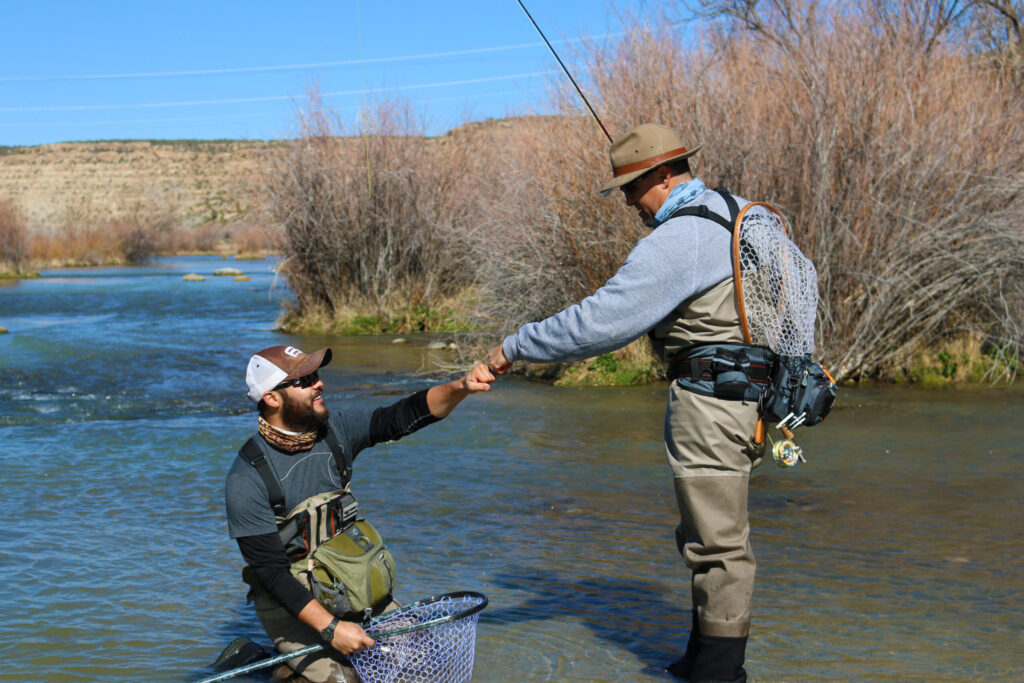
Hunting & Fishing Access

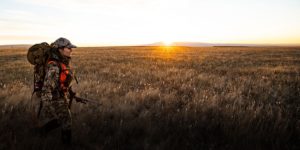
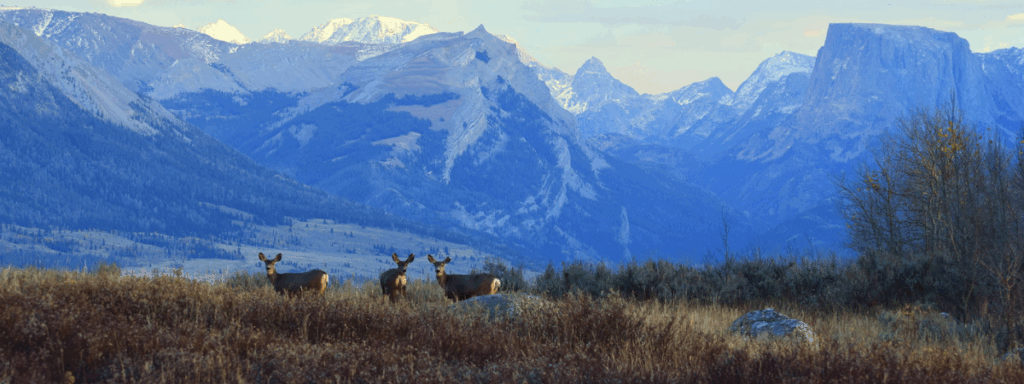
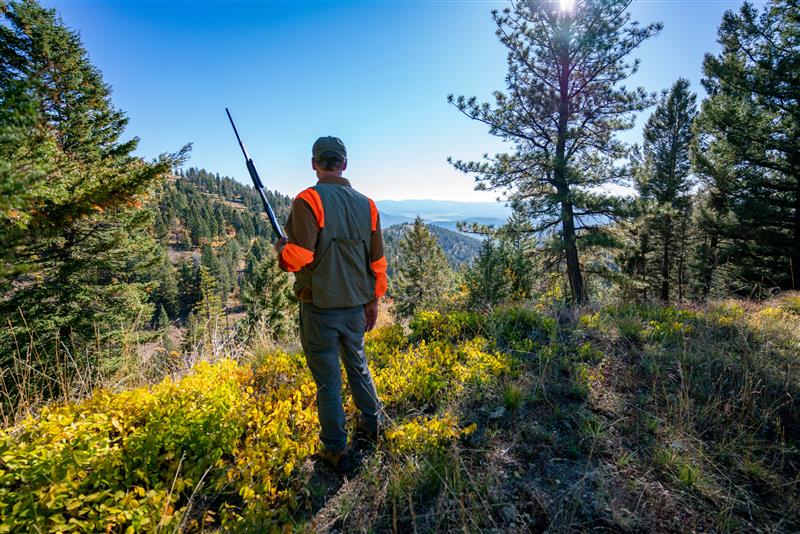
America’s 640 million acres of national public lands provide irreplaceable hunting and fishing opportunities to millions of Americans.

Learn More About Access
What TRCP is Doing

We’re working to safeguard America’s public lands so hunters and anglers always have quality places to pursue their passions.
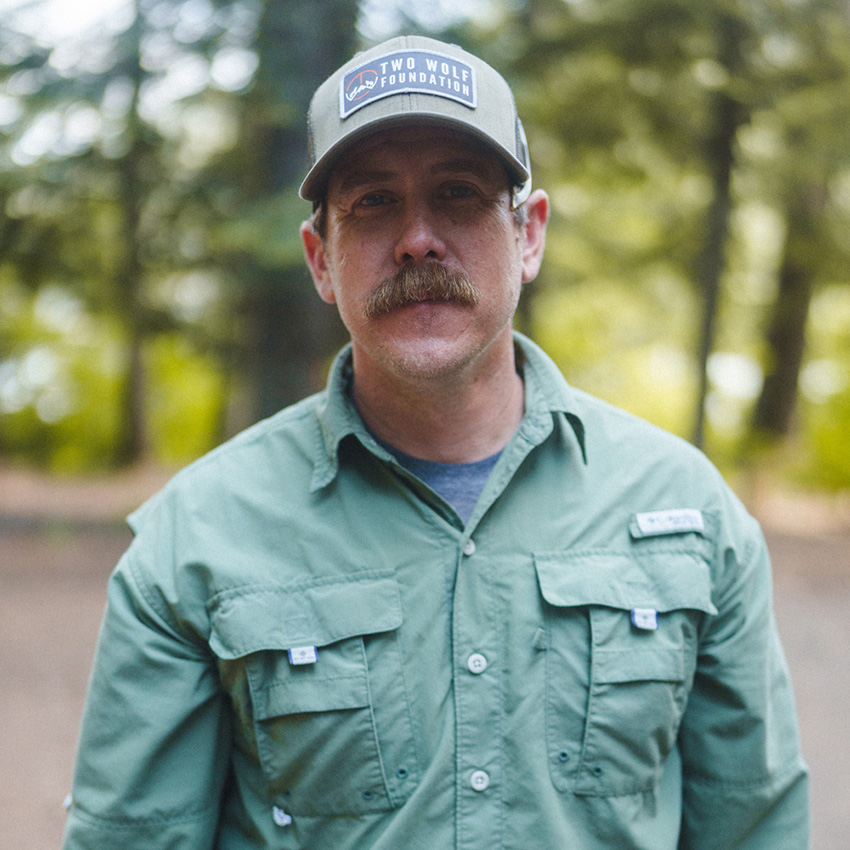
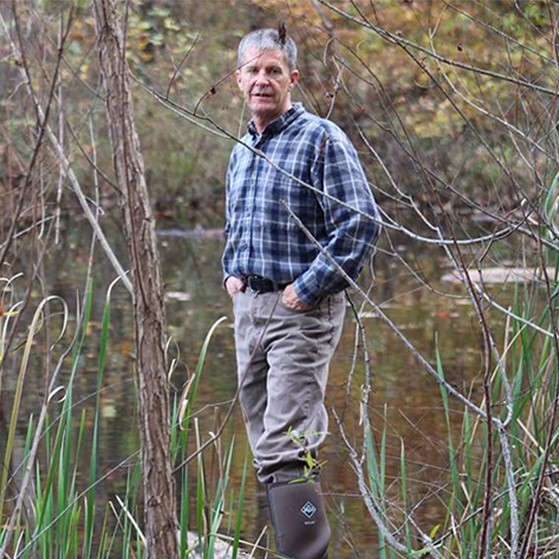
 Brian Flynn, Two Wolf Foundation
How Sportsmen Are Doing It Right

Brian Flynn, Two Wolf Foundation's Story

Following a distinguished career in the U.S. Army, lifelong outdoorsman Brian Flynn returned home from a deployment in Afghanistan and…


Hunting
Why It Matters

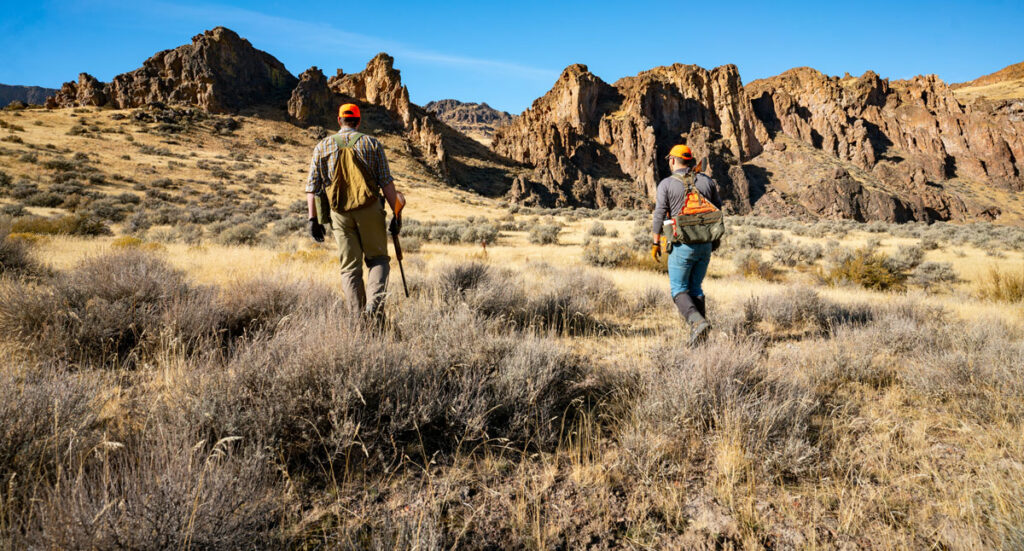
Key Issues for America’s Hunters

Your source for the latest policy updates, conservation challenges, and opportunities shaping America’s hunting traditions.

What TRCP is Doing

We’re fighting for meaningful policy changes that benefit wildlife, our waters, and the American landscapes that make our outdoor traditions possible.

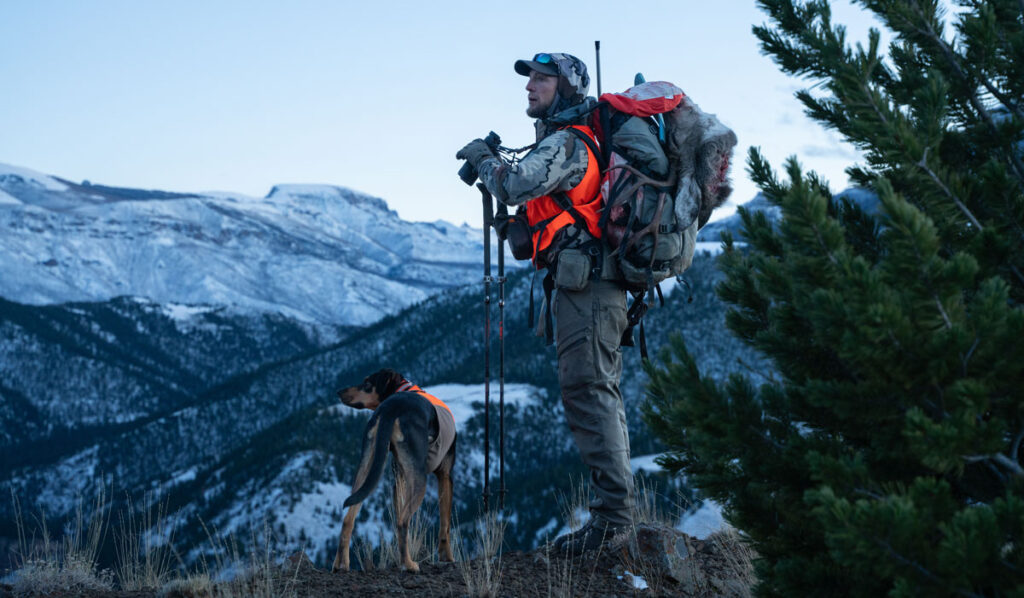
 Ryan Sparks
How Sportsmen Are Doing It Right

Ryan Sparks's Story

TRCP’s “In the Arena” series highlights the individual voices of hunters and anglers who, as Theodore Roosevelt so famously said,…

Fishing
Why It Matters

Key Issues for America’s Anglers

Your source for the latest policy updates, conservation challenges, and opportunities shaping America’s fishing traditions.

What TRCP is Doing

We’re fighting for meaningful policy changes that benefit wildlife, our waters, and the American landscapes that make our outdoor traditions possible.

 David Mangum
How Sportsmen Are Doing It Right

David Mangum's Story

Capt. David Mangum is a YETI ambassador and outdoor photographer who utilizes his talents to produce media that inspire a…

Private Land
Why It Matters

Stewardship on America’s private lands

With 70 percent of U.S. lands in private hands and many of our best hunt and fish opportunities occurring there, investing in voluntary conservation on working lands safeguards access, strengthens habitat and water quality, and ensures resilient landscapes.

Learn More
What TRCP is Doing

We champion policies and programs that restore wildlife habitat, improve soil and water health, and keep working lands productive.

 Ward Burton
How Sportsmen are Doing It Right

Ward Burton's Story

Ward Burton’s NASCAR driving career stretched across most of two decades. As an avid sportsman and conservationist, he founded the…

Special Places
Why It Matters

Special Places Worth Protecting

America’s most iconic landscapes provide unmatched habitat and unforgettable days afield. These places sustain wildlife, anchor local economies, and define the hunting and fishing traditions we pass down.

What TRCP is Doing

We’re working to conserve special places that provide world-class habitat and unforgettable opportunities for hunters and anglers.

 Franklin Adams
How Sportsmen Are Doing It Right

Franklin Adams's Story

As a true Gladesman, conservationist, and historian, Capt. Franklin Adams has spent more than six decades championing Everglades restoration efforts…

Habitat & Clean Water
Why It Matters

Healthy Habitat Powers Every Pursuit

All hunting and fishing opportunities depend on quality habitat, from clean water and healthy wetlands to winter and summer habitats and the migration corridors that connect them.

All About Habitat & Clean Water
What TRCP is Doing

We are working to safeguard the habitats that power every hunting and fishing opportunity.

 Alex Harvey
How Sportsmen Are Doing It Right

Alex Harvey's Story

Alex Harvey, founder of Legacy Land Management, is a registered professional forester in Mississippi and Alabama with a Master's degree…

Science
Why It Matters

Science That Guides TRCP

From conserving migration corridors and wetlands to ensuring clean water and resilient landscapes, science provides evidence that turns conservation goals into effective action.

Science for Conservation
What TRCP is Doing

For hunters and anglers, science safeguards the experiences we treasure including resilient big game populations, abundant fish, and wild places that endure changing social landscapes.

Jamelle Ellis
Your Science Expert

Jamelle Ellis's Story

Jamelle Ellis joined the Theodore Roosevelt Conservation Partnership in 2022. Jamelle spent the last three years as an environmental sustainability…

Where We Work
Across the Nation

Conservation Across America

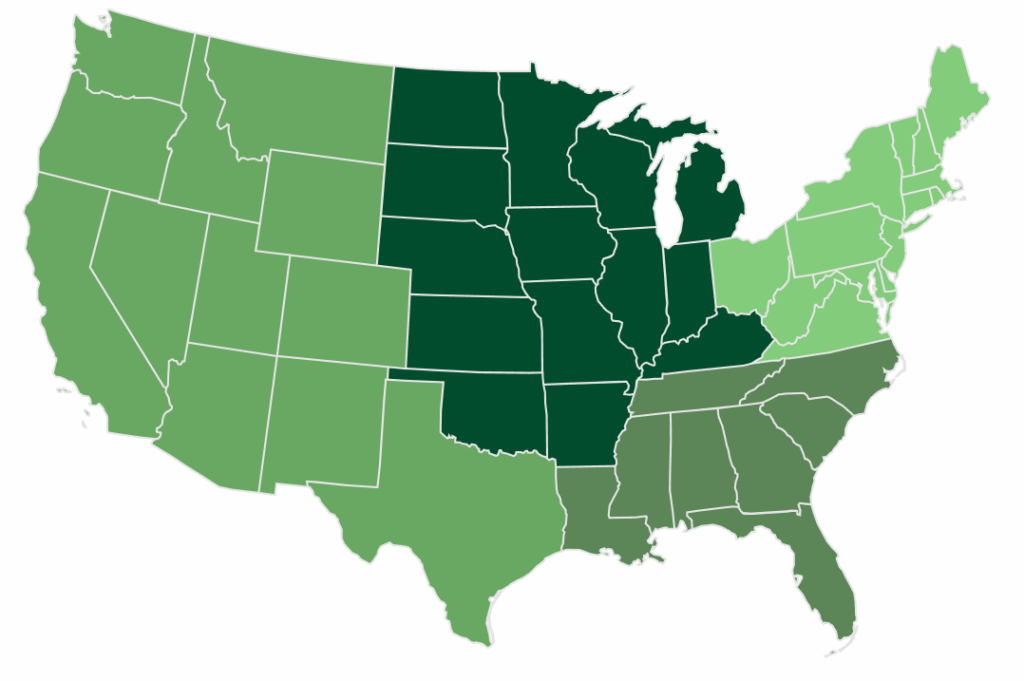
TRCP works across the country to ensure hunters and anglers can enjoy healthy fish and wildlife and quality days afield, no matter where they live.

See All Issues
TRCP in Your Region

TRCP works across the country to ensure hunters and anglers can enjoy healthy fish and wildlife and quality days afield, no matter where they live.

Who We Are
Our Mission

To guarantee all Americans quality places to hunt & fish

We unite and amplify our partners’ voices to advance America’s legacy of conservation, habitat, and access.

Our Mission & Values
Our People & Partners
  • Meet the TRCP Team

    Our staff and board members unite and amplify our partners’ voices to advance America’s legacy of conservation, habitat, and access.

    Meet the Team
  • Our Partners

    ‘Partnership’ is in our name. We work with 64 diverse partner groups that represent today’s leading hunting, fishing, and conservation organizations in order to strengthen the sportsman’s voice in Washington, D.C.

    Our Partners
  • Corporate Council

    TRCP’s Corporate Council is made up of diverse corporations that share a common passion for conservation.

    Corporate Council
Our Organization

Looking for more information?

Explore our latest news, policy updates, and conservation resources to get the information you need.

Giving
How You Can Help

To guarantee all Americans quality places to hunt & fish

Your tax-deductible donation will support TRCP's mission, now and into the future.

DONATE
Special Ways to support trcp
  • Capital Conservation Awards Dinner

    The CCAD is one of Washington's best-attended conservation celebrations, featuring dinner, cocktails, and a silent auction.

    Learn More
  • Step Into the Arena

    Help us ensure that our treasured wild habitats and game remain intact for the next generation to enjoy – lend your support to the TRCP’s efforts today!

    Donate
  • Roosevelt Roast

    TRCP has partnered with Afuera Coffee Co. to further our commitment to conservation.

    Learn More
More donation options

Find the best way for you to lend your support. Join one of TRCP’s donor circles for special invitations, premium offerings from outdoor retailers, and more exclusive benefits. Take control of your legacy with planned giving or contribute to special conservation funds.

Other Ways To Give
News
In the Spotlight

Oregon Legislature Passes Landmark “1.25 Percent for Wildlife” Act

After three legislative sessions and more than a decade of advocacy, a bipartisan coalition secures Oregon’s most significant conservation funding victory in a generation.

Read More

Stay Informed

Receive our newsletter, the Roosevelt Report, right in your inbox. Never miss the latest news in conservation issues.

by:

posted in:

January 18, 2019

ravi-pinisetti-64173-unsplash-1200-web

Do you have any thoughts on this post?

XHTML: You can use these tags: <a href="" title=""> <abbr title=""> <acronym title=""> <b> <blockquote cite=""> <cite> <code> <del datetime=""> <em> <i> <q cite=""> <s> <strike> <strong>

Comments must be under 1000 characters.

by:

posted in:

Four Questions Sportsmen Need the Next EPA Chief to Answer

As Acting Administrator Andrew Wheeler is considered for the top job at EPA, hunters and anglers want a clear commitment to clean water and habitat

There is no question that the next chief of the Environmental Protection Agency will have an outsize impact on our clean water resources and hunting and fishing opportunities for years to come. Andrew Wheeler, the acting administrator of the agency and Trump’s nominee for the permanent position, faced tough questions from senators in a confirmation hearing this week—hunters and anglers have a few more.

Will he give sportsmen and women, the original conservationists, a seat at the table?

Hunters and anglers experience the direct and downstream impacts of nutrient runoff, abandoned mines, and wetlands loss firsthand, and we have historically played a central role in the responsible conservation of America’s water, wildlife, and lands. We need to know if Wheeler will commit to including the voices of sportsmen and women in policy decisions.

Will he give the public ample opportunity to speak out for clean water?

The EPA and Army Corps of Engineers have proposed a replacement for the Obama-era Clean Water Rule and are giving the public 60 days to comment. Before the 2015 rule was finalized, comments were collected for 200 days. With Clean Water Act protections for wetlands and ephemeral streams—including many headwaters—on the line, we’re asking if Wheeler will extend the comment period so more hunters and anglers can provide feedback.

How hard will he work to help Americans understand what the new rule does?

Right now, there is only one in-person listening session planned for the public to hear from the EPA and Army Corps on the Clean Water Rule. This is such an important part of the democratic process, and in-person interaction helps to put a human face on the concerns of sportsmen and women. Will Wheeler commit to holding more listening sessions so that Americans can tell their stories and understand the true impacts of the rule?

How can we work together to improve, rather than weaken, habitat?

The agencies have proposed eliminating Clean Water Act protections for ephemeral streams and isolated wetlands in the Clean Water Rule replacement. These waters and wetlands provide important habitat for juvenile fish and nesting migratory birds. Perhaps the most critical question is simple: How does Wheeler intend to conserve these habitats that support healthy fish and wildlife populations, hunting and fishing opportunities, and America’s outdoor recreation economy?


Photo by Chesapeake Bay Program

by:

posted in:

January 11, 2019

Certification is Misleading PR Strategy for Destructive Menhaden Fishery

One company that undermines striped bass populations in the Atlantic is paying to put a blue ribbon on its harmful practices

Reduction fishing is the practice of “reducing” huge numbers of fish into oil and meal to be used in other products—primarily feed for other animals, like pets and farmed salmon. Perhaps it’s not a widely known term because reduction fishing is banned in states up and down the east coast, for decades in some places.

In fact, Virginia is the only state that continues to permit the last holdout of the reduction fishing industry in the Atlantic—a single company called Omega Protein, part of the Canadian-owned Cooke Inc.—to continue to fish for menhaden in this way.

The irony of taking forage fish out of the water that would naturally feed most of our ocean predators and grinding it up to feed farmed fish is not lost on anyone. And you don’t have to be a fisherman to understand that when you suck up the fish at the bottom of the food chain, everything else suffers. So, it should be no surprise that removing large quantities of menhaden has had  a negative impact on striped bass fishing.

Photo by Stephan Lowy.

The menhaden reduction fishing industry accounts for 80 percent of the coastwide catch of these important forage fish. At this level of menhaden harvest, the striped bass population has declined by as much as 30 percent. In fact, the latest stock assessment is likely to show that striped bass are overfished.

Despite perpetuating an antiquated practice that reduces biomass of other fish species in the Atlantic, Omega Protein has applied to have the menhaden fishery certified as “sustainable” by the Marine Stewardship Council, a private international institution. This certification is strictly a pay-to-play arrangement, and it could successfully put a blue ribbon on fishing practices that rob anglers of our sportfishing opportunities. MSC does not even know how many predators rely on menhaden for food to determine if the fishery can legitimately be considered sustainable. Nobody does.

Now, the Atlantic States Marine Fisheries Commission—the multi-state agency that sets catch limits on menhaden—is working to get to the bottom of this key question, largely because of the recent outcry from sportsmen and women about the impacts of reduction fishing on sportfish populations.

Since November 2017, the ASMFC has had a scientific team working on a model to account for menhaden’s critical role to sportfish like striped bass and the broader ecosystem. And the truth is that no one can certify that the menhaden fishery is “sustainable” until that question is answered.

But it’s likely that MSC will grant the certification, despite publishing in its own report that the health of the striped bass population is directly linked to menhaden. (They also solicited public feedback as part of their determination, which could be overwhelming.)

Instead of certifying that the Atlantic menhaden fishery as sustainable, MSC should be calling on the industry to substantially reduce its catch, so that predators like striped bass don’t take a hit from the removal of 30 percent of their forage base. Further, Congress should put a stop to reduction fishing in the federal waters of the Atlantic, at least until striped bass have recovered.

In the meantime, we’ll do whatever we can to support the fisheries managers at the ASMFC in their efforts to analyze the actual impacts of reduction fishing of menhaden.


Top photo by Stephan Lowy

by:

posted in:

Here’s How We Welcomed Lawmakers to a New Session of Congress

Our first major ask of the 116th Congress: End the shutdown and put the federal conservation workforce back to work

As freshmen lawmakers join seasoned veterans on Capitol Hill and the partial government shutdown becomes the longest in history, the TRCP is welcoming decision-makers to Washington with a bold message: Here’s what hunters and anglers need from you right now.

These are the top priorities we outlined for Congress in a letter to every office this week:

End the partial government shutdown. This must be the first priority of the 116th Congress. The ongoing government shutdown is having an outsized impact on our nation’s land management agencies and natural resources, as basic public access has been curtailed, and wildlife habitat restoration projects grind to a halt. There is no more urgent conservation issue than putting the people of the Department of the Interior, Agriculture, and Environmental Protection Agency back to work on behalf of the American people, and our fish and wildlife resources.

Recommit to public lands. The waning days of the 115th Congress saw time run out on a comprehensive public lands package that included reauthorization of the Land and Water Conservation Fund and numerous sportsmen’s priorities. The 116th Congress should capitalize on this momentum by taking early action on that bipartisan and bicameral agreement.

Rebuild our nature-based infrastructure. Natural systems—like coastal barrier islands, wetlands, and intact flood plains—provide some of the most effective and durable solutions to reducing the impacts of large storm events and protecting public safety, natural resources, and homes and businesses. As Congress looks to invest in our national infrastructure, the value of our natural infrastructure should be reflected in new policy and funding.

Don’t ignore climate change. Climate change is altering migration patterns and mating seasons, stressing native species, and lengthening wildfire seasons. Sportsmen and women are often on the front lines to view these kinds of changes firsthand, and we recognize that climate challenges profoundly threaten the future of our traditions and the outdoor economy. Hunters and anglers look forward to being part of the conversation on addressing the issue of climate change and creating a solutions-based approach to managing carbon emissions.

Guard against significant cuts to conservation funding. Fiscal Year 2020 signals the end of the bipartisan budget agreement of 2018 and the potential return of budget sequestration, which will initiate across-the-board cuts to federal resource conservation and land management budgets. Congress must take action to avoid the return of drastic funding cuts for conservation programs that, in many cases, are already underfunded.

In the coming weeks and days, we will continue this conversation with lawmakers on both sides of the aisle and develop ways we can partner to meet the needs of America’s hunters, anglers, and unique natural resources.

And we’ll be in touch with sportsmen and women, like you, when there are opportunities to apply pressure and hold policymakers accountable.


Photo by Whitney Potter

by:

posted in:

January 10, 2019

The Government Shutdown Needs to End

To do right by public lands, lawmakers need to work together

While Washington plays the blame game, the Theodore Roosevelt Conservation Partnership is calling on our elected officials to work together and reopen the government.

Stories about trash piling up in wildlife refuges and volunteers cleaning toilets in national parks are making national news.

As a result, the TRCP is in contact with the nation’s land management agencies to get status updates on our lands, waters, and wildlife. If you have experienced an impact of the government shutdown, please let us know so we can work to address it.

Our fish and wildlife resources, public lands, and the people who carry out conservation in America should not be ignored. Take action today and join the TRCP in calling for an end to this shutdown.

I stand with @TheTRCP in supporting our public lands. It’s time for Washington to #EndTheShutdown. Share on X


Photo Credit: Architect of the Capitol

HOW YOU CAN HELP

TRCP has partnered with Afuera Coffee Co. to further our commitment to conservation. $4 from each bag is donated to the TRCP, to help continue our efforts of safeguarding critical habitats, productive hunting grounds, and favorite fishing holes for future generations.

Learn More

You have Successfully Subscribed!

You have Successfully Subscribed!

You have Successfully Subscribed!

You have Successfully Subscribed!