Our Issues
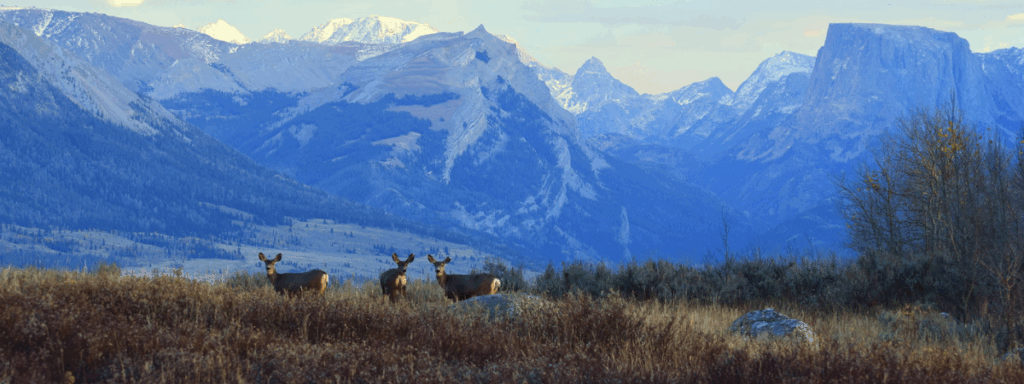
Public Lands
Why It Matters

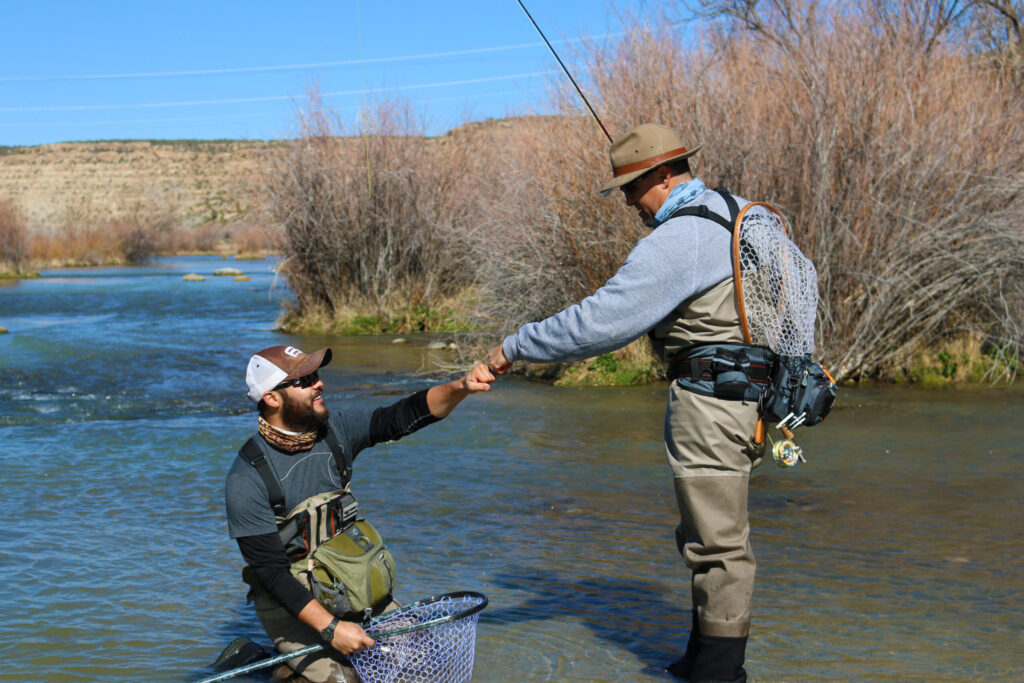
Hunting & Fishing Access

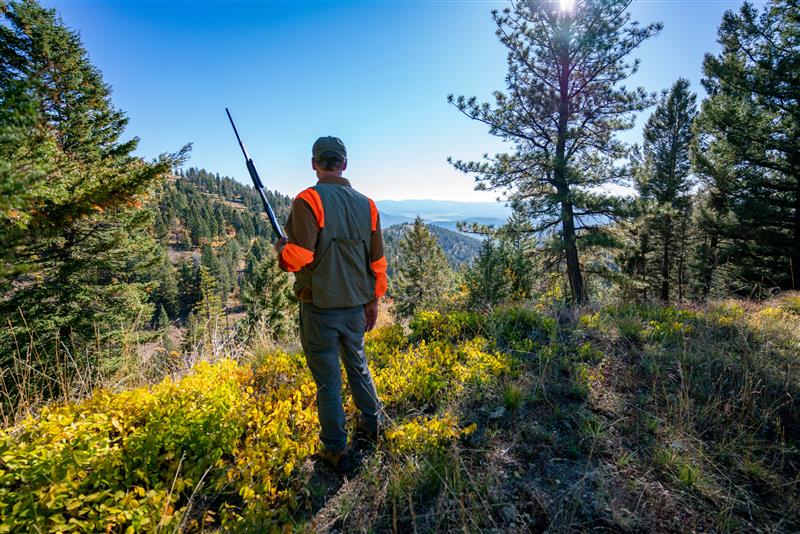
America’s 640 million acres of national public lands provide irreplaceable hunting and fishing opportunities to millions of Americans.

Learn More About Access
What TRCP is Doing

We’re working to safeguard America’s public lands so hunters and anglers always have quality places to pursue their passions.
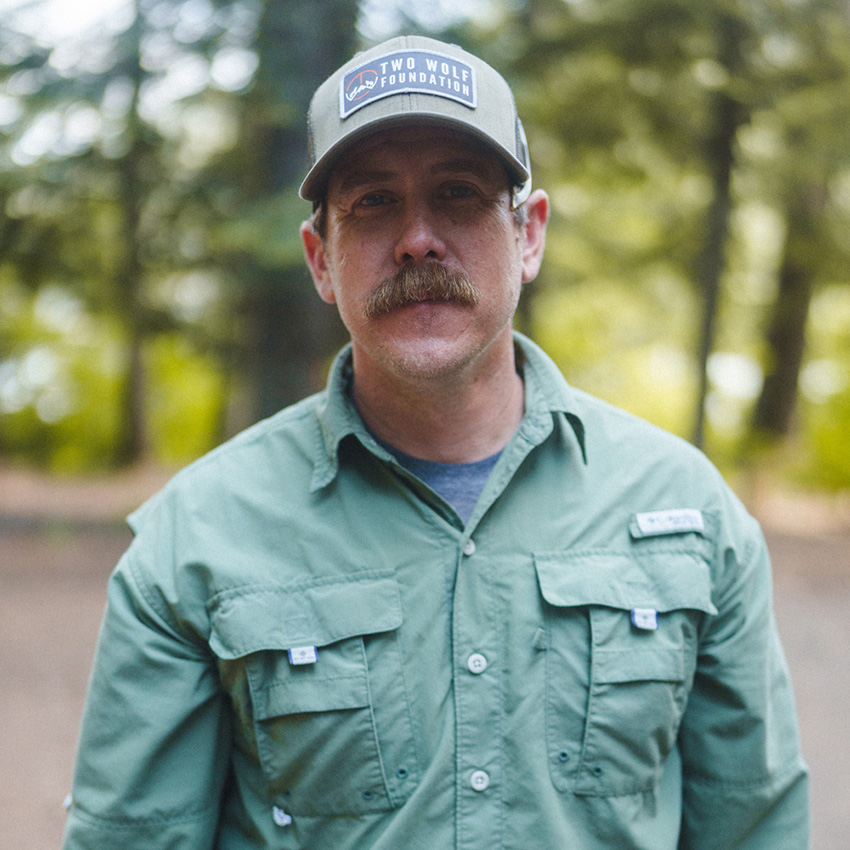
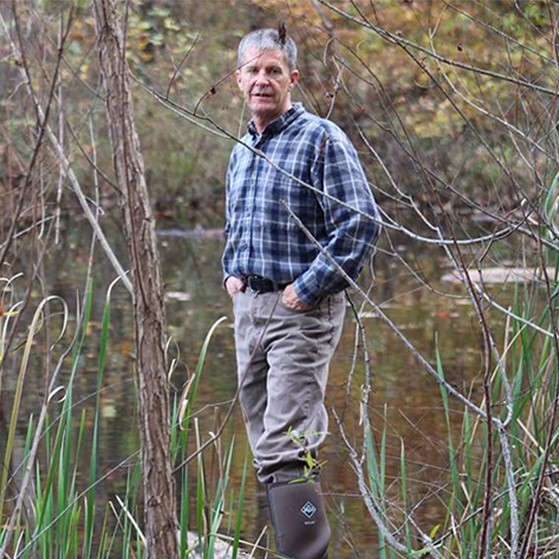
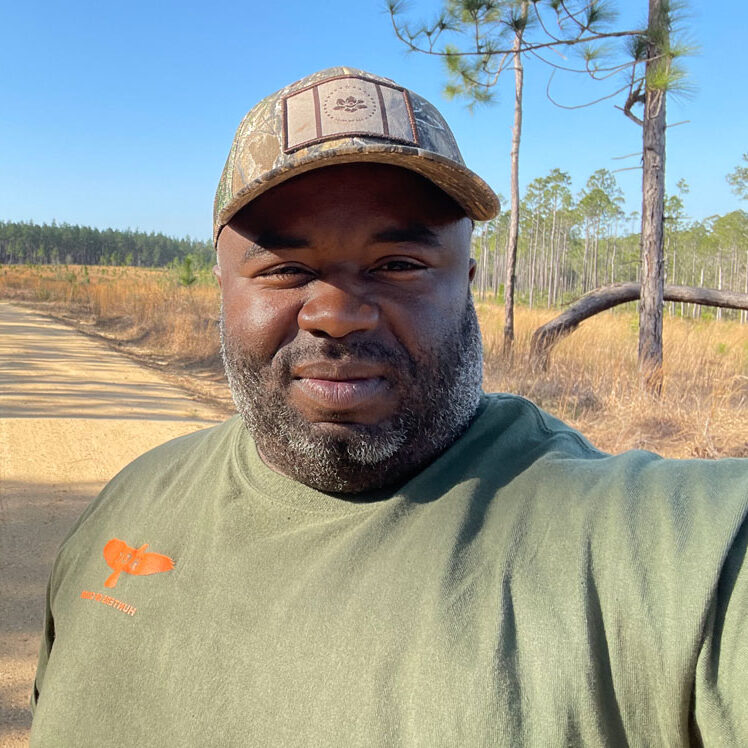
 Brian Flynn, Two Wolf Foundation
How Sportsmen Are Doing It Right

Brian Flynn, Two Wolf Foundation's Story

Following a distinguished career in the U.S. Army, lifelong outdoorsman Brian Flynn returned home from a deployment in Afghanistan and…

Hunting
Why It Matters

Key Issues for America’s Hunters

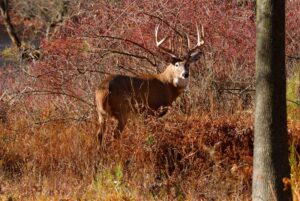
Your source for the latest policy updates, conservation challenges, and opportunities shaping America’s hunting traditions.

What TRCP is Doing

We’re fighting for meaningful policy changes that benefit wildlife, our waters, and the American landscapes that make our outdoor traditions possible.

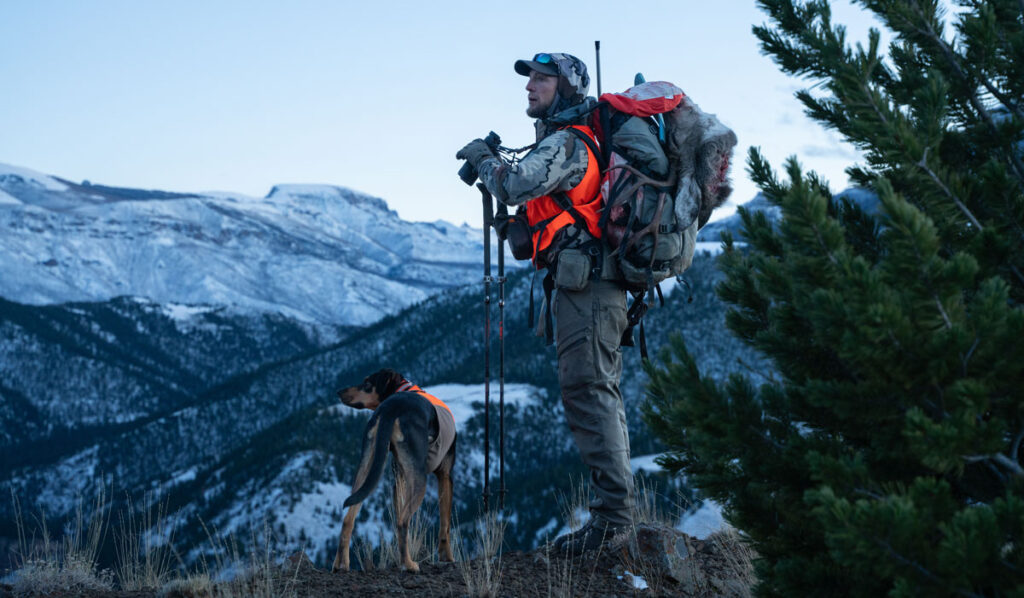
 Ryan Sparks
How Sportsmen Are Doing It Right

Ryan Sparks's Story

TRCP’s “In the Arena” series highlights the individual voices of hunters and anglers who, as Theodore Roosevelt so famously said,…

Fishing
Why It Matters

Key Issues for America’s Anglers

Your source for the latest policy updates, conservation challenges, and opportunities shaping America’s fishing traditions.

What TRCP is Doing

We’re fighting for meaningful policy changes that benefit wildlife, our waters, and the American landscapes that make our outdoor traditions possible.

 David Mangum
How Sportsmen Are Doing It Right

David Mangum's Story

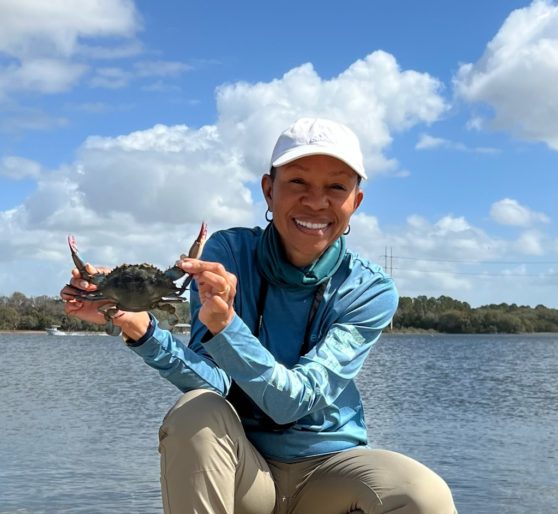
Capt. David Mangum is a YETI ambassador and outdoor photographer who utilizes his talents to produce media that inspire a…

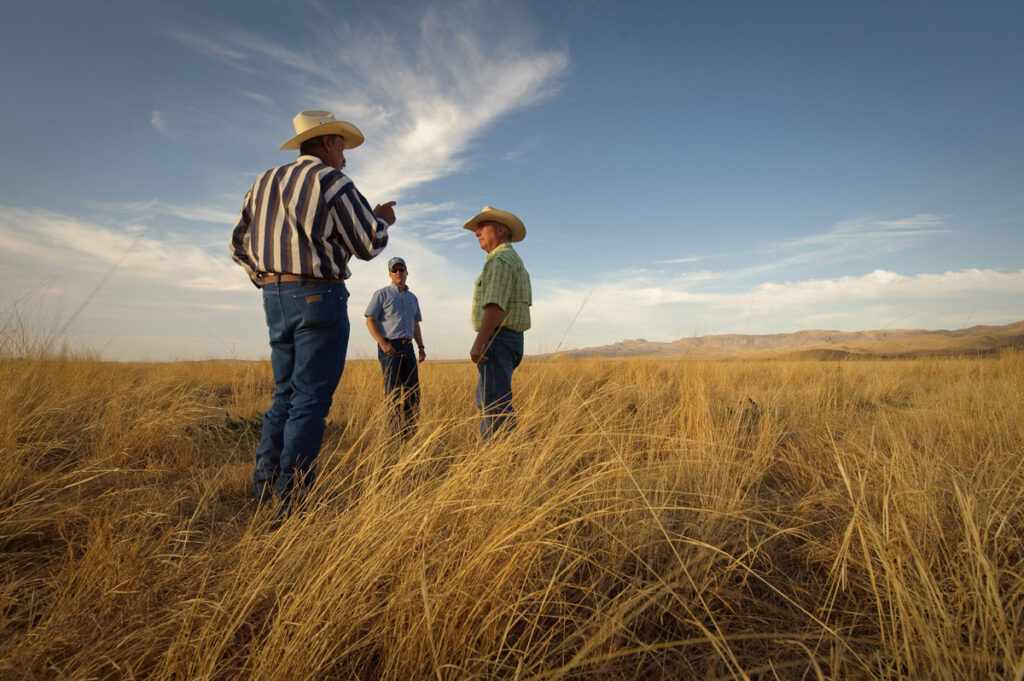
Private Land
Why It Matters

Stewardship on America’s private lands

With 70 percent of U.S. lands in private hands and many of our best hunt and fish opportunities occurring there, investing in voluntary conservation on working lands safeguards access, strengthens habitat and water quality, and ensures resilient landscapes.

Learn More
What TRCP is Doing

We champion policies and programs that restore wildlife habitat, improve soil and water health, and keep working lands productive.

 Ward Burton
How Sportsmen are Doing It Right

Ward Burton's Story

Ward Burton’s NASCAR driving career stretched across most of two decades. As an avid sportsman and conservationist, he founded the…

Special Places
Why It Matters

Special Places Worth Protecting

America’s most iconic landscapes provide unmatched habitat and unforgettable days afield. These places sustain wildlife, anchor local economies, and define the hunting and fishing traditions we pass down.

What TRCP is Doing

We’re working to conserve special places that provide world-class habitat and unforgettable opportunities for hunters and anglers.

 Franklin Adams
How Sportsmen Are Doing It Right

Franklin Adams's Story

As a true Gladesman, conservationist, and historian, Capt. Franklin Adams has spent more than six decades championing Everglades restoration efforts…

Habitat & Clean Water
Why It Matters

Healthy Habitat Powers Every Pursuit

All hunting and fishing opportunities depend on quality habitat, from clean water and healthy wetlands to winter and summer habitats and the migration corridors that connect them.

All About Habitat & Clean Water
What TRCP is Doing

We are working to safeguard the habitats that power every hunting and fishing opportunity.

 Alex Harvey
How Sportsmen Are Doing It Right

Alex Harvey's Story

Alex Harvey, founder of Legacy Land Management, is a registered professional forester in Mississippi and Alabama with a Master's degree…

Science
Why It Matters

Science That Guides TRCP

From conserving migration corridors and wetlands to ensuring clean water and resilient landscapes, science provides evidence that turns conservation goals into effective action.

Science for Conservation
What TRCP is Doing

For hunters and anglers, science safeguards the experiences we treasure including resilient big game populations, abundant fish, and wild places that endure changing social landscapes.

Jamelle Ellis
Your Science Expert

Jamelle Ellis's Story

Jamelle Ellis joined the Theodore Roosevelt Conservation Partnership in 2022. Jamelle spent the last three years as an environmental sustainability…

Where We Work
Across the Nation

Conservation Across America

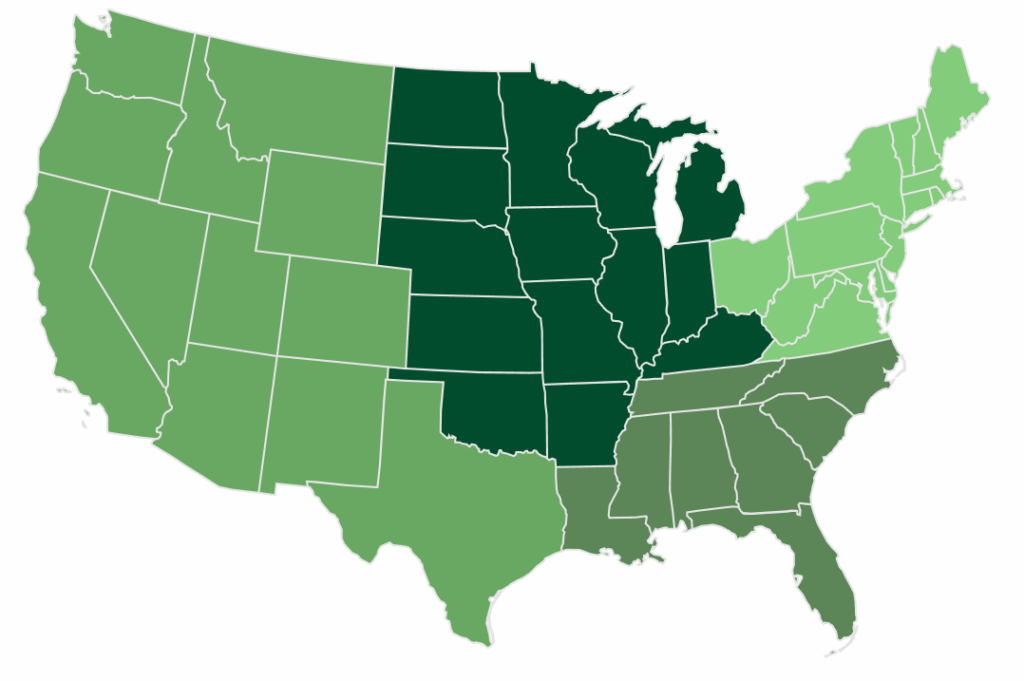
TRCP works across the country to ensure hunters and anglers can enjoy healthy fish and wildlife and quality days afield, no matter where they live.

See All Issues
TRCP in Your Region

TRCP works across the country to ensure hunters and anglers can enjoy healthy fish and wildlife and quality days afield, no matter where they live.

Who We Are
Our Mission

To guarantee all Americans quality places to hunt & fish

We unite and amplify our partners’ voices to advance America’s legacy of conservation, habitat, and access.

Our Mission & Values
Our People & Partners
  • Meet the TRCP Team

    Our staff and board members unite and amplify our partners’ voices to advance America’s legacy of conservation, habitat, and access.

    Meet the Team
  • Our Partners

    ‘Partnership’ is in our name. We work with 64 diverse partner groups that represent today’s leading hunting, fishing, and conservation organizations in order to strengthen the sportsman’s voice in Washington, D.C.

    Our Partners
  • Corporate Council

    TRCP’s Corporate Council is made up of diverse corporations that share a common passion for conservation.

    Corporate Council
Our Organization

Looking for more information?

Explore our latest news, policy updates, and conservation resources to get the information you need.

Giving
How You Can Help

To guarantee all Americans quality places to hunt & fish

Your tax-deductible donation will support TRCP's mission, now and into the future.

DONATE
Special Ways to support trcp
  • Capital Conservation Awards Dinner

    The CCAD is one of Washington's best-attended conservation celebrations, featuring dinner, cocktails, and a silent auction.

    Learn More
  • Step Into the Arena

    Help us ensure that our treasured wild habitats and game remain intact for the next generation to enjoy – lend your support to the TRCP’s efforts today!

    Donate
  • Roosevelt Roast

    TRCP has partnered with Afuera Coffee Co. to further our commitment to conservation.

    Learn More
More donation options

Find the best way for you to lend your support. Join one of TRCP’s donor circles for special invitations, premium offerings from outdoor retailers, and more exclusive benefits. Take control of your legacy with planned giving or contribute to special conservation funds.

Other Ways To Give
News
In the Spotlight

In the Arena: Josh Warren

For many hunters and anglers, the connection to conservation begins close to home — in the woods behind the house, along a familiar stretch of river, or through time spent learning from mentors and family. That sense of place is something Joshua Warren carries with him, both personally and professionally. As Director of Marketing at WorkSharp, Josh represents a company rooted in Ashland, Oregon, a community defined by its access to public lands and wild country.

Read More

Stay Informed

Receive our newsletter, the Roosevelt Report, right in your inbox. Never miss the latest news in conservation issues.

by:

posted in:

April 21, 2020

4

Do you have any thoughts on this post?

XHTML: You can use these tags: <a href="" title=""> <abbr title=""> <acronym title=""> <b> <blockquote cite=""> <cite> <code> <del datetime=""> <em> <i> <q cite=""> <s> <strike> <strong>

Comments must be under 1000 characters.

by:

posted in:

April 16, 2020

Two Ways the Stimulus Bill Helps You Support Nonprofits Like the TRCP

The CARES Act has specific incentives for those who are in a position to give back

In these trying times, we know that many of you are finding solace in the outdoors—either to escape the confinement of home or to quiet anxious thoughts. Focusing on the sights and sounds of the natural world, rather than the latest scary headline, can be healing, and we hope you’re weathering this storm as best as you can.

Because of our supporters and your investments in us, the Theodore Roosevelt Conservation Partnership has continued to make an impact on conservation policy during this national emergency. On behalf of the whole team at TRCP, I want to thank you all for your enduring generosity.

I also want to share an important update concerning changes to charitable giving. On March 27, President Trump signed into law the Coronavirus Aid, Relief, and Economic Security Act, or CARES Act, a $2.2-trillion emergency relief bill aimed at providing much-needed support to the American people and businesses in response to the coronavirus outbreak.

Recognizing that nonprofits play an important societal and economic role, the CARES Act also creates charitable giving incentives for donors in 2020.

It does this in two ways: First, the legislation allows individual taxpayers to deduct up to $300 in charitable contributions on top of the standard deduction, even if you don’t itemize other deductions at tax time. Second the suspension of certain adjusted gross income limits allows individuals and corporations to contribute and deduct more than in previous years.

These tax incentives apply to cash contributions only—don’t worry, if you enter a credit card number on our website, this is for you—and do not apply to contributions to a Donor Advised Fund—you would know if you were working through a fund like this.

We cannot provide tax advice, but we encourage you to review the implications of the CARES Act to determine if now might be a beneficial time to for you to give. If you are in a position to do so, you can donate cash or stock online right now.

We know these are difficult times, and our staff is incredibly grateful for your consideration and support. Of course, we recognize that this pandemic has also created major financial burdens for many Americans. Public lands and waters are yours. And they’re here for you right now.

Stay well.

by:

posted in:

April 10, 2020

Largest Expansion of Hunting and Fishing Access Proposed for Refuges

Here’s where new acres could be open to sportsmen and women by fall 2020

This week, the Department of the Interior announced its latest proposal for expanding hunting and fishing access on National Wildlife Refuges and National Fish Hatcheries, which the department says would represent the single largest boost to access on U.S. Fish and Wildlife Service lands in the agency’s history.

In a move that would benefit sportsmen and women in 46 states, DOI Secretary David Bernhardt has proposed enhancing recreation opportunities across more than 2.3 million acres at 97 national wildlife refuges and 9 national fish hatcheries. This is in addition to the 1.4 million acres of expanded access established last fall at 77 refuges and 15 hatcheries (including these eight hot spots.)

By our count, if the current proposal is finalized, 74 public lands would provide expanded seasons, clearer regulations, and opportunities to pursue additional species on areas already open to hunting and sportfishing. But the biggest gains are where additional acres would be opened up to hunting and/or fishing for the very first time.

Here’s where you could be exploring new terrain by this fall.

Merganser in flight at San Diego National Wildlife Refuge. Photo by Rinus Baak/USFWS.
The West

Under the plan, San Diego Bay National Wildlife Refuge would be open to sportfishing for the first time. There are no specific details on where fishing would be allowed, but restored tidal flats and salt marshes have improved fish habitat. And California’s pheasant hunters could see a longer season at San Luis National Wildlife Refuge.

Idaho’s Kootenai National Wildlife Refuge would expand its sportfishing areas, and on the opposite end of the state, Minidoka National Wildlife Refuge could expand its offerings for deer, bobcats, migratory birds, and upland game. Minidoka has also proposed extending its elk hunting area south of Lake Walcott to more than triple the acreage. Heading toward the border with Oregon, more sportfishing would be available at Deer Flat National Wildlife Refuge.

Montana already has an embarrassment of riches when it comes to hunting and fishing, but if Lee Metcalf National Wildlife Refuge is close to home, you could have more acres for turkey and deer hunting or new sportfishing opportunities.

In Colorado, migratory bird and upland game hunting would be expanded to new acres at both Alamosa and Monte Vista National Wildlife Refuges—and you can get from one to the other in about 30 minutes if it seems like a bunch of trucks are parked when you arrive. Anglers would also find new access at Alamosa under the Secretary’s proposal.

Washington is perhaps the biggest winner in the West, with five fish hatcheries and two wildlife refuges poised to offer more access. Sportfishing would be open for the first time at Willard National Fish Hatchery and Abernathy Fish Technology Center. On the hunting side, sportsmen and women would see a major expansion for migratory bird and upland and big game hunting at Leavenworth, Little White Salmon, and Spring Creek national fish hatcheries. Blacktail, mule deer, elk, wild turkey, grouse, and bear hunting would be possible across these three public lands.

The Southwest

In Arizona, Leslie Canyon National Wildlife Refuge would be open to migratory bird, upland game, and big game hunting for the first time. Cibola National Wildlife Refuge would expand upland and big game hunting to new acres, while opening some dove hunting in its existing huntable areas. You could also get a new opportunity to chase muleys in the deep backcountry of Cabeza Prieta National Wildlife Refuge, where there is already a limited desert bighorn sheep hunt each December.

The only expansion for waterfowl hunters would be in New Mexico, on Bosque del Apache National Wildlife Refuge, where javelina and hog hunting would also be opened. Nevada’s Fallon National Wildlife Refuge would also be open to hunting for the very first time. Finally, everything’s bigger in Texas, and refuge access is no exception under this proposal: Get ready for four of these public lands to expand huntable acres for turkeys, deer, pheasants, javelina, hogs, and doves.


Blackwater National Wildlife Refuge in Maryland. Photo by Judy Gallagher.
The Mid-Atlantic

New York could offer more deer hunting opportunities by fall, which is great news for a state with heavy hunting pressure on public lands. Maryland could see new opportunities to hunt deer and migratory birds at Blackwater Refuge, and sportfishing would be open for the first time at Delaware’s Bombay Hook National Wildlife Refuge. You sharpshooters who can tell a snipe from a woodcock would also get new acres to explore in Delaware. Finally, in Pennsylvania, Lamar National Fish Hatchery could open to sportfishing for the first time.

The Midwest

Illinois big game hunters would win new acres at Crab Orchard and Two Rivers refuges. Meanwhile, Great River National Wildlife Refuge could expand turkey season dates to further align with the rest of the state. Middle Mississippi River National Wildlife Refuge, with multiple tracts accessible from either Illinois or Missouri, would open hunting for the first time. And there’s something for everyone, including rail, snipe, woodcock, doves, coyotes, bobcats, pheasants, and raccoons.

Migratory bird hunting would be open for the first time at Indiana’s Muscatatuck National Wildlife Refuge, along with expanded opportunities for small game and turkeys. And new acres would be open to pheasant, upland, and big game hunters at Patoka River National Wildlife Refuge. Count anglers in for expanded access there, too.

Minnesota would get a little of everything in this expansion—on Rydell and Northern Tallgrass Prairie refuges—including duck, geese, coot, woodcock, dove, grouse, pheasant, and wild turkey hunting. And in Kansas, existing turkey hunting and sportfishing—for walleyes, largemouth bass, black crappie, and channel catfish—would expand to new acres at Kirwin National Wildlife Refuge. Existing deer hunting areas at Flint Hills refuge would be open to some small game, bobcat, and coyote hunting, while deer hunters would join pheasant, quail, and duck hunters for the first time at Quivira refuge.

St. Marks Refuge in Florida. Photo by Alan Cressler/USGS.
The Southeast

Florida is a big winner in this proposal: The Everglades Headwaters National Wildlife Refuge—not to be confused with Everglades National Park, which is three hours away—would be open to sportfishing and migratory bird, upland, and big game hunting for the first time, in alignment with all state regulations. Big game and upland hunters will also find new access at St. Marks National Wildlife Refuge. Deer and hog hunters would be welcome for the first time at Arthur R. Marshall Loxahatchee National Wildlife Refuge outside Boynton Beach.

Not too far up route 75 in Georgia, gator hunters could have their first season at Banks Lake National Wildlife Refuge. And adventurous hunters can potentially up their (small) game at Savannah National Wildlife Refuge, which could soon offer armadillo, beaver, opossum, and raccoon hunting on both sides of the Georgia-South Carolina border.

The Northeast

In Connecticut, deer and turkey hunters would be welcome in new and existing hunting areas at Stewart B. McKinney National Wildlife Refuge. Bonus acres would be open to bird hunters and goose hunters could get a longer season. Neighbor-to-the-north Vermont would get brand new fishing access at Dwight D. Eisenhower National Fish Hatchery.

The DOI proposal would be welcome news for saltwater and freshwater anglers in Maine and New Hampshire: Sportfishing would be expanded at Rachel Carson National Wildlife Refuge on the southern coast and opened for the first time on the lakes at Umbagog National Wildlife Refuge.

Sportsmen and women in Massachusetts are within driving distance of so many of these opportunities, but they stand to gain a lot at home, too. New acres would be open to duck, bear, coyote, migratory bird, upland game, wild turkey and big game hunting across three refuges—Assabet River, Oxbow, and Great Meadows. And sportfishing would be open for the first time at Berkshire National Fish Hatchery.

The full list of proposed refuges and hatcheries can be found here or find your state on this map.


Top photo of deer hunting on an Iowa refuge by USFWS Midwest Region via flickr.

by:

posted in:

Conservation Partners Jump “In The Arena” To Help Those in Need

Industry leaders spearhead efforts to combat COVID-19

We’ve said it before, but it’s always worth repeating: the TRCP is proud to have the support of some true leaders in the business world, who time and time again step up on behalf of fish, wildlife, and outdoor opportunities for all Americans. And in recent weeks, as COVID-19 has upended everyday life around this country, we’re prouder than ever of our corporate partners for their generosity and commitment to the greater good.

With many retail stores barred to entry and factory production rates slowing or halted, members of our corporate community are lending their resources to the fight. From retrofitting factories to restocking food bank shelves, these companies are committing their time, money, and production equipment to help us get through this difficult time.

As Theodore Roosevelt famously said, “In any moment of decision, the best thing you can do is the right thing, the next best thing is the wrong thing, and the worst thing you can do is nothing.” By taking action when it is needed most, here’s how the companies below* are taking care of those in need and setting an example for the rest of us.

Coca-Cola

The beverage company’s Atlanta-based factory has teamed up with Georgia Tech University to produce more than 50,000 plastic surgical shields that will be distributed to local hospitals and health care workers.

L.L. Bean

Founded in 1912 by its namesake, outdoorsman Leon Leonwood Bean, this New England institution is using experience gained over the last 100+ years of producing outdoors gear to create protective masks. The company is working with MaineHealth and Intermed and has plans to use its existing supply chain team to create and distribute 1 million masks. The company is also working with local food banks and using its distribution center to restock shelves for families in need.

Mystery Ranch

In an effort to help local medical facilities, Bozeman-based Mystery Ranch is using the antimicrobial and breathable fabric used in their backpacks to produce much-needed personal protective equipment for frontline workers. Along with the time of its expert employees and the use of its sewing facilities, the industry-leading pack manufacturer has also contributed additional materials from its stock to others in the community with the capacity to manufacture extra masks.

NEMO Equipment

This outdoor equipment company is encouraging individuals to recreate responsibly while enjoying the open air through a series of posts on outdoor activities that you can enjoy near your home and a photo challenge. This Instagram-based competition is calling on those who love the outdoors to highlight the creative ways they’re enjoying outdoor spaces while practicing safe social distancing through photos. In addition, NEMO is publishing a series of blogs with ideas for close-to-home adventures to help outdoor enthusiasts alleviate their cabin fever responsibly.

Orvis

Known for its high-quality fishing gear, this company has partnered with organizations near its Roanoke, VA fulfillment center to produce 2,000 cloth face coverings per week. These non-medical-grade masks will be distributed to those experiencing homelessness in the are and will help protect this particularly vulnerable population.

Outdoor Research

Drawing on almost its nearly 40-year history of forward-thinking innovation, Outdoor Research’s Seattle factory will be converted to produce N95 surgical masks, respirators, and other personal protective equipment to help address the increased need for these essential medical supplies.

Patagonia

Despite closing operations early in the outbreak to protect workers, Patagonia has committed to providing employees with regular pay throughout the crisis in an effort to protect the communities it serves. The company also has staff reaching out to nonprofits and offering volunteer services to support their operations.

Peak Design

This environmentally-focused design company is utilizing the launch of its latest product to provide coronavirus relief and help fight climate change with a commitment to donate 100% of profits earned from the first four days (4/7-4/11) that their Travel Tripod is on sale to the Centers for Disease Control and Prevention (CDC) Foundation.

REI

Despite closing the doors of its 162 retail stores, this outdoor retailer has committed to pay all store employees through April 14th in a letter from the company president and CEO. The company has also made the decision to keep online stores open and is offering free shipping to support those looking for outdoor recreation opportunities while social distancing.

Simms Fishing Products

This pillar of the fishing community is “wading” into the fight against COVID-19 and partnering with Bozeman Health Deaconess Hospital. The fishing products company is using Gore-Tex—a material traditionally employed in the production of their popular waterproof waders—to produce more than 1,500 medical-grade gowns per week.

Vista Outdoors

Despite uncertainty, Vista Outdoors has committed to expand its support for non-profit organizations through partnerships and brand-level support. Federal Ammunition–a company under the umbrella of Vista–has also donated multiple cases of N-95 face masks to health care facilities.

*Editor’s Note: We tried to find as many of these stories as we could, but the above list is not comprehensive. Similar efforts we might have overlooked will be added to the list as time allows. Let us know in the comments below of any other hunting and fishing brands stepping up in the fight against COVID-19.

HOW YOU CAN HELP

TRCP has partnered with Afuera Coffee Co. to further our commitment to conservation. $4 from each bag is donated to the TRCP, to help continue our efforts of safeguarding critical habitats, productive hunting grounds, and favorite fishing holes for future generations.

Learn More

You have Successfully Subscribed!

You have Successfully Subscribed!

You have Successfully Subscribed!

You have Successfully Subscribed!