Our Issues
Public Lands
Why It Matters

Hunting & Fishing Access

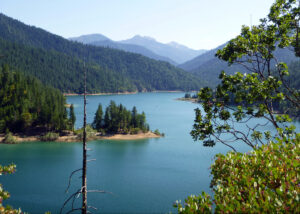
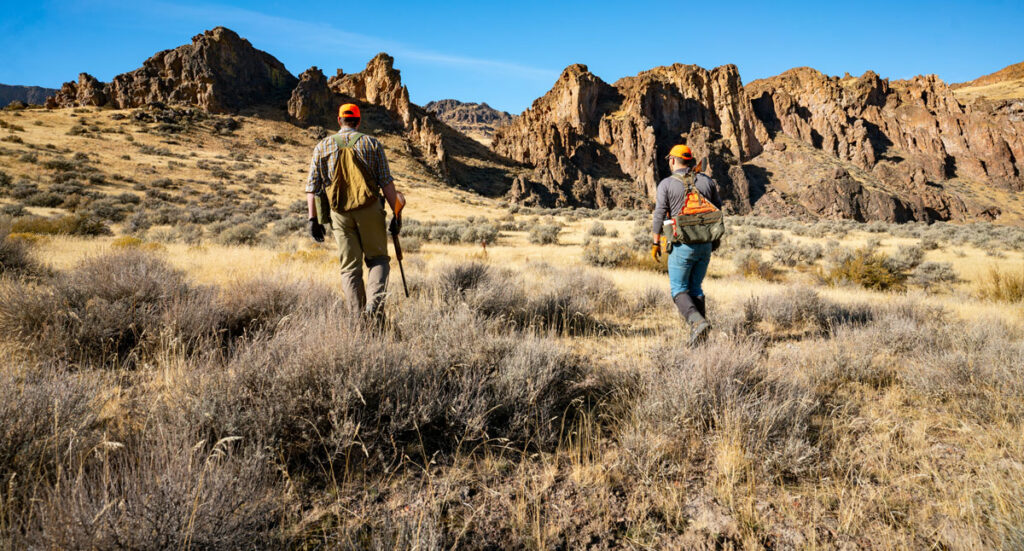
America’s 640 million acres of national public lands provide irreplaceable hunting and fishing opportunities to millions of Americans.

Learn More About Access
What TRCP is Doing

We’re working to safeguard America’s public lands so hunters and anglers always have quality places to pursue their passions.
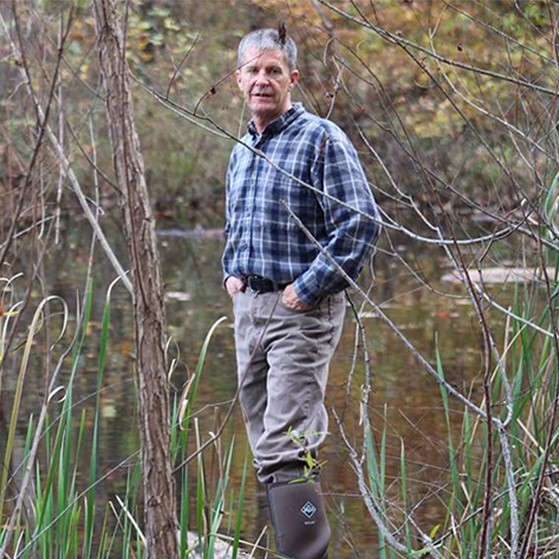
 Brian Flynn, Two Wolf Foundation
How Sportsmen Are Doing It Right

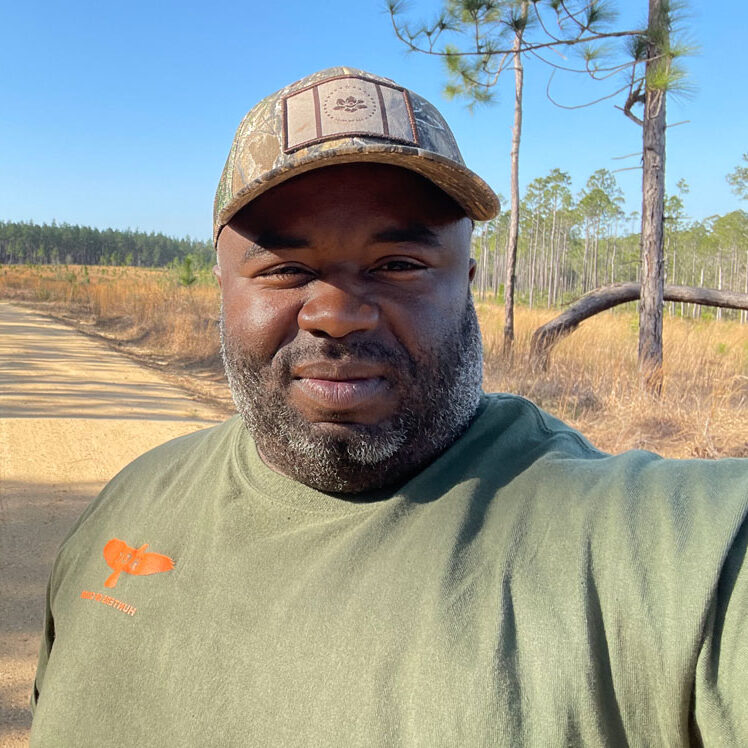
Brian Flynn, Two Wolf Foundation's Story

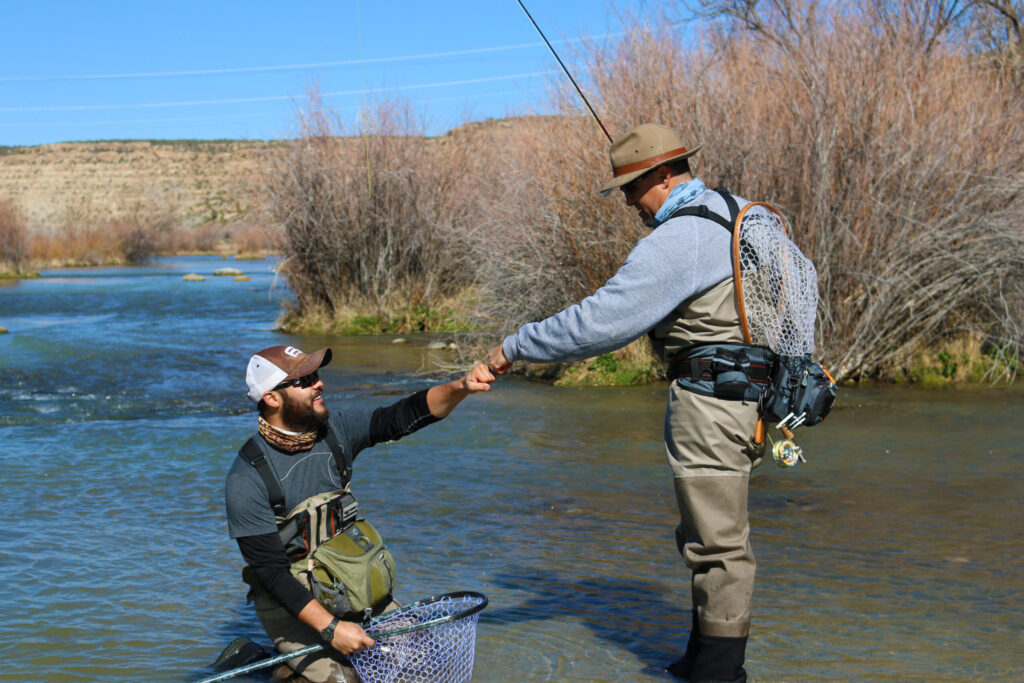
Following a distinguished career in the U.S. Army, lifelong outdoorsman Brian Flynn returned home from a deployment in Afghanistan and…

Hunting
Why It Matters

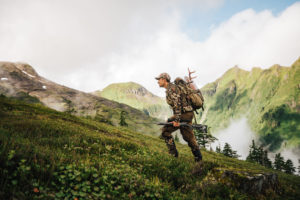
Key Issues for America’s Hunters

Your source for the latest policy updates, conservation challenges, and opportunities shaping America’s hunting traditions.

What TRCP is Doing

We’re fighting for meaningful policy changes that benefit wildlife, our waters, and the American landscapes that make our outdoor traditions possible.

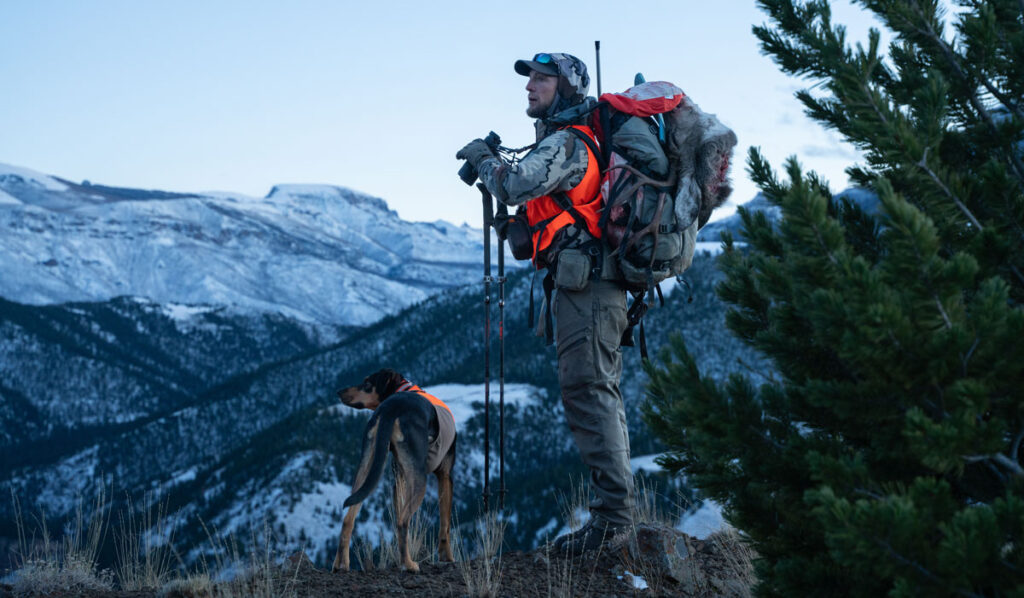
 Ryan Sparks
How Sportsmen Are Doing It Right

Ryan Sparks's Story

TRCP’s “In the Arena” series highlights the individual voices of hunters and anglers who, as Theodore Roosevelt so famously said,…

Fishing
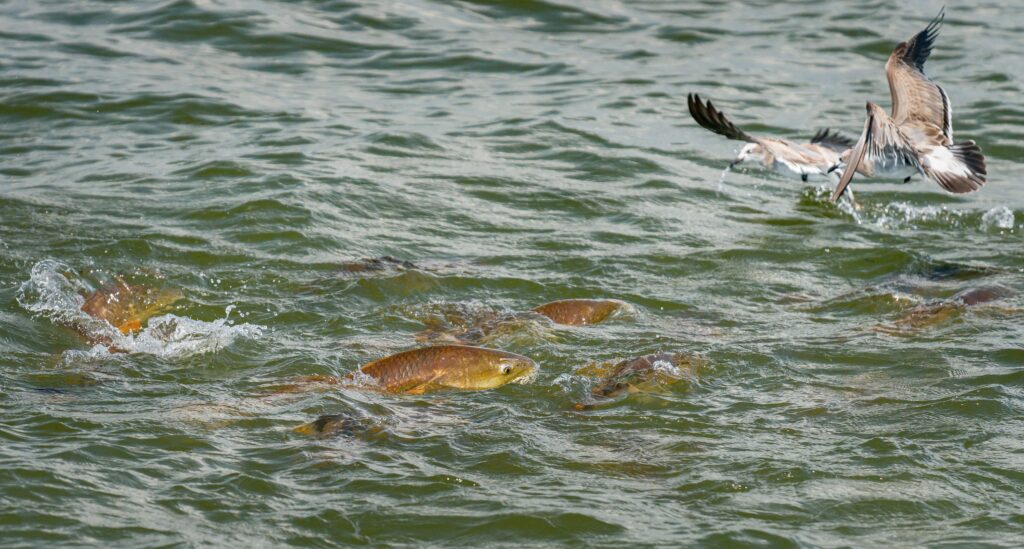
Why It Matters

Key Issues for America’s Anglers

Your source for the latest policy updates, conservation challenges, and opportunities shaping America’s fishing traditions.

What TRCP is Doing

We’re fighting for meaningful policy changes that benefit wildlife, our waters, and the American landscapes that make our outdoor traditions possible.

 David Mangum
How Sportsmen Are Doing It Right

David Mangum's Story

Capt. David Mangum is a YETI ambassador and outdoor photographer who utilizes his talents to produce media that inspire a…

Private Land
Why It Matters

Stewardship on America’s private lands

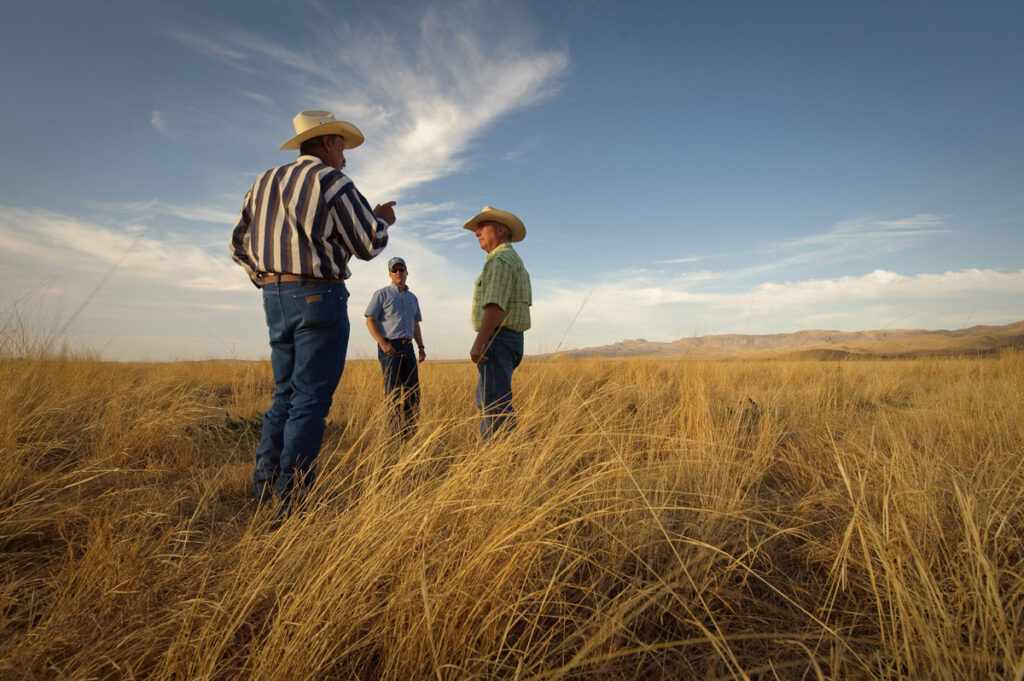
With 70 percent of U.S. lands in private hands and many of our best hunt and fish opportunities occurring there, investing in voluntary conservation on working lands safeguards access, strengthens habitat and water quality, and ensures resilient landscapes.

Learn More
What TRCP is Doing

We champion policies and programs that restore wildlife habitat, improve soil and water health, and keep working lands productive.

 Ward Burton
How Sportsmen are Doing It Right

Ward Burton's Story

Ward Burton’s NASCAR driving career stretched across most of two decades. As an avid sportsman and conservationist, he founded the…

Special Places
Why It Matters

Special Places Worth Protecting

America’s most iconic landscapes provide unmatched habitat and unforgettable days afield. These places sustain wildlife, anchor local economies, and define the hunting and fishing traditions we pass down.

What TRCP is Doing

We’re working to conserve special places that provide world-class habitat and unforgettable opportunities for hunters and anglers.

 Franklin Adams
How Sportsmen Are Doing It Right

Franklin Adams's Story

As a true Gladesman, conservationist, and historian, Capt. Franklin Adams has spent more than six decades championing Everglades restoration efforts…

Habitat & Clean Water
Why It Matters

Healthy Habitat Powers Every Pursuit

All hunting and fishing opportunities depend on quality habitat, from clean water and healthy wetlands to winter and summer habitats and the migration corridors that connect them.

All About Habitat & Clean Water
What TRCP is Doing

We are working to safeguard the habitats that power every hunting and fishing opportunity.

 Alex Harvey
How Sportsmen Are Doing It Right

Alex Harvey's Story

Alex Harvey, founder of Legacy Land Management, is a registered professional forester in Mississippi and Alabama with a Master's degree…

Science
Why It Matters

Science That Guides TRCP

From conserving migration corridors and wetlands to ensuring clean water and resilient landscapes, science provides evidence that turns conservation goals into effective action.

Science for Conservation
What TRCP is Doing

For hunters and anglers, science safeguards the experiences we treasure including resilient big game populations, abundant fish, and wild places that endure changing social landscapes.

Jamelle Ellis
Your Science Expert

Jamelle Ellis's Story

Jamelle Ellis joined the Theodore Roosevelt Conservation Partnership in 2022. Jamelle spent the last three years as an environmental sustainability…

Where We Work
Across the Nation

Conservation Across America

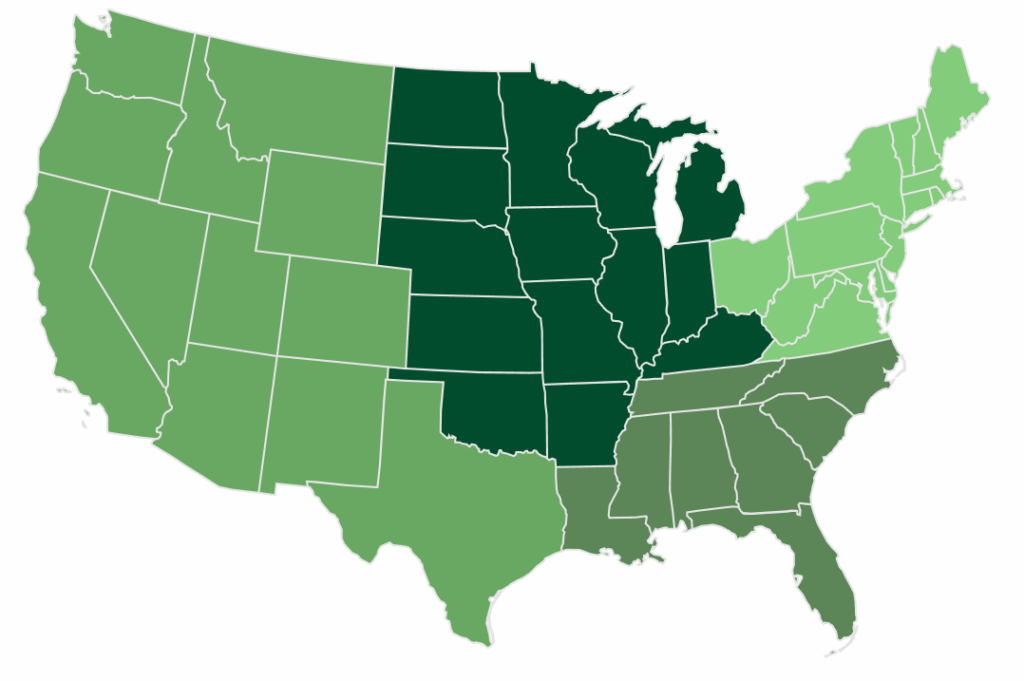
TRCP works across the country to ensure hunters and anglers can enjoy healthy fish and wildlife and quality days afield, no matter where they live.

See All Issues
TRCP in Your Region

TRCP works across the country to ensure hunters and anglers can enjoy healthy fish and wildlife and quality days afield, no matter where they live.

Who We Are
Our Mission

To guarantee all Americans quality places to hunt & fish

We unite and amplify our partners’ voices to advance America’s legacy of conservation, habitat, and access.

Our Mission & Values
Our People & Partners
  • Meet the TRCP Team

    Our staff and board members unite and amplify our partners’ voices to advance America’s legacy of conservation, habitat, and access.

    Meet the Team
  • Our Partners

    ‘Partnership’ is in our name. We work with 64 diverse partner groups that represent today’s leading hunting, fishing, and conservation organizations in order to strengthen the sportsman’s voice in Washington, D.C.

    Our Partners
  • Corporate Council

    TRCP’s Corporate Council is made up of diverse corporations that share a common passion for conservation.

    Corporate Council
Our Organization

Looking for more information?

Explore our latest news, policy updates, and conservation resources to get the information you need.

Giving
How You Can Help

To guarantee all Americans quality places to hunt & fish

Your tax-deductible donation will support TRCP's mission, now and into the future.

DONATE
Special Ways to support trcp
  • Capital Conservation Awards Dinner

    The CCAD is one of Washington's best-attended conservation celebrations, featuring dinner, cocktails, and a silent auction.

    Learn More
  • Step Into the Arena

    Help us ensure that our treasured wild habitats and game remain intact for the next generation to enjoy – lend your support to the TRCP’s efforts today!

    Donate
  • Roosevelt Roast

    TRCP has partnered with Afuera Coffee Co. to further our commitment to conservation.

    Learn More
More donation options

Find the best way for you to lend your support. Join one of TRCP’s donor circles for special invitations, premium offerings from outdoor retailers, and more exclusive benefits. Take control of your legacy with planned giving or contribute to special conservation funds.

Other Ways To Give
News
In the Spotlight

Oregon Legislature Passes Landmark “1.25 Percent for Wildlife” Act

After three legislative sessions and more than a decade of advocacy, a bipartisan coalition secures Oregon’s most significant conservation funding victory in a generation.

Read More

Stay Informed

Receive our newsletter, the Roosevelt Report, right in your inbox. Never miss the latest news in conservation issues.

by:

posted in:

April 19, 2018

IMG_20141023_074018388 (1)

Do you have any thoughts on this post?

XHTML: You can use these tags: <a href="" title=""> <abbr title=""> <acronym title=""> <b> <blockquote cite=""> <cite> <code> <del datetime=""> <em> <i> <q cite=""> <s> <strike> <strong>

Comments must be under 1000 characters.

by:

posted in:

April 17, 2018

Proposed Oil and Gas Leasing Threatens a Legendary Mule Deer Hunting Destination

Energy development in Nevada’s Ruby Mountains puts at risk the very qualities that make these public lands important to sportsmen and women

Often referred to as the Swiss Alps of Nevada, the Ruby Mountains in Elko County rise from 6,000-foot-elevation sagebrush steppe to alpine vegetation at over 11,300 feet on the summit of Ruby Dome. The rugged terrain is home to nearly every game animal in the state, including mountain goats, bighorn sheep, elk, and mountain lions, as well as Nevada’s largest mule deer herd. Resident game birds include Himalayan snowcock, blue grouse, chukars, and the greater sage grouse, while a host of eagles, hawks, and other birds are often seen soaring high above the peaks. Mountain streams contain healthy fish populations, among them the native Lahontan cutthroat trout. Hunters, anglers, backpackers, and recreationists of all types spend thousands of days and dollars each year camping and exploring this iconic mountain range.

Without a doubt, the Rubies are among Nevada’s most beloved landscapes and provide vital habitat for wildlife.

This past fall, the Humboldt Toiyabe National Forest invited the public to comment on a proposal to lease approximately 54,000 acres in the Ruby Mountains for oil and gas exploration. Parcels under consideration for leasing extend in places from the foothills to the top of the range, and several directly abut the boundary of the Ruby Mountain Wilderness. Others lie within a mile of Ruby Dome and the scenic, high-alpine Griswold Lake. The proposed leases spread several miles on either side of Harrison Pass, a very popular area for campers and deer hunters, while the southernmost tracts encompass crucial winter range and migration corridors for big game.

During an initial 30-day comment period, the Forest Service received more than 8,000 responses from various agencies, individuals, and organizations. Tellingly, only a handful of comments supported the proposal. Sportsmen and women, especially, expressed concerns at the prospect of someday seeing roads, machinery, and oil wells scattered across the landscape. Besides the Theodore Roosevelt Conservation Partnership, other sporting organizations voicing their objections include Trout Unlimited, Backcountry Hunters and Anglers, the Coalition for Nevada’s Wildlife, and Nevada Muleys.

Because of the intense public interest in the issue, the Forest Service has extended the comment period on the proposed leasing until April 23, 2018. Concerned sportsmen and women must make their voices heard. Energy exploration in the Ruby Mountains would jeopardize the quality of the region’s wildlife habitat and the celebrated opportunities it offers to hunters and anglers. This rich and storied landscape is no place for drilling and development.

Take action now. Please offer your comments on the proposed leasing and ask that the Humboldt Toiyabe National Forest:

  • Defer the leasing of any important wildlife habitat in the Ruby Mountains, including big game seasonal range and migration corridors, until a full Forest Plan revision can be completed.
  • Undertake a comprehensive upfront assessment of the potential impact of energy development on fish and wildlife in this area.
  • Commit adequate funding to prevent, monitor, and mitigate any damage or degradation to habitat and populations.

Photos courtesy of USFS

by:

posted in:

April 11, 2018

This is the Difference Between Blocking Fish Passage and Creating Portals to Habitat Heaven

When it comes to infrastructure that works for flood-prone communities and fish, not all culverts are created equal

When fish run into man-made barriers, such as roads or bridges, carefully planned and executed infrastructure can mean the difference between disrupting their typical migration and allowing passage to spawning grounds or more available food sources. Often, to get from one side of a road or bridge to another, fish pass through culverts, which are often long metal tubes that allow water to pass under a roadway.

But not all culverts are created equal. Some can be easily overwhelmed by rain or other weather related events and become hazardous for fish. Culverts that are too small can create fast-moving water, harming juvenile fish that aren’t yet strong swimmers. As the stream bank around a culvert erodes away, it can become perched too far from the surface of the water for fish to access it safely.

The people who designed these crossings never intended them to hurt more than they help, but we understand much more now about how to make culverts fish-friendly. This is particularly an issue in the Southeast, an area with an abundance of fish species but also some of the highest rates of fish endangerment. This is due, in part, to poor-quality stream crossings. Luckily, the work of conservation groups and the Trump administration’s appetite for infrastructure funding could turn things around in the Southeast and across the country.

Increasing Fish Passage One Culvert at a Time

Federal agencies, such as the U.S. Forest Service, and sportsmen’s organizations have taken the lead on replacing culverts to improve fish passage. From 2008 to 2015 alone, the Forest Service and other partners invested more than $105 million to replace or remove 1,049 culverts on Forest Service land across the country. In the Forest Service’s Southern region, this led to the removal or replacement of 77 culverts, which reconnected 256 miles of aquatic habitat.

This work continues today. Sportsmen’s organizations like Trout Unlimited continue to reconnect fish and wildlife habitat through innovative and nature-based solutions to infrastructure. One of these efforts in the Southeast was the Roaring Creek Project that removed an undersized 36-inch-diameter culvert and replaced it with a 40-foot-wide clear span bridge.

Roaring Creek project before and after, photo courtesy of Trout Unlimited.

The old culvert had repeatedly failed, causing downstream flooding and necessitating its repeated replacement. The pipe had also become perched, stopping fish from crossing from one side to the other. The replacement bridge is not only strong enough to allow a fire truck to drive over it, now it also allows trout to pass from the headwater streams of Upper Roaring Creek to North Toe River, which is meaningful because Roaring Creek is one of the most productive native trout streams in the state. More than 4 miles of high quality trout streams have been reconnected because of this project.

Fish-Friendly Culverts Benefit People, Too

Utilizing fish-friendly culverts doesn’t just help fish and wildlife, it is also more cost-effective for taxpayers. During heavy rains, many small culverts cannot handle the increased water flow, causing roads—like this one in Cherokee County, Ga.—to collapse. Every time a culvert under a road blows out due to poor design, taxpayers have to foot the bill. Roads have to be closed, as traffic is diverted, costing U.S. businesses valuable time as trucks are detoured or detained. Importantly, this also impacts the roads that emergency vehicles can take.


However, stream crossings with natural bottoms or culverts that are appropriately sized for fish passage can withstand heavier rainfalls. In Alaska’s Mat-Su Valley, 100 dated culverts were replaced with fish-friendly alternatives that still remain, even after a catastrophic flood in 2012.

Culvert Revival and Funds

The TRCP is actively seeking to ensure broader installation of fish-friendly culverts through our work with the Fish and Wildlife Service’s Fish Passage Prevention Roundtable. We’ve also joined with other hunting, fishing, and conservation organizations to champion nature-based solutions to infrastructure challenges and advocate for federal funding to help replace old, ineffective culverts. By highlighting the public safety, financial, and fish habitat benefits provided by effective culverts, the TRCP is working to move the needle on an issue important to anglers nationwide.


Top and bottom photos courtesy of USFWS/Katrina Liebich. 

by:

posted in:

April 9, 2018

How Fisheries Managers Respond When Trash Fish Get Trendy

Fisheries management can be influenced by the American appetite for (certain kinds of) seafood, which makes it even more important that the system works better for anglers

My brother Joey and I were weird, I guess. When we were kids, we loved to fish for sheepshead, which, at the time, were generally thought to be a “trash” fish and were despised by most Louisiana anglers.

Sheepshead are ugly by any objective standard. They have big, goofy buckteeth, gray and black skin, and a row of foreboding spikes along their dorsal fins. They’re also an absolute pain to clean. Some charter guides I knew when I was in my teens refused to even put them in the ice chest, for fear that they would wind up on the cleaning table along with the better speckled trout and redfish.

But I never agreed with sheepshead getting a bad rap. First of all, they fight like caged, rabid raccoons. And on our summer trips to Grand Isle or fall excursions to Cocodrie, the sheepshead aggressively ate a piece of shrimp or hermit crab on a jig head when the speckled trout wouldn’t cooperate, and they guaranteed that we had some fresh fish to go with our suppers of canned beans, and French bread.

Sure, you had to hack through some thick rib bones and tough scales to get a filet. But crabs are hard to clean, and I don’t know too many folks who consider boiled and steamed blue crabs to be “trash,” just because the meat is difficult to pick out.

Then, about 15 years ago, sheepshead started showing up on restaurant menus under the pseudonym “bay snapper.” Suddenly, a bunch of anglers who would never have kept an ugly, stubborn sheepshead were raving about how tasty their fish-of-the-day lunch special was.

Now, pretty much every restaurant in South Louisiana has sheepshead on the menu or as a fresh-fish special. I guess the cliché about one man’s trash being another man’s treasure applies.


Source: U.S. Fish and Wildlife Service 2013 National Survey
Tasty Reputation Prompts Adapted Management

I’m often struck by how frequently recreational and commercial fishermen are pitted against each other over a handful of “popular” fish because they taste good or they fight hard or simply because they are easy to catch. How many fish like sheepshead, once considered less desirable by both recreational and commercial fishermen, are out there? How can fishing for these species lessen the animosity that has been built over fish like red snapper?

I’m also dumbfounded, at times, by the argument that states are not as equipped to manage commercial fisheries as the federal government, especially when states have responded to the increased popularity of sheepshead with adapted management for both recreational and commercial harvest. And still we don’t fight over sheepshead at state commission meetings like we do over red snapper at the federally directed Gulf of Mexico Fisheries Management Council.

State fisheries agencies generally do a good job of conservatively managing commercial and recreational fishing, which is one of the reasons the TRCP and many of its sportfishing partners support the Modern Fish Act—because it would increase the role that states play in federal management and data collection for recreational fishing.


CMac’s special recipe.
Cats, Carp, and Courtbouillon

Like sheepshead, there are other fish thought of as trash, simply by reputation. On a late-March trip to Grand Isle, my fishing buddies got to tie into a handful of gafftopsail catfish, another much-maligned, yet hard-tugging and good-eating saltwater predator. I kept the fish, despite some dirty looks, and I used the filets to make a catfish courtbouillon, a rich tomato-based stew my family ate on Good Friday.

Everyone said it was delicious. They had no idea they were eating trash, I guess.

Gafftops, unlike their cousins the hardhead catfish, aren’t bottom-dwelling scavengers. They strike lures as aggressively as redfish and speckled trout and fight every bit as hard. On a memorable day in late August a few years ago, several five-pound gafftops exploded on topwater plugs in the Grand Isle surf when I was aiming for specks. The surface boiled and my drag screamed as if a redfish or big trout had busted the bait. But when the fight was over, my friends looked in disgust at what was on the end of the line. Similar to the way sheepshead were looked at 30 years ago, some of my friends won’t even put a gafftop in the ice chest for fear of scorn at the cleaning table.

But the list of reformed trash fish is growing each year. Bonito were once only kept for cut bait and chum, but if the meat is taken care of, they are just as tasty as their blackfin tuna relatives. Even the dreaded invasive Asian carp is pretty tasty after being dredged in seasoned corn meal and dropped in hot grease. There are more than enough of them available for those who want to give them a taste.


Making the Most of Our Time on the Water

I’m not suggesting that I would give up on a good trout bite or a school of hungry redfish to chase down gafftops or throw chunks of hermit crabs at sheepshead. But, like many fishermen who have busy home- and work-lives, I like to catch something while I’m out there—I’m not going to turn down the opportunity to hook aggressive-striking, hard-pulling fish and keep a few of them for the grill or the fryer.

And I’m not suggesting that improving the management of popular species like red snapper or cobia is less important because there are other fish out there to catch. My point is that, too often, anglers fall into the trap of getting hung up on catching one fish or another, and it can lead to a less enjoyable time on the water if a particular season is closed or the target species doesn’t cooperate that day. It might be up to us to “dig in the trash” more often.

But as attitudes towards these fish evolve and change, it will be even more important that our system of federal fisheries management does not ignore recreational fishing—because restaurant trends will come and go, but the importance of predictable seasons to local outdoor recreation businesses will not.


Top photo by Anna Hesser via Flickr

by:

posted in:

April 2, 2018

Featured Podcast: Why Hunters Should Care About the Farm Bill

Whit Fosburgh talks to Mark Kenyon at Wired to Hunt about Farm Bill basics and what’s at stake for habitat conservation and hunting access on private lands

We’re so grateful that podcasters like Wired to Hunt‘s Mark Kenyon are willing to geek out with us about conservation policy when it really matters. Even though we’d all rather be talking about what was on the trail cam yesterday, complex legislation like the Farm Bill will chart a course for the habitat and access projects of tomorrow.

Here are the basics on why it matters and what you need to know as lawmakers write and debate this bill.


Listen for more conservation news and deer hunting stories over at Wired to Hunt.

HOW YOU CAN HELP

TRCP has partnered with Afuera Coffee Co. to further our commitment to conservation. $4 from each bag is donated to the TRCP, to help continue our efforts of safeguarding critical habitats, productive hunting grounds, and favorite fishing holes for future generations.

Learn More

You have Successfully Subscribed!

You have Successfully Subscribed!

You have Successfully Subscribed!

You have Successfully Subscribed!