Our Issues
Public Lands
Why It Matters

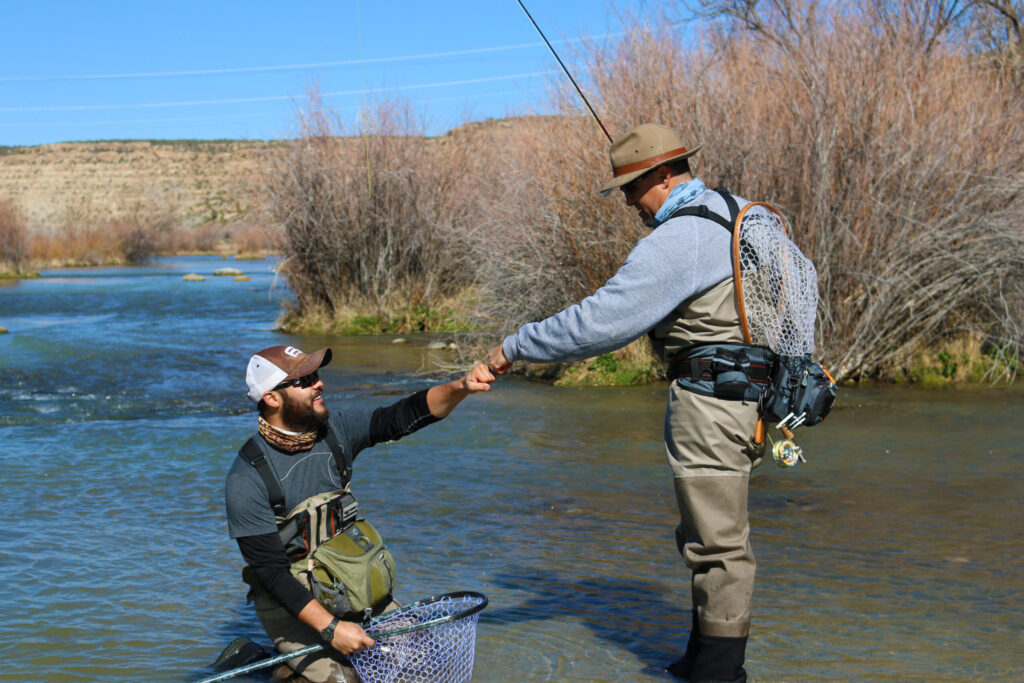
Hunting & Fishing Access

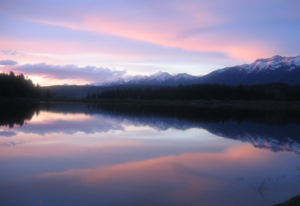
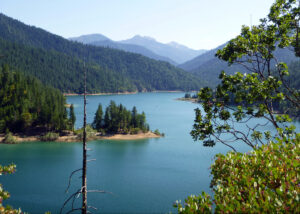
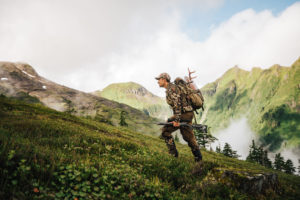
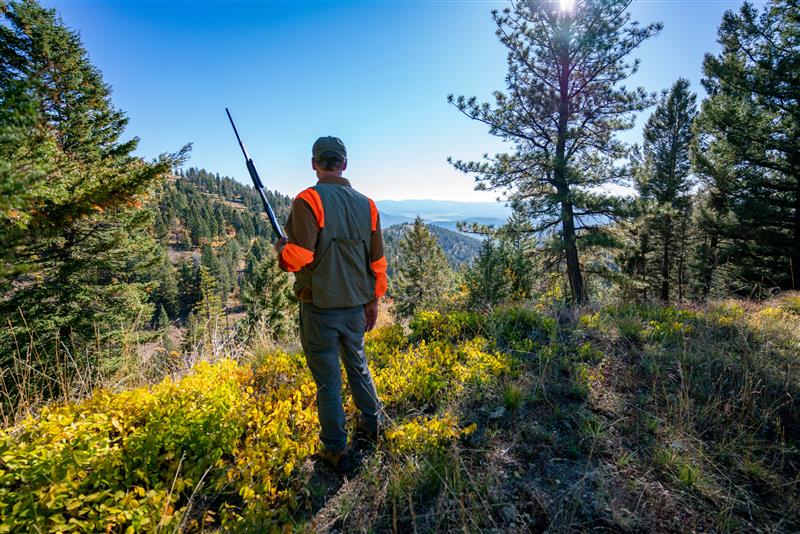
America’s 640 million acres of national public lands provide irreplaceable hunting and fishing opportunities to millions of Americans.

Learn More About Access
What TRCP is Doing

We’re working to safeguard America’s public lands so hunters and anglers always have quality places to pursue their passions.
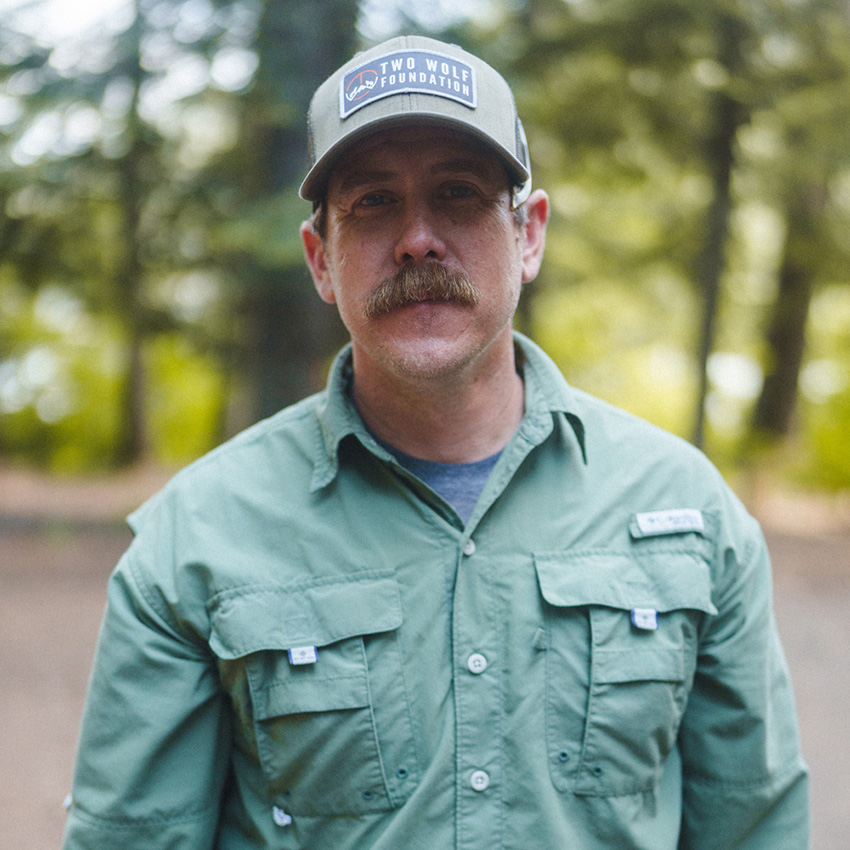
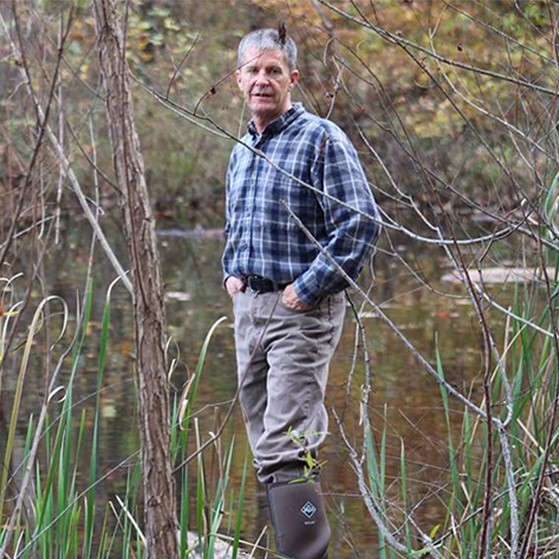
 Brian Flynn, Two Wolf Foundation
How Sportsmen Are Doing It Right

Brian Flynn, Two Wolf Foundation's Story

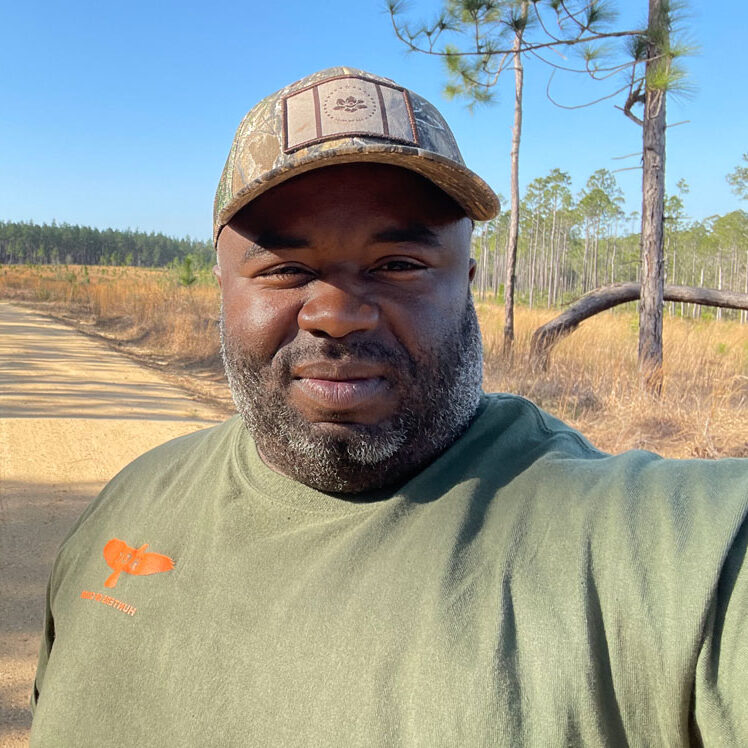
Following a distinguished career in the U.S. Army, lifelong outdoorsman Brian Flynn returned home from a deployment in Afghanistan and…

Hunting
Why It Matters

Key Issues for America’s Hunters

Your source for the latest policy updates, conservation challenges, and opportunities shaping America’s hunting traditions.

What TRCP is Doing

We’re fighting for meaningful policy changes that benefit wildlife, our waters, and the American landscapes that make our outdoor traditions possible.

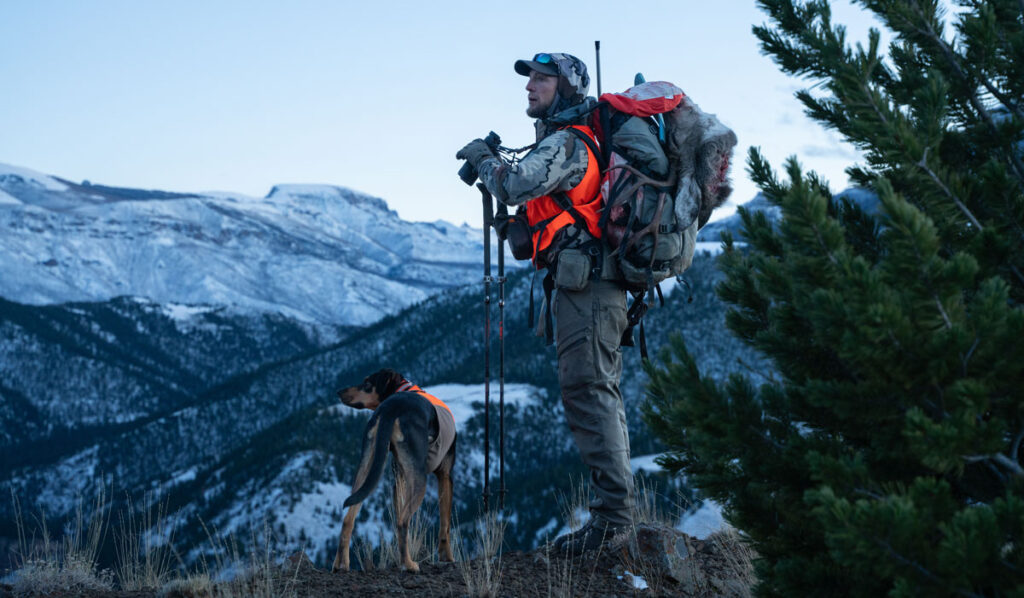
 Ryan Sparks
How Sportsmen Are Doing It Right

Ryan Sparks's Story

TRCP’s “In the Arena” series highlights the individual voices of hunters and anglers who, as Theodore Roosevelt so famously said,…

Fishing
Why It Matters

Key Issues for America’s Anglers

Your source for the latest policy updates, conservation challenges, and opportunities shaping America’s fishing traditions.

What TRCP is Doing

We’re fighting for meaningful policy changes that benefit wildlife, our waters, and the American landscapes that make our outdoor traditions possible.

 David Mangum
How Sportsmen Are Doing It Right

David Mangum's Story

Capt. David Mangum is a YETI ambassador and outdoor photographer who utilizes his talents to produce media that inspire a…

Private Land
Why It Matters

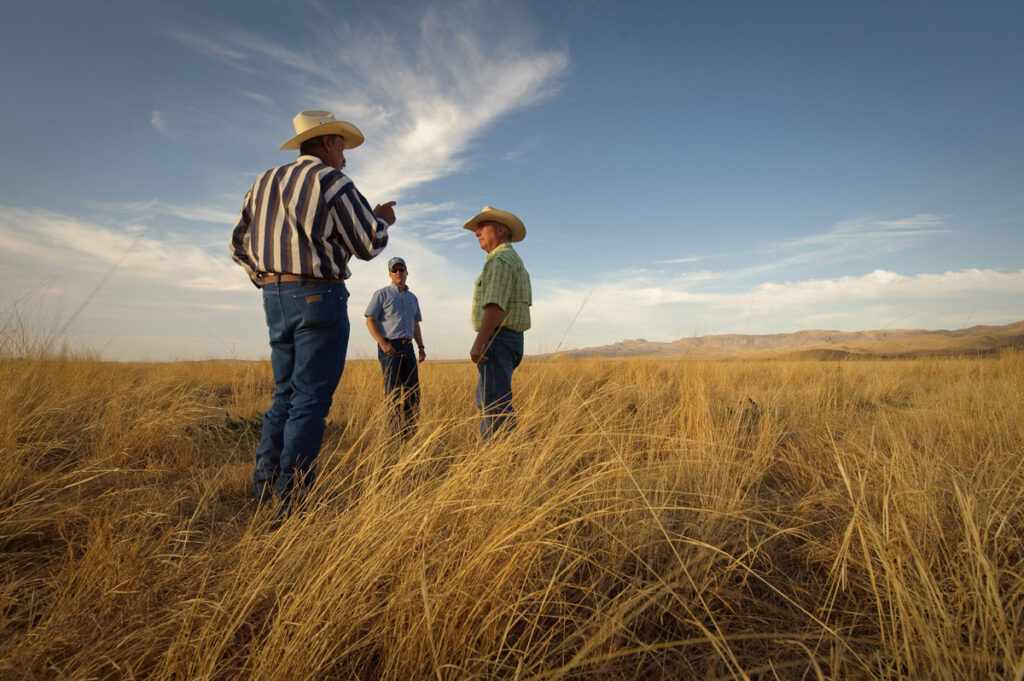
Stewardship on America’s private lands

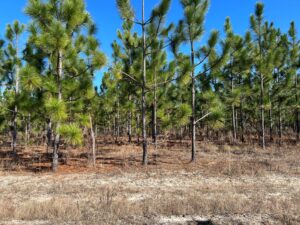
With 70 percent of U.S. lands in private hands and many of our best hunt and fish opportunities occurring there, investing in voluntary conservation on working lands safeguards access, strengthens habitat and water quality, and ensures resilient landscapes.

Learn More
What TRCP is Doing

We champion policies and programs that restore wildlife habitat, improve soil and water health, and keep working lands productive.

 Ward Burton
How Sportsmen are Doing It Right

Ward Burton's Story

Ward Burton’s NASCAR driving career stretched across most of two decades. As an avid sportsman and conservationist, he founded the…

Special Places
Why It Matters

Special Places Worth Protecting

America’s most iconic landscapes provide unmatched habitat and unforgettable days afield. These places sustain wildlife, anchor local economies, and define the hunting and fishing traditions we pass down.

What TRCP is Doing

We’re working to conserve special places that provide world-class habitat and unforgettable opportunities for hunters and anglers.

 Franklin Adams
How Sportsmen Are Doing It Right

Franklin Adams's Story

As a true Gladesman, conservationist, and historian, Capt. Franklin Adams has spent more than six decades championing Everglades restoration efforts…

Habitat & Clean Water
Why It Matters

Healthy Habitat Powers Every Pursuit

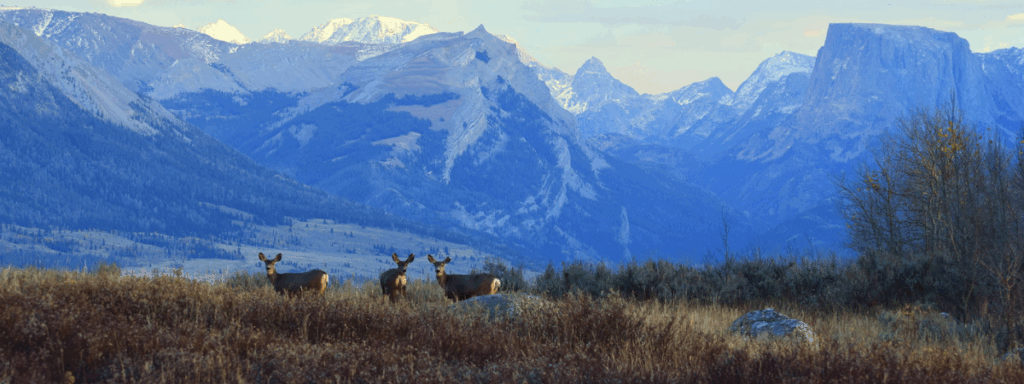
All hunting and fishing opportunities depend on quality habitat, from clean water and healthy wetlands to winter and summer habitats and the migration corridors that connect them.

All About Habitat & Clean Water
What TRCP is Doing

We are working to safeguard the habitats that power every hunting and fishing opportunity.

 Alex Harvey
How Sportsmen Are Doing It Right

Alex Harvey's Story

Alex Harvey, founder of Legacy Land Management, is a registered professional forester in Mississippi and Alabama with a Master's degree…

Science
Why It Matters

Science That Guides TRCP

From conserving migration corridors and wetlands to ensuring clean water and resilient landscapes, science provides evidence that turns conservation goals into effective action.

Science for Conservation
What TRCP is Doing

For hunters and anglers, science safeguards the experiences we treasure including resilient big game populations, abundant fish, and wild places that endure changing social landscapes.

Jamelle Ellis
Your Science Expert

Jamelle Ellis's Story

Jamelle Ellis joined the Theodore Roosevelt Conservation Partnership in 2022. Jamelle spent the last three years as an environmental sustainability…

Where We Work
Across the Nation

Conservation Across America

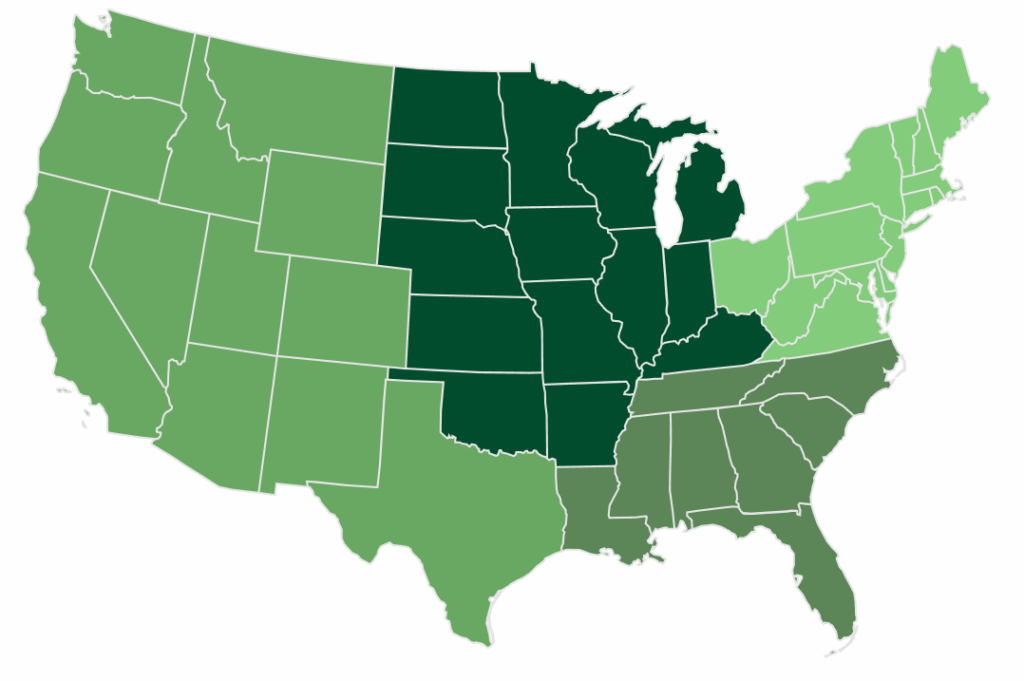
TRCP works across the country to ensure hunters and anglers can enjoy healthy fish and wildlife and quality days afield, no matter where they live.

See All Issues
TRCP in Your Region

TRCP works across the country to ensure hunters and anglers can enjoy healthy fish and wildlife and quality days afield, no matter where they live.

Who We Are
Our Mission

To guarantee all Americans quality places to hunt & fish

We unite and amplify our partners’ voices to advance America’s legacy of conservation, habitat, and access.

Our Mission & Values
Our People & Partners
  • Meet the TRCP Team

    Our staff and board members unite and amplify our partners’ voices to advance America’s legacy of conservation, habitat, and access.

    Meet the Team
  • Our Partners

    ‘Partnership’ is in our name. We work with 64 diverse partner groups that represent today’s leading hunting, fishing, and conservation organizations in order to strengthen the sportsman’s voice in Washington, D.C.

    Our Partners
  • Corporate Council

    TRCP’s Corporate Council is made up of diverse corporations that share a common passion for conservation.

    Corporate Council
Our Organization

Looking for more information?

Explore our latest news, policy updates, and conservation resources to get the information you need.

Giving
How You Can Help

To guarantee all Americans quality places to hunt & fish

Your tax-deductible donation will support TRCP's mission, now and into the future.

DONATE
Special Ways to support trcp
  • Capital Conservation Awards Dinner

    The CCAD is one of Washington's best-attended conservation celebrations, featuring dinner, cocktails, and a silent auction.

    Learn More
  • Step Into the Arena

    Help us ensure that our treasured wild habitats and game remain intact for the next generation to enjoy – lend your support to the TRCP’s efforts today!

    Donate
  • Roosevelt Roast

    TRCP has partnered with Afuera Coffee Co. to further our commitment to conservation.

    Learn More
More donation options

Find the best way for you to lend your support. Join one of TRCP’s donor circles for special invitations, premium offerings from outdoor retailers, and more exclusive benefits. Take control of your legacy with planned giving or contribute to special conservation funds.

Other Ways To Give
News
In the Spotlight

The Next Step for the Tongass

Hunters and Anglers Can Help Shape the Forest Plan.

Read More

Stay Informed

Receive our newsletter, the Roosevelt Report, right in your inbox. Never miss the latest news in conservation issues.

by:

posted in:

April 25, 2017

diversion-tour

fish habitat Louisiana redfish

Do you have any thoughts on this post?

XHTML: You can use these tags: <a href="" title=""> <abbr title=""> <acronym title=""> <b> <blockquote cite=""> <cite> <code> <del datetime=""> <em> <i> <q cite=""> <s> <strike> <strong>

Comments must be under 1000 characters.

by:

posted in:

April 24, 2017

Sportsmen Look to Secretary Perdue to Champion Conservation That Works for Rural America

The Georgia quail hunter will oversee $5 billion in conservation funding on private lands, which benefits farmers, ranchers, wildlife, clean water, and sportsmen

In an 87-11 vote, the U.S. Senate has officially confirmed Sonny Perdue, the former governor of Georgia and an avid sportsman, to lead the U.S. Department of Agriculture, where he’ll oversee land and water conservation on private lands and operation of the U.S. Forest Service. Hunters and anglers are optimistic that Perdue is up to the task of serving our rural communities and our natural resources well.

“As a hunter and angler, Secretary Perdue understands the importance of wildlife conservation,” says Collin O’Mara, president and CEO of the National Wildlife Federation. “He has a record of working in a bipartisan fashion to advance innovative land conservation programs, increase water conservation, and restore longleaf pine forests. We look forward to working with Perdue on critical issues facing USDA, including protecting America’s grasslands, expanding successful farm bill conservation programs and wildlife initiatives, and reducing nutrient runoff to improve water quality.”

Perhaps most importantly, Perdue will contribute to the debate around the 2018 Farm Bill, the legislative vehicle that drives approximately $5 billion in annual conservation spending on private lands. Voluntary, incentive-based programs authorized by past farm bills have been widely successful, helping to prevent the Endangered Species Act listing of the greater sage grouse and contributing to cleaner waters in the Chesapeake Bay.

“We are eager to begin working with Secretary Perdue to implement good conservation programs on working farms and ranches,” says Dr. Frank Rohwer, president and chief scientist at Delta Waterfowl. “The next farm bill will provide great opportunities to come up with solutions that work well for our nation’s producers, sportsmen, waterfowl, and other wildlife.”

Besides the Forest Service, Perdue will direct many of the other federal agencies with a major role in conservation, including the Natural Resources Conservation Service and Farm Service Agency. Almost immediately, Perdue will need to defend his department’s budget and staff against cuts from congressional appropriators.

“With record demand from agricultural producers for the technical assistance and financial certainty that USDA programs offer, Secretary Perdue already has his work cut out for him, but sportsmen and women are also depending on his leadership in rural counties that are economically reliant on outdoor recreation, like hunting and fishing, that gets a boost from habitat improvements on private lands,” says Whit Fosburgh, president and CEO of the Theodore Roosevelt Conservation Partnership, which came out in support of Perdue early on.

“These programs cannot survive proposed budget cuts, especially when critical functions at the USDA, including wildfire suppression in national forests and conservation planning assistance for landowners, are already chronically short on funding,” says Fosburgh. “Sportsmen and women call on Secretary Perdue to strongly defend the USDA against budget cuts and support long-term, practical investments in natural resources management on public and private lands.”

April 20, 2017

The Dream Team Restoring Elk to the Appalachian Region

To reintroduce and sustain an elk herd lost since the Civil War, it took a diverse partnership that is representative of 21st century conservation efforts—no one group can do it alone

As the TRCP’s newest formal partner, we’re in really good company with 51 other groups that are working toward a brighter future for America’s fish, wildlife, and natural resources. And we’re thrilled to work with passionate sportsmen and women bringing conservation priorities to the attention of D.C. decision-makers.

Partnerships can be multifaceted and powerful, aligning people and organizations to do more together than they could ever do alone. In essence, this describes The Conservation Fund’s core approach to everything we do. And in this day and age, collaboration isn’t just a nice-to-have—it’s necessary to craft conservation solutions that support fish and wildlife habitat, public access to the outdoors, and local economies.

A crowd gathered to witness the reintroduction of elk to the area. Key project partners, including The Conservation Fund, U.S. Fish and Wildlife Service, Walmart, WV Division of Natural Resources, and the Rocky Mountain Elk Foundation, shared in the celebration. Top image: Elk are a wide-ranging species that will benefit from the more than 32,000 acres of publicly accessible land acquired to establish this wildlife management area in West Virginia. More than 20 elk were reintroduced in December 2016. Images courtesy of Frank Ceravalo.

That’s why we were founded more than 30 years ago with a unique dual-charter mission to not only protect America’s land, water, and wildlife, but to do so with a clear focus on generating economic returns for surrounding communities. By working in partnership with others who share our conservation goals—including federal and state agencies, land trusts, local community organizations, businesses, foundations, and other nonprofits—we do just that. The Conservation Fund has conserved nearly 8 million acres and counting.

For example, in southern West Virginia, coal fueled the state’s economy for generations. But in recent years, the industry has slowed, and local communities are struggling economically. By working directly with community members and local, state, and federal partners across the Appalachian region, we’re helping these communities transition by demonstrating how conservation can also support economic development.

Through our Working Forest Fund, a dedicated source of bridge capital, we purchased more than 32,000 acres of privately owned forestland that was vulnerable to fragmentation and development in the southern part of the state. We are now working with the West Virginia Department of Natural Resources to co-manage the property as a sustainable working forest, safeguarding the timber economy and forestry-based jobs while providing habitat for reintroduced elk—which had not been seen in the region for almost 150 years. This property is now the state’s largest conserved block of prime elk habitat, and it’s open to the public as a wildlife management area.

West Virginia wildlife management area Appalachian elk
Previously industrially owned, this rough, rugged territory will be open to the public as a wildlife management area, helping people to reengage with land they are culturally connected to. Image courtesy of Frank Ceravalo.

The prospect of bringing elk back to West Virginia for both wildlife viewing and hunting purposes has triggered excitement across the region, not least for the tourism opportunities that could drive spending in the rural communities that need it most. It’s no secret that sportsmen and other public land users help support $646 billion in annual consumer spending and 6.1 million jobs—numbers impossible to ignore. Read more about this partnership effort in West Virginia in an interview with WV DNR and the Rocky Mountain Elk Foundation.

It’s clear that making conservation work for America will take more than one group or individual. But we’re confident that as partnerships grow, so do the possibilities for fish, wildlife, and vibrant communities.

Whitney Flanagan is the creative director of The Conservation Fund, TRCP’s newest partner group. See all 52 partners here

by:

posted in:

Public Lands Are Managed to Balance Many Uses, But That May Change

New under-the-radar administration policies would alter public land management, and this has major implications for hunting and fishing

Efforts to dispose of public lands may grab headlines, but a subtle shift in the management of public lands could present an even greater risk to the future of hunting and fishing. With the spotlight shining brightly on recent proposals to sell off our public lands, the White House and the Department of the Interior quietly set policies in motion last month that have the potential to change the way our public lands are managed.

In tandem, Executive Order 13873 and Secretarial Order 3349 would initiate a few specific processes that could change the way public lands wildlife habitat is valued and managed, especially when it’s at odds with energy development. All Americans—including sportsmen—depend on energy resources, but we want to see development carried out in a balanced way, not at the expense of fish and wildlife habitat or our best hunting and fishing areas.

There are absolutely ways to ensure all of the above, but these orders have the potential to put at risk the critical balancing act carried out by the BLM and other federal agencies. Here’s how.

“Would balanced land management as we know it be altered so that developers can do as they please without being ‘burdened’? Only time will tell.” Image courtesy of Cameron Davidson. Top image courtesy of Bob Wick/BLM.
Diluting Pro-Habitat Policies

Mitigation has long been used to accommodate development in ways that avoid or minimize impacts on important resources like wildlife habitat, and then compensate for unavoidable impacts. Mitigation has been used to avoid or minimize the fragmentation of mule deer winter range from energy development, for example.  In some cases, if habitat suffers while accommodating energy development, funds from resource extraction are then put back into conservation of habitat, there or elsewhere.

These executive and secretarial orders eliminated the existing department-wide policy for mitigating impacts to wildlife from development on public lands. They also set a process for evaluating, replacing, or eliminating agency actions taken to implement mitigation. Without good mitigation policies, assurances for fish and wildlife get thrown out the window and accountability for maintaining habitat becomes an afterthought, rather than a requirement.

Energy development should be balanced & not at the expense of fish & wildlife habitat... Share on X
Vaguely Referencing ‘Burdens’

Second, these two orders establish a process for all federal agencies—including the BLM—to review all existing policies to identify potential “burdens” on energy development. The agencies have been ordered to make recommendations for changing or rescinding policies to remove those burdens, though what exactly constitutes a burden is subject to interpretation. Could it be that managing world-class big-game habitat or outstanding wild-trout streams are perceived as a burden to an energy developer? And, if so, would balanced land management as we know it be altered so that developers can do as they please without being ‘burdened’? Only time will tell.

Reviewing policies in an attempt to eliminate unnecessary regulations and increase efficiencies is one thing, but sportsmen and women will not support actions that undo the fish and wildlife conservation achievements our community has worked for decades to achieve. We are hopeful that a balance can be found.

“Would balanced land management as we know it be altered so that developers can do as they please without being ‘burdened’? Only time will tell.”
Keeping Public Lands Public is Not Enough

At TRCP, we’re on the front lines to sound the alarm on sweeping threats to public lands, like H.R. 621 and other legislative attacks. But it’s not enough to keep public lands in public hands if wildlife habitat and outdoor recreation do not rank with energy development or other uses of the land. Executive Order 13873 and Secretarial Order 3349 were introduced with little fanfare, and with so much of the sportsmen’s community focused only on the most outrageous and obvious public land issues, low-profile actions like these are more likely to fly under the radar and become foundational policies.

Don’t let that happen. Not every threat will come with a catchy hashtag or fit nicely on a bumper sticker, but your voice will be just as critical in the fight against these subtle policy moves. And TRCP will be there to let sportsmen and women know when there’s a chance to take action.

by:

posted in:

April 19, 2017

After Speaking With Anglers and Guides, Florida Lawmakers Voted for Everglades Restoration

It’s hard to ignore the urgent need for solutions when small business owners and voters who love to fish are standing in your office

Water flow problems in the Everglades are complex, and Florida’s $7.6-billion recreational saltwater fisheries depend on fixing them. Science points us to clear solutions—simply move water south—but politics are hardly ever that easy.

We can’t move mountains alone, and redirecting hundreds of billions of gallons of water demands support from lawmakers. Florida’s fisheries are being destroyed and politicians have failed to enact solutions—but anglers are mobilizing like never before. We’re willing to do anything to save our precious water.

Science has told us what we need to know. Now it’s our turn to do the talking.

That’s why I was honored to help convene more than 500 sportsmen and women in Tallahassee, Florida, last week for the Now Or Neverglades Sportfishing Day. Their passionate voices, sharing personal stories and asking legislators for help, were an instrumental force for change. In fact, Florida’s Senate took a major step towards moving water south by passing S.B. 10 the very next day.

Everglades restoration

On the whole, anglers and other stakeholders met with more than 50 representatives, working the halls of Florida’s Senate and House of Representatives. We spoke with, not at, lawmakers about what Florida’s water means for our way of life, our businesses, our state, and our people. Alongside the Everglades Foundation and other key groups, we broke up into lobbying teams, and my group of eight became a tight operating unit as we shared our perspectives and listened to legislators in turn.

Our voices, stories, and passion have the power to sway politics—and save a treasured fishery. Share on X

For me, and I think for many of those with whom we met, the most powerful voices were the youngest among us. A brother-sister duo, eleven and nine years old respectively, spoke with a purity that punched through the politics. In one meeting, the nine-year-old daughter of a small boat parts business owner moved everyone—including the legislator—to tears when she talked about how much she loves her daddy and doesn’t want him to lose his business.

Our Florida legislators and their aides listened to our stories and proposed solutions. Mutual respect and empathy grew as the day went on.

Everglades restoration
To me, Everglades restoration means more days like these.

On April 12, one day after our meetings, the Florida Senate made the right decision by passing S.B. 10, which begins the process of sending Lake Okeechobee waters south. We won by a landslide, 36-3, and now the companion bill must pass in the Florida House of Representatives. We are confident knowing that our faces and stories will be in their minds when that time comes.

While final passage of the bill would be a huge win for Florida’s recreational saltwater anglers, this is only the first step toward blocking toxic discharges from Lake Okeechobee and restoring the flow of clean fresh water to the Everglades and Florida Bay. There’s more work to be done.

We can have all the science and gather all the numbers, but at the end of the day, this is what matters: Our voices, our stories, and our heartfelt passion have the power to sway politics, move mountains, and, yes, save one of the most treasured fisheries in the world.

You don’t have to travel to the Capitol Building to make your voice heard. If you live in Florida, write or call your state representatives and tell them your story. And if you haven’t already, sign the Now or Neverglades Declaration to urge decision makers to fix Florida’s recreational fisheries.

HOW YOU CAN HELP

TRCP has partnered with Afuera Coffee Co. to further our commitment to conservation. $4 from each bag is donated to the TRCP, to help continue our efforts of safeguarding critical habitats, productive hunting grounds, and favorite fishing holes for future generations.

Learn More

You have Successfully Subscribed!

You have Successfully Subscribed!

You have Successfully Subscribed!

You have Successfully Subscribed!