Our Issues
Public Lands
Why It Matters

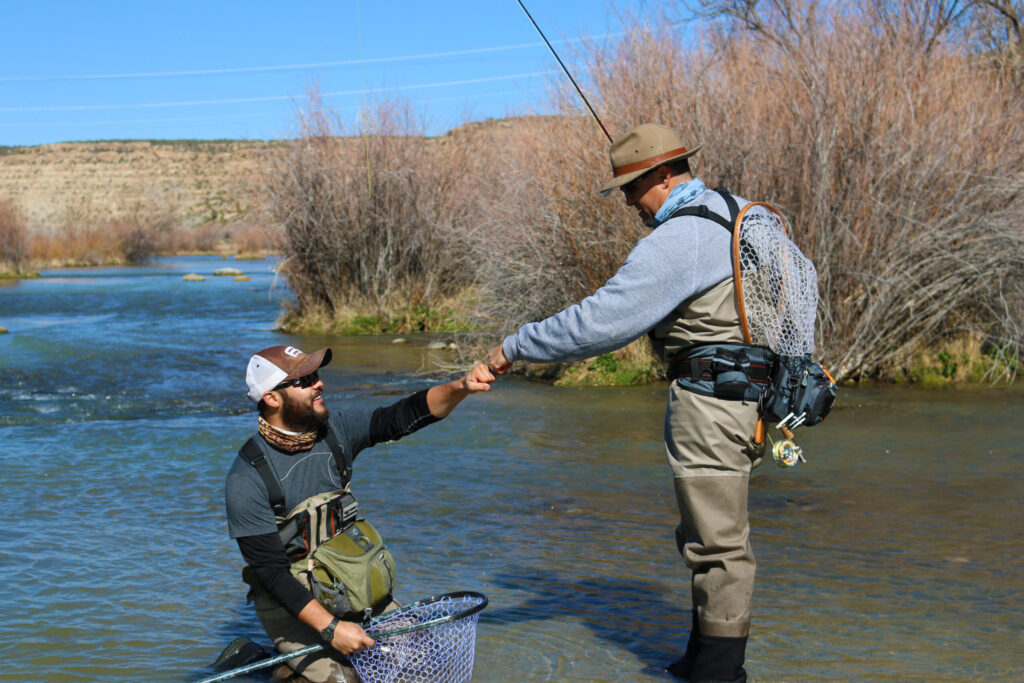
Hunting & Fishing Access

America’s 640 million acres of national public lands provide irreplaceable hunting and fishing opportunities to millions of Americans.

Learn More About Access
What TRCP is Doing

We’re working to safeguard America’s public lands so hunters and anglers always have quality places to pursue their passions.
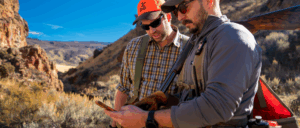
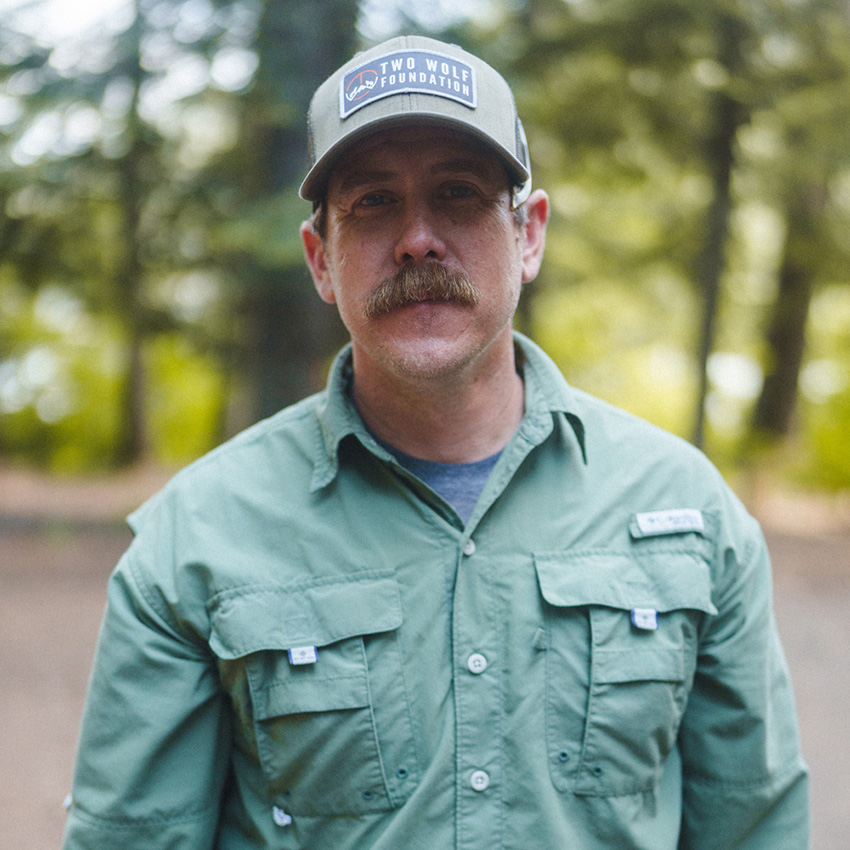
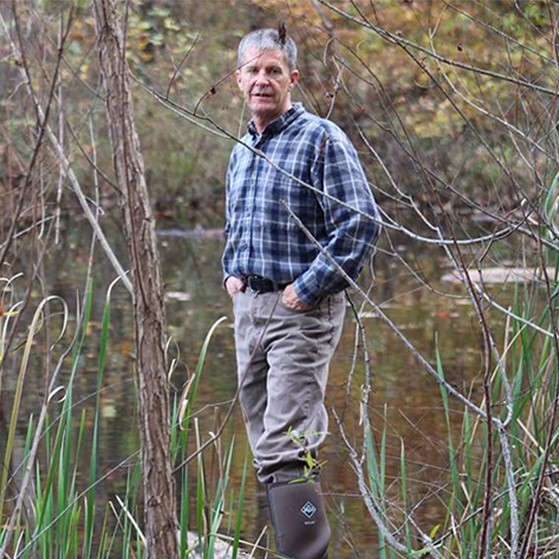
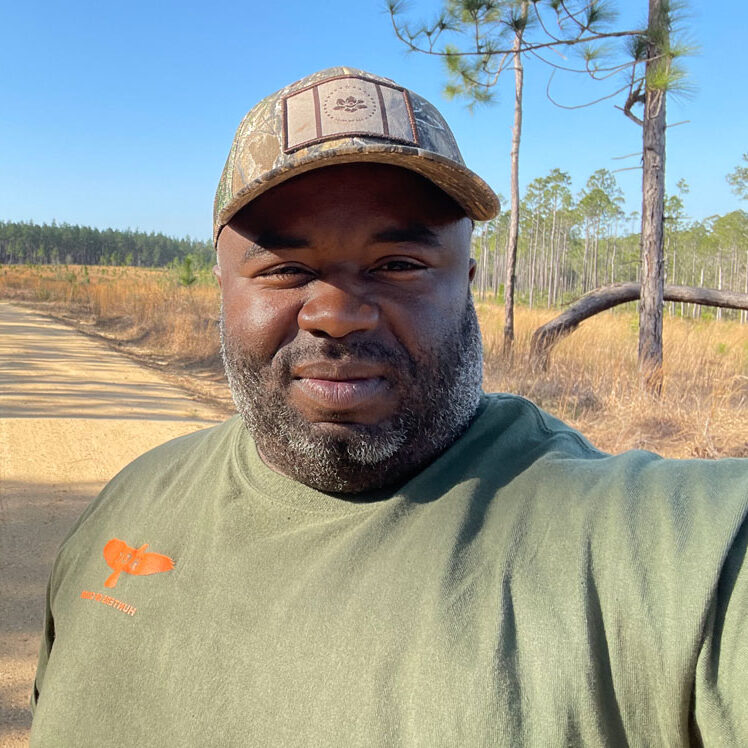
 Brian Flynn, Two Wolf Foundation
How Sportsmen Are Doing It Right

Brian Flynn, Two Wolf Foundation's Story

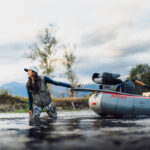
Following a distinguished career in the U.S. Army, lifelong outdoorsman Brian Flynn returned home from a deployment in Afghanistan and…

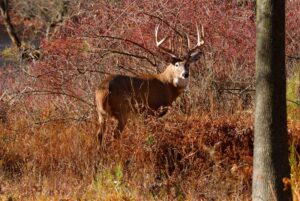
Hunting
Why It Matters

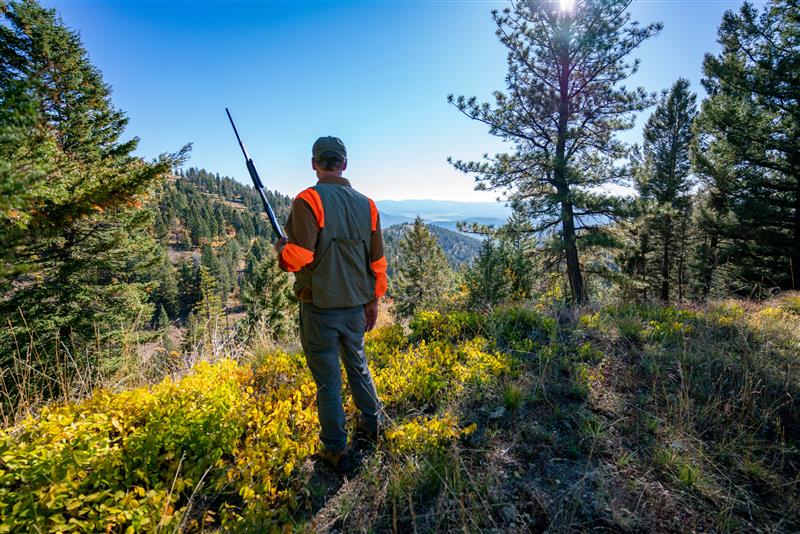
Key Issues for America’s Hunters

Your source for the latest policy updates, conservation challenges, and opportunities shaping America’s hunting traditions.

What TRCP is Doing

We’re fighting for meaningful policy changes that benefit wildlife, our waters, and the American landscapes that make our outdoor traditions possible.

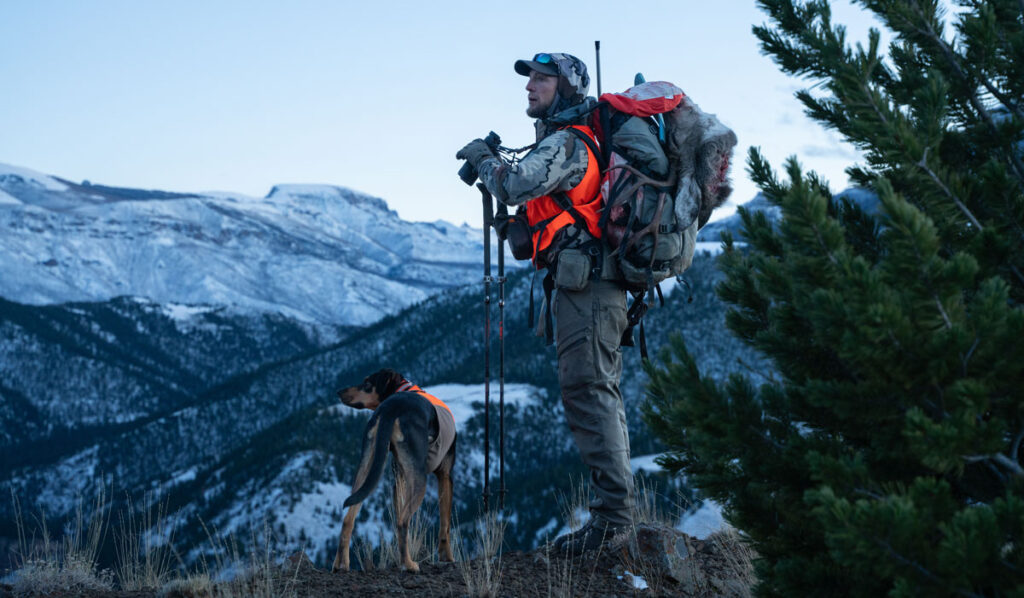
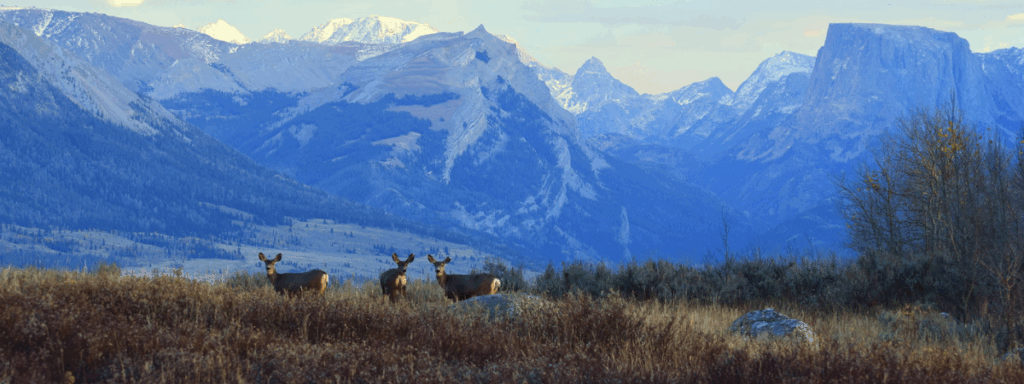
 Ryan Sparks
How Sportsmen Are Doing It Right

Ryan Sparks's Story

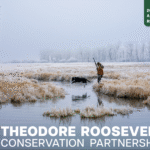
TRCP’s “In the Arena” series highlights the individual voices of hunters and anglers who, as Theodore Roosevelt so famously said,…
Fishing
Why It Matters

Key Issues for America’s Anglers

Your source for the latest policy updates, conservation challenges, and opportunities shaping America’s fishing traditions.

What TRCP is Doing

We’re fighting for meaningful policy changes that benefit wildlife, our waters, and the American landscapes that make our outdoor traditions possible.

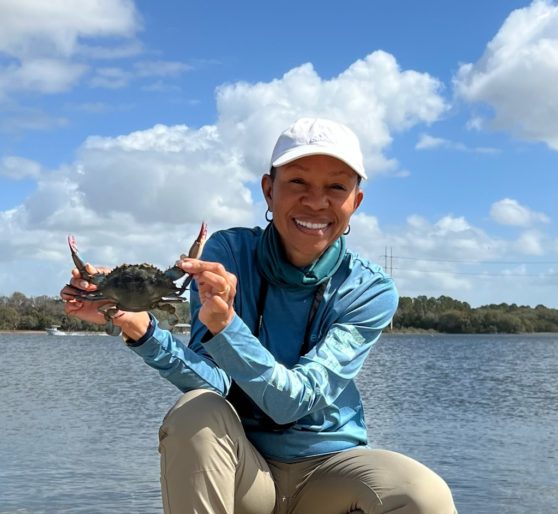
 David Mangum
How Sportsmen Are Doing It Right

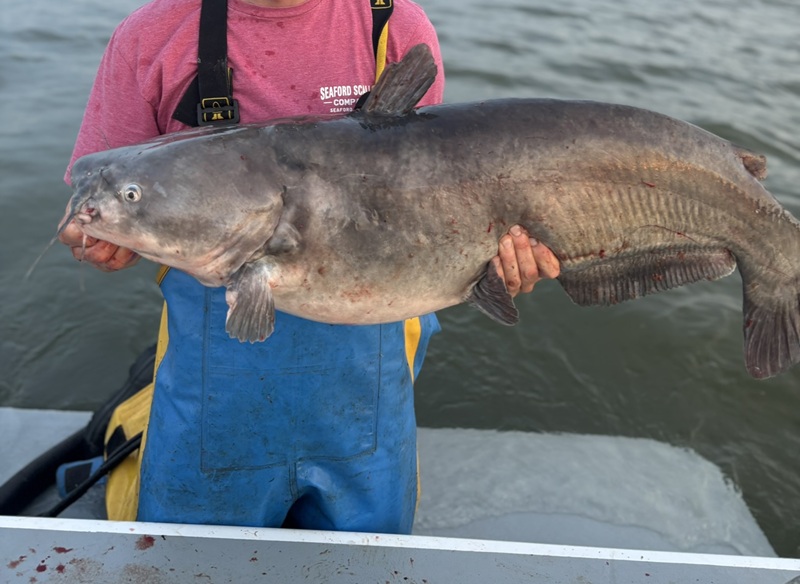
David Mangum's Story

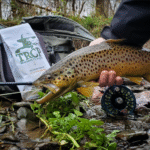
Capt. David Mangum is a YETI ambassador and outdoor photographer who utilizes his talents to produce media that inspire a…

Private Land
Why It Matters

Stewardship on America’s private lands

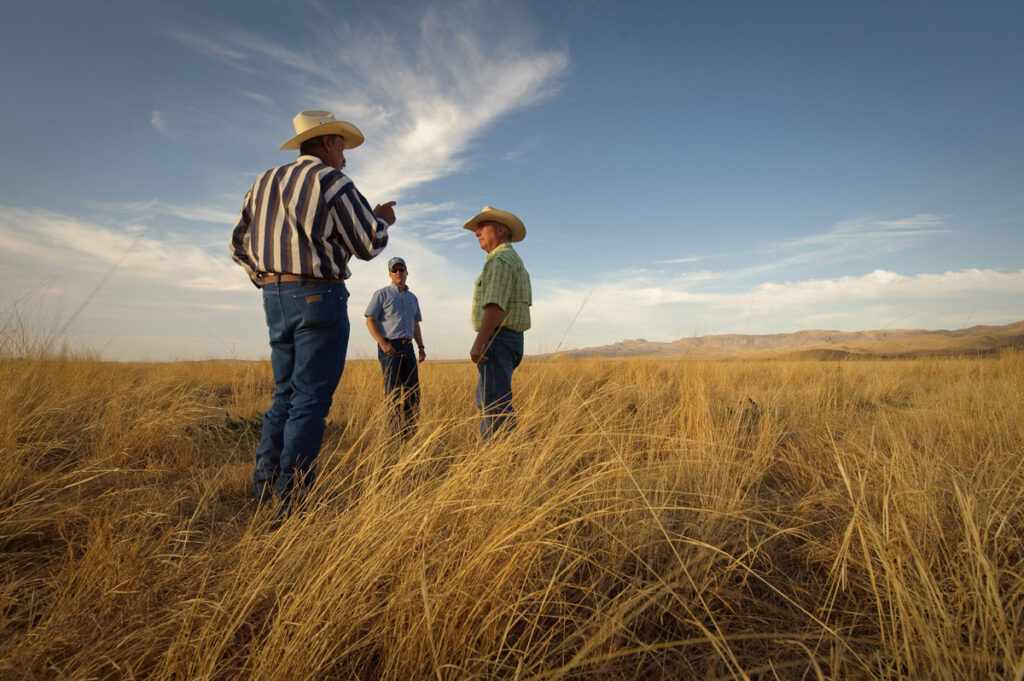
With 70 percent of U.S. lands in private hands and many of our best hunt and fish opportunities occurring there, investing in voluntary conservation on working lands safeguards access, strengthens habitat and water quality, and ensures resilient landscapes.

Learn More
What TRCP is Doing

We champion policies and programs that restore wildlife habitat, improve soil and water health, and keep working lands productive.

 Ward Burton
How Sportsmen are Doing It Right

Ward Burton's Story

Ward Burton’s NASCAR driving career stretched across most of two decades. As an avid sportsman and conservationist, he founded the…

Special Places
Why It Matters

Special Places Worth Protecting

America’s most iconic landscapes provide unmatched habitat and unforgettable days afield. These places sustain wildlife, anchor local economies, and define the hunting and fishing traditions we pass down.

What TRCP is Doing

We’re working to conserve special places that provide world-class habitat and unforgettable opportunities for hunters and anglers.

 Franklin Adams
How Sportsmen Are Doing It Right

Franklin Adams's Story

As a true Gladesman, conservationist, and historian, Capt. Franklin Adams has spent more than six decades championing Everglades restoration efforts…

Habitat & Clean Water
Why It Matters

Healthy Habitat Powers Every Pursuit

All hunting and fishing opportunities depend on quality habitat, from clean water and healthy wetlands to winter and summer habitats and the migration corridors that connect them.

All About Habitat & Clean Water
What TRCP is Doing

We are working to safeguard the habitats that power every hunting and fishing opportunity.

 Alex Harvey
How Sportsmen Are Doing It Right

Alex Harvey's Story

Alex Harvey, founder of Legacy Land Management, is a registered professional forester in Mississippi and Alabama with a Master's degree…

Science
Why It Matters

Science That Guides TRCP

From conserving migration corridors and wetlands to ensuring clean water and resilient landscapes, science provides evidence that turns conservation goals into effective action.

Science for Conservation
What TRCP is Doing

For hunters and anglers, science safeguards the experiences we treasure including resilient big game populations, abundant fish, and wild places that endure changing social landscapes.

Jamelle Ellis
Your Science Expert

Jamelle Ellis's Story

Jamelle Ellis joined the Theodore Roosevelt Conservation Partnership in 2022. Jamelle spent the last three years as an environmental sustainability…

Where We Work
Across the Nation

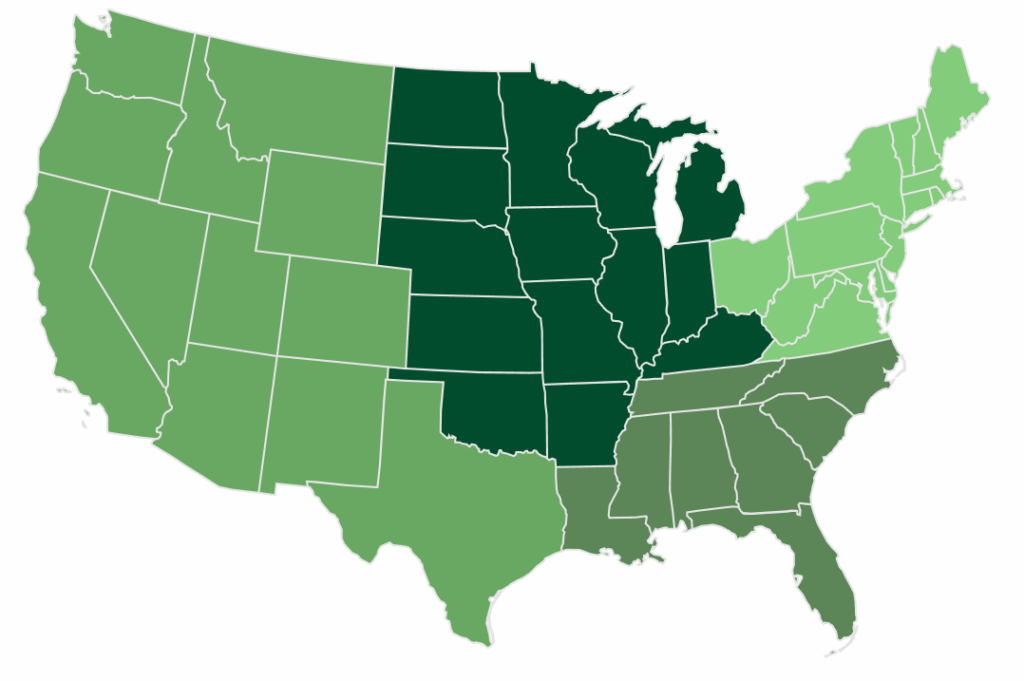
Conservation Across America

TRCP works across the country to ensure hunters and anglers can enjoy healthy fish and wildlife and quality days afield, no matter where they live.

See All Issues
TRCP in Your Region

TRCP works across the country to ensure hunters and anglers can enjoy healthy fish and wildlife and quality days afield, no matter where they live.

Who We Are
Our Mission

To guarantee all Americans quality places to hunt & fish

We unite and amplify our partners’ voices to advance America’s legacy of conservation, habitat, and access.

Our Mission & Values
Our People & Partners
  • Meet the TRCP Team

    Our staff and board members unite and amplify our partners’ voices to advance America’s legacy of conservation, habitat, and access.

    Meet the Team
  • Our Partners

    ‘Partnership’ is in our name. We work with 64 diverse partner groups that represent today’s leading hunting, fishing, and conservation organizations in order to strengthen the sportsman’s voice in Washington, D.C.

    Our Partners
  • Corporate Council

    TRCP’s Corporate Council is made up of diverse corporations that share a common passion for conservation.

    Corporate Council
Our Organization

Looking for more information?

Explore our latest news, policy updates, and conservation resources to get the information you need.

Giving
How You Can Help

To guarantee all Americans quality places to hunt & fish

Your tax-deductible donation will support TRCP's mission, now and into the future.

DONATE
Special Ways to support trcp
  • Capital Conservation Awards Dinner

    The CCAD is one of Washington's best-attended conservation celebrations, featuring dinner, cocktails, and a silent auction.

    Learn More
  • Step Into the Arena

    Help us ensure that our treasured wild habitats and game remain intact for the next generation to enjoy – lend your support to the TRCP’s efforts today!

    Donate
  • Roosevelt Roast

    TRCP has partnered with Afuera Coffee Co. to further our commitment to conservation.

    Learn More
More donation options

Find the best way for you to lend your support. Join one of TRCP’s donor circles for special invitations, premium offerings from outdoor retailers, and more exclusive benefits. Take control of your legacy with planned giving or contribute to special conservation funds.

Other Ways To Give
News
In the Spotlight

TRCP Appreciates Make America Beautiful Again 250 Strategy and Migration Announcements

Efforts will continue progress on habitat, access, and big game migration corridor conservation

Read More

Stay Informed

Receive our newsletter, the Roosevelt Report, right in your inbox. Never miss the latest news in conservation issues.

by:

posted in:

March 22, 2016

Mia_WHWS_web

Do you have any thoughts on this post?

XHTML: You can use these tags: <a href="" title=""> <abbr title=""> <acronym title=""> <b> <blockquote cite=""> <cite> <code> <del datetime=""> <em> <i> <q cite=""> <s> <strike> <strong>

Comments must be under 1000 characters.

by:

posted in:

SPORTSMEN’S COMMUNITY HIGHLIGHTS CONSERVATION GOALS AT WHITE HOUSE WATER SUMMIT

News for Immediate Release

Mar. 22, 2016

Contact: Kristyn Brady, 617-501-6352, kbrady@trcp.org

Groups call for federal action supporting healthy fish and wildlife habitat on World Water Day

WASHINGTON, D.C. – To mark today’s international observance of World Water Day, hunting and fishing organizations will participate in the White House Water Summit, where 150 diverse stakeholders will highlight a shared commitment to building a sustainable water future.

“We’re pleased that the administration is focusing its attention on how we use and conserve water,” says Scott Gudes, vice president of government affairs at the American Sportfishing Association. “We need to find ways to work together and find innovative solutions to the water issues that impact not just humans, but our fish and wildlife, as well.”

Gudes points to Chinook salmon in California as one example of an iconic fish species for recreational and commercial anglers that is being stressed by persistent drought conditions. But strong dialogue between federal agencies and stakeholders could help plan for future water crises.

The White House Water Summit is being webcast live here.

As participants in the summit, the Theodore Roosevelt Conservation Partnership will announce that its petition recognizing serious risks to the country’s water supply—including rising temperatures, falling water levels, and more demand than ever before—has been signed by more than 1,000 sportsmen. And these Americans are calling for action from federal officials.

“The message from hunters and anglers across the country is that we need to create flexible water systems that can better weather the next drought or flood,” says Jimmy Hague, director of the Center for Water Resources with the TRCP. “We also need to promote healthy fish and wildlife habitat while providing water to cities and farms.”

Today Obama issued a Presidential Memorandum and supporting Action Plan on building national capabilities for long-term drought resilience. “This move to increase coordination of federal resources will better protect vital water supplies, especially in places like the drought-stricken Colorado River,” adds Hague.

Read the full report of commitments made in honor of the summit here.

Sportsmen have been setting the agenda on drought since last summer, when ASA and the TRCP joined B.A.S.S., Berkley Conservation Institute, The Nature Conservancy, and Trout Unlimited in delivering recommendations for federal actions to make our country’s waterways more drought resilient. These recommendations include a call for greater coordination between federal agencies and more investment in water conservation projects and voluntary water-sharing agreements—both of which the administration has made moves to address.

“Every antiquated water infrastructure problem is an opportunity to create new benefits for river health and drought resiliency,” says Laura Ziemer, senior counsel and water policy advisor for Trout Unlimited. “This is why we are calling for federal grant criteria to require that water infrastructure or supply projects selected for federal funding also create benefits for fish, wildlife, and recreation through improved instream flows, while improving water supplies for agriculture and cities.”

To learn about one such grant program through the Bureau of Reclamation, watch our video.

Inspired by the legacy of Theodore Roosevelt, the TRCP is a coalition of organizations and grassroots partners working together to preserve the traditions of hunting and fishing.

by:

posted in:

Glassing the Hill: March 21 – 25

The TRCP’s scouting report on sportsmen’s issues in Congress

Photo courtesy of Library of Congress.

The House is in session through Wednesday of this week, while the Senate has recessed for the Easter holiday. Both chambers will be out next week, and there will be no Glassing the Hill blog.

Ah, Congressional appropriations in springtime—but nothing’s fresh or blossoming here. What should have been a fairly easy path forward for funding bills, thanks to the two-year budget agreement that Congress reached in October 2015, is turning into quite the quagmire, particularly in the House of Representatives. There is not enough agreement within the Republican caucus to ensure a smooth road toward a budget. In fact, last week the House Budget Committee passed a budget that implied deep cuts to non-defense discretionary programs—like many conservation priorities—as well as entitlement programs, in a 20-to-16 vote. Two Freedom Caucus members voted against the measure for not making enough cuts, while many more moderate members, who will face the voters in November, worry that the budget cuts too deep. That budget would normally have been on the House floor this week, but with a fractured caucus and unanimous opposition from the Dems, it simply doesn’t have the votes on the floor, sending GOP leadership back to the drawing board.

However, several House appropriations subcommittees are pressing forward with mark-ups of their individual appropriations bills, using the topline allocations agreed to in the October budget accord.

Long term outlook: With so much fluidity in the funding process, it looks as though government funding may coast from the end of September into the lame duck session on a continuing resolution.

What We’re Tracking

Tuesday, March 22, 2016

Appropriations hearings on EPA and Forest Service budgets

Wednesday, March 23, 2016

Energy leasing on public lands, to be discussed by the Subcommittee on the Interior in a House Oversight and Government Reform Committee hearing

by:

posted in:

March 18, 2016

Critter Madness Highlight Reel: Upset City, Baby!

In round one of our annual tourney, the largemouth bass shut down hopes of a Cinderella sequel for the brook trout

The first round of Critter Madness 2016 has come to a close, with some very intense battles keeping us on the edge of our seat through the very last vote. So how did your favorite critter do? Let’s break it down.

Big Game Region

True to their dominant form in the field, the reigning champion elk cruised past fourth-seed bighorn sheep with ease. Elk are poised to make a run deep into the tournament and likely have what it takes to go all the way. The second match-up in the Big Game Region went to the third-seed whitetails, as the second-seed mule deer fell to their eastern counterparts. While on paper this may seem like an upset, in reality the two are evenly matched.

Round two preview: Arguably the two most sought after big game animals in the country, elk and whitetails face off with an east vs. west storyline. It’s anyone’s game to win—or lose.

Upland/Waterfowl Region

The feather-and-fowl section of your bracket brought out some exciting match-ups: The mallards didn’t have what it takes to fly past the pheasants. Though duck fans are surely disappointed, the mallards will be back next year—you can count on that. Meanwhile, the turkeys strutted their way past the sharptail grouse—no surprise there. Gobblers tend to heat up just in time for this tournament.

Round two preview: Gobblers and ringnecks face off. Experts believe this may be one of the most closely contested match-ups in round two. This rivalry plays out on CRP habitat, where both critters have a huge flock of fans.

Saltwater Region

Chinook salmon easily swam past yellowfin tuna and are eyeing a spot in the final four offshore. The match-up between the blue marlins and tarpons, though, came down the buzzer. With just a few hours left, this game was all tied up, but at the last minute, the marlins barely “nosed” past the tarpons to advance.

Round two preview: Chinook salmon meet the blue marlins, and this match-up could go either way. The marlins proved they have what it takes in a close battle, but will it be enough to swim past the top ranked chinook? It may come down to endurance for these fighters.

Freshwater Region

I’m renaming this region Upset City! These are the moments we love in March, when true underdogs prove that any critter can win on any given day. Just a year after making a historic run to the finals, the top-seed brook trout was taken down by fourth-seed largemouth bass. Experts at Bassmasters were confident in their pick, and it paid off. Elsewhere in Upset City, the third-seed rainbow trout easily swam past second-seed steelheads. The colorful competitor showed they are ready for the next round.

Round two preview: It’s a classic battle between the largemouths and the rainbows. This is the match-up that I’m looking forward to most. Could bass be a tournament one-and-done? Or do the rainbow trout have what it takes to slow their momentum? Only time will tell which fins will advance to the Final Four.

Get in on the action and vote daily for your favorite critters. You could win gear from Abu Garcia, YETI Coolers, and Mossberg Gun Co.

by:

posted in:

March 17, 2016

Colorado County Opposes Transfer of America’s Public Lands to the State

This is the ninth Colorado county to pass a resolution opposing public land transfers that would block sportsmen’s access

Image courtesy of Jasen Miller/Flickr.

Today, the Board of Park County Commissioners passed a resolution opposing the effort to transfer or sell national public lands to the state of Colorado or local governments. This decision supports every American’s ability to hunt, fish, and recreate on public lands and underscores the conservation legacy of leaders like Theodore Roosevelt, who helped create a public lands system that is the envy of the world.

The county’s resolution recognizes the importance of public lands for:

  • Providing fish and wildlife habitat and outdoor recreation—including hunting, fishing, hiking, wildlife-watching, horseback riding, and bicycling—that is essential to residents’ quality of life.
  • Attracting outdoor recreation tourism that drives local spending and employs hundreds of county residents.
  • Preserving historically significant and irreplaceable cultural sites and landscapes.

“Park County is cherished for its top-notch fisheries, beautiful open landscape, and exceptional wildlife habitat,” says Nick Payne, the Theodore Roosevelt Conservation Partnership’s Colorado field representative. “There’s no doubt that the county is doing the right thing for its residents, and all Americans, by supporting one of our nation’s greatest treasures—our public lands.”

The resolution is only the most recent indication of the Park County Commissioners’ dedication to public lands and real land management solutions. Park County has also been at the table with a wide range of stakeholder groups involved in developing a master leasing plan that ensures the Bureau of Land Management develops oil and gas resources responsibly.

“This resolution highlights the immeasurable value of these lands to the county—the same value that has driven a real spirit of collaboration around the master leasing plan process,” says Suzanne O’Neill, executive director of the Colorado Wildlife Federation. “We’re pleased to see the BLM initiate the next step in that process this summer and have this serve as a model for others to adapt.”

Image courtesy of Brian Gautreau/Flickr.

Currently, Park County joins seven other Colorado counties that have formally opposed the seizure of BLM and National Forest lands, but three counties have made moves in favor of the idea. In the Four Corners region, the Montezuma County Board of Commissioners has been outspoken in their support for land transfer and even made a $1,000 donation—on behalf of county taxpayers—to the American Lands Council, an organization dedicated to the disposal of America’s public lands, in 2015.

Today, the Theodore Roosevelt Conservation Partnership and 12 other hunting and fishing organizations and businesses sent a letter to Montezuma County Commissioners asking them to reverse their position on the idea of national public land transfer, which threatens the future of sportmen’s access in Colorado and across the country.

“My business in Cortez provides outdoor gear for outdoor enthusiasts who rely on public lands,” says Heather Mobley, co-owner of Colorado Love Outdoors, one of the businesses behind the letter. “It makes me cringe to think that taxpayer dollars have been spent on the effort to dismantle those lands and opportunities—they are critical to my business and our local way of life.”

“Most mule deer hunters rely on public lands, but beyond that, this bad idea threatens the habitat that is critical to mule deer populations already declining across the West—the state doesn’t have the resources to manage these areas or protect them from wildfire,” says Scott Hampel, director of Colorado operations with the Muley Fanatic Foundation. “Opportunities for the average hunter will be diminished if the habitat suffers and access is eventually sold off or privatized.”

A growing number of Western counties in states like Wyoming and Arizona have recently taken formal positions to oppose the sale or seizure of America’s public lands. To learn more or take action, visit sportsmensaccess.org.

HOW YOU CAN HELP

TRCP has partnered with Afuera Coffee Co. to further our commitment to conservation. $4 from each bag is donated to the TRCP, to help continue our efforts of safeguarding critical habitats, productive hunting grounds, and favorite fishing holes for future generations.

Learn More

You have Successfully Subscribed!

You have Successfully Subscribed!

You have Successfully Subscribed!

You have Successfully Subscribed!