Our Issues
Public Lands
Why It Matters

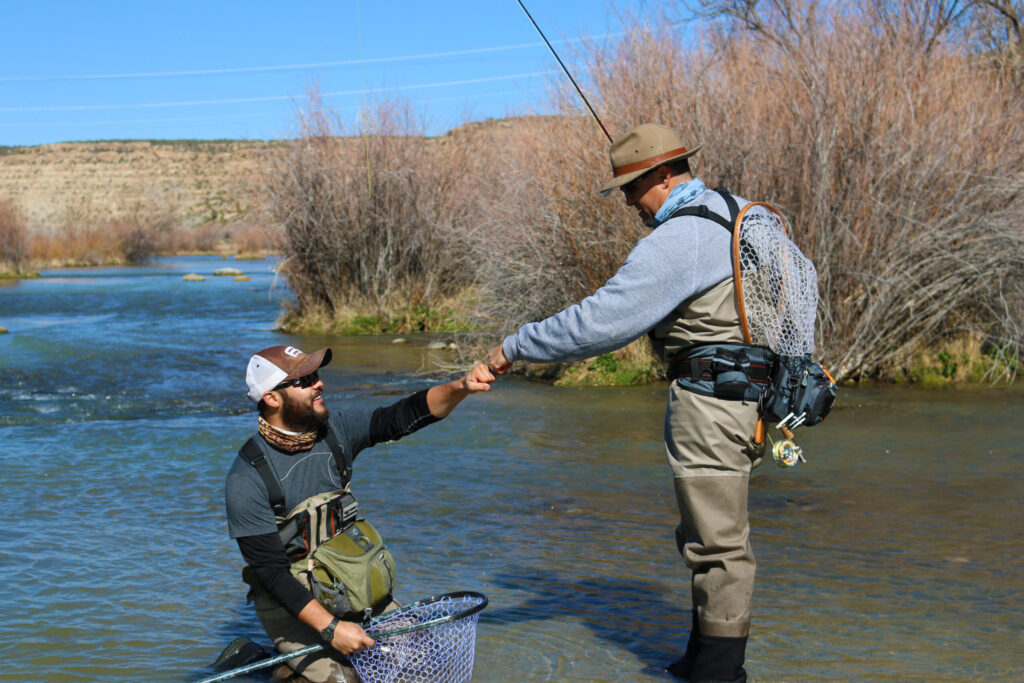
Hunting & Fishing Access

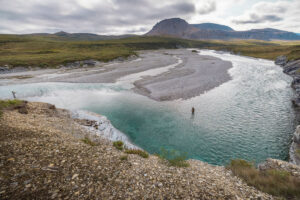
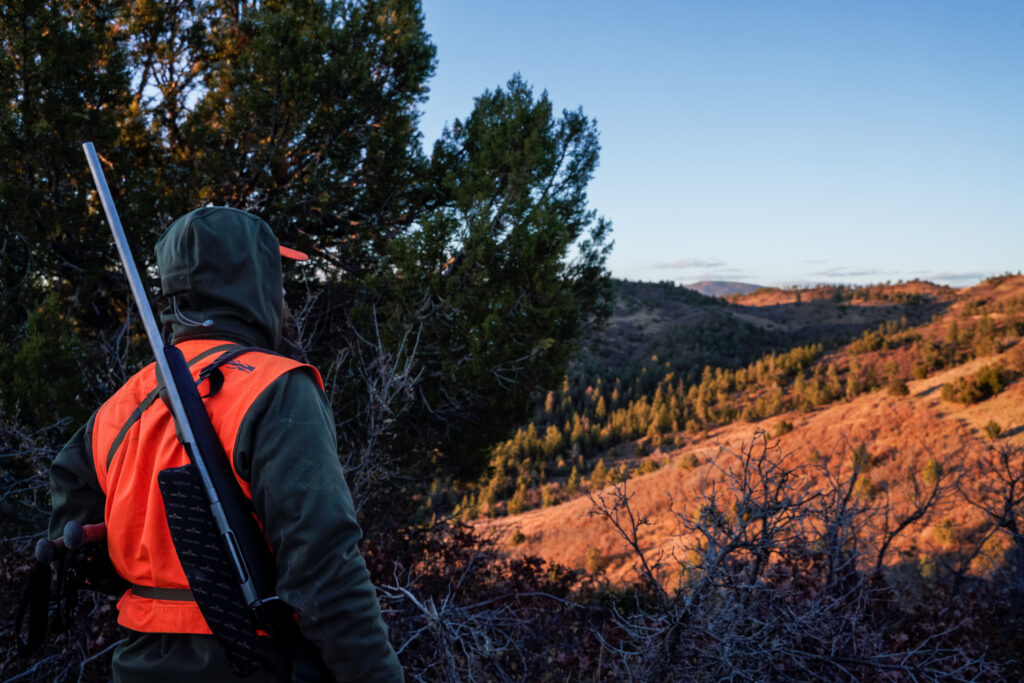
America’s 640 million acres of national public lands provide irreplaceable hunting and fishing opportunities to millions of Americans.

Learn More About Access
What TRCP is Doing

We’re working to safeguard America’s public lands so hunters and anglers always have quality places to pursue their passions.
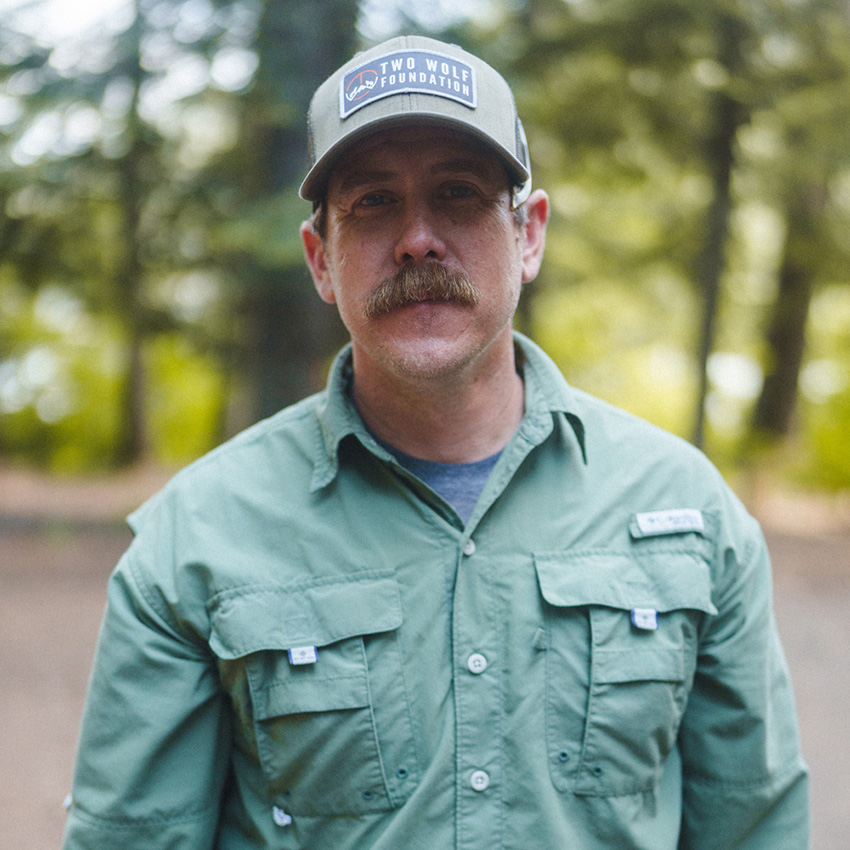
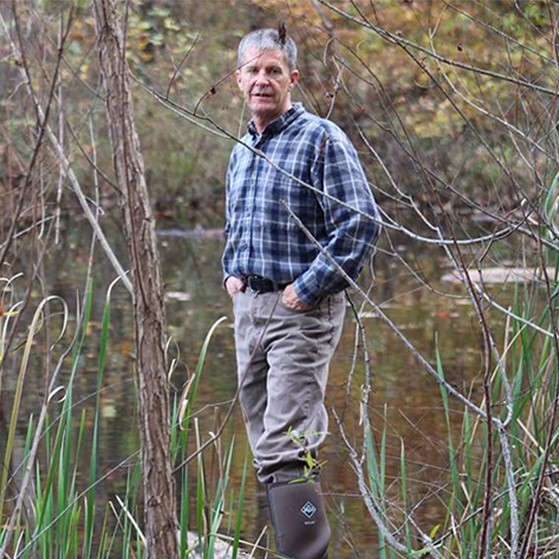
 Brian Flynn, Two Wolf Foundation
How Sportsmen Are Doing It Right

Brian Flynn, Two Wolf Foundation's Story

Following a distinguished career in the U.S. Army, lifelong outdoorsman Brian Flynn returned home from a deployment in Afghanistan and…

Hunting
Why It Matters

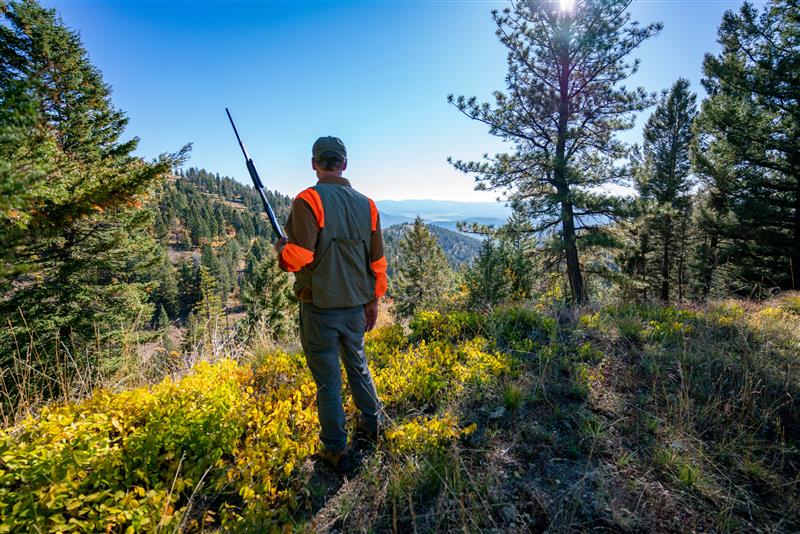
Key Issues for America’s Hunters

Your source for the latest policy updates, conservation challenges, and opportunities shaping America’s hunting traditions.

What TRCP is Doing

We’re fighting for meaningful policy changes that benefit wildlife, our waters, and the American landscapes that make our outdoor traditions possible.

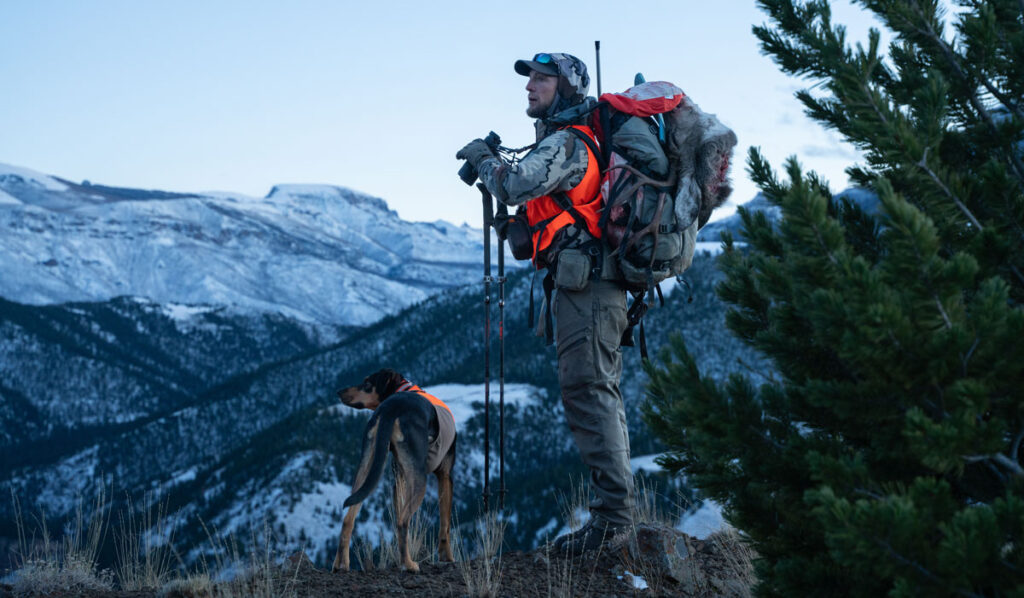
 Ryan Sparks
How Sportsmen Are Doing It Right

Ryan Sparks's Story

TRCP’s “In the Arena” series highlights the individual voices of hunters and anglers who, as Theodore Roosevelt so famously said,…
Fishing
Why It Matters

Key Issues for America’s Anglers

Your source for the latest policy updates, conservation challenges, and opportunities shaping America’s fishing traditions.

Sign Up For Forage Fish Updates
What TRCP is Doing

We’re fighting for meaningful policy changes that benefit wildlife, our waters, and the American landscapes that make our outdoor traditions possible.

 David Mangum
How Sportsmen Are Doing It Right

David Mangum's Story

Capt. David Mangum is a YETI ambassador and outdoor photographer who utilizes his talents to produce media that inspire a…

Private Land
Why It Matters

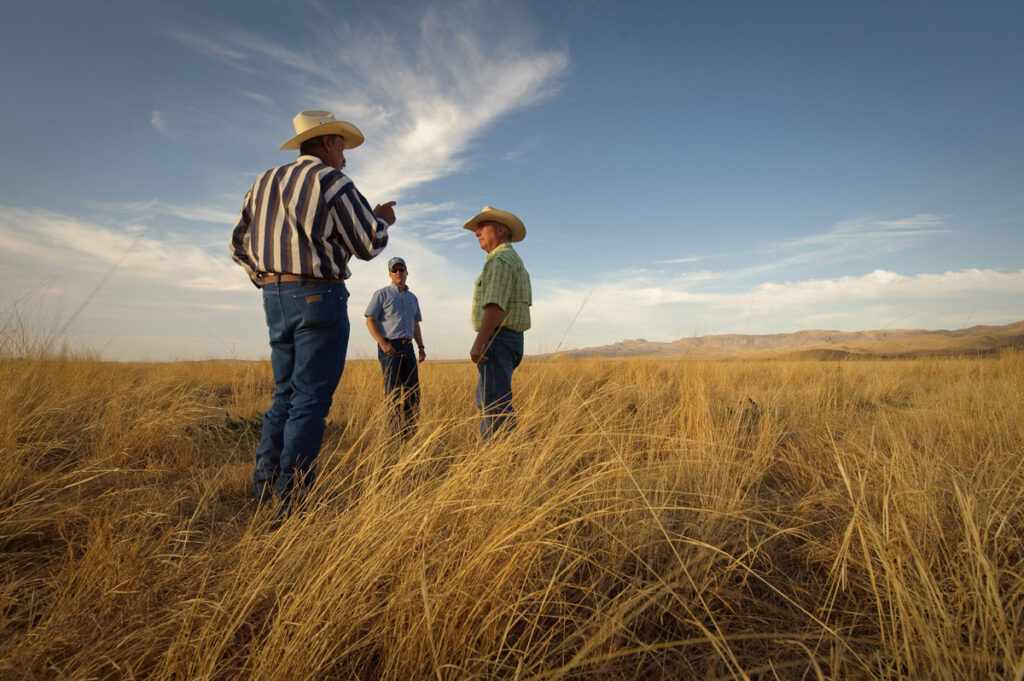
Stewardship on America’s private lands

With 70 percent of U.S. lands in private hands and many of our best hunt and fish opportunities occurring there, investing in voluntary conservation on working lands safeguards access, strengthens habitat and water quality, and ensures resilient landscapes.

Take Action - Farm Bill 2026
What TRCP is Doing

We champion policies and programs that restore wildlife habitat, improve soil and water health, and keep working lands productive.

 Ward Burton
How Sportsmen are Doing It Right

Ward Burton's Story

Ward Burton’s NASCAR driving career stretched across most of two decades. As an avid sportsman and conservationist, he founded the…

Special Places
Why It Matters

Special Places Worth Protecting

America’s most iconic landscapes provide unmatched habitat and unforgettable days afield. These places sustain wildlife, anchor local economies, and define the hunting and fishing traditions we pass down.

What TRCP is Doing

We’re working to conserve special places that provide world-class habitat and unforgettable opportunities for hunters and anglers.

 Franklin Adams
How Sportsmen Are Doing It Right

Franklin Adams's Story

As a true Gladesman, conservationist, and historian, Capt. Franklin Adams has spent more than six decades championing Everglades restoration efforts…

Habitat & Clean Water
Why It Matters

Healthy Habitat Powers Every Pursuit

All hunting and fishing opportunities depend on quality habitat, from clean water and healthy wetlands to winter and summer habitats and the migration corridors that connect them.

All About Habitat & Clean Water
What TRCP is Doing

We are working to safeguard the habitats that power every hunting and fishing opportunity.

 Alex Harvey
How Sportsmen Are Doing It Right

Alex Harvey's Story

Alex Harvey, founder of Legacy Land Management, is a registered professional forester in Mississippi and Alabama with a Master's degree…

Science
Why It Matters

Science That Guides TRCP

From conserving migration corridors and wetlands to ensuring clean water and resilient landscapes, science provides evidence that turns conservation goals into effective action.

Science for Conservation
What TRCP is Doing

For hunters and anglers, science safeguards the experiences we treasure including resilient big game populations, abundant fish, and wild places that endure changing social landscapes.

Jamelle Ellis
Your Science Expert

Jamelle Ellis's Story

Jamelle Ellis joined the Theodore Roosevelt Conservation Partnership in 2022. Jamelle spent the last three years as an environmental sustainability…

Where We Work
Across the Nation

Conservation Across America

TRCP works across the country to ensure hunters and anglers can enjoy healthy fish and wildlife and quality days afield, no matter where they live.

See All Issues
TRCP in Your Region

TRCP works across the country to ensure hunters and anglers can enjoy healthy fish and wildlife and quality days afield, no matter where they live.

Who We Are
Our Mission

To guarantee all Americans quality places to hunt & fish

We unite and amplify our partners’ voices to advance America’s legacy of conservation, habitat, and access.

Our Mission & Values
Our People & Partners
  • Meet the TRCP Team

    Our staff and board members unite and amplify our partners’ voices to advance America’s legacy of conservation, habitat, and access.

    Meet the Team
  • Our Partners

    ‘Partnership’ is in our name. We work with 64 diverse partner groups that represent today’s leading hunting, fishing, and conservation organizations in order to strengthen the sportsman’s voice in Washington, D.C.

    Our Partners
  • Corporate Council

    TRCP’s Corporate Council is made up of diverse corporations that share a common passion for conservation.

    Corporate Council
Our Organization

Looking for more information?

Explore our latest news, policy updates, and conservation resources to get the information you need.

Giving
How You Can Help

To guarantee all Americans quality places to hunt & fish

Your tax-deductible donation will support TRCP's mission, now and into the future.

DONATE
Special Ways to support trcp
  • Capital Conservation Awards Dinner

    The CCAD is one of Washington's best-attended conservation celebrations, featuring dinner, cocktails, and a silent auction.

    Learn More
  • Step Into the Arena

    Help us ensure that our treasured wild habitats and game remain intact for the next generation to enjoy – lend your support to the TRCP’s efforts today!

    Donate
  • Roosevelt Roast

    TRCP has partnered with Afuera Coffee Co. to further our commitment to conservation.

    Learn More
More donation options

Find the best way for you to lend your support. Join one of TRCP’s donor circles for special invitations, premium offerings from outdoor retailers, and more exclusive benefits. Take control of your legacy with planned giving or contribute to special conservation funds.

Other Ways To Give
News
In the Spotlight

State Funding Decline Threatens Tennessee Outdoor Recreation Opportunities

Tennesseans can help protect wildlife and recreation access by contacting their lawmakers to support two bills dedicated state funding for the Tennessee Wildlife Resources Agency.

Read More

Stay Informed

Receive our newsletter, the Roosevelt Report, right in your inbox. Never miss the latest news in conservation issues.

by:

posted in:

July 7, 2013

Meet Ryan and Kerri Wagner

Wagners Inc.

Farm: Wagners Inc., near Roslyn, S.D., a closely held family operation.  Ryan and Kerri and Ryan’s dad are majority owners and manage the operation.

Acreage: 4,000 acres and also custom farm for others

Row Crops: Corn, soybean and spring wheat

Family: Three children: Grady – 4 ½ years; Anna — 2 ½ years; and Harrison – 7 months

History: Ryan’s grandfather moved to South Dakota to farm in the 1950s; Ryan’s dad and uncles operated the farm in the 1980s. Ryan moved back in 2007 and continues to work with his dad full-time on the farm. The Wagners used to have a diversified operation, including a cattle feedlot until 2004.

Conservation: Wagners Inc. is 100 percent continuous no till, and has been practicing no till for more than 30 years. Ryan’s dad first implemented the practice as a means to conserve moisture. Now they know the additional benefits of soil health and maintaining organisms in the soil. The Wagners have also participated in the federal Conservation Stewardship Program since its early days.  Conservation is almost second nature to the region, Ryan says, noting the unique topographical challenges of the Prairie Pothole region of South Dakota.

Why are you participating in the Conservation Exchange?

It gives me an opportunity to go to another part of the country where I can learn some new management practices. I’m also curious about aquaculture as a possible market for soybean meal for fish food.

 What do you hope to learn?

Regardless of what industry we are in, we can learn management tips, tricks of trade. I’m also interested in learning about their culture. And I’m looking forward to teaching about our industry and sharing with them.

What else: Ryan is a mechanical engineer and worked in that industry for five years before farming. His wife, Kerri, is a former high school math teacher and now is a full-time mother and farmer.

Do you have any thoughts on this post?

XHTML: You can use these tags: <a href="" title=""> <abbr title=""> <acronym title=""> <b> <blockquote cite=""> <cite> <code> <del datetime=""> <em> <i> <q cite=""> <s> <strike> <strong>

Comments must be under 1000 characters.

by:

posted in:

A Sportsman’s Encounter with Conservation

I work in wildlife conservation and sportsmen’s advocacy, an arena about which I am truly passionate. Nevertheless, I occasionally have days when I wonder why I bother.

Frustrations in one form or another – whether setbacks in the political process or the challenges inherent in educating hunters and anglers about policy issues – can make you want to bang your head against the wall.

But some moments make it all worthwhile. Recently after a particularly difficult week at the office, I sought some much-needed “mountain therapy” in the backcountry of Wyoming near my home. I tackled a relatively long and challenging hiking trail, which ascended to about 8,000 feet before leveling out along a ridgeline and providing spectacular, uninterrupted views of the surrounding Rocky Mountains.

As I climbed through the timber, my mind still on my work, I noticed a mule deer buck bedded just below the tree line. I stopped and sat with him a while, occasionally making eye contact, and as he showed no sign of being nervous about my presence, I quietly pulled out my video camera.

Now, before anyone comments that this is just a boring video clip of a deer doing nothing, I challenge you to look a little closer. To me, this video represents everything I work for, summarized in one brief minute.

In this video I see a healthy, mature mule deer buck, who in June already is showing promise of becoming the kind of buck that wanders through any mountain hunter’s dreams. His habitat, while designated for multiple uses such as energy development as well as recreation, is scientifically managed for his needs and is neither over-grazed nor overrun with development. His range is not fragmented by unnecessary roads and has clean water plentiful enough to grow the forage that keeps him in good body condition. While pressure from predators exists, his aging face is evidence of the fact he has learned to co-exist with the wolf pack whose den is within three miles of this sunny hillside.

When I look at this video I see evidence of responsible, science-based management of our fish and wildlife. And that makes me want to get up another day and continue to fight all of the seemingly uphill battles sportsmen face here in the West, whether it’s irresponsible energy development, lack of funding or the political erosion of our backcountry.

I hope you will join me in this endeavor by signing up as a Western Sportsman Advocate.

by:

posted in:

July 6, 2013

Meet Dawn and Patrick Scheier

DAWN & PATRICK SCHEIER  (Pronunciation note: Scheier rhymes with tire.)

Scheier Farms: Near Salem, SD

Row Crops: Corn & Soybeans

Acreage: 1,600; also farm with brother for a total of 3,000 acres

Family: 3 adult children: Rebecca Lacey, 24; Ben & Brittany, 22. Ben is part-time farming with his parents.

History: Patrick is a fourth generation farmer. His great-grandfather homesteaded in South Dakota. Patrick grew up on the family farm five miles from his current farm. He started his own operation in 1980 and married Dawn in 1983. Both are full time farmers now. Previously they had operated cow-calf and hog operations.

Conservation: Some no till, shelter belts, & grass ditches

Why are you participating in the Conservation Exchange?

Dawn: I like to learn. TRCP is a lot about wildlife preservation, and South Dakota is a good hunting area. I also want to learn about the Dead Zone; we hear a lot that. They (Louisiana fishermen) provide food too. It will be interesting to see and hear their perspectives.

Patrick: The fishing interests me the most. I want to learn about that area – learn about governmental regulations they (Louisiana fishermen) face, environmental issues…what they go through. And they can learn about what it takes to farm here.

What Else: Dawn is a public speaking volunteer with Common Ground, a consumer education program about farming and how food is raised, funded through the corn and soybean check-off dollars.

by:

posted in:

Meet Joey Hanson

Agronomist & Farmer

 Agronomist & Certified Crop Advisor: Now With Valley Ag Supply in Gayville, SD, and starting his own custom strip till business, Diversified Agronomics

Farm: Family Farm near Elk Point, SD

Row Crops: Corn & Soybeans

Acreage: Under 200

Family: 3-year-old son, Austin James Hanson, who wants to be on the family farm 24 hours day.

History: Joey’s grandparents started the family farm in the 1940s. After Joey’s dad died in a farming accident in 2006, Joey moved back to the farm in 2007. He and his brother, James, who is a precision ag technician with International Case in Sioux Falls, manage the farm together.

Conservation: Will start over cropping this summer, followed by strip tilling in the fall.

Why are you participating in the Conservation Exchange?

I have a small farm and am just starting conservation practices. I hope to gain more knowledge and expertise from those who have been doing it for some time. It opens up another door for long-term ag sustainability here in south Dakota. 

What do you hope to learn?

I want to learn about some of the issues they are having in the Gulf: hypoxia and water quality issues that stem from practices a couple thousand miles north of them. I want to learn how it’s affecting their practices; how it’s changing their practices; how government looks at it.

And I want to learn about their culture of agriculture. So much of agriculture has turned into business: agribusiness. I want to learn how we can help each other…what we can do to become better stewards.

What Else: Joey knows the other South Dakota participants through the South Dakota Agriculture and Rural Leadership program.

by:

posted in:

July 2, 2013

July Fourth Giveaway

Do you want a chance to win the greatest book of hunting stories ever?

In celebration of America’s hunting heritage, we’re giving you a chance to win “The Gigantic Book of Hunting Stories.”

So why haven’t you signed up yet? (Trust us – it’s easy.)

Take 10 seconds and throw your name in right now.

Independence Day is a big deal and we want to give you an extra reason to celebrate.

HOW YOU CAN HELP

TRCP has partnered with Afuera Coffee Co. to further our commitment to conservation. $4 from each bag is donated to the TRCP, to help continue our efforts of safeguarding critical habitats, productive hunting grounds, and favorite fishing holes for future generations.

Learn More
Subscribe


You have Successfully Subscribed!

You have Successfully Subscribed!

You have Successfully Subscribed!

You have Successfully Subscribed!

You have Successfully Subscribed!