Our Issues
Public Lands
Why It Matters

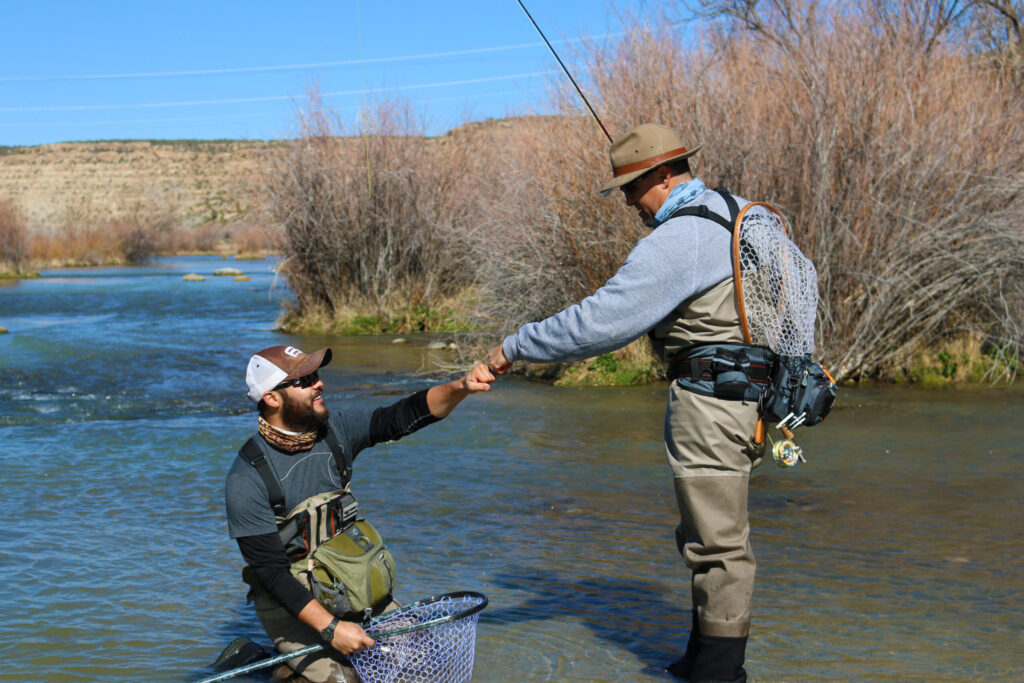
Hunting & Fishing Access

America’s 640 million acres of national public lands provide irreplaceable hunting and fishing opportunities to millions of Americans.

Learn More About Access
What TRCP is Doing

We’re working to safeguard America’s public lands so hunters and anglers always have quality places to pursue their passions.
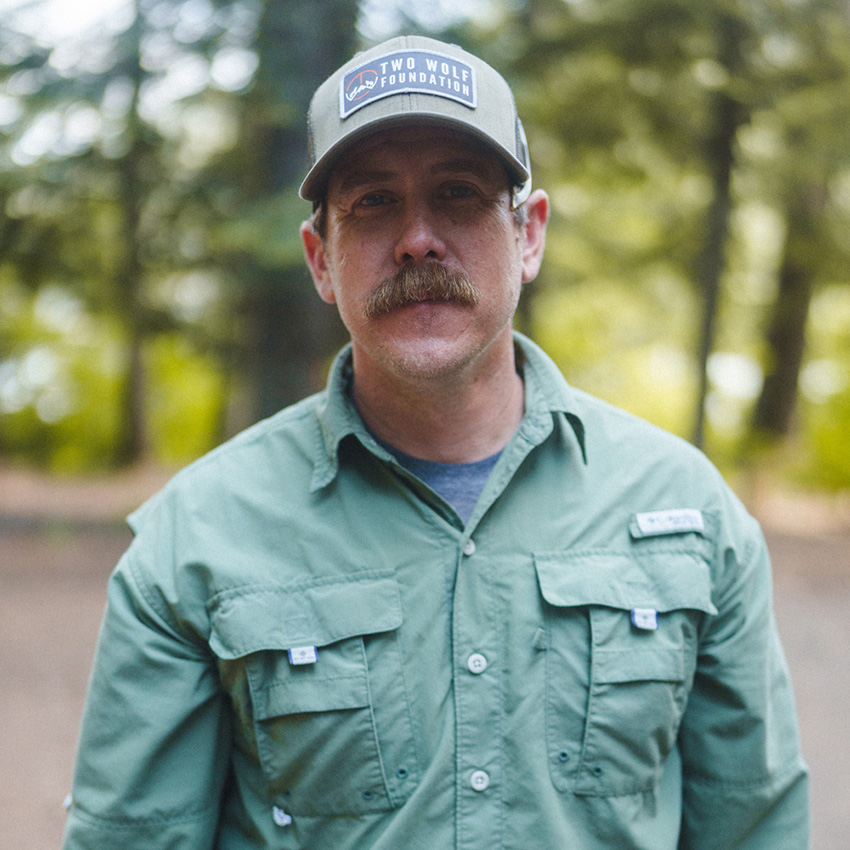
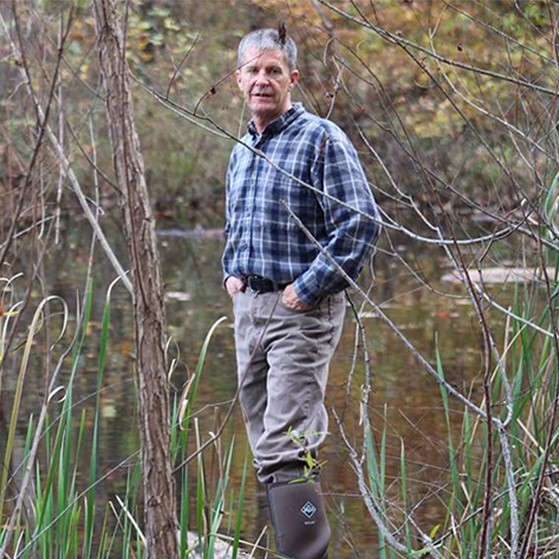
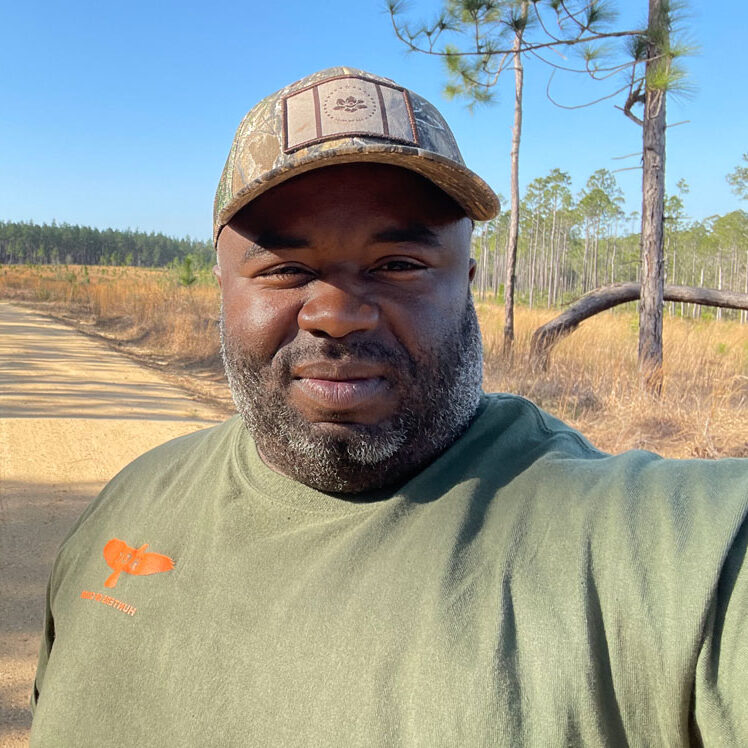
 Brian Flynn, Two Wolf Foundation
How Sportsmen Are Doing It Right

Brian Flynn, Two Wolf Foundation's Story

Following a distinguished career in the U.S. Army, lifelong outdoorsman Brian Flynn returned home from a deployment in Afghanistan and…

Hunting
Why It Matters

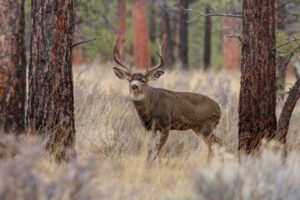
Key Issues for America’s Hunters

Your source for the latest policy updates, conservation challenges, and opportunities shaping America’s hunting traditions.

What TRCP is Doing

We’re fighting for meaningful policy changes that benefit wildlife, our waters, and the American landscapes that make our outdoor traditions possible.

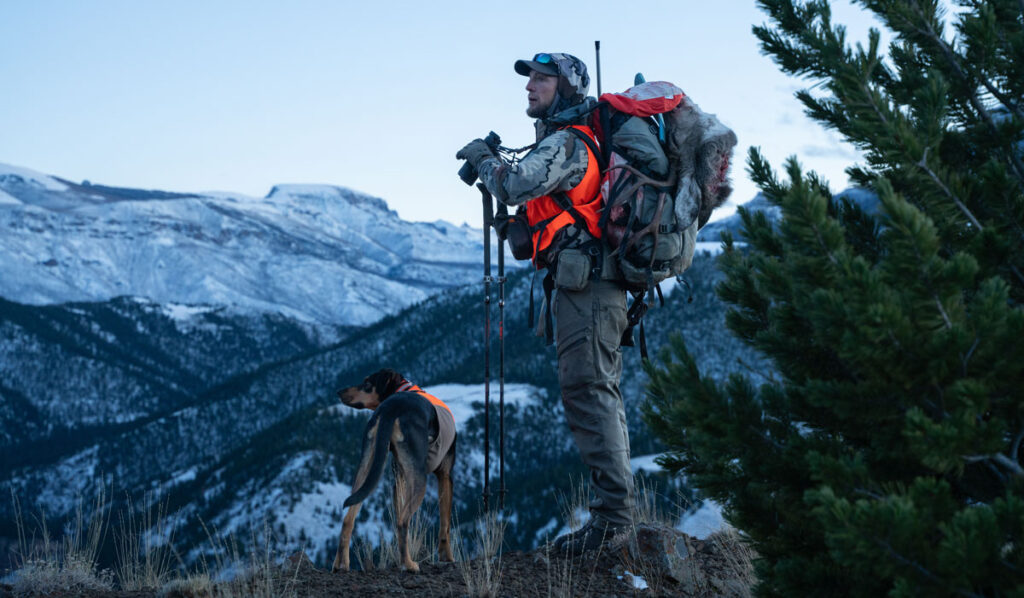
 Ryan Sparks
How Sportsmen Are Doing It Right

Ryan Sparks's Story

TRCP’s “In the Arena” series highlights the individual voices of hunters and anglers who, as Theodore Roosevelt so famously said,…

Fishing
Why It Matters

Key Issues for America’s Anglers

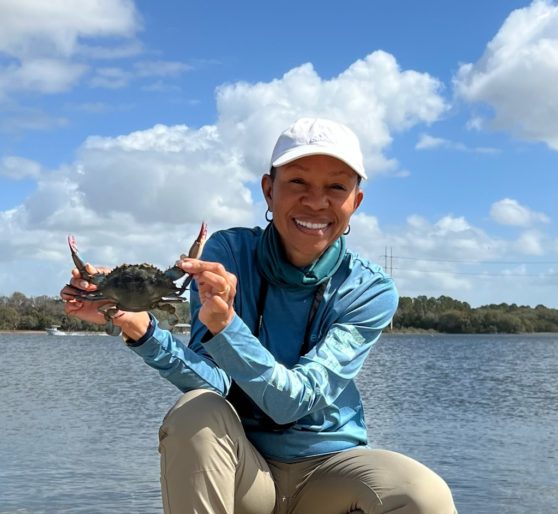
Your source for the latest policy updates, conservation challenges, and opportunities shaping America’s fishing traditions.

What TRCP is Doing

We’re fighting for meaningful policy changes that benefit wildlife, our waters, and the American landscapes that make our outdoor traditions possible.

 David Mangum
How Sportsmen Are Doing It Right

David Mangum's Story

Capt. David Mangum is a YETI ambassador and outdoor photographer who utilizes his talents to produce media that inspire a…

Private Land
Why It Matters

Stewardship on America’s private lands

With 70 percent of U.S. lands in private hands and many of our best hunt and fish opportunities occurring there, investing in voluntary conservation on working lands safeguards access, strengthens habitat and water quality, and ensures resilient landscapes.

Learn More
What TRCP is Doing

We champion policies and programs that restore wildlife habitat, improve soil and water health, and keep working lands productive.

 Ward Burton
How Sportsmen are Doing It Right

Ward Burton's Story

Ward Burton’s NASCAR driving career stretched across most of two decades. As an avid sportsman and conservationist, he founded the…

Special Places
Why It Matters

Special Places Worth Protecting

America’s most iconic landscapes provide unmatched habitat and unforgettable days afield. These places sustain wildlife, anchor local economies, and define the hunting and fishing traditions we pass down.

What TRCP is Doing

We’re working to conserve special places that provide world-class habitat and unforgettable opportunities for hunters and anglers.

 Franklin Adams
How Sportsmen Are Doing It Right

Franklin Adams's Story

As a true Gladesman, conservationist, and historian, Capt. Franklin Adams has spent more than six decades championing Everglades restoration efforts…

Habitat & Clean Water
Why It Matters

Healthy Habitat Powers Every Pursuit

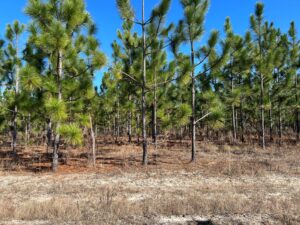
All hunting and fishing opportunities depend on quality habitat, from clean water and healthy wetlands to winter and summer habitats and the migration corridors that connect them.

All About Habitat & Clean Water
What TRCP is Doing

We are working to safeguard the habitats that power every hunting and fishing opportunity.

 Alex Harvey
How Sportsmen Are Doing It Right

Alex Harvey's Story

Alex Harvey, founder of Legacy Land Management, is a registered professional forester in Mississippi and Alabama with a Master's degree…

Science
Why It Matters

Science That Guides TRCP

From conserving migration corridors and wetlands to ensuring clean water and resilient landscapes, science provides evidence that turns conservation goals into effective action.

Science for Conservation
What TRCP is Doing

For hunters and anglers, science safeguards the experiences we treasure including resilient big game populations, abundant fish, and wild places that endure changing social landscapes.

Jamelle Ellis
Your Science Expert

Jamelle Ellis's Story

Jamelle Ellis joined the Theodore Roosevelt Conservation Partnership in 2022. Jamelle spent the last three years as an environmental sustainability…

Where We Work
Across the Nation

Conservation Across America

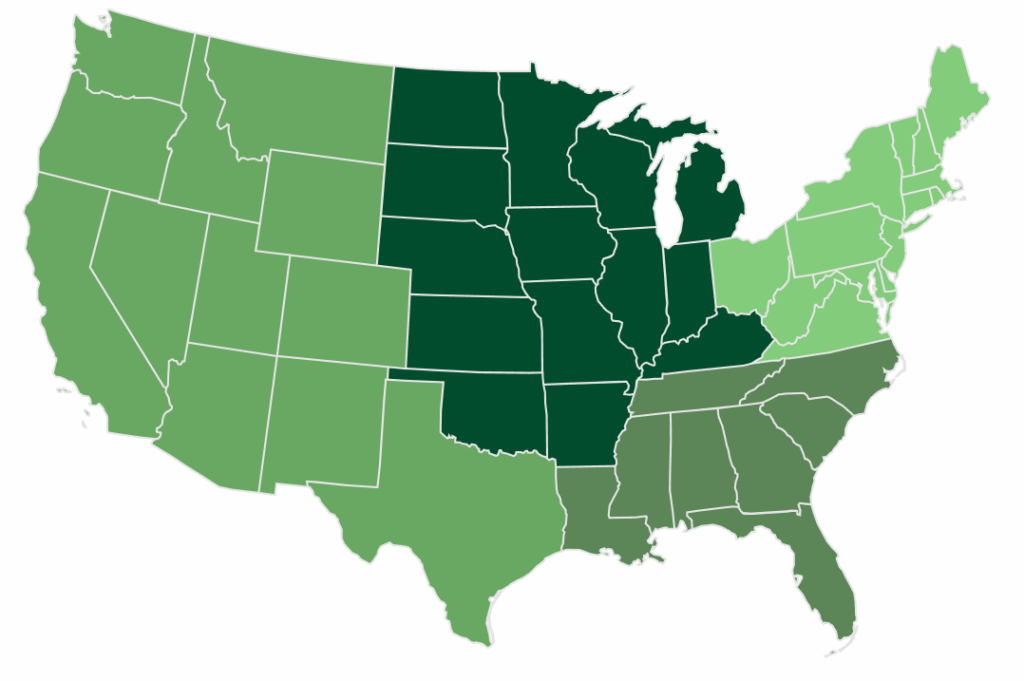
TRCP works across the country to ensure hunters and anglers can enjoy healthy fish and wildlife and quality days afield, no matter where they live.

See All Issues
TRCP in Your Region

TRCP works across the country to ensure hunters and anglers can enjoy healthy fish and wildlife and quality days afield, no matter where they live.

Who We Are
Our Mission

To guarantee all Americans quality places to hunt & fish

We unite and amplify our partners’ voices to advance America’s legacy of conservation, habitat, and access.

Our Mission & Values
Our People & Partners
  • Meet the TRCP Team

    Our staff and board members unite and amplify our partners’ voices to advance America’s legacy of conservation, habitat, and access.

    Meet the Team
  • Our Partners

    ‘Partnership’ is in our name. We work with 64 diverse partner groups that represent today’s leading hunting, fishing, and conservation organizations in order to strengthen the sportsman’s voice in Washington, D.C.

    Our Partners
  • Corporate Council

    TRCP’s Corporate Council is made up of diverse corporations that share a common passion for conservation.

    Corporate Council
Our Organization

Looking for more information?

Explore our latest news, policy updates, and conservation resources to get the information you need.

Giving
How You Can Help

To guarantee all Americans quality places to hunt & fish

Your tax-deductible donation will support TRCP's mission, now and into the future.

DONATE
Special Ways to support trcp
  • Capital Conservation Awards Dinner

    The CCAD is one of Washington's best-attended conservation celebrations, featuring dinner, cocktails, and a silent auction.

    Learn More
  • Step Into the Arena

    Help us ensure that our treasured wild habitats and game remain intact for the next generation to enjoy – lend your support to the TRCP’s efforts today!

    Donate
  • Roosevelt Roast

    TRCP has partnered with Afuera Coffee Co. to further our commitment to conservation.

    Learn More
More donation options

Find the best way for you to lend your support. Join one of TRCP’s donor circles for special invitations, premium offerings from outdoor retailers, and more exclusive benefits. Take control of your legacy with planned giving or contribute to special conservation funds.

Other Ways To Give
News
In the Spotlight

In the Arena: Josh Warren

For many hunters and anglers, the connection to conservation begins close to home — in the woods behind the house, along a familiar stretch of river, or through time spent learning from mentors and family. That sense of place is something Joshua Warren carries with him, both personally and professionally. As Director of Marketing at WorkSharp, Josh represents a company rooted in Ashland, Oregon, a community defined by its access to public lands and wild country.

Read More

Stay Informed

Receive our newsletter, the Roosevelt Report, right in your inbox. Never miss the latest news in conservation issues.

by:

posted in:

May 17, 2013

Saving the Delta from Disaster

I’m a very lucky guy.

I hit the fisherman’s jackpot when I was born, the son of an outdoor writer who dwelt in the expanses of marshes and swamps, bays, lakes and barrier islands of south Louisiana aptly named “sportsman’s paradise.” My dad rarely went hunting or fishing without me and my brother in the truck.

Some of my fondest memories will always be of standing, fishing rod in hand, on the deck of our modest powder blue, 15-foot bass boat. The boat didn’t go fast or look pretty, but it managed to bring us back to the dock with plenty of speckled trout and redfish for dinner.

A couple of times each year we would head offshore on the 65-foot charter boats out of Port Fourchon to fish for snapper, grouper, king mackerel and whatever else was swimming around the rigs and reefs. My dad always made a big deal when we caught a red snapper, sneaking the first few into a small ice chest he kept away from the crowd to make sure we got a couple to take home for dinner.

Taking the big boat rides to the deep water and watching the older fishermen muscle in amberjack or an occasional shark was an adventure. But those days were no more special than the ones spent simply walking the surf at Grand Isle, casting top water Mirr-O-Lures and gold spoons at speckled trout as they busted shrimp on the Gulf of Mexico’s lightly rippled surface.

As I got older, I began paying close attention to the changes happening to my childhood fishing haunts and my ability to access the fish. My marshes were washing away and sinking. Bayou banks and marsh ponds where I had caught redfish and watched teal fly past by the thousands became open water seemingly overnight, while more and more of Louisiana’s coasts fell victim to saltwater intrusion brought on by manmade canals and the isolation of the Mississippi River’s water and sediment from its delta.

I watched commercial fishermen use purse seine nets off Louisiana’s coast to harvest brood stock redfish by the hundreds of thousands in the late 1980s. At times so many fish were brought to the dock that they rotted in the baking late-summer heat before they could even be processed. Recreational fishermen lost an entire year of fishing for reds, and limits were severely curtailed as state biologists scrambled to recover stocks.

I watched as regulations on my dad’s beloved red snapper became ever more restrictive, limiting access and breeding distrust of fisheries managers at all levels of government among recreational anglers.

I watched hurricanes Katrina, Rita, Gustav and Ike carve up my beloved marshes and barrier islands and devastate towns from one end of Louisiana’s coast to the other. And I saw the region get slugged in the gut again two years later by an oil spill that coated my speckled trout surf and took away an entire spring and summer of fishing from Gulf anglers.

My state did not deserve these injuries and injustices. My fellow fishermen across the Gulf didn’t deserve them either.

Recreational fishing in the Gulf has a $10 billion impact on the region’s economy every year. But more importantly, it builds relationships between friends, families, fathers and sons, mothers and daughters. It teaches us how to respect our surroundings and where our food comes from. It teaches us to appreciate a perfect sunrise and how to make others appreciate it as well.

Limiting access to the fishery, whether due to habitat loss, manmade disasters or unnecessarily restrictive regulation not only threatens communities and jobs; it also jeopardizes our ability to raise the next generation of sportsmen and conservationists. This trend of access loss for recreational anglers is happening not just in the Gulf of Mexico, but across our nation’s coasts.

We can do better. We must do better.

That’s why I am honored to have the opportunity to work with fishermen across the Gulf and throughout our coastal areas to try and unite those who want to make our fishing and our fisheries more sustainable. Fishermen must use their collective might to advance positive change, but we must reach consensus on what we want that change to look like – and we must be willing to compromise when needed.

My dad taught me well. Now that I have a son of my own, I’d like him to have the chance when he’s my age to remember the red snapper he caught and took home for dinner when he was 10. Join us in making this a reality.

Do you have a favorite stretch of coastline or a favorite fishing memory? Post it below.

Do you have any thoughts on this post?

XHTML: You can use these tags: <a href="" title=""> <abbr title=""> <acronym title=""> <b> <blockquote cite=""> <cite> <code> <del datetime=""> <em> <i> <q cite=""> <s> <strike> <strong>

Comments must be under 1000 characters.

by:

posted in:

Video: One Fast-Moving Tom

TRCP’s Neil Thagard and his wife Catherine recently had the opportunity to enjoy some time on public land chasing Merriam’s turkeys. With Catherine behind the camera and Neil as the caller and shooter, they were able to coax this wily tom away from his hen into their decoy setup, which resulted in a 25 yard shot – enjoy the video!

by:

posted in:

May 15, 2013

Wednesday Win: T.R.ivia

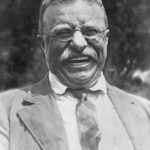
Photo courtesy of the Library of Congress.

How well do you know Roosevelt? Give our trivia challenge a try. 

What family member accompanied T.R. on his African safari?

Leave us a comment on the TRCP Blog, or email your answers to info@trcp.org by Friday for your chance to win a copy of the first season of the Sportsman Channel’s “MeatEater” featuring Steven Rinella.

by:

posted in:

May 12, 2013

Ten Tips for Renewable Energy Development on Public Land

Turbines at Foote Creek
Photo courtesy of Ed Arnett.

Chances are that most sportsmen do not spend much time thinking about energy development. But whether you know it or not, hunters and anglers have much at stake when it comes to our energy resources, including renewable sources such as wind.

As head of the TRCP’s energy program, it is my job to carry the sportsman’s voice in the energy development processes. My objective in this is clear: to ensure our nation’s energy needs are balanced with those of sportsmen.

Sportsmen should be encouraged that renewable resources like wind have shown so much promise. With clean-up still underway on the tail of the three-year-anniversary of the BP oil spill, many in the conservation community are encouraged by the forward momentum on renewable resources.

The concern for sportsmen is that the rush to develop and bring renewable energy resources to the market will negatively impact fish and wildlife and result in loss of access for hunters and anglers.

As with traditional forms of energy development like oil and natural gas, renewable resources must be developed and implemented with what the administration calls a “smart from the start” mentality. The TRCP, along with Trout Unlimited and the National Wildlife Federation, head up the Sportsmen for Responsible Energy Development – a coalition dedicated to bringing balance to oil and gas development.

SFRED lays out 10 considerations for developing renewable energy on public lands. They are as follow:

  1. Give sportsmen a voice in decision making.
  2. Protect roadless backcountry, National Parks, National Wildlife Refuges and local and state public lands.
  3. Conserve important fish and wildlife habitat.
  4. Consult with state fish and wildlife officials first.
  5. Rely on the latest science.
  6. Strengthen the permitting and leasing process.
  7. Monitor impacts to fish, wildlife and water.
  8. Mitigate damage and reclaim affected land and water.
  9. Comply with all relevant environmental laws.
  10. Hold industry accountable for development costs.  This includes monitoring and mitigation costs.

When applied, these principles ensure that renewable energy development can be compatible with the needs of fish, wildlife and hunters and anglers.

The TRCP’s energy program will continue to carry the sportsman’s voice in land-use planning and policy debates so that all forms of energy are balanced. We will call on you to speak up when it matters.

Watch the video below and visit the Sportsmen for Responsible Energy Development website to learn more.

by:

posted in:

May 10, 2013

HOW YOU CAN HELP

TRCP has partnered with Afuera Coffee Co. to further our commitment to conservation. $4 from each bag is donated to the TRCP, to help continue our efforts of safeguarding critical habitats, productive hunting grounds, and favorite fishing holes for future generations.

Learn More
Subscribe


You have Successfully Subscribed!

You have Successfully Subscribed!

You have Successfully Subscribed!

You have Successfully Subscribed!

You have Successfully Subscribed!