Our Issues
Public Lands
Why It Matters

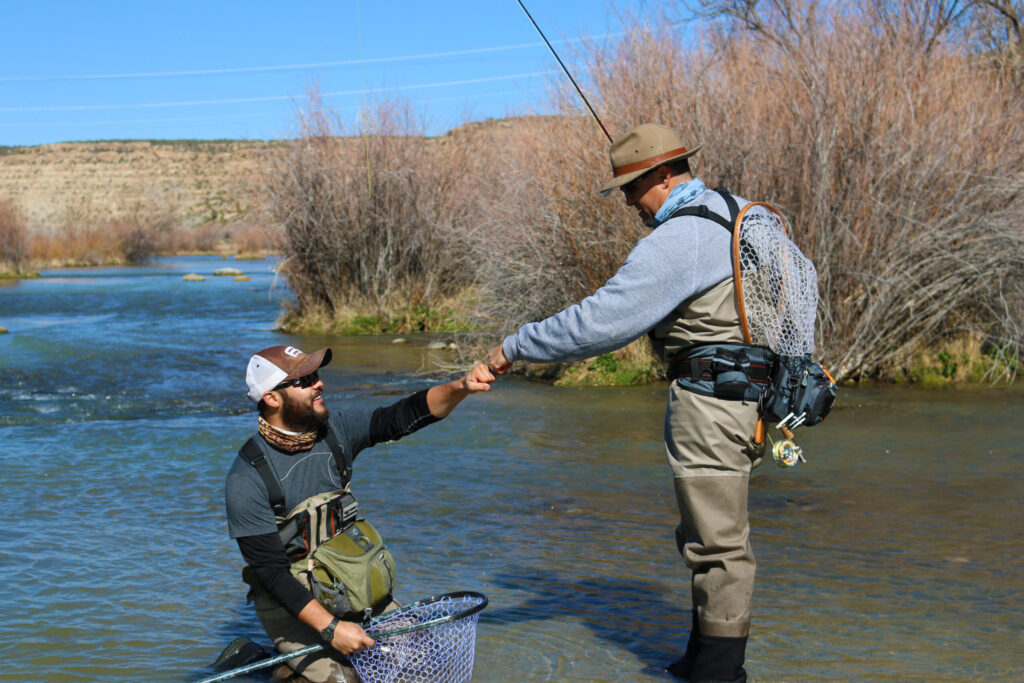
Hunting & Fishing Access

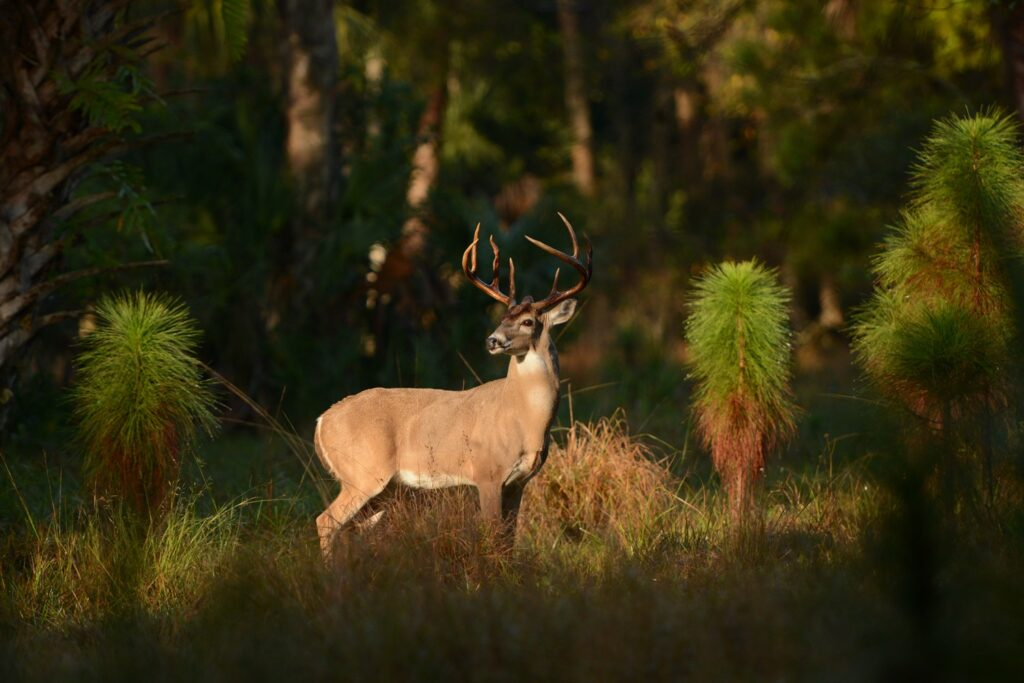
America’s 640 million acres of national public lands provide irreplaceable hunting and fishing opportunities to millions of Americans.

Learn More About Access
What TRCP is Doing

We’re working to safeguard America’s public lands so hunters and anglers always have quality places to pursue their passions.
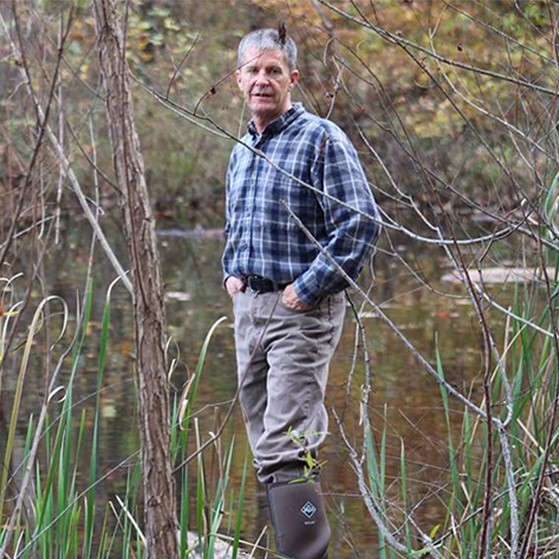
 Brian Flynn, Two Wolf Foundation
How Sportsmen Are Doing It Right

Brian Flynn, Two Wolf Foundation's Story

Following a distinguished career in the U.S. Army, lifelong outdoorsman Brian Flynn returned home from a deployment in Afghanistan and…

Hunting
Why It Matters

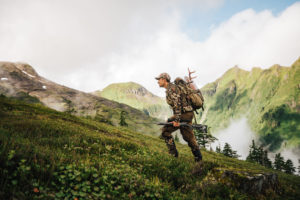
Key Issues for America’s Hunters

Your source for the latest policy updates, conservation challenges, and opportunities shaping America’s hunting traditions.

What TRCP is Doing

We’re fighting for meaningful policy changes that benefit wildlife, our waters, and the American landscapes that make our outdoor traditions possible.

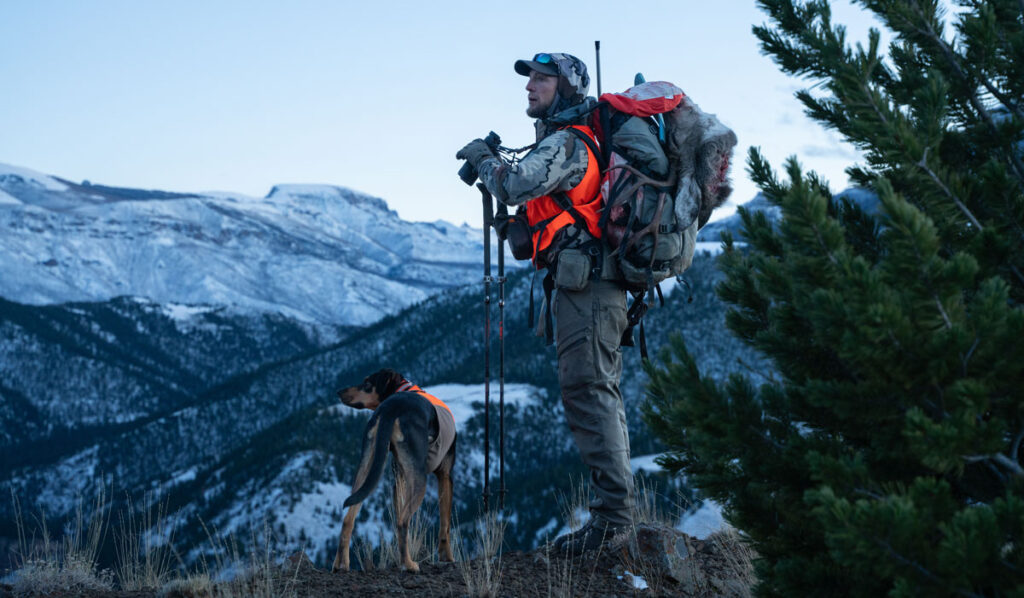
 Ryan Sparks
How Sportsmen Are Doing It Right

Ryan Sparks's Story

TRCP’s “In the Arena” series highlights the individual voices of hunters and anglers who, as Theodore Roosevelt so famously said,…

Fishing
Why It Matters

Key Issues for America’s Anglers

Your source for the latest policy updates, conservation challenges, and opportunities shaping America’s fishing traditions.

Sign Up For Forage Fish Updates
What TRCP is Doing

We’re fighting for meaningful policy changes that benefit wildlife, our waters, and the American landscapes that make our outdoor traditions possible.

 David Mangum
How Sportsmen Are Doing It Right

David Mangum's Story

Capt. David Mangum is a YETI ambassador and outdoor photographer who utilizes his talents to produce media that inspire a…

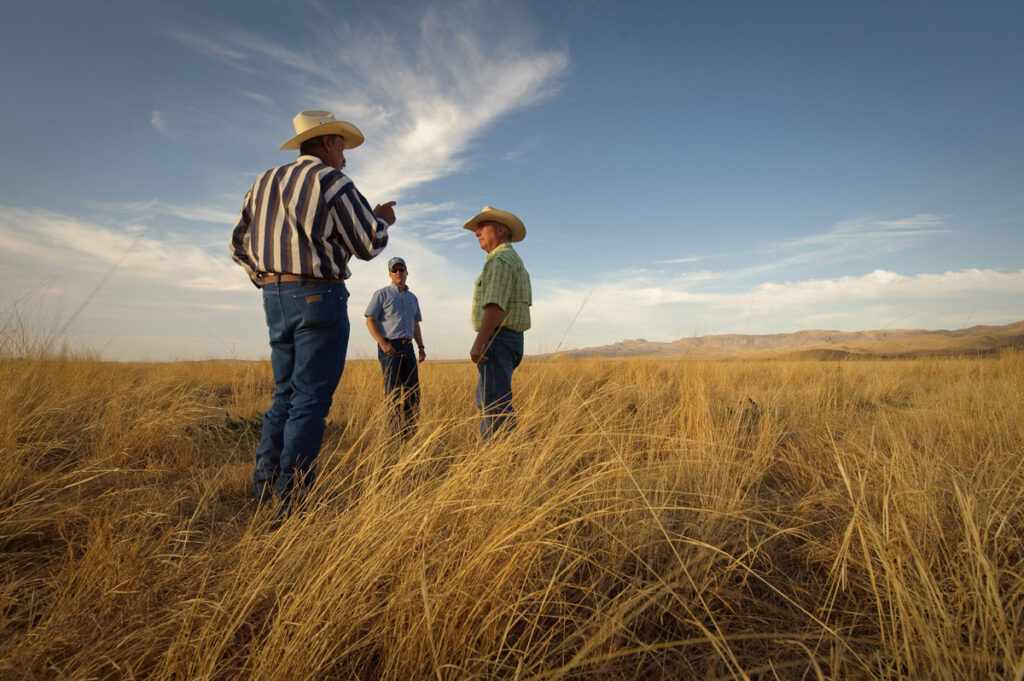
Private Land
Why It Matters

Stewardship on America’s private lands

With 70 percent of U.S. lands in private hands and many of our best hunt and fish opportunities occurring there, investing in voluntary conservation on working lands safeguards access, strengthens habitat and water quality, and ensures resilient landscapes.

Take Action - Farm Bill 2026
What TRCP is Doing

We champion policies and programs that restore wildlife habitat, improve soil and water health, and keep working lands productive.

 Ward Burton
How Sportsmen are Doing It Right

Ward Burton's Story

Ward Burton’s NASCAR driving career stretched across most of two decades. As an avid sportsman and conservationist, he founded the…

Special Places
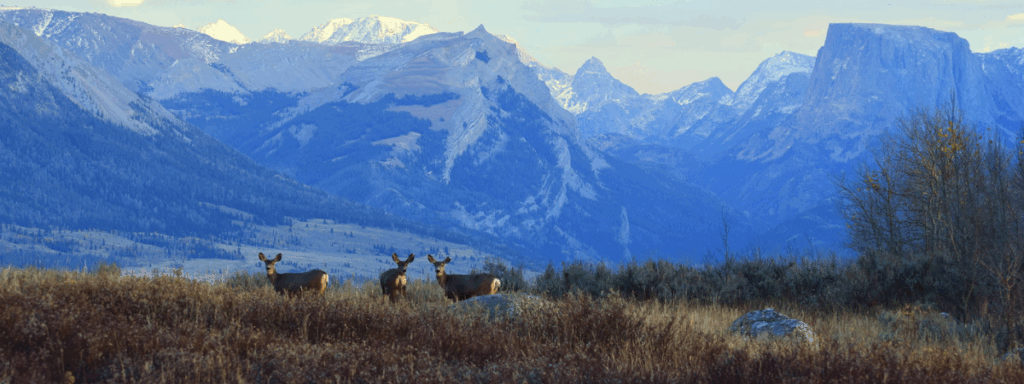
Why It Matters

Special Places Worth Protecting

America’s most iconic landscapes provide unmatched habitat and unforgettable days afield. These places sustain wildlife, anchor local economies, and define the hunting and fishing traditions we pass down.

What TRCP is Doing

We’re working to conserve special places that provide world-class habitat and unforgettable opportunities for hunters and anglers.

 Franklin Adams
How Sportsmen Are Doing It Right

Franklin Adams's Story

As a true Gladesman, conservationist, and historian, Capt. Franklin Adams has spent more than six decades championing Everglades restoration efforts…

Habitat & Clean Water
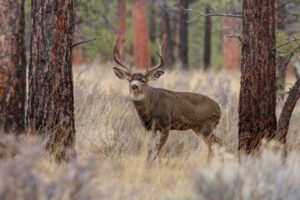
Why It Matters

Healthy Habitat Powers Every Pursuit

All hunting and fishing opportunities depend on quality habitat, from clean water and healthy wetlands to winter and summer habitats and the migration corridors that connect them.

All About Habitat & Clean Water
What TRCP is Doing

We are working to safeguard the habitats that power every hunting and fishing opportunity.

 Alex Harvey
How Sportsmen Are Doing It Right

Alex Harvey's Story

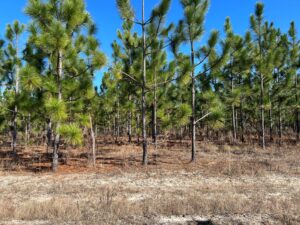
Alex Harvey, founder of Legacy Land Management, is a registered professional forester in Mississippi and Alabama with a Master's degree…

Science
Why It Matters

Science That Guides TRCP

From conserving migration corridors and wetlands to ensuring clean water and resilient landscapes, science provides evidence that turns conservation goals into effective action.

Science for Conservation
What TRCP is Doing

For hunters and anglers, science safeguards the experiences we treasure including resilient big game populations, abundant fish, and wild places that endure changing social landscapes.

Jamelle Ellis
Your Science Expert

Jamelle Ellis's Story

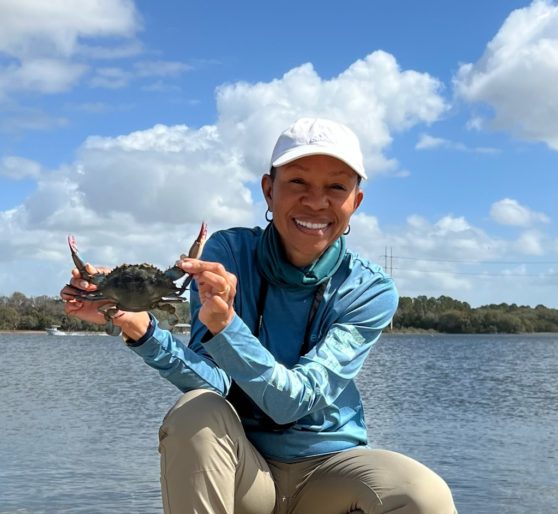
Jamelle Ellis joined the Theodore Roosevelt Conservation Partnership in 2022. Jamelle spent the last three years as an environmental sustainability…

Where We Work
Across the Nation

Conservation Across America

TRCP works across the country to ensure hunters and anglers can enjoy healthy fish and wildlife and quality days afield, no matter where they live.

See All Issues
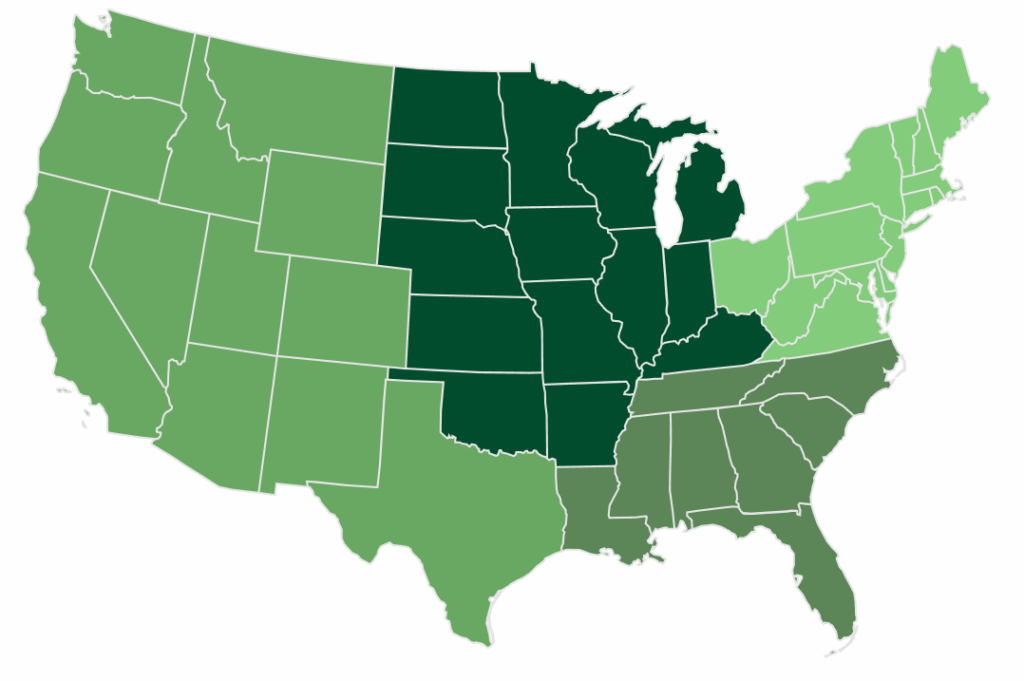
TRCP in Your Region

TRCP works across the country to ensure hunters and anglers can enjoy healthy fish and wildlife and quality days afield, no matter where they live.

Who We Are
Our Mission

To guarantee all Americans quality places to hunt & fish

We unite and amplify our partners’ voices to advance America’s legacy of conservation, habitat, and access.

Our Mission & Values
Our People & Partners
  • Meet the TRCP Team

    Our staff and board members unite and amplify our partners’ voices to advance America’s legacy of conservation, habitat, and access.

    Meet the Team
  • Our Partners

    ‘Partnership’ is in our name. We work with 64 diverse partner groups that represent today’s leading hunting, fishing, and conservation organizations in order to strengthen the sportsman’s voice in Washington, D.C.

    Our Partners
  • Corporate Council

    TRCP’s Corporate Council is made up of diverse corporations that share a common passion for conservation.

    Corporate Council
Our Organization

Looking for more information?

Explore our latest news, policy updates, and conservation resources to get the information you need.

Giving
How You Can Help

To guarantee all Americans quality places to hunt & fish

Your tax-deductible donation will support TRCP's mission, now and into the future.

DONATE
Special Ways to support trcp
  • Capital Conservation Awards Dinner

    The CCAD is one of Washington's best-attended conservation celebrations, featuring dinner, cocktails, and a silent auction.

    Learn More
  • Step Into the Arena

    Help us ensure that our treasured wild habitats and game remain intact for the next generation to enjoy – lend your support to the TRCP’s efforts today!

    Donate
  • Roosevelt Roast

    TRCP has partnered with Afuera Coffee Co. to further our commitment to conservation.

    Learn More
More donation options

Find the best way for you to lend your support. Join one of TRCP’s donor circles for special invitations, premium offerings from outdoor retailers, and more exclusive benefits. Take control of your legacy with planned giving or contribute to special conservation funds.

Other Ways To Give
News
In the Spotlight

Preventing the Decline of a Top Louisiana Fishery

TRCP’s Chris Macaluso recently fished in Louisiana’s famous Atchafalaya Basin to target a local favorite catch and share updates and thoughts on the quintessential swamp’s restoration needs.

Read More

Stay Informed

Receive our newsletter, the Roosevelt Report, right in your inbox. Never miss the latest news in conservation issues.

by:

posted in:

September 4, 2012

Pittman-Robertson: Celebrating the History of Conservation Policy

September marks the 75-year-anniversary of the Federal Aid in Wildlife Restoration Act, or the Pittman-Robertson Act. For sportsmen, this anniversary stands as a testament to the sportsman-conservation community and should evoke within us a tremendous sense of pride. Given the current divided state of our government, it is easy to forget the many successes that we as sportsmen have had – not only in the conservation of our fish and wildlife resources but in contributing to the well-being of our country.

At the unified urging of organized sportsmen and wildlife groups, the Pittman-Robertson Act diverts an 11 percent excise tax on sporting arms and ammunition to the Department of the Interior. The department then allocates the funds to pay for state-initiated wildlife restoration projects from acquisition and improvement of wildlife habitat, to wildlife research, to hunter education programs.

A significant component of the Act requires that license and permit fees collected by a state fish and wildlife agency must stay with the agency. Neither the license revenues nor the excise tax can be diverted to any other government entity.

Prior to the act, numerous species such as wild turkey, white-tailed deer, wood duck and black bear were pushed to the brink of extinction. Through wildlife restoration projects, mostly paid for through Pitman-Robertson and state hunting license funds, these important species were able to repopulate.

Since the enactment of Pittman-Robertson, the number of hunters in the United States has more than doubled, and the number of hunting days have spiked in every state. This means that sportsmen can hunt more frequently today than sportsmen hunted in 1937.

Since 1937, several amendments have been made to the act to expand the list of items that are taxed for the benefit of wildlife restoration projects, but one thing has remained consistent: sportsmen have willingly taxed themselves to perpetuate a resource that benefits the national community. To date, more than $6.5 billion has been provided to state fish and wildlife agencies through this Act.

More impressively however, is the estimated return on sportsmen’s investment in wildlife restoration. According to a recent study, the lowest estimated return-on-investment from the excise-tax was 823 percent and the highest estimate return on investment was a whopping 1588 percent. In other words, the benefits of the tax are anywhere from 8 to 15 times greater than the cost of the tax, making it a highly successful and effective investment.

Sportsmen everywhere should be proud of the Pittman-Robertson Act, and as we reflect on this great achievement, let this anniversary serve as a reminder of the power of organized sportsmen rallying together for a good cause.

Watch a short video below about the importance of funding for wildlife conservation.

Do you have any thoughts on this post?

XHTML: You can use these tags: <a href="" title=""> <abbr title=""> <acronym title=""> <b> <blockquote cite=""> <cite> <code> <del datetime=""> <em> <i> <q cite=""> <s> <strike> <strong>

Comments must be under 1000 characters.

by:

posted in:

August 27, 2012

Taking a Stand for Waterfowling and the Pastimes We Cherish

If the voices of hunters fall silent, it won’t be long before the voice of the waterfowl we cherish goes quiet as well. Photo by Paul Bramble.

I was driving down a back road on Maryland’s Eastern Shore when I pulled my truck over to let a tractor pass. The farmer tipped his hat in appreciation and was on his way to the next field. Before heading down the road myself, I took a look around; fields of crops gave way to the Chester River in the distance and a place I am proud to call home.

With tall corn and soy hiding goose pits and the vivid summer woods obscuring tree stands, it is tough to see the importance of hunting during a hot and humid Chesapeake summer. But just a few months from now, the days will get shorter and crisper, and homes across the Eastern Shore will come to life earlier than normal as decoy bags and gun cases are tossed into trucks and Labs wag their tails with the kind of anticipation only a gun dog can muster.

Waterfowl hunting means a lot to this part of the world. On the highway into town, geese adorn the welcome sign, and we have waterfowl festivals to celebrate the autumnal return of the birds. You may find yourself raking leaves in the backyard or picking out the perfect carving pumpkin at the local patch when you hear your first flight of Canada geese returning. It is a sound that compels your eyes skyward and makes many of us reflexively reach for our goose calls.

But the memory of the 2011-12 season remains stark in the minds of many hunters. Winter’s cold weather never came; nor did the birds. Some estimated that less than one quarter of the typical population actually made it as far south as the Chesapeake. The lack of snow and ice gave the birds no reason to venture to their normal southern grounds. The warmest winter anyone can remember gave way to the warmest summer, and hunters can’t be blamed for asking, “Will the birds return?”

More than a few hunters I’ve talked to are considering letting their blind leases lapse.

“I’m gonna give it one more year,” is a familiar refrain from waterfowlers pinched by a slow economy and slow days afield. Visit Higgy’s Diner on any Saturday morning during duck and goose season and you will see just what hunting means to the local economy. It’s not just about license and ammo sales; hunters open their wallets at motels, gas stations, watering holes and sub shops, as well as for guides and gear. As the birds go, so go the hunters.

Conservation is an essential part of hunting’s past – and future. Whether addressing global issues like climate change or local issues such as land use, hunters have a responsibility to become knowledgeable and participate in finding workable solutions. If the voices of hunters fall silent, it won’t be long before the voice of the waterfowl we cherish goes quiet as well.

Learn more about the TRCP’s work in the Chesapeake Bay.

by:

posted in:

August 21, 2012

TRCP Takes Conservation Message to South Africa

Fish and wildlife are a worldwide resource, and challenges to their responsible management – and, in some cases, their very existence – occur across the globe. This summer the TRCP sent representatives to the fourth International Wildlife Management Congress in Durban, South Africa, cosponsored by The Wildlife Society, a TRCP partner and leader in educating and informing wildlife management professionals.

The 2012 congress, “Cooperative Wildlife Management across Borders: Learning in the Face of Change,” focused on how wildlife managers can better conserve and manage wildlife resources on an international scale. The TRCP’s Tom Franklin and Steve Belinda were on hand to speak about the increase of shale gas development throughout North America and the associated negative impacts to wildlife. Their presentation described the boom in natural gas production in the United States over the last decade and the many challenges created for wildlife managers.

Kudu in Durban S. Africa
At a recent conference in South Africa, TRCP representatives demonstrated the importance of balancing the needs of wildlife and energy. Photo courtesy of Steve Belinda.

Franklin and Belinda, both wildlife biologists, explained how new technology has resulted in an unprecedented effort to find and produce natural gas in some of the most important wildlife habitats in the nation. Habitats – including those occupied by mule deer and sage grouse – have been seriously impacted by energy exploration and development.

During their presentation, the TRCP representatives demonstrated the importance of balancing the needs of wildlife and energy – an approach that includes comprehensive conservation planning, adaptive management, mitigation planning, monitoring and stakeholder involvement.

Their presentation highlighted the fact that responsible energy development can proceed while minimizing impacts to wildlife and water resources and thereby minimizing conflicts among a wide variety of user groups, including hunters and anglers.

Overall, more than 400 delegates from 35 countries attended the event in South Africa, exploring a wide range of issues including the following:

  • human dimensions of wildlife management and conservation: conflict, urban interface and land use
  • climate change
  • wildlife health and disease
  • endangered species recovery
  • invasive species threats
  • trans-border cooperation and conservation
  • natural resource use and sustainability
  • habitat restoration and modification
  • stewardship
Gemsbok -- Oryx Durban S. Africa
More than 400 delegates from 35 countries attended the event in South Africa, exploring a wide range of wildlife management issues. Photo courtesy of Steve Belinda.

The TRCP supports the responsible development of energy resources in appropriate areas. The TRCP’s set of principles on this issue, “FACTS for Fish and Wildlife,” provides guidance for responsible energy development that upholds our nation’s shared natural resources and unique outdoor legacy.

Learn more about the TRCP’s “FACTS for Fish and Wildlife” and approach to responsible energy development.

by:

posted in:

August 20, 2012

Filson’s Top Five Mobile Apps for Outdoorsmen

Filson came up with the five best mobile apps for the outdoorsman. Check them out below.

1) Primos Hunting Calls

Primos Hunting Call App. Photo courtesy of Filson Life.

We have to agree with the ratings on the best-selling hunting app of all time. Primos Hunting Calls attracts prey with a variety of over twenty remarkably natural calls. Improve your ability to lure in turkey, elk, deer, duck, hogs, and more. Use tried-and-true favorites of the hunting professionals at Primos like “The Gobbler” and the “Heart Breaker.”

2) Ducks Unlimited Waterfowler’s Journal

Ducks Unlimited Waterfowler’s Journal App. Photo Courtesy of Filson Life.

The DU Waterfowler’s Journal is the only app designed exclusively for waterfowl hunters to keep a detailed log of each trip to the field. Both seasoned pros and beginners can build a detailed diary of the number and type of birds harvested, hunting blind locations, weather conditions, photos, and personal notes. In addition to creating your own journal, you can catch up on Duck Unlimited’s extensive glossary of waterfowl ID characteristics.

3) iSolunar Hunting & Fishing Times

iSolunar Hunting and Fishing Times App. Photo Courtesy of Filson Life.

Filson anglers and hunters can trust the up-to-date hunting and fishing information from iSolunar Hunting & Fishing Times. iSolunar provides the best time of day for hunting and fishing anywhere in the world. Using astronomical data from the US Naval observatory, you can find precise local information on feeding/activity times, day rating, current weather, moon phase, moon rise and moon set, and Sunrise and Sunset periods.

4) Ducks Unlimited Waterfowl Migration

Ducks Unlimited Waterfowl Migration App. Photo courtesy of Filson Life.

Follow the ducks on your iPhone this season! The DU Migration App gives you access to more than 10,000 real-time migration and hunting reports across North America. View local reports of those from across the U.S. and Canada if you are planning a trip. Waterfowl hunters can submit their own report on current findings and access reports from trained Ducks Unlimited Field Editors and Avery Pro-Staff.

5) Hunting Light & Blood Tracker

Hunting Light & Blood Tracker App. Photo courtesy of Filson Life.

This app enhances hunters’ visibility in all lighting conditions. Hunting Light & Blood Tracker is a handy flashlight that provides screen lights of various colors for specific uses in the field under variable light conditions. Green light enables night vision and blue light enhances green objects that would otherwise be camouflaged. The addition of a “blood tracking” light filter enhances the visibility of a blood trail left by wounded game so you are quickly on the move to recover.

Click Here to view the article on Filson.com.

by:

posted in:

August 14, 2012

Sportsmen and Climate Change: A Long, Hard Look at Reality

As the United States writhes in one of the driest and hottest summers in history, with nearly two-thirds of the lower 48 states experiencing some form of drought, millions of Americans (including farmers and ranchers) are struggling from the resulting loss of income and higher prices for food and fuel.  Other recent disturbing news illustrates the practical implications this weather event can have on fish and wildlife. Millions of fish – sturgeon, large- and smallmouth bass, channel catfish and other species – are dying in the Midwest as water temperatures skyrocket to as high as 100 degrees.

What is clear:  both the human toll and the impacts to fish and wildlife caused by a changing climate and warmer temperatures have real consequences and cannot be ignored.

A new NASA report states that climate change is responsible for recent extreme weather events and that the probability of unusually warm summers has greatly increased. Now, Dr. Richard A. Muller, a physicist known for his staunch denial of global warming, has concluded that global warming is in fact real, with human production of carbon dioxide causing the world to slowly warm.

“I’m personally very worried,” says Dr. Muller. “I personally suspect that it will be bad.”

Of course, many continue to refute the science underlying climate change and indict the majority of scientists who accept its existence for promulgating a political agenda. In my opinion, as the TRCP’s climate change initiative manager, these individuals are simply resistant to accepting the reality of what science has made abundantly clear: climate change is real, and it already is affecting our natural resources, fish and wildlife and outdoor opportunities.

I recently wrote a guest article in The Seattle Times arguing that to develop an effective approach to addressing climate change, we cannot rely solely on public opinion polls. We must pay attention to those who are “voting with their feet” – the fish and wildlife that cannot debate habitability in the public square and must adapt to or migrate from changing habitat or die.

At the TRCP, we accept the growing evidence that climate change is real and that changes go well beyond disturbances driven by entirely natural forces. We regularly consult with fish and wildlife biologists in state and federal agencies throughout the United States on the habits, distribution and abundance of fish and wildlife.

The facts leave no doubt that climate change is undeniable. Here are a few examples:

  • Even before this year’s Midwestern fish kills from hot water, smallmouth bass have been migrating upstream nearly 40 miles in the warming Yellowstone River, displacing Yellowstone cutthroat that require colder water.
  • Warming winters and summers have led to an explosion in mountain pine beetle infestations over millions of acres in many Western pine forests, causing a dramatic conversion of forest cover to grass and shrub meadows in elk habitat. This leads to changes in elk populations and distribution during hunting seasons.
  • In a direct response to warmer springs and summers and elevated atmospheric carbon dioxide levels in the atmosphere, invasive cheatgrass has out-competed sagebrush and native grasses and shrubs throughout 100 million acres of the sagebrush steppe in the West, leading to decreased mule deer and greater sage-grouse habitat and populations, as well as diminished hunting opportunities.

What is the TRCP doing now? We are actively working to inform, educate and mobilize sportsmen by reporting timely data from state fish and wildlife agencies and federal land management agencies. Our state-specific presentations highlight the implications of a changing environment on fish and wildlife and the consequences for sustainable hunting and fishing. We’ve developed presentations for Montana, Washington and Colorado – with Oregon and New Mexico in the works.

Rather than debating specific points of air temperature or carbon dioxide data, the TRCP focuses on the cascading effects of a changing climate in the biological world, including impacts to species of fish and game most important to sportsmen. We highlight on-the-ground projects that help fish and wildlife adapt to a changing environment.

We are taking these state-specific presentations directly to sportsmen-based clubs throughout the West with the goal of providing factual evidence on climate change. Take five minutes to watch the video below and draw your own conclusions.

HOW YOU CAN HELP

TRCP has partnered with Afuera Coffee Co. to further our commitment to conservation. $4 from each bag is donated to the TRCP, to help continue our efforts of safeguarding critical habitats, productive hunting grounds, and favorite fishing holes for future generations.

Learn More
Subscribe


You have Successfully Subscribed!

You have Successfully Subscribed!

You have Successfully Subscribed!

You have Successfully Subscribed!

You have Successfully Subscribed!