Our Issues
Public Lands
Why It Matters

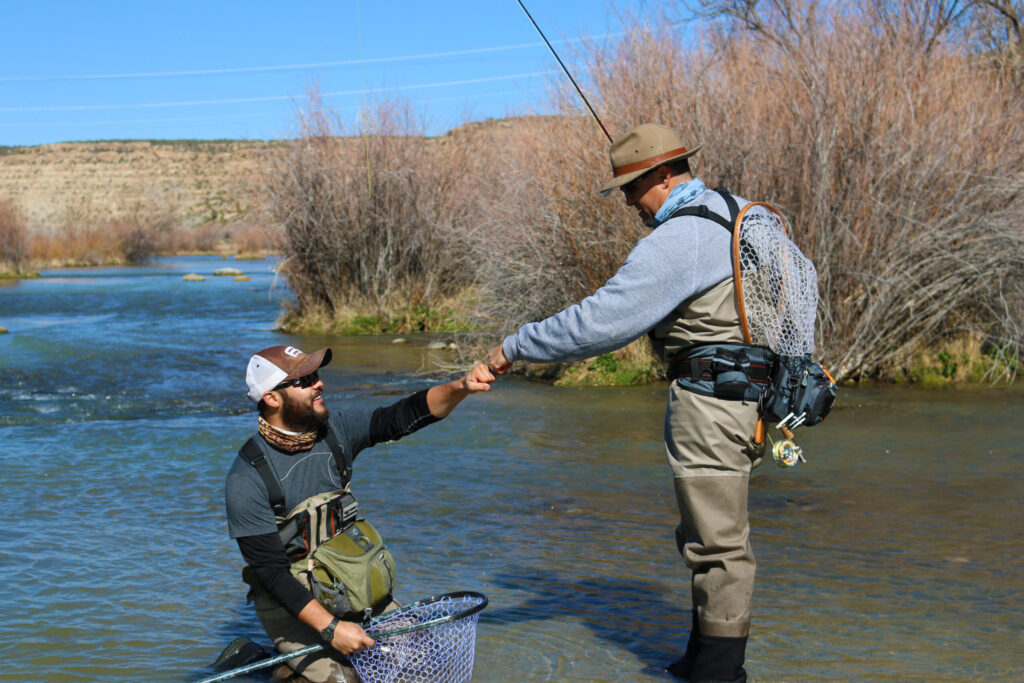
Hunting & Fishing Access

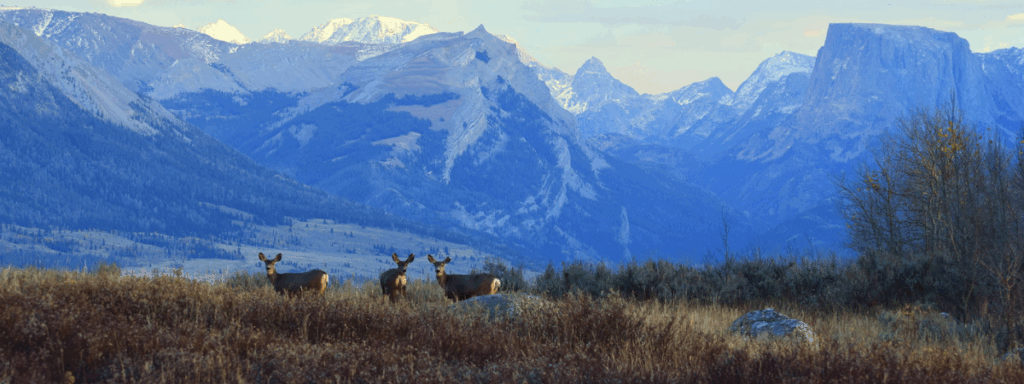
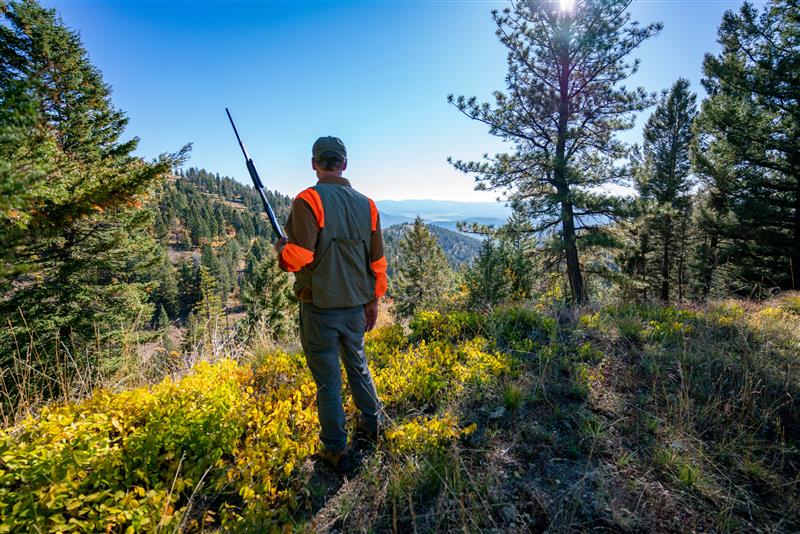
America’s 640 million acres of national public lands provide irreplaceable hunting and fishing opportunities to millions of Americans.

Learn More About Access
What TRCP is Doing

We’re working to safeguard America’s public lands so hunters and anglers always have quality places to pursue their passions.
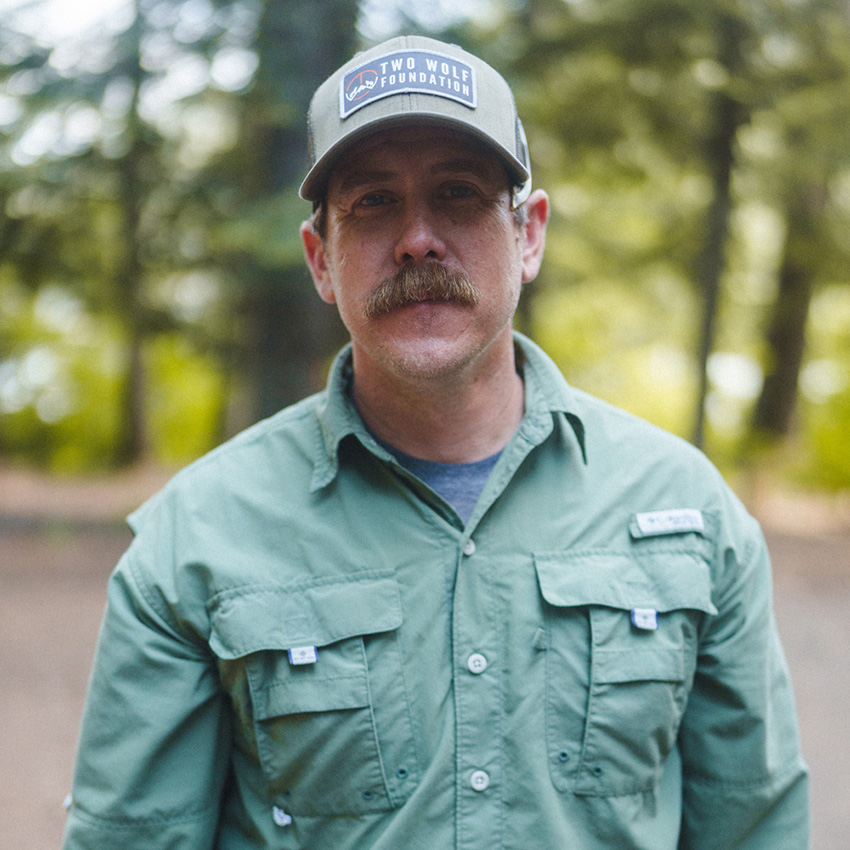
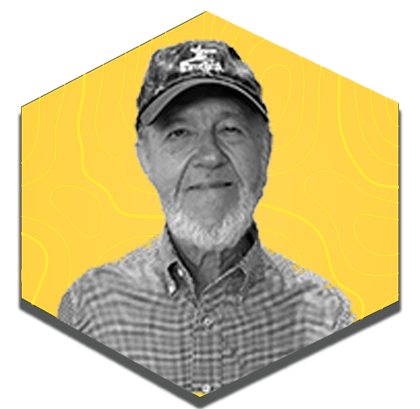
 Brian Flynn, Two Wolf Foundation
How Sportsmen Are Doing It Right

Brian Flynn, Two Wolf Foundation's Story

Following a distinguished career in the U.S. Army, lifelong outdoorsman Brian Flynn returned home from a deployment in Afghanistan and…

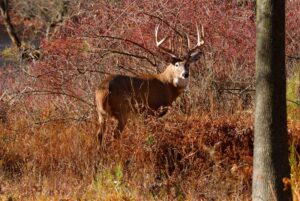
Hunting
Why It Matters

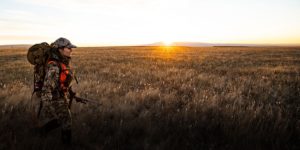
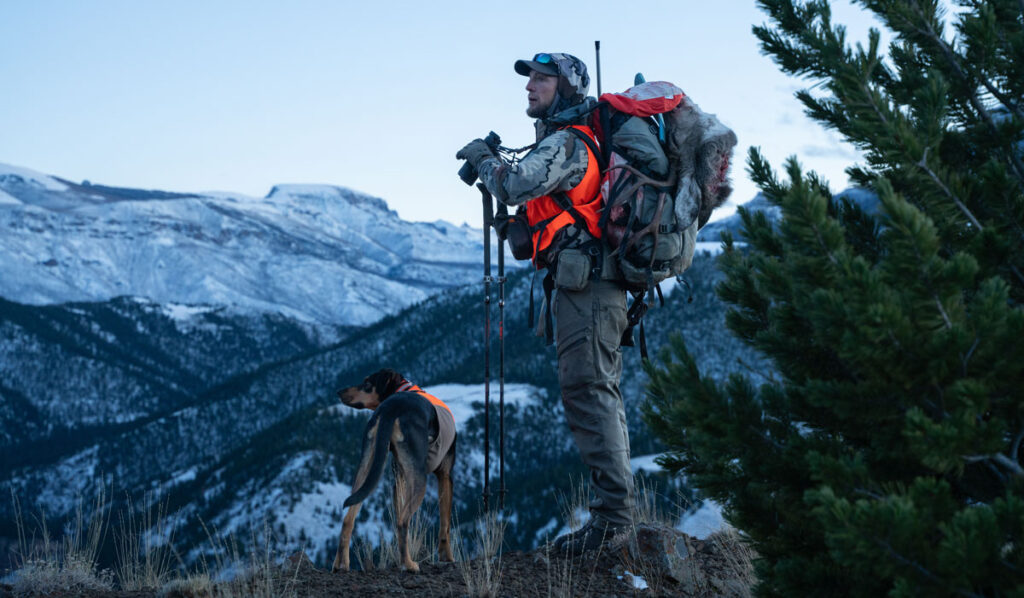
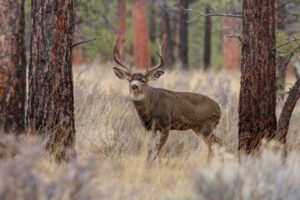
Key Issues for America’s Hunters

Your source for the latest policy updates, conservation challenges, and opportunities shaping America’s hunting traditions.

What TRCP is Doing

We’re fighting for meaningful policy changes that benefit wildlife, our waters, and the American landscapes that make our outdoor traditions possible.

 Ryan Sparks
How Sportsmen Are Doing It Right

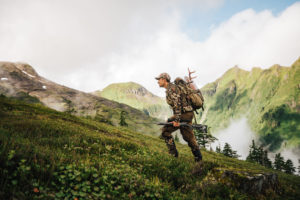
Ryan Sparks's Story

TRCP’s “In the Arena” series highlights the individual voices of hunters and anglers who, as Theodore Roosevelt so famously said,…
Fishing
Why It Matters

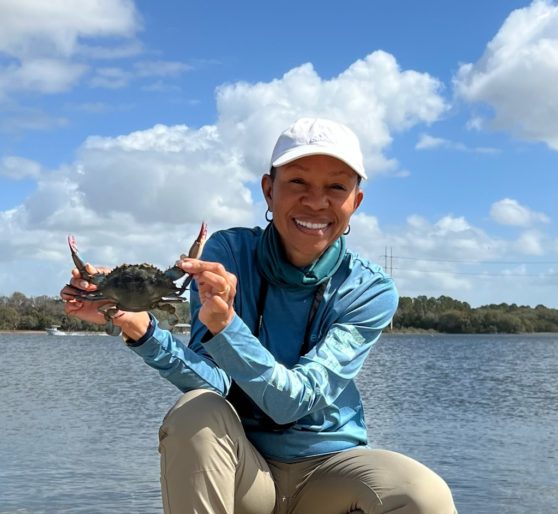
Key Issues for America’s Anglers

Your source for the latest policy updates, conservation challenges, and opportunities shaping America’s fishing traditions.

What TRCP is Doing

We’re fighting for meaningful policy changes that benefit wildlife, our waters, and the American landscapes that make our outdoor traditions possible.

 David Mangum
How Sportsmen Are Doing It Right

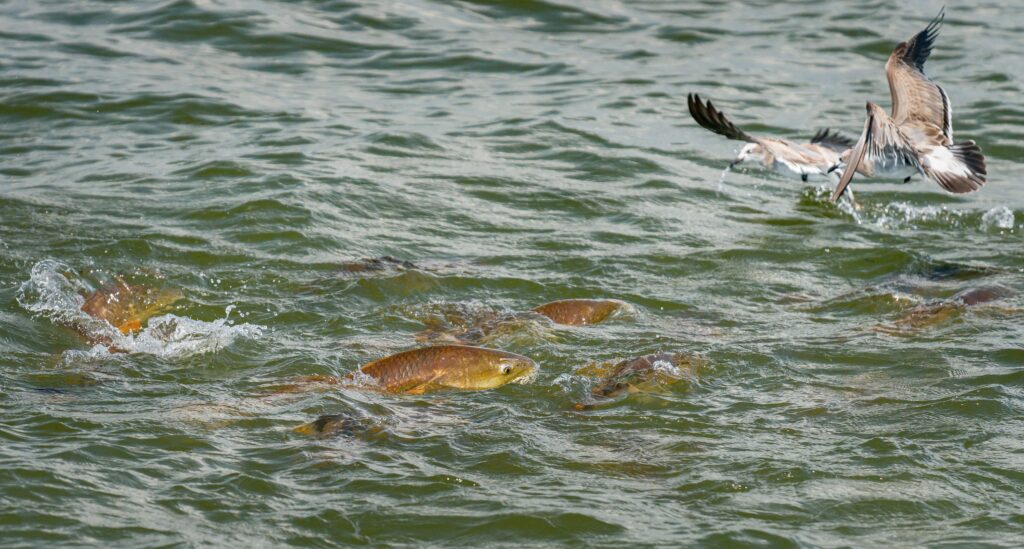
David Mangum's Story

Capt. David Mangum is a YETI ambassador and outdoor photographer who utilizes his talents to produce media that inspire a…

Private Land
Why It Matters

Stewardship on America’s private lands

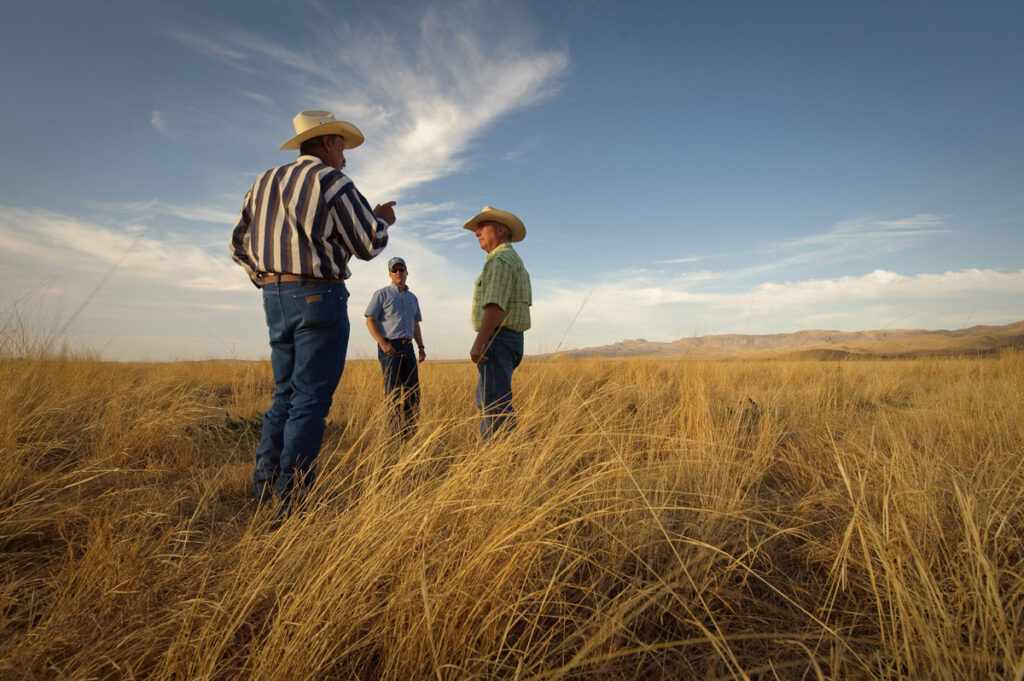
With 70 percent of U.S. lands in private hands and many of our best hunt and fish opportunities occurring there, investing in voluntary conservation on working lands safeguards access, strengthens habitat and water quality, and ensures resilient landscapes.

Learn More
What TRCP is Doing

We champion policies and programs that restore wildlife habitat, improve soil and water health, and keep working lands productive.

 Ward Burton
How Sportsmen are Doing It Right

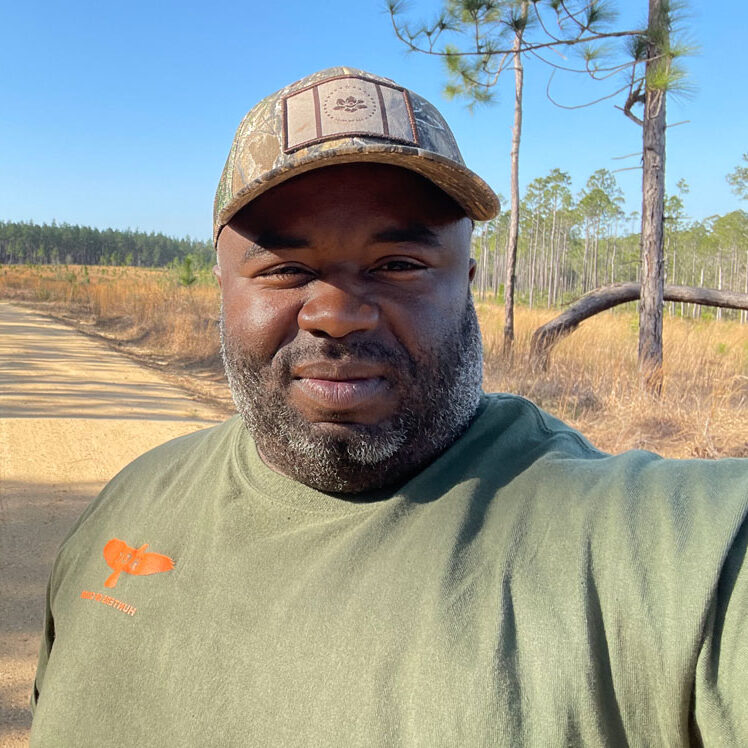
Ward Burton's Story

Ward Burton’s NASCAR driving career stretched across most of two decades. As an avid sportsman and conservationist, he founded the…

Special Places
Why It Matters

Special Places Worth Protecting

America’s most iconic landscapes provide unmatched habitat and unforgettable days afield. These places sustain wildlife, anchor local economies, and define the hunting and fishing traditions we pass down.

What TRCP is Doing

We’re working to conserve special places that provide world-class habitat and unforgettable opportunities for hunters and anglers.

 Franklin Adams
How Sportsmen Are Doing It Right

Franklin Adams's Story

As a true Gladesman, conservationist, and historian, Capt. Franklin Adams has spent more than six decades championing Everglades restoration efforts…

Habitat & Clean Water
Why It Matters

Healthy Habitat Powers Every Pursuit

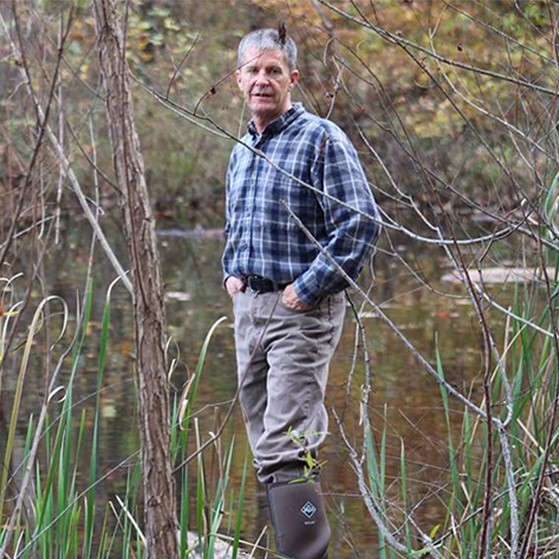
All hunting and fishing opportunities depend on quality habitat, from clean water and healthy wetlands to winter and summer habitats and the migration corridors that connect them.

All About Habitat & Clean Water
What TRCP is Doing

We are working to safeguard the habitats that power every hunting and fishing opportunity.

 Alex Harvey
How Sportsmen Are Doing It Right

Alex Harvey's Story

Alex Harvey, founder of Legacy Land Management, is a registered professional forester in Mississippi and Alabama with a Master's degree…

Science
Why It Matters

Science That Guides TRCP

From conserving migration corridors and wetlands to ensuring clean water and resilient landscapes, science provides evidence that turns conservation goals into effective action.

Science for Conservation
What TRCP is Doing

For hunters and anglers, science safeguards the experiences we treasure including resilient big game populations, abundant fish, and wild places that endure changing social landscapes.

Jamelle Ellis
Your Science Expert

Jamelle Ellis's Story

Jamelle Ellis joined the Theodore Roosevelt Conservation Partnership in 2022. Jamelle spent the last three years as an environmental sustainability…

Where We Work
Across the Nation

Conservation Across America

TRCP works across the country to ensure hunters and anglers can enjoy healthy fish and wildlife and quality days afield, no matter where they live.

See All Issues
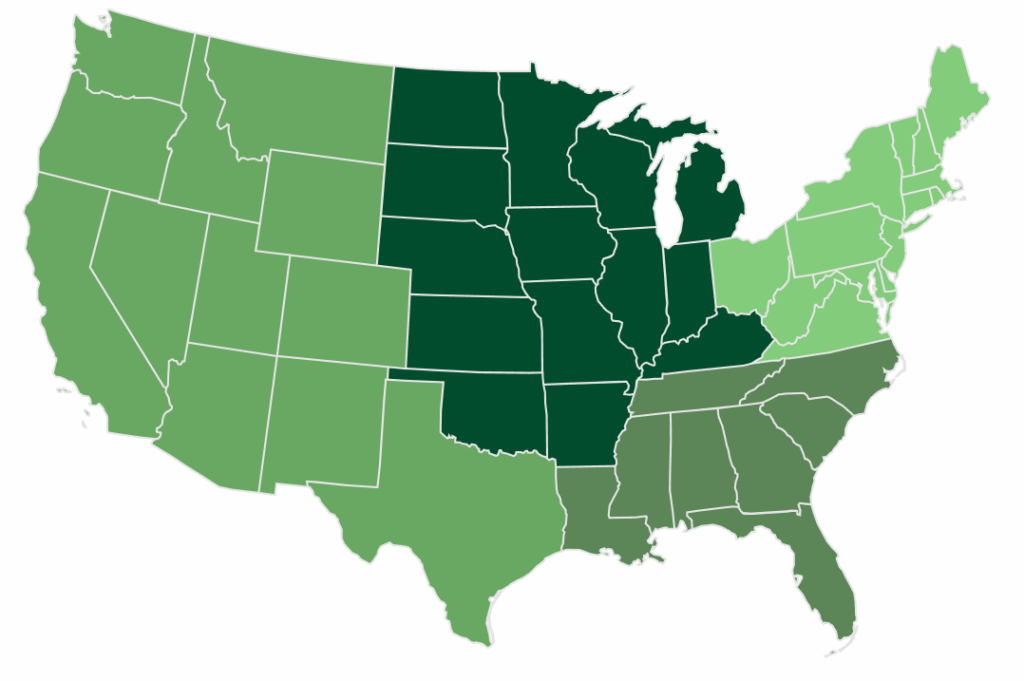
TRCP in Your Region

TRCP works across the country to ensure hunters and anglers can enjoy healthy fish and wildlife and quality days afield, no matter where they live.

Who We Are
Our Mission

To guarantee all Americans quality places to hunt & fish

We unite and amplify our partners’ voices to advance America’s legacy of conservation, habitat, and access.

Our Mission & Values
Our People & Partners
  • Meet the TRCP Team

    Our staff and board members unite and amplify our partners’ voices to advance America’s legacy of conservation, habitat, and access.

    Meet the Team
  • Our Partners

    ‘Partnership’ is in our name. We work with 64 diverse partner groups that represent today’s leading hunting, fishing, and conservation organizations in order to strengthen the sportsman’s voice in Washington, D.C.

    Our Partners
  • Corporate Council

    TRCP’s Corporate Council is made up of diverse corporations that share a common passion for conservation.

    Corporate Council
Our Organization

Looking for more information?

Explore our latest news, policy updates, and conservation resources to get the information you need.

Giving
How You Can Help

To guarantee all Americans quality places to hunt & fish

Your tax-deductible donation will support TRCP's mission, now and into the future.

DONATE
Special Ways to support trcp
  • Capital Conservation Awards Dinner

    The CCAD is one of Washington's best-attended conservation celebrations, featuring dinner, cocktails, and a silent auction.

    Learn More
  • Step Into the Arena

    Help us ensure that our treasured wild habitats and game remain intact for the next generation to enjoy – lend your support to the TRCP’s efforts today!

    Donate
  • Roosevelt Roast

    TRCP has partnered with Afuera Coffee Co. to further our commitment to conservation.

    Learn More
More donation options

Find the best way for you to lend your support. Join one of TRCP’s donor circles for special invitations, premium offerings from outdoor retailers, and more exclusive benefits. Take control of your legacy with planned giving or contribute to special conservation funds.

Other Ways To Give
News
In the Spotlight

Part II: Conservation, Access, and Public Land Management in Nevada

Understanding how targeted, conservation-driven decisions can strengthen wildlife habitat and hunter and angler access in Nevada.

Read More

Stay Informed

Receive our newsletter, the Roosevelt Report, right in your inbox. Never miss the latest news in conservation issues.

by:

posted in:

February 15, 2012

In what year did T.R. establish the Chugach National Forest in Alaska?

Send your answers to info@trcp.org. We’ll send the winner a TRCP hat. Congratulations to Jim Enders for answering last month’s T.R.ivia question correctly. The question: What year did T.R. begin serving in the New York State Assembly? The answer: T.R. was elected in 1881 and began serving in 1882.

Do you have any thoughts on this post?

XHTML: You can use these tags: <a href="" title=""> <abbr title=""> <acronym title=""> <b> <blockquote cite=""> <cite> <code> <del datetime=""> <em> <i> <q cite=""> <s> <strike> <strong>

Comments must be under 1000 characters.

by:

posted in:

January 18, 2012

Big Bass in Arkansas

TRCP’s Center for Agricultural and Private Lands Director Steve Kline reeled in this largemouth on a recent trip to Arkansas. Senior Director of Policy Initiatives and Communications Geoff Mullins, who took this photo, had no such luck. You’ll get ’em next time, Mullins!

We want to see how you TRCP! Submit your photos to info@trcp.org or on the TRCP Facebook page.

by:

posted in:

January 14, 2012

Treat Natural Resources as Assets

“The nation behaves well if it treats the natural resources as assets which it must turn over to the next generation increased, and not impaired, in value.”

-Theodore Roosevelt, speech before Colorado Livestock Association, Denver, Colo., Aug. 29, 1910.

by:

posted in:

Scott Hed

Scott and his wife Nicki on a recent trip to Bristol Bay, Alaska. Photo courtesy of Scott Hed.

In this issue of the Square Dealer, we are highlighting a TRCP friend and fellow sportsman, Scott Hed, director of the Sportsman’s Alliance for Alaska. This article originally appeared in “The Drake” magazine and is written by Geoff Mueller.

Severed by North Dakota, the Saskatchewan plains, Alberta tar sands and British Columbia’s snow-covered Coast Mountains, Gaylord, Minn., is far removed from a proposed large-scale Alaskan mining operation and the toll it would take on anadromous fish runs. But it’s in Gaylord that Sportsman’s Alliance for Alaska Director Scott Hed had lived a quintessential Midwestern life – playing football and baseball, hunting, fishing and anxiously awaiting annual pilgrimages to the Boundary Waters Canoe Area – before he started down a path to spearheading the 49th state’s highest-profile environmental standoff in recent memory.

Hed attended Minnesota’s St. Olaf College, where the aspiring economics and accounting major crunched, chewed and digested meaty numbers and the intricacies of gain, loss and risk. Money, it was clear to Hed, made the world spin. And while Oliver Stone’s Wall Street was hitting pay dirt in the late ’80s, an aspiring Bud Fox was born.

“When ‘Wall Street’ came out I was going to school, getting my degree in economics, and I’m thinking, ‘this is sweet, this is what I want to do,’” Hed says. After graduation, he landed in Marshall, Minn., working in the finance industry. It wasn’t quite fast cars and fast women, but it was a respectable living that allowed Hed to taste the nine-to-five grind. When his branch expanded to Sioux Falls, S.D., Hed followed. It was a busy few years of work and relocation, ascending the corporate escalator, and dreaming of someplace else: Alaska.

Fantasizing about The Last Frontier is a popular office antidote for desk-bound outdoorsmen the world over. But with Hed, it sparked his imagination. Next to work and family life, Alaska became Hed’s top distraction. He acquainted himself with the state as a wide-eyed tourist, exploring Denali and the Kenai Peninsula, returning again and again.

“I’d always been good at what I did, and I got paid well to do it,” Hed says. “But I wasn’t able to get up in the morning, look in the mirror, and say, ‘I really have a passion for, and care about, what I’m going to do at work today.’”

Hed’s next move came when his Sioux Falls office went bust and handed him a serendipitous10-month severance package. As Bud Fox states, “Life all comes down to a few moments. This is one of them.”

Hed took the cue and headed north to the coast of the Arctic Ocean for a month-long raft trip under a midnight sun. A timely and fortuitous soul cleanse, the trip also opened a door when, upon returning home that summer, a message on the answering machine awaited. It was the Alaska Coalition, with an opportunity to travel to Washington, D.C., and speak on behalf of Alaska as a citizen lobbyist.

“It sounded extremely daunting,” Hed says. But he was sold on the message; so much so that one month later he donned a suit and tie, marched up the stairs on Capitol Hill, and let the words pour. D.C. led to more public presentations, touring the upper Midwest for the Coalition and defending the Arctic National Wildlife Refuge from oil drilling and development.

Hed spoke to whomever had an open ear: church groups, bird gazers, garden hosers, and hunting and fishing advocates from all walks of life. He shined in his new capacity, receiving an expanded territory and a full-time paycheck. Life was good, and the gig was rewarding – even easy, considering Alaska’s broad appeal. But black clouds were brewing, with whispers of something massive on the horizon: “This thing called Pebble Mine in Bristol Bay,” Hed says.

The year was 2006, well before the word “Pebble” had become emblematic of a cancer so big it could devour two of the most prolific sockeye-bearing rivers in the world: the Kvichak and Nushagak. Located at the headwaters of Bristol Bay, Pebble would be the largest gold and copper mine ever built in North America—a gaping open pit, miles wide and several thousand feet deep. If developed, resulting toxins could threaten not only the area’s salmon runs but also the health of an entire ecosystem. Six years after Hed began tunneling for answers to life’s proverbial questions, he found his calling in the form of a ticking ecological time bomb.

In October, Hed was at the Jet Hotel in Denver’s trendy LoDo district – a hipster receptacle with a full-service bar in the lobby and heavily promoting a Playboy-sponsored “Fantasy Hotel Party.” Dressed in a “Save Bristol Bay” ball cap, muted fleece and jeans, he was quick to explain he was there for the fight, not the party.

The Save Bristol Bay Road Show had just closed curtains in Seattle, Portland, Corvallis, San Francisco and Santa Fe. After Denver, the grassroots outreach and advocacy effort would hold one last private event in New York City, but the drain of a multi-city slog was not evident in Hed’s demeanor. Upbeat, gregarious, and less slickster D.C. lobbyist than one might expect, the cautiously optimistic Midwesterner says we are now entering decision-making time in the Pebble Mine slugfest. In February 2011, the EPA announced the beginning of its watershed assessment for the region, investigating ecological, cultural and economic values related to the Kvichak and Nushagak and the potential risks brought forth by large-scale mineral development there. Essentially, if a project like Pebble is deemed detrimental to (a) municipal water supplies, (b) fisheries, (c) wildlife or (d) recreational interests, the EPA under the Clean Water Act holds the power to tank it.

The good news, according to the anti-mine movement, is that the EPA’s decision, slated for fall 2012, is a relative no-brainer. “In the case of Bristol Bay,” Hed says, “It’s easy to argue that all four criteria would be adversely impacted by Pebble or any large-scale mineral developments.” (There are currently 1,000 square miles of claims in the region, in addition to Pebble’s.)

But the reality is that the EPA taking that level of action under the Clean Water Act would be unprecedented and would undoubtedly lead to lawsuits from deep-pocketed developers as well as the heavily pro-development state of Alaska.

Ultimately, Pebble Mine might go down as one of the greatest fisheries conservation victories of our time, thanks in large part to people like Hed. Or, as the scrappy Midwestern economics major put it: “If the world’s largest wild salmon fishery and one of the planet’s top sport-fishing and hunting destinations could be lost to something like Pebble, then everything is on the table.”

Learn more about the Sportsman’s Alliance for Alaska.

by:

posted in:

January 6, 2012

Video: Backcountry and Big-Game Conservation in the Coronado National Forest

In early 2012, the TRCP joined forces with Bass Pro Shops and Steven Rinella of the hit TV show “MeatEater” to produce a video series highlighting conservation issues key to our fish, wildlife and hunting and angling traditions. Each episode of “TRCP’s Conservation Field Notes” follows Rinella to far-flung destinations where he talks about critical conservation issues related to the hunts and regions featured on “MeatEater.”

In this episode, Steven discusses the importance of backcountry roadless areas in securing valuable habitat for species like Coues deer in the Coronado National Forest.

  • While ensuring access to existing roads is important, building new roads can result in reduced cover for big game, leading to shorter hunting seasons and decreased hunter opportunity. Too many roads also can diminish the quality of fish spawning habitat, curtailing angler opportunity.
  • The 2001 Roadless Area Conservation Rule ensures that backcountry areas will continue to provide unfragmented habitat for big game, clean water for wild trout and places where sportsmen can escape crowds and pursue their quarries in solitude.

HOW YOU CAN HELP

TRCP has partnered with Afuera Coffee Co. to further our commitment to conservation. $4 from each bag is donated to the TRCP, to help continue our efforts of safeguarding critical habitats, productive hunting grounds, and favorite fishing holes for future generations.

Learn More
Subscribe


You have Successfully Subscribed!

You have Successfully Subscribed!

You have Successfully Subscribed!

You have Successfully Subscribed!

You have Successfully Subscribed!