Our Issues
Public Lands
Why It Matters

Hunting & Fishing Access

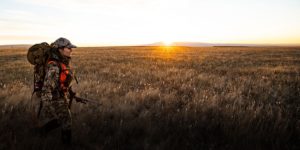
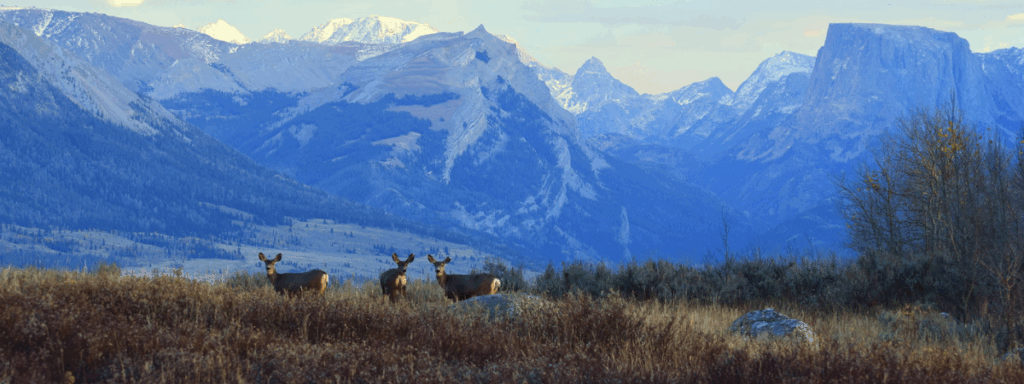
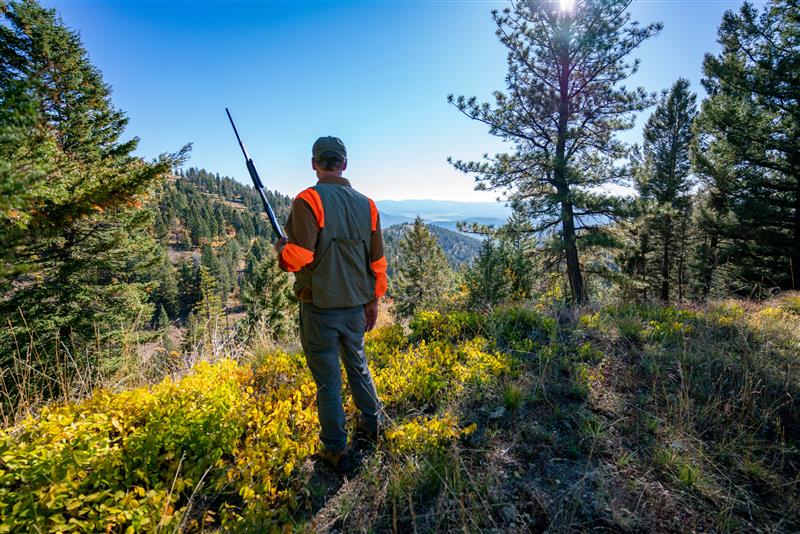
America’s 640 million acres of national public lands provide irreplaceable hunting and fishing opportunities to millions of Americans.

Learn More About Access
What TRCP is Doing

We’re working to safeguard America’s public lands so hunters and anglers always have quality places to pursue their passions.

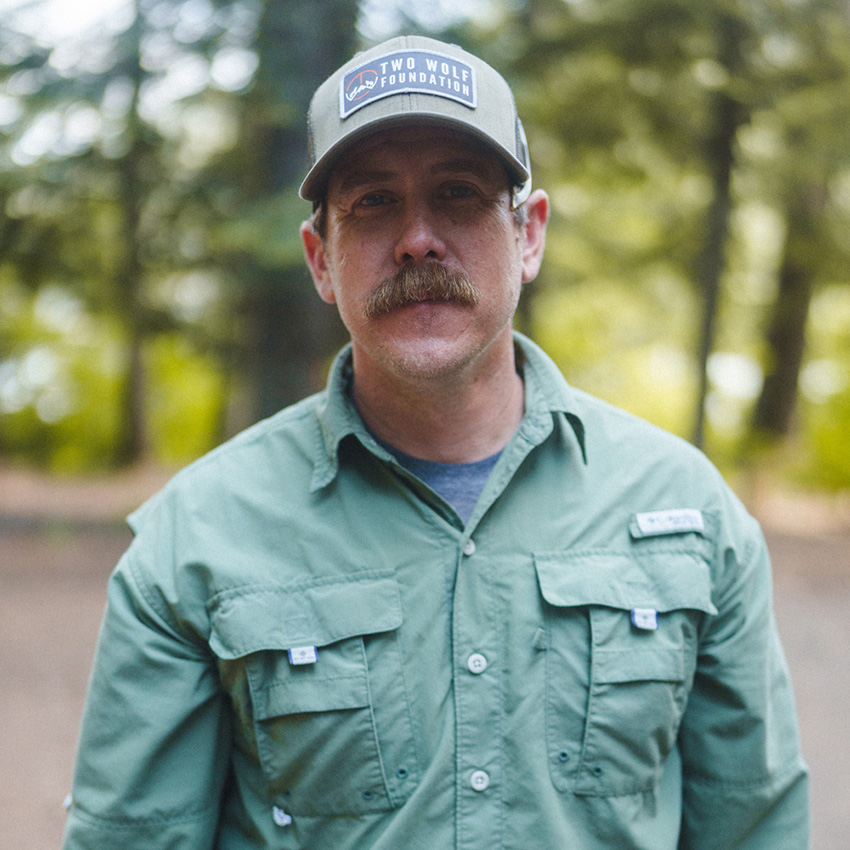
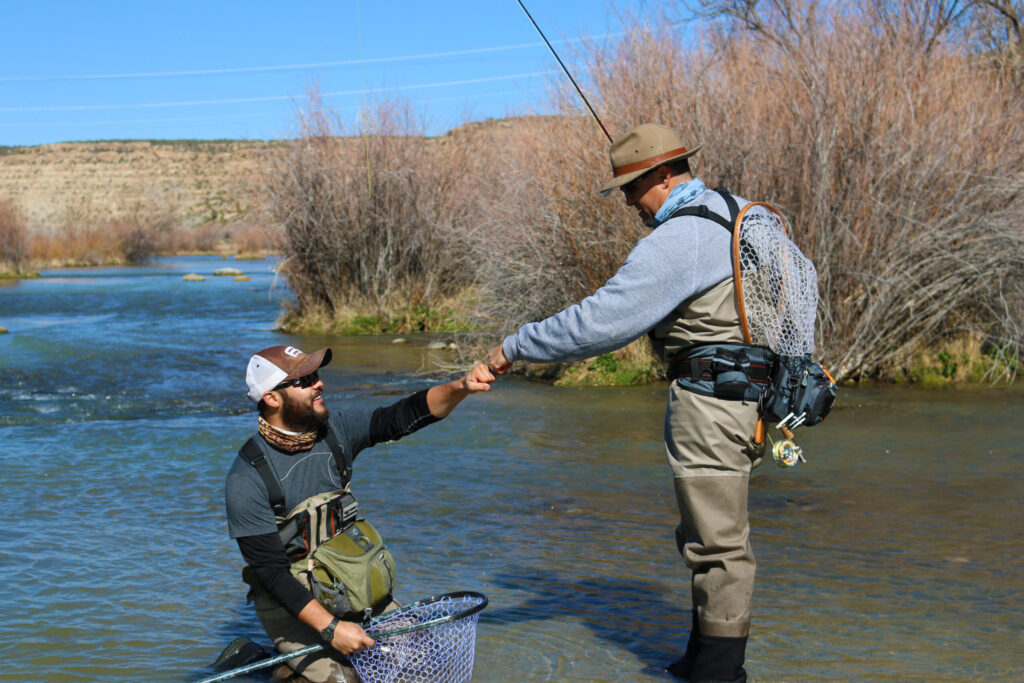
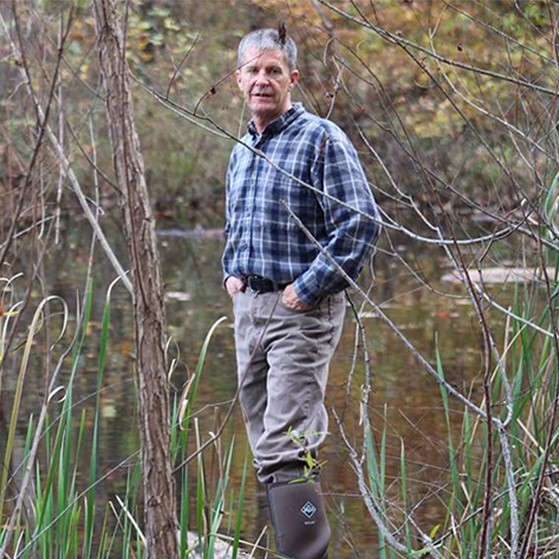
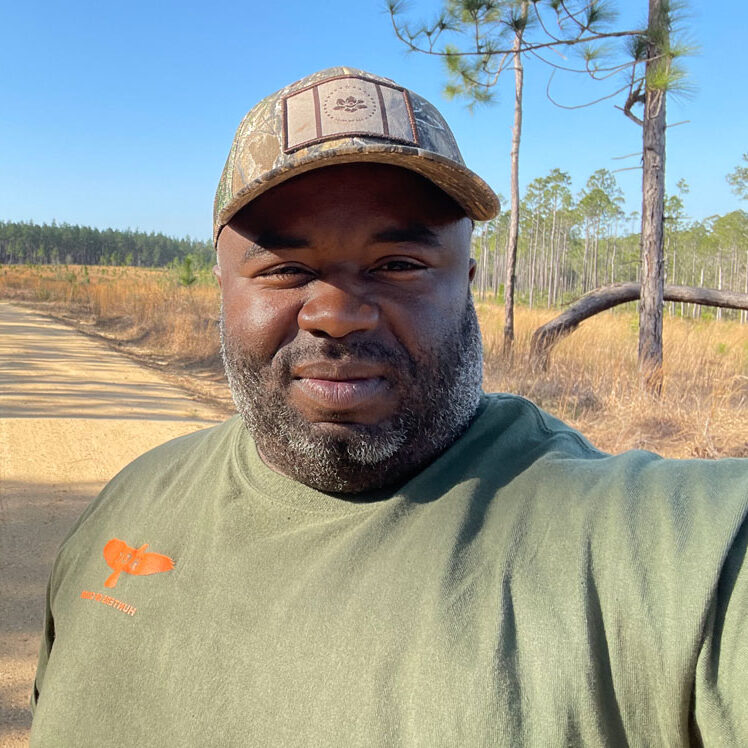
 Brian Flynn, Two Wolf Foundation
How Sportsmen Are Doing It Right

Brian Flynn, Two Wolf Foundation's Story

Following a distinguished career in the U.S. Army, lifelong outdoorsman Brian Flynn returned home from a deployment in Afghanistan and…


Hunting
Why It Matters

Key Issues for America’s Hunters

Your source for the latest policy updates, conservation challenges, and opportunities shaping America’s hunting traditions.

What TRCP is Doing

We’re fighting for meaningful policy changes that benefit wildlife, our waters, and the American landscapes that make our outdoor traditions possible.

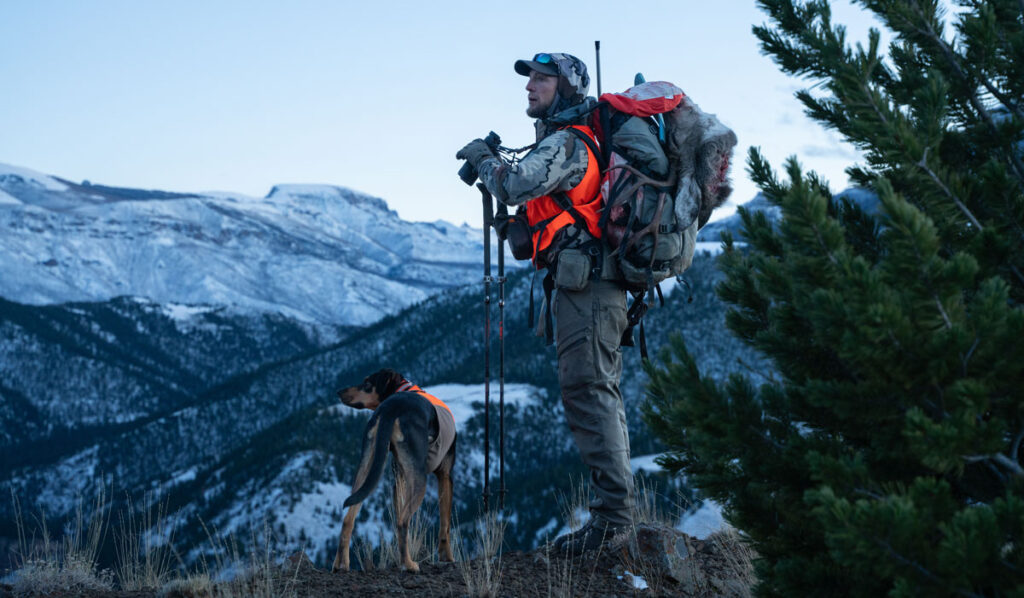
 Ryan Sparks
How Sportsmen Are Doing It Right

Ryan Sparks's Story

TRCP’s “In the Arena” series highlights the individual voices of hunters and anglers who, as Theodore Roosevelt so famously said,…

Fishing
Why It Matters

Key Issues for America’s Anglers

Your source for the latest policy updates, conservation challenges, and opportunities shaping America’s fishing traditions.

What TRCP is Doing

We’re fighting for meaningful policy changes that benefit wildlife, our waters, and the American landscapes that make our outdoor traditions possible.

 David Mangum
How Sportsmen Are Doing It Right

David Mangum's Story

Capt. David Mangum is a YETI ambassador and outdoor photographer who utilizes his talents to produce media that inspire a…

Private Land
Why It Matters

Stewardship on America’s private lands

With 70 percent of U.S. lands in private hands and many of our best hunt and fish opportunities occurring there, investing in voluntary conservation on working lands safeguards access, strengthens habitat and water quality, and ensures resilient landscapes.

Learn More
What TRCP is Doing

We champion policies and programs that restore wildlife habitat, improve soil and water health, and keep working lands productive.

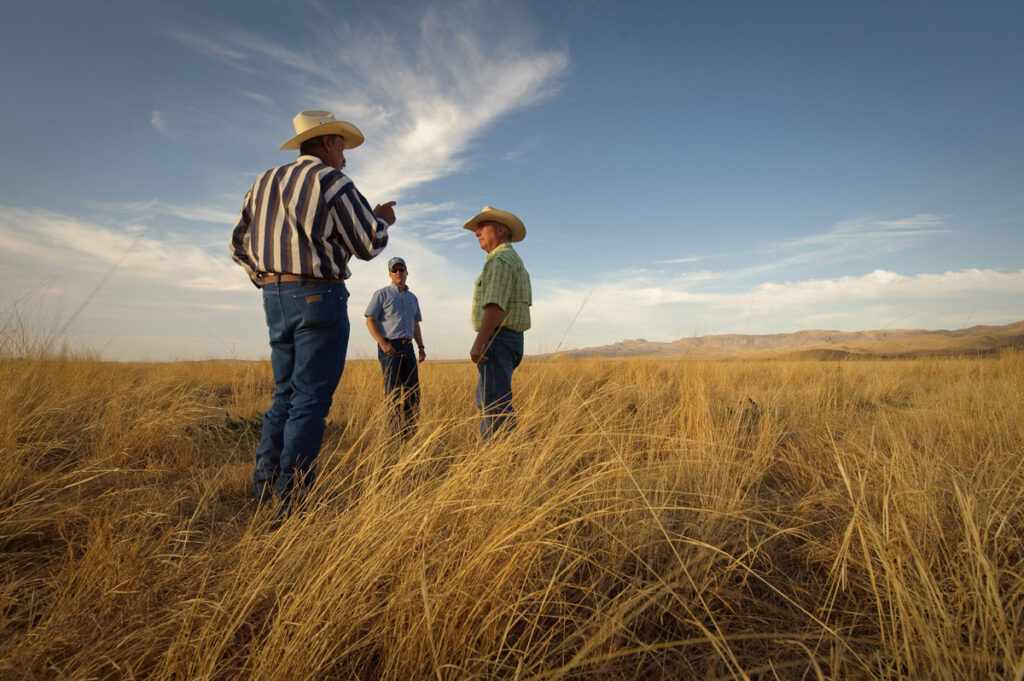
 Ward Burton
How Sportsmen are Doing It Right

Ward Burton's Story

Ward Burton’s NASCAR driving career stretched across most of two decades. As an avid sportsman and conservationist, he founded the…

Special Places
Why It Matters

Special Places Worth Protecting

America’s most iconic landscapes provide unmatched habitat and unforgettable days afield. These places sustain wildlife, anchor local economies, and define the hunting and fishing traditions we pass down.

What TRCP is Doing

We’re working to conserve special places that provide world-class habitat and unforgettable opportunities for hunters and anglers.

 Franklin Adams
How Sportsmen Are Doing It Right

Franklin Adams's Story

As a true Gladesman, conservationist, and historian, Capt. Franklin Adams has spent more than six decades championing Everglades restoration efforts…

Habitat & Clean Water
Why It Matters

Healthy Habitat Powers Every Pursuit

All hunting and fishing opportunities depend on quality habitat, from clean water and healthy wetlands to winter and summer habitats and the migration corridors that connect them.

All About Habitat & Clean Water
What TRCP is Doing

We are working to safeguard the habitats that power every hunting and fishing opportunity.

 Alex Harvey
How Sportsmen Are Doing It Right

Alex Harvey's Story

Alex Harvey, founder of Legacy Land Management, is a registered professional forester in Mississippi and Alabama with a Master's degree…

Science
Why It Matters

Science That Guides TRCP

From conserving migration corridors and wetlands to ensuring clean water and resilient landscapes, science provides evidence that turns conservation goals into effective action.

Science for Conservation
What TRCP is Doing

For hunters and anglers, science safeguards the experiences we treasure including resilient big game populations, abundant fish, and wild places that endure changing social landscapes.

Jamelle Ellis
Your Science Expert

Jamelle Ellis's Story

Jamelle Ellis joined the Theodore Roosevelt Conservation Partnership in 2022. Jamelle spent the last three years as an environmental sustainability…

Where We Work
Across the Nation

Conservation Across America

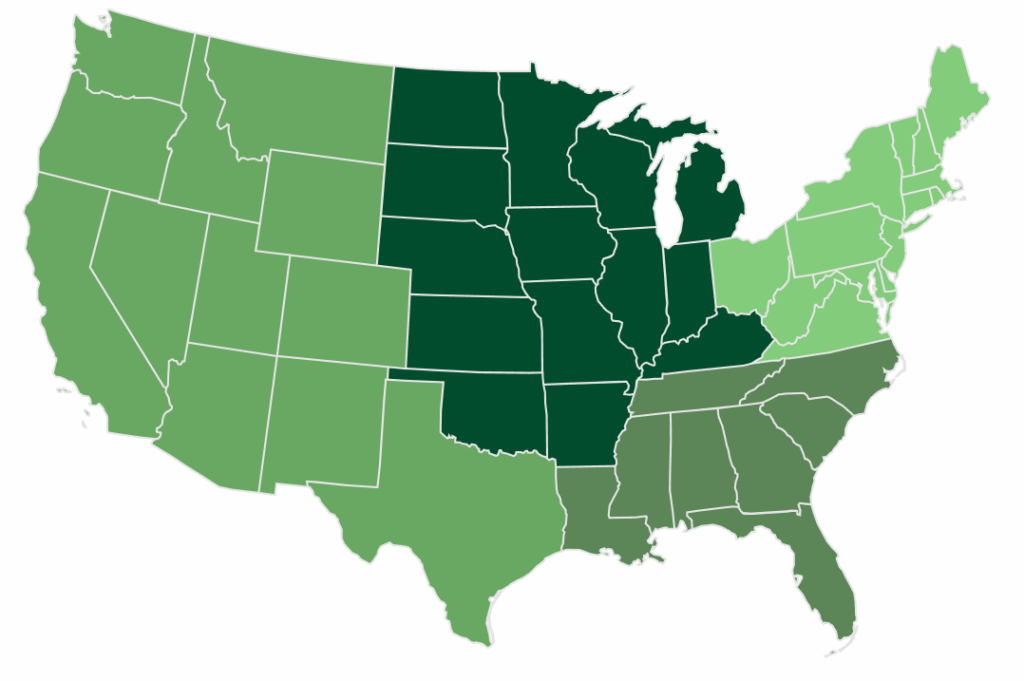
TRCP works across the country to ensure hunters and anglers can enjoy healthy fish and wildlife and quality days afield, no matter where they live.

See All Issues
TRCP in Your Region

TRCP works across the country to ensure hunters and anglers can enjoy healthy fish and wildlife and quality days afield, no matter where they live.

Who We Are
Our Mission

To guarantee all Americans quality places to hunt & fish

We unite and amplify our partners’ voices to advance America’s legacy of conservation, habitat, and access.

Our Mission & Values
Our People & Partners
  • Meet the TRCP Team

    Our staff and board members unite and amplify our partners’ voices to advance America’s legacy of conservation, habitat, and access.

    Meet the Team
  • Our Partners

    ‘Partnership’ is in our name. We work with 64 diverse partner groups that represent today’s leading hunting, fishing, and conservation organizations in order to strengthen the sportsman’s voice in Washington, D.C.

    Our Partners
  • Corporate Council

    TRCP’s Corporate Council is made up of diverse corporations that share a common passion for conservation.

    Corporate Council
Our Organization

Looking for more information?

Explore our latest news, policy updates, and conservation resources to get the information you need.

Giving
How You Can Help

To guarantee all Americans quality places to hunt & fish

Your tax-deductible donation will support TRCP's mission, now and into the future.

DONATE
Special Ways to support trcp
  • Capital Conservation Awards Dinner

    The CCAD is one of Washington's best-attended conservation celebrations, featuring dinner, cocktails, and a silent auction.

    Learn More
  • Step Into the Arena

    Help us ensure that our treasured wild habitats and game remain intact for the next generation to enjoy – lend your support to the TRCP’s efforts today!

    Donate
  • Roosevelt Roast

    TRCP has partnered with Afuera Coffee Co. to further our commitment to conservation.

    Learn More
More donation options

Find the best way for you to lend your support. Join one of TRCP’s donor circles for special invitations, premium offerings from outdoor retailers, and more exclusive benefits. Take control of your legacy with planned giving or contribute to special conservation funds.

Other Ways To Give
News
In the Spotlight

TRCP’s Lead Scientist on Why Everglades Restoration Matters

Hunters and anglers benefit from long-term Everglades restoration efforts; TRCP’s Senior Scientist Jamelle Ellis summarizes the current state of the system, how restoration efforts will improve it, and details on an upcoming presentation where you can learn more.

Read More

Stay Informed

Receive our newsletter, the Roosevelt Report, right in your inbox. Never miss the latest news in conservation issues.

by:

posted in:

August 16, 2017

Lessons Learned Cover Image

Do you have any thoughts on this post?

XHTML: You can use these tags: <a href="" title=""> <abbr title=""> <acronym title=""> <b> <blockquote cite=""> <cite> <code> <del datetime=""> <em> <i> <q cite=""> <s> <strike> <strong>

Comments must be under 1000 characters.

by:

posted in:

August 9, 2017

How Improvements to a Family Forest in Maine Will Mean More Whitetails and Turkeys This Fall

TRCP’s summer intern finds a personal connection to the issue of active forest management and its many benefits for wildlife and fire prevention

In my summer internship with the Theodore Roosevelt Conservation Partnership, I’ve learned about Senate and House floor procedures, the budget and appropriations process, and sportsmen’s policies on a federal level. All of this was enlightening, but I was perhaps most surprised by what I found I already knew. The value of actively managing forests—to reduce the risk of wildfires, improve fish and wildlife habitat, and allow for responsible timber harvest that supports local jobs—is something I’ve personally witnessed on my family’s property in Maine.

It may seem like the responsibility of managing forests lies only with the U.S. Forest Service or the states. But there is also support on the federal and local level for private landowners to responsibly manage forested areas they own, too.

One of those private landowners is my grandmother. On vacations when I was young, I was fortunate enough to hike and explore the 21 acres of forested land she owns on a hillside with a view of New Hampshire’s White Mountains. Over time, the taxes on the land increased, and my grandmother found some relief by enrolling the land in a state program that had financial benefits for her and habitat benefits for the forest.

How Active Management Works

Proper forest management actually makes forests more productive for landowners and wildlife, which is why the TRCP advocates for active forest management on both public and private lands. For example, when an older tree is cut, the forest canopy opens up allowing light to penetrate to the lower levels of the forest, in turn, supporting new growth. With her land classified as a managed woodlot, my grandmother can still choose to selectively harvest timber, which helps put money in her pocket, employ local timber crews, and open up the forest canopy so that younger trees can grow.

This increased the diversity of wildlife we were seeing as birdwatchers and hunters, in fact there was a major bump in the number of turkeys and whitetail deer on the property after just a few years.

There’s also the benefit of prevention: Without active management, forests will see fewer young trees and more overcrowding of old growth and excess leaf debris, which makes the forest vulnerable to wildfires.

Active Management Programs to Know

The U.S. Department of Agriculture’s Forest Service offers a Forest Stewardship Program that is available in all 50 states as part of a partnership with state forestry agencies. It pushes for long-term stewardship of state as well as private forested lands. There is also a Forestry Incentives Program (FIP), which provides forest owners with financial assistance for managing their forests. In Maine, which has a Tree Growth Tax Law, we found the Department of Revenue was able to help identify options for my grandmother to enroll her forest in a program that had benefits all around.

If I learned anything this summer, it’s that conservation takes many forms, and the complex policies that govern how we take care of forests, prairies, wetlands, sagebrush, or any other landscape, are worth trying to understand and support. I’m heading into my professional career with a new appreciation for the privileges I’ve had to enjoy and actively engage in the conservation of our family’s forest land.

by:

posted in:

August 8, 2017

A Flood-Prone County in N.Y. Needed a Healthier River, Not Just Road Repairs

One example of how natural infrastructure—beyond the bridges and highways we tend to picture—helped improve public safety for future floods and give a boost to a legendary trout fishery

Situated along the Pennsylvania border in the western foothills of the Catskills, Sands Creek is one of the most critical trout spawning tributaries in the Upper Delaware River watershed. The creek feeds into the West Branch of the Upper Delaware in the village of Hancock, where the downtown overlooks the confluence of East and West branches. This is also one of the most frequently flooded counties in the nation. Anglers are drawn to the Upper Delaware because of its feisty population of wild brown and rainbow trout and legendary mayfly and caddis hatches.

This is a place where sportsmen and women have been a part of achieving a mindset shift around infrastructure: Beyond roads, bridges, and airports, natural infrastructure—as simple and cost-effective as strategically placed boulders—has re-shaped the Upper Delaware so that it’s safer and more flood-resilient, while enhancing fish habitat and sportsmen’s access.

Here’s how the community came together and why lawmakers should broaden the scope of what they consider to be critical infrastructure.

A wild brown trout caught in the West Branch of the Upper Delaware, just below Sands Creek. Photo by Friends of the Upper Delaware River.
When It Rains, It Floods

New York’s Delaware County, home to Sands Creek, is no stranger to rising waters: The county has had more federal flood emergency declarations than any other in the state, and it is among the most frequently flooded counties in the nation. A devastating flood in 2006, the third in as many years, actually washed away much of the basic infrastructure in the region. In 2011, the one-two punch of Hurricane Irene and Tropical Storm Lee spurred conservation groups and local government officials into action, not just to rebuild washed out roads, but to revamp the river so that future floods wouldn’t have the same negative impacts.

“Those storms really changed the way people think about floods,” says Jeff Skelding, executive director of the Friends of the Upper Delaware River. “As a fisherman who grew up on the Delaware, I knew we had to get creative in preparing for floods if we wanted to preserve the river for future generations.”

Enter FUDR and a host of collaborative conservation partners and government officials.

Along with Trout Unlimited, the National Fish and Wildlife Foundation, and officials from Hancock and Delaware County, as well as outdoor recreation businesses like Orvis and Patagonia, FUDR worked to set the Sands Creek restoration project in motion. Beginning in 2012 and completed last year, the project has returned roughly one-tenth of the creek to a near-natural state with the help of local engineers and contractors.

A restored flood plain (left) after removal of a manmade berm alongside Sands Creek in Delaware County, New York. Photo by Friends of the Upper Delaware River.
Building Blocks: Boulder Clusters and Log Toes

The crew installed several natural infrastructure components to restore flood plains, fortify stream banks, and enhance fish habitat.

Carefully placed boulder clusters now help prevent river-altering gravel and sediment erosion and boost water quality for downstream communities, while the rocky surfaces have become prime areas for trout to spawn. In a love story for the ages, these boulders were coupled with nearby clusters of logs that provided instream cover and organic material for spawning fish. Together, these log and boulder clusters dramatically improve river health and make for great fishing holes.

Another structure called a roughened log toe, formed by placing multiple logs with their roots intact in a bend in the creek, has helped protect the banks from high-speed floodwaters. By absorbing the impact of rushing high water, roughened log toes prevent mass erosion, which is critically important along roadsides. Over time, the water churning against the root wads will also create cool, shady areas for fish to congregate.

“These guys were used to taking logs out of the water, and here we are asking them to put these logs in the water,” Skelding laughs. “It really is a new way of thinking about mitigating flood damages and protecting fish habitat.”

The next time Delaware County has a flood emergency, residents along Sands Creek can rest assured that their community is more resilient than in previous years while local anglers might even be able to wet a line much sooner. Not bad for pushing some boulders and logs around. And with an all-in project cost of about $300,000, these benefits came at a steep discount compared to many traditional infrastructure options.

Toe wood is installed along Sands Creek, which will absorb high-velocity floodwaters and create fish habitat. Photo by Friends of the Upper Delaware River.
Today, Sands Creek—Tomorrow, the Mississippi

The success of the Sands Creek restoration project highlights the importance of collaboration in conservation, and sportsmen and women played a crucial role in this case. We think this is an important story because, as policymakers consider upgrading our nation’s infrastructure, it is imperative that natural infrastructure solutions, extending from erosion control to wildlife crossing structures, are part of the discussion.

Incorporating these ideas early on can help save money that would have been spent cleaning up a disastrous flood, plus the benefits to wildlife habitat and river access mean anglers can keep doing what we love – all of which boosts local economies.

When conservationists engage with government officials and local businesses to build better rivers, not just new bridges and roads, the benefits can flow far, far downstream.

Want to hear more about re-engineering a river? Click here to hear Jeff Skelding discuss FUDR’s work on the Orvis Fly Fishing Guide Podcast with Tom Rosenbauer.

Top photo by Garth Lenz.

by:

posted in:

August 3, 2017

Congress Wants to Boost Renewables and Fund Conservation

A bill moving through the House could create a rare win-win scenario for energy and wildlife

The Trump administration and Republican leadership in Congress have an aggressive agenda for the next few years: To reform the tax code, balance a federal budget, increase funds to build a wall along the United States-Mexico border, and pass a one-trillion-dollar package that addresses America’s crumbling infrastructure while providing stability for rural communities. The infrastructure package is going to be decorated like a Christmas tree with bills and amendments, but some ornaments will light up more than others.

One of these may be the Public Land Renewable Energy Development Act, which unanimously passed out of the House Natural Resources Committee last week. The bill, which was introduced by Congressman Paul Gosar (R-Ariz.) and co-sponsored by 38 representatives from both sides of the aisle, would promote economic growth in the energy development sector while providing for conservation from a portion of the leasing revenues.

Here’s How PLREDA Would Work

The bill would achieve a win-win scenario by thoughtfully balancing renewable energy development and habitat needs through a robust permitting system and creating a consistent stream of revenue to fund essential fish and wildlife management projects in proximity to renewable energy projects.

PLREDA would boost the incentive for local stakeholders to support renewable energy projects, because 25 percent of the leasing revenues would go back to counties and states. Another 25 percent of leasing revenues would be dedicated to a fish and wildlife conservation fund, the Renewable Resource Conservation Fund. These funds could help open up access to public lands, enhance clean water resources, and improve habitat for elk, wild trout, mule deer, sage grouse, and other important game species.

TRCP strongly supports this bipartisan bill, which illustrates a balanced, common-sense approach to energy development on public lands. At a time when lawmakers have many legislative priorities, it’s heartening to see investments in America’s infrastructure and economic health that also create new revenue streams for conservation.

Learn More

Want to hear the latest on PLREDA and other legislation that could affect the places where you hunt and fish? Become a TRCP member (it’s free) and we’ll keep you informed.

Top photo by BLM/Flickr.

by:

posted in:

To Have Great Fishing Anywhere, We Need Clean Water Everywhere

The basic needs of America’s world-class trout and waterfowl populations—healthy headwaters and wetlands—are about to be undermined, so sportsmen and women need to act now

We’ve written before about how water is connected, and how pollution from small, diffuse sources can accumulate and create big problems downstream. Scientists and conservationists understand that this is a serious issue, but sportsmen and women are also well-informed—after all, we see the effects directly in our trout streams and from our duck blinds. Perhaps that’s why 83 percent of hunters and anglers, and overwhelmingly across party lines, support the application of Clean Water Act protections for smaller streams and wetlands.

However, the current administration has started the process to repeal a rule that helps the EPA and Army Corps of Engineers do exactly that.

Finalized in 2015, the Clean Water Rule clarifies Clean Water Act protections for 20 million acres of wetlands and thousands of miles of headwater streams—that’s 60 percent of the country’s flowing waters. If we can’t ensure that waters and wetlands are protected at the source, this endangers the future of beloved downstream land and waters.

But for some reason, there’s been some serious misunderstanding as to what this rule does and does not do. With less than 30 days for hunters and anglers to tell the EPA and Army Corps that headwaters and wetlands matter to us, we want to set the facts straight.

By keeping smaller headwaters and wetlands clean, this rule protects:

Early mornings that are worth the extra cup of coffee

Photo credit: USFWS Midwest


Your story about that first catch

Photo credit: USFWS Mountain Prairie


Photo credit: USFWS Fish and Aquatic Conservation


A good reason to buy just a few more decoys because you’ll definitely use them this season

Photo credit: Rebecca Chatfield


That Day Away from the Office

Photo credit: Chesapeake Bay Program


But the rule IS NOT regulating these things:

Puddles

Photo credit: Nick Amoscato


Regular farming practices

Photo credit: Tumbling Run


What the Rule Does

Without the Clean Water Rule, we risk seeing streams polluted and wetlands destroyed because of confusion as to which waters are protected under the Clean Water Act. This ambiguity started with two Supreme Court decisions, which chipped away protections for headwater streams and wetlands that had been protected until that point. After the 2006 Rapanos v. United States case, Chief Justice Roberts urged the agencies to write a rule that would clarify which waters were covered. This kicked off a transparent public process that eventually led to the final Clean Water Rule, which was celebrated by sportsmen in 2015.

Rather than operating with clarity and consistency, federal and state water quality personnel will need to determine which waters qualify for protection on a case-by-case basis—throwing tremendous uncertainty back into the decision-making process and burdening water quality managers.

This ambiguity also hurts sportsmen and our efforts to restore clean water resources.

The bottom line is that without Clean Water Act protections, wetlands that serve as key habitat for waterfowl can be drained and smaller headwater streams that are crucial spawning areas for trout and other fish can be polluted. Pollution doesn’t simply stay put in headwaters; it flows into larger water bodies downstream, damaging more fish and wildlife habitat along the way.


There’s Less Time Than Before

Any time the federal government creates or repeals a rule that government agencies and American citizens have to follow, they’re required to have a public comment period. When the Clean Water Rule was created in 2015, sportsmen and women had more than 200 days to comment on the proposed rule. This time around there are only 30 days to make our voices heard.

This rule could impact our access and traditions for the foreseeable future, but we’ve been given very little time to speak up about it.

Don’t let the opportunity slip by. Click HERE to tell the EPA and the Army Corps of Engineers that headwater streams and wetlands matter to sportsmen and women. And share your stories to make it personal—because it is. If we want to preserve our way of life and ensure that the next generation has quality opportunities to hunt and fish, we need to watch out for all of our streams and wetlands.


HOW YOU CAN HELP

TRCP has partnered with Afuera Coffee Co. to further our commitment to conservation. $4 from each bag is donated to the TRCP, to help continue our efforts of safeguarding critical habitats, productive hunting grounds, and favorite fishing holes for future generations.

Learn More

You have Successfully Subscribed!

You have Successfully Subscribed!

You have Successfully Subscribed!

You have Successfully Subscribed!