Our Issues
Public Lands
Why It Matters

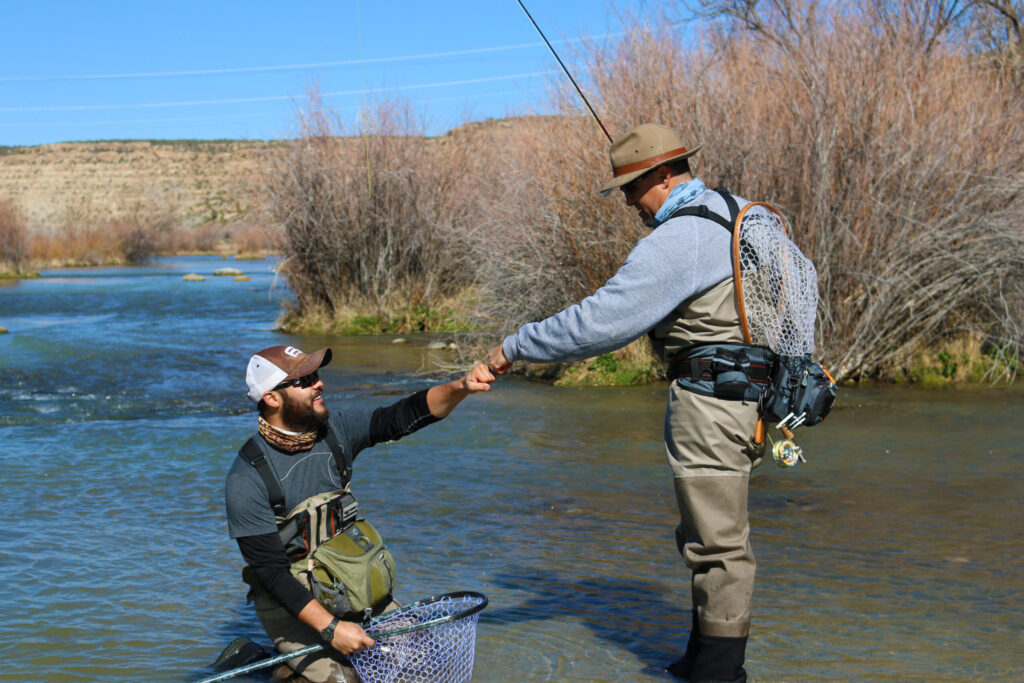
Hunting & Fishing Access

America’s 640 million acres of national public lands provide irreplaceable hunting and fishing opportunities to millions of Americans.

Learn More About Access
What TRCP is Doing

We’re working to safeguard America’s public lands so hunters and anglers always have quality places to pursue their passions.
 Brian Flynn, Two Wolf Foundation
How Sportsmen Are Doing It Right

Brian Flynn, Two Wolf Foundation's Story

Following a distinguished career in the U.S. Army, lifelong outdoorsman Brian Flynn returned home from a deployment in Afghanistan and…

Hunting
Why It Matters

Key Issues for America’s Hunters

Your source for the latest policy updates, conservation challenges, and opportunities shaping America’s hunting traditions.

What TRCP is Doing

We’re fighting for meaningful policy changes that benefit wildlife, our waters, and the American landscapes that make our outdoor traditions possible.

 Ryan Sparks
How Sportsmen Are Doing It Right

Ryan Sparks's Story

TRCP’s “In the Arena” series highlights the individual voices of hunters and anglers who, as Theodore Roosevelt so famously said,…

Fishing
Why It Matters

Key Issues for America’s Anglers

Your source for the latest policy updates, conservation challenges, and opportunities shaping America’s fishing traditions.

What TRCP is Doing

We’re fighting for meaningful policy changes that benefit wildlife, our waters, and the American landscapes that make our outdoor traditions possible.

 David Mangum
How Sportsmen Are Doing It Right

David Mangum's Story

Capt. David Mangum is a YETI ambassador and outdoor photographer who utilizes his talents to produce media that inspire a…

Private Land
Why It Matters

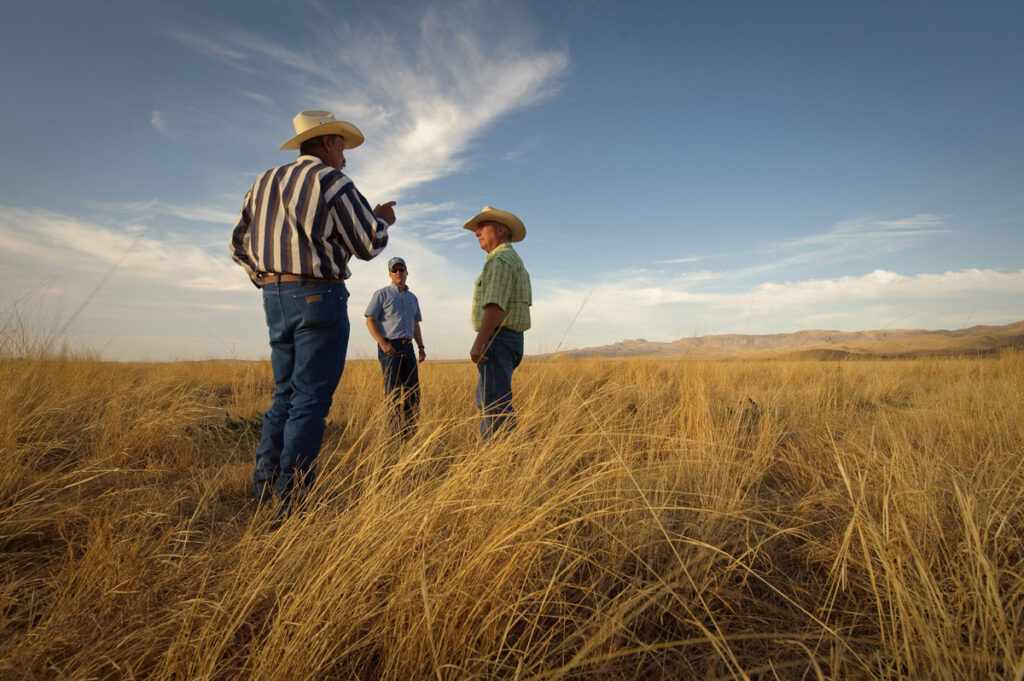
Stewardship on America’s private lands

With 70 percent of U.S. lands in private hands and many of our best hunt and fish opportunities occurring there, investing in voluntary conservation on working lands safeguards access, strengthens habitat and water quality, and ensures resilient landscapes.

Learn More
What TRCP is Doing

We champion policies and programs that restore wildlife habitat, improve soil and water health, and keep working lands productive.

 Ward Burton
How Sportsmen are Doing It Right

Ward Burton's Story

Ward Burton’s NASCAR driving career stretched across most of two decades. As an avid sportsman and conservationist, he founded the…

Special Places
Why It Matters

Special Places Worth Protecting

America’s most iconic landscapes provide unmatched habitat and unforgettable days afield. These places sustain wildlife, anchor local economies, and define the hunting and fishing traditions we pass down.

What TRCP is Doing

We’re working to conserve special places that provide world-class habitat and unforgettable opportunities for hunters and anglers.

 Franklin Adams
How Sportsmen Are Doing It Right

Franklin Adams's Story

As a true Gladesman, conservationist, and historian, Capt. Franklin Adams has spent more than six decades championing Everglades restoration efforts…

Habitat & Clean Water
Why It Matters

Healthy Habitat Powers Every Pursuit

All hunting and fishing opportunities depend on quality habitat, from clean water and healthy wetlands to winter and summer habitats and the migration corridors that connect them.

All About Habitat & Clean Water
What TRCP is Doing

We are working to safeguard the habitats that power every hunting and fishing opportunity.

 Alex Harvey
How Sportsmen Are Doing It Right

Alex Harvey's Story

Alex Harvey, founder of Legacy Land Management, is a registered professional forester in Mississippi and Alabama with a Master's degree…

Science
Why It Matters

Science That Guides TRCP

From conserving migration corridors and wetlands to ensuring clean water and resilient landscapes, science provides evidence that turns conservation goals into effective action.

Science for Conservation
What TRCP is Doing

For hunters and anglers, science safeguards the experiences we treasure including resilient big game populations, abundant fish, and wild places that endure changing social landscapes.

Jamelle Ellis
Your Science Expert

Jamelle Ellis's Story

Jamelle Ellis joined the Theodore Roosevelt Conservation Partnership in 2022. Jamelle spent the last three years as an environmental sustainability…

Where We Work
Across the Nation

Conservation Across America

TRCP works across the country to ensure hunters and anglers can enjoy healthy fish and wildlife and quality days afield, no matter where they live.

See All Issues
TRCP in Your Region

TRCP works across the country to ensure hunters and anglers can enjoy healthy fish and wildlife and quality days afield, no matter where they live.

Who We Are
Our Mission

To guarantee all Americans quality places to hunt & fish

We unite and amplify our partners’ voices to advance America’s legacy of conservation, habitat, and access.

Our Mission & Values
Our People & Partners
  • Meet the TRCP Team

    Our staff and board members unite and amplify our partners’ voices to advance America’s legacy of conservation, habitat, and access.

    Meet the Team
  • Our Partners

    ‘Partnership’ is in our name. We work with 64 diverse partner groups that represent today’s leading hunting, fishing, and conservation organizations in order to strengthen the sportsman’s voice in Washington, D.C.

    Our Partners
  • Corporate Council

    TRCP’s Corporate Council is made up of diverse corporations that share a common passion for conservation.

    Corporate Council
Our Organization

Looking for more information?

Explore our latest news, policy updates, and conservation resources to get the information you need.

Giving
How You Can Help

To guarantee all Americans quality places to hunt & fish

Your tax-deductible donation will support TRCP's mission, now and into the future.

DONATE
Special Ways to support trcp
  • Capital Conservation Awards Dinner

    The CCAD is one of Washington's best-attended conservation celebrations, featuring dinner, cocktails, and a silent auction.

    Learn More
  • Step Into the Arena

    Help us ensure that our treasured wild habitats and game remain intact for the next generation to enjoy – lend your support to the TRCP’s efforts today!

    Donate
  • Roosevelt Roast

    TRCP has partnered with Afuera Coffee Co. to further our commitment to conservation.

    Learn More
More donation options

Find the best way for you to lend your support. Join one of TRCP’s donor circles for special invitations, premium offerings from outdoor retailers, and more exclusive benefits. Take control of your legacy with planned giving or contribute to special conservation funds.

Other Ways To Give
News
In the Spotlight

The Next Step for the Tongass

Hunters and Anglers Can Help Shape the Forest Plan.

Read More

Stay Informed

Receive our newsletter, the Roosevelt Report, right in your inbox. Never miss the latest news in conservation issues.

by:

posted in:

September 15, 2022

SB-TRCP-Hart-3654-hiker-1200

Do you have any thoughts on this post?

XHTML: You can use these tags: <a href="" title=""> <abbr title=""> <acronym title=""> <b> <blockquote cite=""> <cite> <code> <del datetime=""> <em> <i> <q cite=""> <s> <strike> <strong>

Comments must be under 1000 characters.

by:

posted in:

September 14, 2022

What Hunters and Anglers Need to Know About the CRP Improvement Act

New legislation could boost the acreage and impact of hunters’ favorite Farm Bill conservation program

The Conservation Reserve Program is one of the most effective and impactful Farm Bill conservation programs ever implemented, and recently introduced legislation has the potential to make it even better. Proposed by Senators Thune (R-S.D.) and Klobuchar (D-Minn.), the bipartisan Conservation Reserve Program Improvement Act would add landowner incentives that have the potential to boost CRP acreage and improve wildlife habitat and water quality, leading directly to more and better opportunities for hunters and anglers.

Unlike other important U.S. Department of Agriculture conservation programs, the CRP did not get a recent boost in funding.

Legislation that is introduced before the massive Farm Bill, like the CRP Improvement Act, helps hunters and anglers push for the programs that mean the most to us just as debate is heating up. Here’s what you need to know about this bill.

Conservation Reserve Program Basics

Introduced as part of the 1985 Farm Bill, the CRP pays farmers to retire highly erodible farmland from production. Its original goals were to reduce soil erosion and support farm income, but it quickly became clear that the CRP was just as valuable for wildlife and fisheries as it was for farmers. By returning marginal cropland to grasslands, wetlands, and forests, the CRP created millions of acres of wildlife habitat while also filtering water, sequestering carbon, and preserving biodiversity.

Despite this success, reduced rental rates, complicated application processes, and a lack of cost share flexibility has caused some landowners to avoid applying. Conservation-minded groups have worked for years to add commonsense flexibility and improved incentives to the program in ways that don’t compromise its conservation benefits. Now, the CRP Improvement Act could make some of this happen.

What the CRP Improvement Act Does

The new legislation continues the trend of added flexibility, targeted application, and improved outcomes in the CRP. Specifically, the CRP Improvement Act would:

  1. Reinstate cost sharing for mid-contract management. Periodic management of CRP through weed control, prescribed fire, or targeted grazing or mowing is necessary to maintain quality habitat, so landowners in CRP contracts are required to perform management activities near the midpoint of their ten- or 15-year contracts. Unfortunately, federal cost sharing for mid contract management was eliminated in the 2018 Farm Bill, leaving landowners on the hook for these costs and discouraging new enrollment. The CRP Improvement Act reinstates this cost share for all approved practices other than grazing and haying, which will lead to both more enrollment and better management and environmental outcomes.
  2. Add cost sharing for CRP grazing infrastructure. Depending on how and where it is applied, livestock grazing can be beneficial or detrimental to wildlife habitat. The grasslands of the Great Plains evolved with grazing, which supports wildlife by maintaining plant diversity there. The CRP Improvement Act provides cost sharing for grazing infrastructure, like fencing and water development, “if grazing is included in the conservation plan and addresses a resource concern.” Having fencing and water in place makes CRP lands more valuable as emergency livestock forage reserves during drought, adding an incentive to farmers and ranchers. And after grazing infrastructure is set up, landowners are less likely to convert grasslands back into cropland at the end of a CRP contract. In the long term, this seemingly small investment has the potential to support more grass-based agriculture and more diverse farming operations, benefiting both rural economies and wildlife.
  3. Permanently authorize the State Acres for Wildlife Enhancements (SAFE) initiative. SAFE enrolls acreage and encourages management practices that benefit priority wildlife in individual states. These practices are chosen by local biologists and tailored to a specific region. As an example, the states of South Dakota and Minnesota have used SAFE to prioritize enrolling tallgrass prairie acreage for pheasant habitat and water quality. In Georgia, SAFE acreage has been targeted toward native pine savannas, excellent habitat for bobwhite quail. Specific Farm Bill language that prioritizes SAFE ensures that the CRP is much more than a land retirement program and is a win for hunters and anglers nationwide.
  4. Increase the CRP rental payment limitation. Enrollment in the CRP by an individual landowner is currently capped by a $50,000 limitation for rental payments. This limitation has not changed since the original Food Security Act of 1985, and simply doesn’t reflect current farmland rental rates. By raising this limitation to $125,000—still less than if that $50,000 limit had been tied to inflation when created—the CRP Improvement Act would allow conservation-minded landowners to enroll more of their land in the CRP. This has the potential to create more contiguous habitat and remove a barrier to enrolling high-impact acreage.
What to Watch for Next

The CRP Improvement Act is a great example of bipartisan legislation that builds on the success of Farm Bill conservation programs. It is being proposed at an excellent time, just as all parties gear up for the 2023 Farm Bill. There are a couple of things hunters and anglers should keep in mind, both in this bill and in upcoming Farm Bill discussions.

Adding flexibility, production value, and management incentives to the CRP is a great way to gain support from farmers and ranchers, but we have to ensure that it doesn’t reduce the CRP’s conservation value. For this bill to be successful, any haying, livestock grazing, or associated infrastructure needs to be well-planned and targeted toward conservation outcomes. The same must be true for future Farm Bill proposals.

Other tweaks to the CRP—like increased funding, more competitive rental rates, and a better application ranking process—are still needed. But this bill is a clear demonstration that across-the-aisle partnerships on commonsense legislation are still possible. We need to promote this kind of cooperation, and we should keep a close eye on upcoming proposals that would modify the Farm Bill conservation title—for better or worse. Hunters and anglers need to show a united front in support of quality habitat nationwide and supporting the CRP Improvement Act is a good start.


Photo by @NickMKE on Flickr.

by:

posted in:

September 13, 2022

Four Major Threats to Restored Big Game Populations in the Northern Great Basin

This third installment of a four-part series on the Hart Mountain National Antelope Refuge gives a big-picture look at the basic ecology of the region and identifies some of the management challenges the refuge faces today. Read on to learn what is limiting the health of big game populations within these unique public lands.

Thousands of petroglyphs scattered across the black basalt rim-rock convey the importance that the Hart Mountain region has long held as a place for wildlife and hunters. The drawings, some of them from more than 6,500 years ago, show how the Northern Paiute fished, hunted, and lived along the shore of the Warner Lakes, at the base of the mountain, and moved higher to hunt pronghorn and big game during the summer.

Later, in the 1920s, biologists recognized the region as the potential cornerstone of an ambitious plan to re-establish abundant herds of pronghorn antelope. This was reliant on the area’s unique ecology.

The Hart Mountain National Antelope Refuge lies in the heart of the Northern Basin and Range ecoregion and is part of the greater sagebrush steppe ecosystem, which occupies more than 165 million acres across 13 Western states. The Cascade Mountains create a rain shadow that anchors sagebrush, bunchgrass, and forbs as the dominant vegetation. Elevations are high, between 4,500 and 8,017 feet at the top of highest point on the refuge, Warner Mountain. This high-elevation, semi-arid climate creates a region known for extremes.

The refuge acts as an elevational island, which sets the vegetation apart from the lower and drier surrounding Bureau of Land Management lands. At its highest elevations, Hart Mountain accumulates considerably more winter snowpack and acts as a sponge that trickles out water throughout a lifeline of streams and wet meadows during the summer growing season. Snowmelt facilitates abundant growth of aspens, mountain mahogany, bitterbrush, chokecherry, and even ponderosa pine stands, which provide key summer range, forage, and cover for countless species.

Years ago, many groups—including the National Audubon Society and Boone and Crockett Club—worked together to advocate for hundreds of thousands of acres of this high-value habitat to be set aside for wildlife and managed as part of the National Wildlife Refuge System. Today, more than 800,000 acres on the Hart-Sheldon Refuge complex are managed by the U.S. Fish and Wildlife Service with a one-of-a-kind mission to manage for wildlife above all other uses.

But this land of extremes also presents significant challenges for wildlife managers. Over the past two decades, populations of mule deer, bighorn sheep, and sage grouse have been declining both on the refuge and across the region. There are many reasons for this, but a few causes stand out as particularly concerning to the health of big game in the sagebrush steppe ecosystem—here are four.

Climate Change

Climate change is taking a toll on wildlife habitat across the West, and the Northern Great Basin is seeing some of the most drastic impacts. The spread of invasive annual grasses, such as medusahead, ventenata, and cheatgrass, diminish native plant communities, reduce the forage available to wildlife and livestock and—perhaps most concerning—alter the historic fire regimes that once helped to maintain the sagebrush steppe. Invasive annuals dry out much quicker during the growing season and create finer fuels that ignite quickly, compared to native perennial bunch grasses. Once invasive annual grasses gain a toehold, they tend to increase the frequency, intensity, and spread of fires, which can damage or replace critical sagebrush and bunchgrass that is more adapted to infrequent, patchy fires.

Rangeland ecologists are also seeing increasingly prolonged and persistent drought cycles in the Intermountain West. These droughts are tough on mule deer, bighorn sheep, and all other wildlife, because they shorten the growing season and decrease the availability of key nutrients needed to sustain pregnant does and ewes through the long winters.

In much of its range, western juniper has increased tenfold in the past 130 years. And rapid expansion of encroaching juniper forests is exacerbated by all of the conditions mentioned above. Warming temperatures, increased CO2 in the atmosphere, changing fire regimes, and historic overgrazing have all helped junipers spread, and their long, deep taproots steal from the limited water available to native plants during a drought. Additionally, these juniper forests can create places where predators have a much better advantage over prey species like sage grouse, mule deer, and bighorn sheep, upending the balance in the food chain.

Wildlife managers need additional resources to fight these effects of climate change.

Recreational Changes and Increased Public Use

One lesson of the COVID-19 pandemic was that our public lands are a treasured resource, and people are enjoying them in ever-growing numbers and a myriad of ways. Trail runners, mountain bikers, OHV users, equestrians, wildlife watchers, and hunters increasingly compete for a limited amount of space that also serves as habitat for wildlife. The public use of the refuge—and all public lands in the West—has increased drastically since the turn of the 21st century. Hunting seasons and tag allotment on the refuge are tightly regulated to limit the level of habitat disturbance, but more people are using the refuge for hiking, biking, and wildlife watching than in recent history. Right now, these activities come with less regulation aimed at limiting impacts to big game.

Energy Development

Last year, Oregon signed into law House Bill 2021, which requires the state to transition to 100-percent clean energy by 2040. While this is needed to combat the effects of climate change, there are growing pressures to site renewable energy projects on landscapes within the Great Basin, where solar and wind energy potential is high. Future renewable energy projects will need to be carefully planned to ensure that they limit and/or mitigate for any impacts to important wildlife habitat, including winter range, stopover areas, and migration corridors. The lands within the refuge are off-limits to energy development, but adjacent habitat could be considered for development under existing BLM management plans, thus affecting the refuge’s big game.

Wild Horses and Burros

Despite the legal classification as “wild” on federal land, free-roaming horses and burros are non-native, feral livestock that do not have any natural predators and can create significant detrimental impacts to native ecosystems within sagebrush steppe habitat. Currently, there are an estimated 86,000 wild horses and burros on BLM and national forest lands, which exceeds the agencies’ Appropriate Management Levels by more than 300 percent. The quality of habitat for wildlife in many places within the West is declining as a result.

These impacts are elevated by a changing climate. Native species like bighorns, mule deer, and pronghorn antelope are being negatively affected as they compete for limited forage and water resources.

Similar to the threat from energy development, the Hart and Sheldon refuges themselves are protected—the U.S. Fish and Wildlife Service has utilized its wildlife-first mandate to remove all wild horses and burros from both refuges in recent years—but neighboring BLM lands continue to suffer. This affects the bigger picture for game species in the region and underscores the importance of preserving the wildlife-focused management of these important refuge lands.

All photos by Sage Brown. Find him on Instagram @sagebrown.

Stay tuned for the final blog in this series, where I’ll outline some ways the U.S. Fish and Wildlife Service can improve wildlife habitat on the refuge by revising its Comprehensive Conservation Plan, which was created in 1994 and is long obsolete.

by:

posted in:

September 6, 2022

Whit Fosburgh Given Minority Outdoor Alliance’s Inclusion and Unity Award

At 2nd annual outdoor festival, MOA celebrates and honors five leaders who are bold in making cultural change a personal and organizational priority

The Minority Outdoor Alliance is proud to announce the recipients of its Inclusion and Unity Awards, recently presented at its 2nd Annual MOA Fest: Rue Mapp, CEO and founder of Outdoor Afro (Trailblazer Honoree); Whit Fosburgh, president and CEO of the Theodore Roosevelt Conservation Partnership; Howard Vincent, CEO of Pheasants Forever and Quail Forever; Becky Humphries, CEO of the National Wild Turkey Federation; and Kris Rockwell, trustee of the S. Kent Rockwell Foundation.

Fosburgh’s award was accepted on his behalf at the event by TRCP’s director of strategic partnerships, Jared Romero.

MOA co-founders Durrell and Ashley Smith created the Inclusion and Unity Awards to recognize and honor leaders who are bold in making culture change a personal and organizational priority.

“As a society, we are navigating uncharted waters as we create a more diverse, more equitable, and more inclusive world,” says Ashley Smith, an attorney and the Minority Outdoor Alliance’s CEO. “This massive culture change will only work if it is modeled and implemented by emotionally intelligent leaders who champion the cause as not only a moral imperative but also as an essential skill set to solve the challenges of our times. It is fantastic that there is so much conversation regarding culture change, but we must begin to steer the ship from vision to action, and the leaders that we honored with these awards take up the responsibility to drive change through action and encourage their organizations to do the same.”

In the annual one-of-a-kind celebration, the Minority Outdoor Alliance welcomed all sportsmen and women to expose the joys of the sporting life to those unfamiliar with its activities. With over 3,200 acres of rolling hills, oak forests, and native grasses, ORVIS® Pursell Farms served as an incomparable venue for the weekend-long August event. Activities included a sporting clays competition, archery lessons presented by the Alabama Department of Natural Resources, wild game cooking demonstrations, fly fishing and casting clinics presented by Orvis instructors, law enforcement presentations by the South Carolina Department of Natural Resource, a scholarship presentation of $10,000 in partnership with the S. Kent Rockwell Foundation, and much more.

The Minority Outdoor Alliance’s goal is to expand the narrative of the outdoors through education, engagement, and media. The organization also strives to form a multicultural community of lifelong outdoor enthusiasts, professionals, and conservationists. By engaging in policy work, facilitating signature DEI workshops across the nation, telling stories with authentic voices, and creating pipelines for minority advancement, the Minority Outdoor Alliance intends to expand representation in the outdoors.

Smith believes that the two most important issues of our zeitgeist are DEI and conservation. “We are living in one of the most momentous times in history,” she says. “It is no coincidence that conversations regarding DEI and conserving natural resources are at the forefront of collective conversation. At this point, we must release the energy of our past and step into a future where there is an appreciation of the worth of all living beings and an appreciation of the worth of our natural world. The Minority Outdoor Alliance is a service to the world that my husband and I love to provide, because it is a solution that enables us to unite members of different communities for the cause of conservation. It is imperative that every single human being understands the urgency of caring for our natural resources and that we all learn to work together to conserve as much of the natural world as we can so that it is here for our posterity.”

The Title Sponsor for MOA Fest 2022 was Eukanuba. The festival was also supported by Georgia Power, the Orvis Company, the S. Kent Rockwell Foundation, Theodore Roosevelt Conservation Partnership, Pheasants Forever, REI, Beretta, the National Wildlife Turkey Federation, YETI, Georgia River Network, and Backcountry Hunters and Anglers. The Minority Outdoor Alliance is grateful to all of its sponsors who share the vision of creating a more inclusive outdoor community.

by:

posted in:

September 1, 2022

MeatEater and TRCP Thank Montana Landowners Who Provide Hunter Access

Selected enrollees in FWP’s Block Management Access program received gifts and thank-you notes hand-delivered on behalf of Montana hunters

Forty-six Montana landowners who provide public access to hunters through the state’s Block Management Access program are receiving new Stihl chainsaws and $200 Visa Check Cards as well as handwritten thank-you notes in an effort organized by MeatEater and the Theodore Roosevelt Conservation Partnership.

The recipients of these thank-you packages were randomly selected from across all seven of Montana Fish, Wildlife & Parks’ regions. Funding to support the effort was raised last year by TRCP and MeatEater through the Montana Farm and Ranch Access Appreciation Sweepstakes.

“Block Management Access is one of the most important programs for hunters in our state—both resident and non-resident alike—and we wanted enrollees to know how much the everyday Montana sportsman and sportswoman appreciates their generosity,” said Ryan Callaghan, director of conservation for MeatEater. “Delivering these gift packages and thank-you notes in person allowed us to shake hands, share stories, and learn more about the experiences of ranchers and other landowners who offer access to the public. Those types of face-to-face conversations have historically been a key part of the relationship between the hunting and landowner communities in our state.”

The entire statewide Block Management program provides approximately 600,000 hunter days each year on around 7 million acres of private land. Whether these properties are enrolled in Type 1 (reservations required) or Type 2 (self-administered access) Block Management, they provide outstanding opportunities for the general public to pursue a variety of species, particularly in areas where public land access may be limited.

Participation in the program by private landowners is entirely voluntary and determined on an annual basis. While landowners are compensated by the state primarily through per-hunter-day impact payments, those amounts are capped and far less than the rates that could be charged if a property owner decided to instead lease access to an individual or outfitter.

“The success of Montana’s Block Management Program relies on landowners across the state who provide excellent opportunities for hunters. We know access improves when landowners feel respected and appreciated for the access they provide. I’m grateful to the many hunters who stepped up through this campaign to show their appreciation to the block management cooperators,” said FWP Director Hank Worsech.

“Access is foremost among the challenges that face hunters across the country, and voluntary programs that open private property to sportsmen and sportswomen are critically important,” said Joel Webster, vice president of Western conservation for the TRCP. “Montana Fish, Wildlife & Parks’ Block Management Access provides high quality opportunities all across our state, and we thought this would be a meaningful way to show how much the program means to the public and how much we appreciate the willingness of landowners to participate in it.”

Interviews with select landowners who received thank-you packages can be heard on Episode 171 of the “Cal’s Week in Review” podcast.

HOW YOU CAN HELP

TRCP has partnered with Afuera Coffee Co. to further our commitment to conservation. $4 from each bag is donated to the TRCP, to help continue our efforts of safeguarding critical habitats, productive hunting grounds, and favorite fishing holes for future generations.

Learn More

You have Successfully Subscribed!

You have Successfully Subscribed!

You have Successfully Subscribed!

You have Successfully Subscribed!