Our Issues
Public Lands
Why It Matters

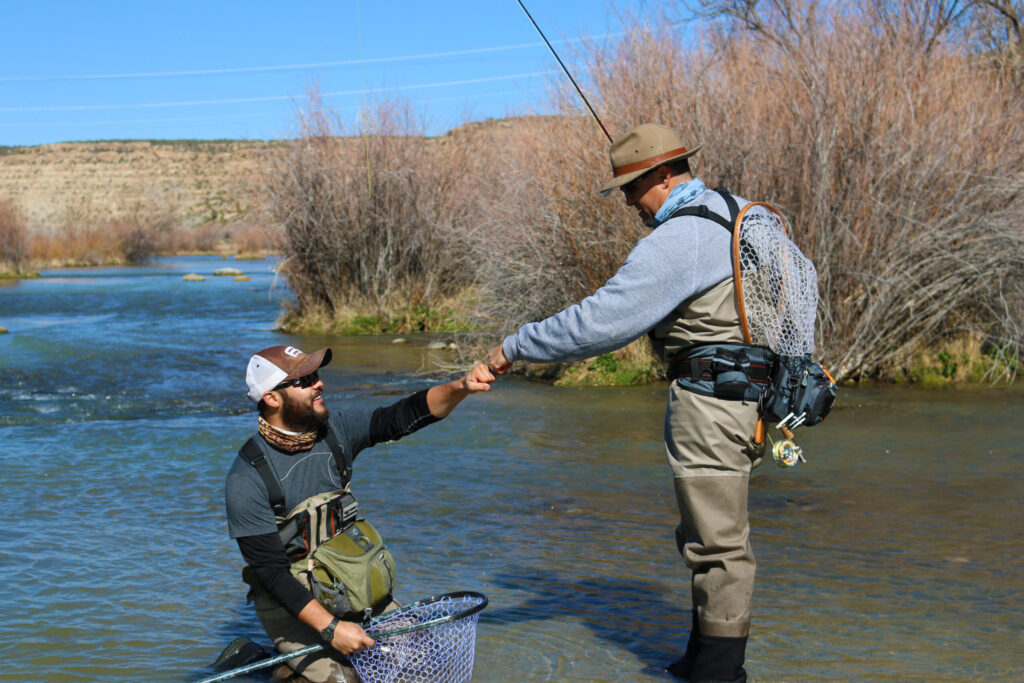
Hunting & Fishing Access

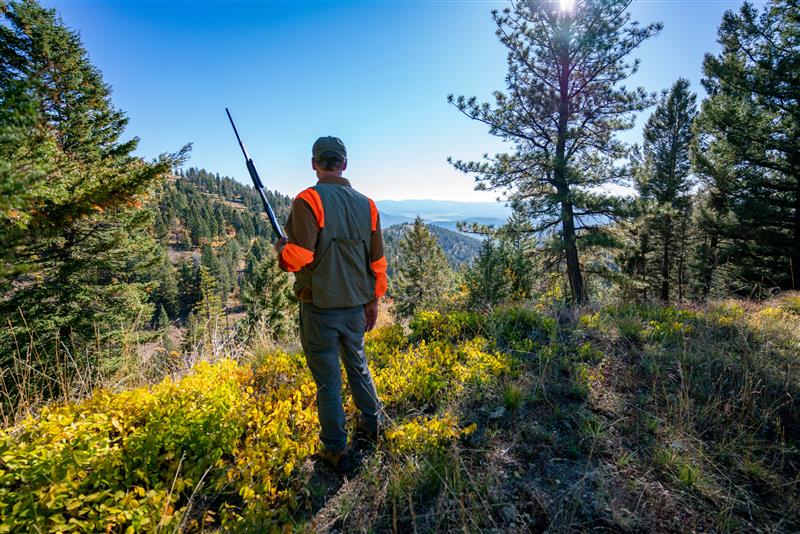
America’s 640 million acres of national public lands provide irreplaceable hunting and fishing opportunities to millions of Americans.

Learn More About Access
What TRCP is Doing

We’re working to safeguard America’s public lands so hunters and anglers always have quality places to pursue their passions.
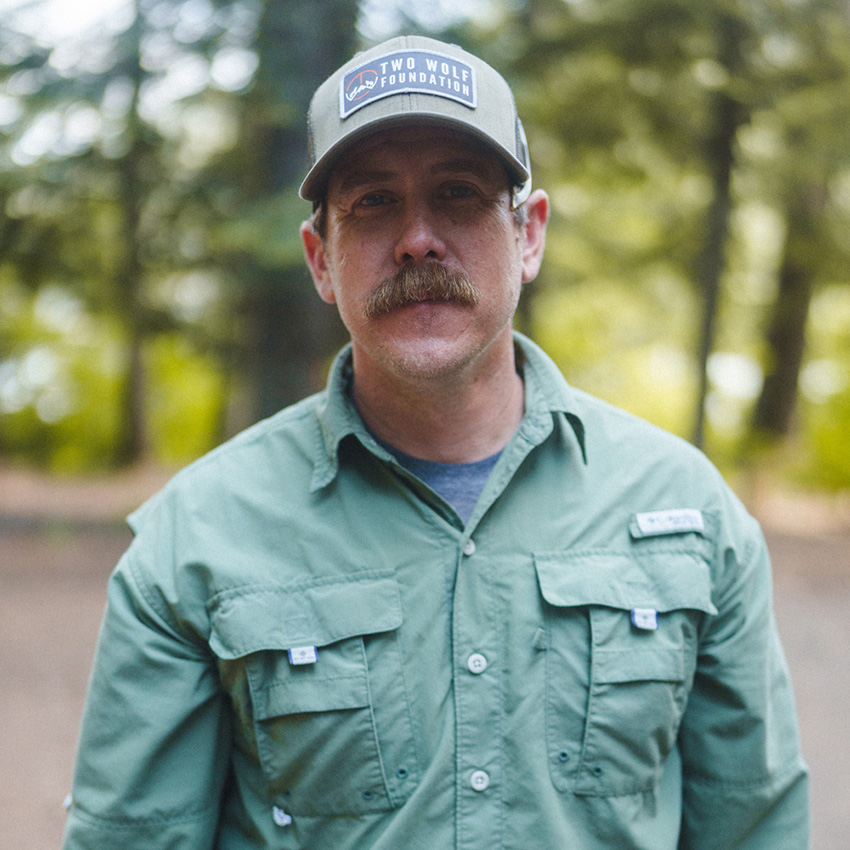
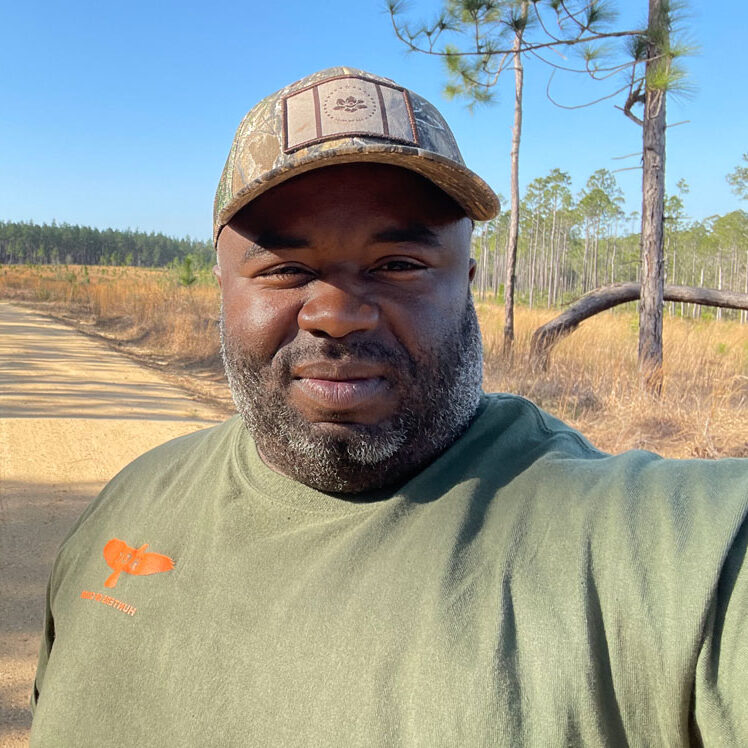
 Brian Flynn, Two Wolf Foundation
How Sportsmen Are Doing It Right

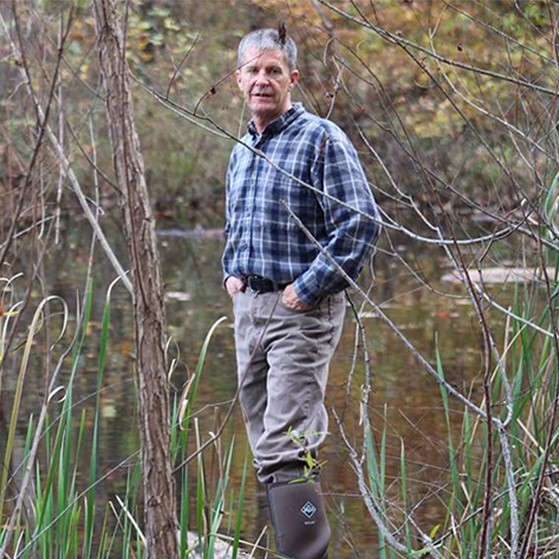
Brian Flynn, Two Wolf Foundation's Story

Following a distinguished career in the U.S. Army, lifelong outdoorsman Brian Flynn returned home from a deployment in Afghanistan and…

Hunting
Why It Matters

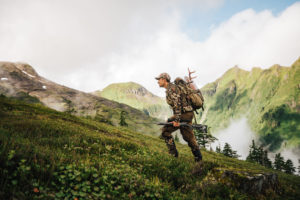
Key Issues for America’s Hunters

Your source for the latest policy updates, conservation challenges, and opportunities shaping America’s hunting traditions.

What TRCP is Doing

We’re fighting for meaningful policy changes that benefit wildlife, our waters, and the American landscapes that make our outdoor traditions possible.

 Ryan Sparks
How Sportsmen Are Doing It Right

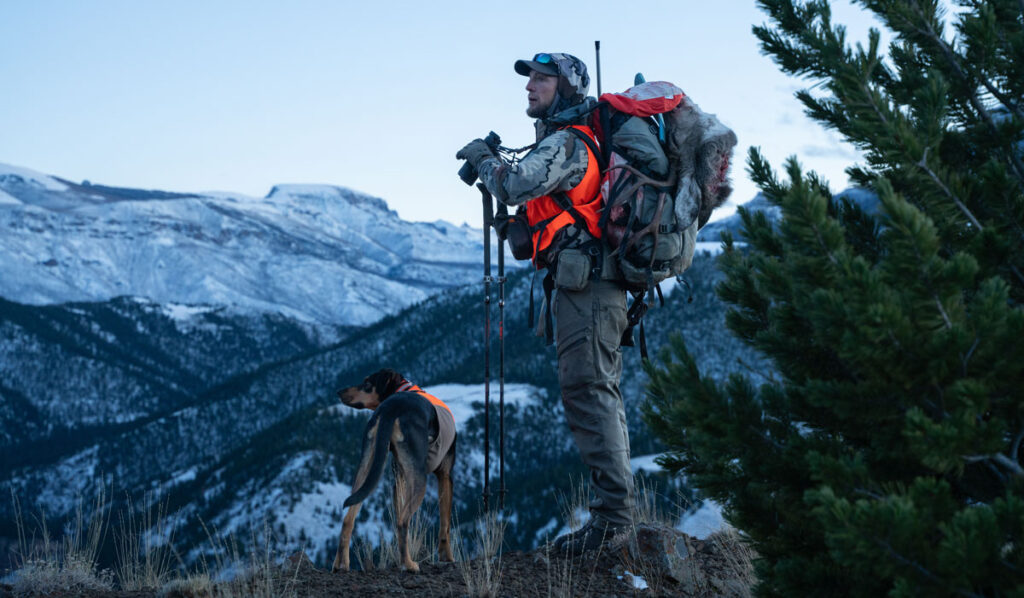
Ryan Sparks's Story

TRCP’s “In the Arena” series highlights the individual voices of hunters and anglers who, as Theodore Roosevelt so famously said,…

Fishing
Why It Matters

Key Issues for America’s Anglers

Your source for the latest policy updates, conservation challenges, and opportunities shaping America’s fishing traditions.

What TRCP is Doing

We’re fighting for meaningful policy changes that benefit wildlife, our waters, and the American landscapes that make our outdoor traditions possible.

 David Mangum
How Sportsmen Are Doing It Right

David Mangum's Story

Capt. David Mangum is a YETI ambassador and outdoor photographer who utilizes his talents to produce media that inspire a…

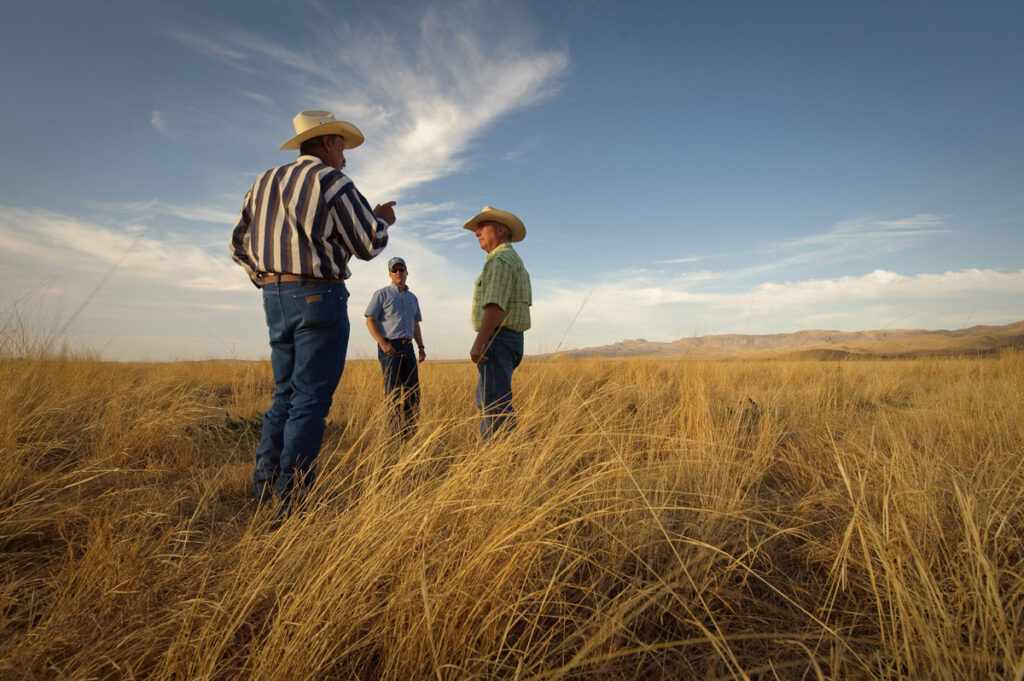
Private Land
Why It Matters

Stewardship on America’s private lands

With 70 percent of U.S. lands in private hands and many of our best hunt and fish opportunities occurring there, investing in voluntary conservation on working lands safeguards access, strengthens habitat and water quality, and ensures resilient landscapes.

Learn More
What TRCP is Doing

We champion policies and programs that restore wildlife habitat, improve soil and water health, and keep working lands productive.

 Ward Burton
How Sportsmen are Doing It Right

Ward Burton's Story

Ward Burton’s NASCAR driving career stretched across most of two decades. As an avid sportsman and conservationist, he founded the…

Special Places
Why It Matters

Special Places Worth Protecting

America’s most iconic landscapes provide unmatched habitat and unforgettable days afield. These places sustain wildlife, anchor local economies, and define the hunting and fishing traditions we pass down.

What TRCP is Doing

We’re working to conserve special places that provide world-class habitat and unforgettable opportunities for hunters and anglers.

 Franklin Adams
How Sportsmen Are Doing It Right

Franklin Adams's Story

As a true Gladesman, conservationist, and historian, Capt. Franklin Adams has spent more than six decades championing Everglades restoration efforts…

Habitat & Clean Water
Why It Matters

Healthy Habitat Powers Every Pursuit

All hunting and fishing opportunities depend on quality habitat, from clean water and healthy wetlands to winter and summer habitats and the migration corridors that connect them.

All About Habitat & Clean Water
What TRCP is Doing

We are working to safeguard the habitats that power every hunting and fishing opportunity.

 Alex Harvey
How Sportsmen Are Doing It Right

Alex Harvey's Story

Alex Harvey, founder of Legacy Land Management, is a registered professional forester in Mississippi and Alabama with a Master's degree…

Science
Why It Matters

Science That Guides TRCP

From conserving migration corridors and wetlands to ensuring clean water and resilient landscapes, science provides evidence that turns conservation goals into effective action.

Science for Conservation
What TRCP is Doing

For hunters and anglers, science safeguards the experiences we treasure including resilient big game populations, abundant fish, and wild places that endure changing social landscapes.

Jamelle Ellis
Your Science Expert

Jamelle Ellis's Story

Jamelle Ellis joined the Theodore Roosevelt Conservation Partnership in 2022. Jamelle spent the last three years as an environmental sustainability…

Where We Work
Across the Nation

Conservation Across America

TRCP works across the country to ensure hunters and anglers can enjoy healthy fish and wildlife and quality days afield, no matter where they live.

See All Issues
TRCP in Your Region

TRCP works across the country to ensure hunters and anglers can enjoy healthy fish and wildlife and quality days afield, no matter where they live.

Who We Are
Our Mission

To guarantee all Americans quality places to hunt & fish

We unite and amplify our partners’ voices to advance America’s legacy of conservation, habitat, and access.

Our Mission & Values
Our People & Partners
  • Meet the TRCP Team

    Our staff and board members unite and amplify our partners’ voices to advance America’s legacy of conservation, habitat, and access.

    Meet the Team
  • Our Partners

    ‘Partnership’ is in our name. We work with 64 diverse partner groups that represent today’s leading hunting, fishing, and conservation organizations in order to strengthen the sportsman’s voice in Washington, D.C.

    Our Partners
  • Corporate Council

    TRCP’s Corporate Council is made up of diverse corporations that share a common passion for conservation.

    Corporate Council
Our Organization

Looking for more information?

Explore our latest news, policy updates, and conservation resources to get the information you need.

Giving
How You Can Help

To guarantee all Americans quality places to hunt & fish

Your tax-deductible donation will support TRCP's mission, now and into the future.

DONATE
Special Ways to support trcp
  • Capital Conservation Awards Dinner

    The CCAD is one of Washington's best-attended conservation celebrations, featuring dinner, cocktails, and a silent auction.

    Learn More
  • Step Into the Arena

    Help us ensure that our treasured wild habitats and game remain intact for the next generation to enjoy – lend your support to the TRCP’s efforts today!

    Donate
  • Roosevelt Roast

    TRCP has partnered with Afuera Coffee Co. to further our commitment to conservation.

    Learn More
More donation options

Find the best way for you to lend your support. Join one of TRCP’s donor circles for special invitations, premium offerings from outdoor retailers, and more exclusive benefits. Take control of your legacy with planned giving or contribute to special conservation funds.

Other Ways To Give
News
In the Spotlight

The Next Step for the Tongass

Hunters and Anglers Can Help Shape the Forest Plan.

Read More

Stay Informed

Receive our newsletter, the Roosevelt Report, right in your inbox. Never miss the latest news in conservation issues.

by:

posted in:

February 18, 2022

51828016489_1e58dab1f3_k

Do you have any thoughts on this post?

XHTML: You can use these tags: <a href="" title=""> <abbr title=""> <acronym title=""> <b> <blockquote cite=""> <cite> <code> <del datetime=""> <em> <i> <q cite=""> <s> <strike> <strong>

Comments must be under 1000 characters.

by:

posted in:

February 17, 2022

Six Ways to Help Farmers, Foresters, and Ranchers Combat Climate Change

We were proud to support a broad coalition effort to identify priority policies for improving private land habitat and capture more carbon

The TRCP has long been a vocal advocate for farmers, foresters, and ranchers who are strong partners in conservation. This commitment is most recently shown through our membership in the Bipartisan Policy Council Farm and Forest Carbon Solutions Task Force, a group of organizations working together to develop policy proposals that enhance climate-smart agriculture and forestry practices. We’re proud to support the resulting recommendations that recognize and incentivize actions by private landowners to invest in the productivity of their land, while delivering better wildlife habitat, more hunting and fishing access, greater resilience to the effects of climate change, and increased carbon stored in soils, forests, and wood products.

The task force recommendations cover a range of actions across six broad policy objectives. Here are some of the highlights.

Start With What’s Already Working

The task force recommended expanding existing Farm Bill programs that already deliver climate benefits and offer pathways to new market opportunities for farmers, ranchers, and forest landowners. To do this, Congress should double funding for USDA conservation programs. Conservation practices have been proven to improve habitat while also storing and sequestering more carbon. The TRCP supports boosting funding to deliver increased carbon sequestration and soil health, rather than borrowing from existing funding that supports much-needed wildlife and water quality. Learn more about Farm Bill conservation programs and take action in support of doubling investments in private land habitat.

Give Landowners More On-the-Ground Support

With new opportunities for landowners to implement natural climate solutions, there’s also a need to expand technical assistance to support them and address related workforce needs. The USDA should recruit private-sector partners to work with their Extension offices and provide training on climate-smart practices. Farmers, ranchers, and foresters can play a pivotal role in addressing climate change, but most don’t know how or where to start. When they do look for help, it’s usually within their own community or from trusted representatives, including agricultural retailers, cooperatives, seed and feed companies, other landowners, procurement foresters, and nonprofits. Many of the TRCP’s partners regularly serve in this capacity with existing networks and should be leveraged to expand access to and engagement with USDA programs.

At the same time, the administration should strengthen USDA’s data and technology capacity to allow farmers, foresters, ranchers, and other landowners to more easily estimate the impact of adopting climate-smart practices on their land. Providing clarity and supporting their decision-making would maximize the benefits—including better habitat—of natural climate solutions.

Strengthen Carbon Markets

The task force also recommends that Congress pass the Growing Climate Solutions Act and the Rural Forest Markets Act, which would reduce barriers to entry for voluntary carbon markets, improve market integrity, and create jobs. Together, these bills establish trusted and credible third-party verifiers and technical service providers and offer guaranteed federal loans to voluntarily manage land that generates carbon credits while improving habitat and air and water quality.

USDA should use the Commodity Credit Corporation, which provides U.S. producers with financial assistance, to support piloting of climate-smart practices. By lowering the transaction cost for landowners and leveraging carbon markets, this initiative can promote innovation and test new tools. Priority should be given to projects and practices that provide other co-benefits, such as improvement in habitat, access, or air and water quality.

Tie Conservation to More Successful Farming

To help overcome barriers to the broad adoption of natural climate solutions, the USDA should conduct a comprehensive study to compare the impacts of conservation practices on crop yields and insurance payouts under the Federal Crop Insurance Program from yield losses attributed to drought, flooding, and other extreme weather events. We believe the findings from this study would confirm that conservation practices reduce losses and offer co-benefits in terms of carbon sequestration and emission reductions. The study would also help underscore the need for an improved crop insurance program that incentivizes reducing climate risk.

Support Forest, Grassland, and Sagebrush Restoration

There is also a need to enhance resilience to wildfire, drought, insects, disease, and invasive species on a landscape scale through reforestation, but we’ll need a doubling of the current output from tree nurseries to meet the demand. The task force is asking Congress to pass legislation to modernize and expand public and private seed collections and tree nurseries to support the scale-up of natural climate solutions like reforestation.

Congress should also establish and fund the North American Grasslands Conservation Act, a major initiative for the TRCP that is modeled after the highly successful North American Wetlands Conservation Act. The new bill would provide landowners with voluntary, flexible economic incentives and opportunities to help improve and conserve grasslands and sagebrush habitat while promoting carbon storage and sequestration.

Reduce Costs and Challenges

Finally, we stand behind the task force’s recommendation that decision-makers should foster innovation in the agriculture and forestry sectors to make natural climate solutions cheaper and easier to implement and to address measurement and monitoring challenges. Congress should provide increased funding across USDA research programs to enhance collaboration with other federal agencies, universities, and the private sector and improve the development of new technologies for landowners interested in implementing nature-based solutions. This work would build on existing innovation programs and accelerate scaling of successful approaches.


If implemented, these recommendations would provide a multitude of benefits for wildlife habitat, clean water, and the outdoor recreation economy, while spurring investment in rural communities and empowering farmers, foresters, ranchers, and other landowners to contribute to climate resilience.

For more information about the climate-smart policies backed by the hunting and fishing community, check out ourlandwaterwildlife.org.


Top photo courtesy of USDA NRCS Montana via Flickr.

by:

posted in:

A Record $1.5 Billion is Going to Conservation—Thanks to YOU

A portion of your gear, firearm, license, and boat fuel purchases helped to generate more funding than ever for the U.S. Fish and Wildlife Service to distribute for state work on conservation and outdoor recreation access

Hunters and anglers often engage in conservation through our words and actions, speaking up for sound policies and volunteering to plant native grasses, pick up trash, or band birds. But we also contribute financially to conservation through excise taxes on our hunting, shooting, and fishing equipment, including ammo and boat fuel.

This funding is sorely needed by state agencies that carry out habitat conservation and upkeep of outdoor recreation access points and facilities—and, fortunately, there’s quite a bit more of it this year. It was announced late last week that sportsmen and sportswomen generated a record-breaking $1.5 billion in conservation dollars for the Wildlife and Sport Fish Restoration Program.

You might know this funding source as the combined result of the Pittman-Robertson Act, or Federal Aid in Wildlife Restoration Act, which created an excise tax on firearms, ammunition, and archery equipment in 1937, and the Dingell-Johnson Federal Aid in Sport Fish Restoration Act, which created a similar tax on fishing tackle, boat equipment, and boat fuel in 1950.

The hunting and shooting side of our community brought in over $1.1 billion for conservation in the past year, while the fishing and boating side generated almost $400 million. Together, this shatters the previous high mark of $808 million distributed for conservation in 2015.

The Associated Press reports that Texas will receive the largest pot of funding ($71 million) followed by Alaska ($66 million) based on land and water area and the number of hunting and fishing license holders in the state. A state-by-state listing of how the funding will be spent can be found here.

To date, the U.S. Fish and Wildlife Service has distributed more than $25.5 billion in Wildlife and Sport Fish Restoration Program apportionments for state conservation and recreation projects, according to a Department of the Interior press release. The recipient state wildlife agencies have matched these funds with approximately $8.5 billion, primarily from hunting and fishing license revenues.

In the final days of 2019, Congress passed a package of its annual appropriations bills that implemented an important change to the Pittman-Robertson Act: Hunting and shooting equipment excise taxes can now be used to help recruit, retain, and reactivate new hunters and recreational shooters, a provision that was made in Dingell-Johnson and that successfully helped to grow the ranks of fishing participation in recent years.

The TRCP and our partners pushed for this change and, at the time of the bill’s passage, we called it “a landmark achievement” for the 116th Congress.

Pittman-Robertson and Dingell-Johnson are just two of the cornerstone sources of conservation funding in America, but we rely on many other federal investments in our lands and waters. Click here for a refresher on where your conservation dollars come from.


Top photo by New York State Department of Environmental Conservation via flickr

by:

posted in:

February 16, 2022

In the Arena: John Annoni

TRCP’s “In the Arena” series highlights the individual voices of hunters and anglers who, as Theodore Roosevelt so famously said, strive valiantly in the worthy cause of conservation.

John Annoni

Hometown: Allentown, Pennsylvania
Occupation: Public school teacher, author, and principal investigator – Cornell University
Conservation credentials: Founder of Camp Compass Academy, where he introduces urban students in grades five through twelve to conservation, hunting, fishing, and other outdoor activities

In 1994, John Annoni started out as a schoolteacher with a simple goal: To introduce a new generation of youth to America’s outdoor heritage through after-school activities. That effort has now turned into a life-changing year-round experience known as Camp Compass, where volunteer mentors make a difference in the inner city by sharing their knowledge of hunting, fishing, archery, and other outdoor activities, while providing tutoring assistance and much-needed social guidance for students aged 10 to 18. This award-winning non-profit program gives young people the exposure to outdoor activities that Annoni discovered as a child only with the help of books, relatives, neighbors, and his limited resources. We are inspired by his commitment to empowering others through these experiences, and we’re proud to share his words with you.

Here is his story.

They say if you don’t get love in one place, you’ll find it in another. I’m grateful that Mother Nature embraced me.

I was introduced to the outdoors while I was trying to avoid abuse in my home in the housing projects of Allentown, Pa. I have a chapter in one of my books about seeing a pheasant in the local junkyard, while I was hunting starlings and rats. It was quite a time in my life for joy and pain.

My grandmother got me scholarships to summer camp—big shout out to Camp Horseshoe!—where I fished and learned about firearms. I also had a few uncles who showed their love by spending time with me in the outdoors, and that helped me grow in my teen years.

These days, my dream hunt would be west of the Mississippi River, because in 33 years of teaching I have never had a week off during the fall mule deer, antelope, elk, or duck seasons to head out West. I’m not allowed by contract to have more than two days off back-to-back, so by the time I could get there, I’d have to turn around and come back. I just hope that one day I can make the trip, be around good people, and chase critters with time on my side.

I’m what could be considered a non-traditional hunter and fisherman, because I wasn’t brought in by my immediate family, so I guess my viewpoint on conservation is a bit non-traditional as well. To me, the most important “critters” we can help are America’s youth, because they will affect wildlife with their future decisions and actions. There is an opportunity to use conservation activities to empower youth, and even adults, and give them the tools needed to navigate life’s challenges. For me, conservation is a battery; it powers the outdoor experiences that help to grow others.

In some circles, the biggest conservation challenge is about animals and flora. In my case, and in a lot of places across America, the human is the one trying and needing to be saved. If you are getting shot at, or getting things taken, or you don’t have the chance for experiential learning, your chances for a decent quality of life are diminished. Conservation is so separate from the daily grind of the concrete world, until it is introduced and used as a support mechanism or an escape.

There are all kinds of people who hunt and fish. We are selling ourselves short if we don’t recognize that. The opportunities available in the outdoors, in fact, are just as diverse, but the space is not very inclusive. And that’s what I’m trying to change seven days a week. Using a bunch of equity, diversity and inclusion words or workshops to make us think we should care, or that we are making progress, pales in comparison to real proof that we all want to be together in a common space for a common reason.

It’s important for me to be involved in conservation because I believe in what conservation has to offer those who participate in it, what it does for wildlife, and how it molds us as humans.


Learn more about John’s work and Camp Compass Academy at campcompass.org. Do you know someone “In the Arena” who should be featured here? Email info@trcp.org for a questionnaire.

by:

posted in:

February 11, 2022

Support Bills to Boost Healthy Habitat and Cleaner Streams in Pennsylvania

H.B. 1901 and S.B. 832 would support conservation from the Keystone State to the Chesapeake Bay 

Many of TRCP’s members hunt, fish, camp, and enjoy Pennsylvania’s abundant natural resources every year, and we want future generations to have these opportunities, as well. But there are changes occurring in the waters we wade and forests and fields we scout. Agricultural runoff and abandoned mines pollute nearly 30 percent—more than 25,000 miles—of our rivers and streams and degrade hundreds of thousands of acres of land, robbing sportsmen and sportswomen of access to quality places to hunt and fish.

To support habitat and access while boosting our economy, Governor Wolf and the General Assembly should provide adequate funding for a Growing Greener III program—which has a long track record of proven success in conserving the state’s fish and wildlife habitat—and a Clean Streams Fund using resources already granted to the state as part of national economic recovery efforts.

That is why TRCP was so pleased to see Wolf’s announcement last week about a plan to prioritize federal American Rescue Plan Act funding for conservation, recreation, and preservation. This announcement, along with accompanying legislation in each chamber of the General Assembly, would provide the funding needed to create jobs while conserving natural resources that increase our quality of life.

Specifically, S.B. 832 and H.B. 1901 would create a funding source known as the Agricultural Conservation Assistance Program to help farmers implement conservation practices that keep valuable topsoil in place and reduce potentially harmful material from reaching local waterways. Polluted runoff is not just an issue for anglers seeking clean water and abundant fisheries. Restoring the health of agricultural land to reduce runoff will boost farm businesses and provide meadow and woodlot habitats for just about all the game species we pursue—from ducks to whitetail deer.

We’ve already seen increased hunting opportunities and more abundant wildlife after completion of just a portion of the state’s plan to send fewer nutrients downstream to the Chesapeake Bay by 2025, also known as Pennsylvania’s Phase 3 Watershed Implementation Plan. It includes several new initiatives and accelerated strategies that will benefit anglers, hunters, and anyone who enjoys the outdoors or cares about clean water. The governor’s plan, combined with the legislation discussed above, would hasten these efforts to restore Pennsylvania’s impaired waters across the Commonwealth.

S.B. 832 and H.B. 1901 would go a long way toward helping us conserve Pennsylvania’s water resources and expand access to outdoor recreation, while shoring up the health of vital industries like tourism and agriculture. If you value our state’s coldwater fisheries, big game and bird habitat, and widespread public access to outdoor recreation that supports local jobs, do NOT wait. Act now and urge decision-makers to support S.B. 832 and H.B. 1901 today.

Take Action

Top photo courtesy of Joanna Gilkeson / USFWS via Flickr.

HOW YOU CAN HELP

TRCP has partnered with Afuera Coffee Co. to further our commitment to conservation. $4 from each bag is donated to the TRCP, to help continue our efforts of safeguarding critical habitats, productive hunting grounds, and favorite fishing holes for future generations.

Learn More

You have Successfully Subscribed!

You have Successfully Subscribed!

You have Successfully Subscribed!

You have Successfully Subscribed!