Our Issues
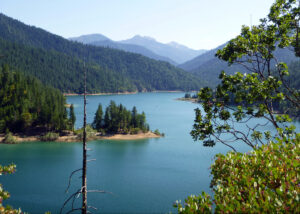
Public Lands
Why It Matters

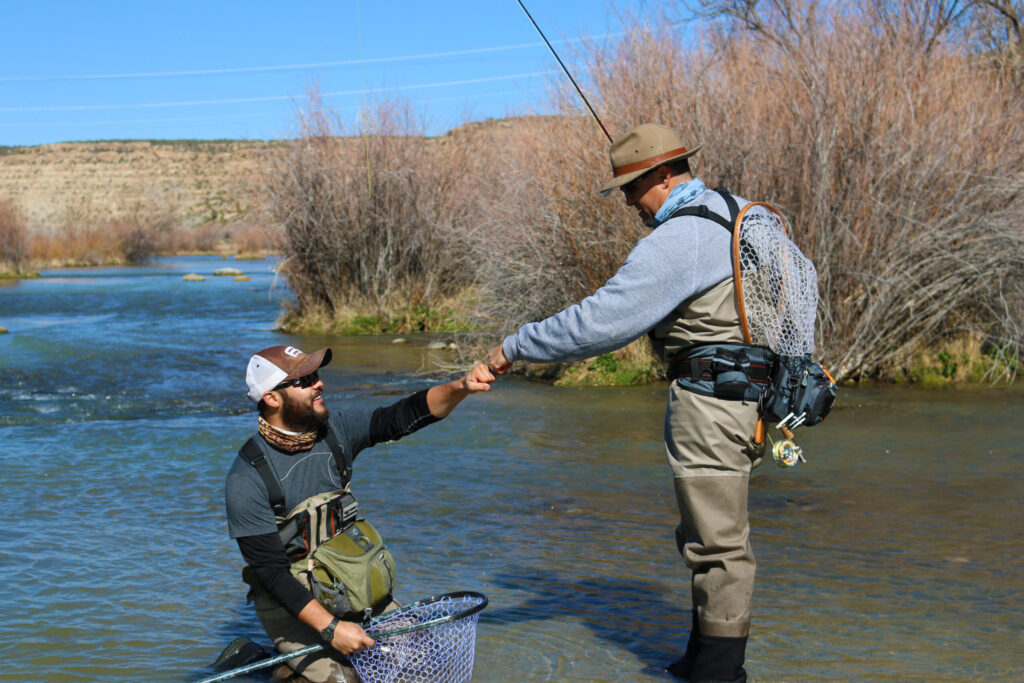
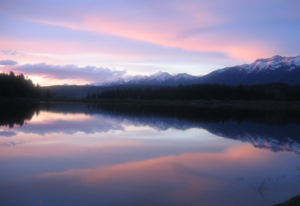
Hunting & Fishing Access

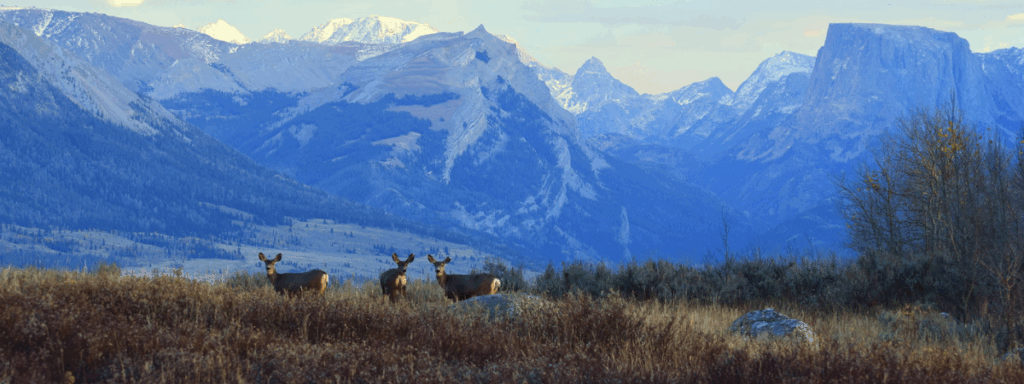
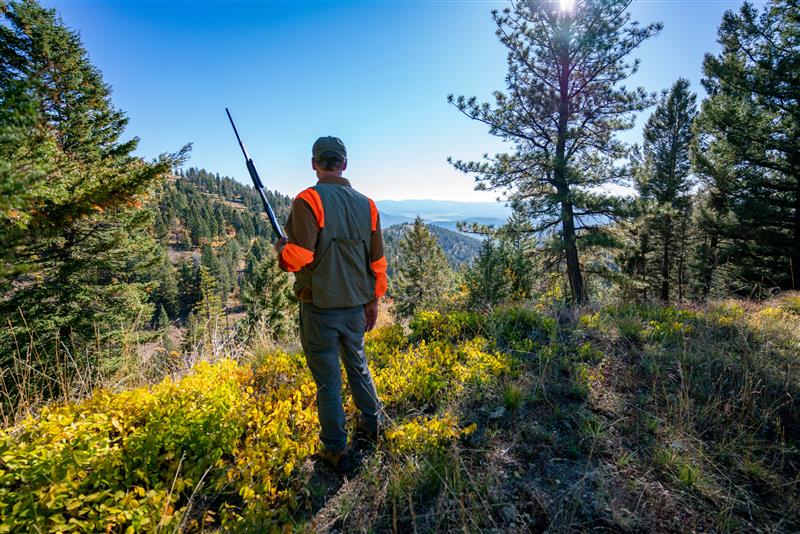
America’s 640 million acres of national public lands provide irreplaceable hunting and fishing opportunities to millions of Americans.

Learn More About Access
What TRCP is Doing

We’re working to safeguard America’s public lands so hunters and anglers always have quality places to pursue their passions.
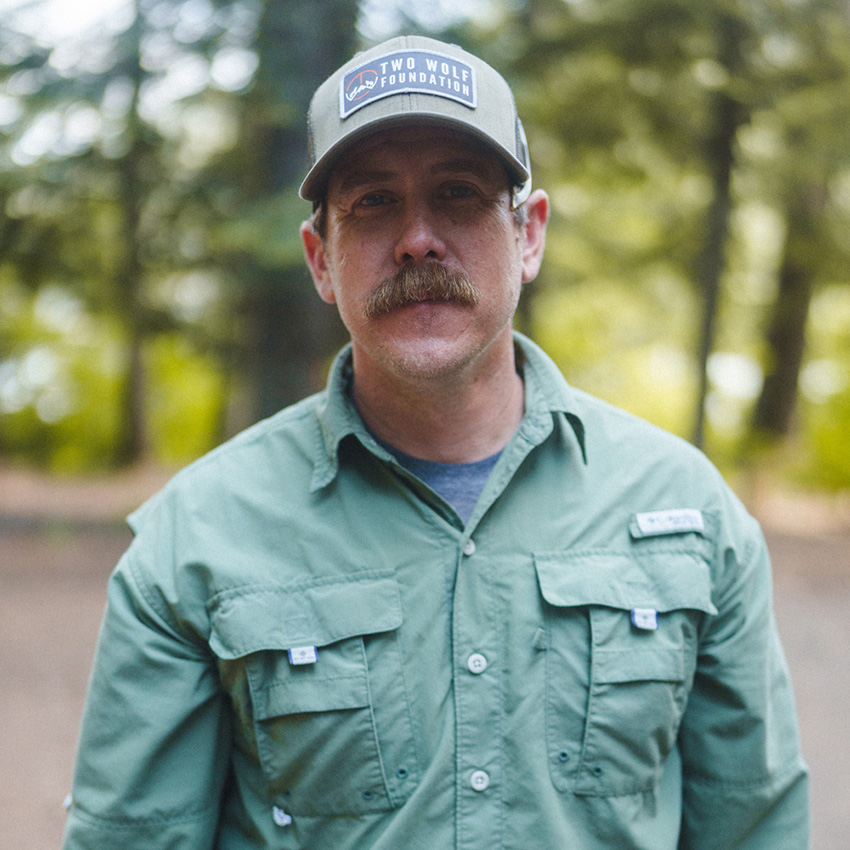
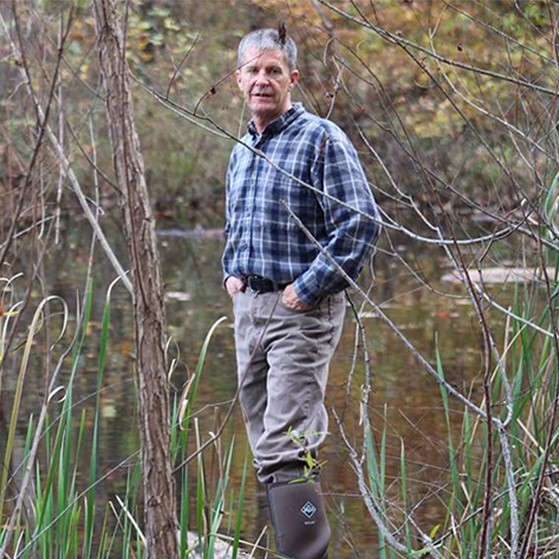
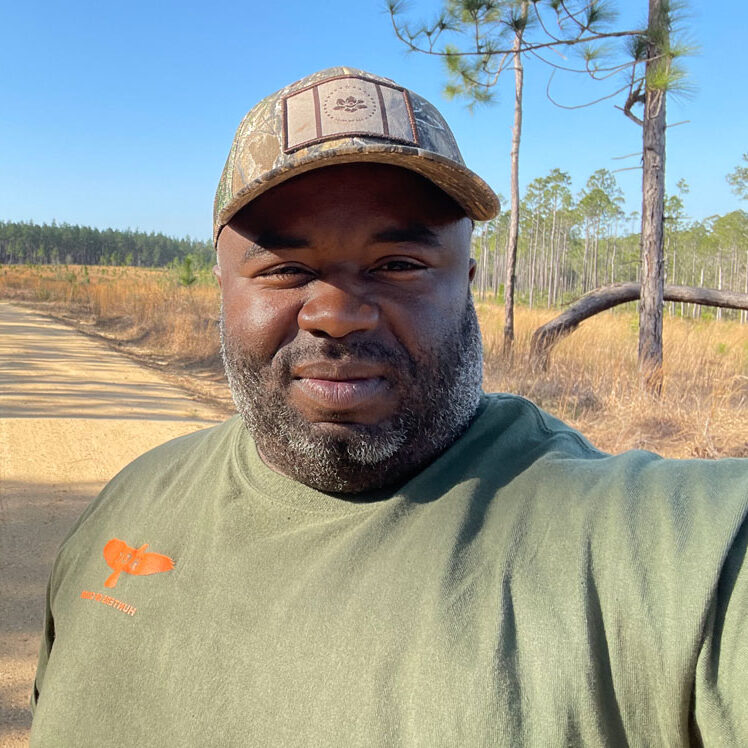
 Brian Flynn, Two Wolf Foundation
How Sportsmen Are Doing It Right

Brian Flynn, Two Wolf Foundation's Story

Following a distinguished career in the U.S. Army, lifelong outdoorsman Brian Flynn returned home from a deployment in Afghanistan and…

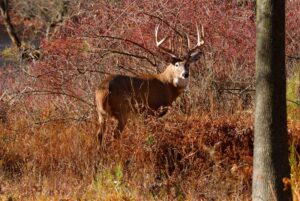
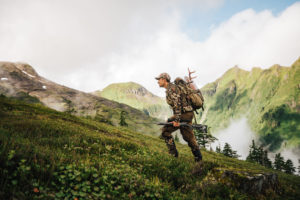
Hunting
Why It Matters

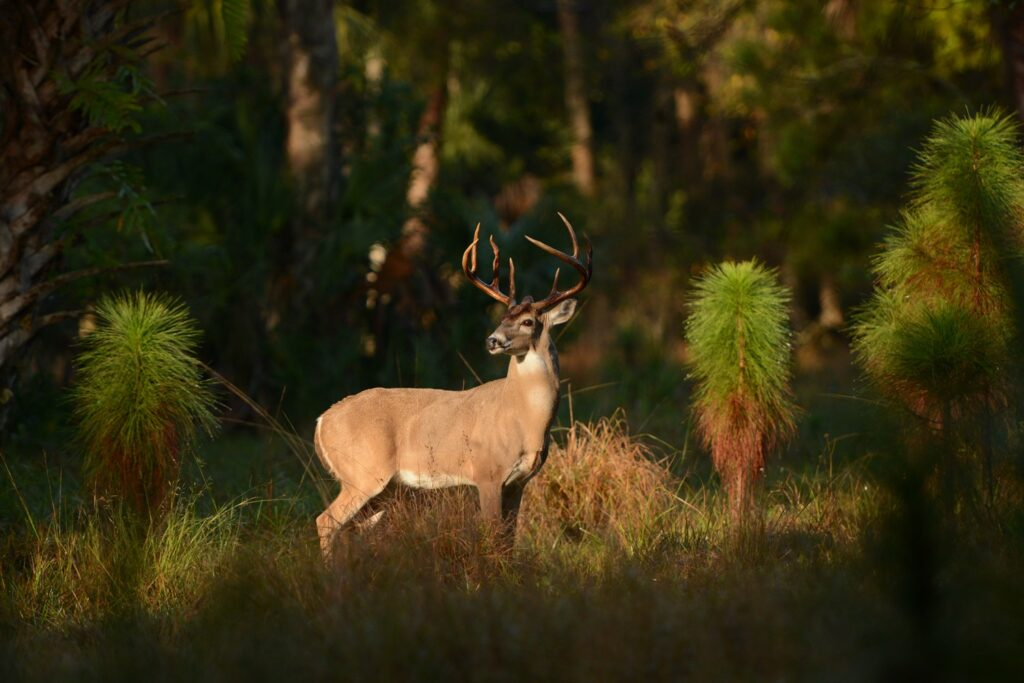
Key Issues for America’s Hunters

Your source for the latest policy updates, conservation challenges, and opportunities shaping America’s hunting traditions.

What TRCP is Doing

We’re fighting for meaningful policy changes that benefit wildlife, our waters, and the American landscapes that make our outdoor traditions possible.

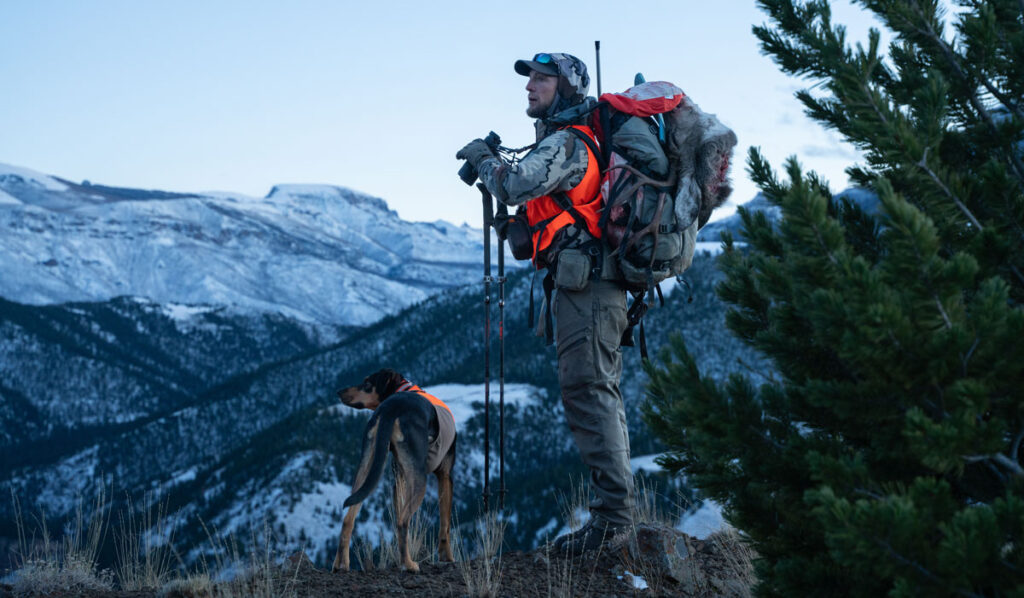
 Ryan Sparks
How Sportsmen Are Doing It Right

Ryan Sparks's Story

TRCP’s “In the Arena” series highlights the individual voices of hunters and anglers who, as Theodore Roosevelt so famously said,…

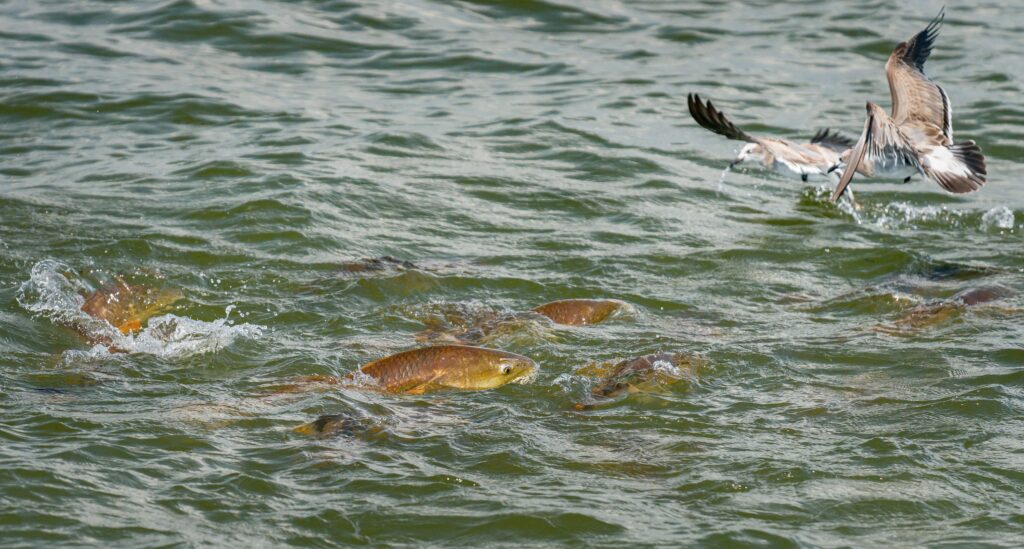
Fishing
Why It Matters

Key Issues for America’s Anglers

Your source for the latest policy updates, conservation challenges, and opportunities shaping America’s fishing traditions.

What TRCP is Doing

We’re fighting for meaningful policy changes that benefit wildlife, our waters, and the American landscapes that make our outdoor traditions possible.

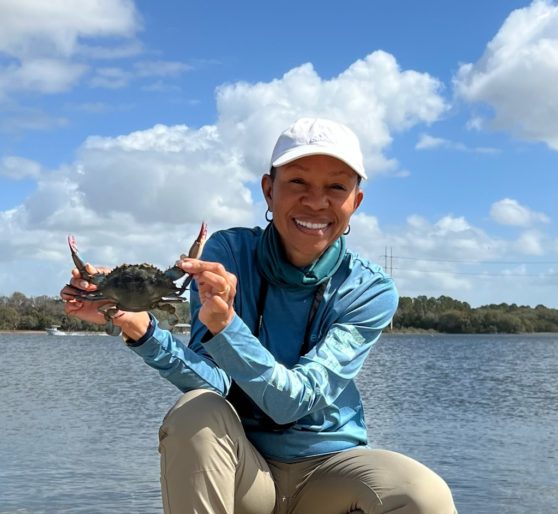
 David Mangum
How Sportsmen Are Doing It Right

David Mangum's Story

Capt. David Mangum is a YETI ambassador and outdoor photographer who utilizes his talents to produce media that inspire a…

Private Land
Why It Matters

Stewardship on America’s private lands

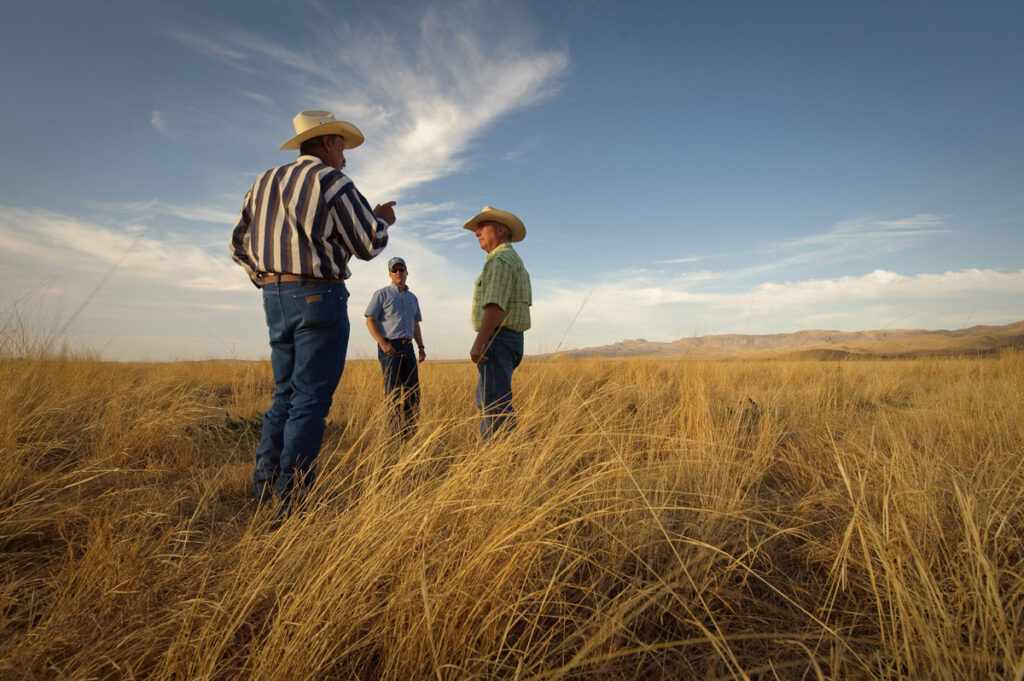
With 70 percent of U.S. lands in private hands and many of our best hunt and fish opportunities occurring there, investing in voluntary conservation on working lands safeguards access, strengthens habitat and water quality, and ensures resilient landscapes.

Learn More
What TRCP is Doing

We champion policies and programs that restore wildlife habitat, improve soil and water health, and keep working lands productive.

 Ward Burton
How Sportsmen are Doing It Right

Ward Burton's Story

Ward Burton’s NASCAR driving career stretched across most of two decades. As an avid sportsman and conservationist, he founded the…

Special Places
Why It Matters

Special Places Worth Protecting

America’s most iconic landscapes provide unmatched habitat and unforgettable days afield. These places sustain wildlife, anchor local economies, and define the hunting and fishing traditions we pass down.

What TRCP is Doing

We’re working to conserve special places that provide world-class habitat and unforgettable opportunities for hunters and anglers.

 Franklin Adams
How Sportsmen Are Doing It Right

Franklin Adams's Story

As a true Gladesman, conservationist, and historian, Capt. Franklin Adams has spent more than six decades championing Everglades restoration efforts…

Habitat & Clean Water
Why It Matters

Healthy Habitat Powers Every Pursuit

All hunting and fishing opportunities depend on quality habitat, from clean water and healthy wetlands to winter and summer habitats and the migration corridors that connect them.

All About Habitat & Clean Water
What TRCP is Doing

We are working to safeguard the habitats that power every hunting and fishing opportunity.

 Alex Harvey
How Sportsmen Are Doing It Right

Alex Harvey's Story

Alex Harvey, founder of Legacy Land Management, is a registered professional forester in Mississippi and Alabama with a Master's degree…

Science
Why It Matters

Science That Guides TRCP

From conserving migration corridors and wetlands to ensuring clean water and resilient landscapes, science provides evidence that turns conservation goals into effective action.

Science for Conservation
What TRCP is Doing

For hunters and anglers, science safeguards the experiences we treasure including resilient big game populations, abundant fish, and wild places that endure changing social landscapes.

Jamelle Ellis
Your Science Expert

Jamelle Ellis's Story

Jamelle Ellis joined the Theodore Roosevelt Conservation Partnership in 2022. Jamelle spent the last three years as an environmental sustainability…

Where We Work
Across the Nation

Conservation Across America

TRCP works across the country to ensure hunters and anglers can enjoy healthy fish and wildlife and quality days afield, no matter where they live.

See All Issues
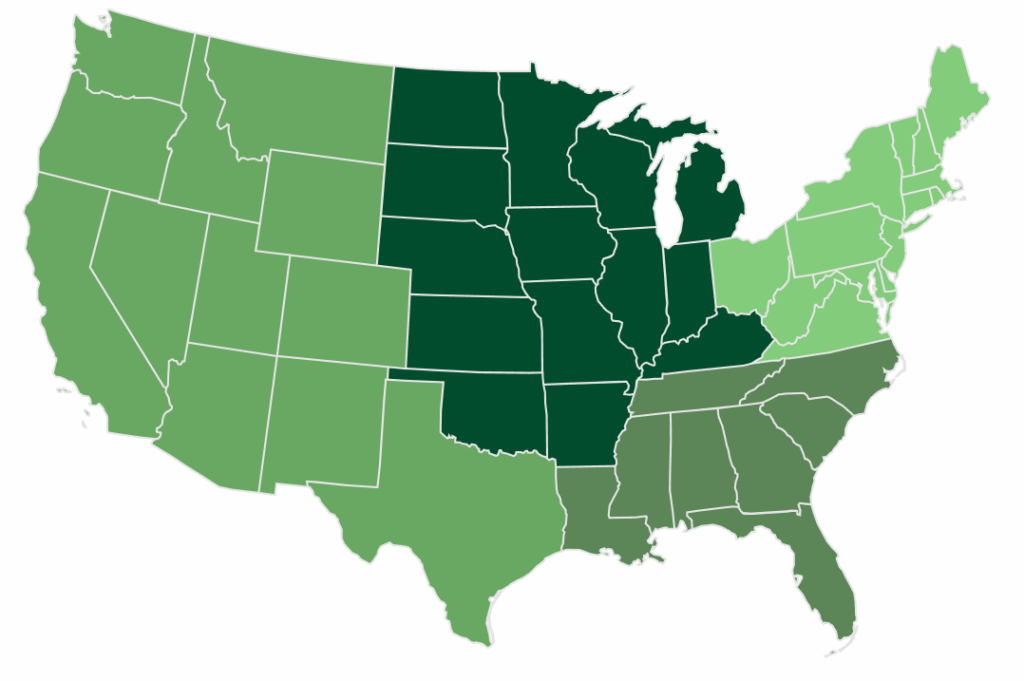
TRCP in Your Region

TRCP works across the country to ensure hunters and anglers can enjoy healthy fish and wildlife and quality days afield, no matter where they live.

Who We Are
Our Mission

To guarantee all Americans quality places to hunt & fish

We unite and amplify our partners’ voices to advance America’s legacy of conservation, habitat, and access.

Our Mission & Values
Our People & Partners
  • Meet the TRCP Team

    Our staff and board members unite and amplify our partners’ voices to advance America’s legacy of conservation, habitat, and access.

    Meet the Team
  • Our Partners

    ‘Partnership’ is in our name. We work with 64 diverse partner groups that represent today’s leading hunting, fishing, and conservation organizations in order to strengthen the sportsman’s voice in Washington, D.C.

    Our Partners
  • Corporate Council

    TRCP’s Corporate Council is made up of diverse corporations that share a common passion for conservation.

    Corporate Council
Our Organization

Looking for more information?

Explore our latest news, policy updates, and conservation resources to get the information you need.

Giving
How You Can Help

To guarantee all Americans quality places to hunt & fish

Your tax-deductible donation will support TRCP's mission, now and into the future.

DONATE
Special Ways to support trcp
  • Capital Conservation Awards Dinner

    The CCAD is one of Washington's best-attended conservation celebrations, featuring dinner, cocktails, and a silent auction.

    Learn More
  • Step Into the Arena

    Help us ensure that our treasured wild habitats and game remain intact for the next generation to enjoy – lend your support to the TRCP’s efforts today!

    Donate
  • Roosevelt Roast

    TRCP has partnered with Afuera Coffee Co. to further our commitment to conservation.

    Learn More
More donation options

Find the best way for you to lend your support. Join one of TRCP’s donor circles for special invitations, premium offerings from outdoor retailers, and more exclusive benefits. Take control of your legacy with planned giving or contribute to special conservation funds.

Other Ways To Give
News
In the Spotlight

Why TRCP Works to Conserve America’s Special Places

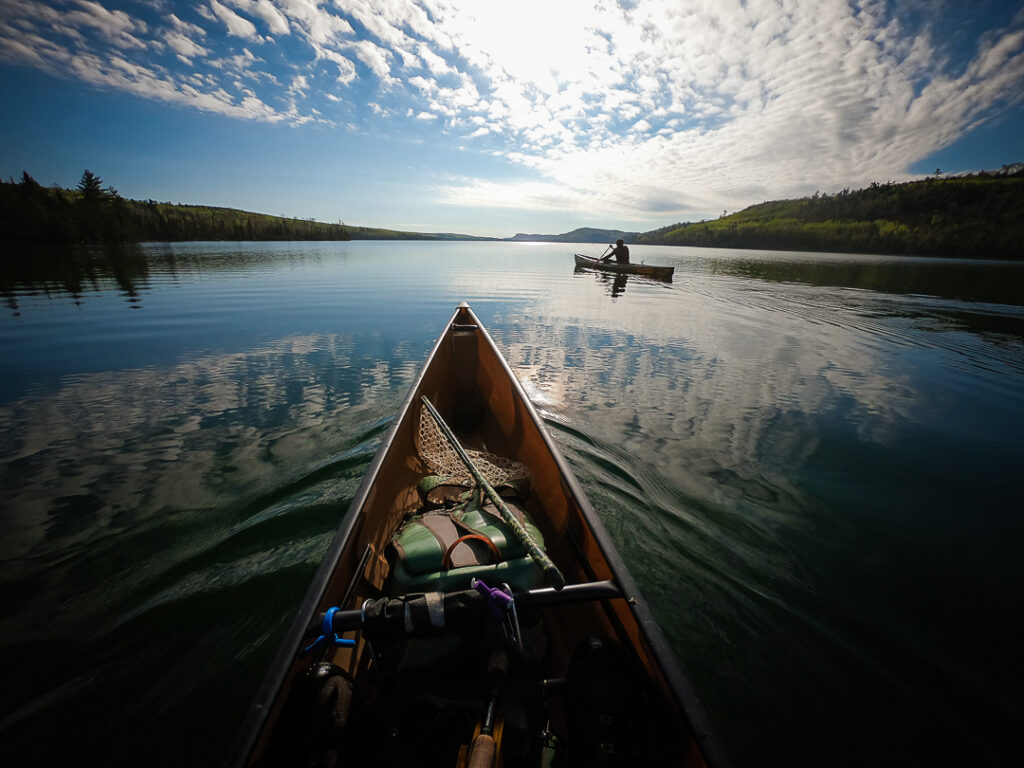
TRCP works to conserve special places like the Boundary Waters and landscapes that define hunting and fishing. Here's why.

Read More

Stay Informed

Receive our newsletter, the Roosevelt Report, right in your inbox. Never miss the latest news in conservation issues.

February 17, 2022

A Record $1.5 Billion is Going to Conservation—Thanks to YOU

A portion of your gear, firearm, license, and boat fuel purchases helped to generate more funding than ever for the U.S. Fish and Wildlife Service to distribute for state work on conservation and outdoor recreation access

Hunters and anglers often engage in conservation through our words and actions, speaking up for sound policies and volunteering to plant native grasses, pick up trash, or band birds. But we also contribute financially to conservation through excise taxes on our hunting, shooting, and fishing equipment, including ammo and boat fuel.

This funding is sorely needed by state agencies that carry out habitat conservation and upkeep of outdoor recreation access points and facilities—and, fortunately, there’s quite a bit more of it this year. It was announced late last week that sportsmen and sportswomen generated a record-breaking $1.5 billion in conservation dollars for the Wildlife and Sport Fish Restoration Program.

You might know this funding source as the combined result of the Pittman-Robertson Act, or Federal Aid in Wildlife Restoration Act, which created an excise tax on firearms, ammunition, and archery equipment in 1937, and the Dingell-Johnson Federal Aid in Sport Fish Restoration Act, which created a similar tax on fishing tackle, boat equipment, and boat fuel in 1950.

The hunting and shooting side of our community brought in over $1.1 billion for conservation in the past year, while the fishing and boating side generated almost $400 million. Together, this shatters the previous high mark of $808 million distributed for conservation in 2015.

The Associated Press reports that Texas will receive the largest pot of funding ($71 million) followed by Alaska ($66 million) based on land and water area and the number of hunting and fishing license holders in the state. A state-by-state listing of how the funding will be spent can be found here.

To date, the U.S. Fish and Wildlife Service has distributed more than $25.5 billion in Wildlife and Sport Fish Restoration Program apportionments for state conservation and recreation projects, according to a Department of the Interior press release. The recipient state wildlife agencies have matched these funds with approximately $8.5 billion, primarily from hunting and fishing license revenues.

In the final days of 2019, Congress passed a package of its annual appropriations bills that implemented an important change to the Pittman-Robertson Act: Hunting and shooting equipment excise taxes can now be used to help recruit, retain, and reactivate new hunters and recreational shooters, a provision that was made in Dingell-Johnson and that successfully helped to grow the ranks of fishing participation in recent years.

The TRCP and our partners pushed for this change and, at the time of the bill’s passage, we called it “a landmark achievement” for the 116th Congress.

Pittman-Robertson and Dingell-Johnson are just two of the cornerstone sources of conservation funding in America, but we rely on many other federal investments in our lands and waters. Click here for a refresher on where your conservation dollars come from.


Top photo by New York State Department of Environmental Conservation via flickr

2 Responses to “A Record $1.5 Billion is Going to Conservation—Thanks to YOU”

  1. Jerry Novotny

    This program has successfully supported conservation programs as a true State/Federal partnership in a user pays/user benefits model. Protection of the funds so that only defined activities may be funded was a unique inclusion in the original legislation (otherwise such a large amount of money would likely attract attention for some other, unrelated program). Congratulations and thanks to the 116th Congress for continuing this successful and effective conservation program.

  2. ers, fishers and sportsmen are responsible for the wildlife that we enjoy today. all the naysayers need to look at the facts as they have been presented for years and to get on board this successful conservation of wildlife saving many species from extinction

Do you have any thoughts on this post?

XHTML: You can use these tags: <a href="" title=""> <abbr title=""> <acronym title=""> <b> <blockquote cite=""> <cite> <code> <del datetime=""> <em> <i> <q cite=""> <s> <strike> <strong>

Comments must be under 1000 characters.

A Record $1.5 Billion is Going to Conservation—Thanks to YOU

A portion of your gear, firearm, license, and boat fuel purchases helped to generate more funding than ever for the U.S. Fish and Wildlife Service to distribute for state work on conservation and outdoor recreation access

Hunters and anglers often engage in conservation through our words and actions, speaking up for sound policies and volunteering to plant native grasses, pick up trash, or band birds. But we also contribute financially to conservation through excise taxes on our hunting, shooting, and fishing equipment, including ammo and boat fuel.

This funding is sorely needed by state agencies that carry out habitat conservation and upkeep of outdoor recreation access points and facilities—and, fortunately, there’s quite a bit more of it this year. It was announced late last week that sportsmen and sportswomen generated a record-breaking $1.5 billion in conservation dollars for the Wildlife and Sport Fish Restoration Program.

You might know this funding source as the combined result of the Pittman-Robertson Act, or Federal Aid in Wildlife Restoration Act, which created an excise tax on firearms, ammunition, and archery equipment in 1937, and the Dingell-Johnson Federal Aid in Sport Fish Restoration Act, which created a similar tax on fishing tackle, boat equipment, and boat fuel in 1950.

The hunting and shooting side of our community brought in over $1.1 billion for conservation in the past year, while the fishing and boating side generated almost $400 million. Together, this shatters the previous high mark of $808 million distributed for conservation in 2015.

The Associated Press reports that Texas will receive the largest pot of funding ($71 million) followed by Alaska ($66 million) based on land and water area and the number of hunting and fishing license holders in the state. A state-by-state listing of how the funding will be spent can be found here.

To date, the U.S. Fish and Wildlife Service has distributed more than $25.5 billion in Wildlife and Sport Fish Restoration Program apportionments for state conservation and recreation projects, according to a Department of the Interior press release. The recipient state wildlife agencies have matched these funds with approximately $8.5 billion, primarily from hunting and fishing license revenues.

In the final days of 2019, Congress passed a package of its annual appropriations bills that implemented an important change to the Pittman-Robertson Act: Hunting and shooting equipment excise taxes can now be used to help recruit, retain, and reactivate new hunters and recreational shooters, a provision that was made in Dingell-Johnson and that successfully helped to grow the ranks of fishing participation in recent years.

The TRCP and our partners pushed for this change and, at the time of the bill’s passage, we called it “a landmark achievement” for the 116th Congress.

Pittman-Robertson and Dingell-Johnson are just two of the cornerstone sources of conservation funding in America, but we rely on many other federal investments in our lands and waters. Click here for a refresher on where your conservation dollars come from.


Top photo by New York State Department of Environmental Conservation via flickr

February 11, 2022

Support Bills to Boost Healthy Habitat and Cleaner Streams in Pennsylvania

H.B. 1901 and S.B. 832 would support conservation from the Keystone State to the Chesapeake Bay 

Many of TRCP’s members hunt, fish, camp, and enjoy Pennsylvania’s abundant natural resources every year, and we want future generations to have these opportunities, as well. But there are changes occurring in the waters we wade and forests and fields we scout. Agricultural runoff and abandoned mines pollute nearly 30 percent—more than 25,000 miles—of our rivers and streams and degrade hundreds of thousands of acres of land, robbing sportsmen and sportswomen of access to quality places to hunt and fish.

To support habitat and access while boosting our economy, Governor Wolf and the General Assembly should provide adequate funding for a Growing Greener III program—which has a long track record of proven success in conserving the state’s fish and wildlife habitat—and a Clean Streams Fund using resources already granted to the state as part of national economic recovery efforts.

That is why TRCP was so pleased to see Wolf’s announcement last week about a plan to prioritize federal American Rescue Plan Act funding for conservation, recreation, and preservation. This announcement, along with accompanying legislation in each chamber of the General Assembly, would provide the funding needed to create jobs while conserving natural resources that increase our quality of life.

Specifically, S.B. 832 and H.B. 1901 would create a funding source known as the Agricultural Conservation Assistance Program to help farmers implement conservation practices that keep valuable topsoil in place and reduce potentially harmful material from reaching local waterways. Polluted runoff is not just an issue for anglers seeking clean water and abundant fisheries. Restoring the health of agricultural land to reduce runoff will boost farm businesses and provide meadow and woodlot habitats for just about all the game species we pursue—from ducks to whitetail deer.

We’ve already seen increased hunting opportunities and more abundant wildlife after completion of just a portion of the state’s plan to send fewer nutrients downstream to the Chesapeake Bay by 2025, also known as Pennsylvania’s Phase 3 Watershed Implementation Plan. It includes several new initiatives and accelerated strategies that will benefit anglers, hunters, and anyone who enjoys the outdoors or cares about clean water. The governor’s plan, combined with the legislation discussed above, would hasten these efforts to restore Pennsylvania’s impaired waters across the Commonwealth.

S.B. 832 and H.B. 1901 would go a long way toward helping us conserve Pennsylvania’s water resources and expand access to outdoor recreation, while shoring up the health of vital industries like tourism and agriculture. If you value our state’s coldwater fisheries, big game and bird habitat, and widespread public access to outdoor recreation that supports local jobs, do NOT wait. Act now and urge decision-makers to support S.B. 832 and H.B. 1901 today.

Take Action

Top photo courtesy of Joanna Gilkeson / USFWS via Flickr.

Coming to Grips with the Impacts of Ida

Gulf coast anglers have a firsthand perspective on the habitat destruction caused by yet another massive storm 

Veteran Lafitte speckled trout and redfish guide Maurice d’Aquin took a break from cutting sheetrock and clearing debris from his house in early August 2021 to have a look at what Hurricane Ida had done to some of his favorite fishing spots.

What he found stunned and upset him almost as much as the three feet of mud left by Ida he was trying to shovel and till in his yard.

“I went to a shoreline on the west end of Little Lake, a spot where I had caught nice redfish all spring and summer and it was completely gone,” d’Aquin said. “I went to the exact mark on my GPS where I was casting to redfish along a shoreline and had to go across about 700 yards of open water before my trolling motor even touched mud.”

What d’Aquin has found by boat across the upper reaches of Barataria Bay, especially on the western and northern stretches of Little Lake, has been confirmed with both aerial surveys by Louisiana’s Coastal Protection and Restoration Authority and satellite images gathered by the United States Geological Survey. Hurricane Ida’s 150 mile per hour-plus winds scoured and decimated Louisiana’s coastal marshes in ways not seen since Hurricane Katrina removed an estimated 200 square miles in 2005.

The Extent of the Damage

Early indications are 106 square miles of marshes washed away or were displaced by Ida’s savage winds and 10-foot storm surge. The destruction spreads across areas of Plaquemines and St. Bernard Parish east of the Mississippi River all the way west through Terrebonne Parish.

The Barataria Basin bore the brunt of Ida’s fury. Marshes west and south of Empire in lower Plaquemines and Jefferson Parish that never recovered from Katrina were decimated again by Ida, taking what little was left in areas closer to the Gulf of Mexico and damaging recently restored barrier islands. It’s the extensive damage in the northern reaches of the Barataria system, however, that has coastal wetlands experts and fisheries biologists most concerned.

“The whole Barataria Basin is only about 700 square miles, so to lose about 100 of those in one event like Hurricane Ida is significant and stunning,” said Brian Lezina, Louisiana’s Coastal Protection and Restoration Authority’s Chief of Planning. “There’s a chance some of it will come back. The marsh can heal itself in time if the resources are there and vegetation regrows. But we won’t know how much will recover for a few years.”

Lezina said much of the marsh damage was in areas where organic materials and lighter silt make up the soils. Some of it was flotant, which is marsh that roots in decaying vegetation floating above the organic soils beneath. Ida scattered the uprooted marshes and light, organic mud, filling in nearby canals and fouling Lake Salvador and Cataouatche and shoving mud and grass into and under houses from upper Plaquemines Parish west into Jefferson and Lafourche. Organic soil marshes and flotant are much more susceptible to wave action and erosion than marshes east of the Mississippi River and those closer to the mouth of the Atchafalaya River, which receive annual sediment deposits of heavier clays and sand. They also lack the ability to repair themselves in the same way as areas that get sediment replenished annually by the rivers.

Resources to repair the marsh are often hard to come by in areas far removed from the river and the sediments it carries. Lezina said the CPRA and federal partners are evaluating the best options to try to repair some of the damage. He’s optimistic some regeneration will occur through a combination of natural processes and dredging projects.

“You have the Davis Pond Diversion nearby and the Intracoastal Canal that both can carry some water and sediment into the badly-damaged areas,” he said. “The sediments are being reworked all the time by waves and current. If the submerged vegetation grows back in shallow areas, it can help capture some of that sediment. And we’re looking closely at what resources can be directed into the area to help recapture some of the sediment.”

This satellite image courtesy of the USGS shows the damage to the little lake area in the wake of Hurricane Ida

A Fishery Transformed

Chris Schieble, a marine fisheries biologist with Louisiana’s Department of Wildlife and Fisheries, said the exact long-term effects of the dramatic marsh losses from Ida on fisheries production are hard to predict. However, as more organic soils and marsh “edge” are lost to storms, daily wave action and sinking of the land below the water line called “subsidence” that is eating away at the Barataria and other basins across Louisiana, fisheries production is certain to decline.

“It’s the organic materials and rotting vegetation called detritus that feeds the food chain in areas that don’t get a lot of sediment and freshwater input from the Mississippi River,” Schieble said. “Areas where the fresh and saltwater mix more east of the river and near the Atchafalaya River, the food chain starts with phytoplankton. But in organic soils, the ones that look like coffee grounds, it’s the nutrient leeching out of the soil that makes up the base, feeds the forage fish, and ultimately the predators like speckled trout and redfish.”

In the short term, marsh loss from storms can cause an increase in fisheries production and lead to more catches of speckled trout and redfish as fish orient to newly created and exposed edge habitats, shallow flats and washouts where tidal flows concentrate baitfish.

D’Aquin said he’s seen that firsthand in areas damaged by Ida.

“The storm opened up some new cuts along the shoreline in Lake Salvador where water is flowing in from the Intracoastal Waterway,” he said. “We caught a lot of redfish in the early fall in those washouts.”

In the long-term, however, the profound loss of marsh and organic materials will inevitably lead to a decline in fisheries production as nutrient levels drop and vital nursery grounds for juvenile shrimp, crabs, mullet, and other forage is lost. Lezina and Schieble both said the Barataria Basin and other areas hardest hit by wetland loss over the last century will reach a tipping point where the benefits of new edge habitat created by storms will be outweighed by the habitat and nutrient loss and the conversion to open water.

“We may already be at that tipping point in the Barataria Basin,” Schieble said. “If you look at the time of year when Ida hit, it’s a time where we would be seeing redfish larvae recruit into the marsh and white shrimp developing in those marshes. The redfish might have been displaced or not recruited into that marsh at all. Ida’s path and destruction couldn’t have been worse for our recreational and commercial fisheries. Productivity and access have taken a big hit.”

Anglers Adapt, Look to the Future

The extreme changes in habitat have also altered where anglers and guides have had to focus their efforts since the storm. Many guides and recreational fishermen have also noted a change in the size and number of fish they’ve been catching.

Captain Joe DiMarco has been fishing east and west of the Mississippi River out of Buras for more than three decades. He said the habitat loss and the fishing on the east side of the river is far different than what he’s seeing west of the river after Ida.

“The east side didn’t take nearly the beating we are seeing to the west where a lot of the smaller cane islands and humps where we caught trout last year are now gone,” DiMarco said. “We see some damage on the east side on the edge of Black Bay, but nothing like on the west. The storm seems to have pushed in a lot of big redfish too. Seems like we are catching many more 27- to 35-inch redfish way up in the marsh than we are 16- to 27-inch fish.”

D’Aquin said he’s having to relearn to fish his home waters around Lafitte in the same way he did after Katrina 16 years ago.

“Canals where we caught speckled trout during the winter are almost completely filled in and islands and peninsulas where we were catching trout and reds in the past are gone,” he said. “Just like after Katrina, we are seeing fish that are stressed and we are having to make adjustments. The fish and the marsh suffered just like the communities hit by the storm. But just like the communities are coming back slowly so are the fish. Each day gets a little bit better.”

February 3, 2022

The Threat to Habitat in the Boundary Waters Has Been Minimized—Now What?

Why the Biden Administration’s decision to conserve the Boundary Waters watershed is huge win for public lands and what comes next for America’s most visited wilderness 

The Department of Interior’s recent decision to cancel two hardrock mineral leases on public lands upstream of the Boundary Waters Canoe Area Wilderness was widely supported by hunters and anglers. It was also in line with an agency process supported by our community. But this is just the first step toward permanent protection of these essential resources. Here’s what you need to know about what comes next.

First, a quick review of what’s at stake: The Boundary Waters, the most visited Wilderness Area in the country, is made up of more than 1,100 lakes and 2,000 designated overnight campsites all connected by rivers, streams, and portage trails along Minnesota’s northern border. The 1.1-million-acre Wilderness Area lies within the Superior National Forest, the largest contiguous forest in the eastern region of the United States.

The waters within hold high quality habitat for walleyes, smallmouth bass, northern pike, and lake trout. In the face of a changing climate, the area offers some of the clearest, coldest, and deepest waters in all of the boreal forest open to the public for fishing, camping, and hunting. Ruffed grouse, whitetail deer, moose, and migratory birds also frequent the lakes and rivers in and around the BWCAW, an area directly adjacent to Canada’s 1.2-million-acre Quetico Provincial Park and in the same watershed as Minnesota’s 220,000-acre Voyageurs National Park.

Last week, the Biden Administration decided to mitigate some of the threats to these resources by canceling two federal mineral leases upstream of the Boundary Waters. This rectified a process that would have endangered habitat and outdoor recreation access downstream. The action was in keeping with the science-based, public-facing approach we have advocated for since 2018, when the TRCP and its partners called on federal agencies and decision-makers for a “stop and study” approach to this new type of mining in the region.

But future leases could be considered unless Congress passes legislation to permanently protect the Boundary Waters. Further, there is still a need for more evaluation of the environmental impacts of hardrock mining, especially if we hope to put this idea—and the risks to fish and wildlife—to rest for good.

This is why federal agencies are currently completing a study that could put a moratorium on any new hardrock leasing in 225,378 acres of the surrounding watershed of the BWCAW, putting that acreage off-limits, as well. While the study is underway, the Bureau of Land Management has initiated a two-year segregation of new federal mineral leases within the proposed withdrawal area.

Importantly, during a 90-day comment period concluded on January 19, 2022, sportsmen and sportswomen overwhelmingly urged federal agencies to take action to protect the watershed of the BWCAW. Thousands of business owners, hunters, anglers, and countless others in the outdoor community spoke in favor of the withdrawal because tourism and jobs in the local outdoor-recreation-based economy depend on the Boundary Waters.

There will be other opportunities for the public to weigh in as the study progresses, and at the conclusion we hope to see federal agencies commit to a 20-year moratorium of new hardrock mineral leasing in that area of the Superior National Forest. The Boundary Waters is a unique landscape and critical part of the American Wilderness system that is deserving of permanent protection from water pollution and impacts to habitat and access downstream. Federal agencies have the discretion to set the study area aside from new leasing for up to 20 years after gathering public input and scientific data that inform such a decision.

In the end, the Boundary Waters can only be permanently protected from this type of mining by H.R. 2794, the Boundary Waters Wilderness Protection and Pollution Prevention Act. After the current moratorium ends and federal agencies enact a longer-term mineral withdrawal order, an act of Congress must be signed into law to permanently declare the area off-limits from future hardrock mineral leasing. This would permanently reinforce the decision by federal agencies to set the 225,000-acre area of the Superior National Forest aside from this kind of leasing for up to a 20-year period.

The legislation has been introduced in the U.S. House of Representatives by Representative Betty McCollum (D-Minn.). Federal agencies have begun to right past agency decisions to renew hardrock mining leases in the watershed, and it is up to elected officials to seal the deal and secure this critical habitat and bucket-list paddling, fishing, and hunting destination for future generations.

Learn more and sign up for updates on this issue at SportsmenBWCA.org.

Spencer Shaver is the conservation director for Sportsmen for the Boundary Waters . He is a lifelong hunter and fisherman, a graduate of the University of Minnesota’s environmental science, policy, and management program, and has guided Boundary Waters canoe trips since 2014.


Photos by Hansi Johnson. Follow him @hansski43 on Instagram.

HOW YOU CAN HELP

TRCP has partnered with Afuera Coffee Co. to further our commitment to conservation. $4 from each bag is donated to the TRCP, to help continue our efforts of safeguarding critical habitats, productive hunting grounds, and favorite fishing holes for future generations.

Learn More
Subscribe


You have Successfully Subscribed!

You have Successfully Subscribed!

You have Successfully Subscribed!

You have Successfully Subscribed!

You have Successfully Subscribed!