Our Issues
Public Lands
Why It Matters

Hunting & Fishing Access

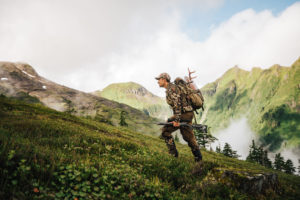
America’s 640 million acres of national public lands provide irreplaceable hunting and fishing opportunities to millions of Americans.

Learn More About Access
What TRCP is Doing

We’re working to safeguard America’s public lands so hunters and anglers always have quality places to pursue their passions.
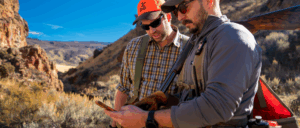
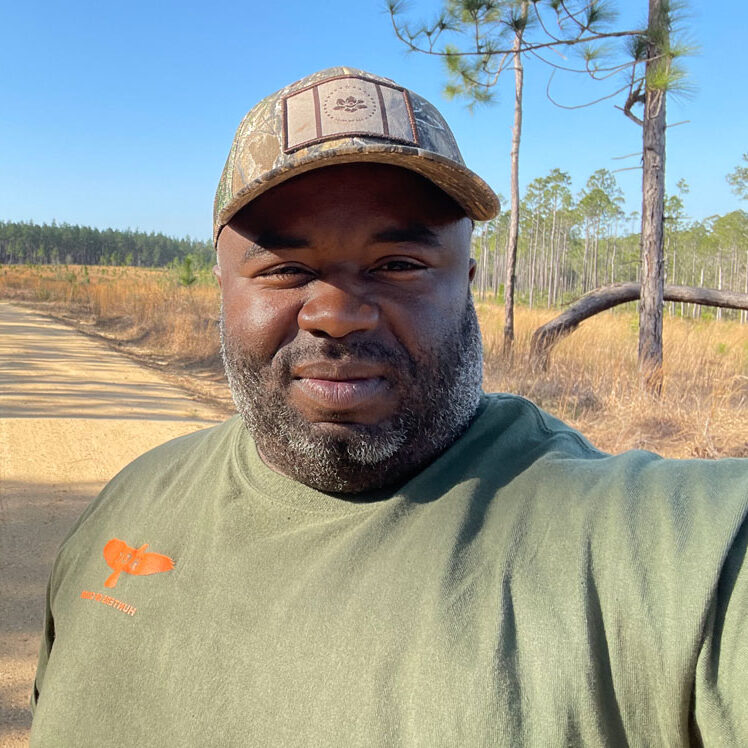
 Brian Flynn, Two Wolf Foundation
How Sportsmen Are Doing It Right

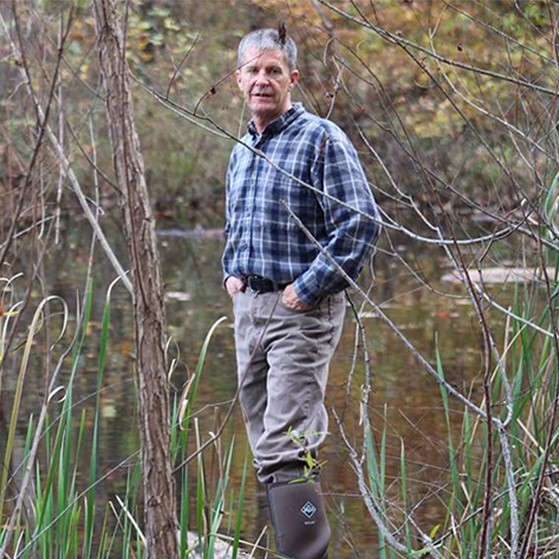
Brian Flynn, Two Wolf Foundation's Story

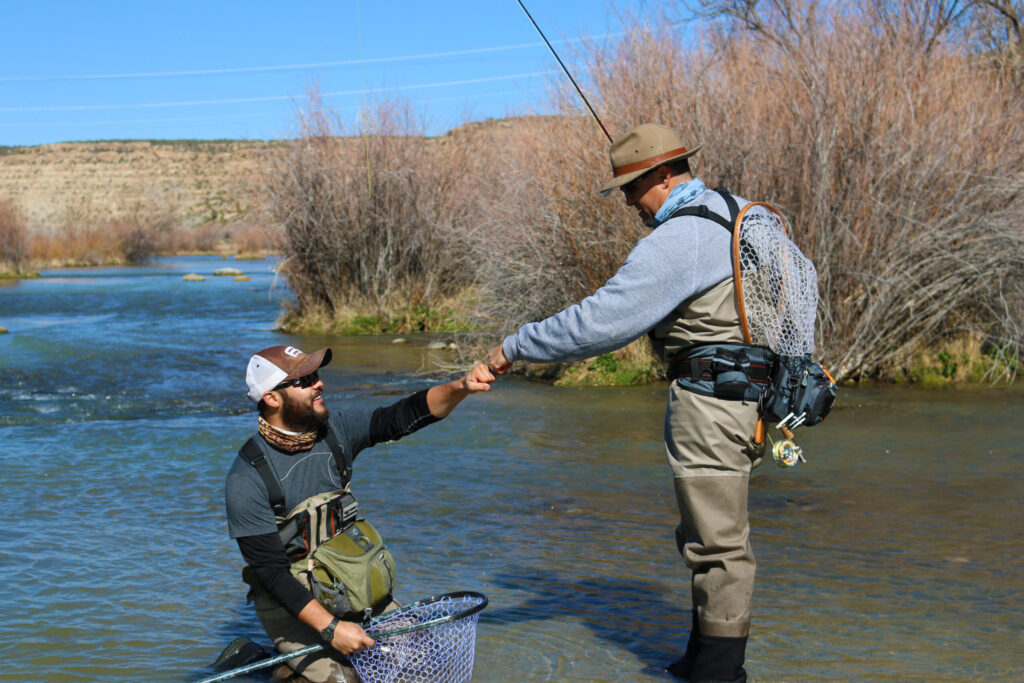
Following a distinguished career in the U.S. Army, lifelong outdoorsman Brian Flynn returned home from a deployment in Afghanistan and…

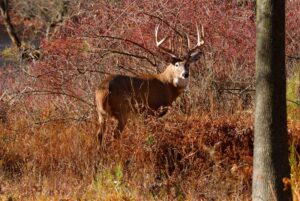
Hunting
Why It Matters

Key Issues for America’s Hunters

Your source for the latest policy updates, conservation challenges, and opportunities shaping America’s hunting traditions.

What TRCP is Doing

We’re fighting for meaningful policy changes that benefit wildlife, our waters, and the American landscapes that make our outdoor traditions possible.

 Ryan Sparks
How Sportsmen Are Doing It Right

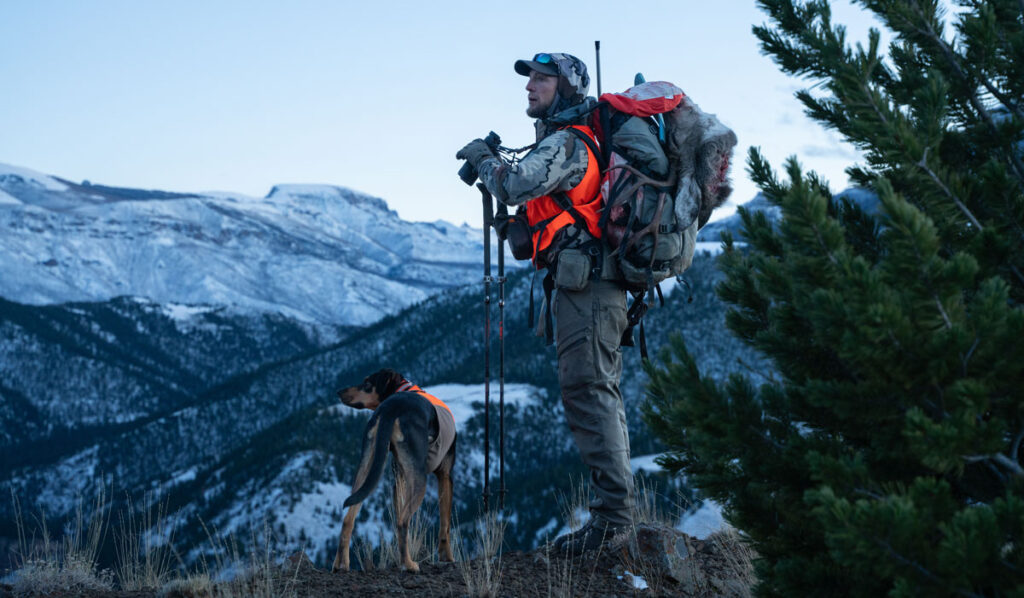
Ryan Sparks's Story

TRCP’s “In the Arena” series highlights the individual voices of hunters and anglers who, as Theodore Roosevelt so famously said,…

Fishing
Why It Matters

Key Issues for America’s Anglers

Your source for the latest policy updates, conservation challenges, and opportunities shaping America’s fishing traditions.

What TRCP is Doing

We’re fighting for meaningful policy changes that benefit wildlife, our waters, and the American landscapes that make our outdoor traditions possible.

 David Mangum
How Sportsmen Are Doing It Right

David Mangum's Story

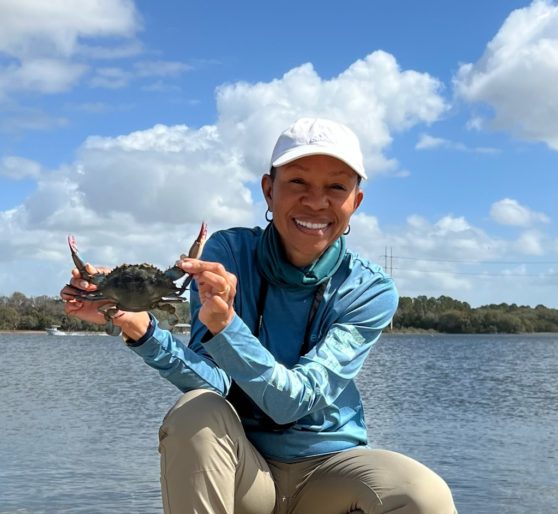
Capt. David Mangum is a YETI ambassador and outdoor photographer who utilizes his talents to produce media that inspire a…

Private Land
Why It Matters

Stewardship on America’s private lands

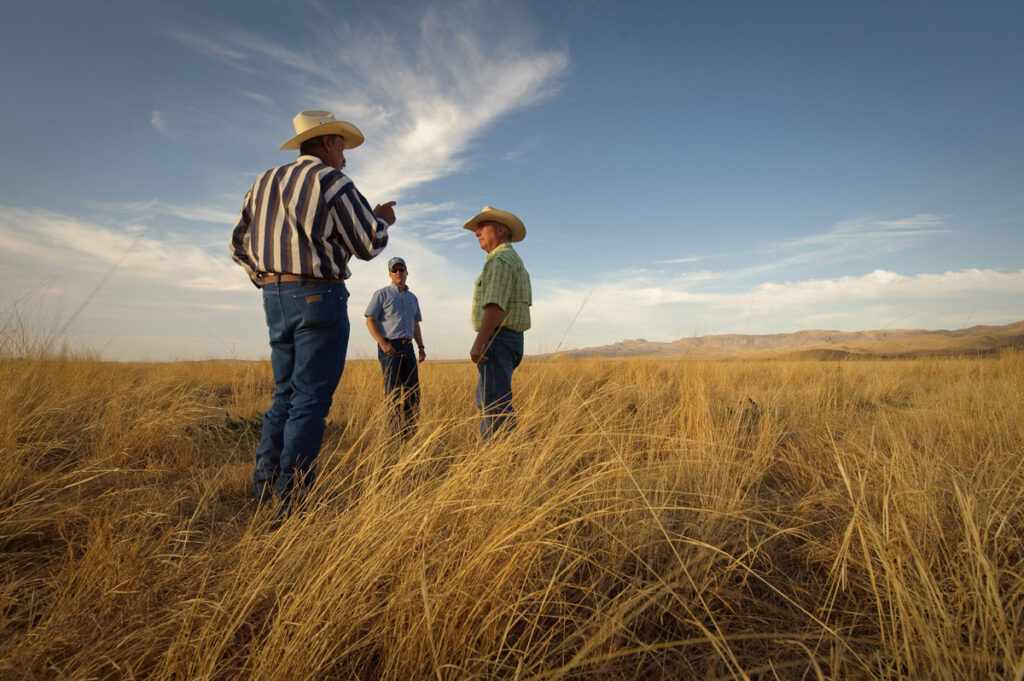
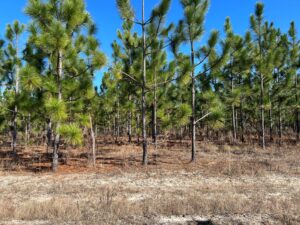
With 70 percent of U.S. lands in private hands and many of our best hunt and fish opportunities occurring there, investing in voluntary conservation on working lands safeguards access, strengthens habitat and water quality, and ensures resilient landscapes.

Learn More
What TRCP is Doing

We champion policies and programs that restore wildlife habitat, improve soil and water health, and keep working lands productive.

 Ward Burton
How Sportsmen are Doing It Right

Ward Burton's Story

Ward Burton’s NASCAR driving career stretched across most of two decades. As an avid sportsman and conservationist, he founded the…

Special Places
Why It Matters

Special Places Worth Protecting

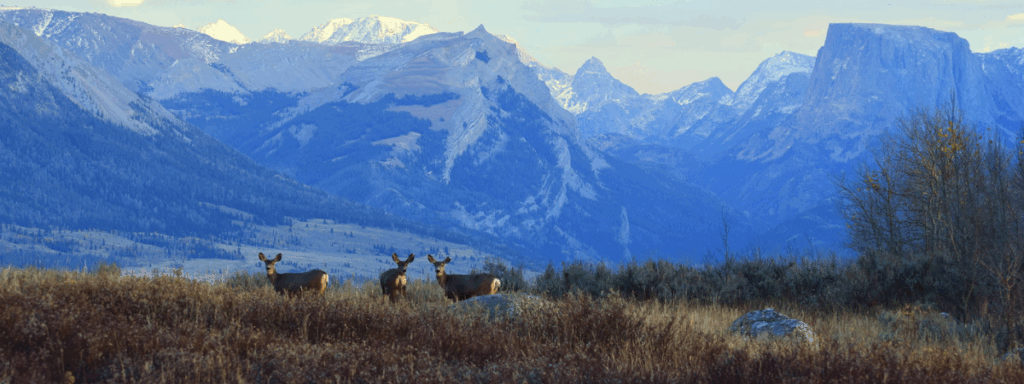
America’s most iconic landscapes provide unmatched habitat and unforgettable days afield. These places sustain wildlife, anchor local economies, and define the hunting and fishing traditions we pass down.

What TRCP is Doing

We’re working to conserve special places that provide world-class habitat and unforgettable opportunities for hunters and anglers.

 Franklin Adams
How Sportsmen Are Doing It Right

Franklin Adams's Story

As a true Gladesman, conservationist, and historian, Capt. Franklin Adams has spent more than six decades championing Everglades restoration efforts…

Habitat & Clean Water
Why It Matters

Healthy Habitat Powers Every Pursuit

All hunting and fishing opportunities depend on quality habitat, from clean water and healthy wetlands to winter and summer habitats and the migration corridors that connect them.

All About Habitat & Clean Water
What TRCP is Doing

We are working to safeguard the habitats that power every hunting and fishing opportunity.

 Alex Harvey
How Sportsmen Are Doing It Right

Alex Harvey's Story

Alex Harvey, founder of Legacy Land Management, is a registered professional forester in Mississippi and Alabama with a Master's degree…

Science
Why It Matters

Science That Guides TRCP

From conserving migration corridors and wetlands to ensuring clean water and resilient landscapes, science provides evidence that turns conservation goals into effective action.

Science for Conservation
What TRCP is Doing

For hunters and anglers, science safeguards the experiences we treasure including resilient big game populations, abundant fish, and wild places that endure changing social landscapes.

Jamelle Ellis
Your Science Expert

Jamelle Ellis's Story

Jamelle Ellis joined the Theodore Roosevelt Conservation Partnership in 2022. Jamelle spent the last three years as an environmental sustainability…

Where We Work
Across the Nation

Conservation Across America

TRCP works across the country to ensure hunters and anglers can enjoy healthy fish and wildlife and quality days afield, no matter where they live.

See All Issues
TRCP in Your Region

TRCP works across the country to ensure hunters and anglers can enjoy healthy fish and wildlife and quality days afield, no matter where they live.

Who We Are
Our Mission

To guarantee all Americans quality places to hunt & fish

We unite and amplify our partners’ voices to advance America’s legacy of conservation, habitat, and access.

Our Mission & Values
Our People & Partners
  • Meet the TRCP Team

    Our staff and board members unite and amplify our partners’ voices to advance America’s legacy of conservation, habitat, and access.

    Meet the Team
  • Our Partners

    ‘Partnership’ is in our name. We work with 64 diverse partner groups that represent today’s leading hunting, fishing, and conservation organizations in order to strengthen the sportsman’s voice in Washington, D.C.

    Our Partners
  • Corporate Council

    TRCP’s Corporate Council is made up of diverse corporations that share a common passion for conservation.

    Corporate Council
Our Organization

Looking for more information?

Explore our latest news, policy updates, and conservation resources to get the information you need.

Giving
How You Can Help

To guarantee all Americans quality places to hunt & fish

Your tax-deductible donation will support TRCP's mission, now and into the future.

DONATE
Special Ways to support trcp
  • Capital Conservation Awards Dinner

    The CCAD is one of Washington's best-attended conservation celebrations, featuring dinner, cocktails, and a silent auction.

    Learn More
  • Step Into the Arena

    Help us ensure that our treasured wild habitats and game remain intact for the next generation to enjoy – lend your support to the TRCP’s efforts today!

    Donate
  • Roosevelt Roast

    TRCP has partnered with Afuera Coffee Co. to further our commitment to conservation.

    Learn More
More donation options

Find the best way for you to lend your support. Join one of TRCP’s donor circles for special invitations, premium offerings from outdoor retailers, and more exclusive benefits. Take control of your legacy with planned giving or contribute to special conservation funds.

Other Ways To Give
News
In the Spotlight

The Next Step for the Tongass

Hunters and Anglers Can Help Shape the Forest Plan.

Read More

Stay Informed

Receive our newsletter, the Roosevelt Report, right in your inbox. Never miss the latest news in conservation issues.

by:

posted in:

February 25, 2021

IMG-2906

Do you have any thoughts on this post?

XHTML: You can use these tags: <a href="" title=""> <abbr title=""> <acronym title=""> <b> <blockquote cite=""> <cite> <code> <del datetime=""> <em> <i> <q cite=""> <s> <strike> <strong>

Comments must be under 1000 characters.

by:

posted in:

February 24, 2021

Six Ways Congress Can Create Jobs and Safeguard Habitat

Conservation works for hunters, anglers, and the American economy

After COVID hit the United States, people flocked to mountains, rivers, lakes, and trails to escape the four walls of our homes and clear our heads.  These outdoor places provided respite and improved the wellbeing of millions of Americans.

Unfortunately, it’s our economy that needs a breath of fresh air now. Following the economic downturn of the past year, Congress should make bold investments to create jobs, rebuild our economy, and improve the health of our communities.

Our natural resources can once again bring our nation together, if Congress seizes the opportunity to invest in them.  As policymakers search for ways to stimulate the economy, they need look no further than our lands and waters. That’s why hunters and anglers are joining a diverse coalition of conservationists and outdoor enthusiasts to ensure that Congress considers fish and wildlife habitat as part of the solution to the many challenges we face.

The six policy proposals that we have put forward will put Americans back to work, combat climate change, and enhance our outdoor recreation opportunities. Here’s what Congress should do to let conservation work for America.

Strengthen America’s coastlines and restore iconic ecosystems.

Our coastal wetlands, marshes, river systems, and floodplains serve an outsized role in minimizing the impacts of extreme weather events. Restoring these landscapes will not only ensure the functionality of important coastal ecosystems for years to come, it will also enhance natural flood buffers, protect critical infrastructure and communities, improve water quality, and support economic growth.

In the Gulf of Mexico, wildlife tourism alone supports $19 billion in annual spending and supports over half a million jobs, but the region is also incredibly vulnerable to the impacts of climate change. The Mississippi River Delta has lost more than 2,000 square miles of land since the 1930s and continues to lose the equivalent of a football field worth of wetlands every 100 minutes.

Congress should support the conservation and restoration of these systems by funding publicly vetted coastal or watershed restoration plans. Congress should also create a new program to fund coastal restoration and fisheries management initiatives, like those that were supported by the American Recovery and Reinvestment Act of 2009.

Prioritize wetlands restoration.

The North American Wetlands Conservation Act has proven to be our nation’s most effective program for protecting, restoring, and enhancing wetlands and waterfowl habitat. Since 1990, the program has provided flood control, protected water quality, improved ecosystem function, and secured recreational access on more than 30 million acres of wetlands. The partnership model established in this legislation generates roughly 7,500 jobs and supports over $200 million in salaries annually. We strongly encourage Congress to fully fund this program.

Invest in our nation’s private lands.

The U.S. Department of Agriculture administers a suite of voluntary conservation programs that provide value to rural America beyond their well-known ecological benefits. Incentives offered through the Conservation Reserve Program, Regional Conservation Partnership Program, Environmental Quality Incentives Program, and the Agricultural Conservation Easement Program optimize farm and forestry operations, improve fish and wildlife habitat, and add value at a time when the agricultural economy needs it most.

These initiatives help agricultural producers, hunters, and anglers but require significant investment to ensure they remain effective in protecting soil, water, wildlife, and landowners’ bottom lines. We urge Congress to double its investment and significantly grow enrollment in Farm Bill conservation programs, so we can address natural resource challenges—like habitat loss and climate change—and provide landowners with the technical and financial assistance they need.

Use habitat to improve the resilience of transportation infrastructure.

With over 4 million miles of public roads in the U.S., the scope of repairs needed to support our aging transportation infrastructure seems daunting. We encourage Congress to pass a highway bill that creates a new competitive grant program aimed at enhancing the resilience of these critical transportation systems. This kind of dedicated funding is necessary to prioritize the use and restoration of natural infrastructure—natural systems, like wetlands and dunes, that can mitigate threats to our roadways, like flooding from powerful storm surge.

Incorporating natural infrastructure approaches and relocating vulnerable assets out of flood-prone areas can increase the resilience of our communities. These projects would provide quality jobs and pay dividends to local taxpayers.

Invest in pre-disaster mitigation.

When communities experience major disasters, their resources are drained as they rebuild.  That’s why we need an infusion of cash to not only help them pick up the pieces, but also to prepare for future catastrophic weather events.

Administered by the Federal Emergency Management Agency (FEMA), the Building Resilient Infrastructure in Communities Program provides communities with matching funds to identify existing infrastructure vulnerabilities and develop innovative, nature-based solutions that lessen the impacts of future disasters to life and property. These pre-disaster mitigation grant projects reduce risk and increase habitat for the fish and wildlife we love to pursue.  We encourage Congress to set aside 15 percent of funds for nature-based approaches to reducing disaster risk.

Invest in sustainable water systems.

From water quality issues in the East to water quantity issues in the West, we need thoughtful approaches to watershed management that are based in local needs.  These solutions are not one size fits all, but several key initiatives can prop up our most valuable resource—the water that powers our lives and outdoor recreation opportunities.

The Clean Water State Revolving Fund is a proven tool to help communities overcome challenges to water quality and infrastructure. Since its inception, the Fund has provided communities, many of them disadvantaged, with over $110 billion in financing for estuary protection, wastewater control, and water treatment.

Like the rest of America’s infrastructure, Western water delivery systems are aging and struggling to adequately keep pace with the needs of growing communities and economies. The WaterSMART Drought Response and Cooperative Watershed Management programs help develop local watershed management programs to address this challenge. WaterSMART grants help to improve water delivery, efficiency, and reliability and reduce conflicts over water-use in the West.

Congress should support and increase investments in these water initiatives to put Americans back to work—and back out on our kayaks and driftboats.

How You Can Help

The TRCP will continue to offer sportsmen and women a chance to engage in our #ConservationWorksforAmerica campaign in 2021. Take action now and urge decision-makers to put people back to work through conservation.


To learn more about the Conservation Works for America campaign, click here.

by:

posted in:

Leading Nonprofits and Associations Call on Congress to Pass Legislation that Puts Americans Back to Work Through Conservation

Conservation Works for America campaign calls for policies that build resilient communities, combat climate change, and create jobs

Today a coalition of ten organizations collectively called on Congress to consider conservation priorities as policymakers draft economic recovery legislation.

The Theodore Roosevelt Conservation Partnership, National Audubon Society, Environmental Defense Fund, National Wildlife Federation, Ducks Unlimited, National Marine Manufacturers Association, American Sportfishing Association, Pheasants Forever, and others joined forces in identifying a list of shared legislative priorities with House and Senate leadership. The goals of the coalition include building resilient communities that can withstand the impacts of a changing climate, restoring and preserving outdoor spaces, investing in nature-based solutions, and sustainably managing water resources.

“The value of investing in our most common goods—our land and water—cannot be overstated,” wrote the coalition. “Beyond the clear ecological value, investment in the outdoors provides jobs, energizes local economies, improves the resilience of our communities, and holds a lasting public benefit for generations.”

The groups highlighted nine main areas of focus:

  • Invest in our nation’s private lands.
  • Improve the resilience of transportation infrastructure.
  • Invest in the value of clean water.
  • Support multi-benefit watershed management in the West.
  • Support effective watershed management.
  • Strengthen America’s coasts and restore iconic ecosystems.
  • Invest in pre-disaster mitigation.
  • Prioritize wetland restoration.
  • Invest in Army Corps ecosystem restoration projects.


“Following the economic downturn of the past year, we are calling for bold investments in conservation that put people back to work and strengthen the habitat, fish, and wildlife we value,” said Whit Fosburgh, president and CEO of the Theodore Roosevelt Conservation Partnership. “Hunters and anglers are joining this diverse coalition to ensure that Congress considers our land and water as part of the solution to the many challenges that we face. The policy proposals that we have put forward will create more resilient communities, combat climate change, and strengthen our outdoor industries.”

“From restoring the Colorado River watershed, to shoring up our beaches and wetlands on the coast, investing in conservation not only protects our communities from future droughts or floods, it also provides job opportunities as well as critical habitat for birds and other wildlife,” said Sarah Greenberger, senior vice president of conservation policy at the National Audubon Society.

“Our coastal communities are at greater risk than ever from more intense storms and sea level rise,” said Steve Cochran, associate vice president of Coastal Resilience at the Environmental Defense Fund. “By investing in shovel-worthy programs, Congress can restore and enhance the coastal ecosystems that help protect communities, while also creating jobs and reducing the costs of future disasters.”

“Investing in 21st century infrastructure that benefits every community is a critical step toward addressing the historic crises facing our nation — the pandemic, mass unemployment, racial injustice, and climate change,” said Collin O’Mara, president and CEO of the National Wildlife Federation. “What better way to create millions of well-paying jobs than working together to rebuild our crumbling infrastructure, restore our lands and water, deploy cleaner sources of energy, bolster community and natural resilience, and reduce pollution, especially in frontline communities? We look forward to working with Congress to pass an infrastructure package that meets this moment by investing in our communities and our natural resources.”

“The challenges facing the 117th Congress are as numerous as they are immense,” said Adam Putnam, CEO of Ducks Unlimited. “But these challenges also provide a tremendous opportunity to invest in our land and water like never before. Following a difficult year, there’s no question smart investments in conservation can help get our economy back on its feet and our people back to work. At the same time, America’s renewed interest in the outdoors calls for a greater investment in the spaces that connect kids to nature, create memories for families, support millions of jobs and pump billions of dollars into the communities that surround our parks, refuges and magnificent wild places.”

“As we look to rebuild our country and economy, investing in resilient outdoor recreation infrastructure and sound conservation programs will help achieve both objectives, while protecting our nation’s cherished pastimes for generations to come,” said Frank Hugelmeyer, president of the National Marine Manufacturers Association. “We call on all members of Congress to support and include these vital initiatives as they continue to develop their economic relief and infrastructure measures.”

“The significant increase in fishing and other forms of outdoor recreation during the COVID-19 pandemic illustrates how much Americans deeply value the outdoors, and how important it is for our public lands and waters to be conserved and maintained,” said Glenn Hughes, president of the American Sportfishing Association. “We must invest in the outdoors not only for the physical and mental health benefits, but also to further expand the job opportunities in this booming sector of the economy that is responsible for 2.1% of the GDP.”

“The year 2020 revealed some important lessons for Americans moving forward, including the value of outdoor recreation, the need for more public lands, and the endless benefits to ecosystems throughout the United States when we invest in private lands conservation,” stated Howard Vincent, president and CEO of Pheasants Forever and Quail Forever. “Congressional leaders have the means to make significant impacts in the year ahead for America’s natural resources. Science-based conservation solutions to build resilient communities and combat climate change should be considered as policymakers draft economic recovery legislation, and ‘The Habitat Organization’ stands ready to assist with this important endeavor.”

The letter to Congressional leadership can be read HERE.

Sportsmen and women can take action in support of #ConservationWorksforAmerica priorities HERE.

by:

posted in:

February 12, 2021

A Watershed Moment for Pacific Northwest Salmon and Steelhead

Idaho lawmaker takes the lead on recovery effort

Sportsmen and women should rally behind Rep. Mike Simpson (R-Idaho) who earlier this week laid out a bold, thoughtful, and highly vetted plan to solve the Northwest’s most intractable conservation problem: the impending extinction of salmon and steelhead in the Columbia River Basin.

Last Sunday, the 11-term representative from Idaho’s Second Congressional District, proposed a $33-billion infrastructure investment plan that would bypass four dams on the Lower Snake River to aid in the recovery of salmon and steelhead runs, which have dwindled over the past three decades despite the government spending $17 billion on recovery efforts. The plan would also reform the region’s power network and help the Northwest’s commodity producers embrace new ways to ship their crops to the Pacific Rim and the world.

Click Here or Scroll Down To Watch A Short Video About the Proposal

The need is critical. Runs of salmon and steelhead are at historic lows, driven to the precipice by hostile ocean conditions, climate change, and barriers that obstruct their migration to upstream spawning habitat.

Simpson’s plan is an audacious one, for sure. It would set aside:

  • $1.8 billion for dam bypass.
  • $2.3 billion for updating the region’s transportation network.
  • $10 billion for the Bonneville Power Administration to offset its lost hydropower production and modernization of its infrastructure to better accommodate new power sources.
  • $1.5 billion to help the agriculture industry transition from a river-based travel corridor to a rail-based one.
  • $1.25 billion for creation of a research facility where technology can be developed to capture and store energy from renewable sources.

It also accounts for less vocal interests, like marina owners, river guides, and boat owners who could be hurt by the loss of slack water.

While it is ambitious in scope, Simpson’s plan is rooted in collaboration and extensive communications. Simpson and his team have held more than 300 meetings in the past three years, hearing the opinions of grain growers, shippers, state officials, anglers, irrigators, sportsmen, and leaders of all the communities impacted by his proposal.

“Working together as a delegation and with the governors, stakeholders, and conservationists, we can create a Northwest solution that ends the salmon wars and puts the Northwest and our energy systems on a certain, secure, and viable path for decades and restores Idaho’s salmon,” Simpson said.

As climate change intensifies and partisan divides deepen, Simpson has returned to the roots of great conservation: a collaborative solution that comes from the realities on the ground. It is based in pragmatic care for all stakeholders and a commitment to consensus and the economic impacts of the region.

It is the kind of process that hunters and anglers should support. Thank you, Rep. Simpson for showing the way.


Top photo: BLM (Bob Wick) via Flickr

by:

posted in:

February 11, 2021

Interior Will Ensure Land and Water Conservation Fund Is Used Where It’s Needed Most

Hunters and anglers call for prioritization of projects that increase public access to recreational opportunities

The Department of Interior announced today that it will be reducing restrictions on the availability of Land and Water Conservation Fund investments, ensuring that these dollars are used for the best possible opportunities to enhance public land access and habitat.

The LWCF was plussed up last August after the Great American Outdoors Act became law, marking one of the greatest bipartisan conservation achievements in decades. The bill guarantees full funding for the program at $900 million each year. Today’s announcement overturns Secretarial Order 3388, which deprioritized Bureau of Land Management lands for consideration for LWCF projects and gave county commissioners veto authority over private landowners’ decisions to sell their land.

“We are pleased the Department is doing away with rules that could have crippled getting these critical dollars to the ground,” said Whit Fosburgh, president and CEO of the Theodore Roosevelt Conservation Partnership. “Sportsmen and sportswomen want to ensure that the LWCF is working to increase public access to outdoor recreation opportunities and conserve important habitats. This is going to require investments in agency capacity, prioritization of areas with recreational value, and coordination between federal, state, and private partners. We appreciate that hunters and anglers are being heard in this process.”

In addition to prioritizing the conservation of habitat and access through federal lands, the Land and Water Conservation Fund provides matching grants to state and tribal governments for the development of fishing areas, hunting access, hiking and biking trails, city parks, and urban green spaces.

“Whether you live in New York City or Cody, Wyoming, the COVID pandemic has shown us that access to the outdoors is critical for our health and wellbeing,” said Christy Plumer, chief conservation officer of the TRCP. “The LWCF opens doors for people to experience our natural resources, while also investing in local economies and creating jobs.”

The Great American Outdoors Act requires the federal land management agencies to set aside a minimum of $27 million annually for recreational access projects. The TRCP has partnered with onX to release five reports detailing 16 million acres of inaccessible public land in 22 states.

“Proper implementation of the Land and Water Conservation Fund can make a lasting difference on these landscapes,” said Joel Webster, senior director of TRCP’s western programs. “Looking forward, if states can put these investments toward conserving fish and wildlife habitat and increasing public access, it will benefit generations of hunters and anglers to come.”

To read more about the administration’s announcement, click HERE.

HOW YOU CAN HELP

TRCP has partnered with Afuera Coffee Co. to further our commitment to conservation. $4 from each bag is donated to the TRCP, to help continue our efforts of safeguarding critical habitats, productive hunting grounds, and favorite fishing holes for future generations.

Learn More

You have Successfully Subscribed!

You have Successfully Subscribed!

You have Successfully Subscribed!

You have Successfully Subscribed!