Our Issues
Public Lands
Why It Matters

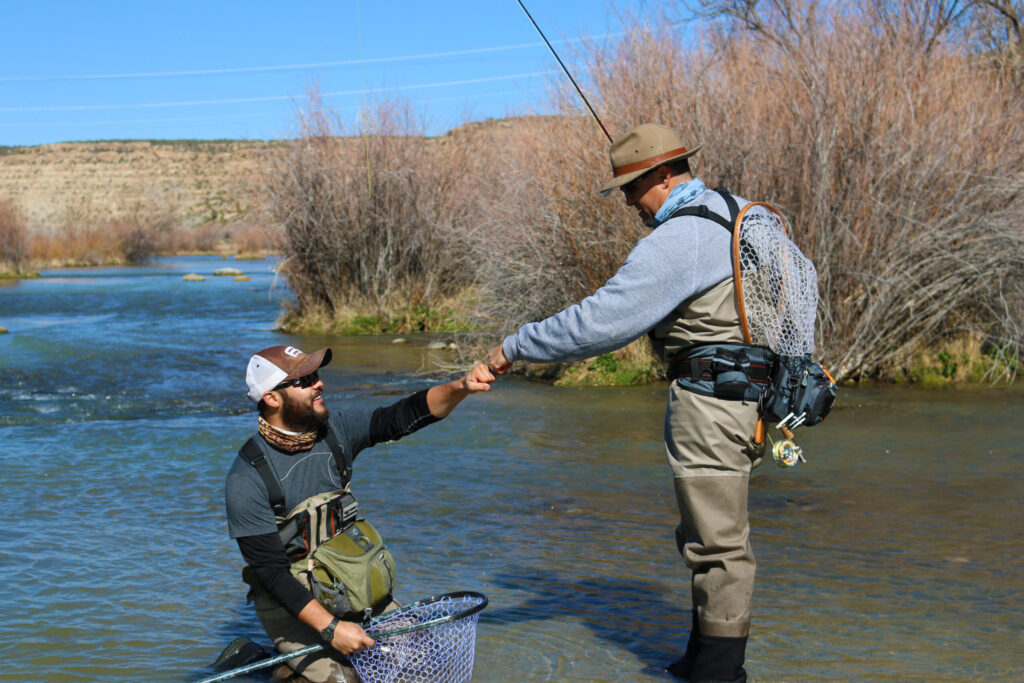
Hunting & Fishing Access

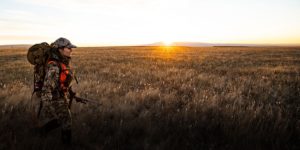
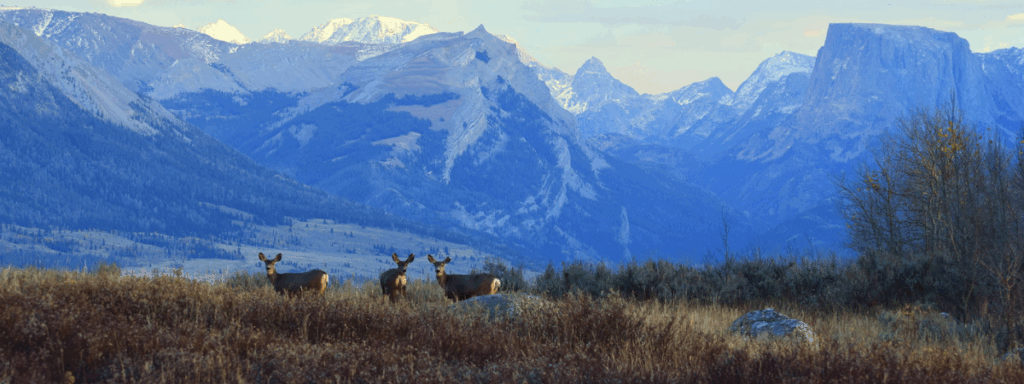
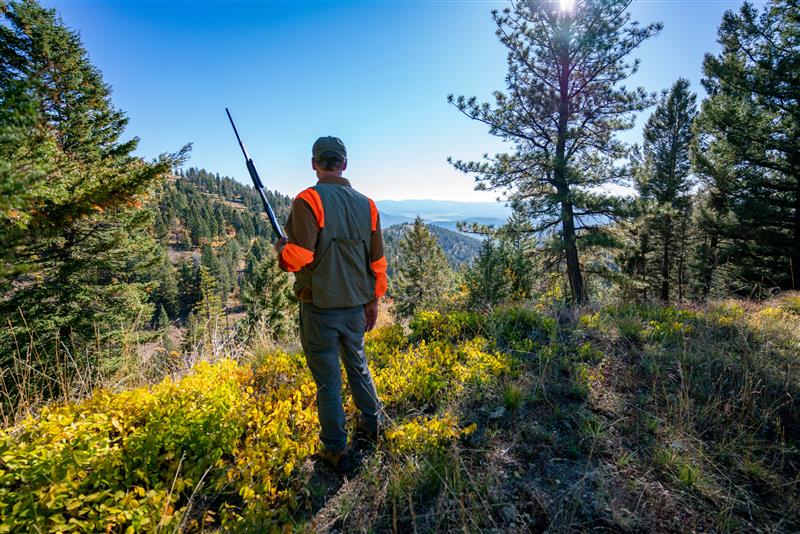
America’s 640 million acres of national public lands provide irreplaceable hunting and fishing opportunities to millions of Americans.

Learn More About Access
What TRCP is Doing

We’re working to safeguard America’s public lands so hunters and anglers always have quality places to pursue their passions.
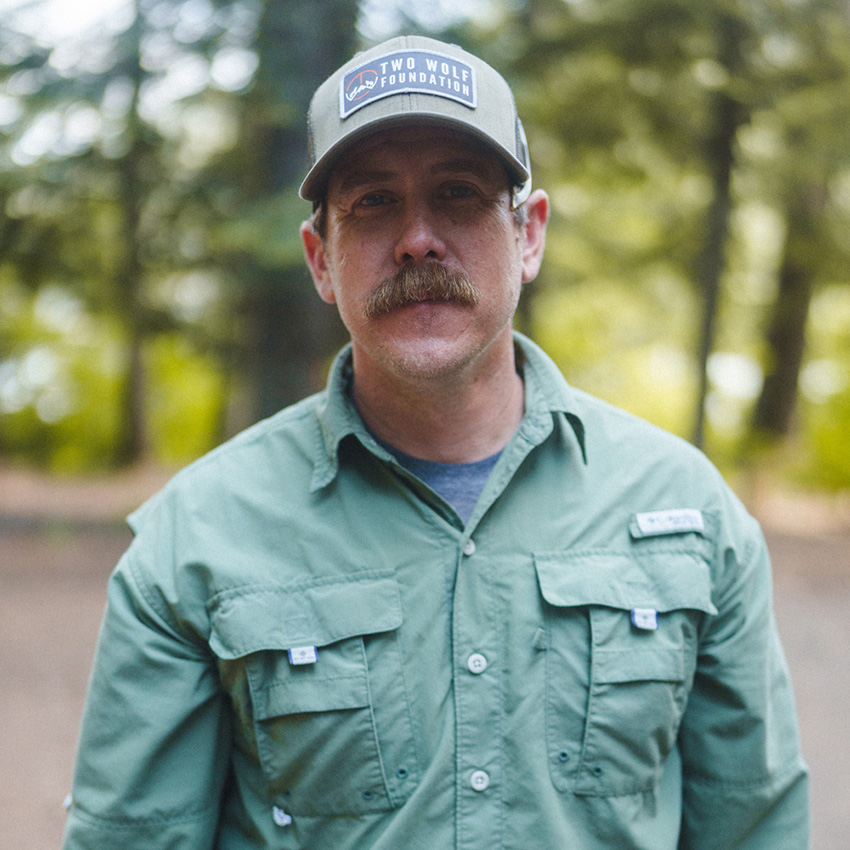
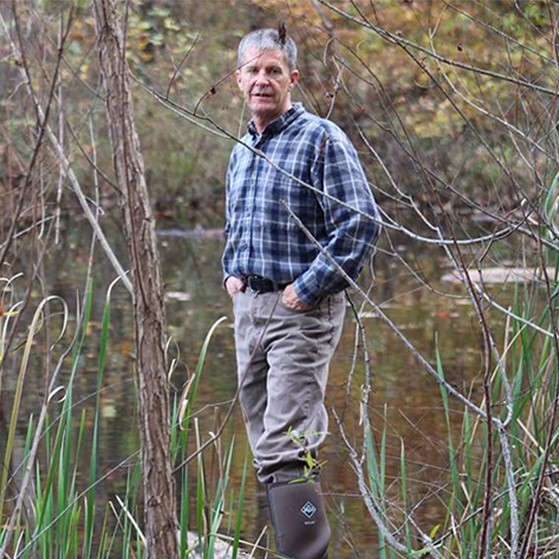
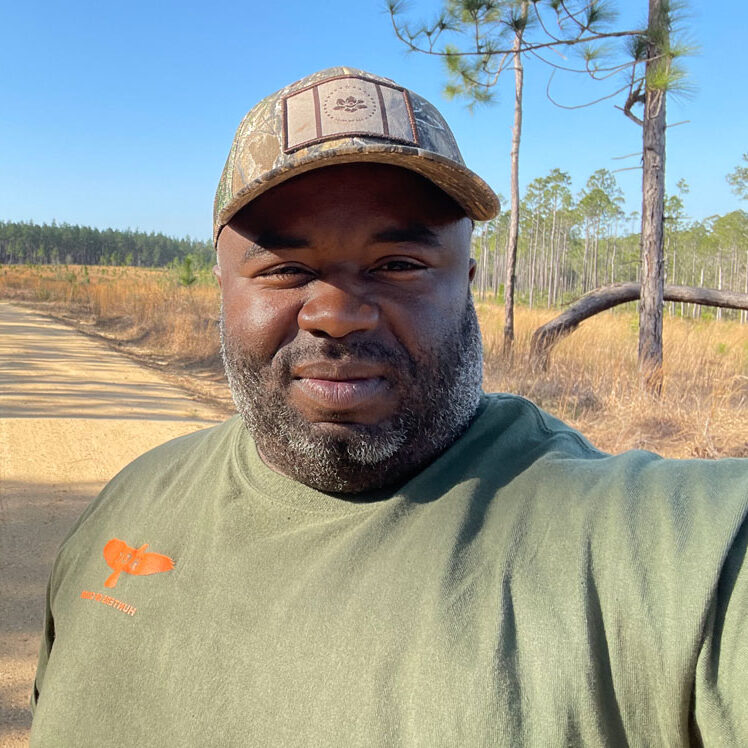
 Brian Flynn, Two Wolf Foundation
How Sportsmen Are Doing It Right

Brian Flynn, Two Wolf Foundation's Story

Following a distinguished career in the U.S. Army, lifelong outdoorsman Brian Flynn returned home from a deployment in Afghanistan and…


Hunting
Why It Matters

Key Issues for America’s Hunters

Your source for the latest policy updates, conservation challenges, and opportunities shaping America’s hunting traditions.

What TRCP is Doing

We’re fighting for meaningful policy changes that benefit wildlife, our waters, and the American landscapes that make our outdoor traditions possible.

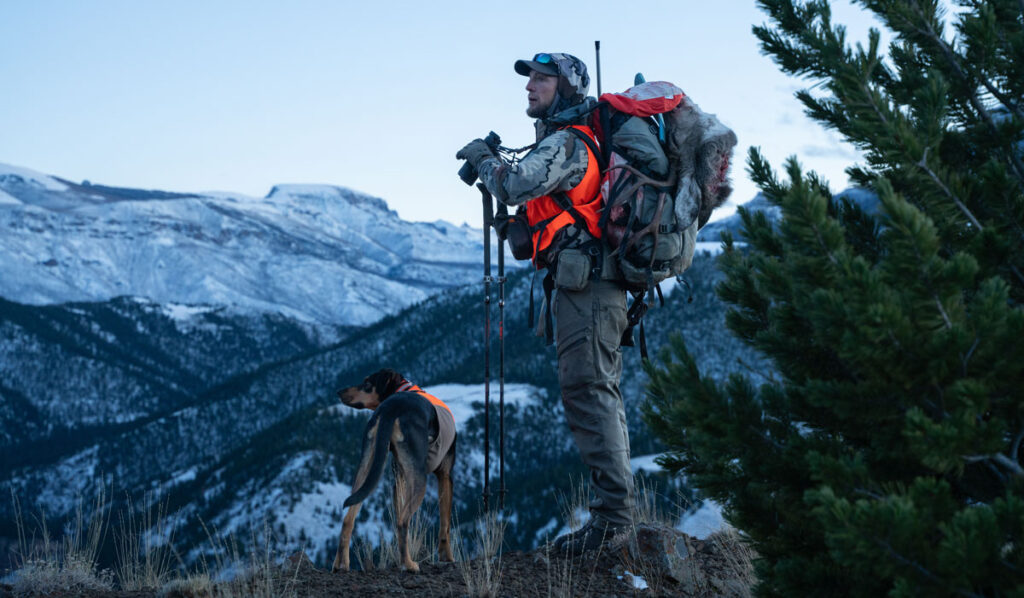
 Ryan Sparks
How Sportsmen Are Doing It Right

Ryan Sparks's Story

TRCP’s “In the Arena” series highlights the individual voices of hunters and anglers who, as Theodore Roosevelt so famously said,…

Fishing
Why It Matters

Key Issues for America’s Anglers

Your source for the latest policy updates, conservation challenges, and opportunities shaping America’s fishing traditions.

Sign Up For Forage Fish Updates
What TRCP is Doing

We’re fighting for meaningful policy changes that benefit wildlife, our waters, and the American landscapes that make our outdoor traditions possible.

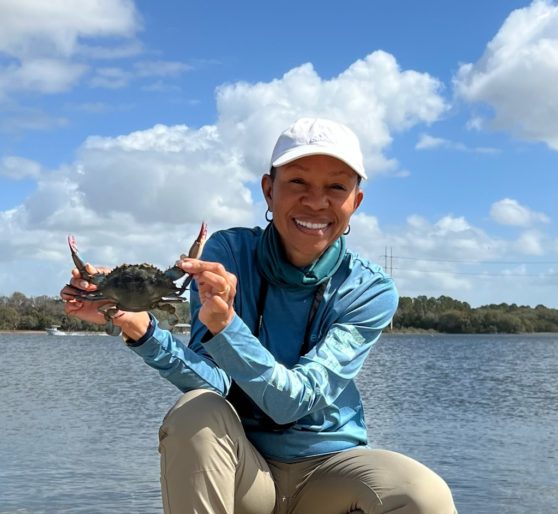
 David Mangum
How Sportsmen Are Doing It Right

David Mangum's Story

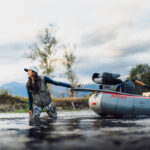
Capt. David Mangum is a YETI ambassador and outdoor photographer who utilizes his talents to produce media that inspire a…

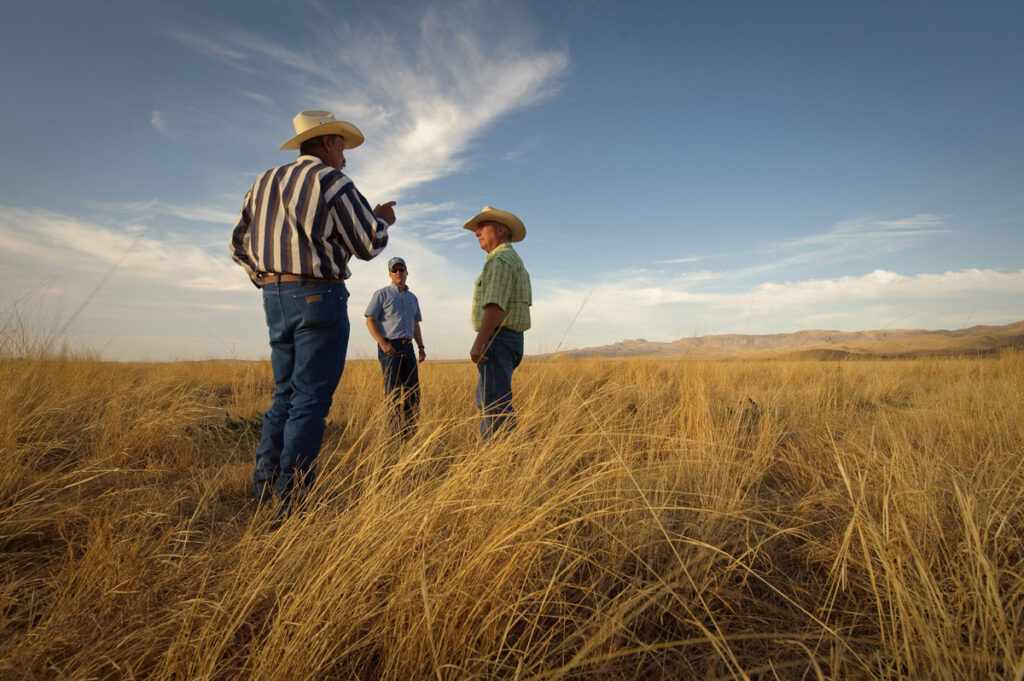
Private Land
Why It Matters

Stewardship on America’s private lands

With 70 percent of U.S. lands in private hands and many of our best hunt and fish opportunities occurring there, investing in voluntary conservation on working lands safeguards access, strengthens habitat and water quality, and ensures resilient landscapes.

Take Action - Farm Bill 2026
What TRCP is Doing

We champion policies and programs that restore wildlife habitat, improve soil and water health, and keep working lands productive.

 Ward Burton
How Sportsmen are Doing It Right

Ward Burton's Story

Ward Burton’s NASCAR driving career stretched across most of two decades. As an avid sportsman and conservationist, he founded the…

Special Places
Why It Matters

Special Places Worth Protecting

America’s most iconic landscapes provide unmatched habitat and unforgettable days afield. These places sustain wildlife, anchor local economies, and define the hunting and fishing traditions we pass down.

What TRCP is Doing

We’re working to conserve special places that provide world-class habitat and unforgettable opportunities for hunters and anglers.

 Franklin Adams
How Sportsmen Are Doing It Right

Franklin Adams's Story

As a true Gladesman, conservationist, and historian, Capt. Franklin Adams has spent more than six decades championing Everglades restoration efforts…

Habitat & Clean Water
Why It Matters

Healthy Habitat Powers Every Pursuit

All hunting and fishing opportunities depend on quality habitat, from clean water and healthy wetlands to winter and summer habitats and the migration corridors that connect them.

All About Habitat & Clean Water
What TRCP is Doing

We are working to safeguard the habitats that power every hunting and fishing opportunity.

 Alex Harvey
How Sportsmen Are Doing It Right

Alex Harvey's Story

Alex Harvey, founder of Legacy Land Management, is a registered professional forester in Mississippi and Alabama with a Master's degree…

Science
Why It Matters

Science That Guides TRCP

From conserving migration corridors and wetlands to ensuring clean water and resilient landscapes, science provides evidence that turns conservation goals into effective action.

Science for Conservation
What TRCP is Doing

For hunters and anglers, science safeguards the experiences we treasure including resilient big game populations, abundant fish, and wild places that endure changing social landscapes.

Jamelle Ellis
Your Science Expert

Jamelle Ellis's Story

Jamelle Ellis joined the Theodore Roosevelt Conservation Partnership in 2022. Jamelle spent the last three years as an environmental sustainability…

Where We Work
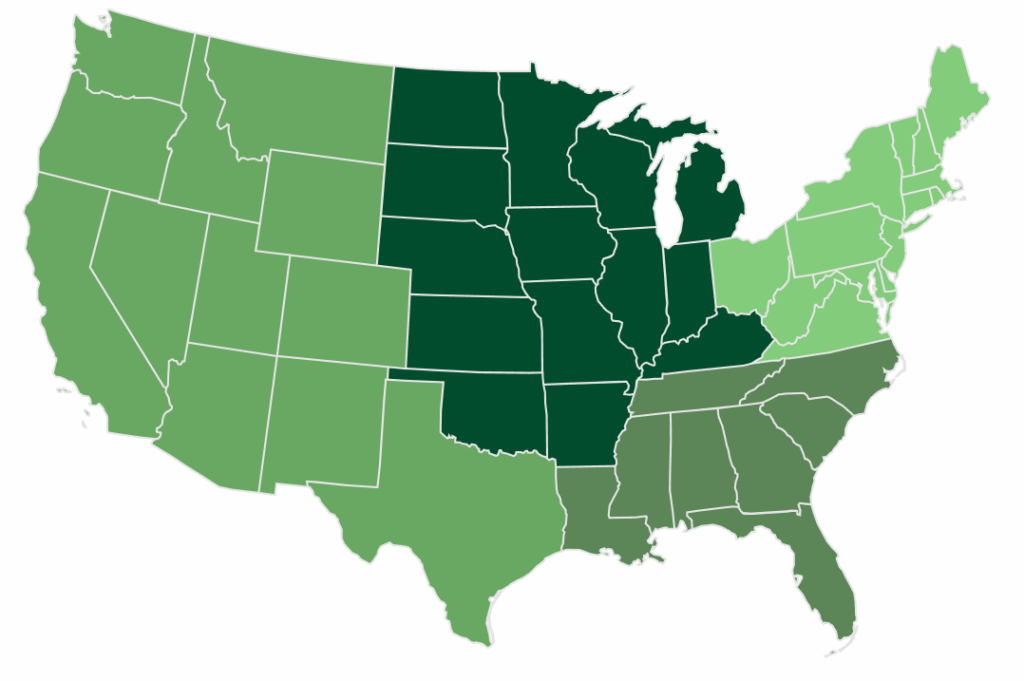
Across the Nation

Conservation Across America

TRCP works across the country to ensure hunters and anglers can enjoy healthy fish and wildlife and quality days afield, no matter where they live.

See All Issues
TRCP in Your Region

TRCP works across the country to ensure hunters and anglers can enjoy healthy fish and wildlife and quality days afield, no matter where they live.

Who We Are
Our Mission

To guarantee all Americans quality places to hunt & fish

We unite and amplify our partners’ voices to advance America’s legacy of conservation, habitat, and access.

Our Mission & Values
Our People & Partners
  • Meet the TRCP Team

    Our staff and board members unite and amplify our partners’ voices to advance America’s legacy of conservation, habitat, and access.

    Meet the Team
  • Our Partners

    ‘Partnership’ is in our name. We work with 64 diverse partner groups that represent today’s leading hunting, fishing, and conservation organizations in order to strengthen the sportsman’s voice in Washington, D.C.

    Our Partners
  • Corporate Council

    TRCP’s Corporate Council is made up of diverse corporations that share a common passion for conservation.

    Corporate Council
Our Organization

Looking for more information?

Explore our latest news, policy updates, and conservation resources to get the information you need.

Giving
How You Can Help

To guarantee all Americans quality places to hunt & fish

Your tax-deductible donation will support TRCP's mission, now and into the future.

DONATE
Special Ways to support trcp
  • Capital Conservation Awards Dinner

    The CCAD is one of Washington's best-attended conservation celebrations, featuring dinner, cocktails, and a silent auction.

    Learn More
  • Step Into the Arena

    Help us ensure that our treasured wild habitats and game remain intact for the next generation to enjoy – lend your support to the TRCP’s efforts today!

    Donate
  • Roosevelt Roast

    TRCP has partnered with Afuera Coffee Co. to further our commitment to conservation.

    Learn More
More donation options

Find the best way for you to lend your support. Join one of TRCP’s donor circles for special invitations, premium offerings from outdoor retailers, and more exclusive benefits. Take control of your legacy with planned giving or contribute to special conservation funds.

Other Ways To Give
News
In the Spotlight

The Habitat Connectivity on Working Lands Act Introduced in Senate

Legislation aims to codify highly successful USDA Migratory Big Game Initiative to enhance wildlife habitat connectivity on private and working lands.

Read More

Stay Informed

Receive our newsletter, the Roosevelt Report, right in your inbox. Never miss the latest news in conservation issues.

August 4, 2020

President Signs Great American Outdoors Act Into Law

TRCP’s CEO attends White House signing ceremony

President Donald Trump today signed bipartisan legislation that invests in America’s public lands, waters, and outdoor economy.

Whit Fosburgh, president and CEO of the Theodore Roosevelt Conservation Partnership, was among the conservation leaders who were invited to attend the historic signing of the Great American Outdoors Act.

“Hunters and anglers across the nation have a reason to celebrate today,” said Fosburgh. “The Great American Outdoors Act is the product of years of hard work by all segments of the outdoor community, from hunters and anglers to hikers and kayakers. To all the lawmakers who carried the water on Capitol Hill, we say thank you, and we thank President Trump for signing the bill into law. Today is proof that conservation stands above partisanship and political rancor.”

The Great American Outdoors Act fully funds the Land and Water Conservation Fund at $900 million annually, and invests $9.5 billion over the next five years to address the maintenance backlog on federal public lands.

More information about the bill is available here.

5 Responses to “President Signs Great American Outdoors Act Into Law”

  1. michael gondell

    Thrilled to see this finally become law but trump administration must do far more however it will never happen. Glad to see TRCP on the right
    side of things and opposing Bristol Bay go ahead and trying to save Clean Water Act along with other important
    conservation issues.

Do you have any thoughts on this post?

XHTML: You can use these tags: <a href="" title=""> <abbr title=""> <acronym title=""> <b> <blockquote cite=""> <cite> <code> <del datetime=""> <em> <i> <q cite=""> <s> <strike> <strong>

Comments must be under 1000 characters.

August 3, 2020

BLM Releases Final Montana Management Plans that Conserve Key Backcountry Lands

Backcountry Conservation Areas near Missoula and Lewistown will safeguard recreational opportunities and wildlife habitat

(Missoula, Mont.)–The Bureau of Land Management today announced it’s finalizing new Resource Management Plans in western and central Montana that will shape hunting and fishing opportunities for generations to come.

These two plans will guide the future of forest and grassland management, wildlife habitat, fisheries conservation, and outdoor recreation on approximately 900,000 acres of public lands east of Missoula, surrounding Lewistown, and in and around the Missouri River Breaks. In response to requests from sportsmen and women, the final plans include Backcountry Conservation Areas, a new multiple-use framework aimed at conserving prized big game habitat and hunting and fishing areas.

“Thanks to these plans sportsmen and women will experience high-quality big game hunting in places like the Hoodoos and Ram Mountain in the Missoula area, as well as Arrow and Crooked Creeks in central Montana,” said Scott Laird, Montana Field Representative with the Theodore Roosevelt Conservation Partnership. “We appreciate that the Montana BLM listened to the input of many hunters and anglers and adopted Backcountry Conservation Areas in the final plans.”

The Missoula Field Office plan guides the management of local landmarks including the Blackfoot River corridor and portions of the Garnet and John Long mountain ranges. The revision process was formally initiated in early 2016 with a scoping phase and then the draft plan was published in May 2019. Hunters, anglers, the state of Montana, tribal representatives, Missoula County, and other entities spoke up in support of Backcountry Conservation Areas in the highest value wildlife and recreation areas. Those comments are reflected in the final plan.

In the Lewistown Field Office, which encompasses some of Montana’s best elk hunting units in the Missouri River Breaks, the planning revision process unfolded along a parallel timeline to Missoula’s. Similarly, strong support from the sporting community, the state of Montana, and local conservation groups led BLM decision-makers to include Backcountry Conservation Areas in the Crooked Creek and Arrow Creek areas.

“While the Lewistown RMP didn’t include everything we asked for, we are grateful that our comments generated some compromise, said Doug Krings, the Region 4 Chapter Leader for Backcountry Hunters & Anglers. “In particular, the addition of the BLM’s new Backcountry Conservation Areas—which ensure that wildlife and wild places will stay intact and productive for hunters and other outdoor recreationists—is something that all public land owners are pleased to see.”

“The recently released plans are not perfect, but Trout Unlimited appreciates changes in the final Lewistown plan that give greater consideration for the conservation and restoration of rare native trout populations in the Judith Mountains,” said Colin Cooney, Montana field coordinator for Trout Unlimited.  “We also feel that this RMP sets a new, much-welcomed standard for stream buffers in the West and one that we are going to work with other field offices to adopt in a region where economic diversity is so important. Specifically, the plan includes ½ mile oil and gas development buffers for all Blue and Red Ribbon fisheries, native trout streams, and streams suitable for restoring populations of Westslope cutthroat trout. We thank the BLM for including this necessary, balanced, and common-sense bar of protection for our most important trout fisheries.”

In collaboration with landowners, local government officials, and other stakeholder groups, several hunting and fishing organizations helped activate sportsmen and women to provide meaningful feedback on the draft plans that was then incorporated into the final proposals.


Photo: Charlie Bulla

July 31, 2020

Pebble Mine Was Too Risky Then, and It’s Too Risky Now

Despite the results of the Army Corps’ final environmental impact statement, sportsmen and women still oppose greenlighting the copper and gold mine permit

In 2014, the EPA all but doomed the now-infamous Pebble Mine proposal on the grounds that it would irrevocably damage Bristol Bay’s sockeye salmon fishery. But last week, the Army Corps of Engineers concluded in its final environmental impact statement that the mine would not have a measurable effect on fish numbers.

Now, the Corps could give the green light to dig in the headwaters of Bristol Bay in as little as 20 days, even though its study confirms that Pebble would destroy 185 miles of streams and over 4,000 acres of wetlands in the most prolific sockeye salmon fishery on the planet.

Photo by Tim Romano.

This decision would do harm to:

  • A $1.5-billion economy that supports over 15,000 jobs for lodge owners, guides, commercial fishermen, fish processors, tourism operators, and more.
  • One of the most sought-after sportfishing destinations in the country.
  • 31 federally recognized Yup’ik, Dena’ina, and Alutiiq tribes that depend on salmon to support their way of life.
  • More than 50 percent of the world’s catch of sockeye salmon.
  • The broader habitat at the headwaters of Bristol Bay, where Pebble would permanently store 10.2 billion tons of toxic waste.
  • Taxpayers, who would be stuck footing the bill for pollution and habitat damage.
Photo by Fly Out Media.

Oh, and did we mention that Pebble Mine investors wouldn’t even be satisfied with the project as it has been proposed? You see, to get the permit, the applicant substantially shrank the footprint of the mine from what they were proposing five years ago.

Looking at only the current plan, which would extract only a part of the mineral deposit at the site, economists estimate that the mine will lose $3 billion in its first 20 years unless it is expanded. A bigger footprint means more habitat degradation. Witnesses testified on this point before the House Subcommittee on Water Resources and the Environment last fall.

As sportsmen and women, we are once again in a pivotal moment to speak out against Pebble Mine. We know you’ve heard this at various points in the process for the better part of a decade spanning two presidential administrations. (Here’s our appeal after a mildly positive development in 2018.)

Photo by Paul Nicoletti.

But the fact that the proposal was once off the table based on the impact to fish habitat should energize us all to stay engaged. We cannot give up now.

The House voted yesterday to block permitting of Pebble Mine in an amendment to a $1.3-trillion spending package under consideration today. Sportsmen and women need to send a message to senators and the White House and request that national decision-makers intervene to save Bristol Bay.

Take Action Now

For more information on Pebble Mine threats, visit savebristolbay.org. Top photo by Fly Out Media.

July 24, 2020

This New Rule Deals Another Serious Blow to Fish Habitat and Wetlands

While the conservation world focused on the Great American Outdoors Act, the administration quietly limited the states’ authority to protect water quality

It feels unfair to be writing about bad news for water quality as we celebrate such a hard-earned victory for public lands this week. Certainly, with the year we’ve been having, all Americans needed a win. But those of us who have been fighting the dismantling of Clean Water Act protections for streams and wetlands needed a morale boost even more. Here’s why:

Last week, the Environmental Protection Agency quietly finalized changes to Clean Water Act rules that allowed states to look out for their own water quality as development activities needing federal permits are proposed that may affect the rivers, streams, and wetlands. What is noteworthy from an administration that usually champions states’ rights is how this rule removes state power.

The EPA’s new rule deals with the “401 certification” process, which is an important, if obscure, Clean Water Act authority. To understand how it works, you need to know two things:

  1. Federal agencies permit thousands of construction activities across the country each year. The Army Corps of Engineers typically issues permits for building roads, bridges, shopping malls, housing developments, dams, and diversions that touch the nation’s water bodies—inland and coastal, big and little—and wetlands. The Federal Energy Regulatory Commission licenses hydropower facilities and transmission pipelines.
  2. The Clean Water Act authorizes states to tell these federal agencies what conditions to include in their federal permits that will protect the state’s water quality from the adverse effects of development.
Photo by US Fish and Wildlife Service.


At least twice since the mid-1990s, the U.S. Supreme Court has affirmed the broad scope of states’ authority under section 401 of the Clean Water Act. In the first of these cases, the State of Washington successfully required a dam operator to maintain healthy river flows for the resident salmon fishery. That’s just one example of how this process has provided checks and balances to benefit fish and wildlife.

To be clear, the states’ role is not to prevent development. With tens of thousands of certifications issued annually, half the states who responded to an EPA survey reported zero denials. Because projects need certification, the process is usually one where states and applicants work together to find ways for development to proceed without compromising water quality, habitat, or outdoor recreation opportunities.

The new rule would fundamentally change this process, which has existed for 50 years.
Most dramatically, it limits the states to imposing only conditions that relate directly to water quality standards that EPA approves. So, if a bridge were proposed across a stream that currently supports a recreational fishery and provides fishing access, the state could not require that substitute access be provided close by, because EPA does not do this work.

States can no longer institute certain flow requirements—like Washington did to save its salmon—or require a permittee to build or maintain fish passage, even when the permitted activity would fragment an intact fishery’s habitat.

And states will no longer be able to require water quality protection for the streams and wetlands that the federal government no longer protects under the new “waters of the US” rule. (Here’s my post about that.) According to Trout Unlimited scientists, this is 50 percent of the nation’s stream miles and 40 percent of wetlands, like the prairie potholes of the Upper Midwest.

The rule finalized last week also tightens timelines for the states to take action. States issue most of their certifications in less than six months, but large complex infrastructure reviews take more time. It is appropriate to ask regulators to work quickly, but this new rule shifts the power to applicants. The clock starts to run when applicants first put in a basic request—not when a state receives a complete application, with all the information needed for analysis and decision.

Photo by U.S. Fish and Wildlife Service.

Why these changes? In 2019, in Executive Order 13868, President Trump directed the EPA to change the certification process “to encourage greater investment in energy infrastructure.” Regardless of the importance of this policy, it is unrelated to the only objective of the Clean Water Act, to restore the chemical, physical, and biological integrity of our nation’s waters.

The 401 certification change will almost certainly mean less clean water for fish and wildlife, especially when added to the administration’s rule rolling back environmental reviews under the National Environmental Policy Act, also finalized last week, and the rule I mentioned shrinking Clean Water Act protection by almost half.

During debate over the latter, the administration argued that the states could use their authority to protect the headwaters and wetlands that the federal government would no longer regulate. But this latest change constrains the states’ ability to do just that.

While EPA takes contrary positions regarding state authority, the beneficiaries of these rules are the same—those who want to build pipelines without having to safeguard fish and wildlife. These developers also win under the NEPA rule changes.

Sadly, the losers may be those of you reading this blog.

July 20, 2020

Four Reasons to Root for the Recovering America’s Wildlife Act

Billions of dollars in annual funding could go to habitat restoration and boosting wildlife species

Earlier this month, the U.S. House of Representatives passed the Recovering America’s Wildlife Act as an amendment to its sweeping infrastructure package, and this builds momentum for what could be the most impactful wildlife conservation investment in U.S. history. The Act would provide $1.4 billion in dedicated funding annually to restore habitat, recover wildlife populations, and rebuild the infrastructure for both our natural systems and outdoor recreation opportunities across the country.

Here are four reasons why the Recovering America’s Wildlife Act is one for sportsmen and women to watch in the weeks ahead.

The timing couldn’t be better.

These investments would put Americans back to work immediately by creating non-exportable jobs—as many as 33,500 annually—that will fuel our nation’s $778-billion outdoor recreation economy just as local businesses need it most. And as states continue to slowly re-open parks and public lands, Americans are grateful for the escape that the outdoors can provide. Congress can support economic recovery and underscore the value of our natural resources by advancing this bill.

RAWA dollars would meet their match on the ground.

The $1.4-billion annual investment included in the House bill would generate an additional $3.36 billion in economic output. This means every federal dollar spent on species and habitat restoration would generate 2.4 times that amount for the national economy. This is a net positive gain of $1.96 billion for the U.S. Gross Domestic Product, but sportsmen and women would also see the results of healthier wildlife habitat in the form of world-class recreation opportunities.

Bipartisanship is strong with this one.

This common-sense, fiscally responsible solution is endorsed by 182 House cosponsors on both sides of the aisle. It received strong bipartisan support when it was reported out of the House Committee on Natural Resources last December and as it was passed on the House floor. (It is worth noting that the group of amendments that included RAWA was praised as the only bipartisan legislation being considered “en bloc” during these floor proceedings.) This consensus makes a strong case for the bill’s passage in the Senate.

It creates a new source of federal conservation funding for the next five years.

As an amendment to the House infrastructure package (H.R.2), the bill would fund the implementation of existing science-based wildlife action plans managed by state fish and wildlife agencies on the same timeline as the five-year highway bill. But, ultimately, we want to see this become a permanent, dedicated 21st-century funding model for the much-needed conservation of our fish and wildlife.

This is exactly what the Alliance for America’s Fish and Wildlife was established to accomplish. We bring together members representing the outdoor recreation, retail, and manufacturing sector, including the energy and automotive industries, plus private landowners, educational institutions, conservation organizations, sportsmen’s groups, and state and federal fish and wildlife agencies to achieve our mission.

In June 2020, we rallied this strong partnership to send a letter signed by 250 groups, businesses, and tribes to U.S. House leadership in support of including the Recovering America’s Wildlife Act in the infrastructure package. This proved effective, and we’ll continue to build on this broad base of support as we look to the Senate.

Keep following the TRCP for updates about the Recovering America’s Wildlife Act.


Sean Saville is the Alliance for America’s Fish & Wildlife campaign manager for the Association of Fish & Wildlife Agencies. He resides just outside of the nation’s capital in Virginia and is an avid outdoorsman and wildlife enthusiast. Among his favorite outdoor activities are hiking with his son, backcountry camping, motorcycle riding, snowboarding, and birdwatching. Feel free to contact Sean with any questions at ssaville@fishwildlife.org.


Top photo by Alex Butterfield via flickr.

HOW YOU CAN HELP

TRCP has partnered with Afuera Coffee Co. to further our commitment to conservation. $4 from each bag is donated to the TRCP, to help continue our efforts of safeguarding critical habitats, productive hunting grounds, and favorite fishing holes for future generations.

Learn More
Subscribe


You have Successfully Subscribed!

You have Successfully Subscribed!

You have Successfully Subscribed!

You have Successfully Subscribed!

You have Successfully Subscribed!