Our Issues
Public Lands
Why It Matters

Hunting & Fishing Access

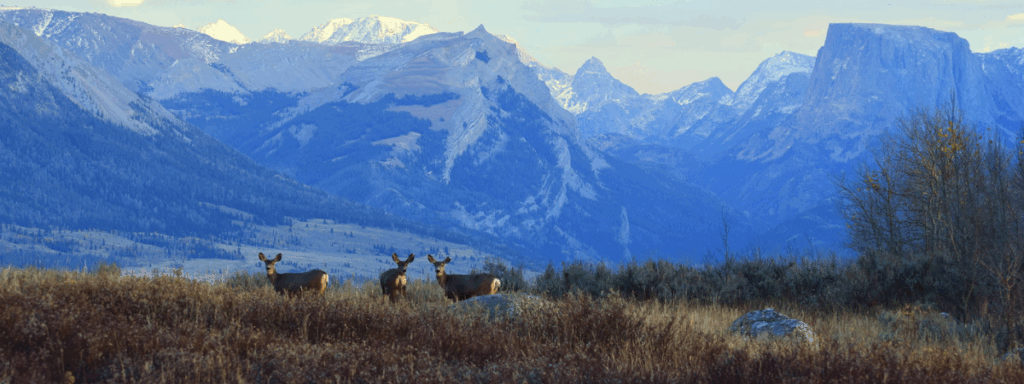
America’s 640 million acres of national public lands provide irreplaceable hunting and fishing opportunities to millions of Americans.

Learn More About Access
What TRCP is Doing

We’re working to safeguard America’s public lands so hunters and anglers always have quality places to pursue their passions.

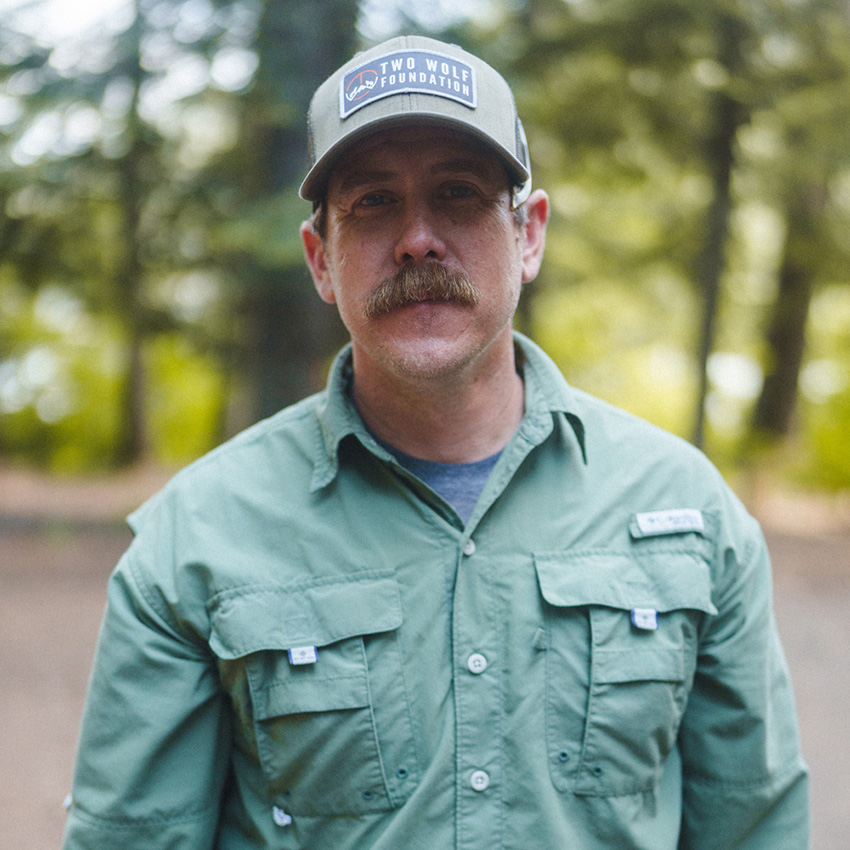
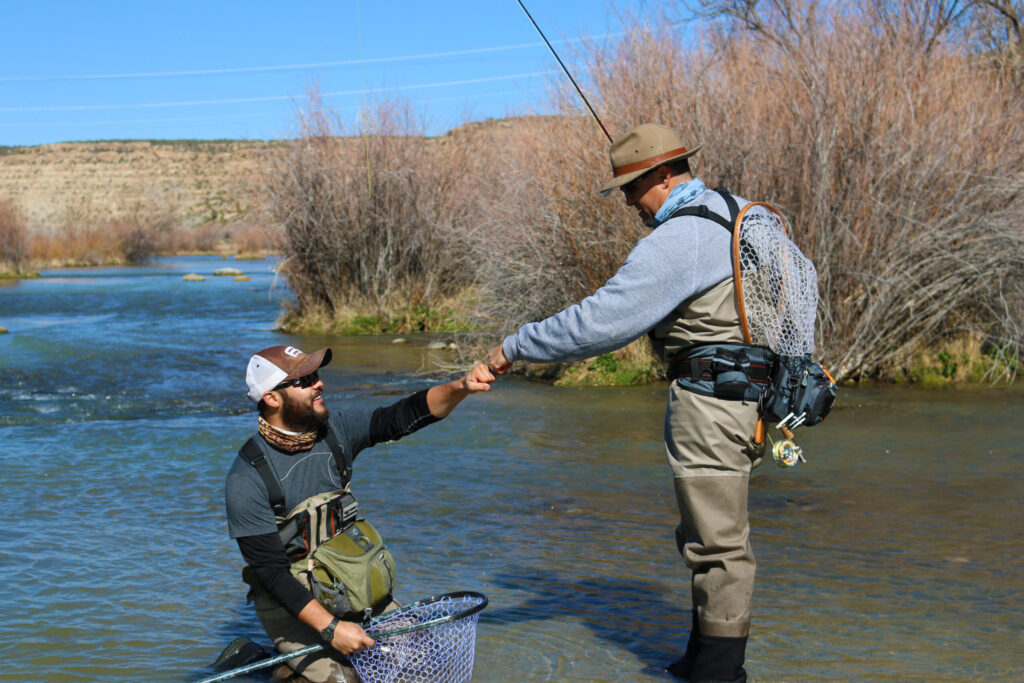
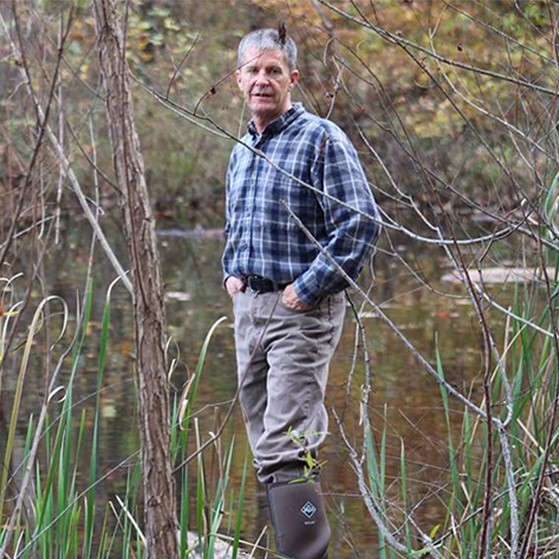
 Brian Flynn, Two Wolf Foundation
How Sportsmen Are Doing It Right

Brian Flynn, Two Wolf Foundation's Story

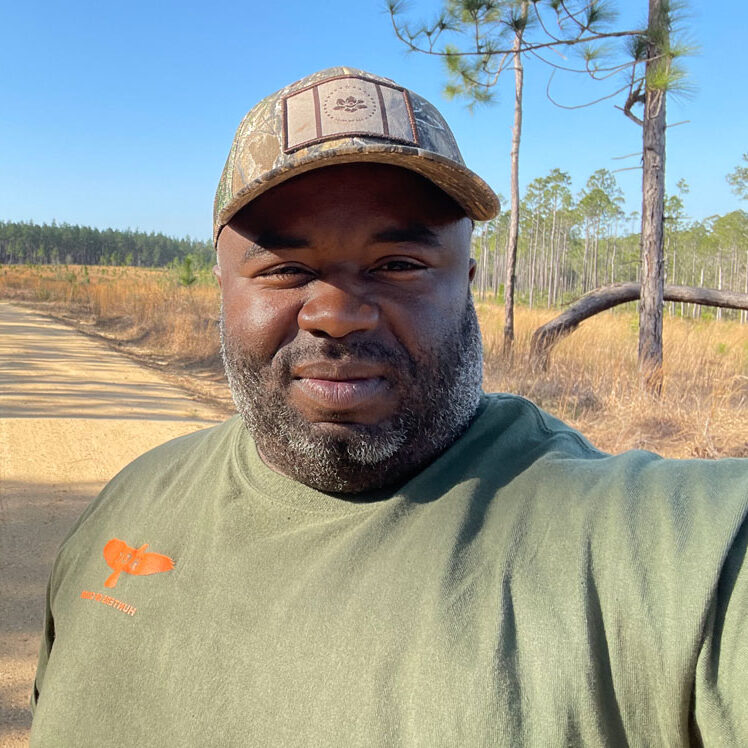
Following a distinguished career in the U.S. Army, lifelong outdoorsman Brian Flynn returned home from a deployment in Afghanistan and…


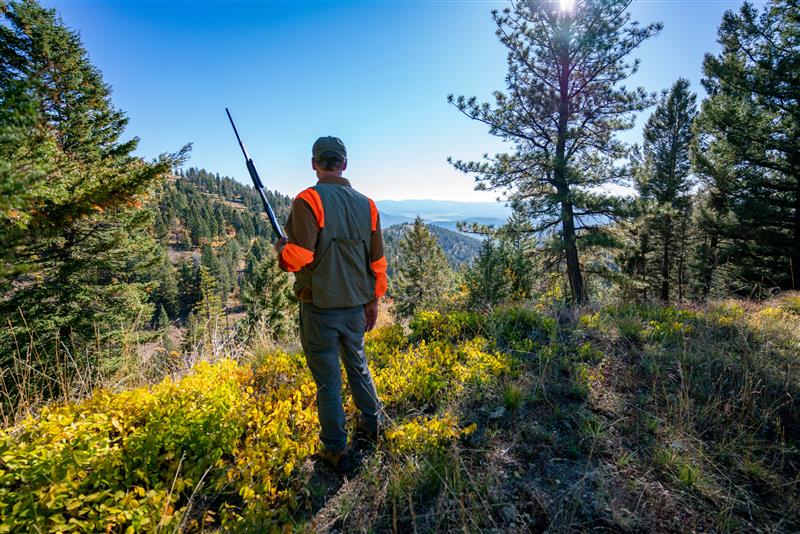
Hunting
Why It Matters

Key Issues for America’s Hunters

Your source for the latest policy updates, conservation challenges, and opportunities shaping America’s hunting traditions.

What TRCP is Doing

We’re fighting for meaningful policy changes that benefit wildlife, our waters, and the American landscapes that make our outdoor traditions possible.

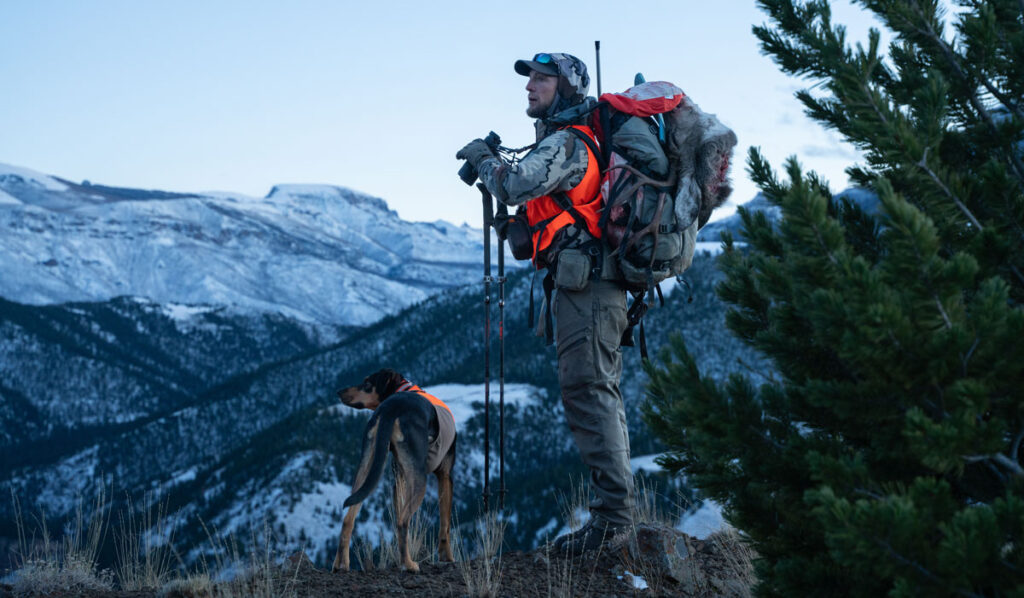
 Ryan Sparks
How Sportsmen Are Doing It Right

Ryan Sparks's Story

TRCP’s “In the Arena” series highlights the individual voices of hunters and anglers who, as Theodore Roosevelt so famously said,…

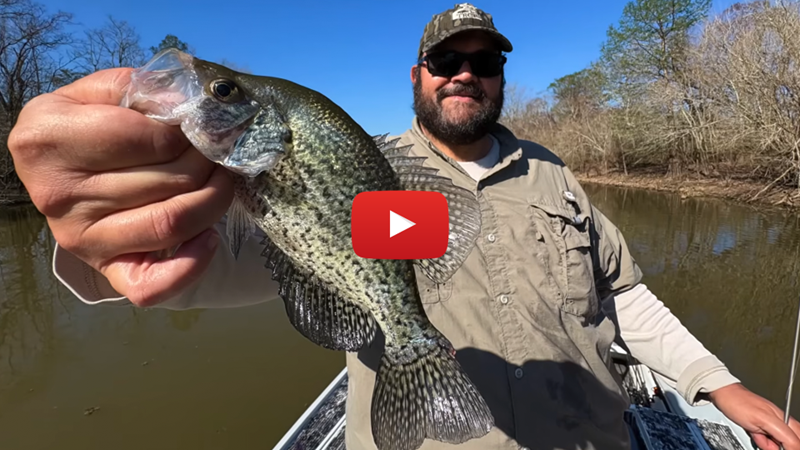
Fishing
Why It Matters

Key Issues for America’s Anglers

Your source for the latest policy updates, conservation challenges, and opportunities shaping America’s fishing traditions.

Sign Up For Forage Fish Updates
What TRCP is Doing

We’re fighting for meaningful policy changes that benefit wildlife, our waters, and the American landscapes that make our outdoor traditions possible.

 David Mangum
How Sportsmen Are Doing It Right

David Mangum's Story

Capt. David Mangum is a YETI ambassador and outdoor photographer who utilizes his talents to produce media that inspire a…

Private Land
Why It Matters

Stewardship on America’s private lands

With 70 percent of U.S. lands in private hands and many of our best hunt and fish opportunities occurring there, investing in voluntary conservation on working lands safeguards access, strengthens habitat and water quality, and ensures resilient landscapes.

Take Action - Farm Bill 2026
What TRCP is Doing

We champion policies and programs that restore wildlife habitat, improve soil and water health, and keep working lands productive.

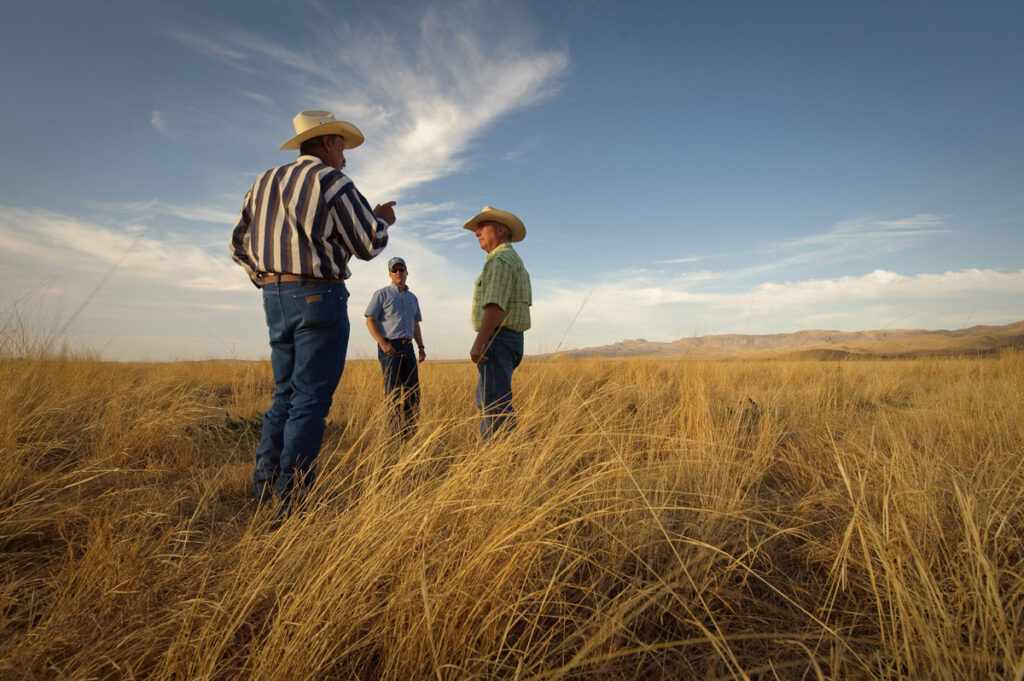
 Ward Burton
How Sportsmen are Doing It Right

Ward Burton's Story

Ward Burton’s NASCAR driving career stretched across most of two decades. As an avid sportsman and conservationist, he founded the…

Special Places
Why It Matters

Special Places Worth Protecting

America’s most iconic landscapes provide unmatched habitat and unforgettable days afield. These places sustain wildlife, anchor local economies, and define the hunting and fishing traditions we pass down.

What TRCP is Doing

We’re working to conserve special places that provide world-class habitat and unforgettable opportunities for hunters and anglers.

 Franklin Adams
How Sportsmen Are Doing It Right

Franklin Adams's Story

As a true Gladesman, conservationist, and historian, Capt. Franklin Adams has spent more than six decades championing Everglades restoration efforts…

Habitat & Clean Water
Why It Matters

Healthy Habitat Powers Every Pursuit

All hunting and fishing opportunities depend on quality habitat, from clean water and healthy wetlands to winter and summer habitats and the migration corridors that connect them.

All About Habitat & Clean Water
What TRCP is Doing

We are working to safeguard the habitats that power every hunting and fishing opportunity.

 Alex Harvey
How Sportsmen Are Doing It Right

Alex Harvey's Story

Alex Harvey, founder of Legacy Land Management, is a registered professional forester in Mississippi and Alabama with a Master's degree…

Science
Why It Matters

Science That Guides TRCP

From conserving migration corridors and wetlands to ensuring clean water and resilient landscapes, science provides evidence that turns conservation goals into effective action.

Science for Conservation
What TRCP is Doing

For hunters and anglers, science safeguards the experiences we treasure including resilient big game populations, abundant fish, and wild places that endure changing social landscapes.

Jamelle Ellis
Your Science Expert

Jamelle Ellis's Story

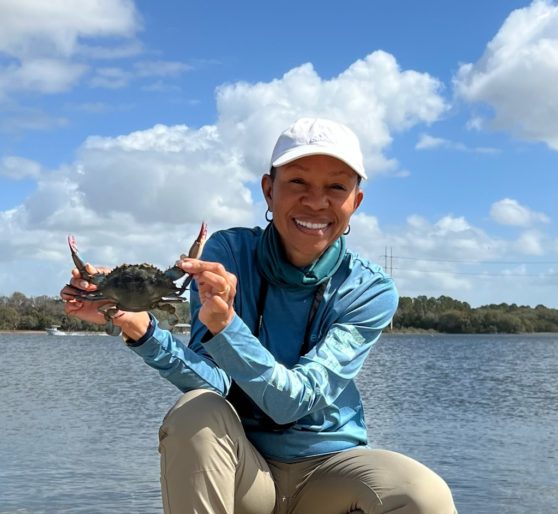
Jamelle Ellis joined the Theodore Roosevelt Conservation Partnership in 2022. Jamelle spent the last three years as an environmental sustainability…

Where We Work
Across the Nation

Conservation Across America

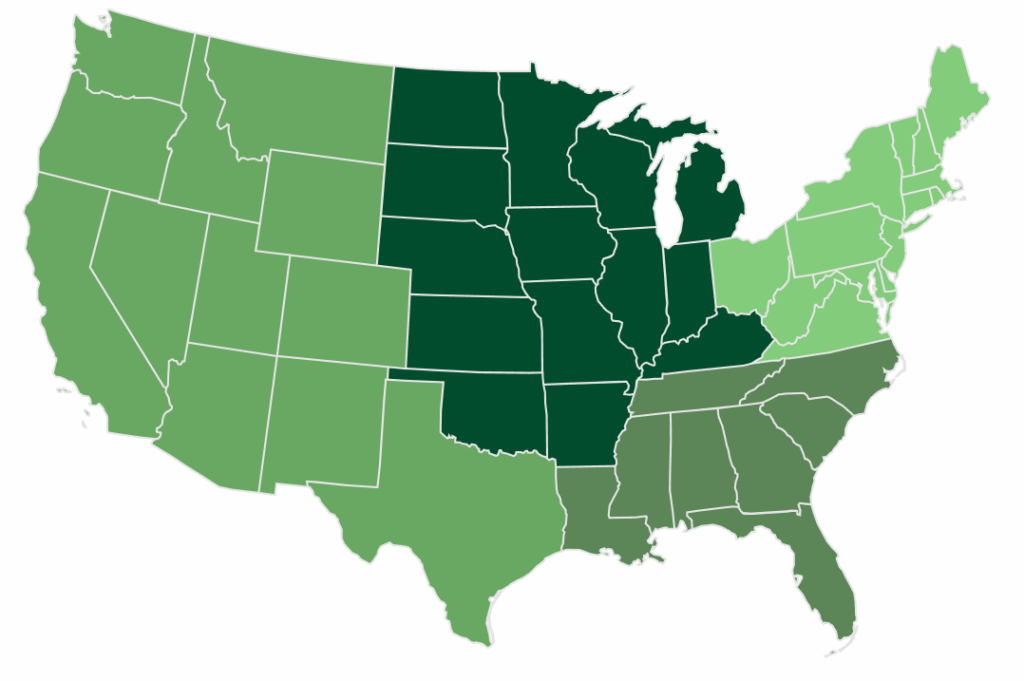
TRCP works across the country to ensure hunters and anglers can enjoy healthy fish and wildlife and quality days afield, no matter where they live.

See All Issues
TRCP in Your Region

TRCP works across the country to ensure hunters and anglers can enjoy healthy fish and wildlife and quality days afield, no matter where they live.

Who We Are
Our Mission

To guarantee all Americans quality places to hunt & fish

We unite and amplify our partners’ voices to advance America’s legacy of conservation, habitat, and access.

Our Mission & Values
Our People & Partners
  • Meet the TRCP Team

    Our staff and board members unite and amplify our partners’ voices to advance America’s legacy of conservation, habitat, and access.

    Meet the Team
  • Our Partners

    ‘Partnership’ is in our name. We work with 64 diverse partner groups that represent today’s leading hunting, fishing, and conservation organizations in order to strengthen the sportsman’s voice in Washington, D.C.

    Our Partners
  • Corporate Council

    TRCP’s Corporate Council is made up of diverse corporations that share a common passion for conservation.

    Corporate Council
Our Organization

Looking for more information?

Explore our latest news, policy updates, and conservation resources to get the information you need.

Giving
How You Can Help

To guarantee all Americans quality places to hunt & fish

Your tax-deductible donation will support TRCP's mission, now and into the future.

DONATE
Special Ways to support trcp
  • Capital Conservation Awards Dinner

    The CCAD is one of Washington's best-attended conservation celebrations, featuring dinner, cocktails, and a silent auction.

    Learn More
  • Step Into the Arena

    Help us ensure that our treasured wild habitats and game remain intact for the next generation to enjoy – lend your support to the TRCP’s efforts today!

    Donate
  • Roosevelt Roast

    TRCP has partnered with Afuera Coffee Co. to further our commitment to conservation.

    Learn More
More donation options

Find the best way for you to lend your support. Join one of TRCP’s donor circles for special invitations, premium offerings from outdoor retailers, and more exclusive benefits. Take control of your legacy with planned giving or contribute to special conservation funds.

Other Ways To Give
News
In the Spotlight

Preventing the Decline of a Top Louisiana Fishery

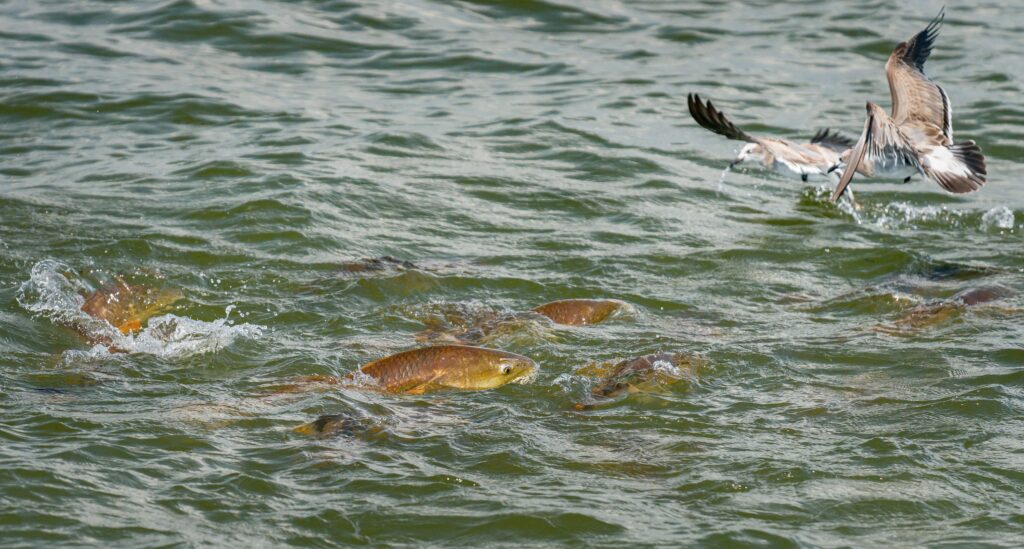
TRCP’s Chris Macaluso recently fished in Louisiana’s famous Atchafalaya Basin to target a local favorite catch and share updates and thoughts on the quintessential swamp’s restoration needs.

Read More

Stay Informed

Receive our newsletter, the Roosevelt Report, right in your inbox. Never miss the latest news in conservation issues.

by:

posted in:

December 19, 2019

Commerce Secretary Sides with Recreational Fishermen in Menhaden Case

Industrial fishing giant strikes out twice as it breaks the rules in the Chesapeake Bay

U.S. Secretary of Commerce Wilbur Ross today issued a decision cracking down on overfishing in the Chesapeake Bay and paving the way for better management of the menhaden fishery.

Ross found the state of Virginia out of compliance after foreign-owned Omega Protein willfully violated the fishing cap on menhaden, a key food source for striped bass, in the Chesapeake Bay.

“Secretary Ross made the right move in standing with recreational fishermen,” said Whit Fosburgh, president and CEO of the Theodore Roosevelt Conservation Partnership. “Reduction fishing for menhaden threatens the livelihoods of thousands of hard-working fishing guides and tackle shop owners and impacts everything from striped bass to whales. Today’s decision holds Omega accountable and sets the stage for improved management of this important forage fish.”

“U.S. Commerce Secretary Ross’ decision to hold Omega Protein accountable for their actions demonstrates clear conservation leadership to the sportfishing and boating industry and anglers along the Atlantic Coast,” said Glenn Hughes, president of the American Sportfishing Association. “This decision comes at a critical time because menhaden’s top predator, Atlantic striped bass, is currently in poor condition and the Chesapeake Bay is the primary spawning and nursery area for the species. We thank Secretary Ross for recognizing the value menhaden brings to the recreational fishing community and America’s outdoor recreational economy.”

“The ASMFC’s Policy Board has some of the finest fishery managers in the country on it and they unanimously found Virginia out of compliance with the Menhaden Fishery Management Plan. Upholding the ASMFC’s non-compliance finding for Virginia was simply the right thing to do,” said David Sikorski, executive director of Coastal Conservation Association Maryland. “We applaud Secretary Ross for defending both the management system and the forage base in the Chesapeake Bay.”

Since October, tens of thousands of recreational anglers, dozens of business and organizations, and nine Governors along the east coast, including Virginia Governor Ralph Northam, have all requested that the Secretary take action on this issue.

According to a recent scientific study, menhaden reduction fishing contributes to a nearly 30 percent decline in striped bass numbers. The striped bass fishing industry contributes $7.8 billion in GDP to the economy along the Atlantic coast.


Photo by Courtesy of John McMurray.

4 Responses to “Commerce Secretary Sides with Recreational Fishermen in Menhaden Case”

  1. Greg Singleton

    Hats off to TRCP for working with the appropriate federal agencies to hold Omega accountable and reign in the unlawful overfishing of menhaden, so desperately needed by our beloved striped bass. Keep up the good work!

  2. Matthew Hoagland

    Glad to hear the action is being taken. Is there going to be a long-term change that will lead to improvements in Striped Bass (and other) populations? Or, will the guilty party just pay a fine as a cost of doing business and continue with it’s same unsustainable practices?

  3. I have been involved in Mississippi where Omega calls home. A Canadian Company taking all of the fish. 300 Million pounds out of State waters of Mississippi. hundreds of species are suffering from malnutrition or their species is in collapse. Omega is a monster, secretive, distructive fishery. Thanks TRCS and all involved. If I can help please ask. I have 5 years of study and investigation of these criminals. Omega Protein is responsible for the collapse of all the fisheries on the Atlantic and Gulf of Mexico. They must be stopped or we will never have a recovery.

Do you have any thoughts on this post?

XHTML: You can use these tags: <a href="" title=""> <abbr title=""> <acronym title=""> <b> <blockquote cite=""> <cite> <code> <del datetime=""> <em> <i> <q cite=""> <s> <strike> <strong>

Comments must be under 1000 characters.

by:

posted in:

TRCP Trail Cameras Track Priority Areas for Migration Corridor Conservation

Field staff take to the woods to capture images of elk, deer, and sheep on the move

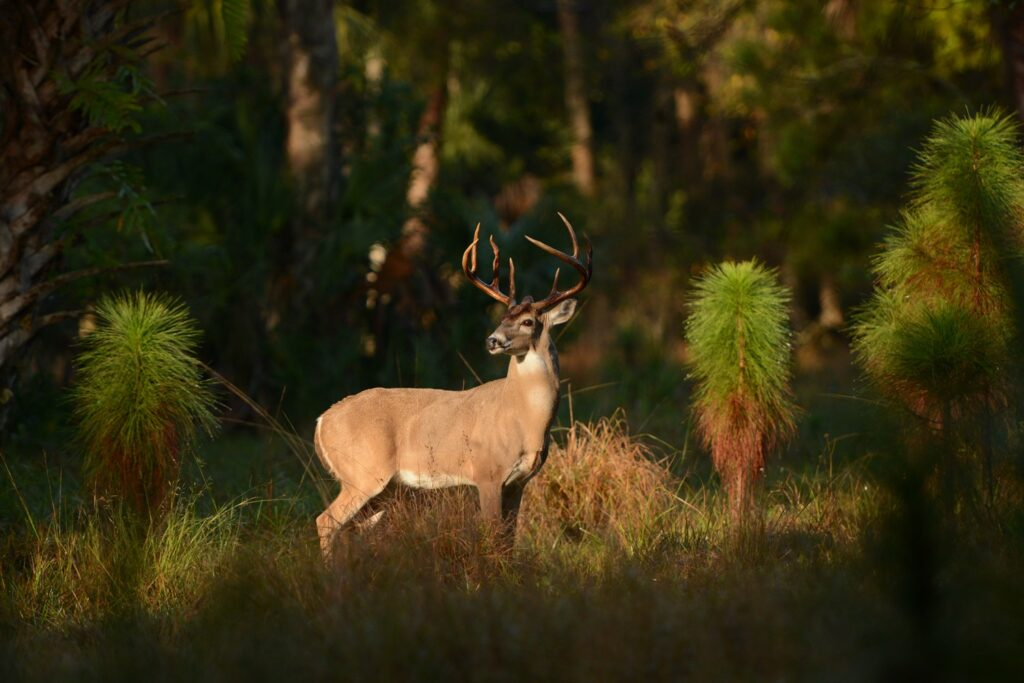
Like many hunters over the past few months, here at TRCP we’ve been paying close attention to the migration corridors and seasonal ranges used by big game species like mule deer, elk, bighorn sheep, and pronghorn antelope.

As landscapes across this country are increasingly fragmented by roads, fences, and human development, maintaining the functionality of these habitats has become an urgent conservation challenge. Meanwhile, a mounting body of scientific research shows that the loss of or disruption to migration corridors and winter range has a severe, negative impact on the health of big game herds.

There’s an old truism that a picture is worth a thousand words, so this fall TRCP took to the field armed with trail cameras to capture some images of these habitats in use. We focused our attention on the Santa Fe and Carson National Forests in northern New Mexico as well as the Rio Grande National Forest in southern Colorado.

We chose these places because ongoing planning efforts by the U.S. Forest Service will determine how these public lands are managed over the next 20+ years. It is imperative that land-use plans for our National Forests and Bureau of Land Management public lands incorporate the latest research on migration and seasonal range in order to ensure the health of wildlife. And where more research is needed to safeguard these habitats, it is critical that our fish and game agencies receive the resources needed to complete this important work.

By no means was our trail cam experiment a scientific effort—we simply thought it would be a fun way to raise awareness about the issue (and a good excuse to stretch our legs while exploring public lands). Besides, there are many other groups and agencies documenting big game migration using the latest methods and technology to improve our understanding of the issue.

So if you don’t already, follow us on Instagram and over the coming weeks you’ll see some of the wildlife images captured on our trailcams.

Or return to this blog, which will be updated as we release new photos on our social media accounts.

Above all else, be sure to support migration corridor conservation and let decision-makers know that sportsmen and women across the country won’t stand by while threats to our big game herds go unaddressed.


by:

posted in:

Commerce Secretary Sides with Recreational Fishermen in Menhaden Case

Industrial fishing giant strikes out twice as it breaks the rules in the Chesapeake Bay

U.S. Secretary of Commerce Wilbur Ross today issued a decision cracking down on overfishing in the Chesapeake Bay and paving the way for better management of the menhaden fishery.

Ross found the state of Virginia out of compliance after foreign-owned Omega Protein willfully violated the fishing cap on menhaden, a key food source for striped bass, in the Chesapeake Bay.

“Secretary Ross made the right move in standing with recreational fishermen,” said Whit Fosburgh, president and CEO of the Theodore Roosevelt Conservation Partnership. “Reduction fishing for menhaden threatens the livelihoods of thousands of hard-working fishing guides and tackle shop owners and impacts everything from striped bass to whales. Today’s decision holds Omega accountable and sets the stage for improved management of this important forage fish.”

“U.S. Commerce Secretary Ross’ decision to hold Omega Protein accountable for their actions demonstrates clear conservation leadership to the sportfishing and boating industry and anglers along the Atlantic Coast,” said Glenn Hughes, president of the American Sportfishing Association. “This decision comes at a critical time because menhaden’s top predator, Atlantic striped bass, is currently in poor condition and the Chesapeake Bay is the primary spawning and nursery area for the species. We thank Secretary Ross for recognizing the value menhaden brings to the recreational fishing community and America’s outdoor recreational economy.”

“The ASMFC’s Policy Board has some of the finest fishery managers in the country on it and they unanimously found Virginia out of compliance with the Menhaden Fishery Management Plan. Upholding the ASMFC’s non-compliance finding for Virginia was simply the right thing to do,” said David Sikorski, executive director of Coastal Conservation Association Maryland. “We applaud Secretary Ross for defending both the management system and the forage base in the Chesapeake Bay.”

Since October, tens of thousands of recreational anglers, dozens of business and organizations, and nine Governors along the east coast, including Virginia Governor Ralph Northam, have all requested that the Secretary take action on this issue.

According to a recent scientific study, menhaden reduction fishing contributes to a nearly 30 percent decline in striped bass numbers. The striped bass fishing industry contributes $7.8 billion in GDP to the economy along the Atlantic coast.


Photo by Courtesy of John McMurray.

by:

posted in:

December 17, 2019

Senate Committee Passes Legislation to Conserve Wetlands and Fish Habitat

North American Wetlands Conservation Act and the National Fish Habitat Conservation Through Partnerships Act Clear Key Hurdle

The Senate Environment and Public Works Committee today passed comprehensive wildlife conservation legislation that includes, among other major wins, authorization of two key initiatives that lay the groundwork for stronger management of wetlands, water, and fish habitat.

The North American Wetlands Conservation Act and the National Fish Habitat Conservation Through Partnerships Act both received unanimous bipartisan support as they made their way to the Senate floor.

The North American Wetlands Conservation Act was originally enacted in 1989 in an effort to restore wetland habitat for ducks, geese, and upland birds, provide flood control, reduce coastal erosion, and improve water quality. The Act is one of the great success stories of the modern conservation era and has funded nearly 3,000 projects through $1.73 billion in grants. More than 6,200 partners have contributed another $3.57 billion in matching funds to conserve 30 million acres of habitat.

“Among a multitude of benefits, wetlands provide excellent waterfowl habitat, contribute to carbon sequestration, and improve coastal resilience,” said Whit Fosburgh, president and CEO of the Theodore Roosevelt Conservation Partnership. “The North American Wetlands Conservation Act underpins many ongoing efforts to restore and safeguard these landscapes, which are critical to the future of hunting and fishing in America. For thirty years, this law has proven itself the model of conservation investment done right.”

The National Fish Habitat Partnership, a collective of 20 diverse groups across every landscape in America, has already succeeded in boosting fish populations through on-the-ground fish habitat conservation projects. Since 2007, more than 840 projects have been completed across all 50 states. But the future success of these partnerships is perennially threatened because the initiative has no permanent authorization and funding has been cut year after year. The National Fish Habitat Conservation Through Partnerships Act invests in the Program for the first time and formally establishes the National Fish Habitat Board to guarantee all stakeholders—tribes, nonprofits, local and state governments, private sector entities, and the federal government—have a seat at the table.

“Anglers are committed to advancing the conservation efforts of the Partnership,” added Fosburgh. “The National Fish Habitat Conservation Through Partnerships Act tackles some of the biggest challenges to fish habitat conservation head on. The TRCP is proud to be part of this effort moving forward.”

Earlier this year in a bipartisan vote, the U.S. House passed companion legislation for both bills, paving the way for support by Senate Democrats and Republicans.

The legislation passed by the Environment and Public Works Committee today also includes language to reauthorize the National Fish and Wildlife Foundation, create a coordinating task force between federal and state agencies on Chronic Wasting Disease, and reauthorize the Chesapeake Bay Program, a funding stream that helps Bay watershed states meet water quality goals.

“Thanks to the leadership of Chairman Barrasso and Ranking Member Carper and committee staff, we move one critical step closer to getting these bipartisan provisions on the President’s desk,” said Fosburgh.

More information about the National Fish Habitat Partnership is available HERE.


Photo courtesy of U.S. Fish and Wildlife Service.

by:

posted in:

December 16, 2019

Congress Announces Legislation to Invest in the Future of Hunting and Conservation

Bipartisan bill to keep the government open includes Pittman-Robertson Modernization Act

In one of the biggest conservation victories of the year, bipartisan leadership in the House and Senate released legislation to invest in the future of hunting and secure new investments in wildlife and habitat.

The bipartisan compromise to fund the government through September 2020 includes historic legislation that for the first time allows excise taxes on firearms and ammunition to be used to recruit, retain, and reactivate hunters.

As the number of hunters decline nationally, the Modernizing the Pittman-Robertson Fund for Tomorrow’s Needs Act will ensure that millions of more active and engaged outdoorspeople are paying into conservation and supporting some of America’s greatest traditions. This legislation has been a top priority for the Theodore Roosevelt Conservation Partnership, which has actively worked to include it in the year-end government funding deal.

“Every time hunters purchase guns and ammo they invest in habitat and wildlife, and this legislation will help avert a major conservation funding crisis,” said Whit Fosburgh, president and CEO of the Theodore Roosevelt Conservation Partnership. “We cannot underscore the importance of this bill for sportsmen and women, conservation, and the next generation of hunters. We hope everyone in the House and Senate will stand with hunters across the nation and send this to the President’s desk for swift signature.”

Between 2011 and 2016, the number of hunters declined by 16 percent contributing to a decline in funding from hunters.

“This is truly a landmark day for hunting and conservation,” said Fosburgh.

Read more about how the Modernizing the Pittman-Robertson Fund for Tomorrow’s Needs Act supports conservation HERE.

To take action and tell Congress to get this bill across the finish line sign our petition today.

HOW YOU CAN HELP

TRCP has partnered with Afuera Coffee Co. to further our commitment to conservation. $4 from each bag is donated to the TRCP, to help continue our efforts of safeguarding critical habitats, productive hunting grounds, and favorite fishing holes for future generations.

Learn More
Subscribe


You have Successfully Subscribed!

You have Successfully Subscribed!

You have Successfully Subscribed!

You have Successfully Subscribed!

You have Successfully Subscribed!