Our Issues
Public Lands
Why It Matters

Hunting & Fishing Access

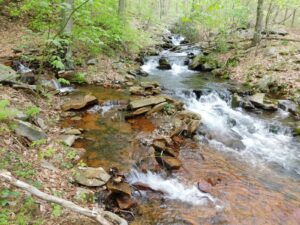
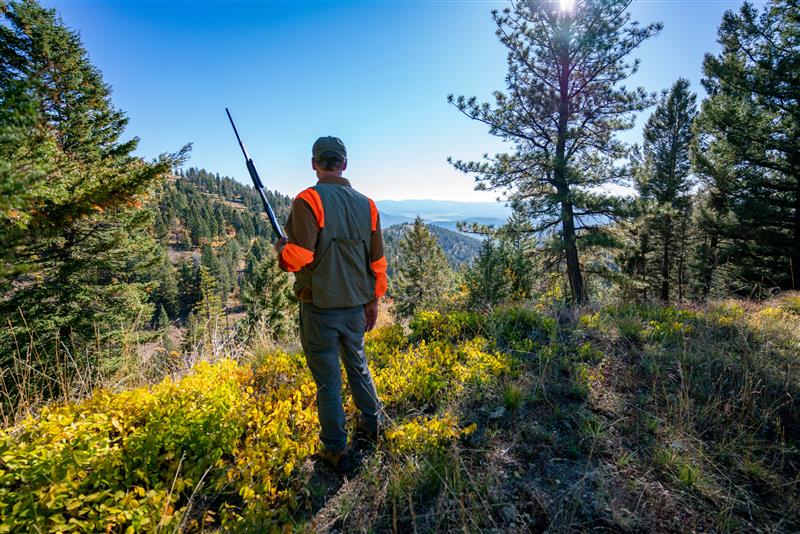
America’s 640 million acres of national public lands provide irreplaceable hunting and fishing opportunities to millions of Americans.

Learn More About Access
What TRCP is Doing

We’re working to safeguard America’s public lands so hunters and anglers always have quality places to pursue their passions.
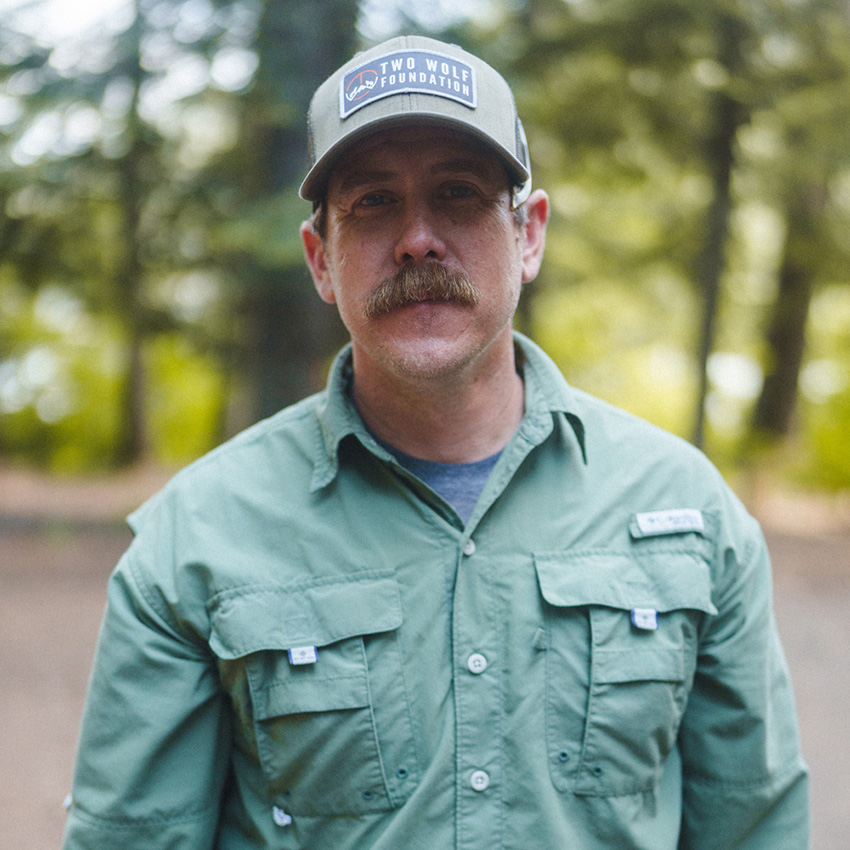
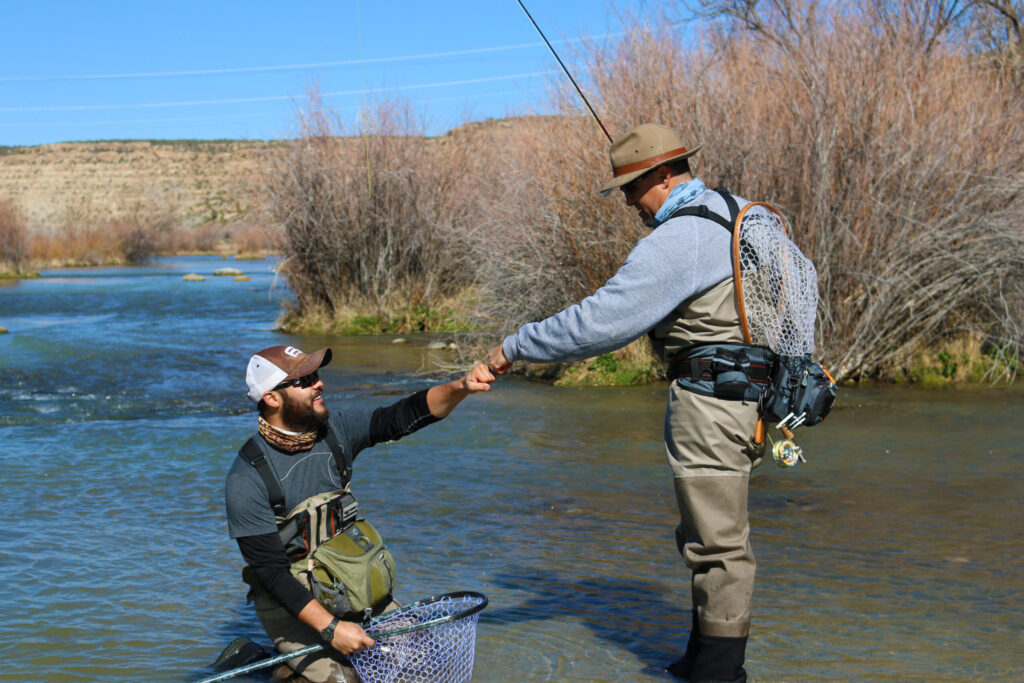
 Brian Flynn, Two Wolf Foundation
How Sportsmen Are Doing It Right

Brian Flynn, Two Wolf Foundation's Story

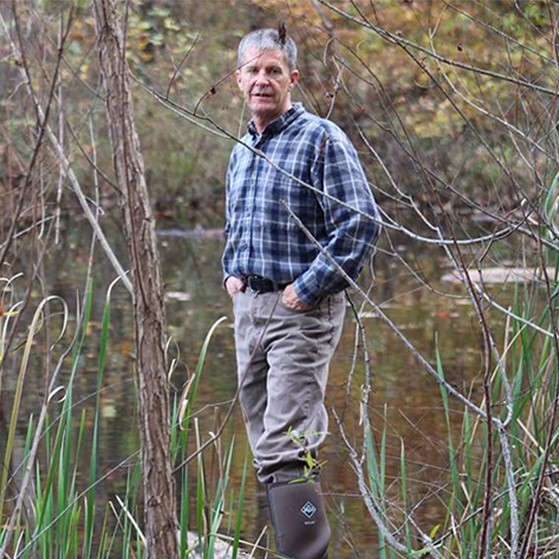
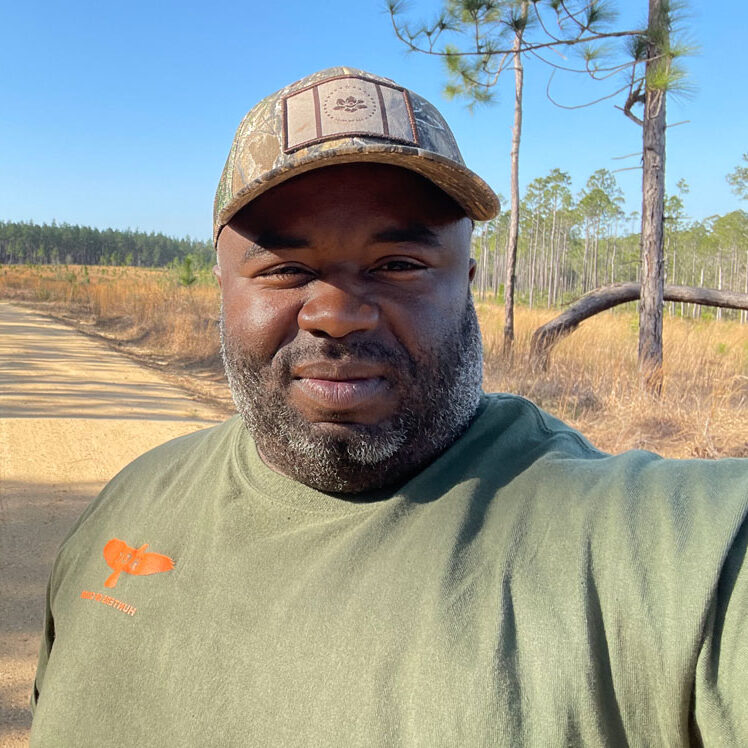
Following a distinguished career in the U.S. Army, lifelong outdoorsman Brian Flynn returned home from a deployment in Afghanistan and…

Hunting
Why It Matters

Key Issues for America’s Hunters

Your source for the latest policy updates, conservation challenges, and opportunities shaping America’s hunting traditions.

What TRCP is Doing

We’re fighting for meaningful policy changes that benefit wildlife, our waters, and the American landscapes that make our outdoor traditions possible.

 Ryan Sparks
How Sportsmen Are Doing It Right

Ryan Sparks's Story

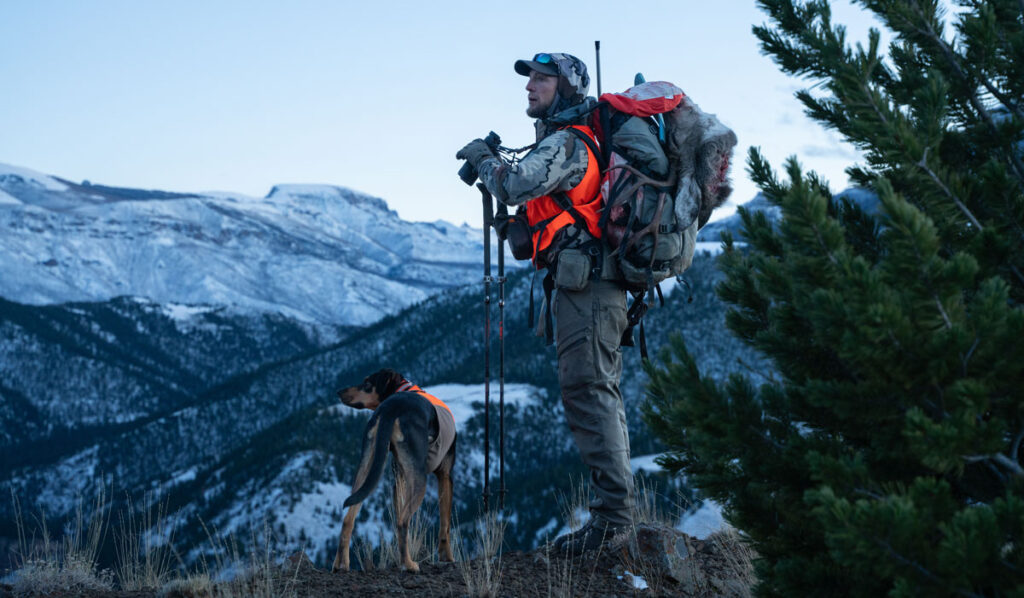
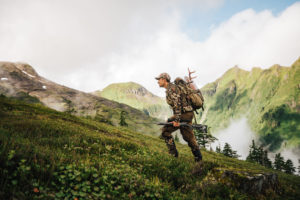
TRCP’s “In the Arena” series highlights the individual voices of hunters and anglers who, as Theodore Roosevelt so famously said,…

Fishing
Why It Matters

Key Issues for America’s Anglers

Your source for the latest policy updates, conservation challenges, and opportunities shaping America’s fishing traditions.

What TRCP is Doing

We’re fighting for meaningful policy changes that benefit wildlife, our waters, and the American landscapes that make our outdoor traditions possible.

 David Mangum
How Sportsmen Are Doing It Right

David Mangum's Story

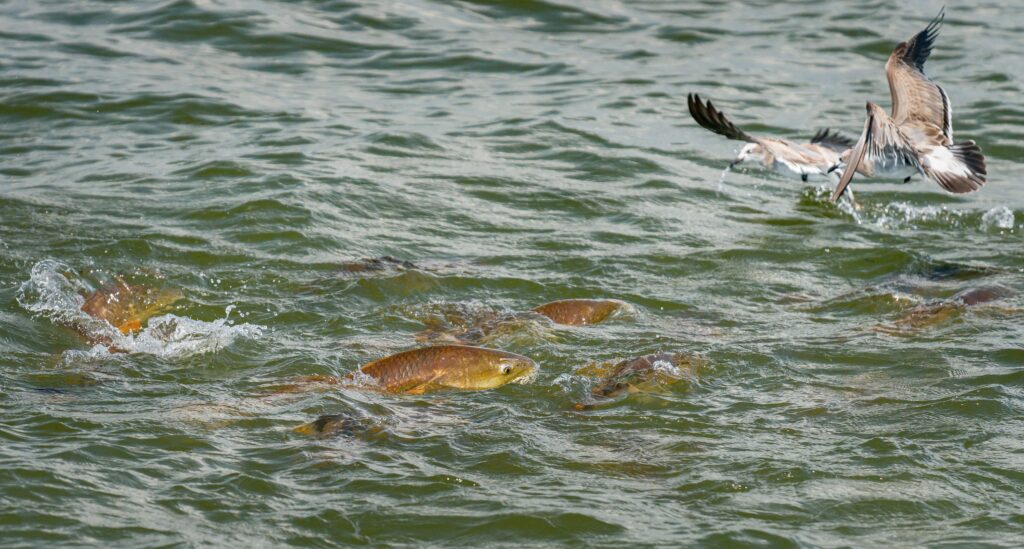
Capt. David Mangum is a YETI ambassador and outdoor photographer who utilizes his talents to produce media that inspire a…

Private Land
Why It Matters

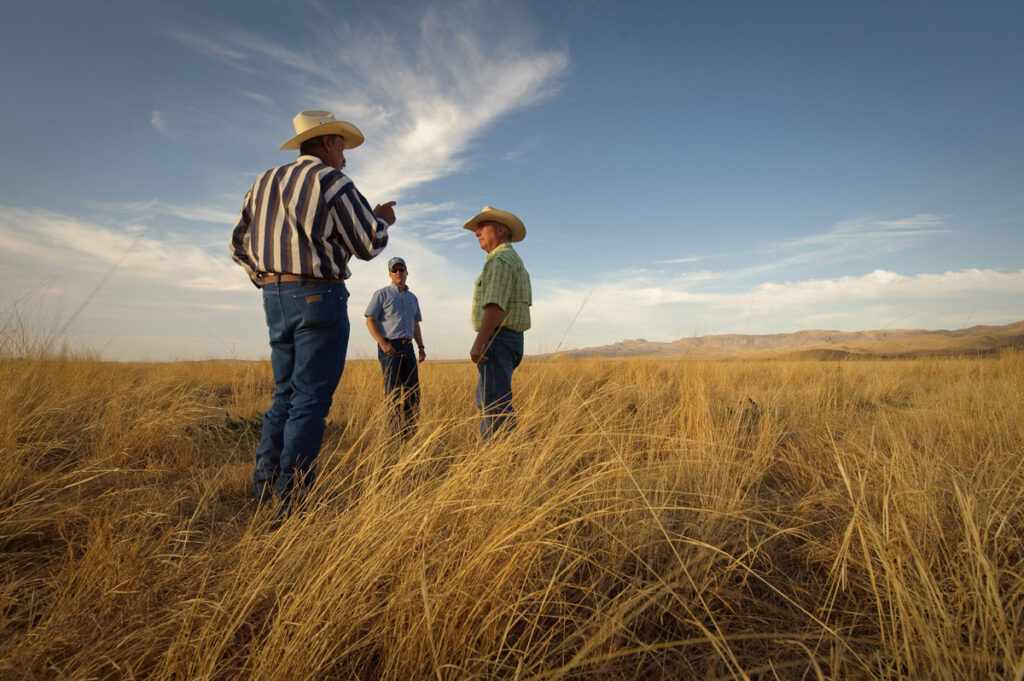
Stewardship on America’s private lands

With 70 percent of U.S. lands in private hands and many of our best hunt and fish opportunities occurring there, investing in voluntary conservation on working lands safeguards access, strengthens habitat and water quality, and ensures resilient landscapes.

Learn More
What TRCP is Doing

We champion policies and programs that restore wildlife habitat, improve soil and water health, and keep working lands productive.

 Ward Burton
How Sportsmen are Doing It Right

Ward Burton's Story

Ward Burton’s NASCAR driving career stretched across most of two decades. As an avid sportsman and conservationist, he founded the…

Special Places
Why It Matters

Special Places Worth Protecting

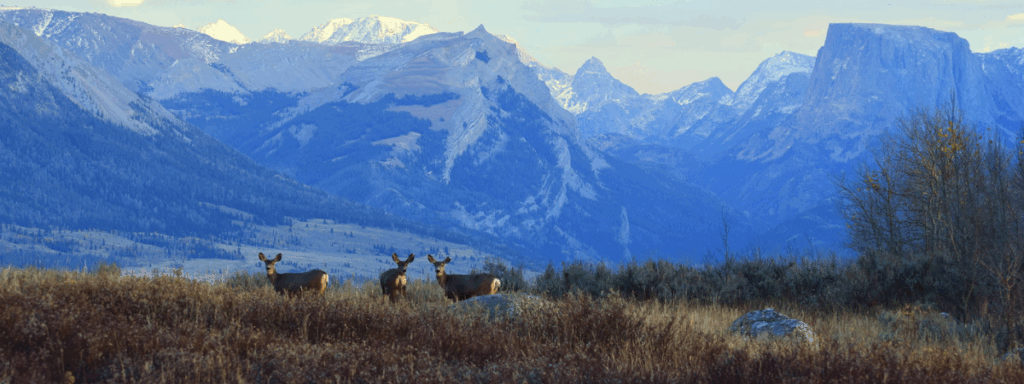
America’s most iconic landscapes provide unmatched habitat and unforgettable days afield. These places sustain wildlife, anchor local economies, and define the hunting and fishing traditions we pass down.

What TRCP is Doing

We’re working to conserve special places that provide world-class habitat and unforgettable opportunities for hunters and anglers.

 Franklin Adams
How Sportsmen Are Doing It Right

Franklin Adams's Story

As a true Gladesman, conservationist, and historian, Capt. Franklin Adams has spent more than six decades championing Everglades restoration efforts…

Habitat & Clean Water
Why It Matters

Healthy Habitat Powers Every Pursuit

All hunting and fishing opportunities depend on quality habitat, from clean water and healthy wetlands to winter and summer habitats and the migration corridors that connect them.

All About Habitat & Clean Water
What TRCP is Doing

We are working to safeguard the habitats that power every hunting and fishing opportunity.

 Alex Harvey
How Sportsmen Are Doing It Right

Alex Harvey's Story

Alex Harvey, founder of Legacy Land Management, is a registered professional forester in Mississippi and Alabama with a Master's degree…

Science
Why It Matters

Science That Guides TRCP

From conserving migration corridors and wetlands to ensuring clean water and resilient landscapes, science provides evidence that turns conservation goals into effective action.

Science for Conservation
What TRCP is Doing

For hunters and anglers, science safeguards the experiences we treasure including resilient big game populations, abundant fish, and wild places that endure changing social landscapes.

Jamelle Ellis
Your Science Expert

Jamelle Ellis's Story

Jamelle Ellis joined the Theodore Roosevelt Conservation Partnership in 2022. Jamelle spent the last three years as an environmental sustainability…

Where We Work
Across the Nation

Conservation Across America

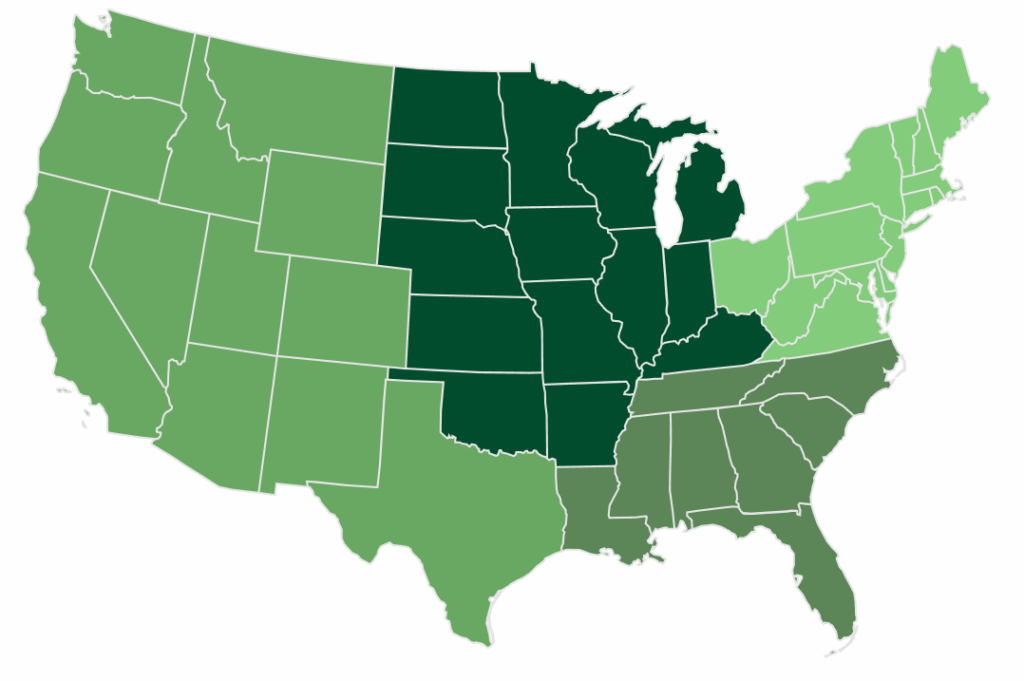
TRCP works across the country to ensure hunters and anglers can enjoy healthy fish and wildlife and quality days afield, no matter where they live.

See All Issues
TRCP in Your Region

TRCP works across the country to ensure hunters and anglers can enjoy healthy fish and wildlife and quality days afield, no matter where they live.

Who We Are
Our Mission

To guarantee all Americans quality places to hunt & fish

We unite and amplify our partners’ voices to advance America’s legacy of conservation, habitat, and access.

Our Mission & Values
Our People & Partners
  • Meet the TRCP Team

    Our staff and board members unite and amplify our partners’ voices to advance America’s legacy of conservation, habitat, and access.

    Meet the Team
  • Our Partners

    ‘Partnership’ is in our name. We work with 64 diverse partner groups that represent today’s leading hunting, fishing, and conservation organizations in order to strengthen the sportsman’s voice in Washington, D.C.

    Our Partners
  • Corporate Council

    TRCP’s Corporate Council is made up of diverse corporations that share a common passion for conservation.

    Corporate Council
Our Organization

Looking for more information?

Explore our latest news, policy updates, and conservation resources to get the information you need.

Giving
How You Can Help

To guarantee all Americans quality places to hunt & fish

Your tax-deductible donation will support TRCP's mission, now and into the future.

DONATE
Special Ways to support trcp
  • Capital Conservation Awards Dinner

    The CCAD is one of Washington's best-attended conservation celebrations, featuring dinner, cocktails, and a silent auction.

    Learn More
  • Step Into the Arena

    Help us ensure that our treasured wild habitats and game remain intact for the next generation to enjoy – lend your support to the TRCP’s efforts today!

    Donate
  • Roosevelt Roast

    TRCP has partnered with Afuera Coffee Co. to further our commitment to conservation.

    Learn More
More donation options

Find the best way for you to lend your support. Join one of TRCP’s donor circles for special invitations, premium offerings from outdoor retailers, and more exclusive benefits. Take control of your legacy with planned giving or contribute to special conservation funds.

Other Ways To Give
News
In the Spotlight

Oregon Legislature Passes Landmark “1.25 Percent for Wildlife” Act

After three legislative sessions and more than a decade of advocacy, a bipartisan coalition secures Oregon’s most significant conservation funding victory in a generation.

Read More

Stay Informed

Receive our newsletter, the Roosevelt Report, right in your inbox. Never miss the latest news in conservation issues.

by:

posted in:

June 3, 2019

bennet-hills-picture-three

Do you have any thoughts on this post?

XHTML: You can use these tags: <a href="" title=""> <abbr title=""> <acronym title=""> <b> <blockquote cite=""> <cite> <code> <del datetime=""> <em> <i> <q cite=""> <s> <strike> <strong>

Comments must be under 1000 characters.

by:

posted in:

BLM’s Proposed Plans for SE Oregon Should Reflect Stakeholder Recommendations

Proposal to balance management of important public lands is among the various options in the draft plan but is not at the top of BLM’s list

Today the Bureau of Land Management released the draft Southeast Oregon Resource Management Plan amendment that – when finalized –will guide land management decisions for more than 4.6 million acres of public lands in southeast Oregon over the next 20 years or more. This plan amendment has been underway since 2010 and will determine management on some of Oregon’s most scenic and recreationally important public lands overseen by the BLM’s Vale District office within the Owyhee and Malheur River country.

This is a significant step in the planning process and will help determine how and if habitat, outdoor recreation opportunities, and development are balanced on BLM land. In the draft plan the BLM proposes a variety of options for management and names one preferred alternative. In this case, the agency’s preferred path does not resemble recommendations made by the BLM’s own Southeast Oregon Resource Advisory Council (RAC), a group of 15 individuals selected by the BLM with diverse backgrounds who worked together for more than 5 years to develop recommendations for the plan.

“A broad-based BLM advisory group rolled up their sleeves to create a well-rounded alternative within the Southeast Oregon RMP amendment, but their recommendations are not reflected in the preferred alternative of the draft RMP amendment,” says Michael O’Casey, Oregon field representative with the Theodore Roosevelt Conservation Partnership. “We ask that the BLM honor this stakeholder process and adopt a balanced alternative in the final plan that conserves special places from development, while providing for access, habitat restoration, and ranching to continue.”

Popular public lands in eastern Oregon help fuel the state’s $2.5-billion fish and wildlife-based economy, provide important wildlife habitat, and support various traditional uses of the land. The Vale District manages most of the public lands within the Beulah (65), Malheur River (66), Owyhee (67) and Whitehorse (68) hunting units.

“Oregon’s Owyhee region is a critically important hunting, fishing, and outdoor recreation destination,” says Karl Findling, owner of Oregon Pack Works and conservation lands director for the Oregon Hunters Association. “The BLM has an opportunity to do right by sportsmen and businesses and we are depending on them to incorporate measures in the final plan that will safeguard some of the best hunting areas in the state.”

“The BLM has an opportunity to safeguard some of Oregon’s best hunting areas and wildlife habitat through these land-use plans, and do it in a balanced way,” says Tristan Henry, board member with the Oregon chapter of the Backcountry Hunters & Anglers. “It’s a potential win-win for the varied wildlife we love to pursue, and will help ensure that our valued hunting heritage, outdoor traditions, and way of life can be enjoyed by future generations “

Now that the draft is published, the public has 90 days to make comments and have their voice heard. “Sportsmen and other stakeholders will continue to weigh in as these planning processes move forward,” continued O’Casey. “We hope the BLM will listen.”


Photo: Bureau of Land Management Oregon and Washington via Flickr

by:

posted in:

May 30, 2019

These Teams Are Responsible for 800 Fish Habitat Restoration Projects Across the U.S.

Help us urge Congress to lock down the program—and conservation funding—that allows the people who fish local waters to mastermind the projects to improve them

Americans across the country are hitting the water this summer in the hopes of hooking one of many iconic species of fish—from kokanee salmon and cutthroat trout to largemouth bass and red snapper.

You may not realize that there has been a collaborative effort at work behind the scenes for years to expand and guarantee your access to great fishing. The National Fish Habitat Partnership, a collective of 20 diverse groups across every landscape in America, has already succeeded in boosting fish populations through on-the-ground fish habitat conservation projects.

In Pennsylvania, the Fish and Boat Commission, parks department, bass anglers, and local businesses banded together to restore a degraded reservoir, adding more than 800 structures that give fish critical cover to spawn. In New Mexico, partners enhanced desert fish habitat and reopened a key migratory passage between the Navajo River and eight miles of Amargo Creek.

Since 2007, more than 840 projects have been completed across all 50 states. But the future success of these partnerships is perennially threatened.

The National Fish Habitat Partnership initiative has no permanent authorization from the federal government and funding has been cut year after year. But that could change this Congress, thanks to legislation that would secure the future of these collaborative fish habitat improvement projects.

Photo by Flickr user handels
The Best Partners Know Local Waters

Rather than develop a top-down, inside-the-beltway plan to restore and protect America’s unique fish habitats, the National Fish Habitat Partnership exists at the crossroads of science-based solutions, community partnerships, and state and federal agencies. The 20 Fish Habitat Partnerships focus on the needs of specific regions and ecosystems, each working to forge stronger local and regional partnerships with other key stakeholders to restore and protect fisheries. The program is designed to include a wide range of voices in decision-making.

A national board chaired by a state fish and wildlife agency representative meets three times annually to review projects submitted by the 20 individual partnerships and recommend how funding should be allocated. This isn’t your average federal Board of Directors: Real sportsmen and women unite with local leaders and scientists to steer fish habitat conservation and put the needs of our fish and wildlife first. (In fact, TRCP’s Chief Conservation Officer Christy Plumer is a member of the National Board and has been instrumental in the development and success of the National Fish Habitat Partnership.)

Each of the twenty regional partnerships includes state fish and wildlife professionals, local leaders, and representatives of the conservation community and federal agencies. Committees help determine which projects each region submits to the national board for approval, focusing on the interests of the communities within the partnership’s footprint and ensuring projects are advancing the needs of fish populations close to home.

But none of these individuals can do their jobs while the future of the program, or its funding, is subject to the annual whims of Congress.

Photo by USFWS-Alaska Region
We Know the Model Works

This isn’t the first time this model has been used to work better for wildlife: The North American Wetlands Conservation Act has a similar approach. NAWCA provides matching grants to conservation projects across North America to improve habitat for migratory birds, boost water quality, and conserve wetlands ecosystems—and it has been highly successful. Now, it’s time to allow this successful model to work for fish.

(By the way, legislation to reauthorize and fund NAWCA is also pending in both chambers, and Congress should act with expediency here, too.)

Defend Against Defunding

The Partnership receives its funding in the annual appropriations bills, but since it isn’t permanently authorized, Congress could decide to defund it without warning, ending community-based support for fish conservation across the nation. Luckily, bills have been introduced in both the Senate and House to fix that: S. 754, introduced this Congress by Sens. Mike Crapo (R-Idaho) and Ben Cardin (D-Md.), and H.R. 1747, introduced by Reps. Rob Wittman (R-Va.) and Marc Veasey (D-Texas).

The National Fish Habitat Conservation Through Partnerships Act formally establishes the National Fish Habitat Board and guarantees that all stakeholders—tribes, nonprofits, local and state governments, private sector entities, and the federal government—have a seat at the table. The bill would also enact into law other components of the National Fish Habitat Partnership, including clear decision-making criteria and a process for designating new partnerships.

Importantly, this legislation would fund the program through 2023, with 5 percent dedicated to Indian Tribes and additional resources provided for several key federal agencies to provide scientific and technical assistance to fish habitat partnerships. The bill also sets a cap on administrative costs at 5 percent, preventing federal agencies from redirecting funding from the program to pay for other agency needs during tight budget times.

This five-year authorization would end year-to-year uncertainty, ensuring that each of the partnerships have the ability to plan ahead and do the best work possible.

Photo by Alexandre Estanislau via flickr.
Take Action

The National Fish Habitat Partnership is one of North America’s most successful conservation programs, but its continued success, and existence, depends on all of us speaking up for our waterways and the fish that call them home. Please join the Theodore Roosevelt Conservation Partnership and our partners across the nation in urging Congress to pass the National Fish Habitat Conservation Through Partnerships Act into law.

by:

posted in:

May 29, 2019

In the Arena: Perry Seitzinger

TRCP’s “In the Arena” series highlights the individual voices of hunters and anglers who, as Theodore Roosevelt so famously said, strive valiantly in the worthy cause of conservation

Perry M. Seitzinger

Hometown: Cloverdale, Indiana
Occupation: Consulting forester
Conservation credentials: Chairman of the Indiana chapter of the Ruffed Grouse Society. Educates landowners about how to use Farm Bill programs to achieve their wildlife goals on private forested lands.

Perry Seitzinger might never have become a hunter, forester, or conservationist had it not been for his father’s curiosity as a teenager—he joined a friend for a small game hunt, without a firearm or tag, and eventually dove into the sport as a way to bond with Perry and his brother. (There’s a lesson here: It’s always worth taking someone else along!) Now, Seitzinger is an active leader of the Ruffed Grouse Society in his state and a vocal advocate for overturning outdated ideas about responsible forest management.

Here is his story.

As a young man, my father tagged along with his best friend Perry on a pheasant and rabbit hunt in northern Indiana. He didn’t carry a gun, but it made an impression on him. It wasn’t until his early 30s that he met a friend through church who was interested in upland hunting and bird dogs. Dad was looking for a new hobby and a way to spend quality time with us, his sons.

It turns out that Dad’s decision to take up upland hunting was the defining moment that molded not only my pursuits as a young man, but also my life’s work as a hunter and conservationist.

Every year in October I spend a week in the Upper Peninsula of Michigan with my closest friends to chase the king of upland birds, the ruffed grouse, and the quirky little American woodcock. No other outdoor pursuit can replace the time I have spent with family, friends, and beloved bird dogs in the stunning beauty of the north woods in the Ottawa National Forest.  This is a fine example of how wilderness, natural beauty, quality outdoors experiences, and intensive natural resource management aren’t mutually exclusive.

I had my best adventure afield in 2006, when I visited a college friend and fellow forester who lived in southeast Alaska on Prince of Wales Island. My goal for the trip was a DIY spot-and-stalk black bear hunt. Surprisingly, I was successful within the first hour of the hunt, but I learned far more from what came after.

I spent the remainder of my time diving into the local culture, touring the island, fishing, and setting crab pots. The vast, wild beauty of southeast Alaska can’t be put into words. The biggest impression that I took away from this experience was how many people I met there who were passionate about conservation, because their very existence was woven into the local management of their natural resources.

Conservation defines my life. Everything that I pursue is rooted in forest conservation. I realize that without boots-on-the-ground forest management and the decisive conservation efforts of those who came before me, the life I have chosen would not be possible.

The biggest conservation challenge in the central hardwoods region is the lack of forest age and class diversity on both public and private lands. Diverse, healthy forests that we have all come to love, and many of the critters that inhabit them, will no longer exist without sufficient disturbance at the landscape level. Responsible timber harvesting is actually the best conservation tool we have at our disposal for creating and maintaining diverse wildlife habitat and healthy forests.

I have a sentimental nature, and that drives my true passion of sharing outdoor experiences with others. In order for future generations to have the same experiences that I hold dear to my heart, I realize I have to give of myself to conservation.

Our forests and native plant communities, and the wildlife species that depend on them, are not static. Without the hand of man, it cannot be expected that our wild places will be the same tomorrow as they are today. It is my hope that by leaving a legacy of conservation behind, I can leave the same outdoor experiences I have been blessed with to my son and others that come after me.

Do you know someone In the Arenawho should be featured here? Email info@trcp.org for a questionnaire.

by:

posted in:

May 24, 2019

Weekend Download: The Climate Change Impacts We Should Be Facing

The Hunting Collective’s Ben O’Brien visits TRCP President and CEO Whit Fosburgh at his home on the Potomac River to talk about the direct effects of climate change on hunting and fishing and the other top challenges facing our community.

Skip right to Whit’s Q&A at 48 minutes in, or enjoy the full episode featuring some of the top female leaders at MeatEater HQ. (Bonus: They decide, based on internet photos, that Whit stacks up in the fashion and style department, where Rinella apparently does not.)

HOW YOU CAN HELP

TRCP has partnered with Afuera Coffee Co. to further our commitment to conservation. $4 from each bag is donated to the TRCP, to help continue our efforts of safeguarding critical habitats, productive hunting grounds, and favorite fishing holes for future generations.

Learn More

You have Successfully Subscribed!

You have Successfully Subscribed!

You have Successfully Subscribed!

You have Successfully Subscribed!