Our Issues
Public Lands
Why It Matters

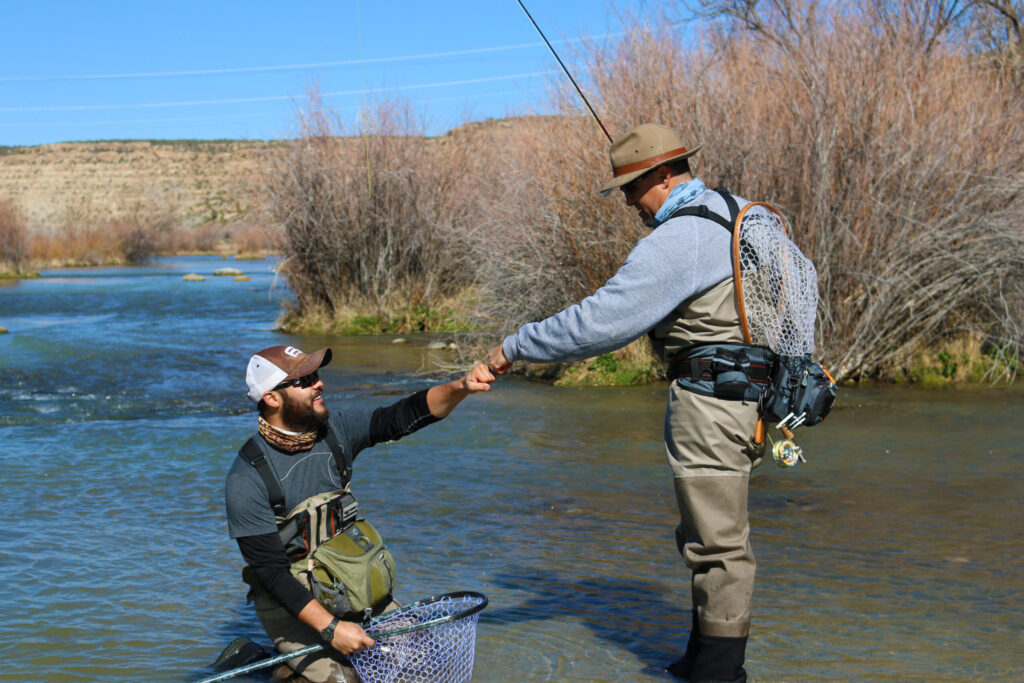
Hunting & Fishing Access

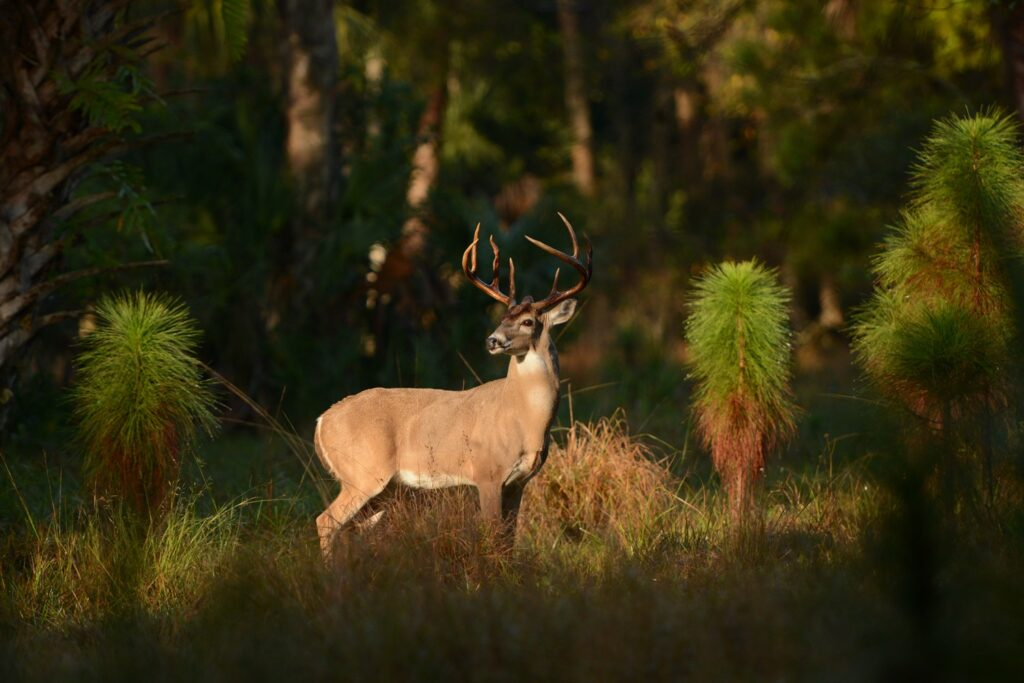
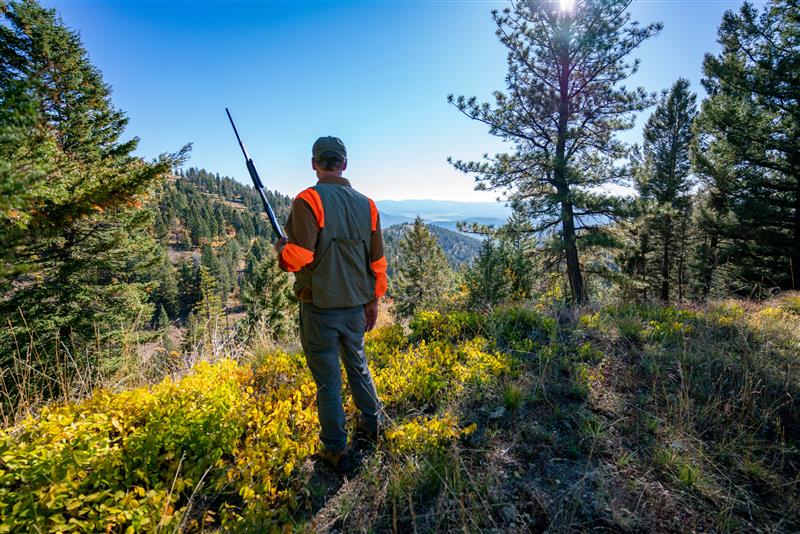
America’s 640 million acres of national public lands provide irreplaceable hunting and fishing opportunities to millions of Americans.

Learn More About Access
What TRCP is Doing

We’re working to safeguard America’s public lands so hunters and anglers always have quality places to pursue their passions.
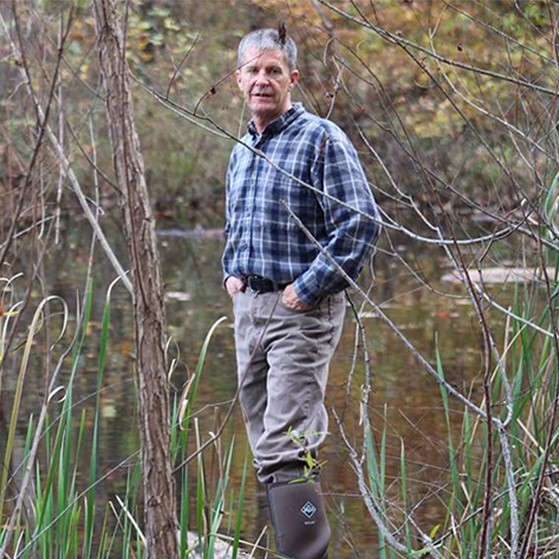
 Brian Flynn, Two Wolf Foundation
How Sportsmen Are Doing It Right

Brian Flynn, Two Wolf Foundation's Story

Following a distinguished career in the U.S. Army, lifelong outdoorsman Brian Flynn returned home from a deployment in Afghanistan and…

Hunting
Why It Matters

Key Issues for America’s Hunters

Your source for the latest policy updates, conservation challenges, and opportunities shaping America’s hunting traditions.

What TRCP is Doing

We’re fighting for meaningful policy changes that benefit wildlife, our waters, and the American landscapes that make our outdoor traditions possible.

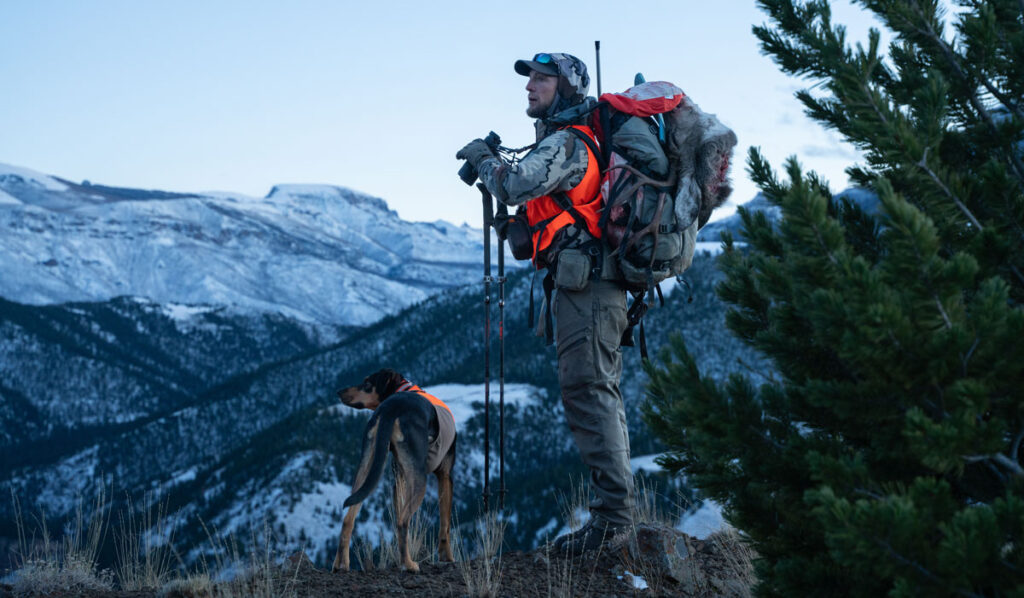
 Ryan Sparks
How Sportsmen Are Doing It Right

Ryan Sparks's Story

TRCP’s “In the Arena” series highlights the individual voices of hunters and anglers who, as Theodore Roosevelt so famously said,…
Fishing
Why It Matters

Key Issues for America’s Anglers

Your source for the latest policy updates, conservation challenges, and opportunities shaping America’s fishing traditions.

What TRCP is Doing

We’re fighting for meaningful policy changes that benefit wildlife, our waters, and the American landscapes that make our outdoor traditions possible.

 David Mangum
How Sportsmen Are Doing It Right

David Mangum's Story

Capt. David Mangum is a YETI ambassador and outdoor photographer who utilizes his talents to produce media that inspire a…

Private Land
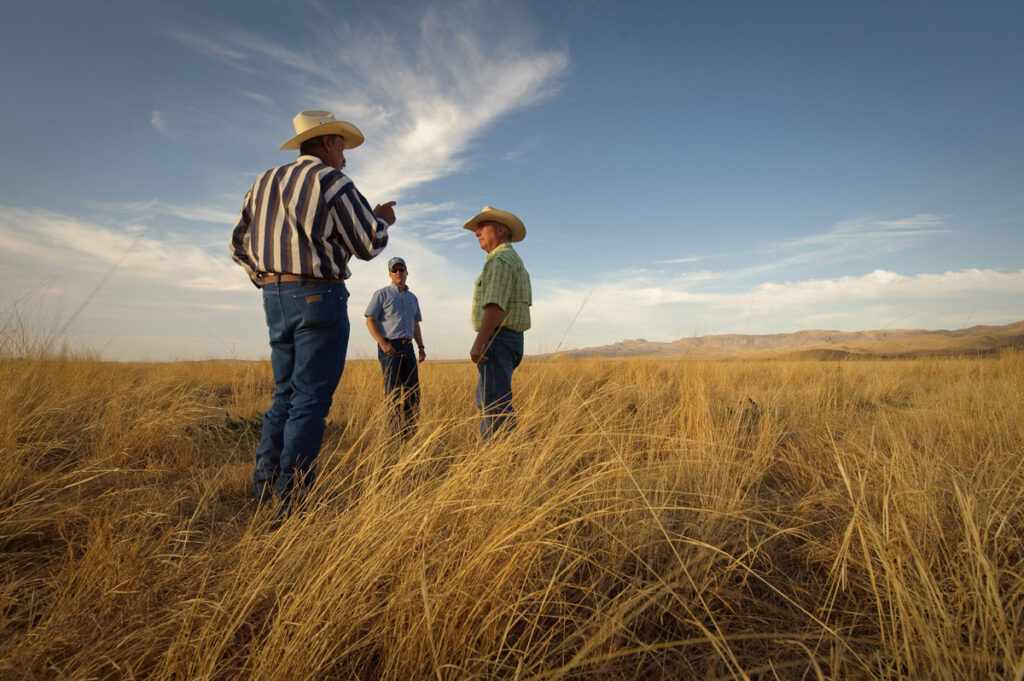
Why It Matters

Stewardship on America’s private lands

With 70 percent of U.S. lands in private hands and many of our best hunt and fish opportunities occurring there, investing in voluntary conservation on working lands safeguards access, strengthens habitat and water quality, and ensures resilient landscapes.

Learn More
What TRCP is Doing

We champion policies and programs that restore wildlife habitat, improve soil and water health, and keep working lands productive.

 Ward Burton
How Sportsmen are Doing It Right

Ward Burton's Story

Ward Burton’s NASCAR driving career stretched across most of two decades. As an avid sportsman and conservationist, he founded the…

Special Places
Why It Matters

Special Places Worth Protecting

America’s most iconic landscapes provide unmatched habitat and unforgettable days afield. These places sustain wildlife, anchor local economies, and define the hunting and fishing traditions we pass down.

What TRCP is Doing

We’re working to conserve special places that provide world-class habitat and unforgettable opportunities for hunters and anglers.

 Franklin Adams
How Sportsmen Are Doing It Right

Franklin Adams's Story

As a true Gladesman, conservationist, and historian, Capt. Franklin Adams has spent more than six decades championing Everglades restoration efforts…

Habitat & Clean Water
Why It Matters

Healthy Habitat Powers Every Pursuit

All hunting and fishing opportunities depend on quality habitat, from clean water and healthy wetlands to winter and summer habitats and the migration corridors that connect them.

All About Habitat & Clean Water
What TRCP is Doing

We are working to safeguard the habitats that power every hunting and fishing opportunity.

 Alex Harvey
How Sportsmen Are Doing It Right

Alex Harvey's Story

Alex Harvey, founder of Legacy Land Management, is a registered professional forester in Mississippi and Alabama with a Master's degree…

Science
Why It Matters

Science That Guides TRCP

From conserving migration corridors and wetlands to ensuring clean water and resilient landscapes, science provides evidence that turns conservation goals into effective action.

Science for Conservation
What TRCP is Doing

For hunters and anglers, science safeguards the experiences we treasure including resilient big game populations, abundant fish, and wild places that endure changing social landscapes.

Jamelle Ellis
Your Science Expert

Jamelle Ellis's Story

Jamelle Ellis joined the Theodore Roosevelt Conservation Partnership in 2022. Jamelle spent the last three years as an environmental sustainability…

Where We Work
Across the Nation

Conservation Across America

TRCP works across the country to ensure hunters and anglers can enjoy healthy fish and wildlife and quality days afield, no matter where they live.

See All Issues
TRCP in Your Region

TRCP works across the country to ensure hunters and anglers can enjoy healthy fish and wildlife and quality days afield, no matter where they live.

Who We Are
Our Mission

To guarantee all Americans quality places to hunt & fish

We unite and amplify our partners’ voices to advance America’s legacy of conservation, habitat, and access.

Our Mission & Values
Our People & Partners
  • Meet the TRCP Team

    Our staff and board members unite and amplify our partners’ voices to advance America’s legacy of conservation, habitat, and access.

    Meet the Team
  • Our Partners

    ‘Partnership’ is in our name. We work with 64 diverse partner groups that represent today’s leading hunting, fishing, and conservation organizations in order to strengthen the sportsman’s voice in Washington, D.C.

    Our Partners
  • Corporate Council

    TRCP’s Corporate Council is made up of diverse corporations that share a common passion for conservation.

    Corporate Council
Our Organization

Looking for more information?

Explore our latest news, policy updates, and conservation resources to get the information you need.

Giving
How You Can Help

To guarantee all Americans quality places to hunt & fish

Your tax-deductible donation will support TRCP's mission, now and into the future.

DONATE
Special Ways to support trcp
  • Capital Conservation Awards Dinner

    The CCAD is one of Washington's best-attended conservation celebrations, featuring dinner, cocktails, and a silent auction.

    Learn More
  • Step Into the Arena

    Help us ensure that our treasured wild habitats and game remain intact for the next generation to enjoy – lend your support to the TRCP’s efforts today!

    Donate
  • Roosevelt Roast

    TRCP has partnered with Afuera Coffee Co. to further our commitment to conservation.

    Learn More
More donation options

Find the best way for you to lend your support. Join one of TRCP’s donor circles for special invitations, premium offerings from outdoor retailers, and more exclusive benefits. Take control of your legacy with planned giving or contribute to special conservation funds.

Other Ways To Give
News
In the Spotlight

TRCP Appreciates Make America Beautiful Again 250 Strategy and Migration Announcements

Efforts will continue progress on habitat, access, and big game migration corridor conservation

Read More

Stay Informed

Receive our newsletter, the Roosevelt Report, right in your inbox. Never miss the latest news in conservation issues.

by:

posted in:

May 14, 2019

_DSC2854-1200-web

Do you have any thoughts on this post?

XHTML: You can use these tags: <a href="" title=""> <abbr title=""> <acronym title=""> <b> <blockquote cite=""> <cite> <code> <del datetime=""> <em> <i> <q cite=""> <s> <strike> <strong>

Comments must be under 1000 characters.

by:

posted in:

Sportsmen Applaud Senate Committee for Considering Ruby Mountain Protection Act

Hunters and anglers call for swift passage of this critical public lands legislation

The Sportsmen for the Rubies, a coalition of 14 hunting, fishing, and wildlife conservation groups representing thousands of individual sportsmen and women, expressed appreciation for a subcommittee hearing Tuesday on the Ruby Mountain Protection Act (S.258). This development, which took place in the Senate Energy and Natural Resources Subcommittee on Public Lands, Forests, and Mining, marks the first progression for the bill since its introduction by Senator Catherine Cortez Masto (D-NV).

If passed into law, the act would conserve Nevada’s Ruby Mountains by permanently withdrawing from oil and gas exploration 450,000 acres in the Humboldt-Toiyabe National Forest’s Ruby Mountain Ranger District.

“Hunters, anglers, and a wide array of stakeholder groups have been vocal supporters of the bill from its inception,” said Joel Webster, director of the Theodore Roosevelt Conservation Partnership’s Center for Western Lands. “The Ruby Mountains, known as the Swiss Alps of Nevada, contain some of the region’s finest outdoor opportunities and serve as the foundation of a $165 million outdoor recreation economy in Elko County.”

Last week, the Sportsmen for the Rubies coalition sent a letter to the committee chair and ranking member, urging a speedy vote on the bill so that it can proceed to the Senate floor.

The groups highlighted the importance of the area as fish and wildlife habitat in addition to its tremendous economic value as a recreational destination. The Ruby Mountains are home to a number of unique species such as the Lahontan cutthroat trout and the Himalayan snowcock, as well as Nevada’s largest mule deer herd.

“The Rubies are an incredible fish and wildlife resource as well as an economic engine for rural Nevada, said Pam Harrington, Nevada field coordinator with Trout Unlimited. “We are pleased the Nevada delegation is working with the sportsmen’s community to protect the Rubies.”

“Sportsmen and women throughout Nevada appreciate the subcommittee’s timely hearing on this bill,” said Tom Smith, the vice president of the Coalition for Nevada’s Wildlife. “We hope that leadership will commit to a markup and move this legislation to the floor for passage, so that future generations can enjoy the Ruby Mountains as we do today.”


Photo: USDA Intermountain Forest Service via Flickr

by:

posted in:

May 10, 2019

Building Packs and Giving Back

Mystery Ranch is a Bozeman, Montana-based backpack and gear company that knows a thing or two about hauling heavy loads over unpredictable terrain. So, it’s only fitting that they’ve been carrying more than their weight in the world of conservation.

Here’s their story:

We have around 100 people working at Mystery Ranch—this includes folks in production, our warehouse, warranty and repair, operations, product development, accounting, sales, marketing, IT, customer service, and more. It’s an incredibly diverse workforce from all over Montana and the rest of the U.S. with different ages, interests, and backgrounds. Preferred outdoor activities run the gamut, from backcountry skiing, ice and rock climbing, and trail running to precision shooting, bow-hunting, and fly-fishing.

All of these activities require two key ingredients: public land and access to it. What we do here, and the packs and gear we design and build, fuels these passions.

Our location in Bozeman certainly helps us—it may sound cliché, but we really do live in one of the best places for folks who love being outside. All kinds of opportunities on the water or in the mountains are available right in our backyard. And that fuels a company culture that is open, friendly, and just plain fun.

Without question, the passions we pursue deepen our commitment to conservation. We support a wide-ranging group of organizations in whatever ways that we can. We donate products for auctions and raffles at events like the TRCP’s Capital Conservation Awards Dinner, and for several years have sponsored the Western Media Summit.

We also believe we should stand up on issues and initiatives that we know are important. Recently, we signed on to a letter from the business community calling for a balanced roadless rule for Alaska, and we’ve also supported the TRCP’s Sportsmen’s Country and Sportsmen’s Access campaigns. At the end of the day, we want to make sure that as a company we support those who do the vital work, educate, inspire, and make a difference.

This is especially true with our hunting and outdoor product lines—so many of our customers and employees are personally involved in groups that advocate for public lands, trail maintenance, public access, watershed improvements, or habitat expansion and protection.

We know that our business—and our individual opportunities—depend on these efforts, and we think there’s real strength in the overlapping values and interwoven missions of companies like ours and the causes we support.

In short, we build packs and gear for people who love the outdoors and fiercely defend it. That means protecting the rivers and streams we float and fish; ensuring the mountains we hike, hunt, and ski remain public; and working to see that these opportunities will be available today, tomorrow, and beyond.

You can learn more about Mystery Ranch and the causes they support at MysteryRanch.com.

by:

posted in:

Picky About Pine: These Forests Are Better for Wildlife and Water

Restoring longleaf pine forests improves wildlife habitat and drought resilience in the Southeast

Longleaf pine trees once dominated large swaths of the country’s landscape, covering more than 90 million acres—or roughly the area of Montana—from Virginia to eastern Texas. But this all began to change around the beginning of the 20th century, when longleaf pine was found to be excellent building material for ships and railroads. By the 1920s, most of these trees were gone, and many foresters replaced them with other types of pine that were thought to grow faster and offer a quicker return on investment.

Today, only 3.4 million acres of longleaf forests remain, and much of this is spread sparsely across the Southeast. This poses some serious challenges for game species and communities that are at risk of extreme weather events.

Here’s why.

Longleaf Is a Lifeline

With the potential to support roughly 100 types of birds, dozens of species of mammals, and nearly 200 kinds of reptiles and amphibians, longleaf pine forests are some of the most diverse ecosystems in North America. Sportsmen and women know them best as critical habitat for bobwhite quail, wild turkeys, and whitetail deer.

Longleaf, even as a seedling, is highly resistant to wildfire, and its wide-set leaves create a more open forest canopy so more sunlight can reach plant life on the ground. With a little help from strategic prescribed burning, longleaf forests can have incredibly healthy underbrush with native grasses and vegetation that offer food and shelter for wildlife.

But we need longleaf pines for more than just great habitat—they are master adapters that can survive the harshest weather events and a wide range of climates. A study conducted after Hurricane Katrina found that longleaf pine trees were better able to withstand hurricane winds than other types of pine trees. More storm resilience means less costly damage to wildlife habitat and forestry businesses.

As if that wasn’t enough, these trees are also more resilient to drought, can better withstand pests and most diseases, and store carbon more effectively than other pine species. All of this makes longleaf a win for our critters and for communities that face major storms and drought.

Photo by Randy Tate/Longleaf Alliance.
We Need Millions More

Unfortunately, the U.S. Department of Agriculture estimates that by 2060 the South will lose up to 67,000 square miles of forest to development and other habitat challenges.

But there is hope. The federal agencies that carry out conservation in America, along with dozens of non-governmental partners—including key TRCP allies, such as the National Wildlife Turkey Federation, The Nature Conservancy, and National Wildlife Federation—have joined forces on the “Million Acre Challenge” to add one million acres of longleaf pine to public lands in the coming years. This would go a long way toward helping the Forest Service complete its goal of putting 8 million total acres of longleaf pine habitat on the landscape by 2025.

Photo by Randy Tate/Longleaf Alliance.

Recent passage of the 2018 Farm Bill could help, too. Programs such as the Regional Conservation Partnership Program, Environmental Quality Incentives Program, and the Conservation Stewardship Program help to coordinate landscape-scale conservation projects and reduce the cost for private landowners to restore or enhance their longleaf pine forests. With more than $5 billion in conservation funding to support private land efforts, the Farm Bill is a big win for habitat, but we also need strong funding for the Forest Service and Fish and Wildlife Service to help take on forest restoration.

The TRCP is committed to ensuring that the federal agencies have what they need to maintain and enhance our forests across public and private lands. And a powerhouse habitat-creator and wildfire-defender like longleaf pine is a great way to invest those dollars. It’s a critical down payment on the future of hunting and fishing in the Southeast.

Top photo by Andy Wraithmell/FWC. Quail by flickr user leshoward.

by:

posted in:

May 9, 2019

Where There’s Grass, There’s Bass… and Redfish and Specks

Restoring vegetation on the Gulf coastline is helping to improve your chance of landing bigger trout and redfish

Freshwater anglers have long understood that finding grass means finding the bass.

In the last decade, saltwater fishermen in Louisiana have begun to understand that it’s not just largemouth bass that love to live, lurk, and feed in submerged grass beds. Popular brackish-marsh dwellers, like speckled trout and redfish, utilize this subsurface vegetation, as well.

Throughout the late summer and into the spring, speckled trout cruise the edges of grass beds in marshes, coastal lakes, and bays eating shrimp, mullet, menhaden, crabs, and even bluegill, shad, and other freshwater forage. Juvenile trout spend much of their first few months in the grass, as well—eating and hiding from predators.

Redfish from two to 25 pounds live in and around the submerged vegetation, too, using clumps and pockets in the grass as ambush points. In fact, they are usually sharing these same dents and pockets with largemouths.

Few things in angling match the excitement of a 10-pound redfish demolishing a topwater frog or a buzzbait meant to lure a bass from a grassy shoreline.

In addition to the enormous benefits for sportfish, forage fish, and migrating waterfowl, submerged grasses help to break up wave action, filter out suspended sediment, and infuse dissolved oxygen into the water. This protects sensitive marshy shoreline while improving water quality.

Submerged grass beds had become scarce in many of the marshes of Southeast Louisiana in the 1980s and 90s.

Annual flooding of the Mississippi River had been largely cut off from coastal marshes by levees and canals—like the ill-fated Mississippi River Gulf Outlet (MRGO) in St Bernard Parish and the Barataria Waterway in Jefferson Parish—while hundreds of oil field canals were allowing saltwater to intrude deep into brackish and freshwater marshes and swamps.

The salt water killed off hundreds of thousands of acres of grass beds, along with large expanses of coastal oak and cypress forests, reducing the productivity of coastal fisheries, weakening already-loose marsh soils, and making coastal communities more vulnerable to the winds, waves, and storm surges from hurricanes and tropical storms.

This vulnerability was on full display during Hurricane Katrina, as storm surge flowed freely through the MRGO, across the degraded marshes and dead cypress swamps, and straight into the heart of New Orleans communities.

This redfish was caught in scattered submerged grass in a small marsh pond near the mouth of the Atchafalaya River in Terrebonne Parish. (May 2019)

Fortunately, efforts over the last 20 years to restore Louisiana’s coast and control salinity levels have facilitated the return of submerged grass beds, especially in the marshes east of the Mississippi River and around Lake Pontchartrain. Marshes that held a few redfish and some seasonal speckled trout have become incredibly productive bass fisheries, while still offering excellent opportunities to catch speckled trout from early fall until the early spring and to land trophy reds year round. Ducks have returned to some of those spots too.

Lower salinity levels have also provided an opportunity for Louisiana’s Coastal Protection and Restoration Authority and non-profit groups, like the Lake Pontchartrain Basin Foundation and America’s Wetland Foundation, to replant cypress trees to replace the ones killed by saltwater intrusion and timber harvest in the last century.

Louisiana’s ongoing efforts to divert sediment and freshwater from the Mississippi into coastal marshes and rebuild natural coastal barriers will go a long way toward allowing submerged vegetation to return—further improving fish and waterfowl habitat and protecting coastal communities.

Our fisheries will change, and so will the way we fish, as freshwater and sediment is reintroduced. But, as many Louisiana anglers have found out in the last two decades, it will be a change for the better.

To learn more, watch our video on the importance of vegetation to the health of Louisiana marshes.

To advocate for the construction of diversions to restore the Mississippi River Delta, please log on to www.coastal.la.gov.

HOW YOU CAN HELP

TRCP has partnered with Afuera Coffee Co. to further our commitment to conservation. $4 from each bag is donated to the TRCP, to help continue our efforts of safeguarding critical habitats, productive hunting grounds, and favorite fishing holes for future generations.

Learn More

You have Successfully Subscribed!

You have Successfully Subscribed!

You have Successfully Subscribed!

You have Successfully Subscribed!