Our Issues
Public Lands
Why It Matters

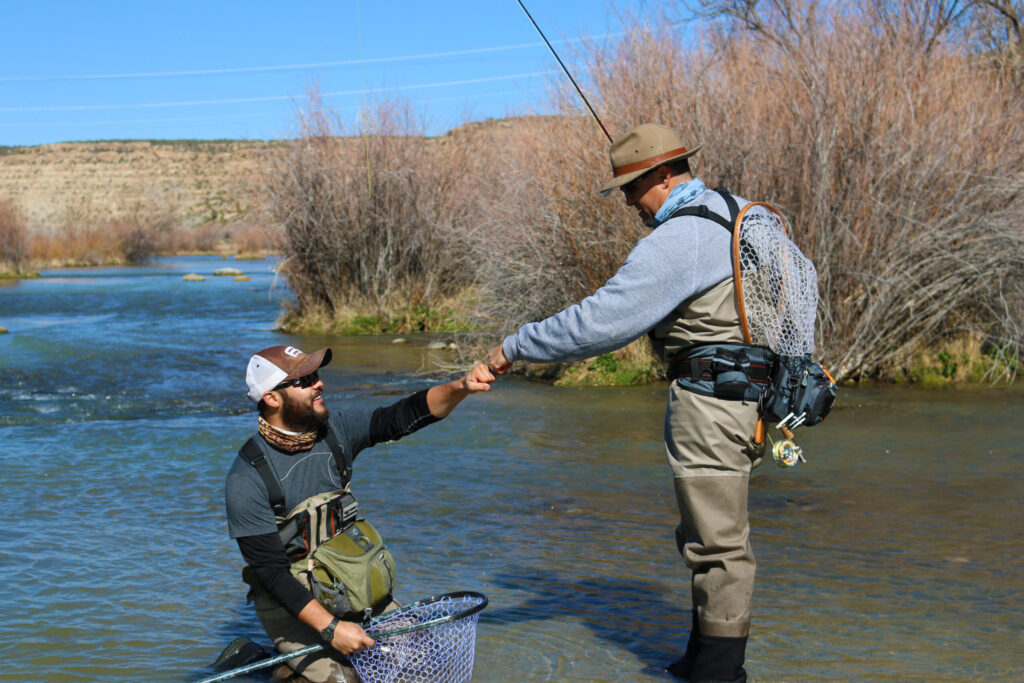
Hunting & Fishing Access

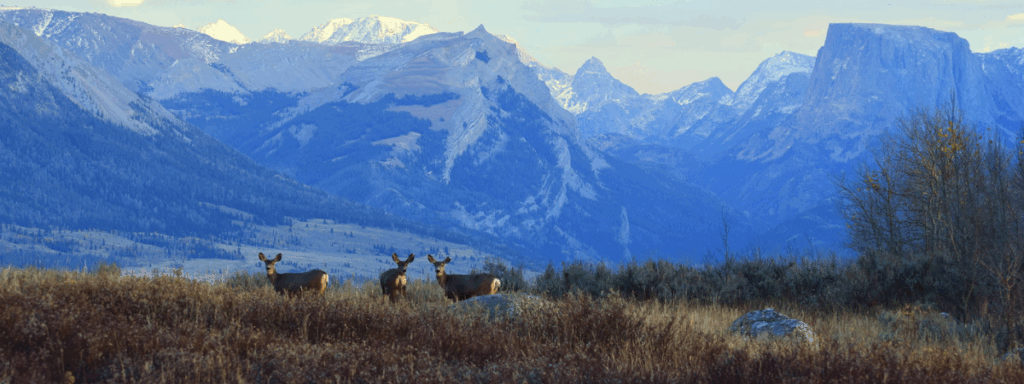
America’s 640 million acres of national public lands provide irreplaceable hunting and fishing opportunities to millions of Americans.

Learn More About Access
What TRCP is Doing

We’re working to safeguard America’s public lands so hunters and anglers always have quality places to pursue their passions.

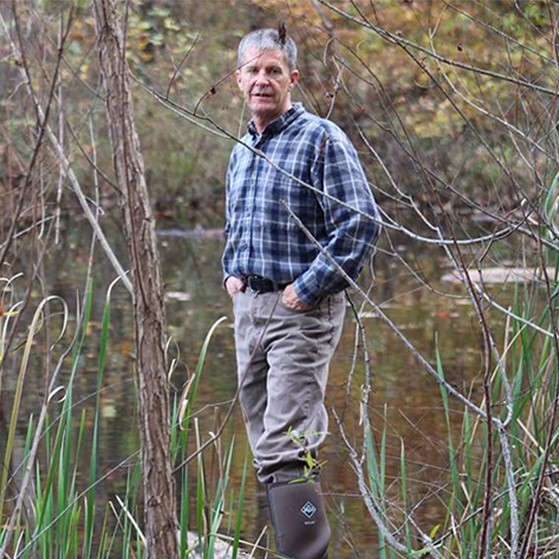
 Brian Flynn, Two Wolf Foundation
How Sportsmen Are Doing It Right

Brian Flynn, Two Wolf Foundation's Story

Following a distinguished career in the U.S. Army, lifelong outdoorsman Brian Flynn returned home from a deployment in Afghanistan and…


Hunting
Why It Matters

Key Issues for America’s Hunters

Your source for the latest policy updates, conservation challenges, and opportunities shaping America’s hunting traditions.

What TRCP is Doing

We’re fighting for meaningful policy changes that benefit wildlife, our waters, and the American landscapes that make our outdoor traditions possible.

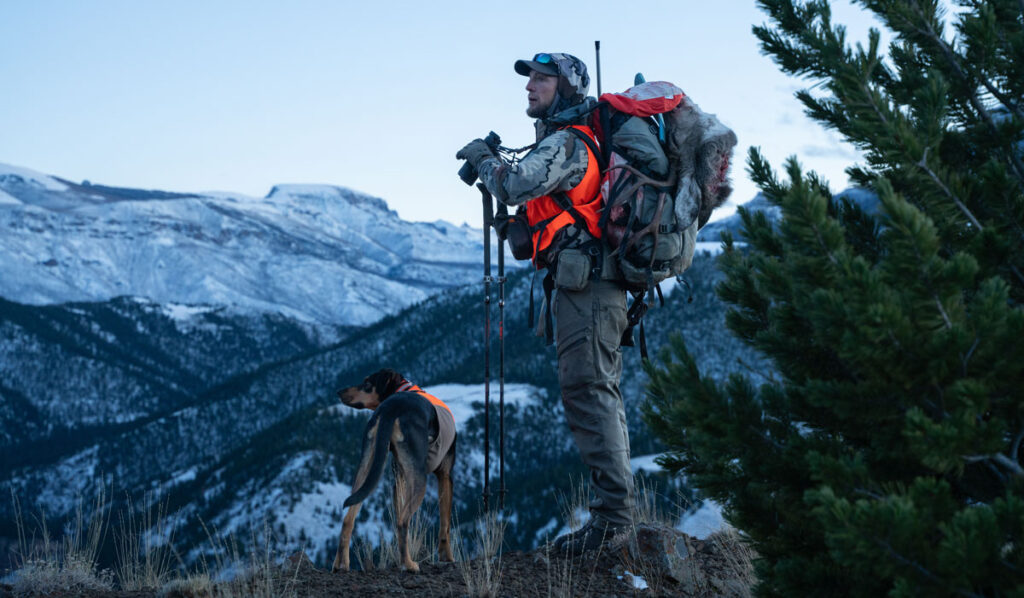
 Ryan Sparks
How Sportsmen Are Doing It Right

Ryan Sparks's Story

TRCP’s “In the Arena” series highlights the individual voices of hunters and anglers who, as Theodore Roosevelt so famously said,…

Fishing
Why It Matters

Key Issues for America’s Anglers

Your source for the latest policy updates, conservation challenges, and opportunities shaping America’s fishing traditions.

What TRCP is Doing

We’re fighting for meaningful policy changes that benefit wildlife, our waters, and the American landscapes that make our outdoor traditions possible.

 David Mangum
How Sportsmen Are Doing It Right

David Mangum's Story

Capt. David Mangum is a YETI ambassador and outdoor photographer who utilizes his talents to produce media that inspire a…

Private Land
Why It Matters

Stewardship on America’s private lands

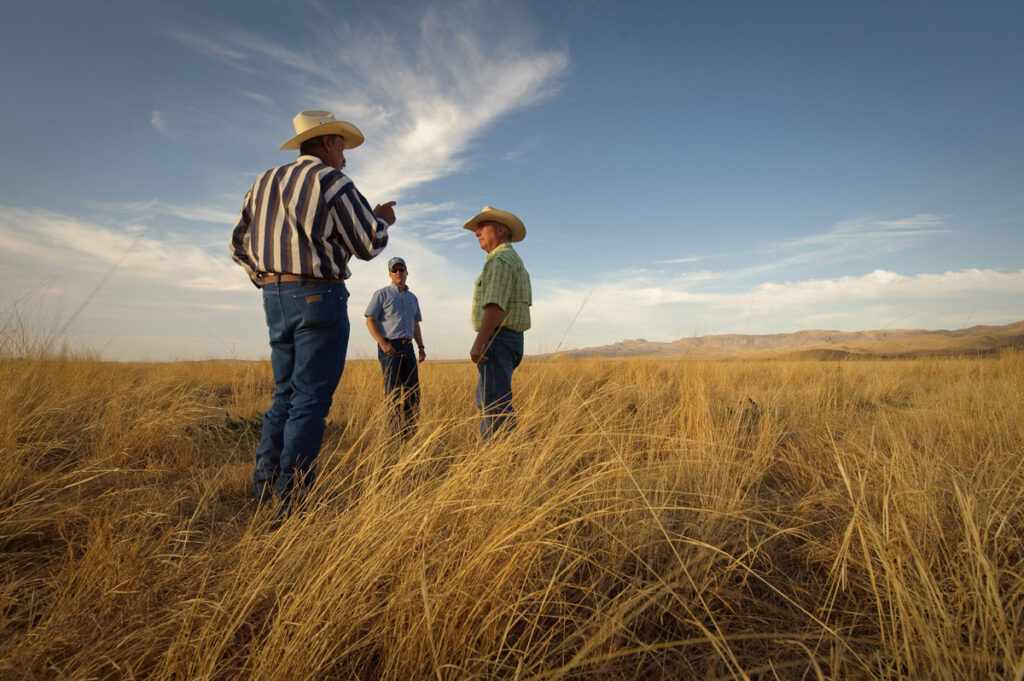
With 70 percent of U.S. lands in private hands and many of our best hunt and fish opportunities occurring there, investing in voluntary conservation on working lands safeguards access, strengthens habitat and water quality, and ensures resilient landscapes.

Learn More
What TRCP is Doing

We champion policies and programs that restore wildlife habitat, improve soil and water health, and keep working lands productive.

 Ward Burton
How Sportsmen are Doing It Right

Ward Burton's Story

Ward Burton’s NASCAR driving career stretched across most of two decades. As an avid sportsman and conservationist, he founded the…

Special Places
Why It Matters

Special Places Worth Protecting

America’s most iconic landscapes provide unmatched habitat and unforgettable days afield. These places sustain wildlife, anchor local economies, and define the hunting and fishing traditions we pass down.

What TRCP is Doing

We’re working to conserve special places that provide world-class habitat and unforgettable opportunities for hunters and anglers.

 Franklin Adams
How Sportsmen Are Doing It Right

Franklin Adams's Story

As a true Gladesman, conservationist, and historian, Capt. Franklin Adams has spent more than six decades championing Everglades restoration efforts…

Habitat & Clean Water
Why It Matters

Healthy Habitat Powers Every Pursuit

All hunting and fishing opportunities depend on quality habitat, from clean water and healthy wetlands to winter and summer habitats and the migration corridors that connect them.

All About Habitat & Clean Water
What TRCP is Doing

We are working to safeguard the habitats that power every hunting and fishing opportunity.

 Alex Harvey
How Sportsmen Are Doing It Right

Alex Harvey's Story

Alex Harvey, founder of Legacy Land Management, is a registered professional forester in Mississippi and Alabama with a Master's degree…

Science
Why It Matters

Science That Guides TRCP

From conserving migration corridors and wetlands to ensuring clean water and resilient landscapes, science provides evidence that turns conservation goals into effective action.

Science for Conservation
What TRCP is Doing

For hunters and anglers, science safeguards the experiences we treasure including resilient big game populations, abundant fish, and wild places that endure changing social landscapes.

Jamelle Ellis
Your Science Expert

Jamelle Ellis's Story

Jamelle Ellis joined the Theodore Roosevelt Conservation Partnership in 2022. Jamelle spent the last three years as an environmental sustainability…

Where We Work
Across the Nation

Conservation Across America

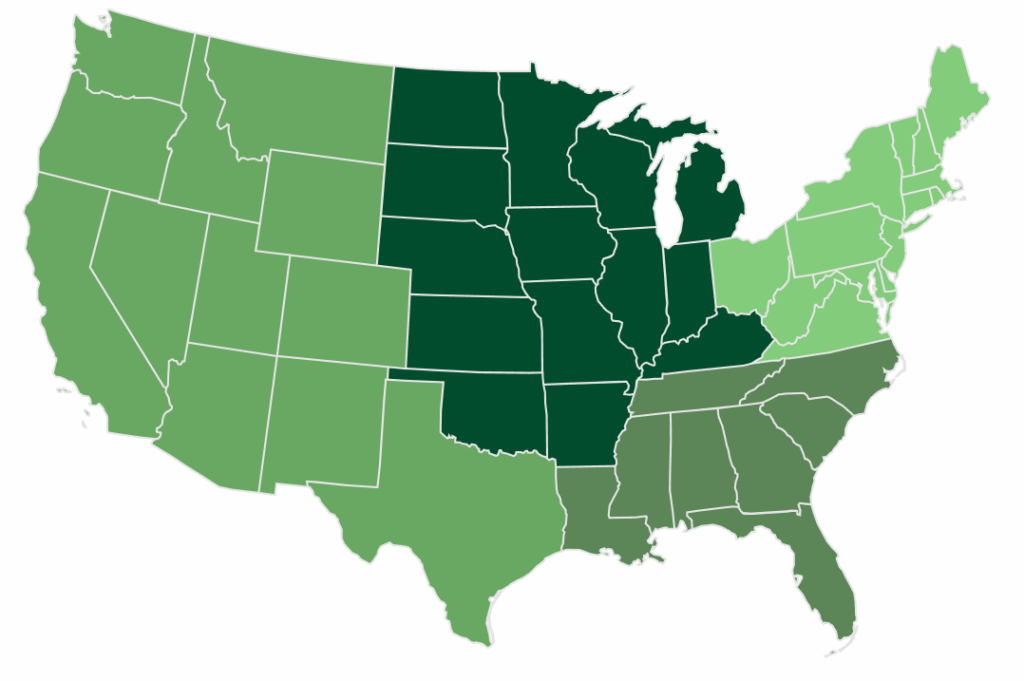
TRCP works across the country to ensure hunters and anglers can enjoy healthy fish and wildlife and quality days afield, no matter where they live.

See All Issues
TRCP in Your Region

TRCP works across the country to ensure hunters and anglers can enjoy healthy fish and wildlife and quality days afield, no matter where they live.

Who We Are
Our Mission

To guarantee all Americans quality places to hunt & fish

We unite and amplify our partners’ voices to advance America’s legacy of conservation, habitat, and access.

Our Mission & Values
Our People & Partners
  • Meet the TRCP Team

    Our staff and board members unite and amplify our partners’ voices to advance America’s legacy of conservation, habitat, and access.

    Meet the Team
  • Our Partners

    ‘Partnership’ is in our name. We work with 64 diverse partner groups that represent today’s leading hunting, fishing, and conservation organizations in order to strengthen the sportsman’s voice in Washington, D.C.

    Our Partners
  • Corporate Council

    TRCP’s Corporate Council is made up of diverse corporations that share a common passion for conservation.

    Corporate Council
Our Organization

Looking for more information?

Explore our latest news, policy updates, and conservation resources to get the information you need.

Giving
How You Can Help

To guarantee all Americans quality places to hunt & fish

Your tax-deductible donation will support TRCP's mission, now and into the future.

DONATE
Special Ways to support trcp
  • Capital Conservation Awards Dinner

    The CCAD is one of Washington's best-attended conservation celebrations, featuring dinner, cocktails, and a silent auction.

    Learn More
  • Step Into the Arena

    Help us ensure that our treasured wild habitats and game remain intact for the next generation to enjoy – lend your support to the TRCP’s efforts today!

    Donate
  • Roosevelt Roast

    TRCP has partnered with Afuera Coffee Co. to further our commitment to conservation.

    Learn More
More donation options

Find the best way for you to lend your support. Join one of TRCP’s donor circles for special invitations, premium offerings from outdoor retailers, and more exclusive benefits. Take control of your legacy with planned giving or contribute to special conservation funds.

Other Ways To Give
News
In the Spotlight

The Next Step for the Tongass

Hunters and Anglers Can Help Shape the Forest Plan.

Read More

Stay Informed

Receive our newsletter, the Roosevelt Report, right in your inbox. Never miss the latest news in conservation issues.

by:

posted in:

January 13, 2016

Take Our Water Wheel of Fortune for a Spin

Interactive tool shows what is possible for water conservation with increased funding in 2016

In December, we wrote that Congress struck a spending deal that makes significant investments in conservation. While it doesn’t exactly amount to a big Powerball jackpot for sportsmen, this bill does begin to reverse a decades-long decline for funding that impacts fish and wildlife habitat.

We’ve updated this interactive water budget tool on our website, so you can get a full picture of how Congress plans to pay for water conservation, in particular, this year. But, if pie charts (even incredibly cool ones) aren’t your thing, here’s a breakdown of how spending on freshwater species, from public lands to private lands, will shape up in 2016—making your days on the water even better.

This Smart Water Program

The end-of-year spending bill extends the WaterSMART Grant Program, administered by the Bureau of Reclamation, and invests 15 percent more in the program than last year. That means more critical grants can go to locally-driven water conservation projects. Sportsmen have been asking for a bigger spend on WaterSMART and assurances that this successful program would not expire—and we got both.

A chunk of money that you won’t see reflected in our Sportsmen’s Water Budget has been earmarked for a response to Western drought, construction of fish passages, and other supplemental water conservation work. Congress has supplied this kind of funding to the Bureau of Reclamation every year since 2014, and this year $166 million—$100 million of which is for Western drought response—has been allocated. Reclamation must come up with a plan for how to spend this money by February 2016. If history is any guide, a significant chunk of the additional funds will go towards sportsmen’s needs: Last year, it was used to boost WaterSMART grant spending by 25 percent.

These Farm Bill Fundamentals

Although the U.S. Department of Agriculture’s conservation funding was already set by the 2014 Farm Bill and depends on how many farmers sign up for conservation programs, Congress still had the power to cut these programs back. Thankfully, it did not cut the Conservation Stewardship Program (CSP), meaning it will still receive about $1.3 billion, which could go toward enrolling farm acres in efforts to increase irrigation efficiency or select crops right for local moisture conditions.

Unfortunately, Congress did cap funding for the Environmental Quality Incentives Program (EQIP) at $1.329 billion—that’s a loss of about $321 million that could have gone toward improving wetlands and other wildlife habitat. This has a domino effect on the Regional Conservation Partnership Program (RCPP), which helps award funds to projects that improve soil health, water quality, wildlife habitat, efficient use of water resources, and activities that otherwise support natural resources on private lands. It receives $100 million per year in base funding plus seven percent of the amounts made available for CSP, EQIP, and two other conservation programs. Therefore, the cut to EQIP will translate into a $22.5 million cut to RCPP.

But, overall, the combined effects of these funding changes at the Bureau of Reclamation and USDA mean there will be more money available this year for projects that restore fish and wildlife habitat, support agriculture, keep water in our rivers, and generally make water resources more resilient to drought, climate change, and increasing demand from a growing nation. That is all good news for sportsmen who need healthy waterways, which support the places where we love to hunt and fish.

No Dis-Chord on Clean Water

As any great jazz musician will tell you, sometimes the notes you don’t play matter as much as the ones that you do. Despite a strong push from lobbyists, Congress did not include a policy rider to block the Obama Administration’s clean water rule, which clarifies that Clean Water Act protections do indeed apply to 200,000 miles of headwater streams and certain wetlands to the benefit of trout, salmon, ducks, and other waterfowl.

The clean water rule is not out of the woods yet, so to speak (more on that later), but it appears that freshwater anglers and waterfowl hunters are starting out 2016 with some extra help from Congress.

Do you have any thoughts on this post?

XHTML: You can use these tags: <a href="" title=""> <abbr title=""> <acronym title=""> <b> <blockquote cite=""> <cite> <code> <del datetime=""> <em> <i> <q cite=""> <s> <strike> <strong>

Comments must be under 1000 characters.

by:

posted in:

HOUSE VOTE TO UNDERMINE CLEAN WATER PROTECTIONS IS HARMFUL TO SPORTING OPPORTUNITIES

News for Immediate Release

Jan. 13, 2016

Contact: Kristyn Brady, 617-501-6352, kbrady@trcp.org

The latest attempt to strike down the Clean Water Rule would prevent protection of headwater streams and wetlands

WASHINGTON, D.C. – Today, the U.S. House of Representatives took advantage of a rarely-used legislative process known as the Congressional Review Act to attempt to kill the EPA and Army Corps of Engineers’ Clean Water Rule, which clarifies Clean Water Act jurisdiction over headwater streams and wetlands. The Senate used the same expedited process to pass this joint resolution (S.J.Res.22) back in November 2015, so the bill now goes to the President, who has threatened to veto it. Sportsmen urge him to follow through on that threat.

“Once again, Congress has proven that they’re way out of touch with sportsmen on clean water,” says Whit Fosburgh, president and CEO of the Theodore Roosevelt Conservation Partnership. “Rather than sending trout and salmon spawning areas and waterfowl nesting habitat back into regulatory confusion, hunters and anglers want to see the Clean Water Rule implemented, so we can leave a legacy of healthy waterways for the next generation of sportsmen and women, while preserving existing assurances for farmers, ranchers, and foresters.”

By passing this resolution, lawmakers are disregarding the views of nearly 900,000 Americans, who were vocal in their support of the Clean Water Rule during the public comment period, and 83 percent of hunters and anglers polled, who said they want the Clean Water Act to protect smaller streams and wetlands.

Earlier this week, the TRCP sent Congress a letter opposing S.J. Res. 22 on behalf of eight hunting and fishing groups. The letter says “the Clean Water Rule will translate directly to an improved bottom line for America’s outdoor industry,” which, in the sportfishing sector alone, accounts for 828,000 jobs, nearly $50 billion in annual retail sales, and an economic impact of about $115 billion a year.

Learn more about the Clean Water Rule here.

Inspired by the legacy of Theodore Roosevelt, the TRCP is a coalition of organizations and grassroots partners working together to preserve the traditions of hunting and fishing.

by:

posted in:

Take Our Water Wheel of Fortune for a Spin

Interactive tool shows what is possible for water conservation with increased funding in 2016

In December, we wrote that Congress struck a spending deal that makes significant investments in conservation. While it doesn’t exactly amount to a big Powerball jackpot for sportsmen, this bill does begin to reverse a decades-long decline for funding that impacts fish and wildlife habitat.

We’ve updated this interactive water budget tool on our website, so you can get a full picture of how Congress plans to pay for water conservation, in particular, this year. But, if pie charts (even incredibly cool ones) aren’t your thing, here’s a breakdown of how spending on freshwater species, from public lands to private lands, will shape up in 2016—making your days on the water even better.

This Smart Water Program

The end-of-year spending bill extends the WaterSMART Grant Program, administered by the Bureau of Reclamation, and invests 15 percent more in the program than last year. That means more critical grants can go to locally-driven water conservation projects. Sportsmen have been asking for a bigger spend on WaterSMART and assurances that this successful program would not expire—and we got both.

A chunk of money that you won’t see reflected in our Sportsmen’s Water Budget has been earmarked for a response to Western drought, construction of fish passages, and other supplemental water conservation work. Congress has supplied this kind of funding to the Bureau of Reclamation every year since 2014, and this year $166 million—$100 million of which is for Western drought response—has been allocated. Reclamation must come up with a plan for how to spend this money by February 2016. If history is any guide, a significant chunk of the additional funds will go towards sportsmen’s needs: Last year, it was used to boost WaterSMART grant spending by 25 percent.

These Farm Bill Fundamentals

Although the U.S. Department of Agriculture’s conservation funding was already set by the 2014 Farm Bill and depends on how many farmers sign up for conservation programs, Congress still had the power to cut these programs back. Thankfully, it did not cut the Conservation Stewardship Program (CSP), meaning it will still receive about $1.3 billion, which could go toward enrolling farm acres in efforts to increase irrigation efficiency or select crops right for local moisture conditions.

Unfortunately, Congress did cap funding for the Environmental Quality Incentives Program (EQIP) at $1.329 billion—that’s a loss of about $321 million that could have gone toward improving wetlands and other wildlife habitat. This has a domino effect on the Regional Conservation Partnership Program (RCPP), which helps award funds to projects that improve soil health, water quality, wildlife habitat, efficient use of water resources, and activities that otherwise support natural resources on private lands. It receives $100 million per year in base funding plus seven percent of the amounts made available for CSP, EQIP, and two other conservation programs. Therefore, the cut to EQIP will translate into a $22.5 million cut to RCPP.

But, overall, the combined effects of these funding changes at the Bureau of Reclamation and USDA mean there will be more money available this year for projects that restore fish and wildlife habitat, support agriculture, keep water in our rivers, and generally make water resources more resilient to drought, climate change, and increasing demand from a growing nation. That is all good news for sportsmen who need healthy waterways, which support the places where we love to hunt and fish.

No Dis-Chord on Clean Water

As any great jazz musician will tell you, sometimes the notes you don’t play matter as much as the ones that you do. Despite a strong push from lobbyists, Congress did not include a policy rider to block the Obama Administration’s clean water rule, which clarifies that Clean Water Act protections do indeed apply to 200,000 miles of headwater streams and certain wetlands to the benefit of trout, salmon, ducks, and other waterfowl.

The clean water rule is not out of the woods yet, so to speak (more on that later), but it appears that freshwater anglers and waterfowl hunters are starting out 2016 with some extra help from Congress.

by:

posted in:

January 11, 2016

Glassing the Hill: January 11 – 15

The TRCP’s scouting report on sportsmen’s issues in Congress

Both the Senate and the House will be in session this week.

Photo courtesy of Library of Congress.

One takedown, one takeover, and (big surprise) another delay. On Wednesday, the House will vote on a resolution to invalidate the EPA’s Clean Water Rule, which, as you all know by now, will help improve protections for headwater streams and wetlands across the country. The House is expected to pass the resolution easily, but back in November a Senate vote on this resolution fell short of the majority needed to actually overturn the rulemaking. The rule has been temporarily blocked by the courts in the meantime.

Meanwhile, the standoff at the Malheur National Wildlife Refuge in Eastern Oregon, home to critical waterfowl habitat for much of the Pacific flyway, continues. In a press release last week, TRCP denounced the protest as “a profoundly un-American course of action” through which extremists are keeping us from our public lands. If you want to take legitimate action toward improving land management decisions, sign our petition against the wholesale transfer of federal public lands—a distraction that’s holding sportsmen back from our conservation goals.

And, once again, further discussion of the Bipartisan Sportsmen’s Act has been postponed by the Senate Environment and Public Works Committee as negotiations continue between EPW Republicans and Democrats. Ideally this package of important conservation provisions can (finally) move forward with bipartisan support before the end of this Congress.

On Tuesday at 9:00pm, tune in to President Obama’s final State of the Union address, where he’ll reportedly discuss goals for the country that go beyond his presidency. Also expected to make a cameo: a push for approval of the Trans-Pacific Partnership and a mention of his recent executive action on gun control.

by:

posted in:

January 7, 2016

T.R.’s Greatest Quotes and More—Right in Your Pocket

Did you know that the TRCP is on Instagram? In fact, Wired to Hunt called us one of the 70 Instagram accounts all hunters should follow. And we’re bringing plenty of feathers, fins, and fur to your feed in 2016. Need your weekly dose of inspiration from Theodore Roosevelt? We’ll be posting great quotes about conservation, hunting, wildlife, and civic duty from T.R. and other thought leaders. We’ll also share images from the field and behind-the-scenes glimpses of our staffers making an impact on the Hill and on the ground in your state. And, of course, we’ll continue to repost your fantastic #publiclandsproud images and news from our partners.

Start following us @theTRCP.

Last day to wow @fishbitemedia with your big-game #PublicLandsProud pics!

A photo posted by TRCP (@thetrcp) on


HOW YOU CAN HELP

TRCP has partnered with Afuera Coffee Co. to further our commitment to conservation. $4 from each bag is donated to the TRCP, to help continue our efforts of safeguarding critical habitats, productive hunting grounds, and favorite fishing holes for future generations.

Learn More
Subscribe


You have Successfully Subscribed!

You have Successfully Subscribed!

You have Successfully Subscribed!

You have Successfully Subscribed!

You have Successfully Subscribed!