Our Issues
Public Lands
Why It Matters

Hunting & Fishing Access

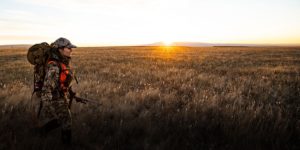
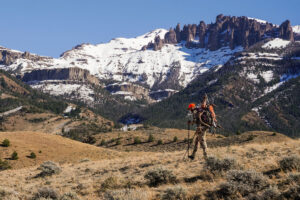
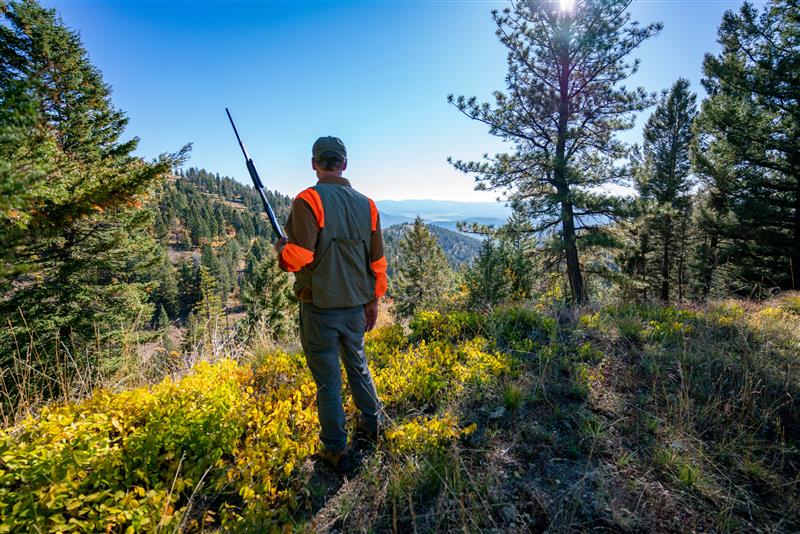
America’s 640 million acres of national public lands provide irreplaceable hunting and fishing opportunities to millions of Americans.

Learn More About Access
What TRCP is Doing

We’re working to safeguard America’s public lands so hunters and anglers always have quality places to pursue their passions.
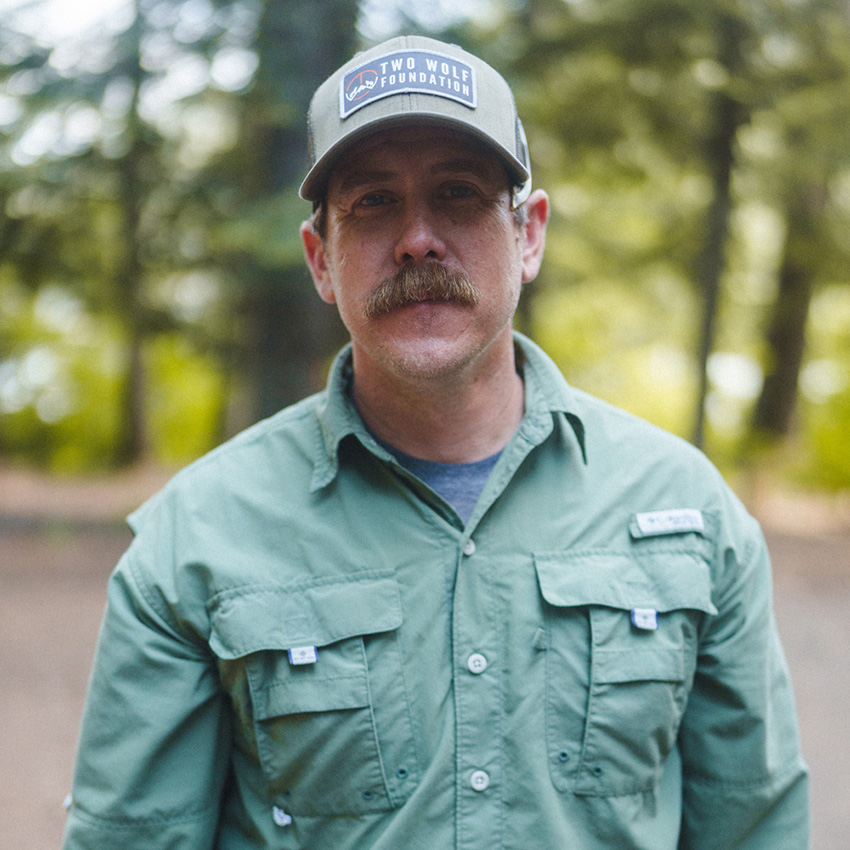
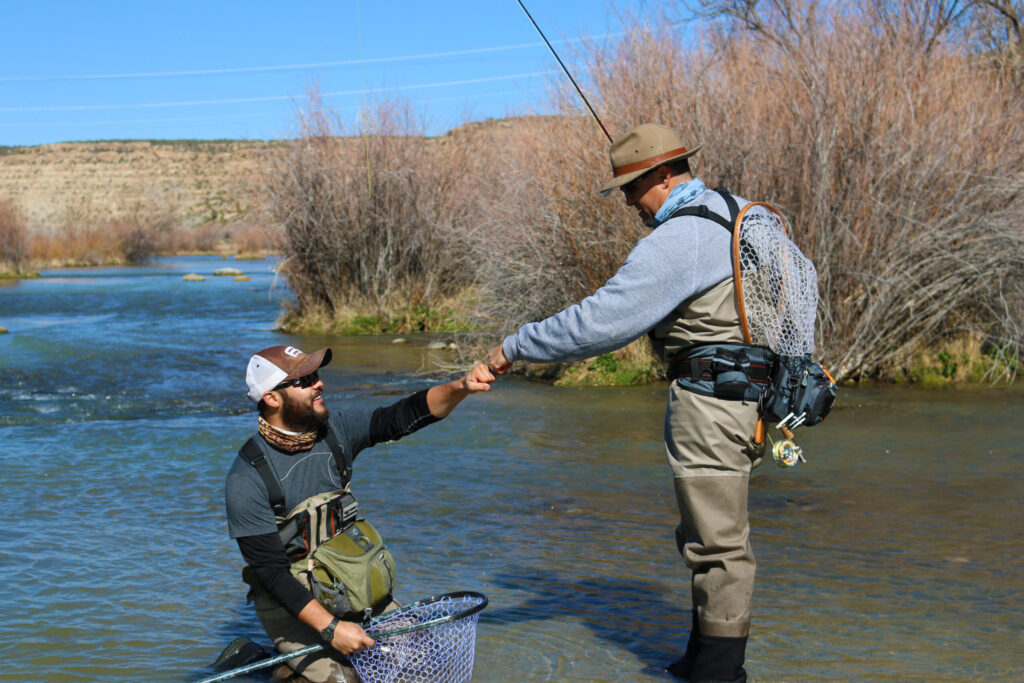
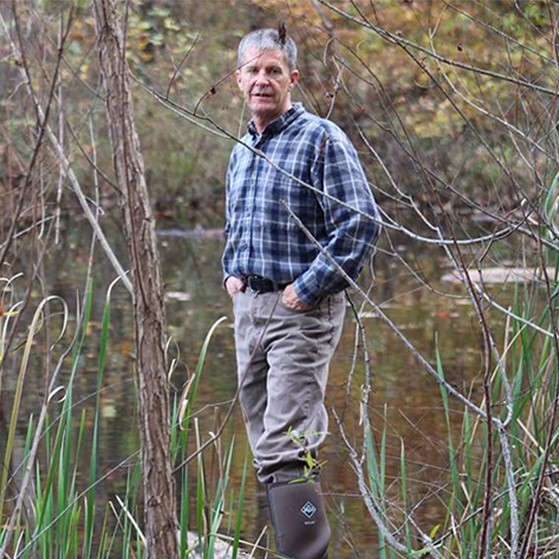
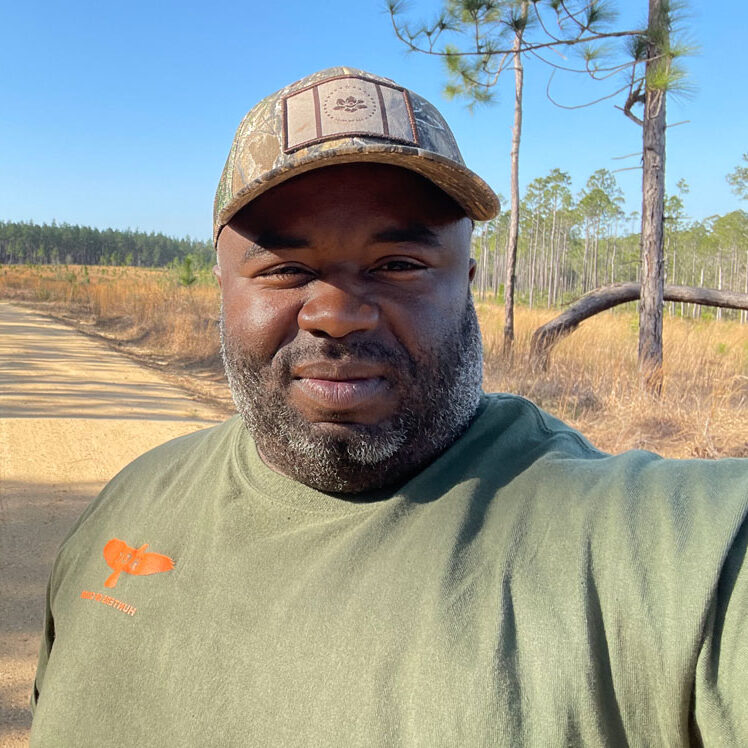
 Brian Flynn, Two Wolf Foundation
How Sportsmen Are Doing It Right

Brian Flynn, Two Wolf Foundation's Story

Following a distinguished career in the U.S. Army, lifelong outdoorsman Brian Flynn returned home from a deployment in Afghanistan and…

Hunting
Why It Matters

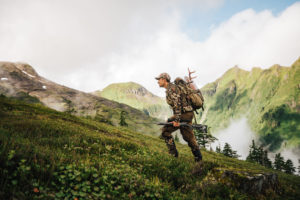
Key Issues for America’s Hunters

Your source for the latest policy updates, conservation challenges, and opportunities shaping America’s hunting traditions.

What TRCP is Doing

We’re fighting for meaningful policy changes that benefit wildlife, our waters, and the American landscapes that make our outdoor traditions possible.

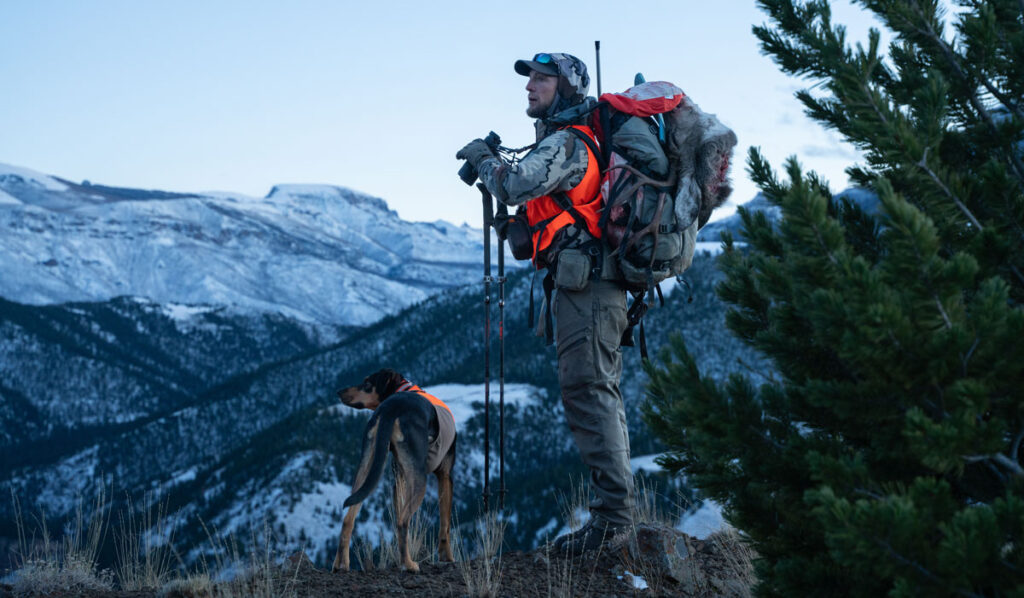
 Ryan Sparks
How Sportsmen Are Doing It Right

Ryan Sparks's Story

TRCP’s “In the Arena” series highlights the individual voices of hunters and anglers who, as Theodore Roosevelt so famously said,…
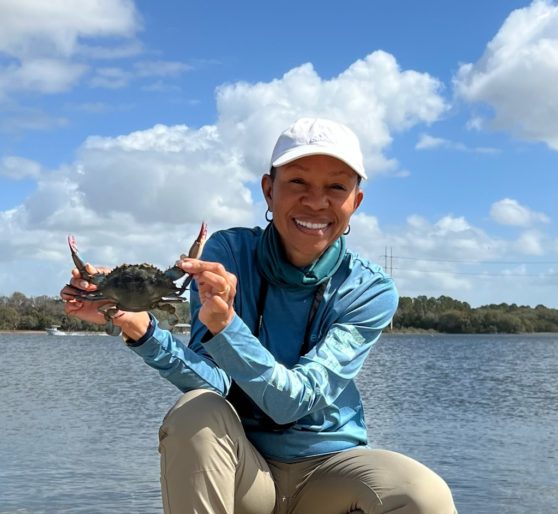
Fishing
Why It Matters

Key Issues for America’s Anglers

Your source for the latest policy updates, conservation challenges, and opportunities shaping America’s fishing traditions.

What TRCP is Doing

We’re fighting for meaningful policy changes that benefit wildlife, our waters, and the American landscapes that make our outdoor traditions possible.

 David Mangum
How Sportsmen Are Doing It Right

David Mangum's Story

Capt. David Mangum is a YETI ambassador and outdoor photographer who utilizes his talents to produce media that inspire a…

Private Land
Why It Matters

Stewardship on America’s private lands

With 70 percent of U.S. lands in private hands and many of our best hunt and fish opportunities occurring there, investing in voluntary conservation on working lands safeguards access, strengthens habitat and water quality, and ensures resilient landscapes.

Learn More
What TRCP is Doing

We champion policies and programs that restore wildlife habitat, improve soil and water health, and keep working lands productive.

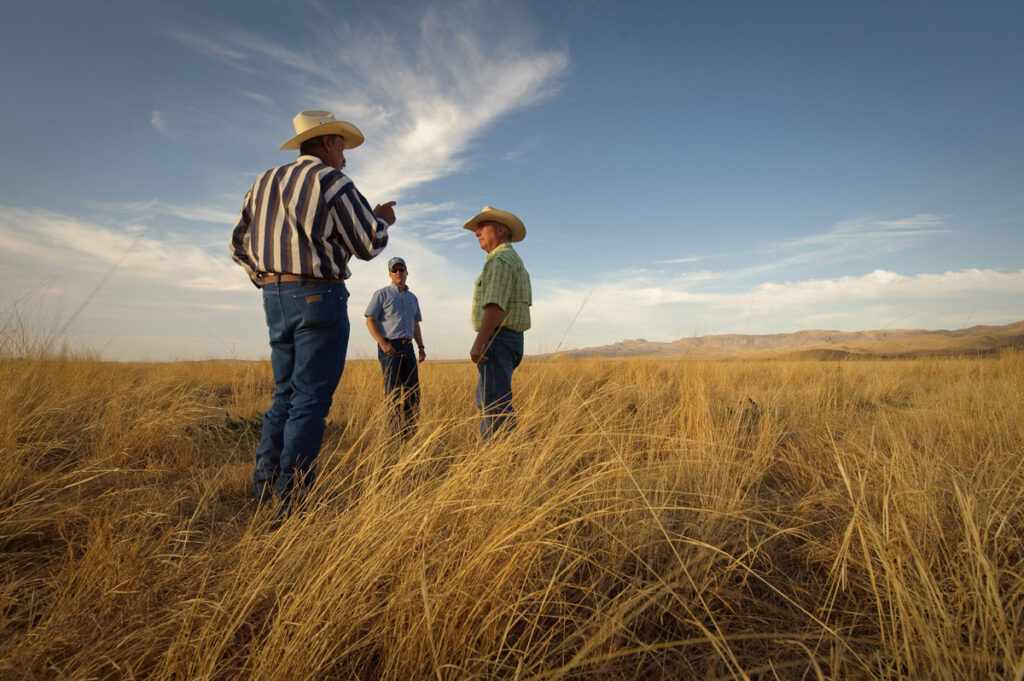
 Ward Burton
How Sportsmen are Doing It Right

Ward Burton's Story

Ward Burton’s NASCAR driving career stretched across most of two decades. As an avid sportsman and conservationist, he founded the…

Special Places
Why It Matters

Special Places Worth Protecting

America’s most iconic landscapes provide unmatched habitat and unforgettable days afield. These places sustain wildlife, anchor local economies, and define the hunting and fishing traditions we pass down.

What TRCP is Doing

We’re working to conserve special places that provide world-class habitat and unforgettable opportunities for hunters and anglers.

 Franklin Adams
How Sportsmen Are Doing It Right

Franklin Adams's Story

As a true Gladesman, conservationist, and historian, Capt. Franklin Adams has spent more than six decades championing Everglades restoration efforts…

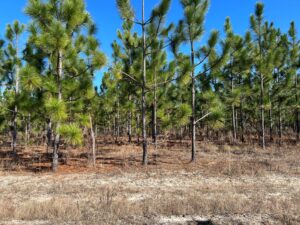
Habitat & Clean Water
Why It Matters

Healthy Habitat Powers Every Pursuit

All hunting and fishing opportunities depend on quality habitat, from clean water and healthy wetlands to winter and summer habitats and the migration corridors that connect them.

All About Habitat & Clean Water
What TRCP is Doing

We are working to safeguard the habitats that power every hunting and fishing opportunity.

 Alex Harvey
How Sportsmen Are Doing It Right

Alex Harvey's Story

Alex Harvey, founder of Legacy Land Management, is a registered professional forester in Mississippi and Alabama with a Master's degree…

Science
Why It Matters

Science That Guides TRCP

From conserving migration corridors and wetlands to ensuring clean water and resilient landscapes, science provides evidence that turns conservation goals into effective action.

Science for Conservation
What TRCP is Doing

For hunters and anglers, science safeguards the experiences we treasure including resilient big game populations, abundant fish, and wild places that endure changing social landscapes.

Jamelle Ellis
Your Science Expert

Jamelle Ellis's Story

Jamelle Ellis joined the Theodore Roosevelt Conservation Partnership in 2022. Jamelle spent the last three years as an environmental sustainability…

Where We Work
Across the Nation

Conservation Across America

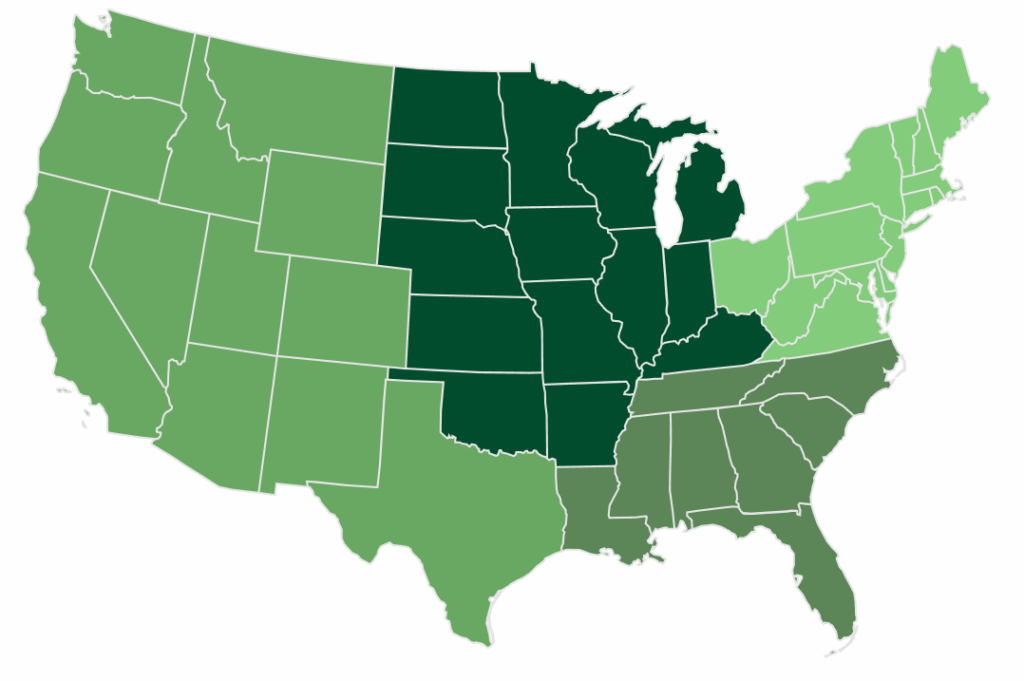
TRCP works across the country to ensure hunters and anglers can enjoy healthy fish and wildlife and quality days afield, no matter where they live.

See All Issues
TRCP in Your Region

TRCP works across the country to ensure hunters and anglers can enjoy healthy fish and wildlife and quality days afield, no matter where they live.

Who We Are
Our Mission

To guarantee all Americans quality places to hunt & fish

We unite and amplify our partners’ voices to advance America’s legacy of conservation, habitat, and access.

Our Mission & Values
Our People & Partners
  • Meet the TRCP Team

    Our staff and board members unite and amplify our partners’ voices to advance America’s legacy of conservation, habitat, and access.

    Meet the Team
  • Our Partners

    ‘Partnership’ is in our name. We work with 64 diverse partner groups that represent today’s leading hunting, fishing, and conservation organizations in order to strengthen the sportsman’s voice in Washington, D.C.

    Our Partners
  • Corporate Council

    TRCP’s Corporate Council is made up of diverse corporations that share a common passion for conservation.

    Corporate Council
Our Organization

Looking for more information?

Explore our latest news, policy updates, and conservation resources to get the information you need.

Giving
How You Can Help

To guarantee all Americans quality places to hunt & fish

Your tax-deductible donation will support TRCP's mission, now and into the future.

DONATE
Special Ways to support trcp
  • Capital Conservation Awards Dinner

    The CCAD is one of Washington's best-attended conservation celebrations, featuring dinner, cocktails, and a silent auction.

    Learn More
  • Step Into the Arena

    Help us ensure that our treasured wild habitats and game remain intact for the next generation to enjoy – lend your support to the TRCP’s efforts today!

    Donate
  • Roosevelt Roast

    TRCP has partnered with Afuera Coffee Co. to further our commitment to conservation.

    Learn More
More donation options

Find the best way for you to lend your support. Join one of TRCP’s donor circles for special invitations, premium offerings from outdoor retailers, and more exclusive benefits. Take control of your legacy with planned giving or contribute to special conservation funds.

Other Ways To Give
News
In the Spotlight

Part II: Conservation, Access, and Public Land Management in Nevada

Understanding how targeted, conservation-driven decisions can strengthen wildlife habitat and hunter and angler access in Nevada.

Read More

Stay Informed

Receive our newsletter, the Roosevelt Report, right in your inbox. Never miss the latest news in conservation issues.

by:

posted in:

April 12, 2013

Malheur Hunt Oct 12 (8 of 12)

Do you have any thoughts on this post?

XHTML: You can use these tags: <a href="" title=""> <abbr title=""> <acronym title=""> <b> <blockquote cite=""> <cite> <code> <del datetime=""> <em> <i> <q cite=""> <s> <strike> <strong>

Comments must be under 1000 characters.

by:

posted in:

Video: Improving Hunting Access

  • Sportsmen must travel farther than ever to access public lands.
  • Public lands can be rendered inaccessible by adjacent private land owners.
  • The federal Open Fields program incentivizes land owners to enable sportsmen access to privately owned lands, including otherwise inaccessible hunting grounds.

Visit our partner sites to find out more about Open Fields and public lands access:

Pheasants Forever
Association of Fish and Wildlife Agencies

by:

posted in:

April 9, 2013

Featured Conservation Leader: Senator Jon Tester

Sen. Jon Tester of Montana continues to make big strides for the conservation community while maintaining the trademark down-to-earth personality so common among sportsmen. Tester took some time out from tending his farm and working in the halls of Congress to answer a few questions for the TRCP.

The TRCP is set to honor Tester at the 2013 Capital Conservation Awards Dinner held April 18.

Image courtesy Sen. Jon Tester.

Name: Jon Tester

Occupation: U.S. Senator/Organic Farmer

Location: Big Sandy, Mont.

How did you become passionate about the outdoors? I grew up fishing and riding horse in the Bear Paw Mountains in north-central Montana with my dad and two older brothers. We learned that enjoying Montana’s treasured outdoors comes with the responsibility of preserving our lands and waters for future generations to enjoy as well.

What is a favorite memory of a trip afield?  Stream fishing in the Bear Paw mountains with my folks.

What is your go-to piece of hunting or fishing gear?  It depends on the time of year, but right now my .218 Bee that I use to shoot gophers on the farm.

What led you to a career in Congress?  I ran for the Montana State Senate in 1998 after the State Legislature deregulated Montana’s power industry, resulting in higher power costs.  This change put an unfair financial burden on average Montanans. After serving as the president of the State Senate in 2005, Montanans elected me to the U.S. Senate in 2006.

Image courtesy Sen. Jon Tester.

What role do you see sportsmen playing in the conservation arena?  Sportsmen and women know our lands as well as anyone, and they know what it will take to preserve our outdoor heritage. Sportsmen and women provide me with some of the best conservation ideas and the best ways to increase access to public lands because they use it. Lawmakers do their best work when they get good ideas from the ground and the sportsmen’s community will be critical to making sure we can preserve our lands and pass our outdoor traditions down to our kids and grandkids.

What are some ways sportsmen can become involved in public policy? Building coalitions that put forward good ideas will make sure sportsmen and women have a seat at the table. It’s also important to reach out to folks that you normally wouldn’t work with in order to find common ground. My Forest Jobs and Recreation Act is the product of conservationists and folks in the timber industry sitting down at the table to improve how we manage our forests. Each group gave a little but in the end they got a lot more. All Montanans will benefit from this legislation, whether they rely on our forests for work or recreation.

What do you think are the most important issues facing sportsmen today, and how do you hope your work in Congress will resolve these issues? Sportsmen and women tell me that their No. 1 issue is access to public lands. That’s why I’ve pushed for my Making Public Lands Public Act that will increase access to public lands. Sportsmen and women are also concerned about land and species conservation, which is why stronger protections were a major part of my Sportsmen’s Act last year.

In the simplest of terms, why do you care about conservation?  As someone who works and plays outdoors, I know the importance of preserving our lands and water for future generations to enjoy. Montana’s outdoor economy is also a nearly $6 billion industry that creates jobs and strengthens our state’s economy. But more importantly, our outdoors are why we live here.

Any conservation leaders or heroes you look up to? There are many conservation heroes, including those who use our lands wisely today, but you named your organization after one of my favorites: Theodore Roosevelt. Roosevelt was a visionary. He pioneered our earliest conservation efforts and fought to change Americans’ perceptions about the land. His commitment to responsible stewardship of our lands and water is something for all of us to aspire to.

Image courtesy Sen. Jon Tester.

by:

posted in:

April 2, 2013

Ted Turner’s Rise to Conservation Giant Chronicled in New Book

Todd Wilkinson’s acclaimed new book, “Last Stand: Ted Turner’s Quest to Save a Troubled Planet,” is a must read this spring. The TRCP earns a nod in the book, which documents Turner’s journey from outspoken media mogul to eco-capitalist.

The TRCP is set to honor Turner with the 2013 Lifetime Conservation Achievement Award at the 2013 Capital Conservation Awards Dinner held April 18.

Read an excerpt from the book below.

Last Stand

+++++

The Flying D, Ted Turner’s flagship ranch in the West, is a blank natural canvas. Ten Manhattan Islands would fit inside the ranch’s rectangle. “When I first went to the Flying D and drove into that huge beautiful complex,” reflects former US senator Tim Wirth, “I had the feeling that something was missing—something was wrong. Then I realized that there just weren’t any fences or telephone poles or wires—no big manifestations of infrastructure. All my life I have driven through land that had the wired stamp of man. This was different—it was the way the land originally looked, and it was so . . . well, striking.”

Geographers express amazement that a piece of raw, undeveloped land this size still exists next to a booming small city and between two famous blue ribbon trout streams, the Gallatin and Madison. When Turner’s friend in philanthropy, nuclear disarmament, and capitalism, Warren Buffett, shows guests around Omaha, eighteen hundred miles downstream (where Buffett’s company, Berkshire-Hathaway, is headquartered), he and Turner share a liquid connection to the latter’s stewardship practices high in the basin of the Mighty Missouri. The rain and snow that flows off Turner’s ranch is headed in Buffett’s direction. The cleaner the water being passed along, the less that it needs to be treated by municipalities before reaching the tap, and thus the safer to drink for tens of millions. Omahans, Kansas Citians, and folk in New Orleans can trace their headwaters here.

On this morning, Mark Kossler and I in the cockpit of his small bushplane. Today, Turner is on the ground riding horseback with friends, showing off a cranny in the ranch interior that he fondly calls “the Enchanted Forest.” It’s a pocket of massive Douglas firs a couple of hundred years old—their thick columnar trunks coated in jackets of moss that glow neon when struck by falling shafts of sunshine. “I love going there,” Turner says. “It reminds me of the woods I would escape to as a boy. Listening to the birds, breathing in the smells of the forest. Maybe seeing an animal. I still get as much of a thrill being in a place like that as I did when I was ten years old.”

When Turner first came West, his objective was simply to have a few recreational retreats where he could catch some fish, maybe hunt a large wapiti or bird. “But the more that you become familiar with the land at river level, and contemplate all of the things that go into creating a healthy trout stream, your thinking naturally expands. Then it’s your choice to act on it, or not.”

On foot, the Flying D could take days to cross. Turner has thought of having some of his ashes spread at his favorite haunts. Aldo Leopold writes of the psychological transformation that people go through, reflecting on the places where their bodies might one day be patriated. It is an impulse to go back to nature. People seek a nourishment they can’t find anywhere else. The reasons that a young person goes wandering can be very different from the impulses summoning an adult in midlife. Leopold, as so many others still do, went west as a young man and then retired to a farm in rural Wisconsin; Turner planted stakes in Montana just shy of his fiftieth year, with a different reason for his perambulation.

By any standard, the Flying D is a “trophy property,” harboring big game species and scenery to match any national park. In the first few years that Turner owned the ranch, he stalked some of the biggest elk and deer with a gun in his hands. At the edge of the property, his youngest son, Beau, a well-known outdoorsman, has a log home, its walls covered with the heads of animals, many of them qualifying for inclusion in the Boone & Crockett record books. Turner the elder will always call himself a sportsman, he says, but he no longer harvests anything larger than a pheasant or quail. His time for killing has past.

When Turner arrived in Montana, rumors were rife that he would leverage his purchase of the Flying D into a massive real estate play, keeping the best for himself and carving the rest, lucratively, into forty-acre “ranchettes.” But he notes that he never had an interest in coming as a conqueror; in fact, he feels personally insulted that the speculation was even made.

At the Flying D, he has dozens of personal Leopoldian “blank spaces” he seeks out— hideaways like the Enchanted Forest. “The map for reaching them I keep up here,” he says, tapping his temple. As a septuagenarian, he still tries to walk and ride as much of his ranches as possible, though he has resigned himself to the fact that he will not cover them all. “I’m leaving the rest for my kids and grandkids to explore.”

An hour into the air, Kossler eases the plane downward. Wings cast sun shadows over small rivulets, a few waterfalls. Below, trotting in single file between clusters of aspen and pine, are perhaps two hundred elk.

Swooping lower, he follows the wends of Cherry Creek, where Turner, the state of Montana, the US Forest Service, and Trout Unlimited have restored imperiled westslope cutthroat trout in an unprecedented project by first purging the waters of non-native browns, rainbows, and brook trout. “It’s one thing to work to recover native species on publicly owned lands,” says Chris Wood, president and CEO of Trout Unlimited. “But when private landowners such as Turner embrace conservation and restoration, that’s when we really begin to see watershed-level recovery occurring.”

Westslopes swam in the melt of receding Pleistocene glaciers, but pure-strain examples of the species have suffered a precipitous decline caused by water quality impairment in the West and by transplanted, non-native trout producing a hybridized species. Westslopes represent one of the last pieces in a puzzle of biological completeness Turner has been trying to assemble. Carter Kruse, Turner’s nationally acclaimed aquatic resources biologist who chaperoned it, calls the establishment of pure-strain westslope cutthroats a momentous achievement.

Over all, it resulted in westslopes gaining 60 new river miles of habitat, among a much larger blueprint for fish restoration across the West Turner is taking on.  These efforts have attracted national attention and rank as high in importance to his boss as allowing grizzlies and wolves to share the ranch premises, Kruse says.

Over the next thirty minutes, Kossler glides over moose, then a sow grizzly with two cubs. On the other side of the Madison River, he takes note of antelope and bison ambling over hillsides peppered with tepee rings thousands of years old. Then, in a kind of visual crescendo, he passes in front of the Spanish Peaks—the same chiseled summits that are part of the Madison cordillera rising in front of Turner’s living room window and extend southward for sixty, rock-ribbed miles.

Those mountains are also visible from Main Street in Bozeman twenty miles distant—as are the treeless highlands of the Flying D, which are protected under a conservation easement, once the largest in the West. Like a giant wave curling on the western horizon, the land is part of the visual commons that tens of thousands of denizens savor with their eyes, and they leave a resonant impression on millions of visitors passing through southwest Montana. The sight of it shapes their experience and Turner owns them with a sense of obligation.

“I had no idea how special the Flying D was to so many other people until I had been here awhile,” Turner explains to me later.

Today, ecologists say the Madison Range would be one of the wildest stretches of mountains in the entire, twenty-million-acre Greater Yellowstone region—were it not for scattershot development around the resort of Big Sky. The Spanish Peaks represent a point of demarcation between Ted Turner’s influence and that of another wealthy man, a developer and former billionaire named Tim Blixseth. Each man laid out a different course for how to treat natural assets:  Turner in seeking a better way to blend economy and ecology;  Blixseth as a land developer.

Mike Finley, the chief executive officer of the Turner Foundation, says Turner doesn’t issue press releases after he’s tried to do good.  “Ted tells us that we don’t need self-congratulations.  The satisfaction we get is personal and that’s what matters,” he says.

Over thirty-five hundred groups have, to date, received nearly $360 million in Turner Foundation grants, not including some special ad hoc projects. “Ted has really tried to be a silent partner,” Finley says. “And even in communities where there might be hostility to him because of some of the things he has said over the years, he will say, ‘That’s okay, we can still give that community money. People don’t have to like me. That’s not a requirement. If our funding can help get a project done that wouldn’t otherwise, then maybe people there will want to do more.’”

One noteworthy group that earned Ted’s and Beau’s enthusiastic blessing, for instance, is the Theodore Roosevelt Conservation Partnership (www.trcp.org) founded to empower the original American conservationists—hunters and anglers. It was launched with pivotal leadership provided by the late and legendary Jim Range, who served as key advisor to former US senator and majority leader Howard Baker of Tennessee. Range was an ardent Republican and indefatigable hook and bullet conservationist.

TRCP, as it is called, reflects the Turner organization’s affinity for Theodore Roosevelt, and it champions protection of habitat while striving to get more kids out in the field to experience hunting and fishing. “Our research had shown that there were approximately forty million Americans who hunt and fish. Most of these outdoor enthusiasts do not belong to the typical national organizations that the Turner Foundation funds such as Defenders of Wildlife or the National Wildlife Federation,” Finley explains.

“These are good groups, but they did not resonate with the more conservative hunting and fishing crowd. Our goal was to give a political voice to the millions of people who love the outdoors, who see the benefits of clean water and clean air and want to protect the lands and waterways of this country.”

TRCP seeks to unite people who love the great outdoors rather than being pettily divided by interests applying an ideological litmus test, says Whit Fosburgh, president and CEO of TRCP. “Ted, just as Jim Range did, cherishes the strength and value of pulling people together around their common values rather than trying to deliberately fragment them along the lines of their differences. The hunting and fishing community is like a microcosm of the country.  We live in different areas but we all feel called to the outdoors.”

In northern Florida, near Tallahassee, Beau Turner, with his dad’s enthusiastic blessing, has established a special outdoor nature center where kids learn how to fish, handle shotguns and rifles and hunt. Kids can also catch frogs and go on hikes. From Ted on down, the family is committed to addressing what author Richard Louv has dubbed “nature-deficit disorder” plaguing America’s increasingly urban populace.  Ted and Beau say that the future of hunting and fishing also rests on the ability to expose young people to the joys of escaping into green spaces.

Sacred too is the responsibility of motherhood and looking out for the health of their babies. The Turner Foundation has been instrumental in raising awareness about the plight of pollinators linked to pesticide spraying. Concern about honeybees, which are essential workhorses in the multibillion-dollar fruit and produce industry, piqued a greater curiosity about the proliferation of chemicals in the environment that get ingested into the human body, a special interest of Laura Turner Seydel and her sister, Jennie Turner Garlington, both mothers. The Turner Foundation supports the Environmental Working Group that has catapulted bioaccumulation of toxic household chemicals to national attention, and locally in Atlanta it supports Mothers & Others for Clean Air, a coalition of eight environmental and public health organizations.

“It’s the first time that public health groups in Georgia have come together alongside environmentalists to look at how outdoor air quality affects the well-being of at-risk communities, especially children,” Turner Seydel says. “It’s a vulnerable population.”  And the approach being adopted there is being emulated in other states.

Clean air and water is as important to sporting people and the wildlife they care about as it is to millions of urban dwellers.  It all involves matters of health. As Turner Seydel learned about how chemicals can disrupt the endocrine system, crucial to the human immune system in fighting off diseases, she also became fluent in the cause of an escalation in kids suffering from asthma and chronic respiratory illness.  Together, Ted Turner, Laura Turner Seydel and her children all had blood work done to see the level of exposure as carried across generations.  Startling, the adults had a wider array of agents because of longevity but the children had higher percentages of synthetic toxics in their system—something that should be of concern to all parents in the 21st century.  Another fascinating correlation is that Jean-Michel Cousteau, son of the late Jacques-Yves Cousteau, notes that longer-lived marine life also bio-accumulates toxic agents in its fatty tissue.

“It all relates to the stuff floating around in the water and air we’re taking in and don’t even realize,” Turner Seydel says. “We’re all stewards, together.  The landscape is interconnected and so are all of us who use it.”

+++++

Reprinted with permission from Last Stand: Ted Turner’s Quest to Save a Troubled Planet, by Todd Wilkinson, with a foreword by Ted Turner, published by Lyons Press, April 2013.

by:

posted in:

Saving Texas Bighorn Sheep

Steven addresses concerns about Texas bighorn sheep in light of exotic and invasive species introductions within the bighorn’s native range.

  • Bighorn sheep are what biologists call an “indicator species” – one whose presence, absence or abundance is reflective of a larger environmental trend.
  • After years of declining numbers resulting from unregulated hunting and disease, Texas bighorns have rebounded to their pre-settlement population levels.
  • Bighorns are threatened by the introduction of the exotic and invasive Aoudad sheep. Aoudad sheep compete with bighorns for habitat and risk transmitting viral and bacterial pathogens foreign to bighorn immune systems.
  • The greatest limiting factor in bighorn recovery, however, is disease transmission from domestic sheep and goats.
  • In order for Texas bighorn populations to remain robust, management practices must eliminate contact between bighorns and domestic sheep and goats and strictly manage Aoudad numbers.

Wild sheep populations in Texas may be recovering, but herds across the West continue to dwindle due to factors such as disease transmission and climate change.

HOW YOU CAN HELP

TRCP has partnered with Afuera Coffee Co. to further our commitment to conservation. $4 from each bag is donated to the TRCP, to help continue our efforts of safeguarding critical habitats, productive hunting grounds, and favorite fishing holes for future generations.

Learn More

You have Successfully Subscribed!

You have Successfully Subscribed!

You have Successfully Subscribed!

You have Successfully Subscribed!